- +8618603825129
- [email protected]

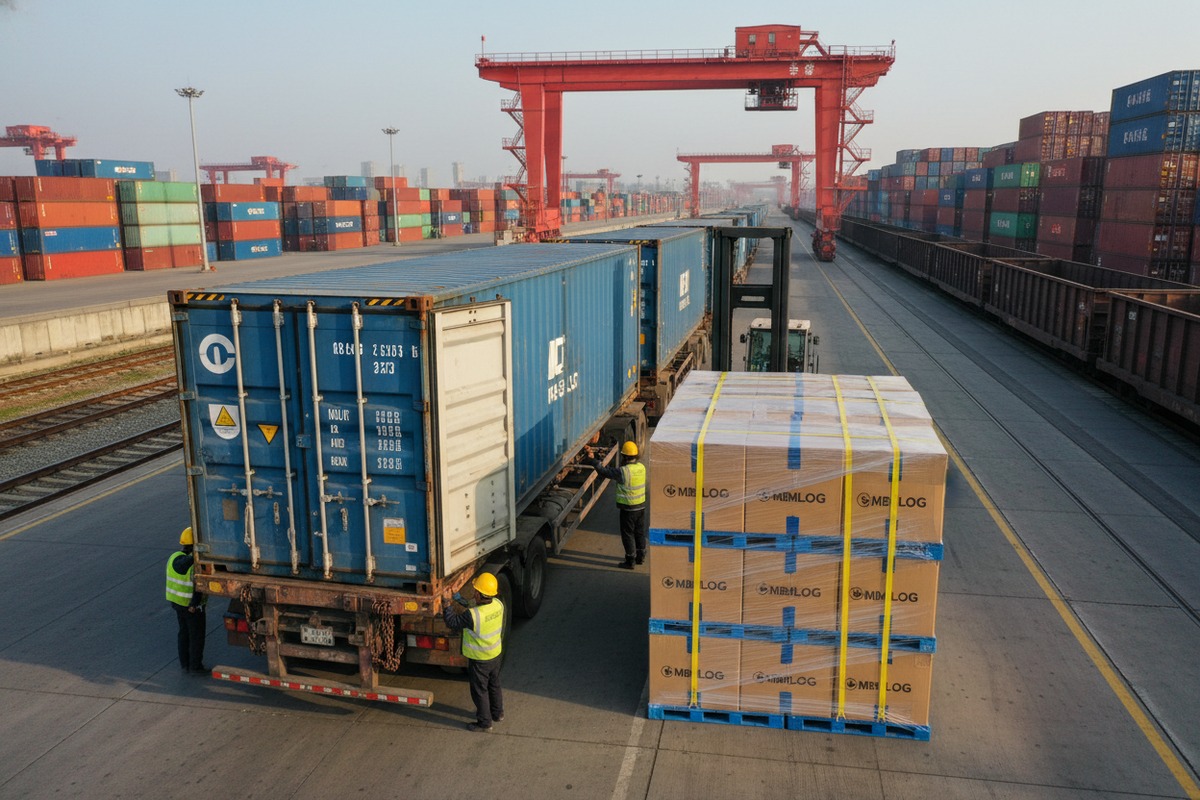
Every container we ship from our warehouse in Zhengzhou must carry one critical number before it touches a vessel — its VGM.
VGM, or Verified Gross Mass, is the total verified weight of a packed shipping container. It includes the cargo, all packaging, pallets, dunnage, securing materials, and the container's tare weight. Under the SOLAS convention, shippers must submit VGM before the container can be loaded onto a vessel.
Getting this number wrong — or skipping it entirely — can stop your shipment dead at the terminal SOLAS convention 1. Below, we break down exactly why VGM exists, how to calculate it using two approved methods, who handles the submission, and what happens when the data is inaccurate.
Our logistics team in China processes hundreds of FCL and LCL shipments each month, and we have seen firsthand how a single misdeclared weight can cascade into delays, fines, and even safety incidents at sea International Maritime Organization 2.
VGM is mandatory because the International Maritime Organization (IMO) amended the SOLAS convention in 2016 to prevent accidents caused by misdeclared container weights. Without a verified weight, ocean carriers and terminal operators are legally required to refuse loading, protecting vessel stability and crew safety.
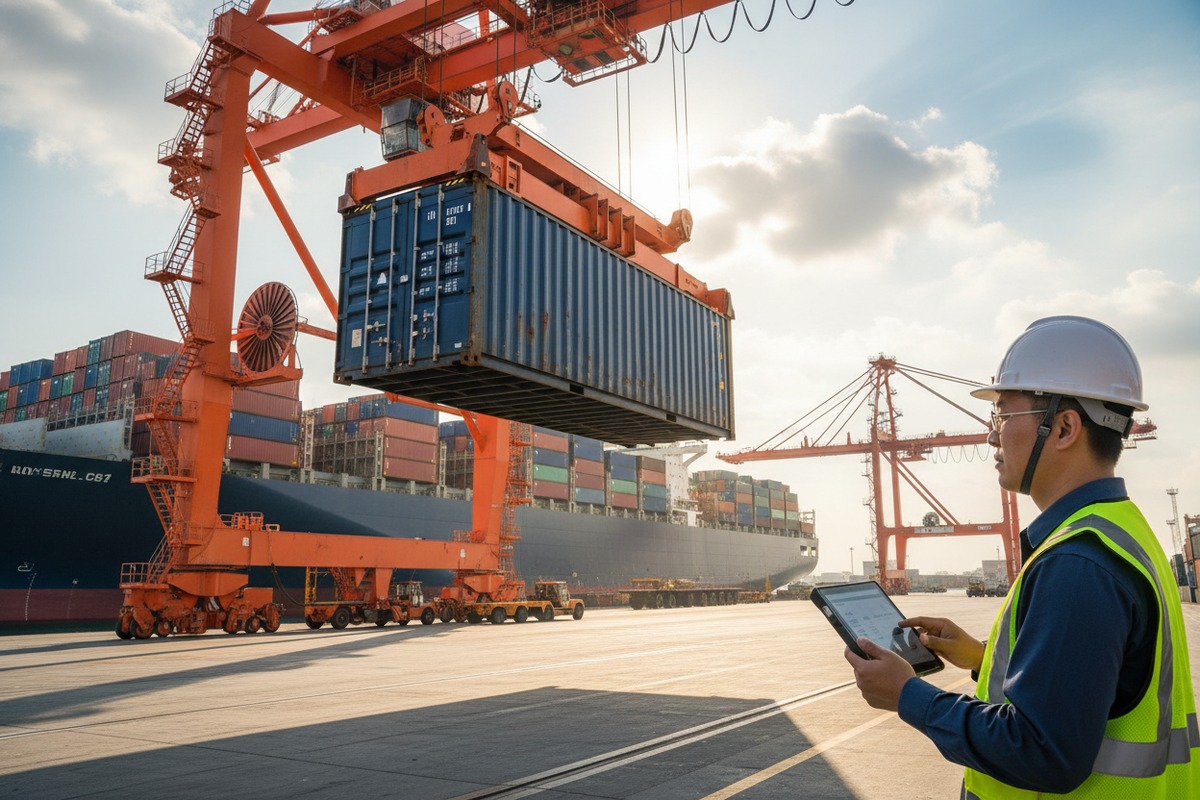
SOLAS stands for the Safety of Life at Sea convention demurrage fees 3. It is the most important international treaty governing maritime safety. Before 2016, shippers could self-declare container weights with little verification. This led to serious problems. Containers that were heavier than declared caused stack collapses on deck, crane failures at terminals, and even vessel capsizing incidents. The IMO responded by making VGM a hard requirement for every packed container moving by ocean.
The shipper — the party named on the bill of lading 4 — is legally responsible for providing an accurate VGM. This is not optional. It is not something the carrier does for you. The shipper must determine the weight, sign off on the declaration, and submit it before the terminal's VGM cut-off time, which is usually 24 to 48 hours before vessel departure.
At major Chinese ports like Shanghai, Ningbo, Shenzhen, and Qingdao, terminal operators enforce VGM strictly. If a container arrives at the gate without a valid VGM submission, it will not enter the yard. If it somehow enters the yard but has no VGM on file before the loading window, the carrier will skip it.
| VGM Requirement | Detail |
|---|---|
| Regulation | SOLAS Chapter VI, Regulation 2 |
| Effective Date | July 1, 2016 |
| Responsible Party | Shipper (as named on the bill of lading) |
| Submission Deadline | Before terminal VGM cut-off (typically 24–48 hrs before sailing) |
| Consequence of Non-Compliance | Container refused for loading |
| Enforcement Bodies | Ocean carriers, terminal operators, port authorities |
When we coordinate shipments from our Zhengzhou warehouse to Amazon FBA warehouses in the United States, VGM is one of the first data points we confirm with the factory. A missing or late VGM does not just delay one container. It can push your cargo to the next available vessel, adding 7 to 14 days to your transit time. For Amazon sellers managing tight inventory cycles, that kind of delay can mean stockouts, lost rankings, and real revenue loss.
The bottom line: VGM is not paperwork for the sake of paperwork. It exists to keep ships stable, crews safe, and cargo moving. Every shipper exporting from China must treat it as a non-negotiable step in the export workflow.
When we guide our clients through the VGM process, the most common question is whether to weigh the entire container or add up all the individual components. Both methods are valid, but each has clear trade-offs.
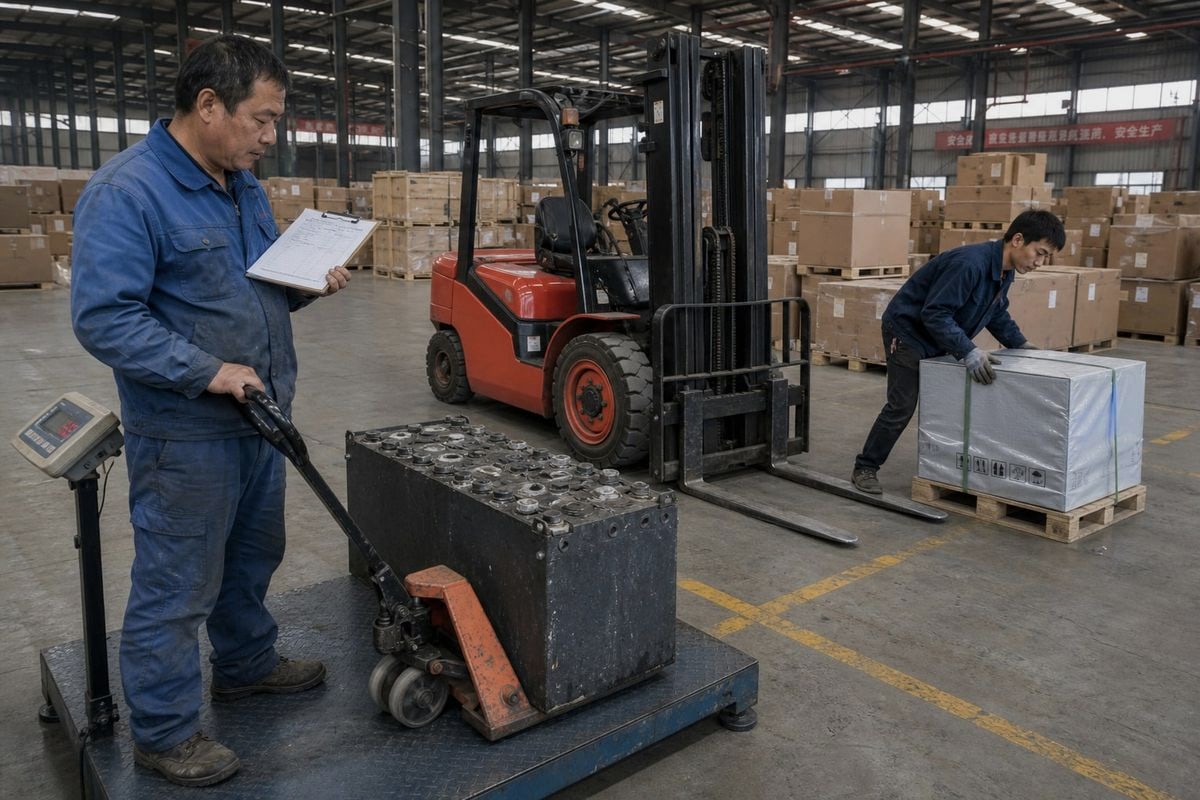
There are two approved methods for calculating VGM. Method 1 weighs the entire packed and sealed container on calibrated equipment such as a weighbridge. Method 2 adds together the individual weights of all cargo, packaging, pallets, dunnage, and securing materials, then adds the container's tare weight from the door plate.
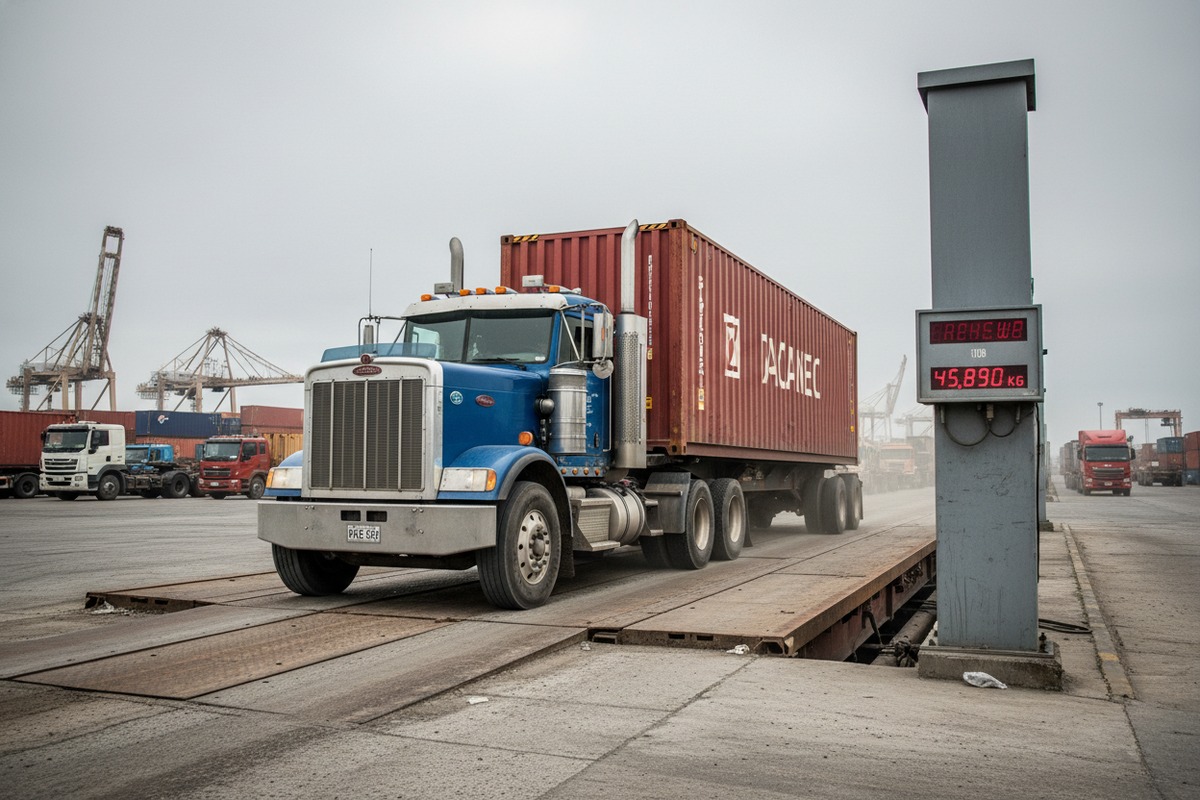
This is the most accurate and most commonly used approach. After the container is fully loaded and sealed at the factory or warehouse, it is placed on a truck and driven onto a certified weighbridge 6 (ground scale). The total weight reading includes the container, cargo, truck cab, chassis, and fuel. You then subtract the weight of the truck cab, chassis, and fuel to get the VGM.
Here is a simple example:
| Component | Weight (kg) |
|---|---|
| Weighbridge total reading | 38,200 |
| Minus: Truck cab weight | 8,500 |
| Minus: Chassis weight | 4,200 |
| Minus: Estimated fuel weight | 300 |
| VGM (Verified Gross Mass) | 25,200 |
Method 1 is straightforward. The weighbridge captures everything inside the container — cargo, pallets, stretch wrap, dunnage, bracing — in one measurement. There is no risk of forgetting a component. The equipment must be calibrated and certified by local metrology authorities.
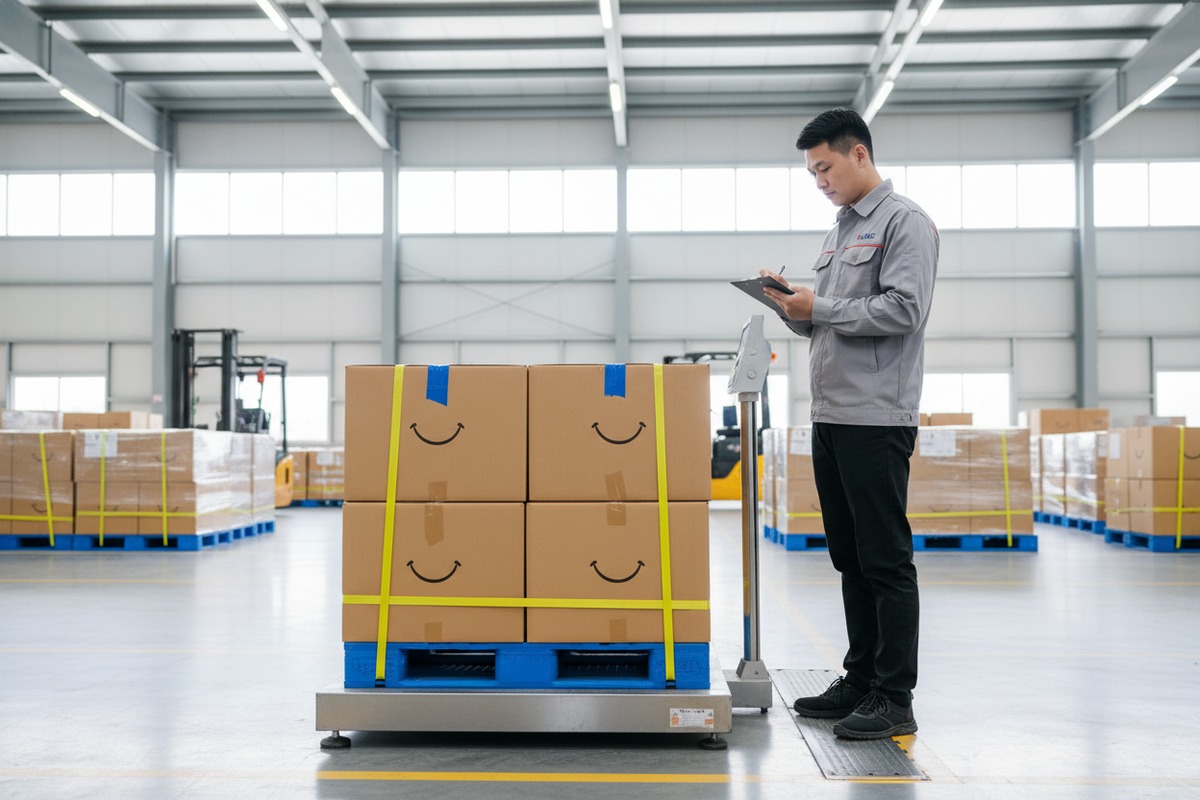
Method 2 requires more manual effort. The factory or shipper weighs each item that goes into the container, then adds the container's tare weight 7. The tare weight is printed on the container door or on the CSC (Container Safety Convention) plate 8. It represents the empty weight of the container itself.
Here is how Method 2 works in practice:
| Component | Weight (kg) |
|---|---|
| Cargo (net product weight) | 18,000 |
| Packaging (cartons, inner packaging) | 1,200 |
| Pallets (12 wooden pallets × 25 kg) | 300 |
| Stretch wrap and strapping | 50 |
| Dunnage and bracing materials | 150 |
| Container tare weight (from door plate) | 3,800 |
| VGM (Verified Gross Mass) | 23,500 |
For most FCL shipments from China, we recommend Method 1. It is faster, more reliable, and eliminates the risk of forgetting a component. Most factories near major ports have access to certified weighbridges. Method 2 is useful when a weighbridge is not available, or when the cargo is loaded at a facility without truck scale access. However, Method 2 requires discipline: every single item placed inside the container must be weighed and recorded.
Chinese authorities and international guidelines allow a tolerance of ±5% or ±1 tonne, whichever is smaller. If your declared VGM falls outside this range when spot-checked at the terminal, you may face fines ranging from RMB 10,000 to RMB 30,000. More importantly, the container could be held for re-weighing, which means missed cut-offs and delayed sailings.
In our day-to-day operations, we always cross-check the factory's reported cargo weight against our own records. If numbers look off, we ask the factory to re-weigh before submission. A few minutes of verification can save days of delay.
Many of our Amazon FBA clients assume that once they hand off their goods to a freight forwarder, everything — including VGM — is taken care of automatically. That assumption can cause problems if expectations are not clear from the start.
Most experienced freight forwarders will handle the VGM submission on your behalf as part of their export service. However, the shipper remains legally responsible for providing accurate weight data. Your forwarder needs the correct gross weight from the factory or warehouse before they can file the VGM with the carrier.
In a standard China-to-USA Amazon FBA shipment, the VGM workflow follows a clear sequence. The factory loads the container, the container is weighed (Method 1) or the component weights are tallied (Method 2), and the shipper or their agent submits the VGM data to the ocean carrier's digital portal before the cut-off deadline.
At MBMLOG, we handle VGM submission as part of our door-to-door DDP service. But we cannot file the VGM until the factory gives us the actual weight. This is why we always remind our clients and their suppliers to weigh the cargo promptly after loading and to share the weighbridge ticket or detailed packing list with us immediately.
Your freight forwarder needs specific data to complete the VGM filing:
If you are using Method 1, the forwarder usually just needs the weighbridge ticket and the truck/chassis details. If you are using Method 2, they need a detailed breakdown of every component weight.
Even though your freight forwarder submits the VGM data, the legal liability stays with the shipper. If the VGM is wrong and the container is flagged at the terminal, the shipper bears the consequences — not the forwarder. This is an important distinction. Your forwarder is your operational partner, but the SOLAS regulation puts the obligation squarely on the party listed as the shipper on the bill of lading.
During our communication with sellers and their Chinese suppliers, we proactively remind the factory to weigh the goods on a calibrated scale or to provide a certified weighbridge ticket. We also verify the container's tare weight against the booking confirmation. This double-check process has helped our clients avoid last-minute VGM rejections and the costly rebooking fees that follow.
For Amazon FBA shipments specifically, timing is critical. Amazon's appointment windows at FBA warehouses are strict. A missed vessel due to a VGM issue does not just mean a few days of delay — it can mean a missed delivery appointment, re-scheduling fees, and potential inventory penalties on the Amazon side.
Most major ocean carriers now accept VGM submissions through their online portals or via EDI (Electronic Data Interchange 9). This has replaced the older workflow of emailing spreadsheets or faxing documents. As a forwarder, we submit VGM electronically, which speeds up the process and creates a clear audit trail. If you are working with a forwarder who still relies on manual email submissions, it may be worth asking about their digital capabilities.
We have seen shipments get stuck at Chinese terminals for days because of a VGM mismatch that could have been prevented with a simple phone call to the factory. The consequences go far beyond a fine.
Failing to provide an accurate VGM can result in your container being denied loading, triggering port storage charges, demurrage fees, and missed vessel sailings. For Amazon sellers, this can cascade into stockouts, lost sales rankings, and additional rebooking costs that far exceed the original shipping budget.
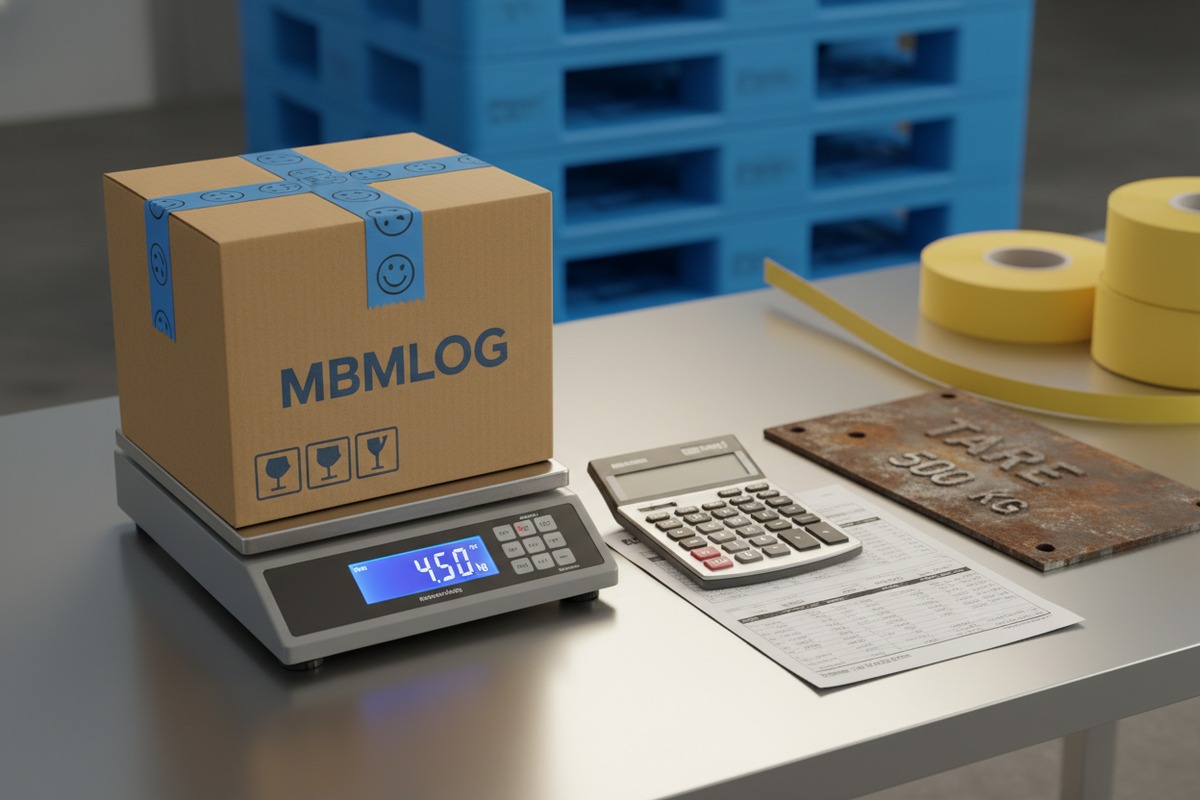
The first and most direct risk is simple: your container does not get on the ship. If the VGM is missing, late, or flagged as inaccurate during a spot check, the terminal operator will hold the container. The carrier will sail without it. You are now looking at rebooking on the next available vessel, which could be days or even a week later depending on the route and season.
The costs stack up quickly when a VGM issue occurs:
| Cost Type | Estimated Range |
|---|---|
| Port storage / demurrage (per day) | USD 50 – USD 150 |
| Container detention (per day, after free days) | USD 30 – USD 100 |
| Rebooking fee (next vessel) | USD 100 – USD 300 |
| VGM misdeclaration fine (China) | RMB 10,000 – RMB 30,000 |
| Missed Amazon FBA appointment penalty | Varies (plus re-scheduling delays) |
These numbers may seem small individually, but they compound. A container sitting at a Chinese port for five extra days can easily cost USD 500 to USD 1,000 in storage and detention alone, on top of the rebooking fee and any fines.
For our Amazon FBA clients, the supply chain impact of a VGM failure is disproportionately large. Amazon's inventory management system does not care why your shipment is late. If your container misses its vessel and arrives after your expected restock date, you face:
Beyond the financial and operational consequences, inaccurate VGM creates genuine safety hazards. Overweight containers can cause crane failures at terminals, stack collapses on the vessel deck, and shifts in the ship's center of gravity that affect vessel stability 10 at sea. The SOLAS VGM rule exists precisely because these incidents were happening — and they were injuring and killing workers.
At MBMLOG, we build VGM verification into our standard workflow for every FCL shipment. When we communicate with the shipper and the factory, we send a reminder to weigh the loaded container or provide accurate gross weights well before the terminal cut-off. We cross-reference the reported weight against the packing list and commercial invoice. If numbers do not add up, we flag the discrepancy immediately and ask the factory to re-verify. This proactive approach has helped our clients avoid the costly chain reaction that a single VGM error can trigger.
The key takeaway: VGM compliance is not just a checkbox. It is a critical link in your supply chain that, when broken, creates delays, costs, and risks that ripple all the way to your Amazon storefront.
VGM is a non-negotiable part of international ocean freight. Understand the two calculation methods, provide accurate weight data early, and work with a freight forwarder who builds VGM into their standard process to keep your supply chain moving smoothly.
1. Explains the international treaty governing maritime safety. ↩︎
2. Identifies the global authority behind VGM regulations. ↩︎
3. Defines a common financial penalty in shipping. ↩︎
4. Comprehensive and authoritative definition of a bill of lading. ↩︎
5. Defines the critical shipping term and its components. ↩︎
6. Describes the equipment used for accurate container weighing. ↩︎
7. Clarifies the meaning and location of container tare weight. ↩︎
8. Provides information about the plate displaying container safety data. ↩︎
9. Authoritative and comprehensive definition of Electronic Data Interchange. ↩︎
10. Authoritative and comprehensive explanation of vessel stability. ↩︎