- +8618603825129
- [email protected]


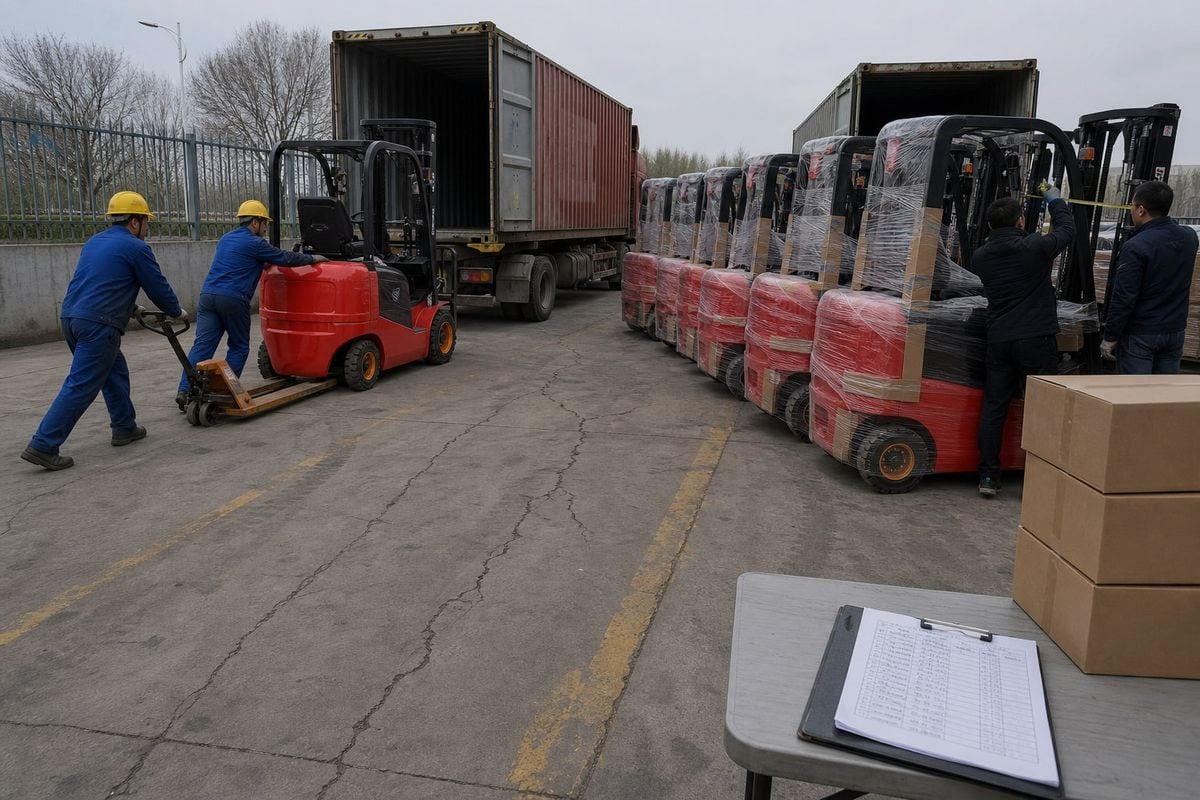
Every week, our operations team in Zhengzhou processes Amazon FBA shipments bound for the UK — and the single biggest question clients ask us is how to avoid paying 20% import VAT upfront at the border.
UK Postponed VAT Accounting (PVA) allows VAT-registered importers to declare import VAT on their VAT return instead of paying it at customs. Only duty is paid at the border. The deferred VAT is reported and reclaimed on the same return, creating a net cash impact of zero and freeing up significant working capital.
Below, I will walk you through exactly who qualifies, what documents your freight forwarder needs, where to download your monthly statements, and how PVA transforms your cash flow when importing from China to the UK UK Postponed VAT Accounting 1. Let us break it down step by step.
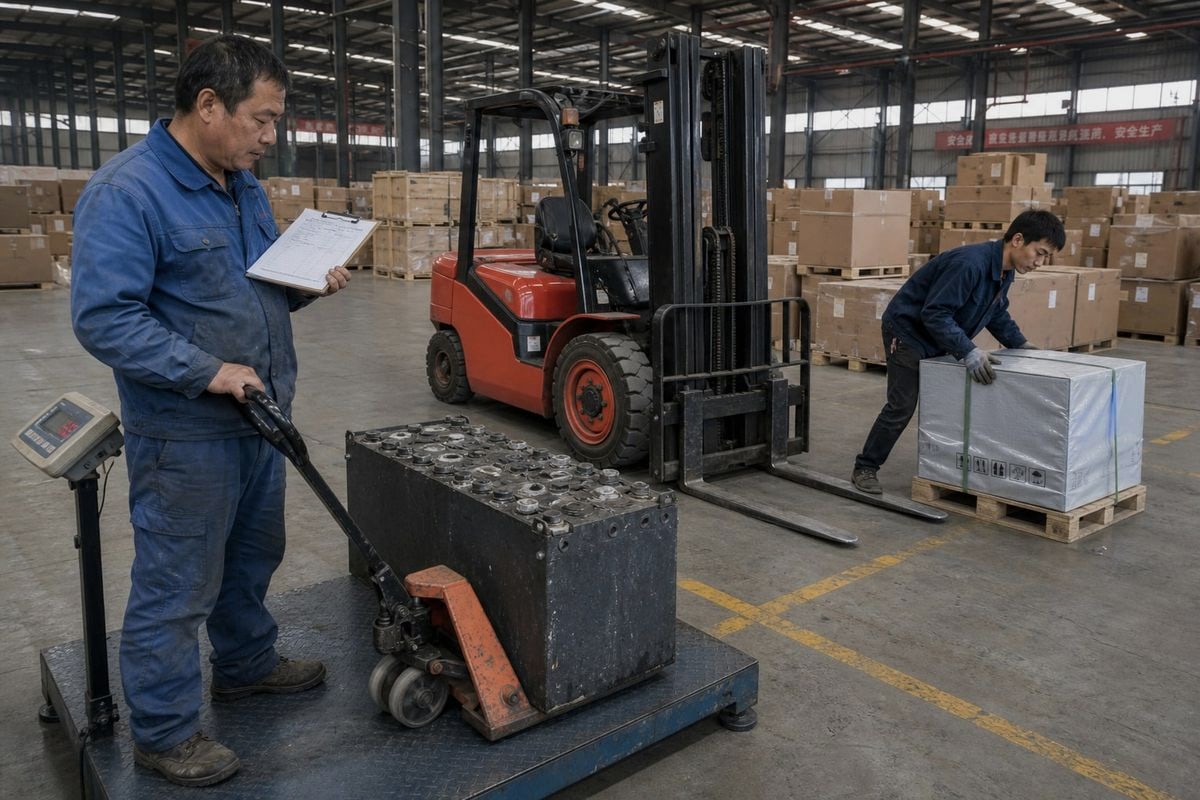
When we prepare UK-bound shipments at our warehouse, one of the first things we verify with every client is whether their VAT and EORI credentials are in order — because without them, PVA simply will not work VAT-registered importers 2.
Your business is eligible for PVA if it holds a valid UK VAT registration number and a GB-prefixed EORI number. No separate application to HMRC is required. PVA activates automatically when your customs declaration is completed correctly using the right method of payment code at import.
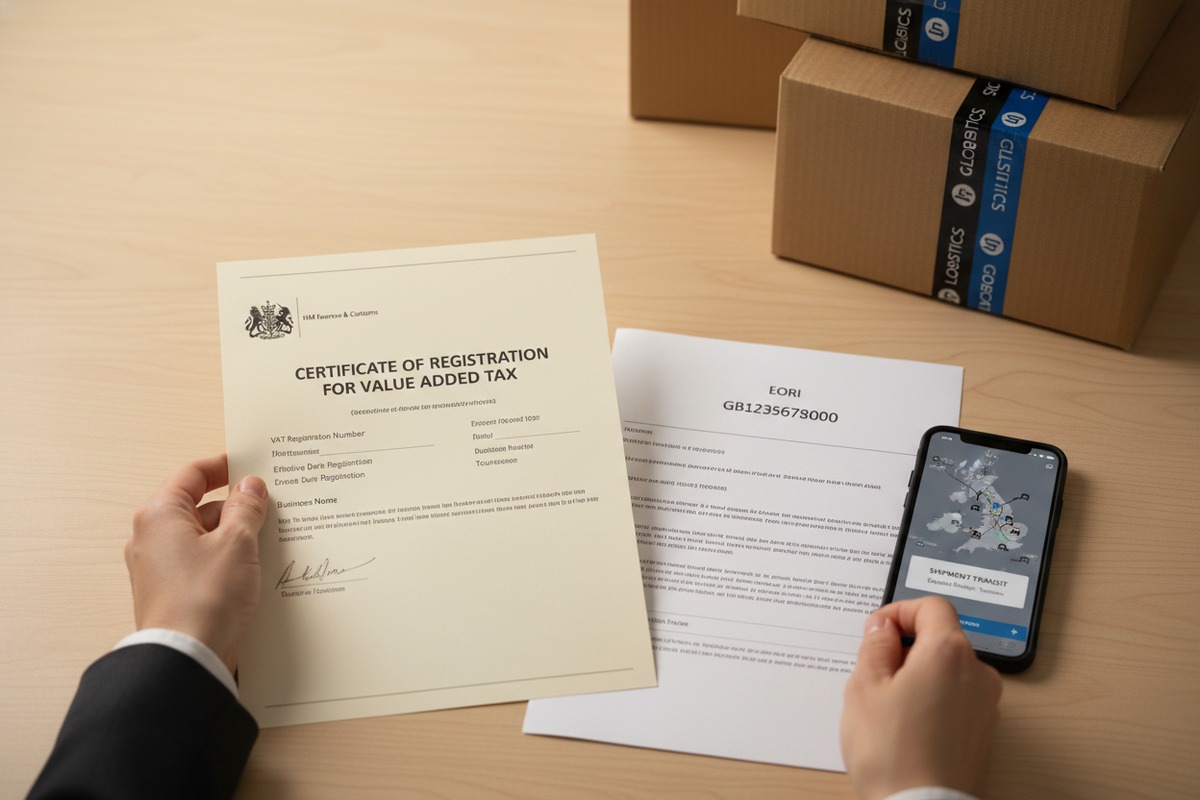
Eligibility is not complicated, but every single item on the checklist must be in place before your goods arrive at a UK port C88 clearance document 3. Here is what you need:
| # | Requirement | Key Detail |
|---|---|---|
| 1 | Valid UK VAT Number | The registered entity must match the importer of record on the customs declaration 4. |
| 2 | GB EORI Number | Must start with "GB." An EU EORI is not valid for UK imports. |
| 3 | Real UK VAT Registration Address | A genuine business address — not a virtual or default HMRC 5 address. |
| 4 | Compliant Tax Agent Authorisation | Some customs brokers and freight forwarders require a signed authorisation letter. |
| 5 | Correct Customs Declaration Setup | PVA is triggered by using payment code "G" on the declaration — no HMRC pre-approval needed Customs Declaration Service (CDS) 6. |
This is one of the most common questions we get. The short answer is no. I will share a real client case to illustrate.
One of our clients operates only a US-registered company. They had no UK entity and no UK Companies House Registration Number (CRN). They needed to ship inventory into Amazon FBA warehouses in the UK and wanted to use PVA. Here is what they did: they registered for a UK VAT number and a GB EORI number using their US company as the legal entity. Combined with their active Amazon UK seller account, that was everything they needed. PVA clearance went through without any issue. The presence or absence of a UK CRN was completely irrelevant.
Many sellers assume that having an EU VAT number or an EU EORI is enough. It is not. Post-Brexit, the UK customs system only recognises GB-prefixed EORI number 7s. If your freight forwarder submits a declaration with an EU EORI, the PVA election will fail, and you may be asked to pay import VAT at the border before your goods are released.
Another mistake is using a VAT registration address that does not match a real, verifiable business location. HMRC has been tightening audits, and a mismatched or virtual address can flag your import for review.
The good news is that once your credentials are valid, PVA is available on every single import. There is no annual limit, no volume threshold, and no renewal process. You simply instruct your customs broker or freight forwarder to select PVA on each declaration.
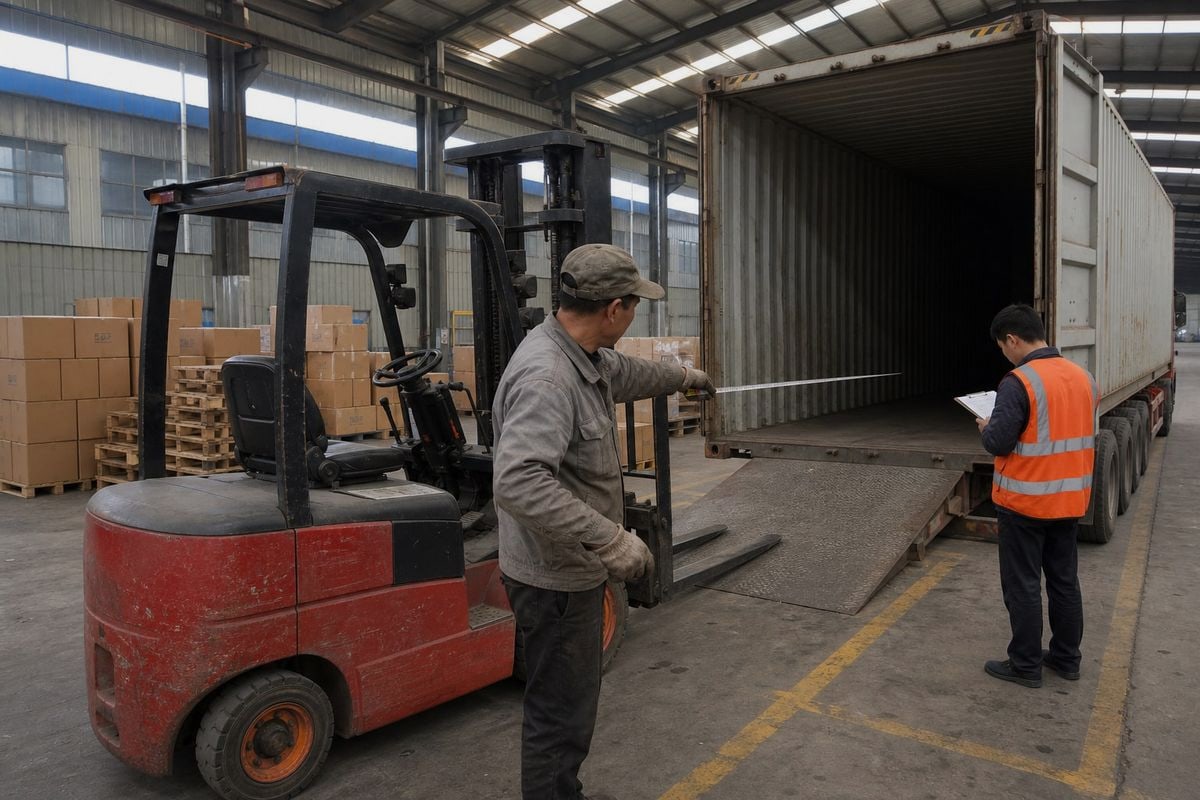
Our dispatch team handles hundreds of FBA shipments to the UK every month, and we have learned that missing even one data field can delay clearance or accidentally trigger upfront VAT payment.
Before shipping, you must provide your freight forwarder with your UK VAT number, GB EORI, company details, tax agent authorisation, packing list, commercial invoice, HS codes, Amazon FBA warehouse address, and appointment or booking reference. You must also explicitly instruct them to use PVA on your customs entry.

Here is the full list of what your freight forwarder or customs broker needs from you before your goods depart China:
| Document / Data | Purpose | Notes |
|---|---|---|
| UK VAT Number | Identifies the taxable entity on the declaration | Must match the importer of record |
| GB EORI Number | Required for all UK customs declarations | Must start with "GB" |
| Company Name & Address | Legal entity details for the customs entry | Must match VAT registration |
| Tax Agent Authorisation | Allows your broker to act on your behalf | Some brokers require a signed letter or online authorisation via HMRC |
| Commercial Invoice | States the value of goods for duty calculation | Must show FOB or CIF value, currency, and Incoterms |
| Packing List | Details carton count, weight, and dimensions | Required for accurate customs and warehouse booking |
| HS Codes | Determines the duty rate for each product | Incorrect codes cause delays and potential penalties |
| Amazon FBA Warehouse Address | Delivery destination in the UK | Must match the FBA shipment plan |
| FBA Booking / Appointment Reference | Amazon's inbound reference number | Required for warehouse delivery scheduling |
| Explicit PVA Instruction | Tells the broker to select payment code "G" | Without this, the broker may default to paying VAT at the border |
Once your goods arrive at a UK port, your freight forwarder or customs broker files a customs declaration — historically called the SAD (Single Administrative Document). On this declaration, in Box 47 (the tax calculation section), they must mark the import VAT line with payment method code G, which stands for "Postponed Accounting."
This code tells HMRC: "The importer is VAT-registered and elects to defer this import VAT to their VAT return." As a result, only the customs duty is physically paid at the point of entry. No import VAT changes hands. No C79 certificate 8 is generated. Instead, a C88 clearance document is produced to confirm the declaration details.
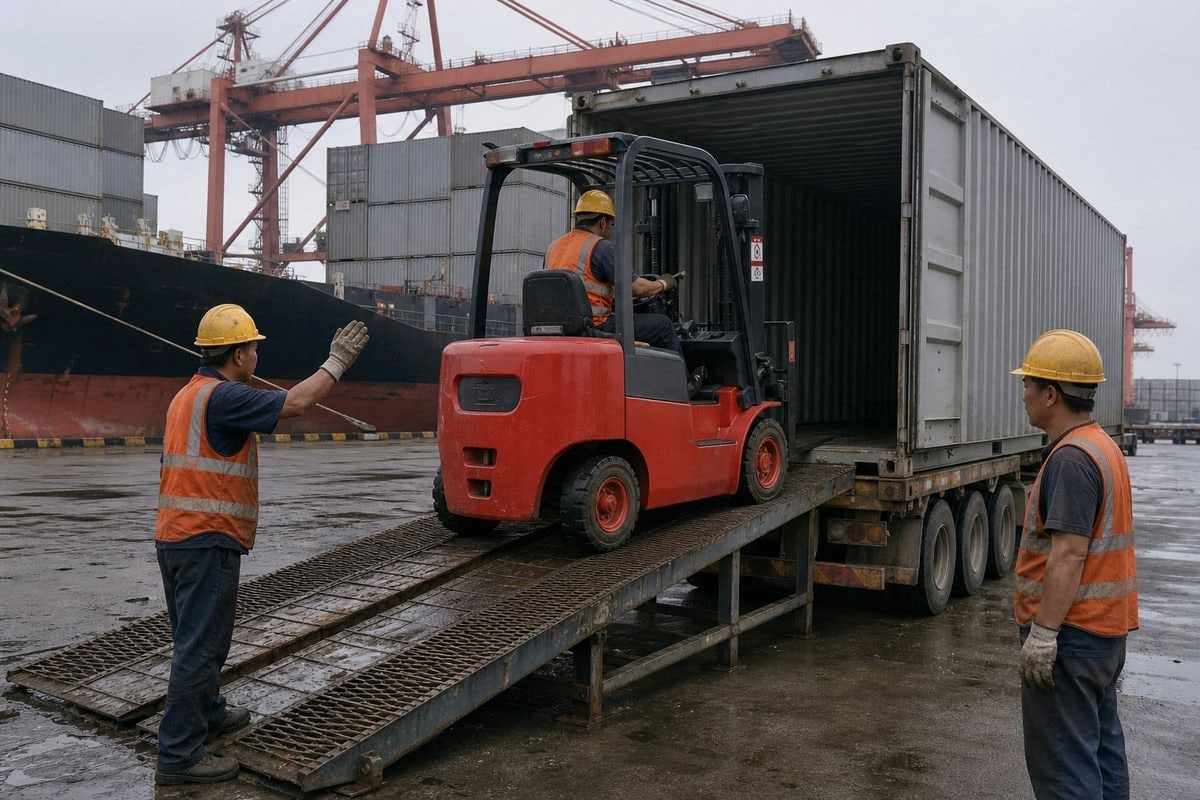
After customs releases your goods, the freight forwarder arranges last-mile delivery. For Amazon FBA shipments, this means booking a truck to deliver pallets or cartons to the designated fulfilment centre. Our team handles this end-to-end — we review all PVA documentation before departure from China, confirm the declaration details with our UK customs partner, and coordinate the FBA warehouse delivery appointment so the goods move smoothly from port to shelf.
If PVA is not correctly flagged on the declaration, the default treatment kicks in: import VAT is charged at 20%, your broker pays it on your behalf, and you must wait to reclaim it via a C79 certificate on a future VAT return. That process can tie up your cash for weeks or months.
When we onboard new UK-bound clients, we always walk them through the post-clearance steps — because clearing customs is only half the job. The other half is making sure you have the right paperwork for your VAT return.
You download your Monthly Postponed Import VAT Statements by logging into the HMRC Customs Declaration Service (CDS) online portal. These statements are available by the sixth working day of the month following import and are only retained for six months, so download them promptly.

Each monthly statement lists every import declaration where PVA was used during that calendar month. It shows the total postponed import VAT figure — and this is the number your accountant needs for your VAT return.
HMRC only keeps these statements available for six months. If you miss the window, you lose access. At that point, reconstructing the figures from individual C88 documents becomes a painful manual exercise. I have seen clients scramble to reconcile their VAT returns because they forgot to download a statement three months earlier. Set a calendar reminder for the seventh of every month. Download it. Save it. Share it with your accountant.
Here is how the numbers flow into your MTD (Making Tax Digital) VAT return: Making Tax Digital (MTD) VAT return 9
| VAT Return Box | What to Enter | Source |
|---|---|---|
| Box 1 | Output VAT (sales VAT — Amazon platform collects this for UK B2C sales) | Amazon VAT transaction reports |
| Box 2 | Postponed import VAT total | Monthly PVA statement from CDS |
| Box 4 | Input VAT you can reclaim (includes the same PVA amount) | Monthly PVA statement from CDS |
| Box 7 | Total value of imports (excluding VAT) | Commercial invoices / customs declarations |
The critical point: Box 2 and Box 4 contain the same PVA figure. They offset each other. The net effect on your VAT liability is zero. You declared the VAT and reclaimed it in the same return. No cash left your bank account for import VAT.
This is the complete PVA compliance loop. Your freight forwarder gets the declaration right at the border. You download the statement from CDS. Your accountant enters the numbers into the correct boxes. The deferred VAT cancels itself out. Done.
If you sell on Amazon UK and Amazon collects and remits VAT on your behalf under the marketplace deemed supplier rules 10, PVA is an especially good fit. Amazon handles the sales VAT (Box 1), and your PVA statement handles Boxes 2 and 4. Your VAT return becomes straightforward, and your cash flow stays intact.
From our experience shipping thousands of pallets from China to UK Amazon warehouses, the difference PVA makes to a seller's cash position is dramatic — especially during peak restocking seasons like Q3 and Q4.
PVA improves your cash flow by eliminating the need to pay 20% import VAT upfront at customs. Instead of funding VAT at the border and waiting weeks or months for a refund, the VAT is declared and offset on your VAT return simultaneously, resulting in zero net cash outflow for import VAT.
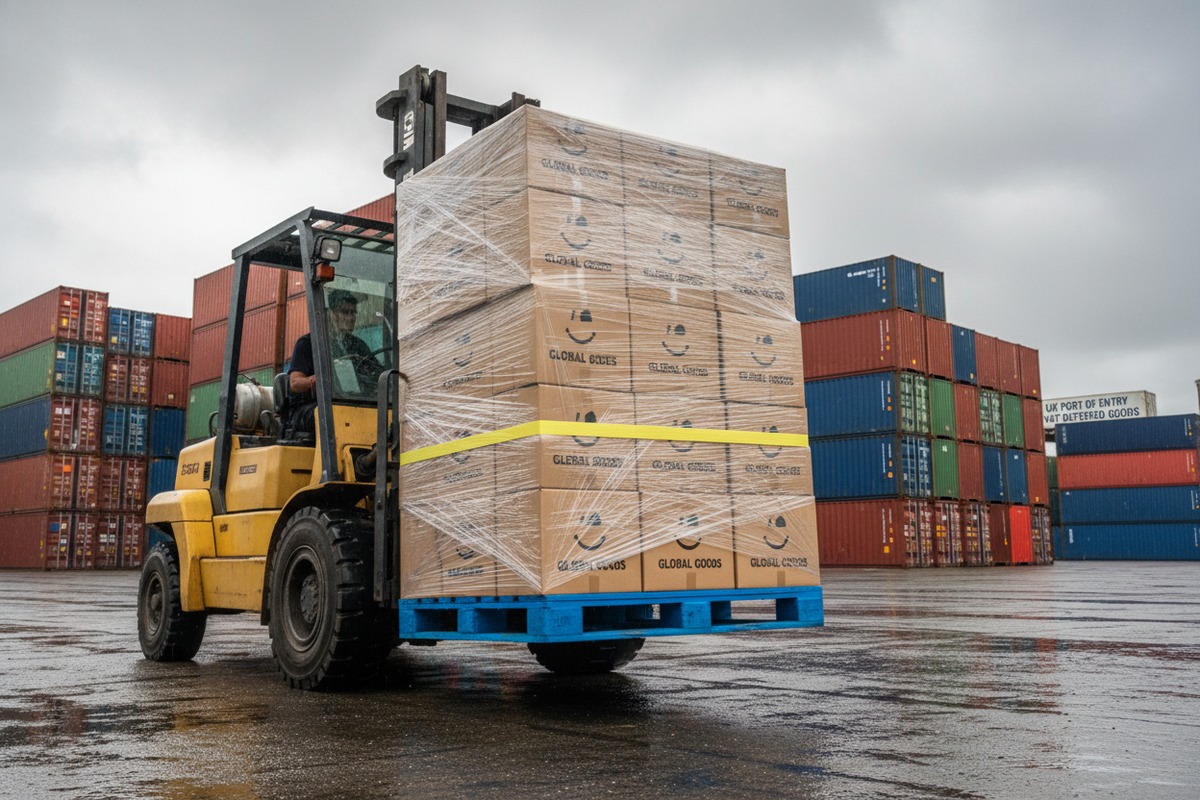
To understand the impact, let us compare the traditional method with PVA using a real-world example. Suppose you import £50,000 worth of goods from China to the UK, with a duty rate of 5%.
Traditional method (without PVA):
PVA method:
That is £10,500 that stays in your bank account instead of sitting with HMRC for weeks.
Amazon FBA sellers typically restock inventory every 4–6 weeks. If you are shipping multiple containers per quarter, the traditional VAT prepayment model can lock up tens of thousands of pounds at any given time. PVA releases that capital immediately. You can use it to buy more inventory, invest in advertising, or simply keep a healthier cash reserve.
For sellers whose Amazon UK sales VAT is collected and remitted by Amazon under the marketplace rules, PVA is the most logical clearance method. Amazon handles the sales-side VAT. PVA handles the import-side VAT. Your VAT return becomes a clean, predictable process.
It is important to be clear about what PVA covers and what it does not:
PVA is purely a VAT cash-flow tool. It does not reduce the total amount of VAT you owe over time. It simply changes when and how it is accounted for, shifting the obligation from a physical payment at the border to a paper entry on your VAT return.
In rare cases, PVA may not be the best choice. If your business cannot fully recover input VAT — for example, if you make exempt supplies — then the offset in Box 4 will not fully cancel the amount in Box 2. You would end up with a net VAT cost on your return. For most Amazon sellers importing standard-rated goods, this is not an issue. But it is worth discussing with your accountant if your VAT recovery rate is below 100%.
Some businesses also prefer the certainty of paying VAT upfront because their internal accounting systems are not set up to reconcile monthly PVA statements. This is a process problem, not a financial one. With the right workflow — and a freight forwarder who provides clean declaration data — PVA reconciliation is straightforward.
For every FBA shipment we handle to the UK, our team reviews the client's PVA documentation before the goods leave our warehouse in China. We verify the VAT number, confirm the GB EORI, check the HS codes, and ensure the customs broker on the UK side has explicit instructions to use payment code G. After clearance, we confirm the C88 details and coordinate the FBA warehouse delivery. Our goal is simple: make sure the goods clear customs correctly and arrive at Amazon's warehouse without delays.
PVA is one of the most powerful cash-flow tools available to UK importers today. Get your credentials right, instruct your freight forwarder clearly, and download your monthly statements on time — your import operation will run smoother and leaner.
1. Official HMRC guidance on Postponed VAT Accounting for UK importers. ↩︎
2. Replaced HTTP 403 with official GOV.UK guidance on eligibility for accounting for import VAT on a VAT return. ↩︎
3. Replaced HTTP 404. The C88 (Single Administrative Document) has largely been replaced by electronic declarations via CDS. This link provides current guidance on making import declarations, which serves the same purpose as a 'clearance document'. ↩︎
4. Replaced HTTP 404 with official GOV.UK guidance on making a full import declaration. ↩︎
5. Official website for HM Revenue & Customs, the UK's tax authority. ↩︎
6. Official GOV.UK information page for the Customs Declaration Service. ↩︎
7. Official GOV.UK page for applying for a GB EORI number. ↩︎
8. Official GOV.UK guidance on obtaining and using C79 import VAT certificates. ↩︎
9. Official GOV.UK guidance on Making Tax Digital for VAT. ↩︎
10. Official GOV.UK guidance on VAT rules for online marketplaces and overseas goods. ↩︎