- +8618603825129
- [email protected]

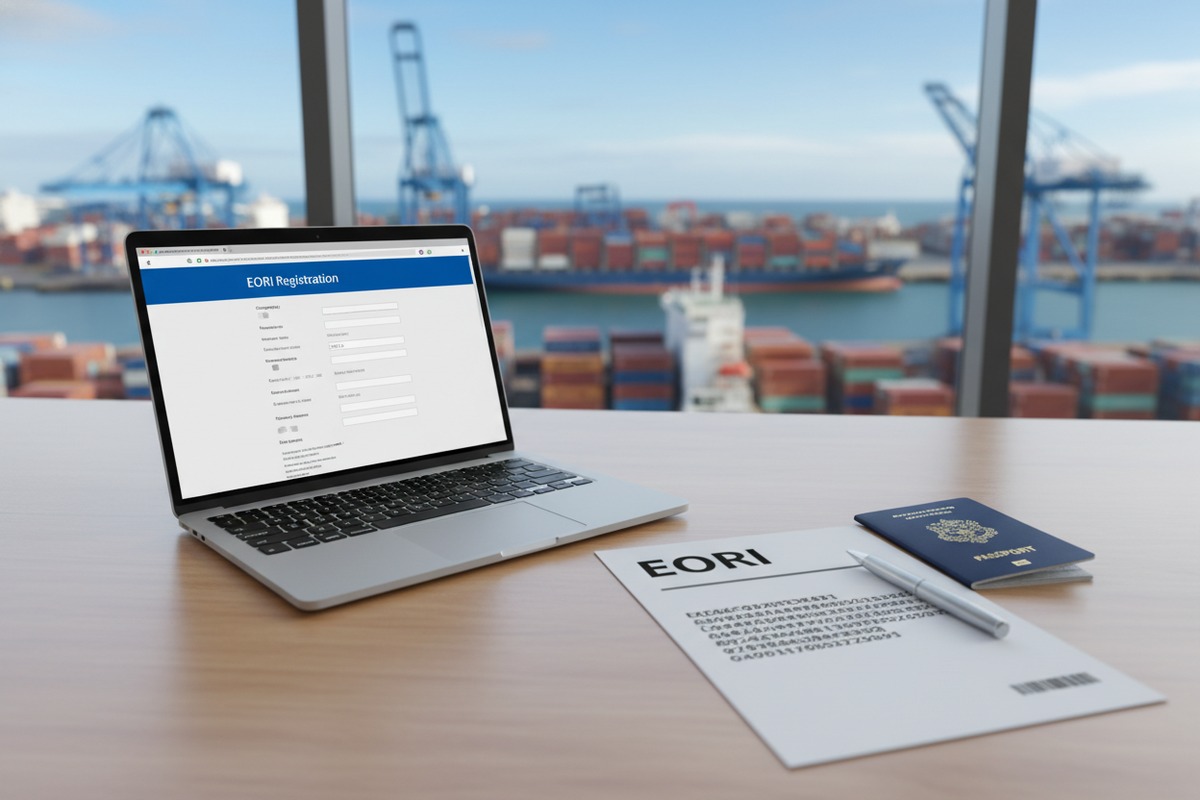
Every week, our logistics team in Zhengzhou processes hundreds of shipments bound for Europe — and the single most common reason we see cargo stuck at EU customs is a missing or incorrect EORI number 1. It is a small detail that causes big problems. Delays pile up. Storage fees climb. And sellers lose precious days of inventory they cannot afford to waste.
An EORI (Economic Operators Registration and Identification) number is a unique customs ID assigned to businesses and individuals trading with the EU. It is required for all import, export, transit, and customs clearance operations. You register for free through the national customs authority of the EU member state where your first customs activity takes place.
In this guide, we break down exactly who needs an EORI number, when it is mandatory, how to get one, and what happens if you ship without it EU customs authorities 2. Whether you sell on Amazon, import raw materials, or run an e-commerce brand, this information can save you from costly customs headaches.
When we arrange DDP shipments from China to European destinations, one of the first questions our operations team asks every new client is simple: do you have an EORI number national customs authority 3? The answer determines whether goods will clear customs smoothly or sit in a warehouse racking up fees.
You need an EORI number because EU customs authorities require it to identify every business involved in a customs operation. Without it, you cannot file import declarations, claim duty refunds, or move goods through any EU border checkpoint legally.
Think of an EORI number as your business passport for EU customs. Every time goods cross an EU border, customs systems need to know who is responsible. The EORI number links your business identity to every declaration, every shipment, and every interaction with customs authorities across all 27 EU member states 4.
It is not just a formality. The EORI number feeds into the EU's electronic customs systems. It speeds up data exchange between customs offices. It allows authorities to track trade patterns, flag risks, and process declarations faster. One number works across the entire EU — you do not need a separate one for each country.
The rules are straightforward, but many businesses get confused. Here is a clear breakdown:
| Business Type | EORI Required? | Where to Register |
|---|---|---|
| EU-based company importing or exporting | Yes | Customs authority in your EU member state |
| Non-EU company filing customs declaration 5s in the EU | Yes | Member state of first customs operation |
| Amazon seller shipping FBA inventory to EU warehouses | Yes | Member state where goods first enter the EU |
| Individual importing goods for personal use | Usually no | Not applicable |
| Customs broker or freight forwarder acting on your behalf | They have their own EORI, but you still need yours | Your relevant member state |
| UK-based business trading with the EU (post-Brexit 6) | Yes — need both UK and EU EORI | UK EORI via HMRC; EU EORI via an EU member state |
A common situation we see: a US-based Amazon seller sources products from our clients in China and ships them to an FBA warehouse in Germany. That seller needs an EORI number registered in the EU. Many assume their freight forwarder's EORI is enough. It is not. The importer of record must have their own.
This trips people up constantly. A VAT number 7 is for tax purposes. An EORI number is for customs identification. Some EU countries use your VAT number as the basis for your EORI number, but they serve different functions. You can have an EORI without being VAT-registered, and in many cases you need both.
The format is simple: two letters for the country code 8, followed by up to 15 alphanumeric characters. For example, a German EORI might look like DE123456789012345. A Dutch one might be NL800123456. Each business gets one EORI number — not one per shipment, not one per product line. One number, used everywhere in the EU.
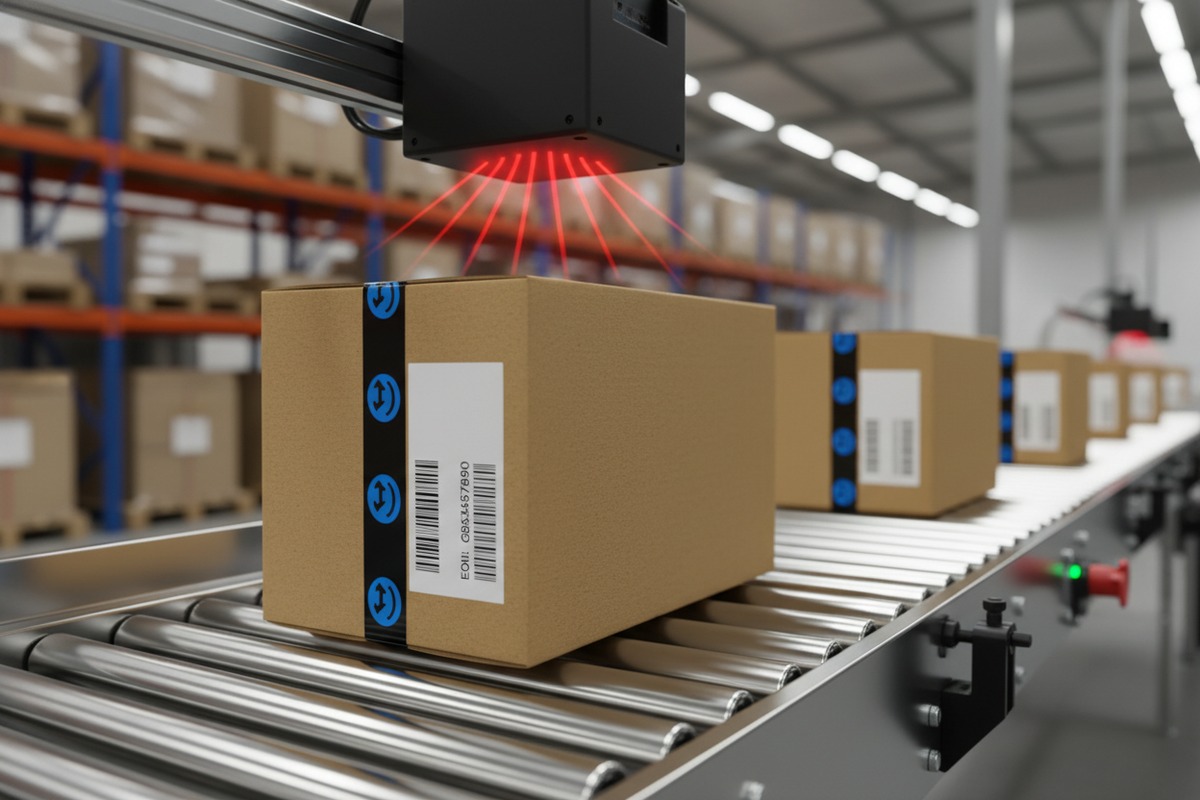
From our experience coordinating shipments through European ports, a missing EORI number adds an average of 5 to 10 business days to clearance time. That means storage charges, missed delivery windows, and potential stockouts for e-commerce sellers. For businesses running lean inventory — especially Amazon FBA sellers — that delay can directly hit sales rankings and revenue.
Our team has helped dozens of clients navigate EORI registration, and the good news is the process is free and usually straightforward. The bad news is that small mistakes in the application can cause weeks of unnecessary waiting.
To register for an EORI number, apply online through the national customs authority of the EU member state where your business is established or where your first customs operation will occur. The application is free, requires basic business identification documents, and typically takes 5 to 15 working days to process.
The process varies slightly by country, but the core steps are the same across the EU:
The exact requirements depend on where you register and whether your business is inside or outside the EU. Here is a general comparison:
| Document | EU-Based Business | Non-EU Business (e.g., US company) |
|---|---|---|
| Business registration certificate 10 | Required | Required (e.g., Articles of Incorporation) |
| Tax identification number | VAT number or national tax ID | EIN or equivalent federal tax number |
| Legal representative's ID | National ID card or passport | Passport (required) |
| Proof of business address | Utility bill or official letter | Address verification document |
| Business contract or commercial invoice | Sometimes requested | Often requested to prove trade intent |
| Certified translation of documents | Not usually needed | Rarely needed for English-language documents |
For US-based businesses specifically, the process is generally smooth. English-language documents are accepted without translation in most EU member states. Countries like the Netherlands and Finland are known for being efficient and friendly toward non-EU applicants. Rejection rates for well-prepared applications are low.
If you are a non-EU business, you have some flexibility in where you register. The member state of your first customs operation is the default, but practical considerations matter. Some countries process applications faster. Some have better English-language support. If you regularly ship goods into Germany but find the German customs application complex, and your first shipment happens to clear through the Netherlands, registering there might be easier.
That said, once you have an EORI number from one EU member state, it works everywhere. You do not need to register again if you later ship through a different country.
This is critical for businesses trading with both the UK and the EU. After Brexit, the UK operates its own EORI system. A UK EORI number starts with GB. An EU EORI number starts with the relevant member state code. If you trade in both markets, you need both numbers. They are not interchangeable.
Northern Ireland is a special case. Businesses there may need an XI-prefix EORI number for trade that falls under the EU customs framework, even though Northern Ireland is part of the UK. This dual system confuses many traders, so verify your specific situation before assuming one number covers everything.
In our daily operations shipping goods from China to destinations across Europe and the UK, we see the EORI number come into play far more often than most businesses expect. It is not just for big container loads. Even a single pallet of goods entering the EU triggers the requirement.
An EORI number is mandatory whenever you file a customs declaration in the EU — this includes imports, exports, transit movements, temporary storage declarations, and applications for customs authorizations. If customs authorities are involved in moving your goods, you need an EORI number.

The requirement goes beyond simple imports and exports. Here is a detailed list of when you must provide an EORI number:
There are a few narrow exceptions. Individuals importing goods purely for personal use — not for any commercial purpose — generally do not need an EORI in most EU member states. However, the threshold is low. If you are importing goods to resell, even in small quantities, you need one.
In the UK specifically, you may not need an EORI if you only move goods within Great Britain and never cross an international customs boundary. But the moment goods move between Great Britain and Northern Ireland, or between the UK and any other country, the requirement kicks in.
| Shipment Type | EORI Required? | Notes |
|---|---|---|
| FCL container import to EU | Yes | Importer of record must provide EORI |
| LCL shipment to EU warehouse | Yes | Same requirement as FCL |
| Amazon FBA shipment to EU fulfillment center | Yes | Seller or importer of record needs EORI |
| Personal package under de minimis value | Usually no | Varies by member state; commercial goods always need EORI |
| Transit through EU to non-EU destination | Yes | Transit declaration requires EORI |
| Re-export after temporary storage | Yes | Both storage and re-export declarations need EORI |
| UK domestic shipment (no customs border) | No | Only if goods stay entirely within Great Britain |
| Shipment from Great Britain to Northern Ireland | Yes | Falls under customs declaration requirements |
Many Amazon sellers shipping from China to EU FBA warehouses assume their logistics provider handles everything. And while providers like us do manage the shipping and customs coordination, the EORI number must belong to the actual importer of record. If you are the seller and the importer, that is your responsibility.
We have seen cases where sellers launched products into EU markets without an EORI, expecting their first shipment to go through on the freight forwarder's credentials alone. The goods were held. The seller scrambled to register. Weeks passed. Inventory that was supposed to be live for a holiday sales push sat in a customs warehouse instead.
Plan ahead. If you are even considering selling into the EU, start your EORI application before your first shipment leaves the factory.
We have had clients call us in a panic because their container arrived at Rotterdam or Hamburg and customs refused to release it. The reason was almost always the same: no valid EORI number on the declaration. The consequences are real, immediate, and expensive.
Without a valid EORI number, customs authorities will reject your declaration and hold your cargo at the border. You will face storage fees, clearance delays, potential fines, and in extreme cases, your goods may be returned to the origin country or destroyed at your cost.
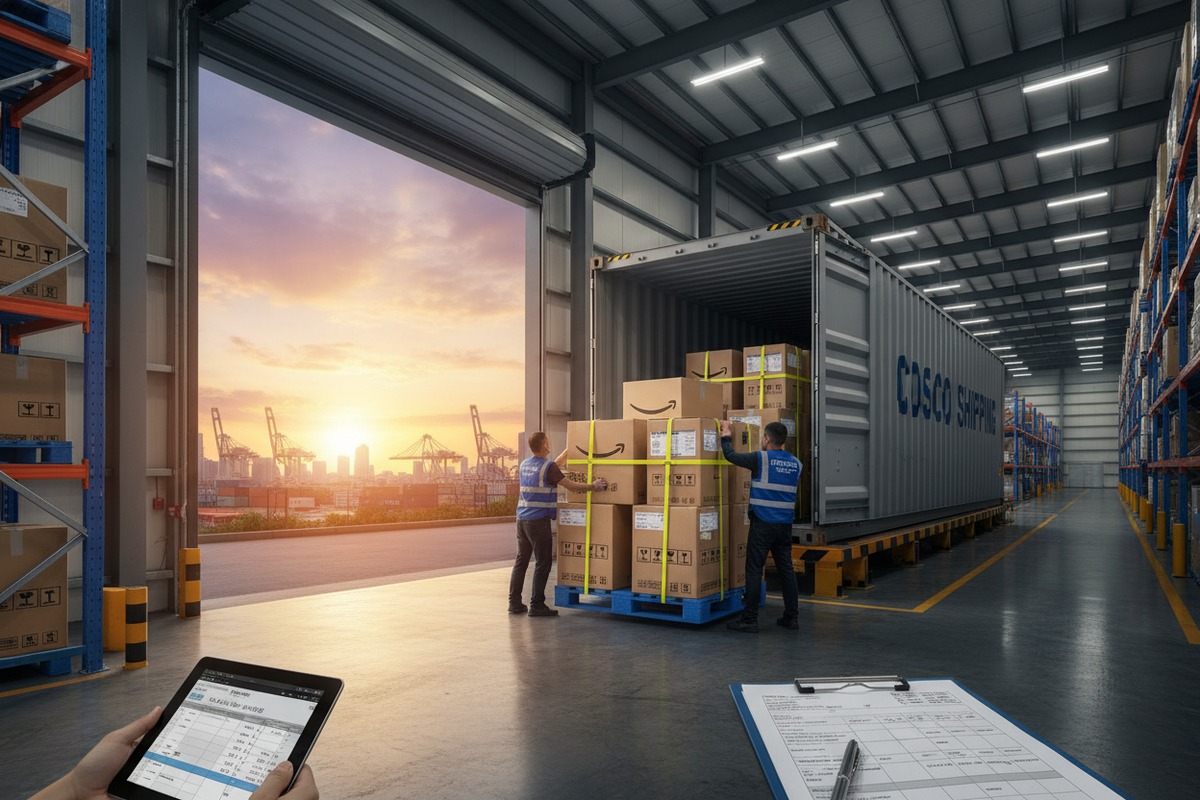
The moment a customs declaration is submitted without a valid EORI — or with an incorrect one — the system flags it. The declaration is rejected electronically. Your goods do not clear. They sit in the port or airport customs area, and the clock starts ticking on storage charges.
Port storage fees in major EU hubs are not cheap. At Rotterdam, demurrage and detention charges can exceed €100 per container per day. At busy airports, storage for air freight can cost even more. These fees accumulate quickly and are entirely avoidable with proper preparation.
A customs hold does not just affect one shipment. It disrupts your entire supply chain. If you are an Amazon FBA seller, late inventory means lost buy box time, dropped search rankings, and missed sales. If you are a retailer preparing for a seasonal launch, delayed goods can mean empty shelves during your most profitable window.
Beyond the direct cost, there is a reputational risk. Customs authorities keep records. Repeated issues with missing or invalid EORI numbers can flag your business for enhanced scrutiny on future shipments. That means slower processing even when your paperwork is correct.
If your goods are stuck because of an EORI problem, you have a few paths forward:
The European Commission provides a free online EORI validation tool. Before any shipment leaves your supplier's warehouse, verify that your EORI number is active and correctly linked to your business. Also confirm that your trading partners' EORI numbers are valid. An incorrect EORI on any party in the declaration can cause a hold.
Our standard process at MBMLOG includes EORI verification as part of our pre-shipment checklist for every EU-bound cargo. It takes two minutes and prevents days of delays. We recommend every importer and exporter build this step into their workflow.
Think of it this way: the EORI registration is free and takes a few days. Shipping without one can cost you thousands in storage fees, lost sales, and emergency logistics charges. There is no scenario where skipping the EORI saves you money or time.
An EORI number is a small registration step that prevents enormous customs problems. Apply early, verify often, and never assume someone else's number covers your shipments. If you need help navigating EU or UK customs for your China-to-USA or China-to-Europe shipments, our team at MBMLOG is ready to assist.
1. Provides a comprehensive definition and overview of the EORI number system. ↩︎
2. Explains the role and requirements of EU customs authorities in trade. ↩︎
3. Replaced with the official European Commission Taxation and Customs Union contact page, which includes a section for national customs authorities. A direct list of national customs websites was not found on an official, non-PDF page. ↩︎
4. Official list of the current 27 member states of the European Union. ↩︎
5. Official definition and requirements for customs declarations in the EU. ↩︎
6. Provides official UK government guidance and information related to Brexit. ↩︎
7. Official information on VAT identification numbers from the European Commission. ↩︎
8. Defines the ISO 3166-1 alpha-2 standard for two-letter country codes. ↩︎
9. Official explanation of Tax Identification Numbers (TINs) in the EU. ↩︎
10. Replaced with the Wikipedia page for 'Company register', which provides relevant information on business registration. ↩︎