- +8618603825129
- [email protected]


Every week, our logistics team in Zhengzhou processes dozens of DDP shipments bound for U.S. ports — and the question that trips up new importers more than anything else is the customs bond.
A customs bond is a legally required financial guarantee to U.S. Customs and Border Protection (CBP) ensuring importers pay all duties, taxes, and fees. It is mandatory for most commercial shipments valued over $2,500. Costs range from $50 per single entry to $1,000–$2,600 annually for a continuous bond, depending on import volume and bond type.
Below, we break down exactly who needs a bond, how to pick the right type, what it will cost you, and whether your freight forwarder can handle everything U.S. Customs and Border Protection (CBP) 1. Let's get into it.
When we arrange FBA head-haul shipments from our warehouse to Amazon fulfillment centers across the U.S., this is the first compliance question we tackle with every new seller DDP (Delivered Duty Paid) service 2.
Yes, you almost certainly need a customs bond for Amazon FBA shipments from China. CBP requires a bond for all commercial imports valued over $2,500, and most FBA inventory shipments exceed that threshold. Without an active bond, your goods will be held at the port and cannot clear customs.
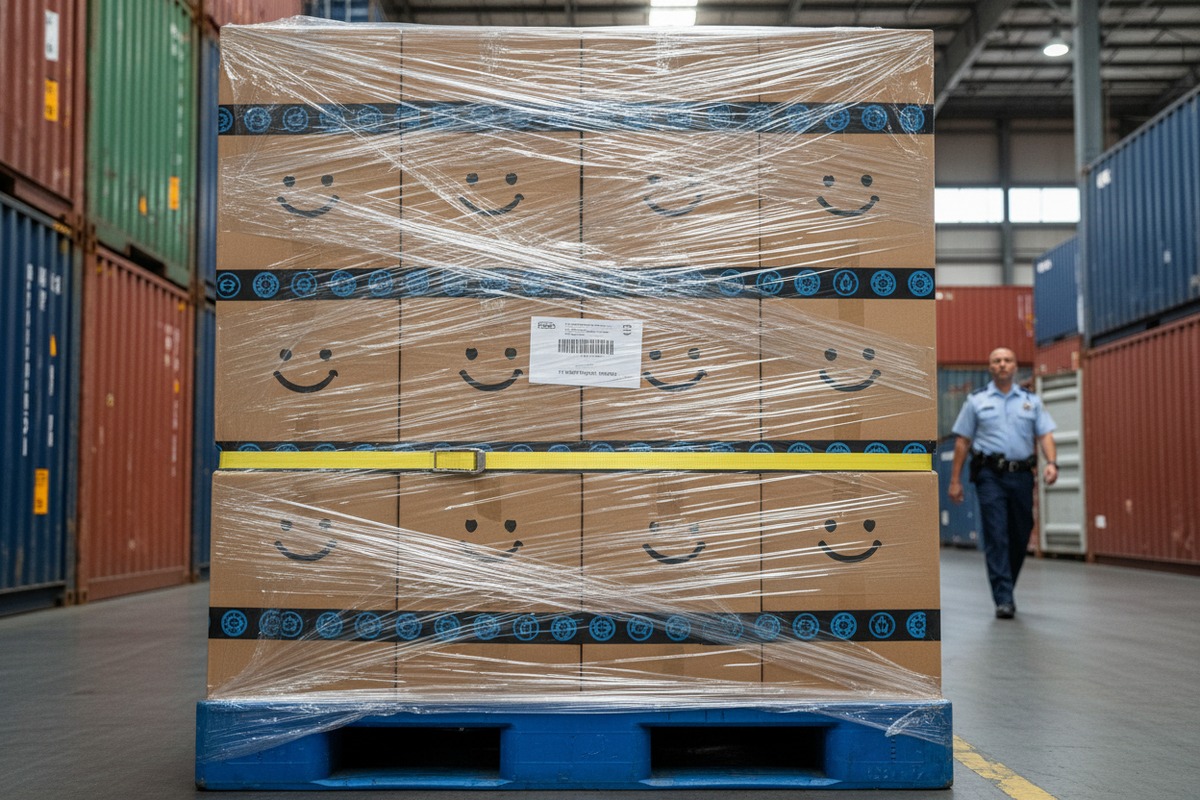
Many first-time Amazon sellers assume that because Amazon handles warehousing and delivery, they are somehow shielded from U.S. customs requirements. That is not the case. Amazon is the fulfillment provider, not the importer of record. You — the seller — are the importer of record (IOR) 3. That means you bear all customs obligations, including posting a valid bond before your cargo arrives at a U.S. port.
CBP does not care whether your goods go to a private address, a commercial warehouse, or an Amazon FBA center. The rule is straightforward: if the commercial value of your shipment exceeds $2,500, you need a bond. And even if your shipment is under $2,500, you may still need one if the goods are regulated by another agency like the FDA, CPSC, or USDA.
| Importer Type | Bond Required? | Notes |
|---|---|---|
| Chinese company shipping to U.S. (no U.S. entity) | Yes | Must obtain EIN and bond under own name |
| Overseas Amazon seller (no U.S. tax ID) | Yes | Bond must match actual IOR identity |
| U.S.-based company with IRS EIN and self-clearance capability | No (they handle it themselves) | U.S. importer assumes all duty and compliance responsibility |
| FBA head-haul to Amazon warehouse | Yes | Amazon is not the IOR; the seller is |
| Sample shipment under $2,500 (no regulated goods 4) | Usually no | But check for agency-regulated items |
From our experience coordinating hundreds of shipments per month, we can tell you exactly what happens when a bond is missing: the container sits at the port. CBP will not accept your customs entry. Your ISF filing cannot proceed. Every day that passes, you accumulate demurrage fees 5, container detention charges, and potential penalties. We have seen clients lose thousands of dollars simply because a bond was not in place before the vessel arrived.
For U.S.-bound ocean freight, the bond must be active before the ISF (Importer Security Filing) 6 and AMS manifest can be submitted. That means your freight forwarder or customs broker needs to arrange the bond well before the cargo ship reaches the U.S. coast — ideally right after booking, and no later than the manifest cutoff date.
Even if your shipment value is below $2,500, certain product categories trigger a bond requirement regardless. These include food items (FDA), children's products (CPSC), plants and agricultural goods (USDA), and vehicles or vehicle parts (DOT/EPA). If your FBA product falls into any of these categories, you need a bond no matter what.
Our team helps clients pick the right bond type every day, and the decision is simpler than most people think — it comes down to how often you ship.
If you import more than two or three shipments per year, a continuous bond is almost always the better choice. It covers unlimited entries across all U.S. ports for a full year. A single entry bond only covers one shipment and one clearance event, making it expensive and impractical for regular importers.
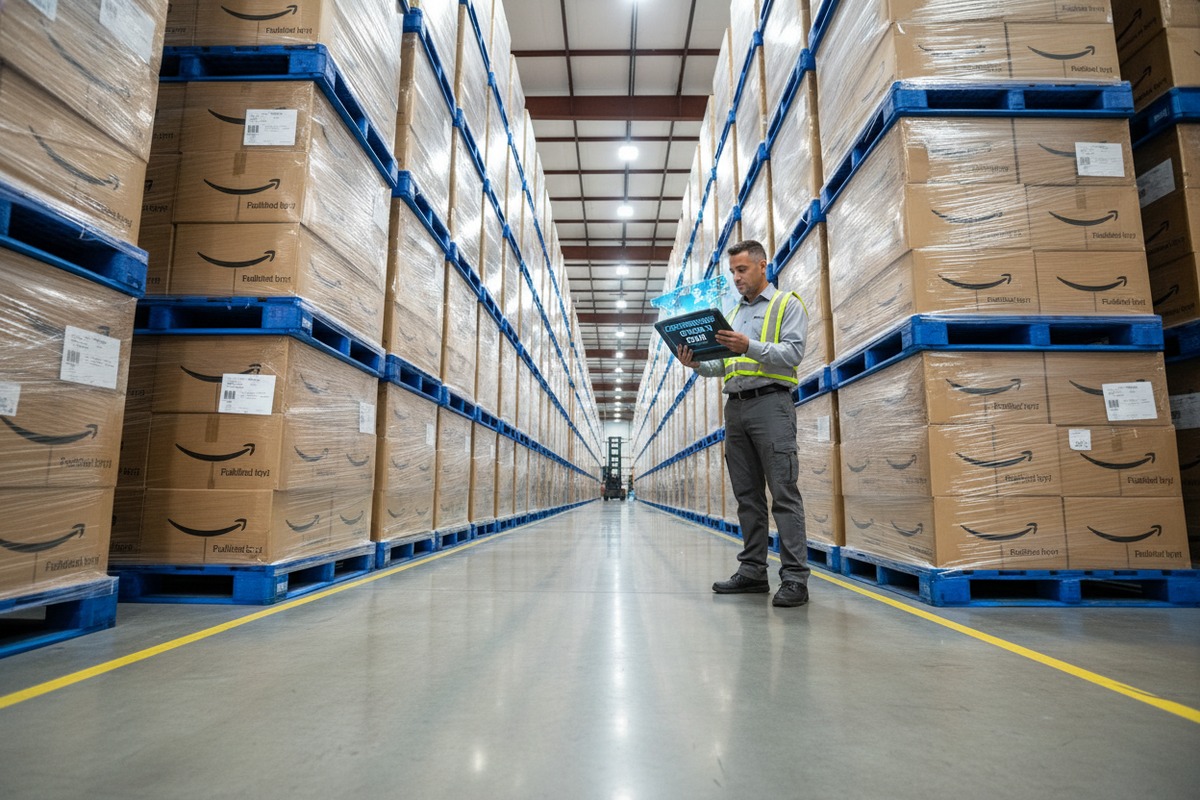
A continuous bond 7 — also called an annual bond — is valid for one year from the date of issuance. It works at every U.S. port and covers every shipment you import during that period. There is no limit on the number of entries. For Amazon sellers who restock inventory monthly or even quarterly, this is the standard choice.
The bond amount is typically set at 10% of the total duties, taxes, and fees you paid over the previous 12 months, with a minimum bond amount of $50,000. Important: the bond amount is not what you pay. It is the coverage guarantee to CBP. You pay a much smaller annual premium to the surety company 8 — usually between $1,000 and $2,600 per year.
One key advantage is that a continuous bond automatically covers your ISF 10+2 filings 9. You do not need to buy a separate ISF bond for each shipment.
A single entry bond covers exactly one shipment and one customs clearance event. Once that shipment clears, the bond is done. You need a new one for every subsequent import.
The base cost starts around $50 per entry. But here is where it gets expensive: if the shipment value exceeds $1,000, you pay an additional $5 for every $1,000 of value. On top of that, you must purchase a separate ISF bond — typically $55 to $90 per filing — because a single entry bond does not cover ISF.
| Feature | Continuous Bond | Single Entry Bond |
|---|---|---|
| Validity | 12 months | One shipment only |
| Port coverage | All U.S. ports | Single port of entry |
| ISF coverage | Included | Must buy separately ($55–$90) |
| Cost | $1,000–$2,600/year | $50+ per entry, plus ISF bond |
| Best for | 3+ shipments/year, FBA sellers | 1–2 shipments/year, samples |
| Convenience | One-time annual setup | New paperwork each shipment |
Single entry bonds are not bad products. They serve a real purpose. If you are shipping one sample order to test the U.S. market, or sending exhibition goods for a trade show, a single entry bond keeps your upfront cost low. But the moment you start shipping regularly — even once a quarter — the math shifts heavily in favor of a continuous bond.
Here is a simple example. Suppose you ship four times per year with a shipment value of $10,000 each. A single entry bond would cost roughly $50 base plus $50 (for the $10,000 value) plus $75 for the ISF bond — about $175 per shipment, or $700 per year. A continuous bond covering all four shipments (and any additional ones) would cost $1,000 to $1,500 per year. The continuous bond wins on cost, and it eliminates the hassle of arranging a new bond and ISF bond every time.
This is critical. We have seen importers try to use another company's bond to save money. This is a compliance violation. CBP runs checks — known as 5H exams — and if your bond does not match the actual importer of record, you face a near-certain examination, delays, and potential penalties. Your bond must be in your name, matching your EIN and your IOR identity.
When we quote DDP shipping rates to our clients, the bond cost is one of the first line items we explain — because it confuses nearly everyone at the start.
Customs bond costs depend on the bond type and your import profile. A continuous bond typically costs $1,000 to $2,600 per year, covering all shipments. A single entry bond starts at $50 per shipment, with additional charges based on cargo value. The bond amount guaranteed to CBP is separate from the premium you actually pay.
This is the most common source of confusion. The bond amount is the total financial guarantee backing your imports — it is what CBP can claim if you fail to pay duties or violate customs rules. For a continuous bond, the standard minimum amount is $50,000. If your annual duties exceed that, the bond amount is set at 10% of your prior-year duties, taxes, and fees.
The premium is what you actually pay the surety company. Think of it like insurance: the bond amount is your coverage limit, and the premium is your annual payment. Most importers pay a fraction of the bond amount as their premium.
| Cost Element | Continuous Bond | Single Entry Bond |
|---|---|---|
| Annual premium | $1,000–$2,600/year | N/A |
| Per-entry cost | Included in annual premium | $50 base |
| Value surcharge | None | $5 per $1,000 over $1,000 value |
| ISF bond | Included | $55–$90 per filing (separate purchase) |
| Minimum bond amount (guarantee) | $50,000 | Tied to shipment value + duties |
| Applicability | U.S. and non-U.S. companies (same rate) | Any importer |
Several factors influence how much you pay:
Getting a bond is not just about paying a fee. You need to provide proper documentation. Here is a checklist:
Let's say you are a mid-volume Amazon seller importing $200,000 worth of goods per year with $30,000 in annual duties. Your continuous bond amount would be set at the $50,000 minimum (since 10% of $30,000 is only $3,000, which is below the floor). Your annual premium would likely be around $1,000 to $1,500. That works out to roughly $80 to $125 per month — a small price compared to the cost of a single port delay.
At MBMLOG, bond arrangement is a standard part of every DDP shipment we manage — our clients never have to deal with surety companies directly unless they want to.
Yes, most experienced freight forwarders can handle your customs bond as part of a DDP (Delivered Duty Paid) service. They work with licensed customs brokers and surety companies to arrange, purchase, and manage your bond, so your shipment clears customs without you contacting CBP directly.
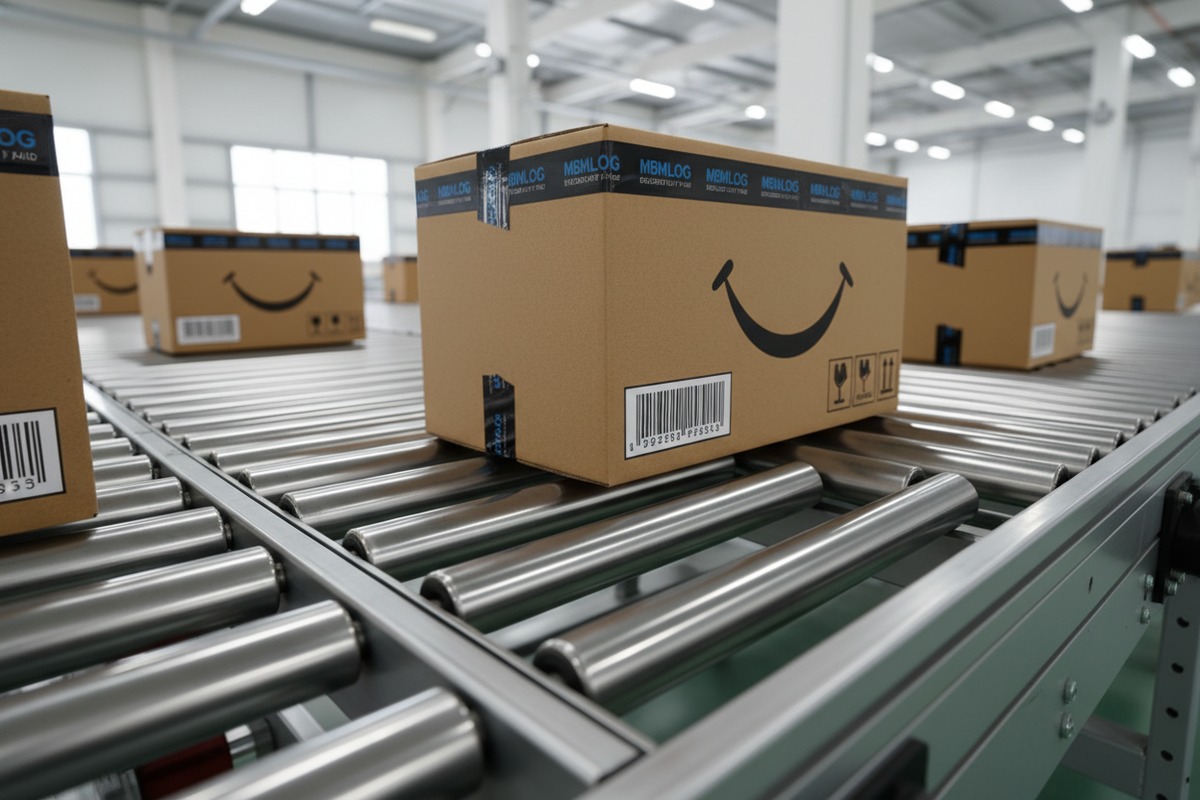
When you book a DDP shipment, you are paying for a door-to-door service where all customs duties, taxes, and compliance responsibilities are handled on your behalf. The freight forwarder coordinates with a U.S.-licensed customs broker, who in turn works with a CBP-approved surety company to post your bond.
Here is the typical workflow:
The entire process happens behind the scenes. You get tracking updates and a clean delivery.
Not every forwarder offers the same level of bond support. Before you commit, ask these questions:
| Aspect | DDP Service (Forwarder Handles Bond) | Self-Managed Bond |
|---|---|---|
| Who arranges the bond | Freight forwarder / customs broker | You, directly with surety or broker |
| Paperwork burden | Minimal — you provide documents, they handle filings | You manage all forms, renewals, and compliance |
| ISF and AMS filings | Handled by forwarder | You or your broker must file |
| Cost visibility | Usually bundled into DDP quote | Separate invoices from surety and broker |
| Compliance risk | Lower — experienced team manages it | Higher if you lack customs knowledge |
| Best for | FBA sellers, first-time importers, busy operators | Large importers with in-house compliance teams |
We have seen what happens when a forwarder cuts corners on bond compliance. One common issue: a forwarder uses a generic bond that does not match the actual IOR. The result is a 5H intensive exam at the port, which means your container gets opened, inspected, and delayed by days or weeks. The cost of that single mistake — exam fees, storage, demurrage, lost sales — often exceeds the annual bond premium many times over.
A reliable DDP forwarder ensures your EIN, bond, and IOR information all match perfectly. They file your ISF on time. They communicate with the customs broker proactively. And if CBP issues a hold or request for additional information, they respond quickly so your cargo keeps moving.
For ocean freight to the U.S., the bond must be in place before the ISF filing deadline — which is 24 hours before the vessel loads at the origin port. That means your forwarder needs to start the bond process right after booking, well before the cargo cutoff date. Late bond activation is one of the most preventable causes of port delays, and a good forwarder will never let it happen.
A customs bond is not optional for most U.S. imports — it is a legal requirement that keeps your cargo moving. Choose the right bond type, work with a trusted DDP forwarder, and your shipments clear smoothly every time.
1. Official information about the primary U.S. customs agency. ↩︎
2. Explains the responsibilities and scope of DDP shipping. ↩︎
3. Defines the legal entity responsible for import compliance. ↩︎
4. Information on goods subject to specific agency regulations upon import. ↩︎
5. Explains charges for cargo delays at port. ↩︎
6. Provides details on the required security filing for ocean cargo. ↩︎
7. Explains the benefits and usage of continuous customs bonds. ↩︎
8. Defines the role of a surety in customs bonds. ↩︎
9. Official information on the ISF 10+2 rule. ↩︎
10. Official form for customs bond applications. ↩︎