- +8618603825129
- [email protected]

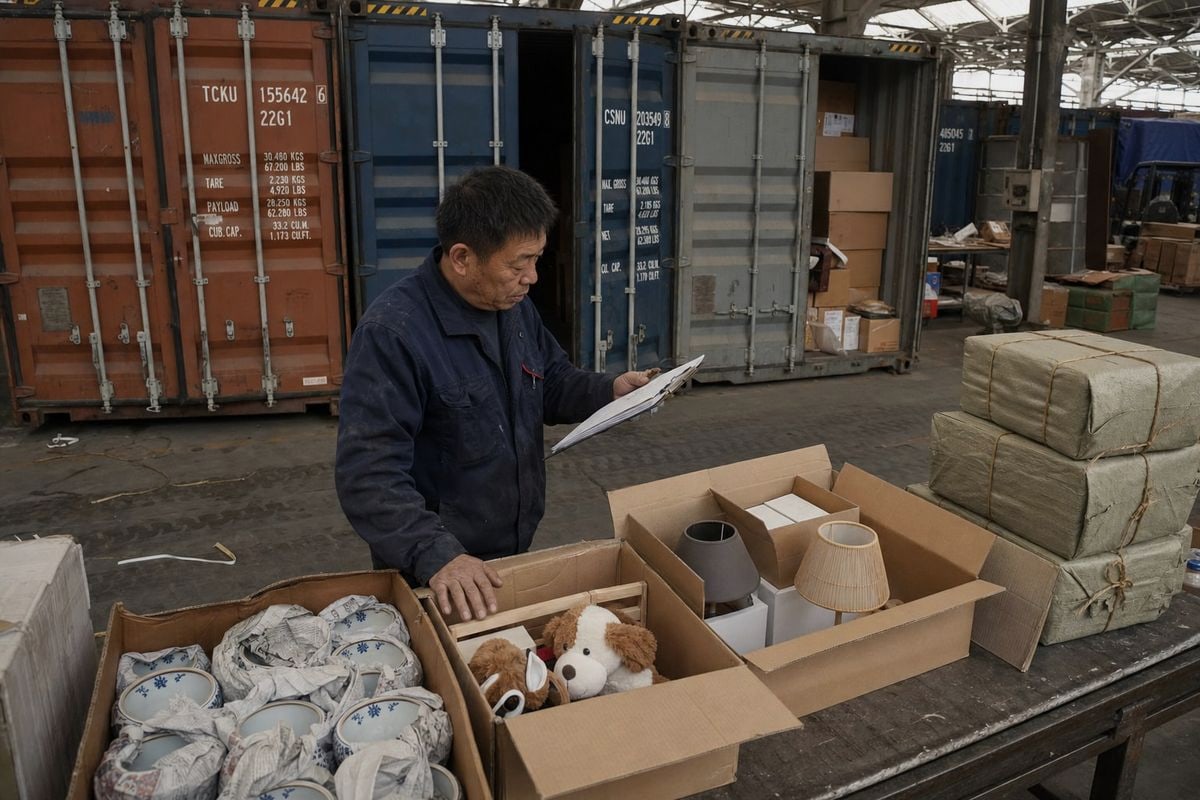
Commodity inspection when exported from China trips up more shippers than tariffs do. I have watched loaded containers get pulled off vessels over one missing certificate. Our team in Zhengzhou now checks this before every booking.
Products whose 10-digit HS code carries the regulatory condition B require statutory commodity inspection when exported from China. High-frequency categories include food and agricultural goods, textiles, lamps and small appliances, toys, ceramic tableware, cosmetics, chemicals, batteries, wood products, and medical devices.
That single letter B decides everything. Below, I will show you how to check it yourself, what happens when you skip it, and which products get flagged most.
A US client once emailed me a product photo and asked, "Does this need inspection?" I told him the photo cannot answer that. Only the HS code 1 can. Our booking team checks it on every file.
Check your product's 10-digit HS code in the China Single Window system. If the regulatory condition shows B or AB, statutory commodity inspection is mandatory, and customs will not release the shipment without the outbound clearance certificate.

The rule sounds technical, but it is actually simple. China does not keep one universal product list that you memorize. Instead, every product classifies under a 10-digit HS code. Each code carries regulatory condition marks. The mark tells customs what supervision applies. This is the only standard that matters. Product name alone proves nothing, because two similar products can fall under different codes with different conditions.
Here is what each mark means in practice:
| Mark | Meaning | What it triggers |
|---|---|---|
| A | Import statutory inspection | Inspection required when importing into China |
| B | Export statutory inspection | Inspection and clearance certificate required before export |
| AB | Both directions | Inspection required for both import and export |
| No mark | Non-statutory | No mandatory inspection, though random checks still possible |
When the HS code B condition appears, the exporter must complete statutory commodity inspection and obtain an outbound goods clearance certificate. Without that document, customs will not release the cargo. Period.
You can check the code through the China Single Window system 2, or ask your freight forwarder to confirm it. In our daily work, we verify the code on the booking sheet the factory sends us, then cross-check the regulatory conditions before we plan container loading. It takes ten minutes and saves weeks of trouble.
One more point. If your HS code has no B mark, mandatory inspection does not apply. But your buyer's letter of credit 3 or the destination country may still demand a CIQ certificate or third-party inspection report. That is a contractual inspection, done voluntarily. Do not confuse the two.
A Canadian client of ours bought mirror cabinets made of composite wood from a Chinese factory. The factory never mentioned inspection. We caught it on the booking sheet — and that catch saved the whole shipment.
Skipping a required inspection means customs will reject your GACC customs declaration. The container can be ordered back from the port, causing missed sailings, return and storage fees, and possible fines. Inspection reports arranged after loading are treated as suspected fakes and refused.
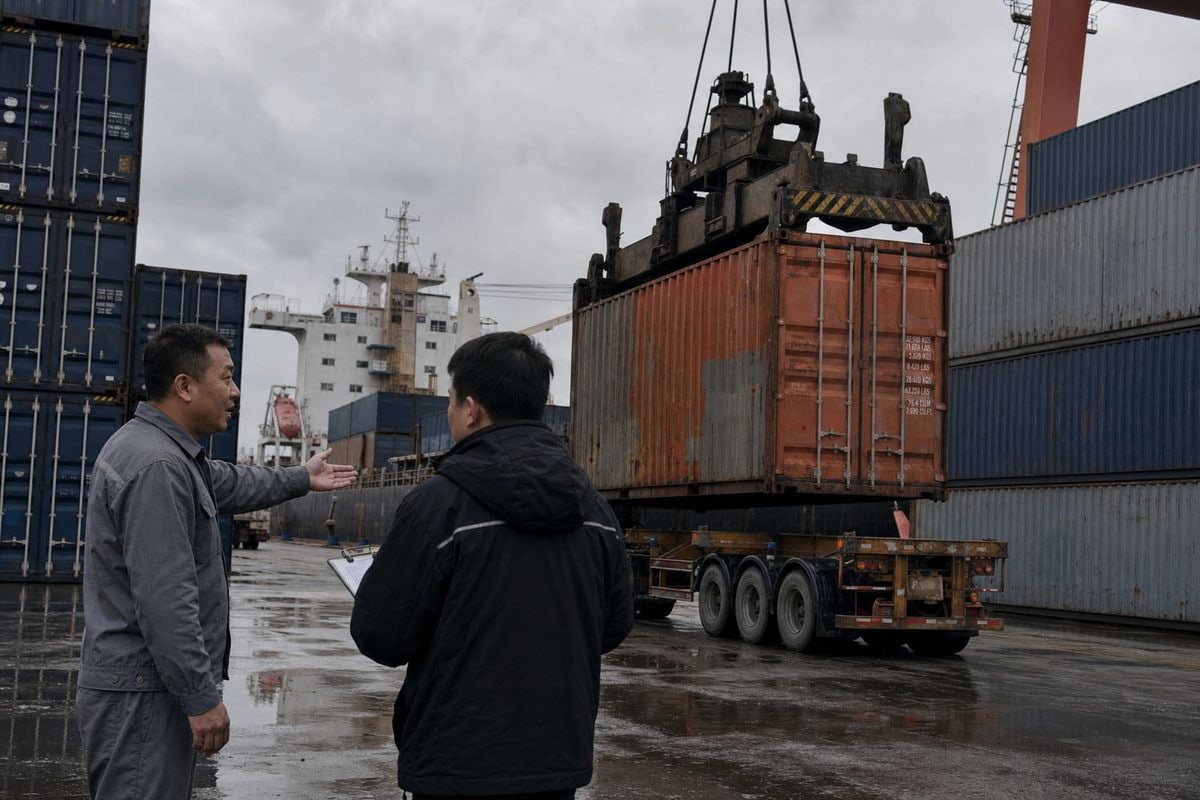
Let me finish that story, because the timing detail is the part most shippers miss. When we saw the HS code and product name on the factory's booking sheet, we immediately asked the factory whether the composite wood cabinets needed inspection. The factory confirmed they did. So we helped them arrange statutory commodity inspection before container loading and secured the inspection report in time.
Why does sequence matter so much? Because if you load the container, return it to the terminal, and only then try to arrange inspection, customs will not accept the report. In their eyes, an inspection done after the goods are sealed in a box is suspect. The report looks fabricated. Customs will refuse the declaration and order the shipment withdrawn.
| Consequence | What it means for you |
|---|---|
| Declaration rejected | No customs clearance certificate, cargo cannot ship |
| Forced withdrawal | Container pulled back from the terminal |
| Missed vessel | Schedule slips by one to several weeks |
| Return and storage fees | Terminal, trucking, and demurrage charges pile up |
| Possible fines | Customs may pursue penalties for the violation |
| Amazon stockouts | For FBA sellers, late inventory hurts rankings and sales |
For our US clients running Amazon FBA 4, the missed vessel is often the most painful item on that list. A two-week delay during Q4 can mean an empty listing. That is why we treat the inspection check as a hard gate, not a formality.
Every week our warehouse consolidation team in Zhengzhou handles a mix of goods, and the same categories keep triggering inspection files. Over time, a clear pattern has emerged across thousands of bookings.
Chinese customs most commonly flags food and agricultural goods, textiles and footwear, lamps and small appliances, toys and children's products, ceramic tableware, cosmetics and hygiene items, chemicals and batteries, wood and bamboo products, and medical devices for mandatory commodity inspection.
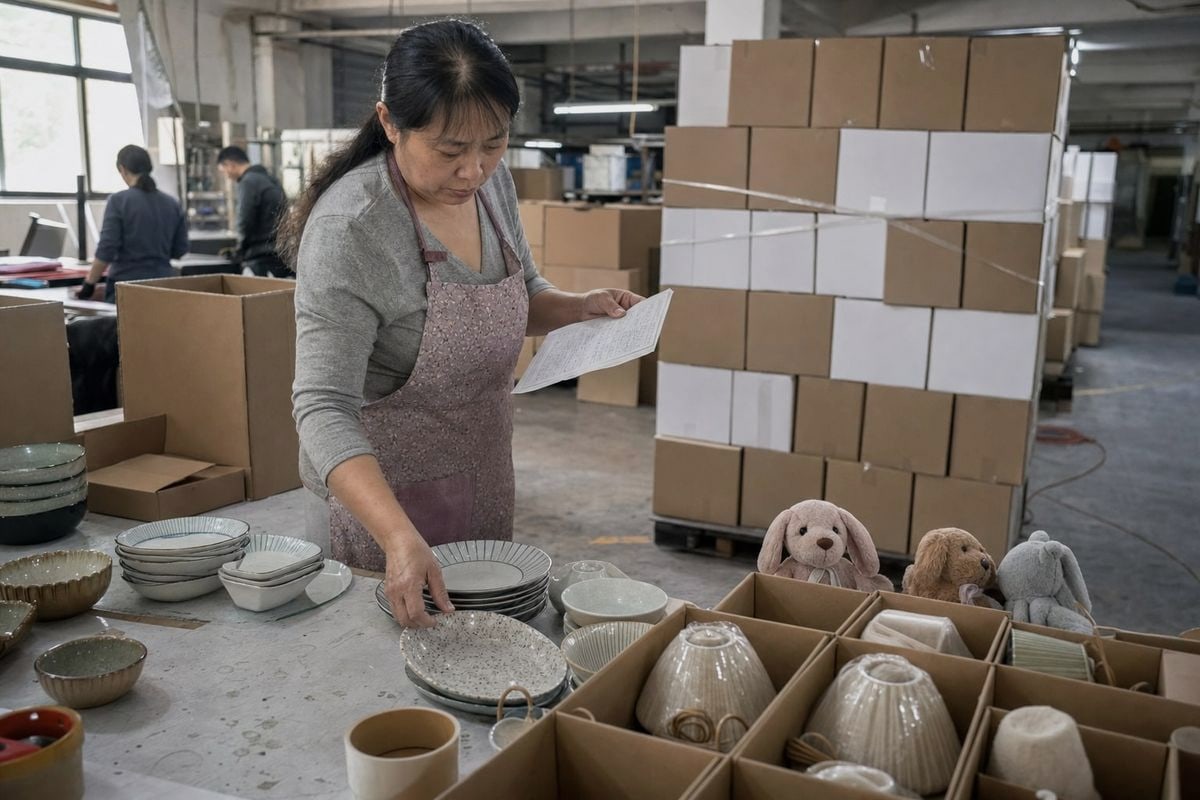
Here is the full breakdown we use internally, drawn from our real files:
| Category | Typical products | Key requirement |
|---|---|---|
| Food, agriculture, animal and plant products | Meat, aquatic products, canned food, tea, grain and oil, fruit and vegetables, seeds, timber, bamboo and wood items, fur, feather and down | Animal/plant quarantine or hygiene certificate |
| Textiles, footwear, apparel | All woven garments, infant clothing, knitwear with over 50% wool, leather/PU shoes, slippers, bedding | Statutory export inspection |
| Lamps, small appliances, power tools | Table lamps, ceiling lamps, floor lamps, fans, chargers, small household appliances | Mandatory safety inspection against mandatory quality standards |
| Toys, baby products, tableware | Children's toys, baby feeding items, glass cups, ceramic dinnerware | Testing for heavy metals, phthalates, structural strength |
| Cosmetics and hygiene products | Skincare, makeup, toothpaste, sanitary pads, medical-grade masks and gowns | Hygiene and safety inspection |
| Chemicals, dangerous goods, fertilizers | Paints, lithium batteries, pesticides, fertilizers, listed hazardous chemicals | MSDS 5, dangerous packaging certificate, hazardous chemicals catalogue check |
| Medical devices and pharmaceuticals | Medical instruments, diagnostic reagents, drug ingredients | Domestic registration plus medical device export filing 6 before declaration |
First, some sensitive goods sit outside normal inspection entirely. Strategic minerals and certain high-tech components fall under the dual-use items list, which requires export licensing and separate reviews — a stricter regime than ordinary inspection.
Second, random inspections have grown as an enforcement tool. Even goods without a B condition — baby products, food-contact items, low-voltage electronics — can face spot checks at the port. So "no B mark" means no mandatory pre-inspection, but it never means zero scrutiny. We remind clients of this whenever they ship children's goods, because that category attracts random sampling more than any other we handle.
Timing is the trade-off I weigh on every DDP file. Book the inspection too late and you miss the vessel. The fix is to build inspection into the shipping timeline from day one, which is exactly how we run it.
Confirm the HS code B condition before production ends, book the inspection while goods are still at the factory, secure the report before container loading, and hand all documents to your DDP forwarder early so the customs declaration and clearance proceed without delay.
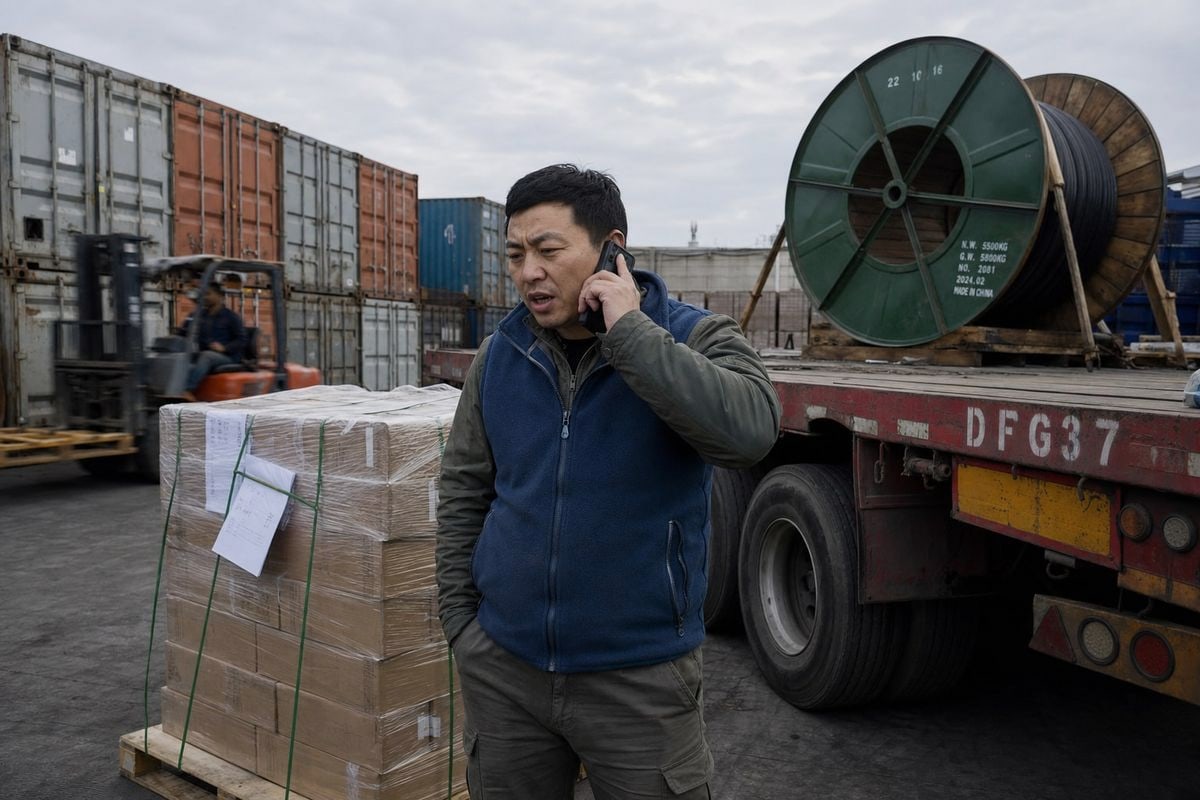
Here is the workflow we follow at MBMLOG for every China-to-USA DDP shipment. It is boring on purpose. Boring workflows do not miss vessels.
Because our DDP service covers both Chinese export clearance and US import clearance under one tax-included quote, one gap on the China side would break the whole chain. That is why we front-load the inspection check. Our clients keep their 18–25 day transit window, and their FBA inventory arrives on schedule. If you are unsure about your own product, send the HS code to your forwarder before you confirm the production deadline — not after.
Commodity inspection when exported from China comes down to one check: the HS code B condition. Verify it early, inspect before loading, and your shipment sails on time.
1. Explains the global classification system underlying China's export inspection triggers. ↩︎
2. Background on single window platforms used to verify customs and trade data. ↩︎
3. Defines the trade finance instrument mentioned as a contractual inspection trigger. ↩︎
4. Clarifies the fulfillment program affected by inspection-related shipping delays. ↩︎
5. OSHA's authoritative guidance on safety data sheets required for chemical exports. ↩︎
6. FDA oversight page relevant to medical device export and registration requirements. ↩︎
7. WTO trade facilitation resource explaining customs declaration procedures in global trade. ↩︎