- +8618603825129
- [email protected]


Buyers ask me weekly how to [import electric forklifts into Canada](https://mbmlog.com/?p=11798). Many order first, then discover duties, battery rules, and paperwork problems after our team has already booked the container.
To import electric forklifts into Canada, classify them as commercial goods under HS code 8427.10, register a Business Number with the CRA, prepare a commercial invoice and bill of lading, clear customs through CBSA, pay 5% GST plus any duty, and follow lithium battery shipping rules.
That is the short version. The details matter more. Below, I walk through duties, customs clearance, documents, and battery shipping step by step, based on shipments we handle out of China every month.
A Canadian dealer once told me his landed cost jumped 18% past his estimate. He had priced the forklift but never priced the border. Our Zhengzhou team now quotes both together.
Most electric forklifts imported into Canada under HS code 8427.10 enter duty-free from many origins, but every importer pays 5% GST on the value for duty. Watch for potential surtaxes or SIMA assessments on certain Chinese-origin goods, plus brokerage and handling fees.
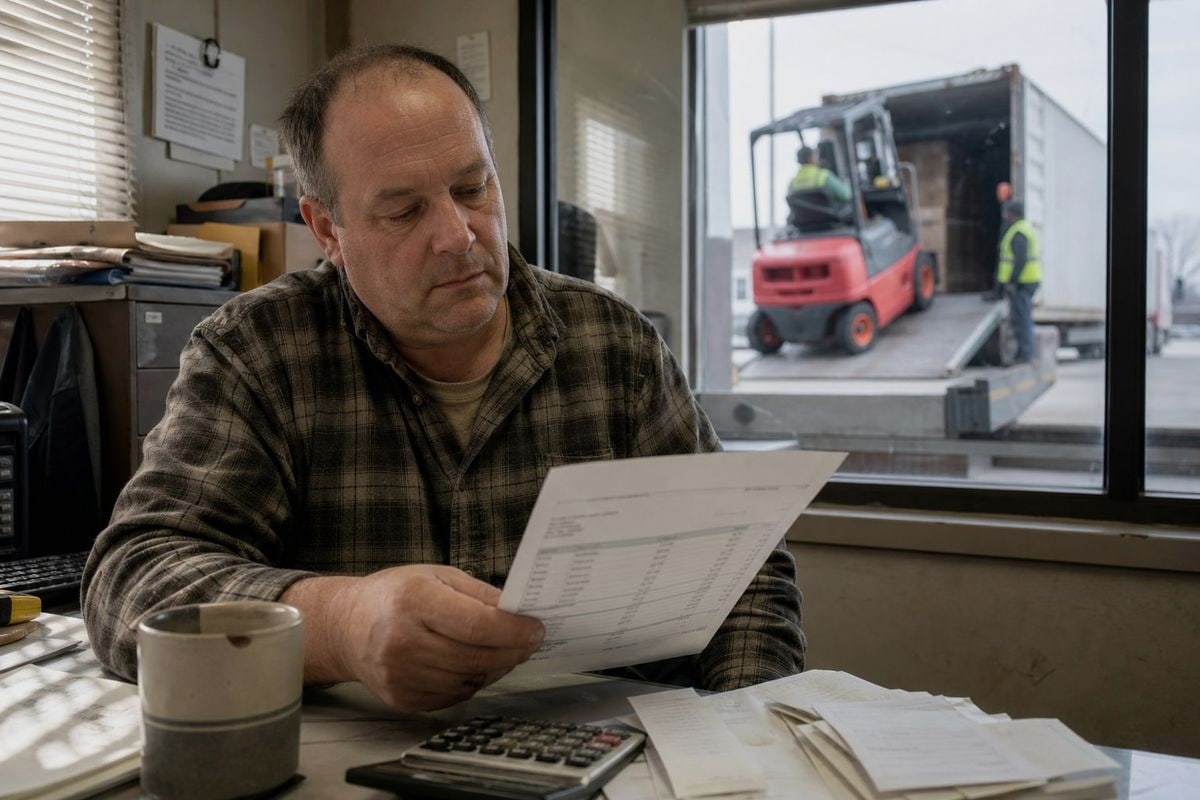
The starting point is classification. Electric forklifts are material handling equipment, and they normally fall under Harmonized System codes 1 in heading 8427, with self-propelled electric trucks usually classified as 8427.10. Getting this code right decides your duty rate. Getting it wrong invites reassessment and penalties.
Next comes valuation. CBSA requires you to declare the value for duty in Canadian dollars. The exchange rate is taken from the date the goods began their direct and uninterrupted journey to Canada. If your invoice is in USD or RMB, that conversion date matters. We flag it on every quotation we prepare.
| Cost Item | Typical Basis | Notes |
|---|---|---|
| Customs duty | % of value for duty | Often 0% under 8427.10, but confirm per model and origin |
| GST | 5% of duty-paid value | Mandatory on commercial imports; HST may apply on domestic resale |
| Surtax / SIMA assessment | Case by case | Anti-dumping and countervailing duties can apply to specific China-origin goods |
| Customs brokerage fees | Flat or tiered fee | Paid to your broker for filing and release |
| Freight and destination charges | Per shipment | Ocean freight, port handling, inland trucking |
Buyers often raise an objection here: their supplier says the forklift is "duty-free, no problem." That is sometimes true, but it is not something to take on faith. Canada has applied additional controls and surtaxes to certain Chinese electric vehicles 2, and Customs Notice 26-05 shows that some electric vehicle categories from China now require shipment-specific permits from Global Affairs Canada. Most warehouse forklifts do not fall into that net today. Still, we verify the exact tariff treatment for each model before booking, because anti-dumping and countervailing duties under SIMA can change the math overnight.
Also remember GST and HST work differently. You pay 5% GST at import. HST applies later, at resale, depending on your province.
There is a trade-off we weigh on every Canadian shipment: self-clearing saves broker fees, but one misfiled entry can cost more in port storage than a broker charges in a year.
Handle customs clearance by registering a Business Number with an import/export account, filing your declaration electronically with CBSA before arrival, submitting documents through the Single Window Initiative, and paying duties and GST. Most importers use a licensed customs broker to manage release.
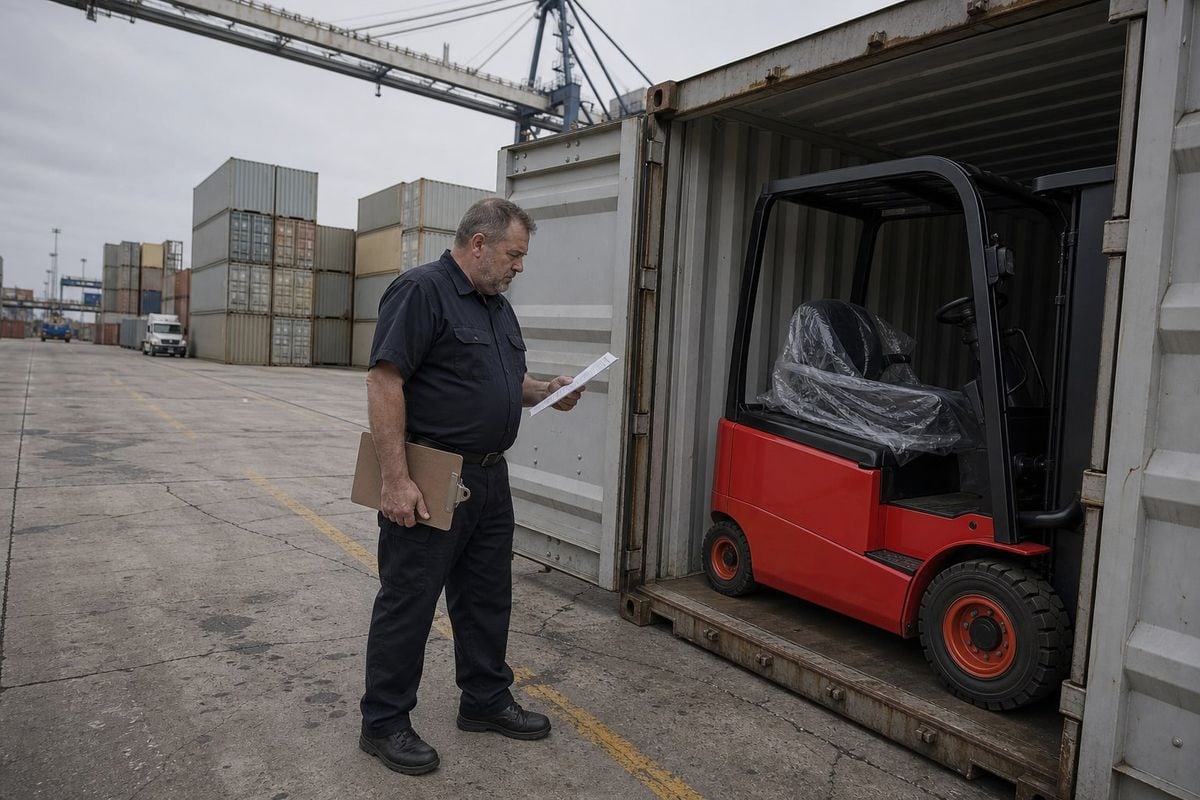
The first thing to understand is what an electric forklift is not. It is not a road vehicle. That means the Transport Canada Registrar of Imported Vehicles process, the Form 1 pathway, and passenger-vehicle admissibility rules do not apply to a warehouse forklift. Transport Canada regulations govern highway vehicles; industrial lift trucks follow the standard CBSA commercial goods path. I have seen buyers waste weeks preparing vehicle paperwork that no one at the border would ever ask for.
Here is the sequence we coordinate for our Canadian clients:
Value for duty calculations trip up first-time importers. Assists, freight adjustments, and currency conversion dates all affect the declared value. Errors can trigger Administrative Monetary Penalty System (AMPS) fines. A broker's fee is small insurance against that. Our role on the China side is to make the broker's job easy: we check that the invoice, packing list, and bill of lading all match before the container leaves the port.
Early in my forwarding career, a single mismatched serial number between an invoice and a packing list held a container at Vancouver for nine days. Since then, our team cross-checks every document set twice.
You need a commercial invoice or Canada Customs Invoice, bill of lading, packing list, and proof of ownership. Add a certificate of origin if claiming preferential duty treatment, battery documentation for lithium models, and any permits required for controlled goods.
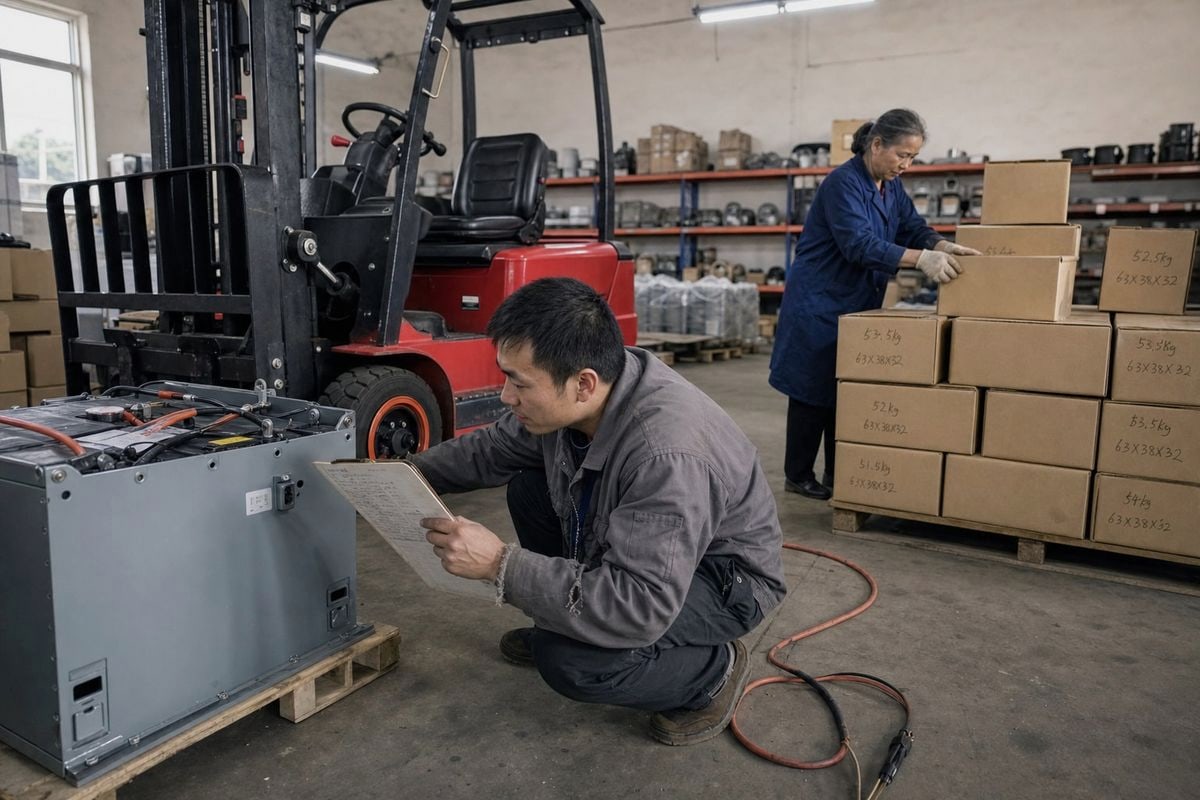
Documentation is where most customs delays are born, and where they are easiest to prevent. CBSA release is a documentary process. If the paperwork is complete, consistent, and accurate, an electric forklift usually clears without inspection. If anything conflicts, the shipment waits, and storage charges grow daily.
| Document | Who Prepares It | What CBSA Checks |
|---|---|---|
| Commercial invoice / Canada Customs Invoice | Supplier or exporter | Meets commercial invoice requirements: value, currency, terms, full goods description |
| Bill of lading | Carrier / freight forwarder | Consignee, routing, container and cargo details |
| Packing list | Supplier | Quantities, weights, dimensions matching the invoice |
| Certificate of origin | Supplier / chamber | Required if claiming preferential treatment under agreements like CUSMA |
| Battery test summary / MSDS | Battery maker | Lithium-ion battery shipping compliance for battery-powered models |
| Import permits (if applicable) | Importer / Global Affairs Canada | Only for controlled categories, such as certain China-origin EVs |
Three things deserve extra attention. First, the goods description. "Machine" is not enough; state the model, whether it is new or used, the battery type, and the capacity. Second, origin evidence. Claiming a preferential rate requires proper proof of origin, not just a line the seller typed on the invoice. Third, consistency. The weight on the packing list must match the bill of lading. Used forklifts add valuation questions too, so document the sale price and condition clearly.
Beyond customs paperwork, Canadian buyers should confirm the machine meets CSA safety standards — CSA B335-15 is the benchmark provincial occupational health and safety regulators expect for lift trucks. NRCan energy efficiency rules can also touch chargers, so ask your supplier for charger specifications before shipping.
A distributor in Ontario once came to us after a carrier rejected his booking at the Chinese port. The reason: no battery test documentation. The previous forwarder never asked what powered the forklift.
Ship a lithium battery forklift by declaring the battery to the carrier upfront, providing UN38.3 test documentation and correct dangerous goods paperwork, securing the machine properly in the container, and complying with Canada's Transportation of Dangerous Goods (TDG) regulations, including required safety markings.
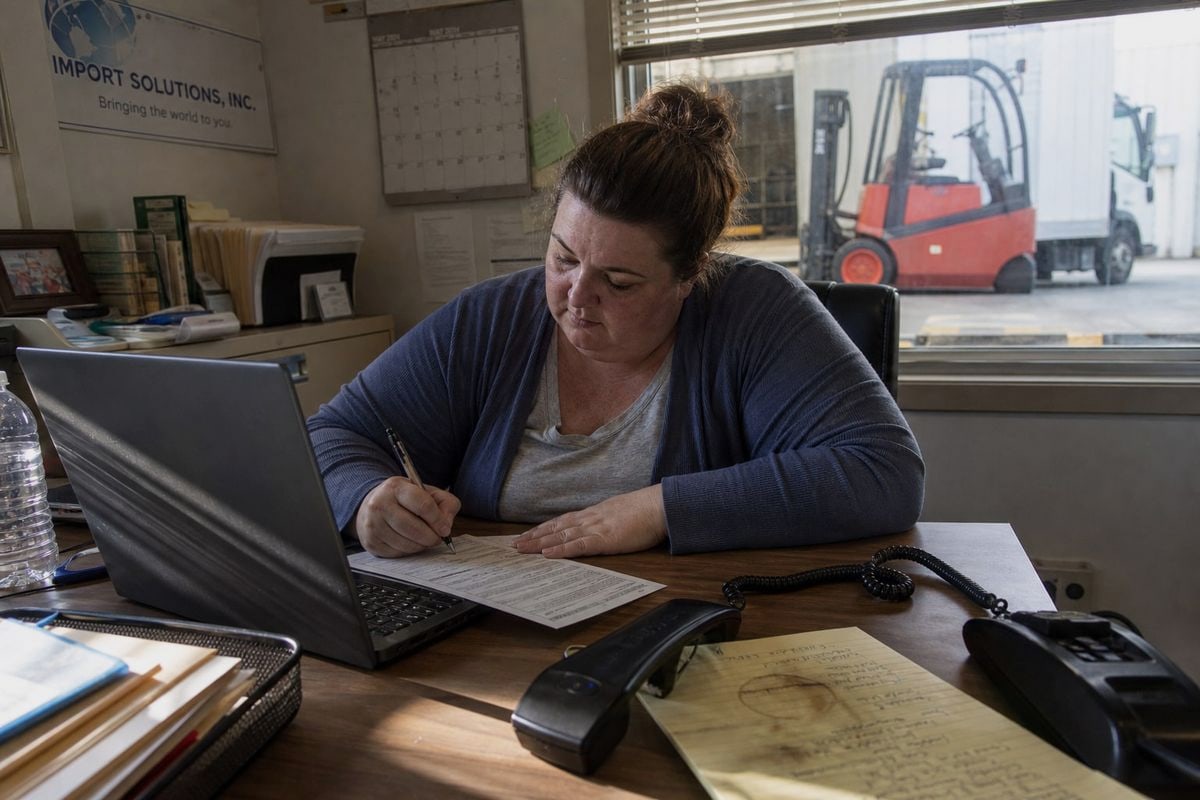
Lithium-ion battery shipping is the single biggest difference between moving an electric forklift and moving ordinary machinery. A lead-acid forklift is treated as relatively routine cargo. A lithium-ion forklift is dangerous goods cargo, and both ocean carriers and Canadian TDG regulations expect specific classification, documentation, and markings.
| Factor | Lead-Acid Forklift | Lithium-Ion Forklift |
|---|---|---|
| Carrier acceptance | Generally routine | Requires DG declaration and carrier approval |
| Test documentation | Usually not required | UN38.3 test summary expected |
| Markings | Standard cargo labels | Dangerous goods safety markings per TDG |
| Booking lead time | Normal | Longer; approvals take extra days |
| Damaged batteries | Manageable | Often refused or heavily restricted |
The problems always surface at the wrong time — after cargo reaches the port, or worse, at destination. So we solve them before pickup. Our team collects the battery specification sheet 3, chemistry, watt-hour rating, and test summary directly from the Chinese factory. We confirm carrier acceptance before quoting. During container loading, we position the forklift for even weight distribution, lash it against solid points, and block the wheels, because a two-to-three-ton machine shifting at sea will destroy itself and everything beside it.
One more practical point for Canadian buyers: winters are hard on equipment. Before shipping, check whether the model needs a cold weather package, since hydraulic fluid and battery thermal management behave differently at minus temperatures. Some provinces also offer zero-emission incentives — British Columbia's CleanBC programs, for example, have supported electric fleet conversion — which can improve your total cost picture after import.
Importing electric forklifts into Canada is manageable when you classify correctly, prepare clean documents, budget GST and fees, and handle lithium batteries properly. Plan the border before you book the container.
1. Official international standard for classifying traded products used by Canadian customs. ↩︎
2. Information on import controls and surtaxes applied to specific vehicle categories from China. ↩︎
3. Technical documentation required to verify the safety and classification of lithium batteries for transport. ↩︎