
- +8618603825129
- [email protected]


Demurrage and detention charges for forklift imports catch many buyers off guard. In our forwarding work at MBMLOG, I have seen a single delayed container erase an importer's entire margin.
Demurrage and detention charges for forklift imports are daily penalty fees from the ocean carrier or terminal. Demurrage applies when your loaded container sits inside the port past its free time. Detention applies when you keep the container outside the port too long before returning it empty.
These fees are not about the forklift itself. They are about the container moving it. Let me break down how they work and how to avoid them.
Last year, a US dealer asked our team to rescue a container stuck at Long Beach. His paperwork arrived three days after the vessel. That gap cost him real money.
You avoid demurrage and detention by preparing customs documents before the vessel arrives, tracking your Last Free Day, booking drayage services in advance, unloading the forklift quickly, and returning the empty container immediately. Pre-clearance and early coordination remove most of the risk.
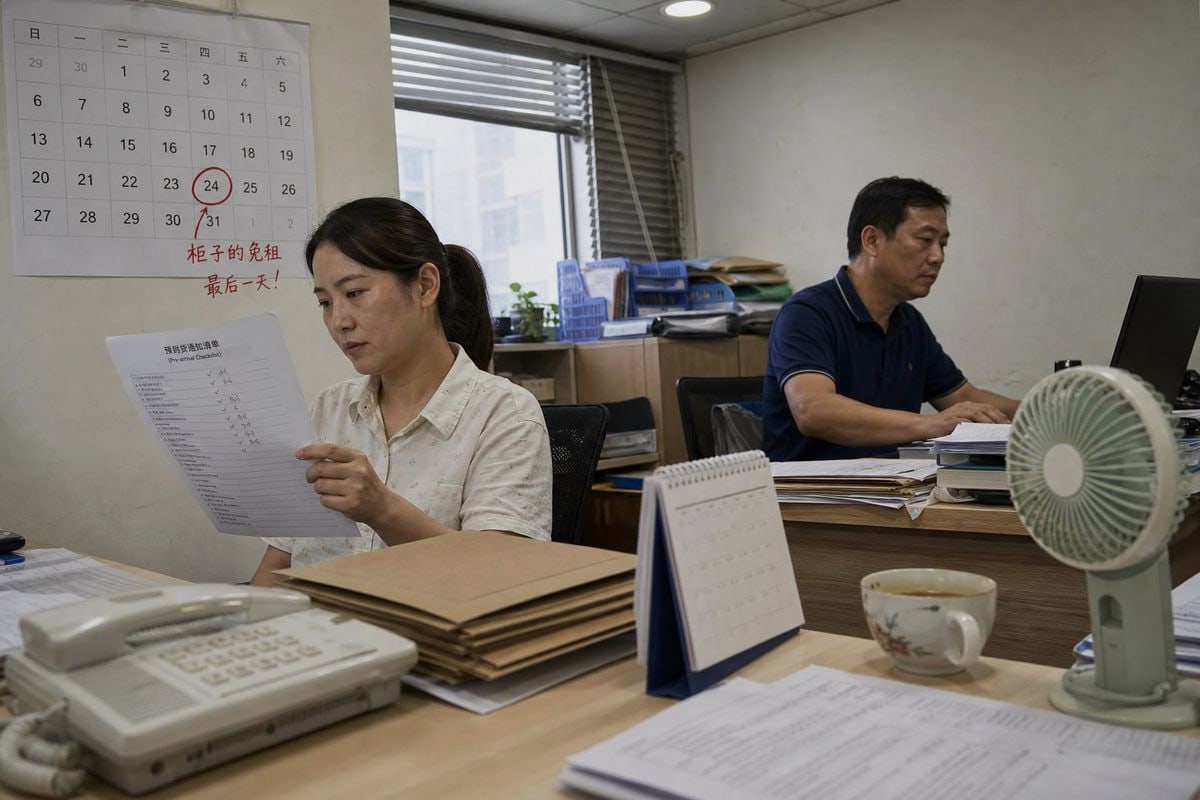
Prevention is cheaper than any dispute. In my experience arranging electric forklift shipping 1 from China to the United States, almost every demurrage bill traces back to a step that should have happened earlier. So I tell every client to work backward from the vessel arrival date.
Here is the sequence we follow for our own door-to-door shipments. Each step buys back free time later.
The Last Free Day is the single most important date in your import. We track it for every container and alert clients as it approaches. Miss it by one day and the meter starts. Miss it by a week and the per diem charges often escalate into higher price tiers. Real-time tracking of that date, combined with pre-cleared customs entry 3, is the strategy that already ranks as best practice across the industry, and it matches what we see on the ground.
A buyer once emailed me two invoices for the same container and asked why he was billed twice. He was not. One line was demurrage, the other was detention.
Demurrage is a port storage fee charged while your loaded forklift container remains inside the terminal after free time expires. Detention is an equipment rental fee charged after pickup, while you hold the carrier's container outside the port before returning it empty to the depot.
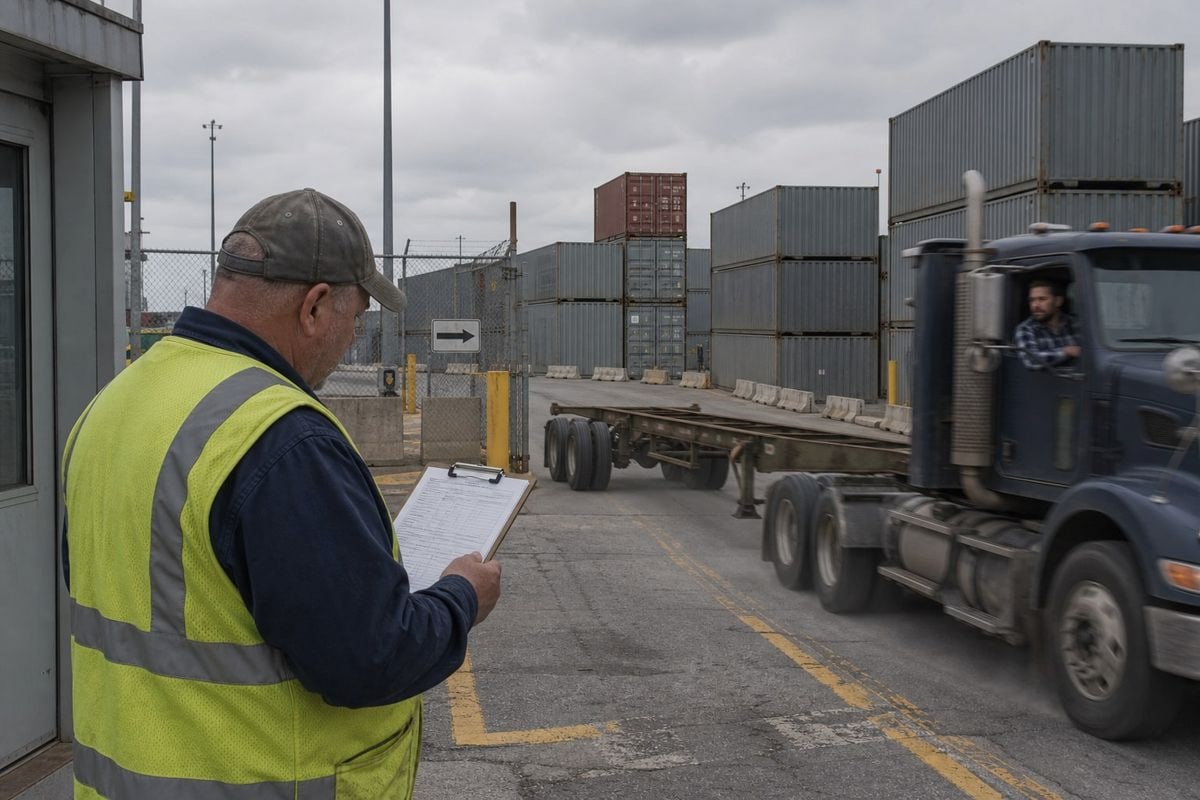
The easiest way to remember the split is location. Inside the terminal, the clock that runs is demurrage. Outside the terminal, the clock that runs is detention. Both are billed per day, per container, and both can apply to the same shipment if things go wrong at each stage. When we coordinate heavy machinery logistics for forklift importers, we manage these as two separate deadlines, because the ocean freight carrier treats them that way.
| Funkce | Demurrage | Detention |
|---|---|---|
| Where it applies | Inside the terminal or port | Outside the terminal, after pickup |
| What it charges for | Use of terminal space | Use of the carrier's container |
| When the clock starts | After discharge, once free time ends | After pickup, once free time ends |
| When the clock stops | When the container exits the gate | When the empty container is returned |
| Common daily range | Roughly US$75–$300 per container | Roughly US$50–$100 per day |
| How to prevent it | Fast clearance and prompt pickup | Fast unloading and prompt empty return |
Picture a 40HQ container carrying two electric forklifts. It discharges on Monday. If it sits at the terminal past its free time, demurrage accrues. Your trucker finally pulls it out on Friday. Now the detention clock is running. If your warehouse takes a week to unload the forklifts and release the box, detention stacks up on top of the demurrage you already owe. Some markets also bill terminal storage as a separate line item from carrier demurrage, so one delay can generate three charges. That is why I always tell clients: the shipment is not finished when the forklift arrives. It is finished when the empty container is back at the depot.
When our team quotes forklift container shipping, one of the first things I check is the carrier's free time period on that specific lane. It varies more than most importers expect.
Most standard import containers receive 3 to 7 free days at the destination terminal before demurrage begins. Free time varies by carrier, port, contract, and container type. Flat racks and open-top containers used for oversized forklifts usually get shorter free windows and higher daily rates.
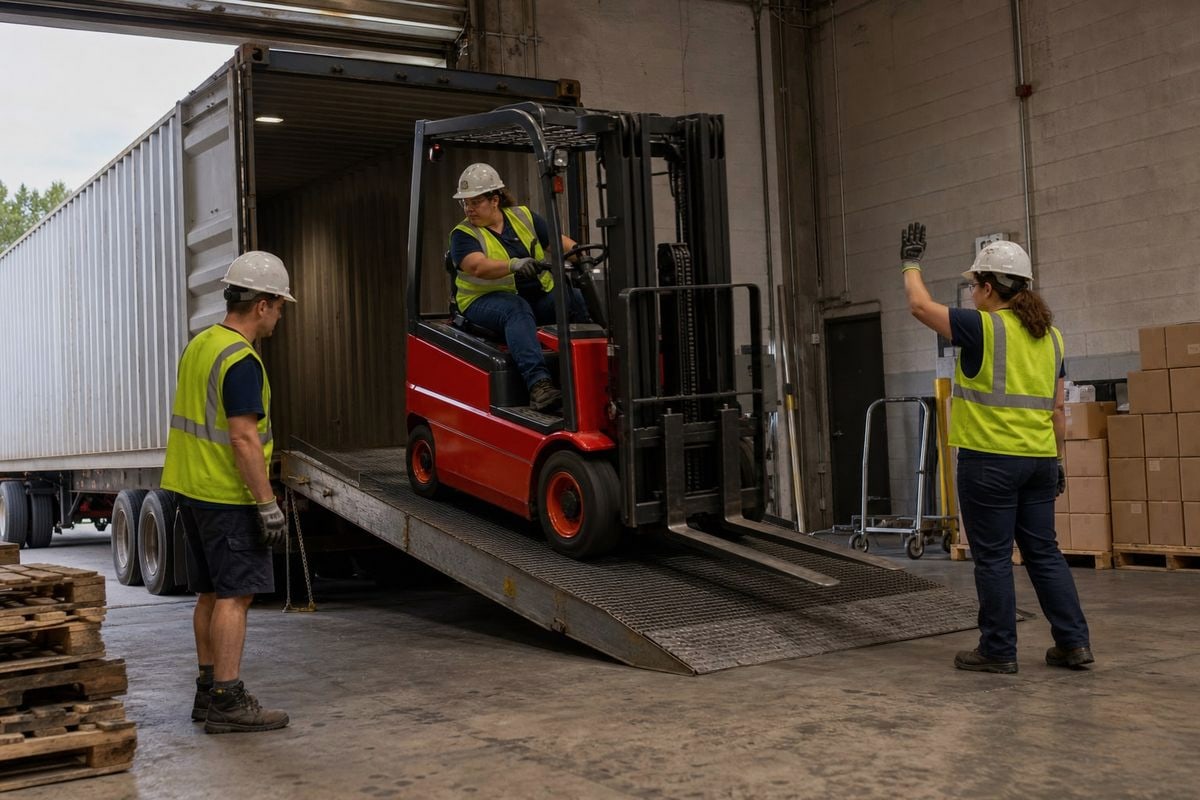
Free time is a grace period, not a right. It is defined in the carrier tariff or your service contract, and it differs between demurrage and detention. Some lanes offer 4–5 days. Some contracts negotiate 7–14 days. Nothing is universal, so I never let a client assume the free time period from their last shipment applies to the next one. We verify it in writing before the vessel sails.
| Typ kontejneru | Common Free Time | Why It Matters for Forklifts |
|---|---|---|
| Standard 20FT / 40FT / 40HQ dry van | 3–7 dní | Fits most compact and medium electric forklifts |
| Flat rack | Often shorter than dry vans | Used for tall masts and oversized counterbalance models |
| Open top | Often shorter than dry vans | Used when forklifts are loaded by crane from above |
| Special / project equipment | Negotiated case by case | Higher daily penalty rates apply after free time |
Free time expiring is only the start. Carriers commonly use tiered pricing that steps up the longer the container sits. A published 2025 US rate schedule shows daily figures such as $185, $285, and $225 depending on container category and time band, and one Maersk Canada import schedule shows rates stepping up after day 4. Industry guides cite averages of US$75 to US$300 per day for demurrage. Treat these as examples, not fixed prices, because every ocean freight carrier publishes its own tariff.
| Delay Stage | Typical Pattern | Cost Behavior |
|---|---|---|
| Within free time | Days 1 to Last Free Day | No charge |
| First tier | First few days past free time | Lower daily rate begins |
| Second tier | Roughly days 4–8 past free time | Rate steps up significantly |
| Extended delay | Beyond the second tier | Highest daily rate until gate-out |
The lesson is simple. A two-day slip might be survivable. A ten-day slip compounds fast and can approach the ocean freight cost itself.
A hard lesson from our early years: a client's diesel forklift sat in a US customs hold for nine days because the emission certificate was missing. Since then, we audit every document set twice.
Act immediately. Identify the exact customs hold reason, submit the missing documents the same day, keep drayage on standby for release, and request itemized invoices with available-for-pickup timestamps. Under the 2026 FMC billing rules, you can dispute demurrage invoices that lack those timestamps.
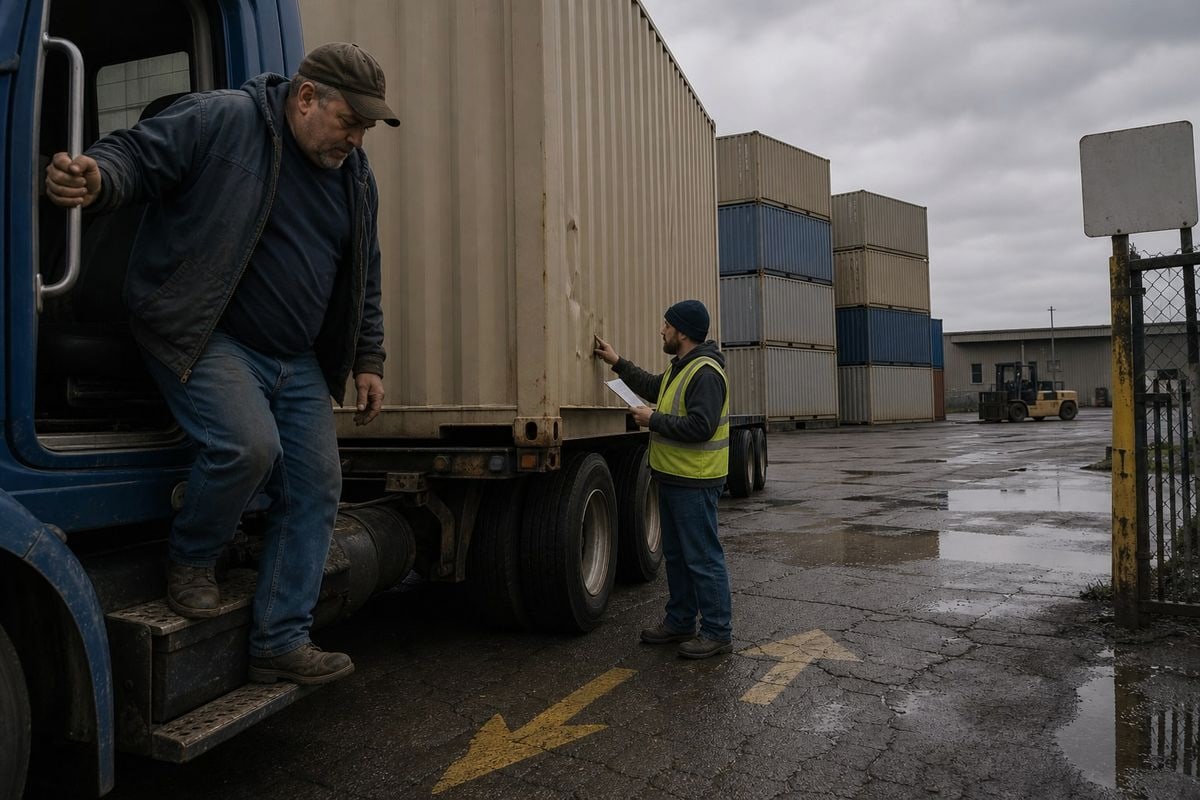
Customs clearance delays are the single biggest trigger of demurrage on forklift imports. The fees keep accruing while the hold is active, so speed matters more than anything else. Here is the response process we run when a client's container gets flagged.
Ask your customs broker for the specific hold code and reason. Forklift imports have two common trouble spots. Internal combustion forklifts entering the US require strict EPA Form 3520-21 compliance, and a missing engine emission certificate at arrival is a leading cause of extended holds. Electric forklifts with lithium-ion batteries are classified as Class 9 Dangerous Goods, so even small discrepancies in the UN38.3 test summary or hazmat labeling can trigger mandatory safety inspections that burn through all your free days.
Send corrected documents the same day. Our China-based team often pulls certificates directly from the factory within hours because we sit in the same time zone as the supplier. That speed alone can save two or three billable days.
Do not wait for the release to book trucking. Keep drayage services on standby so the container gates out within hours of clearance, not days.
Request an itemized bill. Check the free time period, the Last Free Day, and the dates charged. Under the 2026 FMC billing rules 4, importers can legally dispute demurrage invoices that lack precise available-for-pickup timestamps, which shifts the burden of proof for terminal-side delays back to the carriers. If the terminal was congested or the container was not actually retrievable, you have grounds to contest. Also check your Incoterms and forwarder agreement, because responsibility for these fees can shift contractually even if the carrier invoices one party by default.
Demurrage and detention charges for forklift imports are avoidable. Prepare documents early, track your Last Free Day, book trucking ahead, and return empties fast. Plan well and keep your landed cost predictable.
1. Official US government portal for international trade information and export assistance. ↩︎
2. Official EPA resource for vehicle and engine import forms, including Form 3520-21. ↩︎
3. Official CBP guide for importers on basic requirements and the customs entry process. ↩︎
4. Official Federal Maritime Commission landing page for detention and demurrage billing regulations. ↩︎



