- +8618603825129
- [email protected]

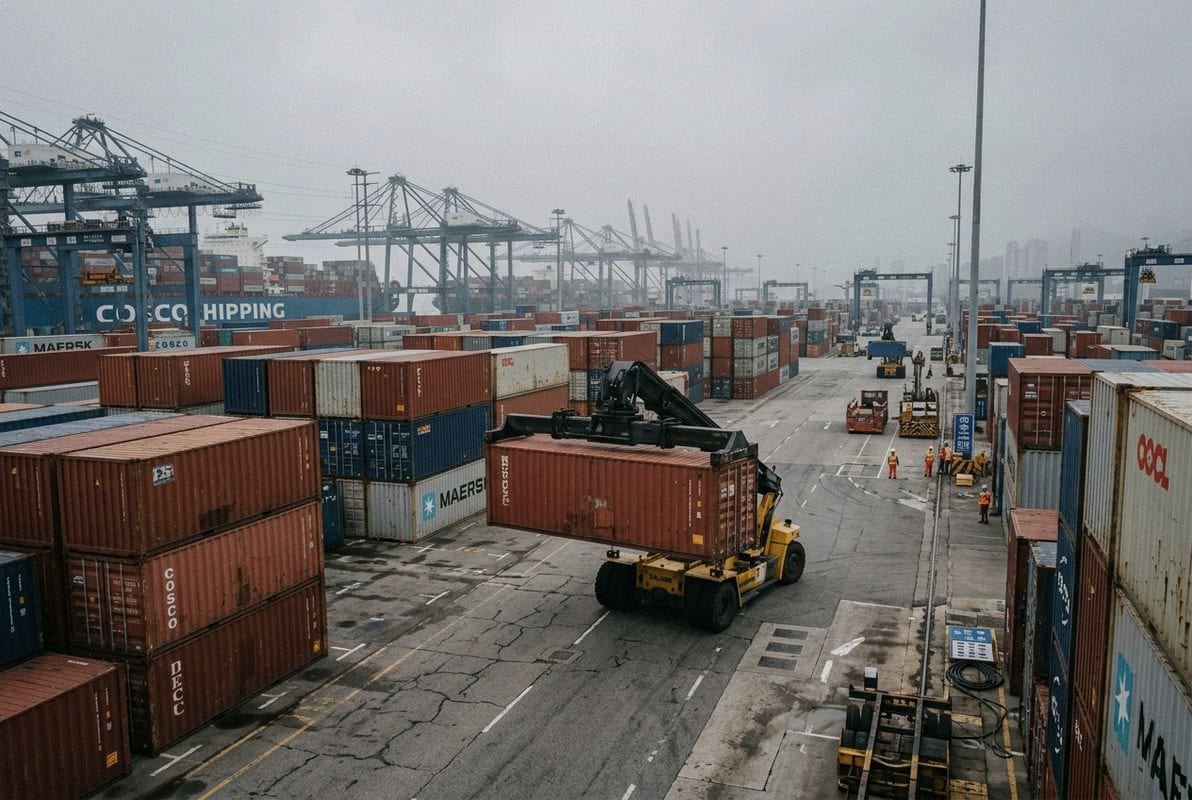
Every week, our logistics team in Zhengzhou fields calls from Amazon sellers confused by mysterious line items on their freight quotes — ORC and THC shipping fees that seemingly appear from nowhere.
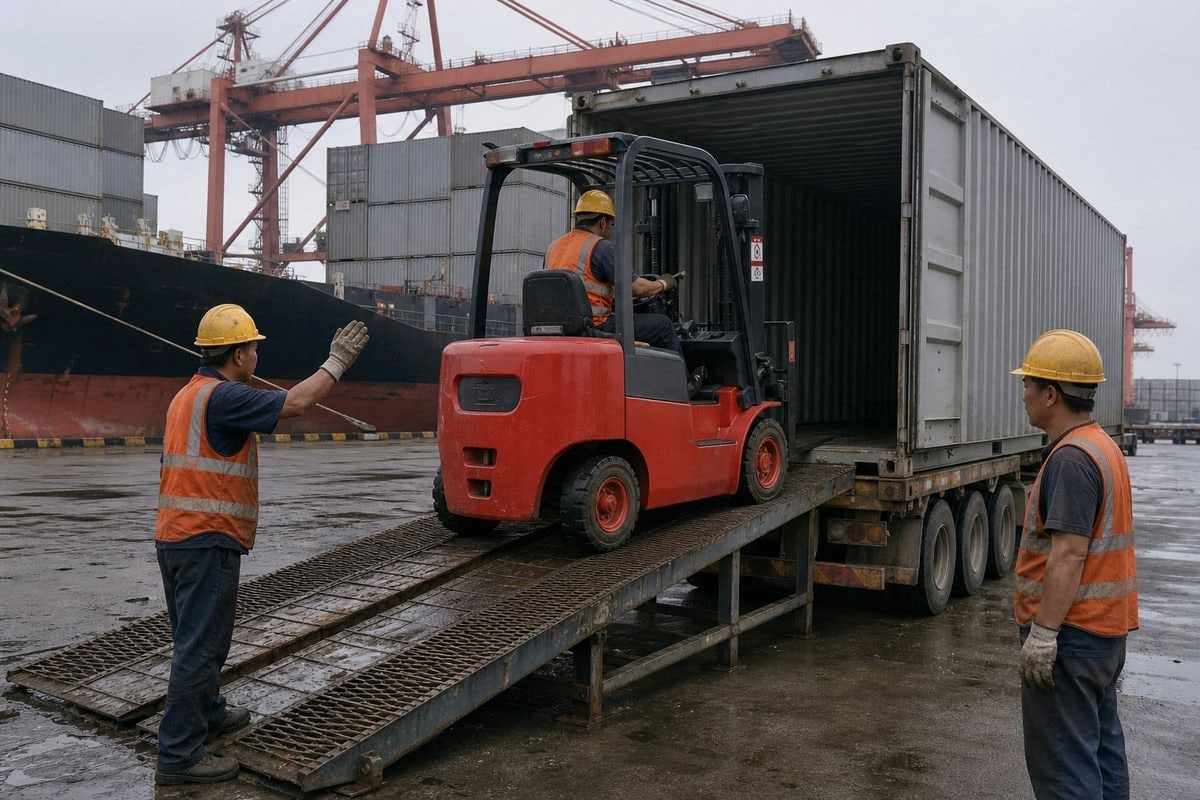
ORC (Origin Receiving Charge) and THC (Terminal Handling Charge) are port handling fees charged at the origin port in China for moving, storing, and loading your containers. ORC applies mainly to FCL shipments from Southern China ports, while THC is standard for LCL shipments and Northern China ports. Both are non-negotiable local charges that must be paid before your vessel departs.
These two fees cause more budgeting headaches than almost any other line item in container shipping FCL shipments 1. Let me walk you through exactly what they mean, when each applies, and how to keep them from eating into your margins.
One lesson I learned early in our DDP shipping operations is that the ocean freight rate 2 is never the full story. A client once budgeted $3,000 for a 40ft container to the US, only to discover an extra $800 in local charges — including ORC — that nobody had explained upfront.
ORC and THC fees can add $150 to $300 per container for FCL or $50 to $80 per cubic meter for LCL to your total shipping budget. When combined with customs duties, fuel surcharges, documentation fees, and insurance, these origin charges can represent 5–15% of your total landed cost from China to the USA.

To understand how ORC and THC fit into your budget, you need to see the full picture. Ocean freight is just one layer. On top of it sit origin local charges, destination charges, customs clearance fees, import tariffs, and last-mile delivery. ORC or THC is one piece of the origin local charges.
Here is a typical cost breakdown for a 20ft FCL shipment from Shenzhen to a US Amazon FBA warehouse:
| Cost Component | Estimated Range (USD) | Noter |
|---|---|---|
| Ocean Freight (Base Rate) | $2,000 – $3,500 | Carrier and season dependent |
| ORC (Origin) | $150 – $250 | Southern China FCL standard |
| Documentation Fees | $50 – $100 | Bill of lading, certificates |
| Brændstoftillæg | $100 – $300 | Fluctuates with oil prices |
| US Destination THC | $200 – $450 | Port charges at US side |
| Toldbehandling | $100 – $500 | Broker fees, entry filing |
| Told 3 / Import Tariffs | 7.5% – 25% of cargo value | Based on Harmonized System code |
| Harbor Maintenance Fee | 0.125% of cargo value | US-mandated fee |
| Merchandise Processing Fee | 0.3464% of cargo value | Capped per entry |
| Forsikring | 0.3% – 0.5% of shipment value | Optional but recommended |
| Last-Mile Delivery | $200 – $800 | Depends on FBA warehouse location |
When I help our clients calculate their landed cost 4, I always emphasize that ORC and THC are fixed fees. They do not scale with cargo value. This means for a high-value shipment, these fees are a small percentage. But for a low-value, bulky shipment — like furniture or pet products — these fixed fees become a much larger share of your total cost.
For LCL shipments 5, the math works differently. THC is charged per cubic meter. If your shipment is 5 CBM, you might pay $50 × 5 = $250 in THC alone. Add ocean freight at $350–$500 per CBM, and your total LCL cost before destination charges is already $2,000–$2,750. That is why we often advise our clients: once you cross roughly 12–15 CBM, the jump to a 20ft FCL container frequently saves money overall.
Starting October 2025, the US introduced new fees targeting Chinese-owned vessels and China-built ships. These are destination fees, not origin charges like ORC or THC. But they affect the same budget. The fee starts at $50 per net ton in 2025 and rises to $140 per net ton by 2028. Carriers will likely pass part of this cost down to importers through surcharges. So your total shipping budget from China must now account for both origin fees (ORC/THC) and these new destination-side costs.
A buyer in Texas once asked me why his quote from Shenzhen showed "ORC" while his friend shipping from Shanghai saw "THC" for the same type of goods. He assumed he was being charged a different fee. The reality is simpler — and more confusing — than he expected.
The core difference between ORC and THC is geographic and administrative, not functional. ORC is the standard handling fee for FCL shipments leaving Southern China ports like Shenzhen and Guangzhou. THC is the equivalent fee used for LCL shipments, Northern China ports like Shanghai and Qingdao, and certain carriers regardless of port. Both cover the same physical handling at the terminal. A shipment is charged one or the other, never both.
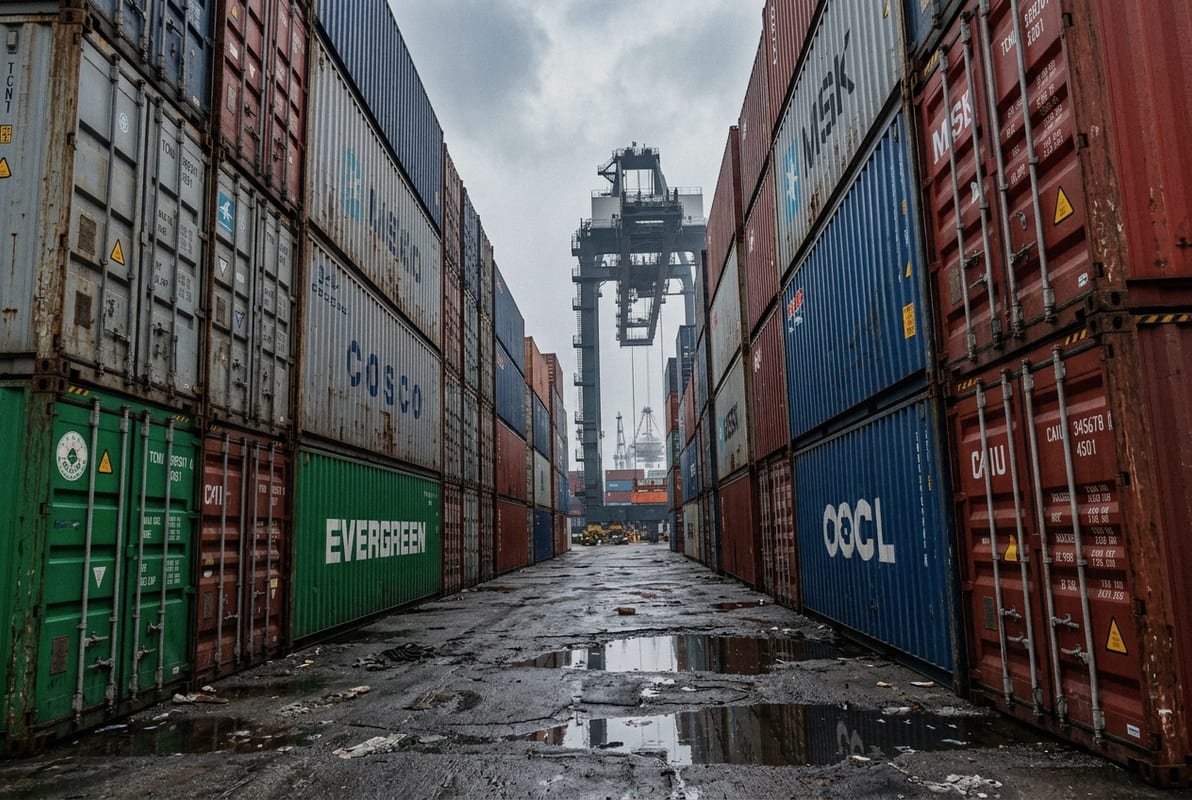
The most common rule of thumb is straightforward. If your goods ship from a port in Guangdong province — Shenzhen (Yantian, Shekou), Guangzhou (Nansha), or nearby — your FCL quote will almost always list ORC. If your goods ship from Shanghai, Ningbo, Qingdao, Tianjin, or Xiamen, the quote will list THC instead.
| Port Region | Common Ports | Standard Fee Name | Typical Shipment Type |
|---|---|---|---|
| Southern China (Guangdong) | Shenzhen, Guangzhou | ORC | FCL |
| Østlige Kina | Shanghai, Ningbo | THC | FCL and LCL |
| Nordlige Kina | Qingdao, Tianjin, Dalian | THC | FCL and LCL |
| Southern China (non-Guangdong) | Xiamen, Fuzhou | THC | FCL and LCL |
| Any port | Any | THC | LCL (always) |
Geography is the primary factor, but the carrier matters too. In our experience coordinating shipments across multiple shipping lines, we have seen Maersk and COSCO consistently use ORC for Shenzhen departures, while CMA CGM and Evergreen sometimes label the same charge as THC even from Southern China ports. The takeaway: always check the carrier's specific tariff sheet. Do not assume based on port alone.
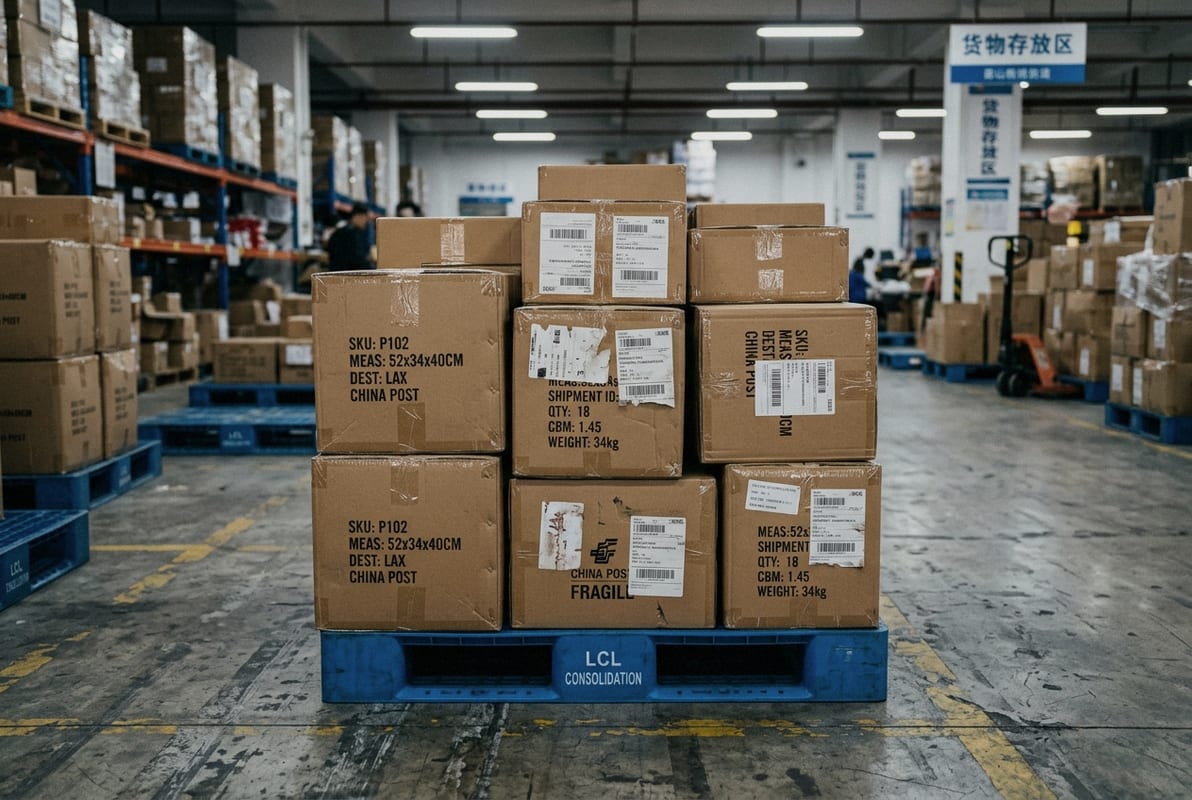
For Less than Container Load shipments, the fee is almost universally called THC, regardless of which port in China the cargo departs from. LCL THC is charged per cubic meter, not per container. This is because your cargo shares space with other shippers' goods inside a consolidation container. The consolidator — usually a freight forwarder like our team — manages the container, and the per-CBM THC is allocated across all shippers proportionally.
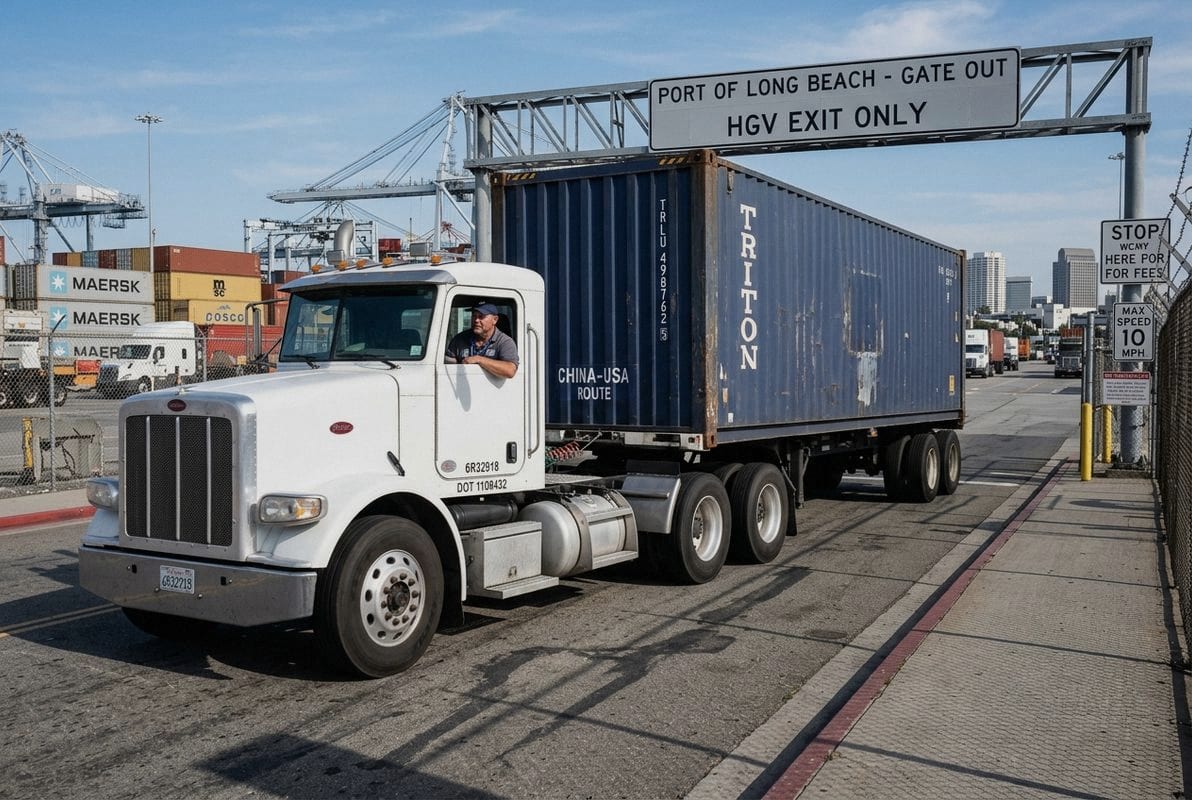
There is also a THC at the destination port — for example, Los Angeles, Long Beach, or New York. This is a separate charge on the US side. Origin ORC or THC covers handling in China. Destination THC covers handling in the US. Both appear on a full freight quote. When we provide DDP quotes to our Amazon FBA clients, we include both origin and destination handling charges in the total price so there are no surprises.
During a recent conversation with a new client sourcing electronics from Shenzhen, I asked what his previous freight forwarder charged. He showed me a quote labeled "ocean freight only" — no mention of ORC, no documentation fees, no customs clearance costs. His actual invoice was 40% higher than that quote.
Whether ORC and THC are included in your DDP shipping quote depends entirely on your freight forwarder and the Incoterms you agree on. A true DDP (Delivered Duty Paid) quote should include all origin charges — ORC or THC, documentation fees, customs duties, import tariffs, and delivery to your door. If your quote says "DDP" but lists ORC or THC as separate add-ons, it is not a genuine all-inclusive DDP quote.
Incoterms 6 define when responsibility and cost transfer from seller to buyer. This directly determines who pays origin handling fees like ORC and THC.
| Incoterm | Who Pays ORC/THC? | Who Pays Ocean Freight? | Who Pays US Customs Duties? |
|---|---|---|---|
| EXW (Ex Works) 7 | Buyer | Buyer | Buyer |
| FOB (Fri ombord) 8 | Seller | Buyer | Buyer |
| CIF (Omkostning, Forsikring, Fragt) | Seller | Seller | Buyer |
| DDP (Leveret toldbetalt) 9 | Seller | Seller | Seller |
Under FOB terms — the most common for China imports — the Chinese supplier pays all costs up to and including loading the container onto the vessel. This means the supplier absorbs the ORC or THC. Under EXW terms, you as the buyer pay everything, including ORC or THC. Under DDP, the seller (or your logistics provider acting on your behalf) covers all charges from origin to your doorstep, including customs duties and Value-Added Tax if applicable.
When we build DDP quotes for our clients at MBMLOG, every cost component is itemized internally, even though the client sees one all-inclusive price. This is intentional. A clean DDP price means no hidden add-ons after booking. But not all providers operate this way.
Here is how to test if your DDP quote is genuinely all-inclusive:
Many Amazon sellers buy on FOB terms from their Chinese supplier and then hire a separate freight forwarder for shipping. In this scenario, the supplier pays ORC or THC as part of getting the goods onto the ship. Your freight forwarder then charges you for ocean freight and destination costs. If your forwarder also lists ORC on your invoice under FOB terms, that is a red flag — someone is double-charging.
On the other hand, if you buy on EXW terms, your freight forwarder handles pickup from the factory and all origin charges. ORC or THC will legitimately appear on your invoice. Understanding your Incoterms is the single most important step to knowing whether these fees belong on your bill.
Last quarter, we onboarded an Amazon seller who had been paying $380 for "ORC" on a 20ft container from Yantian. The standard rate at the time was around $200. His previous forwarder had been padding the charge by nearly double for over a year. He had no idea because he never checked.
To avoid being overcharged for ORC and THC, request an itemized cost breakdown from your freight forwarder, compare rates across at least three providers, verify current port-specific rates directly with the carrier's published tariff, and choose a logistics partner that provides transparent DDP pricing with no hidden surcharges on origin handling fees.
Overcharging on ORC and THC is not always malicious. Sometimes it is a byproduct of layered quoting — your forwarder gets a rate from a sub-agent who already marked up the charge. But the result is the same: you pay more than necessary. Here is a practical approach to protect yourself.
You cannot spot an inflated fee if you do not know the baseline. Here are approximate ORC and THC rates for 2025:
| Fee Type | Container/Unit | Approximate Range (USD) | Noter |
|---|---|---|---|
| ORC – 20ft FCL | Pr. beholder | $150 – $250 | Southern China ports |
| ORC – 40ft / 40HQ FCL | Pr. beholder | $280 – $400 | Southern China ports |
| THC – 20ft FCL | Pr. beholder | $130 – $220 | Northern/Eastern China ports |
| THC – 40ft / 40HQ FCL | Pr. beholder | $260 – $380 | Northern/Eastern China ports |
| THC – LCL | Pr. CBM | $50 – $80 | All China ports |
These numbers shift with port congestion, carrier surcharges, and seasonal demand. But they give you a benchmark. If your quote shows ORC at $500 for a 20ft container, something is wrong.
Never accept a lump-sum quote without a breakdown. A trustworthy freight forwarder will separate ocean freight, ORC or THC, documentation fees, fuel surcharges, and any other port charges. At MBMLOG, we provide this itemization by default — it builds trust and prevents disputes later.
Major shipping lines like Maersk, COSCO, and MSC publish their local charge tariffs. You can request these from the carrier's local office or check their online portals. Compare what the carrier charges with what your forwarder quotes. A reasonable markup of 5–15% is standard for the forwarder's service. Anything beyond that deserves a conversation.
If you ship regularly from China to the US, consolidating your logistics under one provider reduces the number of middlemen and the opportunities for fee padding. When we handle a client's full supply chain 10 — from warehouse consolidation in China through customs clearance and last-mile delivery to Amazon FBA — we control every cost layer. There is no sub-agent inflating ORC behind the scenes.
While ORC and THC themselves are largely fixed by terminals, your freight forwarder's margin on these charges is negotiable. If you ship multiple containers per month, you have leverage. Ask for a volume discount on the total origin charges package, not just the ocean freight rate.
ORC and THC are standard, unavoidable origin handling fees in container shipping from China. Understanding which one applies to your shipment — based on port, carrier, and shipping mode — and ensuring they are properly included in your DDP quote protects your bottom line. Beyond these port charges, it also helps to understand how BAF and EBS fuel surcharges differ so you can evaluate every line item on your freight invoice. And if you are still deciding between ocean and air options, learning how to choose between fast and slow international shipping methods can help you balance cost against speed. For sellers managing DDP e-commerce outer packaging requirements, getting the full landed cost right — including ORC or THC — is essential to maintaining healthy margins.
1. Defines Full Container Load shipping. ↩︎
2. Clarifies the meaning of ocean freight rates. ↩︎
3. Defines the concept of customs duties. ↩︎
4. Explains the importance of calculating landed cost. ↩︎
5. Explains Less than Container Load shipping. ↩︎
6. Provides an official definition of Incoterms. ↩︎
7. Defines the EXW Incoterm. ↩︎
8. Clarifies the FOB Incoterm. ↩︎
9. Defines the DDP Incoterm. ↩︎
10. Explains the fundamental concept of a supply chain. ↩︎