
- +8618603825129
- [email protected]


Choosing the best Incoterm for importing forklifts from China confuses many buyers. Pick the wrong one, and hidden fees, customs delays, and damaged machines can erase your entire margin. Our team at MBMLOG sees this problem weekly when coordinating forklift shipments from Chinese factories.
FOB is the best Incoterm for most buyers importing forklifts from China. It gives you control over freight, marine insurance, and routing, while the supplier handles export clearance and delivery to the port. Choose DDP only if you want a fully managed, door-to-door solution.
That short answer hides a lot of detail. The right choice depends on your logistics capability, your battery type, and your tolerance for surprise charges. Let me walk you through each option.
Last quarter, our Zhengzhou team rescued an EXW shipment where the buyer had no China-side trucking arranged. Two lithium-battery forklifts sat at the factory gate for eleven days.
FOB beats EXW for most forklift importers because the Chinese seller handles factory loading, inland trucking, and export clearance. Under EXW, you must arrange pickup, export documentation, and dangerous-goods coordination inside China yourself, which is impractical without a strong local freight forwarder.
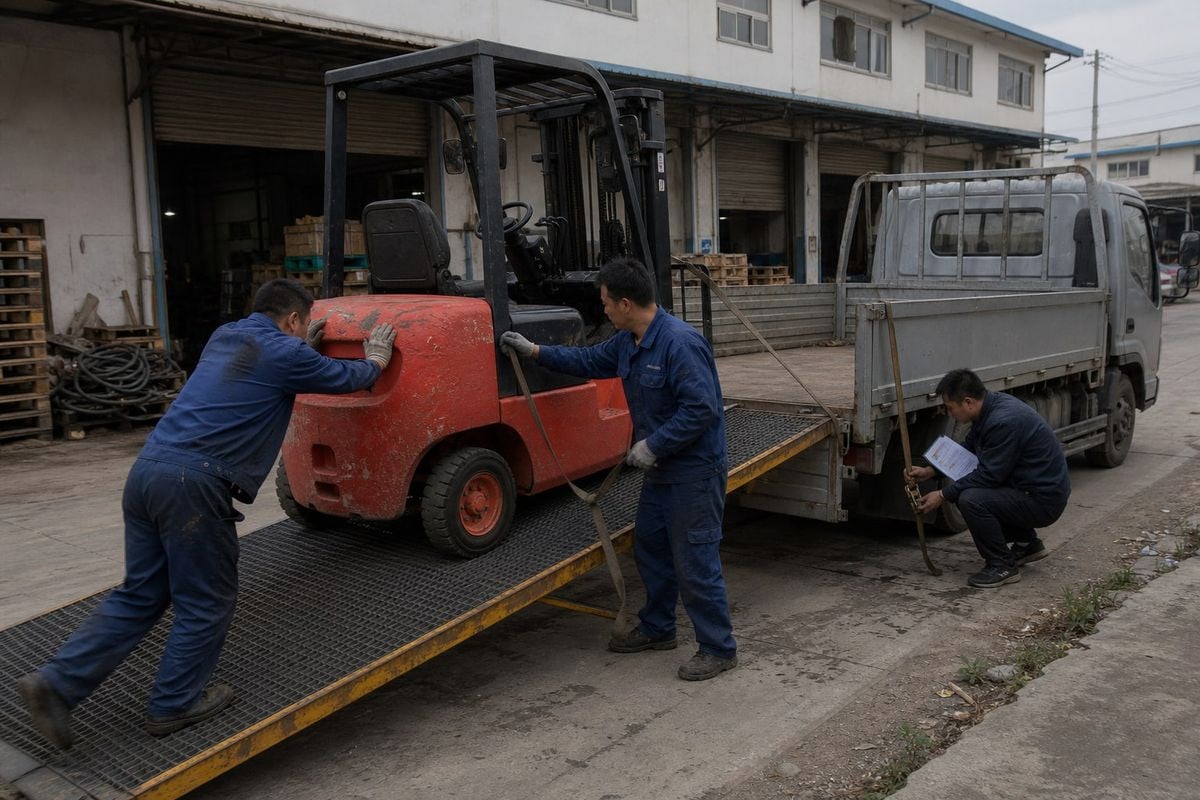
Here is the quick side-by-side view we share with new clients:
| Ansvar | EXW (Ex Works) | FOB (Fri ombord) |
|---|---|---|
| Factory loading | Buyer | Seller |
| Inland trucking in China | Buyer | Seller |
| China export clearance | Buyer | Seller |
| Ocean freight booking | Buyer | Buyer |
| Marine insurance | Buyer | Buyer |
| Transfer of risk point | Factory gate | Loaded on vessel |
Forklifts are heavy machinery, often two to five tons each. Under EXW, risk transfers to you at the factory gate. If a machine tips during inland trucking in China, that loss is yours. Under FOB, the seller carries risk until the cargo is loaded on the vessel. That is a meaningful protection for high-value equipment.
EXW is not always wrong. If you already have a China-based agent, or you work with a freight forwarder like us who can handle factory pickup 1, EXW gives you maximum control and cost visibility from the factory gate onward. It also works well when you consolidate forklifts, chargers, and spare parts from several suppliers into one container. In our experience, though, buyers without China-side support should stay with FOB. The seller knows the local export process better than a first-time importer ever will, and export declaration errors under EXW become your problem, not theirs.
A US distributor once asked us to quote DDP for six electric stackers because his toldmægler 2 had quit. His real question was simple: what is my exact landed cost?
DDP is worth the extra cost if you are a first-time importer or want one all-in landed price with no customs work. But DDP is only safe when the forwarder declares accurate values and HS codes; a bad DDP setup can risk your Importer of Record status and tax benefits.
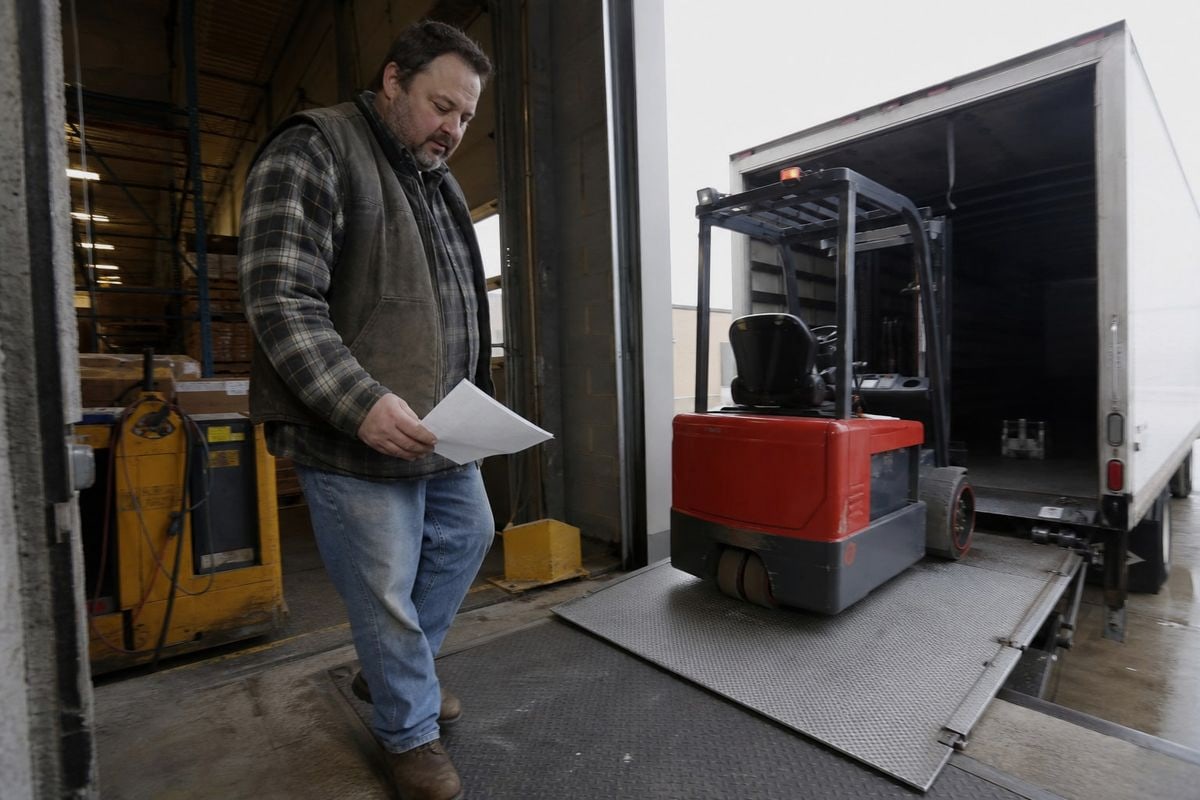
DDP shipping from China means the seller or forwarder handles everything: ocean freight, import duties and taxes, customs clearance fees, and final trucking to your warehouse. You receive the forklift at your door, and you pay one price.
For small buyers and first orders, DDP removes decisions. You do not need a customs broker, a trucking contract, or knowledge of port of destination charges. We run DDP shipments for forklift dealers who simply want the machine on their dock by a promised date. It works well when the shipment is straightforward and the forwarder is transparent.
DDP carries two serious risks. First, some sellers misdeclare the machine's value or weight to lower duties. If customs audits the entry, you may face penalties even though you never touched the paperwork. Second, under many DDP structures, you are not the Importer of Record. That matters for a forklift, because capital equipment depreciation and some local tax incentives require you to be the official importer. Before accepting any DDP quote, ask three questions:
If the forwarder cannot answer clearly, walk away. A compliant DDP program should survive those questions easily. Also consider DPU as a middle option; it shifts the physical risk of offloading heavy machinery to the seller, which matters when the destination lacks a dock or crane.
The most painful call I take is from buyers who accepted a cheap CIF quote and then received a destination invoice larger than the ocean freight itself.
Watch for destination handling charges under CIF, inland trucking and export fees under EXW, demurrage under all terms, and inflated duty declarations under DDP. CIF quotes hide the most fees because the seller controls routing and often buys only minimum Clause C marine insurance.
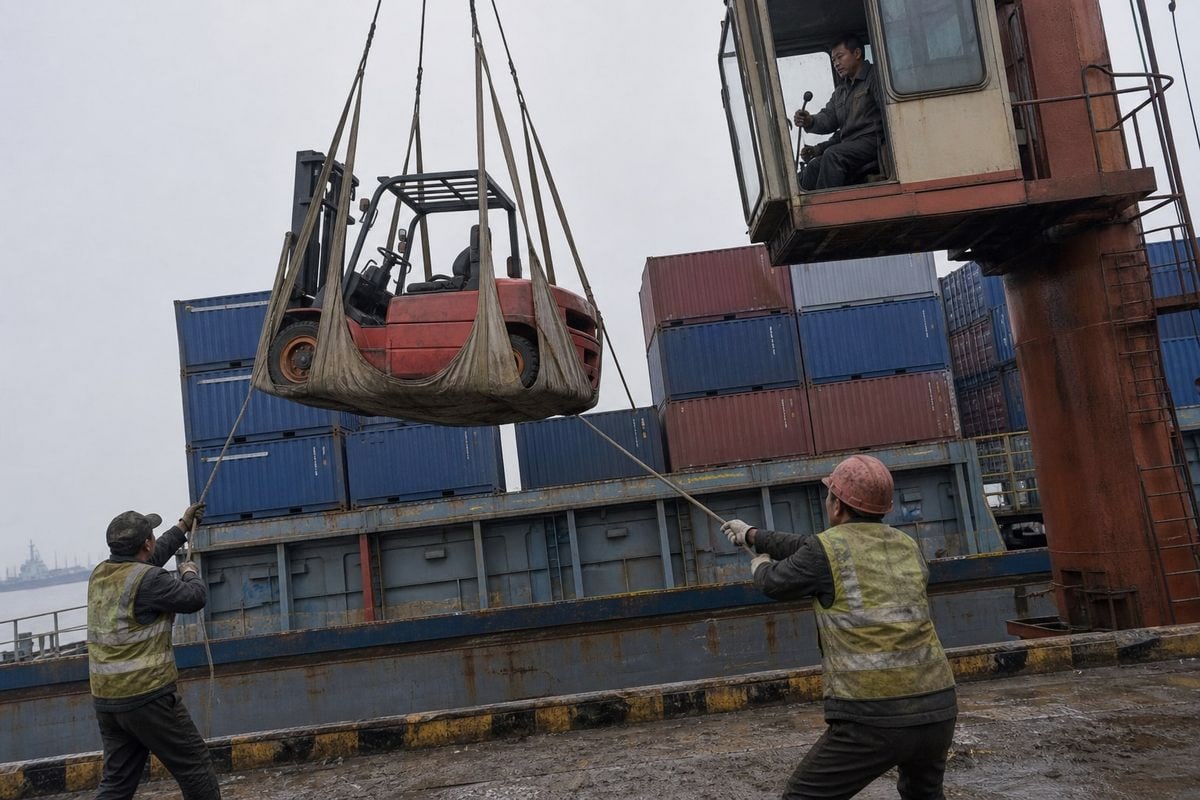
Every Incoterm has its own fee trap. Here is the map we give clients before they sign a purchase contract:
| Incoterm | Common hidden fees | Risk level |
|---|---|---|
| EXW | Factory loading, China inland trucking, export declaration fees | Høj |
| FOB | Destination handling, customs clearance fees, demurrage | Low–Medium |
| CIF | Inflated destination charges, weak insurance, routing markups | Høj |
| DDP | Padded duty estimates, misdeclared values, unloading charges | Medium |
In any FOB vs CIF comparison, insurance is the deciding detail. Under CIF, the seller must insure the cargo, but only at the minimum Clause C level. Clause C excludes most partial-damage scenarios. For a forklift worth $15,000 to $40,000, that coverage is nearly worthless if the mast is bent during rough handling. When you buy under FOB, you choose your own marine insurance coverage, typically Clause A all-risks, and you set the insured value yourself.
The HS Code for forklifts, usually under heading 8427, determines your duty rate at destination. A wrong classification on the Bill of Lading or commercial invoice can trigger customs holds, re-inspection charges, and storage fees. We check HS codes and battery declarations before every departure, because fixing paperwork after the vessel sails always costs more than fixing it before. Demurrage deserves special mention: forklifts are heavy, so ports charge premium storage rates, and a one-week customs delay can add hundreds of dollars per container.
When we load electric forklifts into 40HQ containers, positioning and securing decide whether the machine arrives ready to work. Control over that process starts with your Incoterm.
FOB gives you the most control over shipping costs and timelines. You choose the carrier, negotiate container shipping costs, select your marine insurance, and manage destination clearance, while the supplier handles only origin-side export tasks. FCA offers similar control for multi-modal shipments.
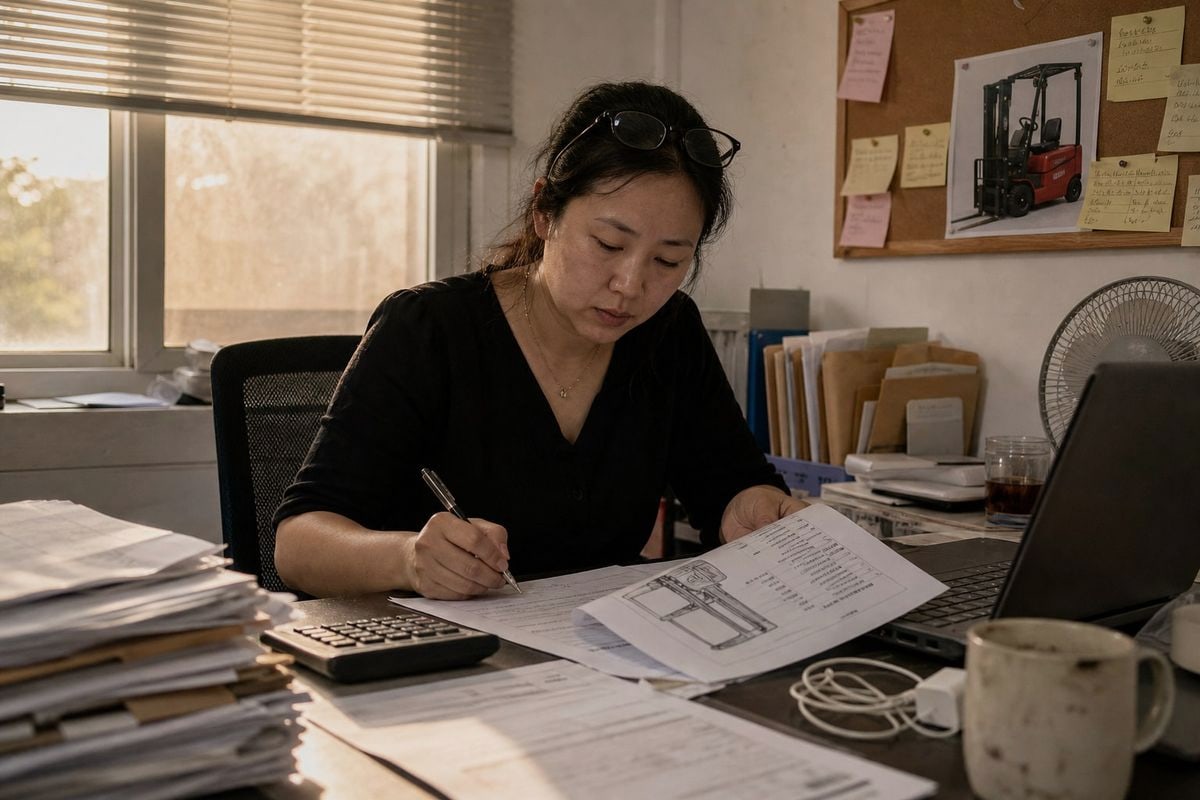
Control means three things in practice: choosing who moves your cargo, seeing every cost line, and setting the schedule. Here is how the four main terms score:
| Control factor | EXW | FOB | CIF | DDP |
|---|---|---|---|---|
| Carrier choice | Full | Full | None | None |
| Cost transparency | Full | Høj | Lav | Low–Medium |
| Timeline control | Full | Høj | Lav | Lav |
| Operational burden on buyer | Very high | Medium | Lav | Very low |
Electric forklifts are not a normal commodity shipment. Lithium battery models often require Dangerous Goods handling 3, specific UN packaging declarations, and carrier pre-approval. Not every shipping line accepts them. Under FOB or FCA, you pick a freight forwarder experienced in lithium battery cargo handling, and you confirm carrier acceptance before the machines leave the factory. Under CIF or a careless DDP arrangement, the seller books the cheapest vessel, and you find out about a rejection after the cargo reaches the port.
There is also a last-mile reason. Electric forklifts ship at less than 30% battery capacity for safety. Deep discharge during a long, uncontrolled transit can damage the battery pack. Controlling the routing and the final delivery lets you charge the machines promptly on arrival.
More of our US and European clients now track Scope 3 emissions. FOB and FCA let you select carriers with verified emissions data 4 and greener routings, which passive terms simply do not allow. Add the ability to consolidate forklifts, chargers, and spare parts from multiple suppliers into one container, and buyer-controlled freight usually cuts the per-unit logistics cost meaningfully compared to seller-arranged CIF.
Choose FOB for control, transparency, and safe heavy machinery logistics. Choose DDP only for turnkey convenience with a compliant forwarder. Avoid CIF and EXW unless you fully understand their traps.
1. Provides guidance on international logistics and the responsibilities involved in factory pickup under various Incoterms. ↩︎
2. Official US Customs and Border Protection site defining the requirements and role of a licensed customs broker. ↩︎
3. The IMO provides the regulatory framework for Dangerous Goods handling in international maritime transport. ↩︎
4. The EPA provides resources for tracking and verifying supply chain emissions data for environmental reporting. ↩︎



