- +8618603825129
- [email protected]


Every week, our operations team in Zhengzhou fields calls from sellers confused about which tax ID to put on their US customs paperwork — and a wrong pick can freeze cargo for days EIN identifies US businesses 1. US DDP customs clearance 2
CBP assigned number, ITIN, SSN, and EIN are four distinct identification numbers used for US DDP customs clearance. EIN identifies US businesses and is required for formal commercial entries over $2,500. SSN covers US individuals for personal imports. ITIN serves foreign individuals for tax purposes only. CBP assigned number (CAIN) is issued directly by US Customs for foreign entities without any US tax ID.
Choosing the wrong number does not just slow your shipment down SSN covers US individuals 3. It can trigger a CBP hold, an import bond mismatch, or even an entry rejection in the Automated Commercial Environment system 4. Let me walk you through each number, when to use it, and what I have seen go wrong in real DDP shipments from China to the United States.
A client once sent us three different numbers on one purchase order — an ITIN, a friend's SSN, and a half-completed EIN application receipt ITIN serves foreign individuals 5. That single shipment sat at the port for eleven days while we sorted out who the real Importador registrado 6 was.
For China-to-USA DDP shipments, use an EIN if the US receiver is a registered business. If the foreign seller acts as the Importer of Record and has no US tax ID, apply for a CBP assigned number (CAIN). SSN works only for personal imports under $2,500, and ITIN is limited to foreign individuals for small self-use parcels — neither is suitable for commercial DDP clearance.
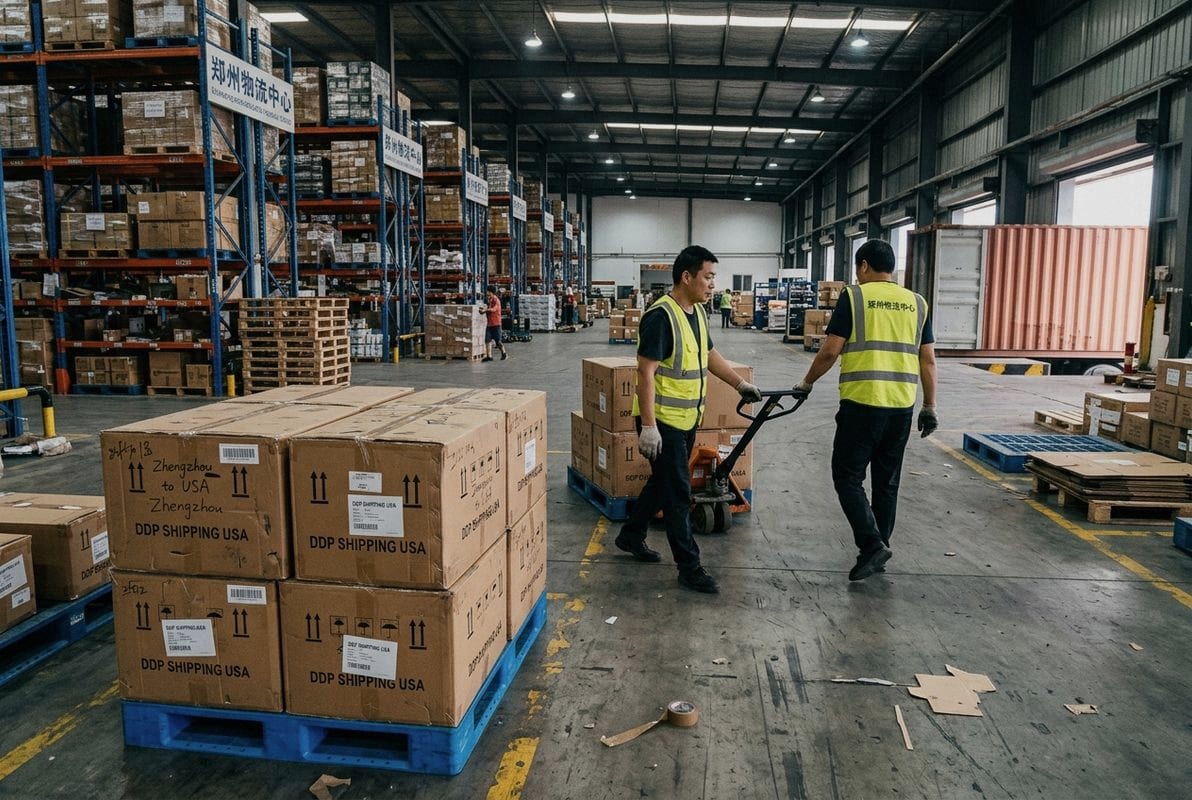
Before diving deep, here is a quick-reference table our logistics coordinators use daily when filing ISF and entry documents for DDP shipments.
| Identifier | Issuing Authority | Who It Identifies | Format | Primary Customs Use |
|---|---|---|---|---|
| EIN | IRS (Internal Revenue Service 7) | US business entities | XX-XXXXXXX (9 digits) | Formal entries over $2,500; customs bond 8 binding; 5106 filing |
| SSN | SSA (Social Security Administration 9) | US citizens and permanent residents | XXX-XX-XXXX (9 digits) | Personal informal entries under $2,500 |
| ITIN | IRS | Foreign individuals ineligible for SSN | 9XX-XX-XXXX (starts with 9) | Tax reporting only; limited personal import use |
| CBP Assigned Number (CAIN) 10 | CBP (Customs and Border Protection) | Foreign entities without US EIN or SSN | Assigned by CBP | Foreign-seller IOR entries; DDP where Chinese company clears |
When we arrange DDP shipping from our Zhengzhou consolidation warehouse to US destinations, the customs broker on the American side almost always asks for an EIN first. The reason is simple. Any commercial shipment valued above $2,500 triggers a formal entry in the ACE system. A formal entry demands a customs bond, and that bond must be linked to an EIN. If you supply an SSN or ITIN instead, CBP's system will flag the mismatch and hold the cargo.
Even for shipments under $2,500 — an informal entry — a customs broker still prefers an EIN for commercial goods. It creates a clean import history. Over time, a consistent EIN record helps CBP trust your entries and speeds up future clearance.
An SSN belongs to a natural person. It is designed for payroll and Social Security benefits, not trade. CBP does not recognize an SSN for bulk commercial imports. I have seen a small Amazon seller try to use his personal SSN on a full container of kitchen gadgets. The entry was rejected. He lost two weeks and paid demurrage fees.
ITIN is even more limited. It exists so foreign individuals can file US tax returns. It was never built for customs clearance. You cannot bind an ITIN to a continuous customs bond, and CBP will refuse a formal entry that lists only an ITIN.
If your Chinese factory or trading company wants to act as the Importer of Record under DDP terms, and it has no US tax presence, the correct path is to file CBP Form 5106 and receive a CAIN. This number lives only inside CBP's system. It lets a non-resident importer link to a single-entry or continuous bond and file entries legally.
In our DDP service, we guide Chinese exporters through this process regularly. It typically takes a few business days once the 5106 is submitted through a licensed customs broker on the US side.
Last quarter, a Canadian e-commerce brand reached out after their third consecutive FBA shipment was delayed at Los Angeles. Their freight forwarder had been filing entries under a random ITIN. The fix was straightforward once we identified the real problem: they needed a proper importer identification number.
If you are an international seller shipping to Amazon FBA under DDP terms and you have a US-registered business, use your EIN. If you have no US entity, apply for a CBP assigned number through Form 5106. Amazon does not act as your Importer of Record, so you must supply a valid IOR number — either EIN or CAIN — to avoid clearance delays and bond issues.
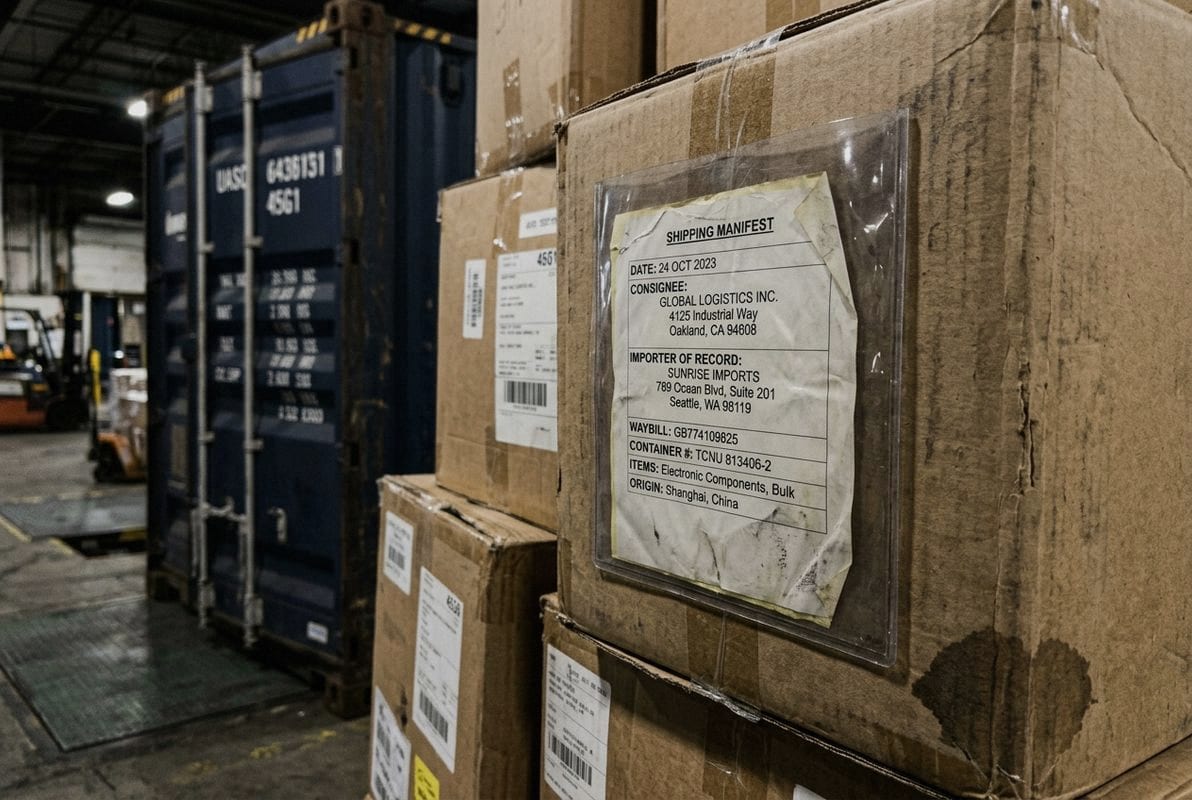
A common mistake among international sellers is assuming Amazon handles customs. It does not. Amazon is the warehouse operator, not the Importer of Record. The ultimate consignee on the entry paperwork must be either the seller or a designated party. That party needs a valid identifier in CBP's system.
| Escenario | Recommended ID | Por qué |
|---|---|---|
| US-registered LLC or corporation selling on Amazon | EIN | Binds to continuous bond; preferred by CBP for formal entries |
| Chinese factory shipping direct to FBA under DDP | CBP Assigned Number (CAIN) | No US tax presence; CAIN obtained via Form 5106 |
| Canadian company with no US subsidiary | CBP Assigned Number (CAIN) | Foreign entity; EIN not applicable unless US entity exists |
| US sole proprietor (single-member LLC) | EIN (preferred) or SSN | EIN is cleaner for business separation and import history |
| Foreign individual sending personal samples to FBA | ITIN (limited) or CAIN | ITIN only for small self-use; CAIN better for recurring shipments |
When our team arranges DDP shipping for Amazon FBA, we confirm the IOR number before the container even leaves China. If the client is a US company, we collect the EIN and file the ISF 10+2 with that number. If the client is a foreign seller — say, a Shenzhen electronics brand with no US entity — we coordinate with our US customs broker to file the 5106 and obtain a CAIN.
One real example: a US-based client was importing a full container of goods. They had their own annual continuous bond. We filed the ISF 10 with their EIN, and clearance went through without a single query. That is the smoothest path.
For foreign sellers, the CAIN route adds a step, but it keeps everything compliant. The alternative — borrowing someone else's EIN or using an unrelated SSN — is a compliance violation that can lead to fines, seized cargo, and a blacklisted import record.
Every formal entry needs a customs bond. A bond guarantees CBP that duties, taxes, and fees will be paid. The bond must be tied to an identifier. EIN and CAIN both work. SSN works only in narrow personal-import situations. ITIN cannot bind to a commercial bond at all.
For FBA sellers shipping regularly, a continuous bond (annual) is more cost-effective than single-entry bonds. That continuous bond is registered under your EIN or CAIN and stays active for a full year.
During a training session with our new logistics coordinators, I pulled up two real entry summaries side by side — one filed with an SSN, one filed with an ITIN. The differences in how CBP processed them were eye-opening and worth sharing.
Using an SSN limits you to informal personal entries under $2,500 for goods imported by a US citizen or green card holder. An ITIN, issued to foreign individuals, is even more restricted — it is designed for tax reporting, not customs. Neither SSN nor ITIN supports formal commercial entries, customs bond binding, or large-volume DDP clearance. For business imports, you need an EIN or CAIN.

The US customs system splits imports into two lanes: informal and formal. The dividing line is $2,500 in declared value. Which lane your shipment enters dictates which identification number CBP will accept.
| Entry Type | Value Threshold | Accepted IDs | Bond Required? | Typical Use Case |
|---|---|---|---|---|
| Section 321 (de minimis) | Under $800 | No tax ID required | No | Small personal parcels, samples |
| Informal Entry | $800 – $2,500 | SSN, EIN, or ITIN (limited) | No | Personal imports, low-value commercial |
| Formal Entry | Over $2,500 | EIN or CAIN only | Sí | Commercial imports, FBA inventory, DDP bulk |
An SSN identifies a US natural person. When someone imports a personal item — say, a piece of furniture bought online from China for $1,200 — CBP will accept the SSN on the informal entry. The shipment clears as a personal import. No bond is needed. No Entry Summary (CBP Form 7501) is required for most informal entries.
But the moment that same person starts importing 500 units of that furniture to resell on Amazon, the picture changes entirely. CBP treats that as a commercial shipment. If the value exceeds $2,500, it becomes a formal entry. The SSN is rejected. The customs broker must file under an EIN.
I have seen US-based sole proprietors try to use their SSN for business imports. There is one narrow exception: a single-member LLC can technically use either an SSN or an EIN. But even then, every customs broker I work with on the US side recommends the EIN. It keeps personal and business records separate and builds a cleaner import compliance history.
An ITIN starts with the digit 9 and looks similar to an SSN. But it serves a completely different purpose. The IRS issues it so foreign individuals can file tax returns. It was never designed to go into CBP's entry system.
Can an ITIN appear on a customs form? Technically, a foreign individual importing a small personal-use parcel might list an ITIN on an informal entry. But in practice, CBP officers often question it. For anything commercial or above $2,500, an ITIN will be refused outright.
Here is the bottom line from our operational experience: if you are a foreign individual and you only need to clear one small personal package, an ITIN might get you through. But if you are running a business, shipping inventory, or doing DDP at any scale, ITIN is not the answer. You need an EIN (if you have a US entity) or a CBP assigned number (if you do not).
When a wrong ID hits the ACE system, the entry gets flagged. The customs broker receives a rejection notice. The shipment sits in a bonded warehouse or at the port. Every day of delay costs money — warehouse fees, demurrage, and sometimes missed delivery windows for Amazon FBA. In the worst cases, CBP can issue a penalty for non-compliance with import regulations.
A Chinese furniture manufacturer we work with wanted to sell DDP to American retailers. They had no US company, no SSN, no EIN. Their first question was simple: "Can we even import legally?" The answer was yes — and the CBP assigned number made it possible.
Yes, you can obtain a CBP assigned number (CAIN) even without a US business or social security number. CBP issues this number specifically for foreign entities — such as Chinese factories, Canadian companies, or European exporters — that need to act as the Importer of Record for US customs entries. You apply through CBP Form 5106 via a licensed US customs broker.
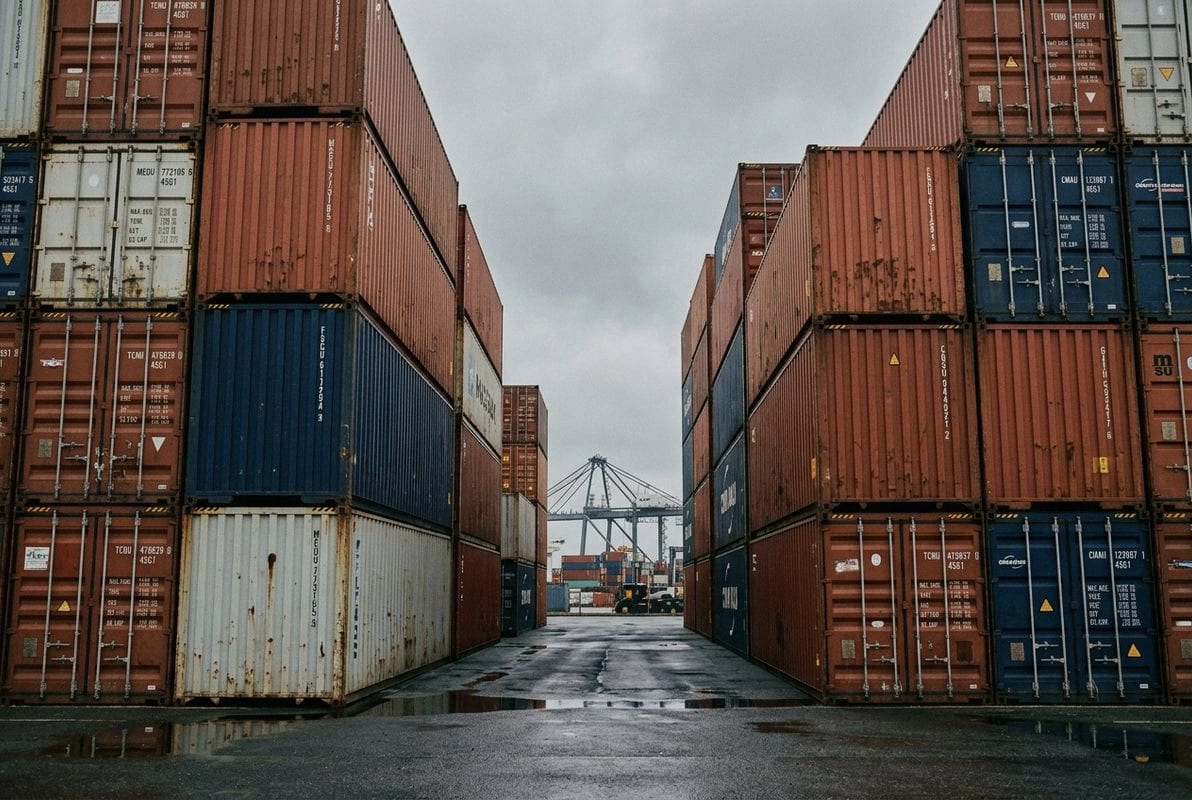
The CAIN exists precisely for entities that fall outside the US tax system. If you are a Chinese manufacturer, a Hong Kong trading company, or a European brand shipping goods to the US under DDP terms, and you want to be listed as the Importer of Record, the CAIN is your path.
Common scenarios where we help clients obtain a CAIN:
The process is not complicated, but it must be done correctly. Here is how it works in practice.
| Factor | CAIN | EIN |
|---|---|---|
| Requires US entity? | No | Sí |
| Accepted for formal entries? | Sí | Sí |
| Can bind to customs bond? | Sí | Sí |
| Used for US tax filing? | No | Sí |
| Processing time | A few business days via broker | Varies; requires US entity setup first |
| Lo mejor para | Foreign sellers doing DDP | US-registered businesses |
If you are a foreign seller with no plans to register a US company, the CAIN is the correct and efficient choice. If you eventually set up a US LLC or corporation, you can transition to an EIN and update your customs records.
In our daily DDP workflow, we see the CAIN used most often by Chinese exporters who want full control over their US import process. They act as the foreign seller and the Importer of Record simultaneously. This gives them visibility into duty payments, entry status, and compliance records.
One thing to watch: the CAIN only works inside CBP's customs system. It does not replace a tax ID for IRS purposes. If you later need to file US taxes, you will need a separate arrangement — an EIN for a business or an ITIN for an individual.
Also, keep your CAIN details consistent across all entries. CBP's risk-assessment algorithms reward consistency. If your company name, address, or CAIN changes between shipments without a proper update on file, expect additional scrutiny.
Getting your importer identification right is the single easiest way to prevent DDP customs delays. Use an EIN for US businesses, a CAIN for foreign entities, and reserve SSN or ITIN only for narrow personal-import situations. If you need help choosing or applying, our team at MBMLOG handles this daily — reach out and we will point you in the right direction. You can also review our guide on DDP e-commerce outer packaging requirements to ensure your shipments meet last-mile delivery standards, or learn how to choose the right cardboard boxes for international shipping before your goods leave the warehouse.
1. Official IRS page explaining what an Employer Identification Number (EIN) is and its purpose. ↩︎
2. Provides official CBP guidance on importing commercial goods into the US. ↩︎
3. Official Social Security Administration page detailing the Social Security Number (SSN). ↩︎
4. Official CBP page describing the Automated Commercial Environment (ACE) system for trade processing. ↩︎
5. Official IRS guidance on Individual Taxpayer Identification Numbers (ITINs) for foreign individuals. ↩︎
6. Replaced HTTP 403 with an authoritative CBP help page that defines and explains Importer Numbers, including Importer of Record Number. ↩︎
7. Official website of the Internal Revenue Service, the US federal tax collection agency. ↩︎
8. Replaced HTTP 403 with an authoritative CBP help page explaining when a customs bond is required. ↩︎
9. Official website of the Social Security Administration, responsible for Social Security programs. ↩︎
10. Replaced HTTP 403 with an authoritative CBP help page that defines and explains Importer Numbers, including CAIN. ↩︎