- +8618603825129
- [email protected]


Every week, our team in Zhengzhou clears electric forklift shipments where the HS code for electric forklifts was entered wrong. One wrong digit can freeze a container at port, trigger surprise duties, and wreck your delivery schedule. We fix this before departure.
The HS code for electric forklifts is 8427.10, covering self-propelled trucks powered by an electric motor under Harmonized System Heading 8427. Countries extend this six-digit code into longer national tariff lines, such as 84271000 in China or 8427.10.4000 in the United States HTSUS.
That is the short answer. But the full code depends on your destination country, the forklift type, and the battery. Let me walk you through what actually matters at customs.
A buyer in Texas once sent me three different codes from three different suppliers for the same reach truck. Our documentation team sees this confusion constantly, so here is the clean method we use.
Start with Harmonized System Heading 8427 for fork-lift trucks, then narrow to subheading 8427.10 if the unit is self-propelled and powered by an electric motor. Finally, check your destination country's tariff schedule to find the exact 8-digit or 10-digit national code.
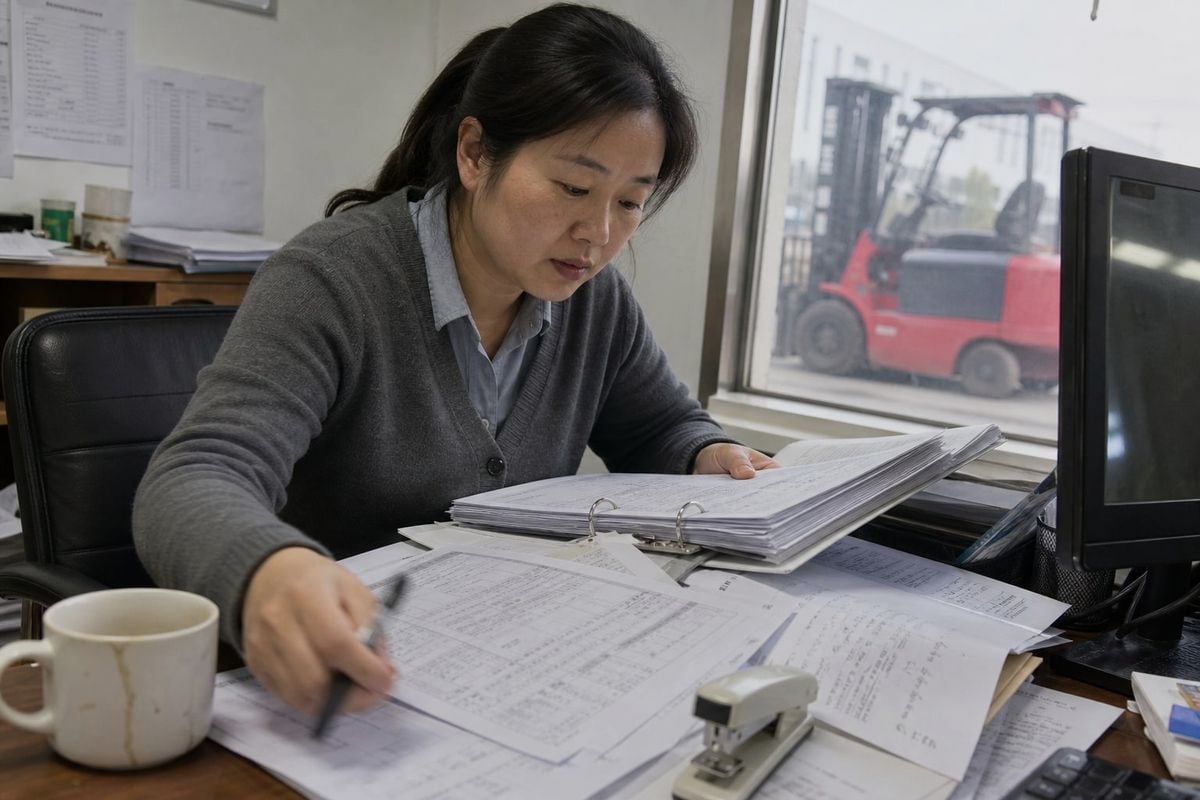
The Harmonized System works like a funnel. It moves from broad to narrow. Chapter 84 covers machinery and mechanical appliances. Heading 8427 covers fork-lift trucks and other works trucks fitted with lifting or handling equipment. Then the subheadings split by power source. This structure comes from the WCO classification system, which more than 200 countries and territories use as their shared foundation for tariff classification.
Here is the process we follow before any electric forklift shipment leaves a Chinese factory:
| Level | Code | Qué cubre |
|---|---|---|
| Capítulo | 84 | Machinery and mechanical appliances |
| Rúbrica | 8427 | Fork-lift trucks; other works trucks with lifting equipment |
| Subrúbrica | 8427.10 | Self-propelled trucks powered by an electric motor |
| National line (example) | 8427.10.4000 | Rider-type, counterbalanced electric forklifts (US HTSUS) |
Technical specs matter at the deeper levels. Some tariff schedules, such as those using code 84271010, distinguish electric forklift trucks by a lifting height of at least 1 meter. So keep the spec sheet handy. We always ask factories for lifting height, drive type, and battery details before we file export declarations.
One of our US clients once inherited a demurrage bill from a previous forwarder who filed a vague code. The container sat at the Port of Long Beach for eleven days. That bill taught him why classification is not paperwork trivia.
The HS code determines your import duty rates, whether trade remedies like Section 301 tariffs apply, and how fast customs clearance proceeds. A wrong code can cause port holds, penalties, retroactive duty bills, storage charges, and shipment delays that ripple into your delivery commitments.
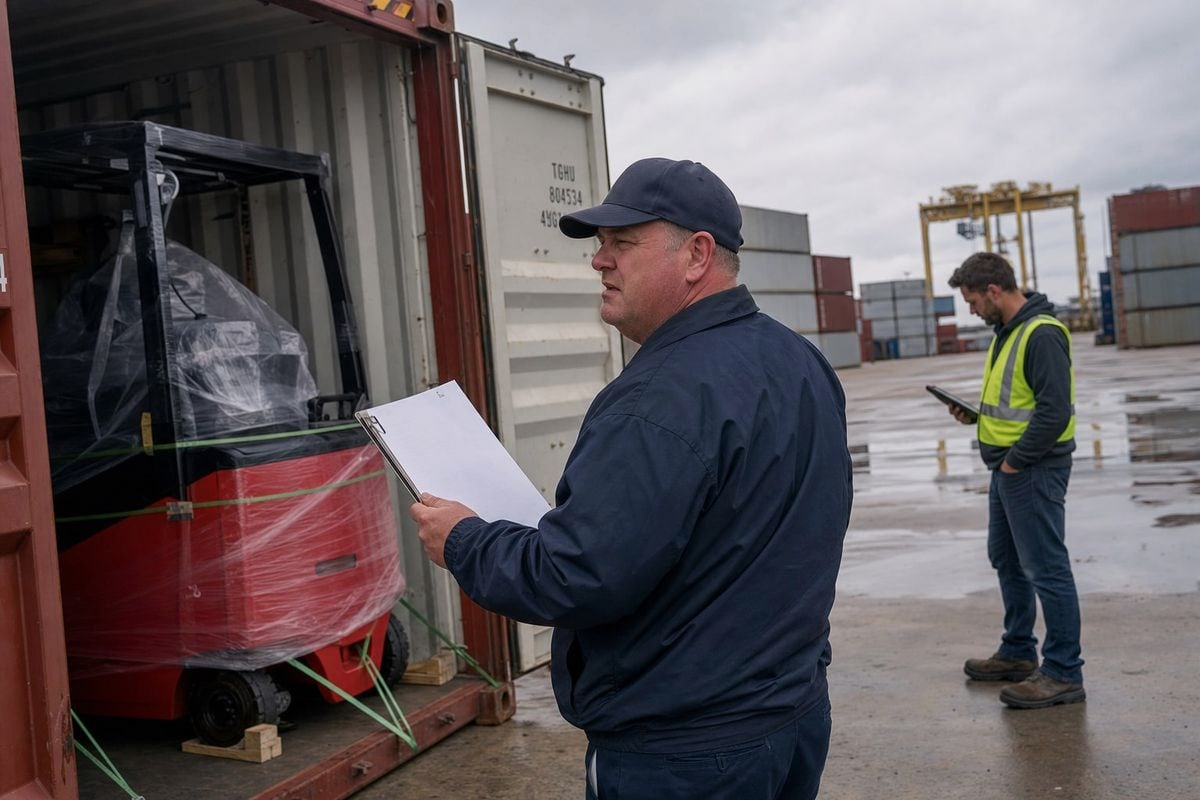
Customs authorities use the tariff classification for three things at once. First, it sets the duty rate. Second, it flags regulatory requirements. Third, it feeds trade statistics that governments use for enforcement targeting. Get the code wrong, and you can fail on all three fronts simultaneously.
Here is the part that surprises many first-time importers. The base duty rate for electric forklifts under 8427.10 is "Free" in many jurisdictions, including the United States. But that is not the end of the cost story. Chinese-origin electric forklifts are frequently subject to secondary trade enforcement actions 1, most notably Section 301 duties. Your landed cost calculation must include both layers.
| Cost Layer | Applies To | Practical Impact |
|---|---|---|
| Base MFN duty | HTS line 8427.10.xx | Often "Free" in the US |
| Section 301 duties | Chinese-origin goods | Additional percentage on customs value |
| Misclassification penalties | Incorrect entries | Fines, retroactive duties, audits |
| Port storage and demurrage | Held containers | Daily charges that add up fast |
A wrong code does not just risk a fine. It creates inconsistency across your documents. Customs officers compare the factura comercial 2, packing list, bill of lading, and entry declaration. When the HS code on the invoice conflicts with the entry filing, the shipment gets flagged. In our door-to-door DDP shipments, we cross-check every document against the declared tariff line before the vessel departs. Import duty and tax handling only works when the classification underneath it is solid. That is also why we ask buyers to confirm classification before ordering, not after cargo arrives. The code shapes your total landed cost, and landed cost shapes whether your resale margin survives.
Battery chemistry is the question we field most often from forklift distributors. When we coordinate lithium battery cargo handling with carriers, buyers frequently assume the battery changes the whole classification. It does not — but it changes plenty else.
No, a complete lithium battery forklift keeps the same HS code, 8427.10, as any electric forklift. The battery does not shift the machine into an electrical goods heading. However, lithium batteries shipped separately fall under heading 8507, and the complete unit triggers Class 9 dangerous goods rules.
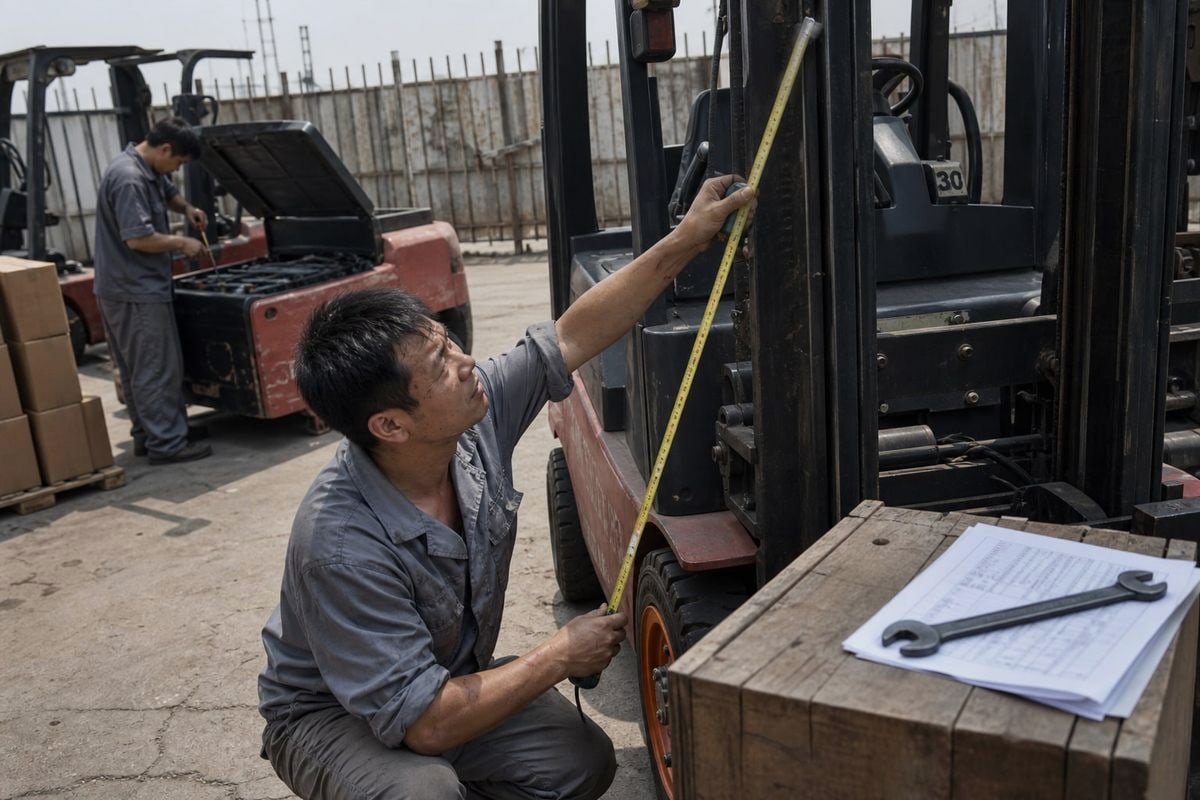
Customs classifies a machine by what it is, not by what powers it. An electric forklift is a lifting and handling truck. It stays under Harmonized System Heading 8427 3 whether it runs on lead-acid or lithium-ion. Some buyers worry the lithium pack pushes the unit toward Chapter 85 electrical goods. The classification rules do not support that. The forklift remains a self-propelled industrial truck under 8427.10.
The picture changes when the battery ships separately. A growing logistics trend involves shipping the forklift chassis and the high-capacity lithium battery in separate consignments to optimize insurance and freight costs. In that case, two codes apply:
| Shipment Configuration | Código SA | Notas |
|---|---|---|
| Complete forklift with installed battery | 8427.10 | Single classification for the whole machine |
| Forklift chassis shipped alone | 8427.10 (or parts headings, case-dependent) | Depends on completeness at import |
| Lithium battery shipped separately | 8507 | Electric accumulators heading |
| Chargers and spare parts | Separate lines (e.g., parts under 8431) | Must be itemized on documents |
Here is the compliance layer that has nothing to do with tariff numbers but everything to do with acceptance. Electric forklifts containing lithium-ion batteries 4 are classified as Class 9 hazardous materials under dangerous goods shipping standards. Carriers require correct DG declarations, UN specifications, battery documentation, and compliant packaging before they will accept the cargo. We coordinate these requirements with factories before the cargo reaches the port, because a rejected DG booking at the terminal is far more expensive than a paperwork check in the warehouse. Accurate HS classification and accurate DG classification must travel together on the same document set.
After years of arranging factory pickups across China and filing export declarations for battery-powered lift trucks, I keep a mental list of the errors that hurt importers most. The same five mistakes appear again and again.
Avoid classifying the forklift by its motor under Chapter 85, using the truck code 8427 for spare parts that belong under 8431, assuming one code fits every country, ignoring rider-type and lifting-height distinctions, and copying supplier-provided codes without verifying them against the destination tariff.
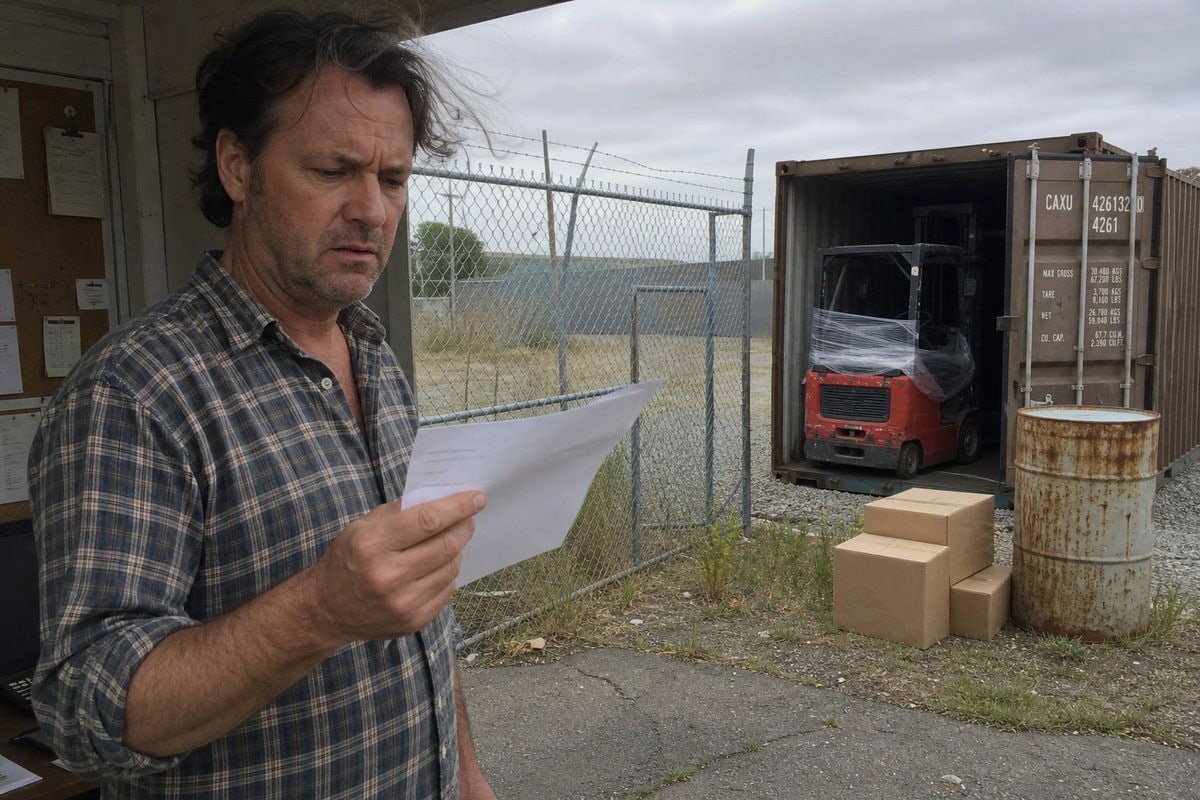
Let me break each mistake down, because each one has a different cost profile.
Some shippers see "electric" and reach for Chapter 85, where electric motors sit under 8501. That is wrong. The forklift as a machine is a lifting and handling truck. Its function defines it, and heading 8427 wins. We have corrected supplier invoices on this exact point before filing.
Forklift masts, forks, controllers, and replacement components generally fall under heading 8431, which covers parts suitable for use solely or principally with machinery of headings 8425 to 8430. Trade databases show forklift parts logged under lines such as 84312010. When our clients consolidate forklifts from Factory A with spare parts from Factory B, we itemize every line separately so the material handling equipment and its parts each carry the right code.
The six-digit level is universal. The rest is not. A US customs ruling classified a rider-type, counterbalanced electric forklift from China under 8427.10.4000. Other countries use 84271000 or 84271010. Verify the local line every time.
National sub-codes often distinguish rider-type versus walk-behind units, counterbalanced trucks versus reach trucks, and lifting heights of 1 meter or more versus lower-lift machines. Automated guided vehicles can shift the code at the 8-digit or 10-digit level too. And as autonomy grows, customs authorities are increasingly scrutinizing whether highly autonomous "smart" forklifts belong under 8427 or under 8479 as functional robots. Expect more nuance ahead, including potential green tariff sub-codes for zero-emission equipment and future identifiers for remanufactured forklifts.
Factories are experts in building forklifts, not in your country's tariff schedule. Some real-world shipments of electric forklifts have been logged under 84279000, which contradicts the standard classification. Before departure, we run a checklist: power source, self-propelled status, forklift type, complete unit or parts, battery configuration, and destination tariff lookup. Ten minutes of verification beats ten days of port storage.
The HS code for electric forklifts is 8427.10, but the exact national line, duty exposure, and battery rules vary. Verify before shipping — or let us verify for you.
1. USTR information on Section 301 investigations and trade enforcement actions. ↩︎
2. Official US government guidance on the requirements for commercial invoices in international trade. ↩︎
3. Official WCO explanation of the Harmonized System used for global trade classification. ↩︎
4. International standards for the safe transport of dangerous goods by sea. ↩︎