- +8618603825129
- [email protected]


Every week, our operations team hears from Amazon sellers stuck with forwarders who quoted low but delivered chaos — hidden fees, missed FBA labels, and cargo held hostage by unreasonable warehouse withdrawal charges.
B2B companies can safely switch freight forwarders after warehousing by confirming withdrawal fees upfront, requesting itemized DDP quotes with validity dates, running a pilot shipment with the new provider, and ensuring full cargo detail handover — including HS codes, dimensions, brand status, and sensitivity classifications — before moving inventory.
This guide breaks down the exact steps, questions, and red flags you need to know before making the switch DDP shipping 1. Each section tackles a real scenario we see daily in China-to-USA logistics. Let's walk through it together.
Our warehouse team in Zhengzhou processes dozens of inventory transfers every month, and the number one mistake we see is sellers rushing the move without confirming exit terms with their current provider Amazon's packaging requirements 2.
To safely move inventory, first confirm your current forwarder's warehouse withdrawal policy and fees in writing. Then provide your new DDP partner with complete cargo details — product name, HS code, sensitivity status, dimensions, weight, and photos — so they can arrange pickup or receive goods at their own warehouse without delays.
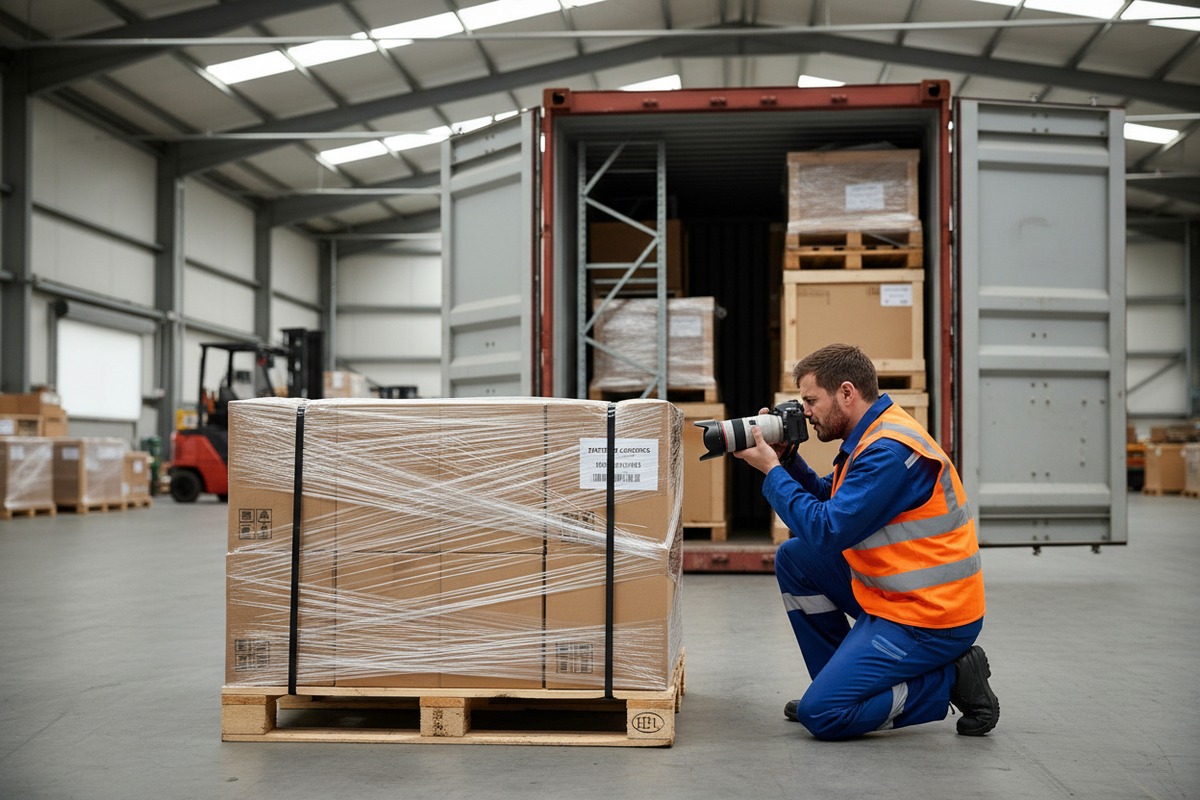
Before you do anything else, ask your current forwarder one simple question: "What is your warehouse withdrawal fee if I move my goods out?"
Here is a real case from our files. A client in Toronto, Canada had their Chinese supplier deliver goods to a forwarder's warehouse. After comparing rates, the client found our DDP pricing was significantly better. When they asked the original forwarder to release the cargo, the forwarder demanded 1,000 RMB as a withdrawal fee. The truth? Before inbound data is confirmed and processing begins, the forwarder has almost zero cost incurred. Industry-standard outbound handling for unloaded cargo caps at 200 RMB, with no extra storage charged within the first week. Anything above that is unreasonable.
A reliable freight forwarder 3 will ask for specific information before quoting or accepting your cargo. Here is what you should prepare:
| Cargo Detail | Why It Matters |
|---|---|
| Product name and HS code | Determines duty rates 4 and compliance requirements |
| Sensitivity flags (electric, magnetic, liquid, branded) | Affects shipping mode, pricing, and customs risk 5 |
| Number of pieces/cartons | Needed for space booking and cost calculation |
| Packed dimensions and gross weight | Determines whether cargo is charged by volume or actual weight |
| Photos of product and packaging | Helps identify labeling issues and packaging compliance before shipping |
| Origin address in China | Needed for pickup arrangement or self-delivery instructions |
| Destination ZIP code | Required for last-mile delivery quote and route planning |
One more thing: branded goods registered with customs carry higher shipping costs than unbranded items. Sensitive cargo — items containing batteries, magnets, or liquids — also costs more. Some forwarders hide this and inflate prices later. We always recommend comparing at least three forwarders before committing. Look for transparent, itemized quotes.
When we prepare FBA shipments at our Zhengzhou consolidation center, even a single misplaced FNSKU label 6 can trigger Amazon to reject an entire pallet — costing sellers weeks of lost sales and expensive rework fees.
Ask your new forwarder if they provide FNSKU labeling, carton labeling, and pallet labeling in-house. Confirm they understand Amazon's packaging requirements, shipment ID rules, and delivery appointment scheduling. Request photos of labeled cargo before dispatch to verify compliance and avoid costly rejections at Amazon fulfillment centers.

Not every freight forwarder understands Amazon. Many general cargo companies claim FBA experience but lack the specific knowledge that prevents rejections. Here are the exact questions to ask:
| Requirement | What to Confirm with Your Forwarder |
|---|---|
| FNSKU labels | Applied to every individual unit, scannable, not covering product info |
| Carton labels | Amazon-compliant, placed on two sides of each carton |
| Pallet configuration | Meets Amazon's 50-inch x 40-inch standard pallet size |
| Shipment ID | Matches the plan created in Seller Central 7 |
| Delivery appointment | Booked at the correct Amazon FC with proper reference numbers |
| Oversize/overweight flags | Identified and labeled per Amazon's guidelines |
A reliable forwarder will send you clear photos of your cargo at multiple stages — after labeling, after packing into cartons, and after palletizing. This is not optional. It is your last line of defense before goods leave China.
We have seen cases where sellers skipped photo verification and discovered at the Amazon warehouse that labels were upside down, or cartons exceeded Amazon's 50-pound weight limit. Both situations led to refused deliveries and return-to-sender fees.
Amazon charges for every mistake. Relabeling fees, disposal fees, and appointment rescheduling fees add up fast. More importantly, delayed inventory means lost Buy Box time and lower search rankings. When you switch forwarders, FBA compliance expertise is not a nice-to-have. It is a deal-breaker.
Ask for references from other Amazon sellers your potential forwarder has served. A forwarder who truly knows FBA will happily share success stories and process details.
Our sales team routinely reviews competitor quotes that clients share with us, and the pattern is clear — vague line items, missing surcharge disclosures, and prices without expiration dates are the top three red flags that lead to billing surprises.
Protect your business by demanding itemized quotes that list every fee — pickup, handling, customs clearance, duties, taxes, delivery, and surcharges — with a clear validity period. Compare at least three forwarders, confirm whether branded or sensitive goods carry premium rates, and get the full fee schedule in writing before any cargo moves.
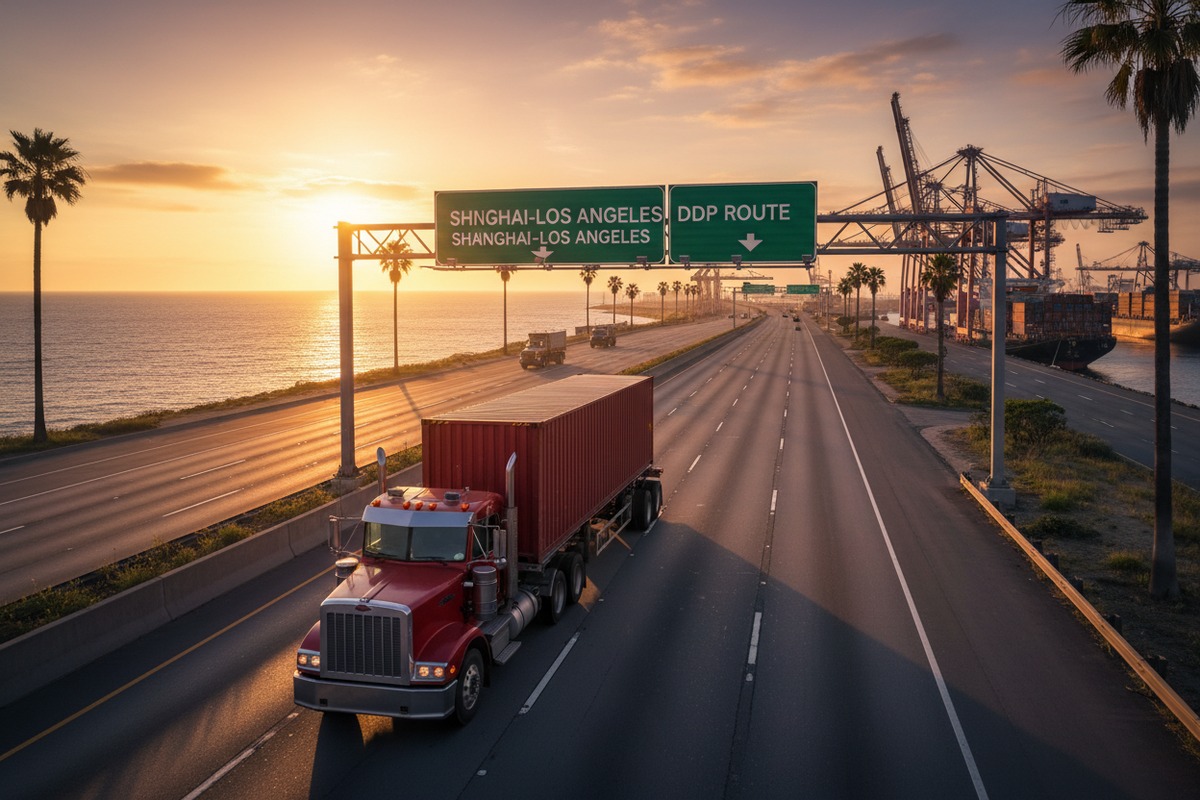
Hidden fees rarely appear in the headline rate. They hide in the details. Here are the most common ones we see B2B importers get caught by:
| Fee Type | How It Hides | How to Prevent It |
|---|---|---|
| Fuel surcharge | Listed as "variable" or "market rate" with no cap | Ask for a fixed surcharge or cap percentage |
| Warehouse storage | "Free for 3 days" but charged hourly after, with no clear rate | Get the daily/weekly storage rate in writing |
| Customs exam fee | Not mentioned until it happens | Ask if exam fees are included or how they are billed |
| Remote area surcharge | Only disclosed after delivery attempt | Provide your exact ZIP code and confirm delivery zone |
| Brand premium | Not mentioned in the quote | Declare all brand registrations upfront and ask for brand-specific pricing |
| Sensitivity surcharge | Lumped into "other fees" | Disclose battery, magnetic, or liquid content and request a line-item quote |
| Withdrawal/cancellation fee | Buried in terms and conditions | Ask directly: "What do I pay if I cancel or move my goods?" |
Never commit to a single forwarder based on one quote. Get at least three quotes from different providers. When you compare them side by side, gaps become visible. If one quote is dramatically lower, something is missing. If one quote is dramatically higher, ask why.
Here is what to compare:
Verbal promises mean nothing in logistics disputes. Every fee, every term, every surcharge must be documented. A quality forwarder will proactively provide this in their quote. If you have to fight to get a written breakdown, that is your signal to look elsewhere.
In our experience, the forwarders who are transparent about pricing from day one are the same ones who handle problems professionally when things go wrong. Transparency is not just about money. It is a proxy for reliability.
Switching providers while goods are already in transit or in a warehouse adds complexity. Confirm these points before moving:
Do not assume anything carries over automatically. Treat every document and every detail as a fresh handover.
Our tracking system handles hundreds of active shipments from Zhengzhou to U.S. destinations at any given time, and we have learned that the riskiest moment for cargo is the handover gap — when one provider releases it and the other has not yet confirmed receipt.
The best way to track shipment safety during a carrier transition is to require photo confirmation at every handover point, obtain tracking numbers from the new carrier before goods leave the old warehouse, and establish a single point of contact who provides real-time status updates from pickup through final delivery.
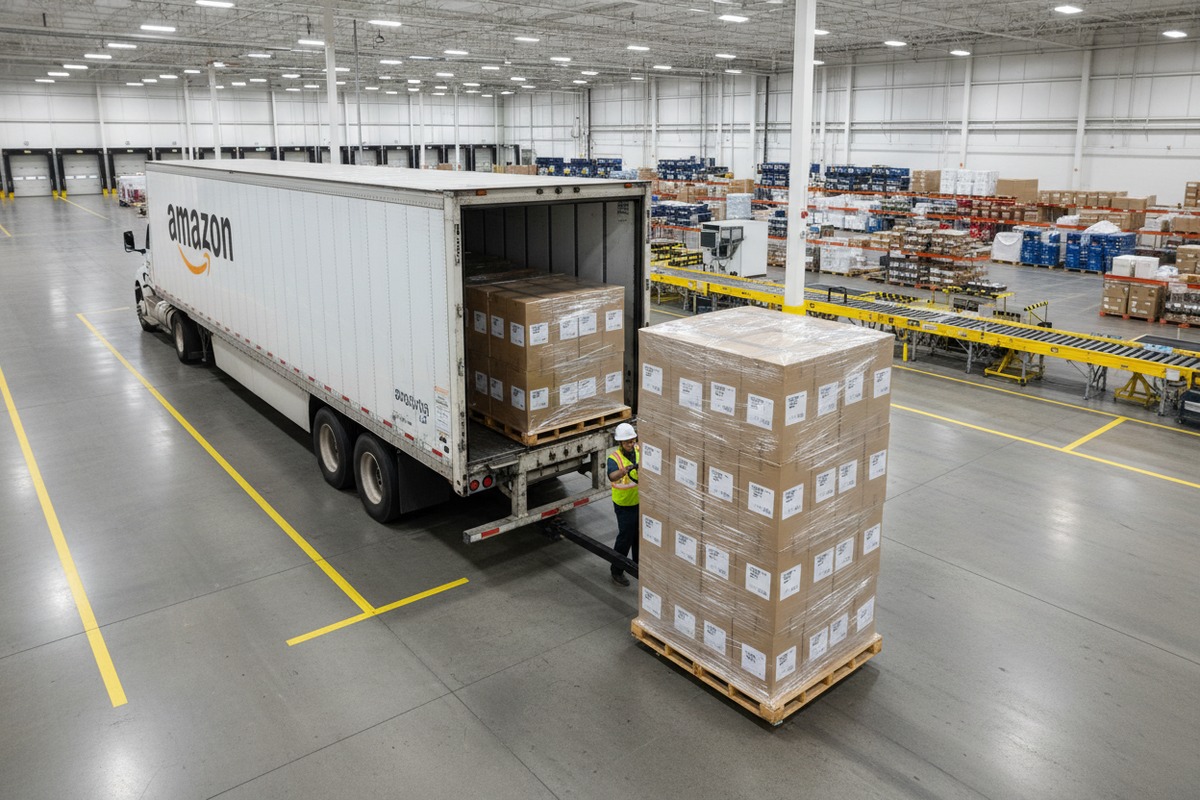
When goods move from one logistics provider to another, there is a window where neither side has clear custody. This is when damage, loss, and miscounts happen most often. To close this gap:
Not all tracking is equal. A tracking number that only updates at origin and destination tells you almost nothing. Quality tracking provides milestone updates at every key stage:
| Tracking Milestone | What You Should See |
|---|---|
| Pickup from origin warehouse | Confirmation with timestamp and photo |
| Arrival at forwarder's consolidation center | Piece count, weight, and condition report |
| Export customs clearance 10 | Clearance status and any hold alerts |
| Departure from China | Vessel or flight number, ETD, and ETA |
| Arrival at destination port/airport | Unloading confirmation |
| Import customs clearance | Clearance status, duty payment confirmation |
| Last-mile delivery or Amazon FC appointment | Delivery confirmation with POD or appointment number |
During a transition, do not bounce between multiple contacts. Ask your new forwarder to assign one dedicated person who owns your shipment from start to finish. This person should proactively send updates — you should not have to chase them.
At our company, every client gets a dedicated English-speaking logistics coordinator who sends updates at each milestone. If something goes wrong — a customs hold, a weather delay, a warehouse issue — the coordinator notifies you before you even think to ask.
If possible, run your first shipment with the new forwarder while still keeping a backup with your old provider. This gives you a safety net. If the new forwarder performs well, you shift volume. If they do not, you have not put all your inventory at risk.
This incremental approach is especially important during peak seasons like Q4, when stockouts can cost thousands in lost Amazon sales. Test with a small batch. Verify every milestone. Then scale up with confidence.
Confirm that cargo insurance covers the transition period. Some policies have gaps when goods are in transit between providers. Ask your new forwarder if their cargo insurance activates from the moment of pickup or only after goods reach their warehouse. Get the policy terms in writing.
Also, ensure that all shipping documents — commercial invoices, packing lists, certificates of origin, and HS code declarations — are physically and digitally transferred to the new provider. Missing documents cause customs delays, and customs delays during a transition can erode your trust in the new partner before they even have a fair chance.
Switching freight forwarders after warehousing is not risky when you ask the right questions, demand written terms, and verify every step with photos and real-time tracking. Protect your cargo, compare providers, and scale with confidence.
1. Defines Delivered Duty Paid (DDP) Incoterms, crucial for understanding shipping responsibilities. ↩︎
2. Details Amazon's specific packaging and prep requirements for FBA shipments. ↩︎
3. Provides a general overview of what a freight forwarder is and their role in logistics. ↩︎
4. Explains how customs duty rates are determined and their impact on imports. ↩︎
5. Discusses factors contributing to customs risk in international shipping and compliance. ↩︎
6. Explains the specific requirements and importance of FNSKU labels for Amazon FBA. ↩︎
7. Introduces Amazon Seller Central as the platform for managing FBA shipments. ↩︎
8. Explains the importance and types of cargo insurance in logistics. ↩︎
9. Explains the purpose and importance of Harmonized System codes in international trade. ↩︎
10. Describes the process of customs clearance for imported goods. ↩︎