- +8618603825129
- [email protected]


Every week, our operations team in Zhengzhou processes hundreds of shipments bound for the US, and the single question we hear most from new clients is: "How should I pay for freight?"
For international freight forwarding, choose prepaid terms when you want cost certainty and control as the shipper, collect terms when the buyer needs to manage logistics at destination, or credit terms (monthly settlement) when you have an established relationship with your forwarder. Each option affects cash flow, cargo control, and total landed cost differently, so the best choice depends on your trade terms, shipment frequency, and trust level with your logistics partner.
Below, we break down each payment term in detail so you can make the right call for your China-to-USA shipments logistics partner 1. We will cover when to use prepaid versus collect, how to qualify for credit, which term gives you the most control, and how these choices impact your DDP 2 costs to Amazon FBA.
When we load containers at our Zhengzhou consolidation warehouse, clients often hesitate between paying upfront or letting the US consignee handle the bill. The wrong choice can delay cargo or blow up your budget.
For most China-to-USA shipments, freight prepaid is the safer default. The shipper pays all transportation charges before the goods leave China, which prevents customs delays, eliminates payment disputes at destination, and gives the shipper full control over carrier selection. Freight collect works best when the US buyer has established carrier accounts and wants to manage last-mile logistics directly.
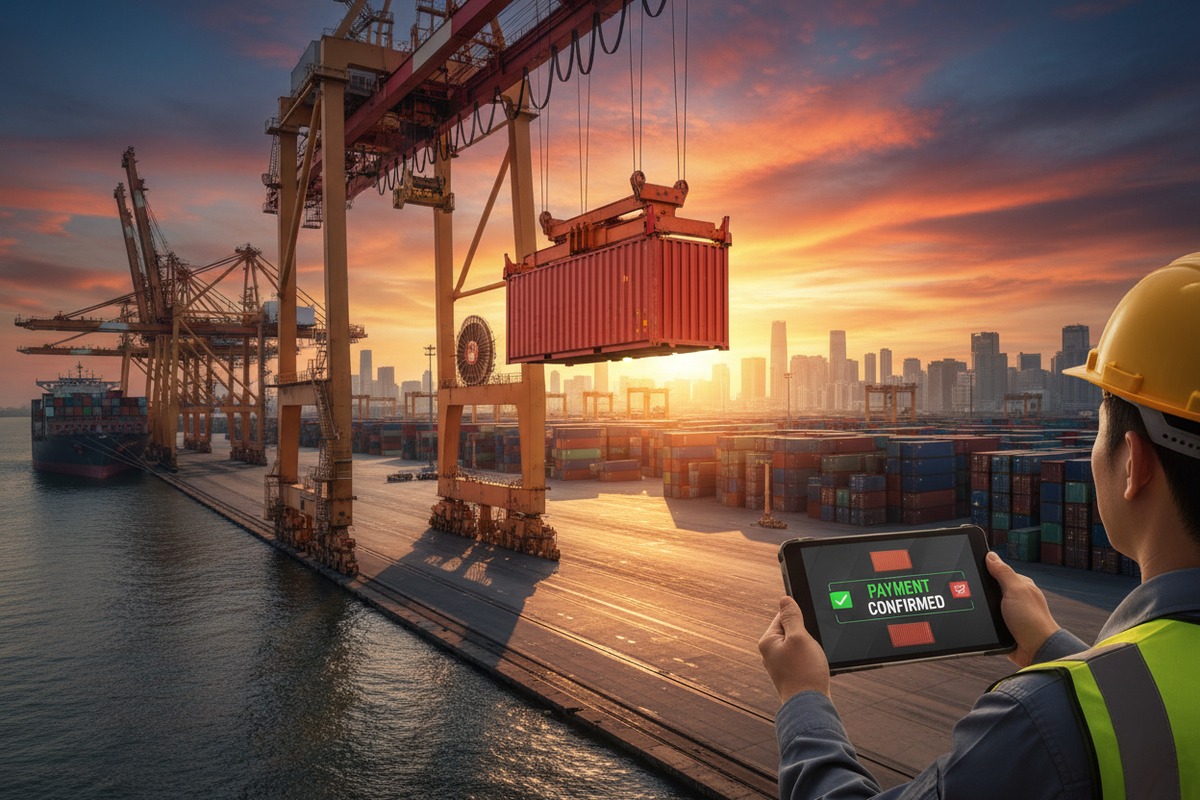
Freight prepaid means the shipper — usually the seller or exporter in China — pays the carrier before the goods depart. The cost is settled before the vessel sails or the plane takes off. This is the most common arrangement we see with our Amazon FBA 3 clients, because it bundles shipping into the supplier's invoice and simplifies the buyer's accounting.
Freight collect flips the responsibility. The consignee — the buyer or importer in the US — pays the carrier when goods arrive or according to pre-arranged billing terms. This is more common in B2B transactions where large US importers have negotiated volume rates with specific carriers.
| Factor | Freight Prepaid | Freight Collect |
|---|---|---|
| Who pays | Shipper (China side) | Consignee (US side) |
| When payment is due | Before departure | Upon arrival or per billing terms |
| Carrier selection control | Shipper chooses | Consignee chooses |
| Risk of delivery delay | Lower — payment is already settled | Higher — payment disputes can hold cargo |
| Best for | DDP shipments, Amazon FBA sellers, new trade relationships | Established B2B importers with carrier contracts |
| Cash flow 4 impact on buyer | Deferred — cost rolled into supplier invoice | Immediate — funds needed at destination |
| Documentation | Bill of Lading 5 marked "Prepaid" | Bill of Lading marked "Collect" |
A common mistake is confusing freight payment terms with Incoterms 6. They are related but different. Incoterms like FOB, CIF, and DDP define where risk and cost responsibility transfer between buyer and seller. Freight prepaid or collect simply states who pays the carrier.
For example, under FOB Shanghai, the buyer assumes risk once goods cross the ship's rail. But the freight can still be prepaid by the seller if that is what both parties agree to. Under CIF, the seller covers cost, insurance, and freight to the destination port — so freight prepaid is the natural fit. Under DDP, the seller handles everything, including duties and taxes, so prepaid is almost always used.
In our experience exporting to the US, the vast majority of DDP shipments use freight prepaid. It keeps things simple. The seller knows exactly what the total cost is, and the buyer receives goods without worrying about surprise freight invoices at the port.
Freight collect is not a bad choice in every situation. If the US buyer has volume contracts with FedEx, UPS, or a specific ocean carrier, they may get better rates than what the Chinese shipper can negotiate. Large importers with dedicated logistics teams often prefer this. It also allows the buyer to inspect goods before committing payment for freight, which adds a layer of quality control.
However, for Amazon sellers sourcing from China, freight collect adds complexity. Amazon FBA warehouses do not handle freight payment on your behalf. You need the goods delivered and paid for before they reach the fulfillment center. That is why we recommend prepaid for nearly all FBA-bound shipments.
Running a logistics operation that handles thousands of shipments a year, our finance team has built a clear, tiered system for extending credit. We understand cash flow is the lifeline of any e-commerce business.
To qualify for credit terms (monthly settlement) with a freight forwarder, you typically need a proven track record of on-time payments, a signed credit agreement, and verified business credentials. Most forwarders start new clients on full prepayment, then gradually offer deferred payment and eventually monthly billing as trust builds over multiple successful shipments.
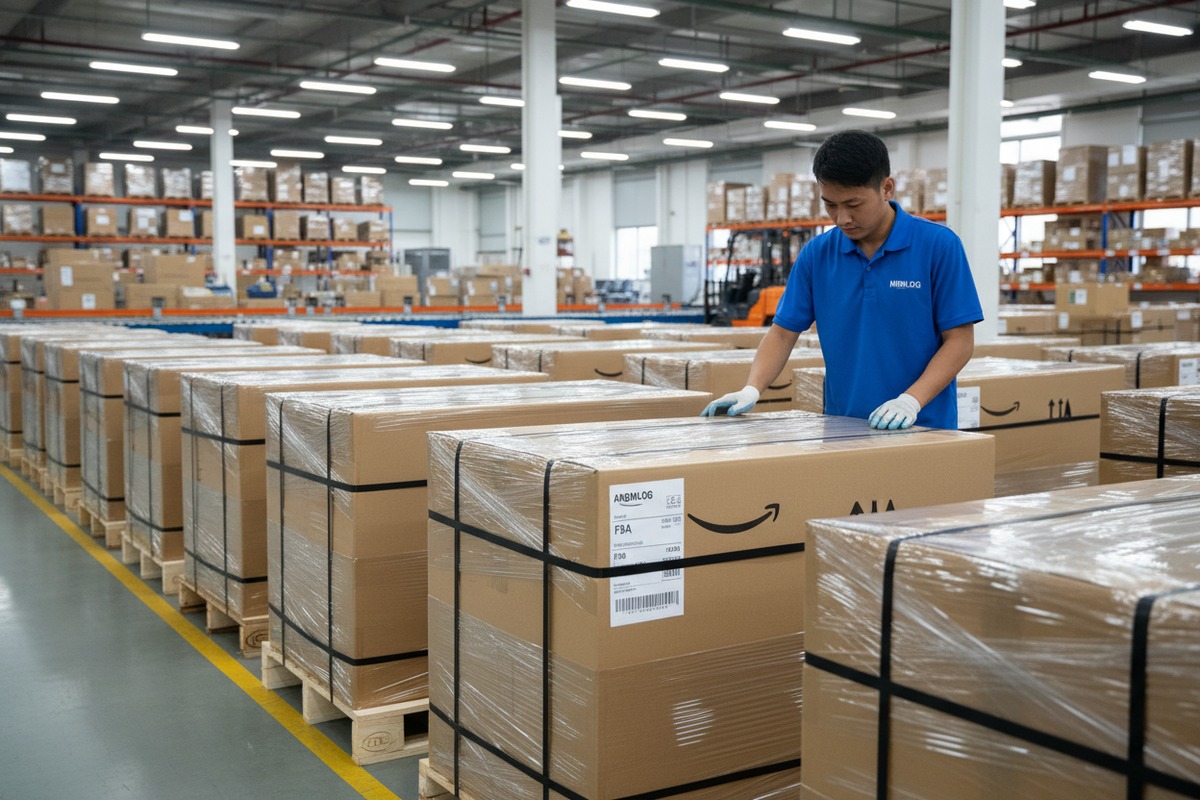
Based on years of working with US importers and Amazon sellers, here is the payment structure we use at MBMLOG. Many reputable freight forwarders follow a similar model.
| Client Tier | Payment Requirement | Eligibility |
|---|---|---|
| New client (first shipment) | Full prepayment before vessel departure | All new clients |
| Returning client (2+ shipments) | Payment due before cargo arrives at destination port | Clients with at least one completed, on-time payment |
| Trusted client (ongoing relationship) | Monthly settlement (30-day terms) | Clients who sign a credit agreement and provide verified business credentials |
Step 1: Start with full prepayment. Every new relationship begins here. You pay the full freight amount before the ship sails. This protects both parties and establishes a baseline of trust.
Step 2: Complete your first shipment successfully. Once the goods arrive, customs clears smoothly, and payment was on time, you move to the next tier automatically.
Step 3: Pay before arrival. For your second shipment onward, you only need to settle the freight bill before the cargo reaches the US port. This gives you extra days of cash flow breathing room.
Step 4: Request monthly settlement. After several successful shipments with on-time payments, you can apply for a monthly credit account. This requires signing a formal credit agreement and providing your business registration, tax ID, and references.
To apply for monthly settlement with most forwarders, prepare the following:
We accept bank-to-bank wire transfers (T/T) and issue official VAT invoices for every transaction. One detail that saves our clients money: MBMLOG maintains company bank accounts in multiple countries. US-based clients can pay directly to our US account. This eliminates international wire fees and avoids the 2–5 day delay common with cross-border transfers.
Amazon sellers operate on tight margins. If you are shipping goods worth $20,000 and the freight is $3,000, paying that freight upfront before the goods even leave China means $3,000 is tied up for 25–40 days before you can start selling. Monthly settlement lets you ship first and pay at the end of the month, which can mean your goods are already generating revenue on Amazon before the freight bill is due. That is a real cash flow advantage.
Our logistics coordinators track shipments in real time from our warehouse to Amazon FBA doors, and one thing is clear: whoever pays the freight usually calls the shots on how it moves.
Freight prepaid gives the shipper (seller) the most control over cargo, including carrier selection, routing, and scheduling. Freight collect transfers that control to the consignee (buyer). For maximum control over the entire supply chain — from factory pickup to final delivery — DDP with prepaid terms is the strongest option, as the shipper manages every stage of the journey.

In international freight, control follows the money. The party paying the carrier is the party that negotiates rates, selects the shipping line or airline, chooses the routing, and sets the schedule. This is not just a soft guideline — it is how the industry works. Carriers take instructions from whoever is paying.
| Control Area | Freight Prepaid (Shipper Pays) | Freight Collect (Consignee Pays) | Credit/Monthly Settlement |
|---|---|---|---|
| Carrier selection | Shipper controls | Consignee controls | Depends on who holds the credit account |
| Routing and transit time | Shipper decides | Consignee decides | Typically shipper (forwarder's credit client) |
| Pickup scheduling | Shipper arranges | Shipper arranges (but consignee may influence) | Shipper arranges |
| Customs clearance at origin | Shipper manages | Shipper manages | Shipper manages |
| Customs clearance at destination | Depends on Incoterms | Consignee manages | Depends on Incoterms |
| Last-mile delivery | Depends on Incoterms | Consignee manages | Depends on Incoterms |
| Dispute resolution leverage | Shipper has leverage (already paid) | Consignee has leverage (can withhold payment) | Forwarder manages; monthly review |
Amazon FBA has strict delivery requirements. Shipments must arrive at specific fulfillment centers, with correct labels, in the right packaging, within designated appointment windows. If the carrier makes a mistake, your inventory gets rejected or delayed, and your Amazon listing suffers.
When you use freight prepaid with a DDP service like ours, you control the entire chain. We select trusted carriers, book reliable routes, handle customs on both ends, and deliver directly to the FBA warehouse. You do not have to coordinate with a separate carrier, a separate customs broker, and a separate delivery service. One point of contact. One payment. Full control.
There are legitimate reasons for the US buyer to want control. If you are importing high-value or fragile goods — electronics, glassware, medical equipment — you may want to hand-pick the carrier and monitor every stage. Freight collect gives you that power. You choose the shipping line, you choose the trucking company, and you manage the customs process on your end.
But for most Amazon sellers importing standard consumer goods from China, this level of control is unnecessary overhead. You are better off trusting a specialized forwarder who handles China-to-USA routes daily and knows the FBA compliance requirements inside out.
DDP (Delivered Duty Paid) with freight prepaid is the gold standard for control and simplicity. The seller or forwarder handles everything: origin pickup, export customs, ocean or air freight, import customs, duties, taxes, and final delivery. The buyer receives goods at their door (or at Amazon's door) with zero logistics to manage. In our operation, about 80% of our Amazon FBA clients choose this combination.
When we quote DDP rates for Amazon FBA shipments, the payment term a client chooses can shift the final number by 3–8%. That might sound small, but on a $50,000 shipment, it is the difference between profit and break-even.
Payment terms directly affect your total DDP cost through three mechanisms: wire transfer fees and currency exchange costs, cash flow timing that influences your ability to negotiate volume rates, and potential surcharges or discounts tied to prepaid, collect, or credit arrangements. Choosing the right term can reduce your landed cost and protect your Amazon profit margins.

Let us walk through how each payment term adds or subtracts from your total DDP cost.
If you are a US-based Amazon seller paying a Chinese freight forwarder, you face international wire transfer fees ($25–$50 per transaction) and currency conversion costs (0.5–2% depending on your bank). These add up fast if you are shipping weekly.
This is one reason we maintain local bank accounts in multiple countries. A US client paying to our US bank account avoids both the wire fee and the conversion spread. Over 12 months of weekly shipments, that alone can save $1,500–$3,000.
Credit terms (monthly settlement) free up cash that you can use to consolidate more shipments into a single month. Larger volumes mean better rates per CBM or per kilogram. If you are paying prepaid on every individual shipment, you may not have the liquidity to batch orders and hit volume price breaks.
| Cost Factor | Full Prepaid (New Client) | Prepaid Before Arrival (Returning Client) | Monthly Settlement (Credit Client) |
|---|---|---|---|
| Base freight rate | Standard | Standard | Potentially lower (volume consolidation) |
| Wire transfer fees | Per shipment | Per shipment | One transfer per month |
| Currency conversion cost | Per shipment | Per shipment | Once per month or pay to local account |
| Cash flow flexibility | Low — funds tied up 25-40 days | Medium — payment deferred 10-15 days | High — pay after goods generate revenue |
| Late payment risk surcharge | None | None | Possible if payment is overdue |
| Discount eligibility | Limited | Moderate | Highest (loyal client pricing) |
Demurrage and detention. If a freight collect shipment arrives and the consignee has not arranged payment, the container sits at port. Demurrage charges can run $150–$300 per day. Demurrage and detention 8 Prepaid eliminates this risk entirely because the carrier has already been paid.
Customs hold fees. Under DDP with prepaid terms 9, your forwarder handles customs clearance proactively. Under collect terms 10, delays in payment can lead to customs holds, which generate storage fees at the port — sometimes $50–$100 per day per container.
Re-delivery charges. If payment disputes under freight collect cause a missed Amazon FBA appointment, you pay for re-delivery. Amazon does not reschedule for free, and your forwarder will charge a second delivery attempt.
For Amazon FBA sellers shipping from China, DDP with freight prepaid (or credit terms once you qualify) is the most cost-effective approach. It eliminates surprise fees, reduces transaction costs, and gives your forwarder the cash flow certainty to prioritize your shipments. As you build a relationship with your forwarder and move to monthly settlement, your per-shipment cost drops further through volume consolidation and reduced banking fees.
Every dollar saved on logistics is a dollar added to your Amazon profit margin. Choose your payment terms strategically.
Choosing between prepaid, collect, and credit terms shapes your shipping cost, cargo control, and cash flow. Start with prepaid for safety, build trust through on-time payments, and graduate to monthly settlement for maximum efficiency. The right payment term is not just a finance decision — it is a logistics strategy.
1. Defines what a logistics partner is and their role in supply chain. ↩︎
2. Defines Delivered Duty Paid (DDP) Incoterm and its responsibilities. ↩︎
3. Describes the official Fulfillment by Amazon (FBA) program and its services. ↩︎
4. Highlights the importance and definition of cash flow in business. ↩︎
5. Explains the legal definition and functions of a Bill of Lading. ↩︎
6. Provides an overview of Incoterms rules by the official source, ICC. ↩︎
7. Details the requirements and conditions for credit terms with a freight forwarder. ↩︎
8. Explains the concepts of demurrage and detention in shipping. ↩︎
9. Provides a clear definition of freight prepaid terms in shipping. ↩︎
10. Explains the definition and responsibility of freight collect terms. ↩︎