- +8618603825129
- [email protected]

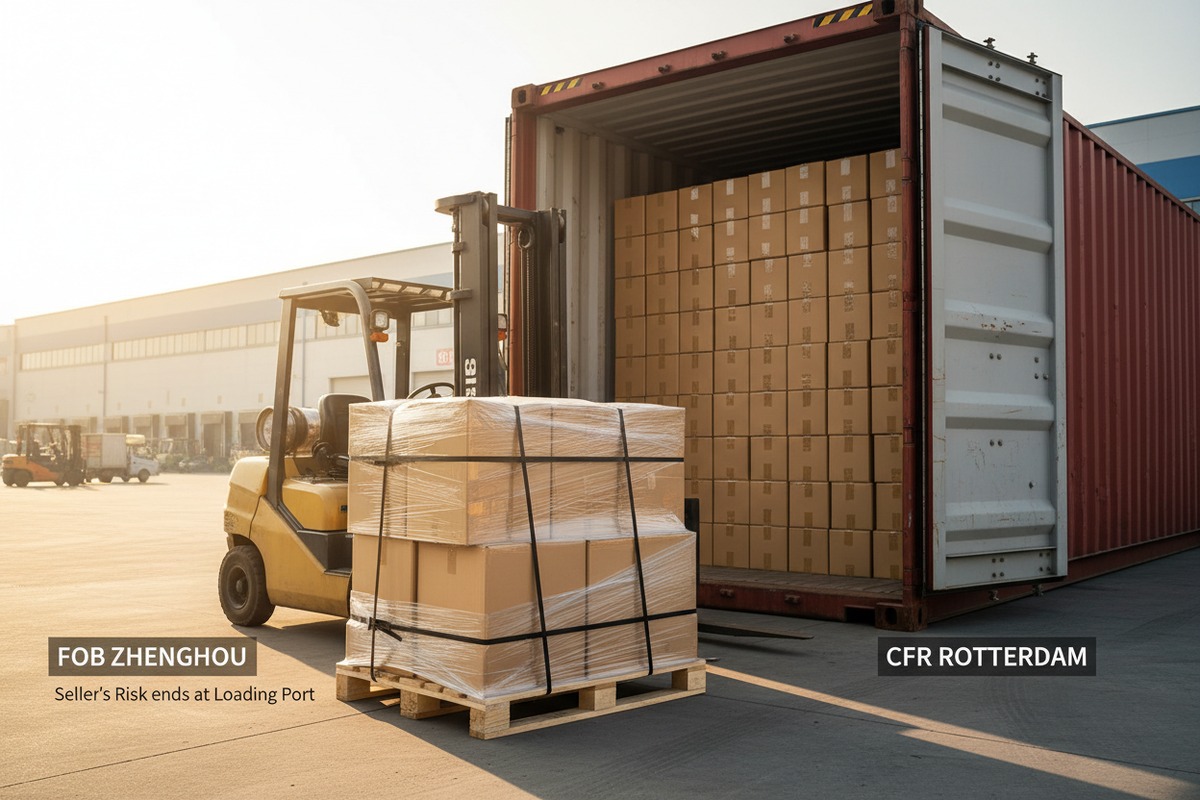
Every week at our Zhengzhou logistics hub, we see importers blindsided by surprise fees because they picked the wrong trade term.
DDP, DDU, FOB, and EXW are Incoterms that divide shipping costs and cargo risk between buyer and seller at different handover points. DDP shifts nearly all responsibility to the seller, EXW places it on the buyer, and FOB and DDU fall in between — each directly affecting your total landed cost and liability exposure.
Understanding these four terms is not optional if you ship goods from China. The wrong choice can inflate your budget by 20–50% or leave you liable for damage you never expected. Below, we break down each term so you can pick the right one for your next shipment.
When we quote shipments from our warehouse to US destinations, the single biggest source of buyer frustration is fees they did not see coming.
To avoid hidden fees and calculate your true total landed cost, request itemized quotes under both FOB and DDP terms from your supplier or freight forwarder. FOB lets you control freight and duty costs directly, while DDP bundles everything into one price — comparing both reveals markups and hidden charges.
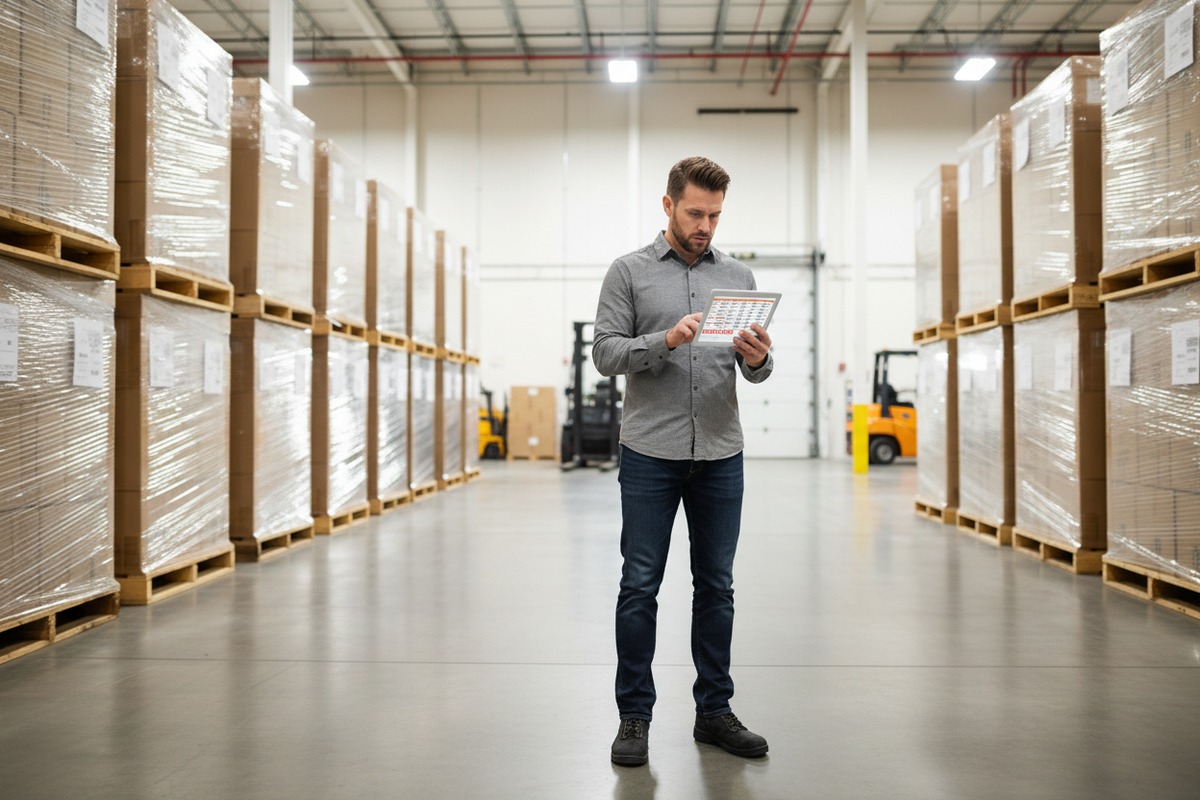
Hidden fees are rarely intentional fraud. They happen because different Incoterms 1 draw the cost line at different points. If you buy EXW, your supplier's price looks low — but you still owe inland trucking in China, export customs filing, ocean freight, US customs duties, and last-mile delivery. Each of those steps has its own invoice. If nobody told you about them upfront, they feel "hidden."
DDP, on the other hand, wraps every fee into one number. That sounds simple, but sellers often pad the quote by 15–30% to cover their own risk. So you avoid surprises, but you may overpay.
Here is how costs typically stack up on a pallet of goods shipped from Shenzhen to Los Angeles:
| Cost Element | EXW (Buyer Pays) | FOB (Buyer Pays) | DDU / DAP (Buyer Pays) | DDP (Buyer Pays) |
|---|---|---|---|---|
| Factory price | ✔ Included | ✔ Included | ✔ Included | ✔ Included |
| Inland transport to port (China) | Buyer | Seller | Seller | Seller |
| Export customs clearance | Buyer | Seller | Seller | Seller |
| Ocean freight | Buyer | Buyer | Seller | Seller |
| Cargo insurance 2 | Buyer | Buyer | Buyer (unless agreed) | Seller |
| US customs clearance | Buyer | Buyer | Buyer | Seller |
| Import duties & taxes | Buyer | Buyer | Buyer | Seller |
| Last-mile delivery | Buyer | Buyer | Seller (to named place) | Seller |
This table makes one thing clear: the more the seller handles, the less visibility you have into each line item. Under EXW, you see every charge because you arrange every step. Under DDP, it is one lump sum.
Start with your product price. Then add every charge from origin to your door. Here is a simple formula:
Landed Cost = Product Price + Origin Charges + Freight + Insurance + Duties + Taxes + Destination Charges
If your supplier quotes FOB, you already know the product price plus origin charges. You then get freight quotes from your own forwarder, look up duty rates on the US Harmonized Tariff Schedule 3, and add them together. This gives you a transparent number.
If your supplier quotes DDP, ask them to break the quote into at least three parts: product cost, freight cost, and duty/tax cost. If they refuse, that is a red flag. A trustworthy DDP provider — like the service we offer at MBMLOG — will always show you the breakdown.
When shipping to Amazon FBA 4, your landed cost also includes Amazon's inbound placement fees and any prep service charges. These are outside the scope of Incoterms but still affect your margin. Always layer those on top of your Incoterm-based landed cost.
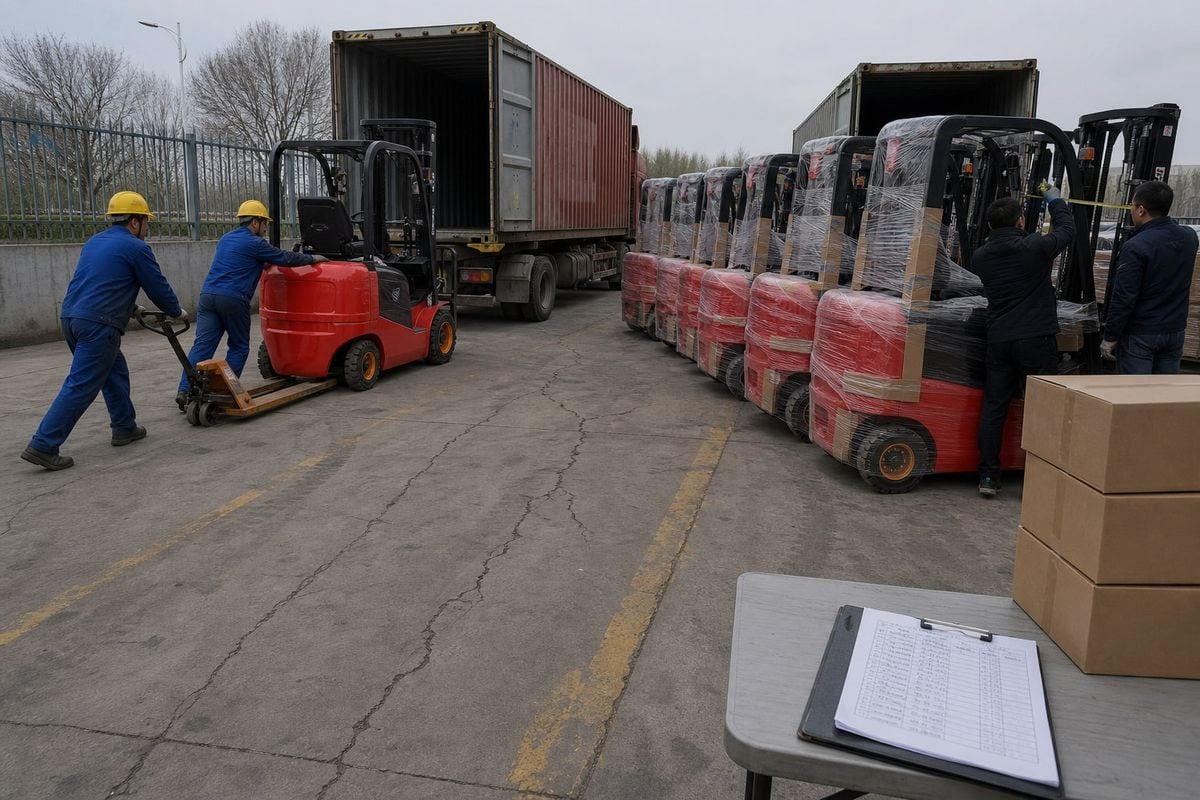
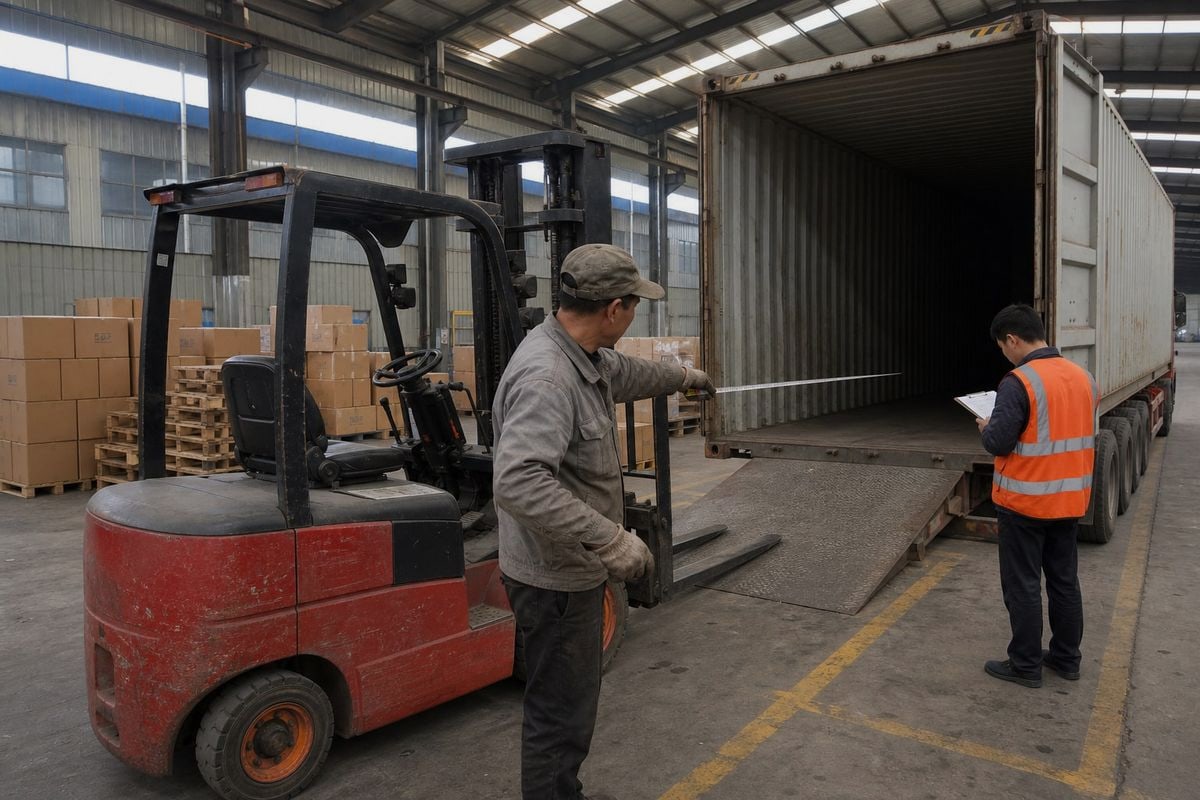
In our daily operations, we load containers at factories across Guangdong and Zhejiang. We have seen cargo damaged during inland trucking, during port handling, and mid-ocean — and who pays depends entirely on the Incoterm.
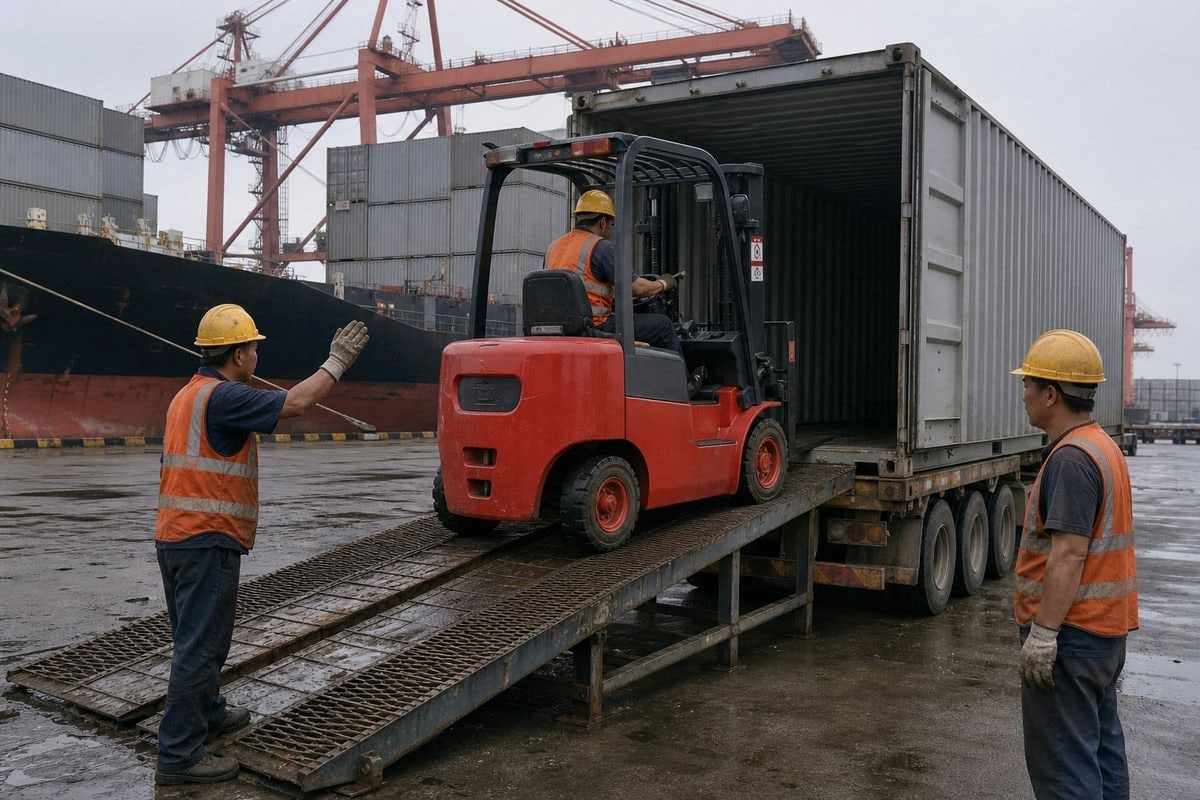
Under EXW, the risk of cargo damage transfers to you the moment goods are made available at the supplier's premises. Under FOB, the supplier bears the risk until goods are loaded on board the vessel at the Chinese port of shipment — giving you significantly more protection during origin-side logistics.
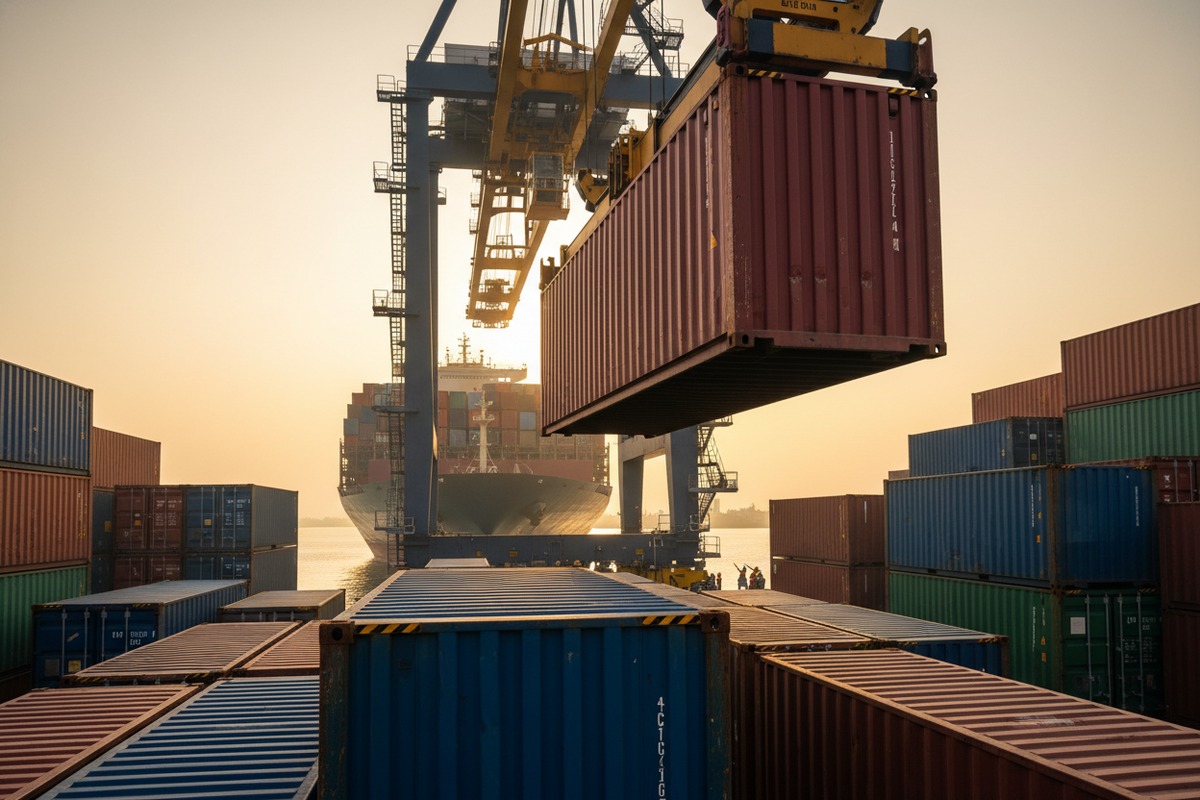
Think of the journey from factory to your US warehouse as a chain of handoffs. Each Incoterm draws a line at a different link in that chain.
| Stage of Journey | Who Bears Risk — EXW | Who Bears Risk — FOB |
|---|---|---|
| Goods sitting at supplier's factory | Buyer (once made available) | Seller |
| Loading onto truck at factory | Buyer | Seller |
| Inland trucking to Chinese port | Buyer | Seller |
| Export customs inspection | Buyer | Seller |
| Loading onto vessel at port | Buyer | Seller |
| Ocean transit | Buyer | Buyer |
| Unloading at US port | Buyer | Buyer |
| Inland delivery to final destination | Buyer | Buyer |
Under EXW, you own the risk from the very first moment the supplier says "your goods are ready." If a forklift drops a pallet inside their warehouse while loading your truck, that is your problem. Under FOB, the supplier is responsible until the cargo is on the ship.
Many first-time importers assume their supplier will "take care of things" regardless of the Incoterm. That is not how it works. If your purchase order says EXW and goods are damaged during inland trucking in China, your supplier has zero legal obligation to compensate you. You would need to file a claim against the trucking company — a Chinese trucking company — from the United States. That is expensive, slow, and often unsuccessful.
With FOB, the supplier handles the origin-side claim because they hired the trucker and the risk was still theirs. This is one reason we generally advise our clients to avoid EXW unless they have their own freight agent on the ground in China.
No matter which term you choose, cargo insurance is essential. Under EXW, you should purchase warehouse-to-warehouse coverage starting from the supplier's door. Under FOB, you can start coverage from the port of loading, which usually costs less. Marine cargo insurance 6 typically runs 0.5–2% of cargo value, depending on the commodity and route.
Some buyers choose EXW thinking they save money by arranging their own pickup. But they forget to arrange export customs clearance. In China, the exporter of record 7 is usually the Chinese company. Under EXW, the buyer is technically responsible for export clearance, but a foreign buyer cannot easily file Chinese export documents. This creates a grey area that leads to delays and extra fees. FOB avoids this entirely because export clearance is the seller's job.
We ship hundreds of pallets to Amazon FBA warehouses every month. From that experience, one pattern is clear: sellers who use DDU often face rejected deliveries at Amazon because nobody was ready to handle the import duties.
Choose DDP over DDU for Amazon FBA shipments because Amazon does not act as the importer of record and will not pay duties or handle customs clearance on your behalf. DDP ensures duties and taxes are prepaid, preventing delivery refusals, customs holds, and costly storage fees at the destination port.
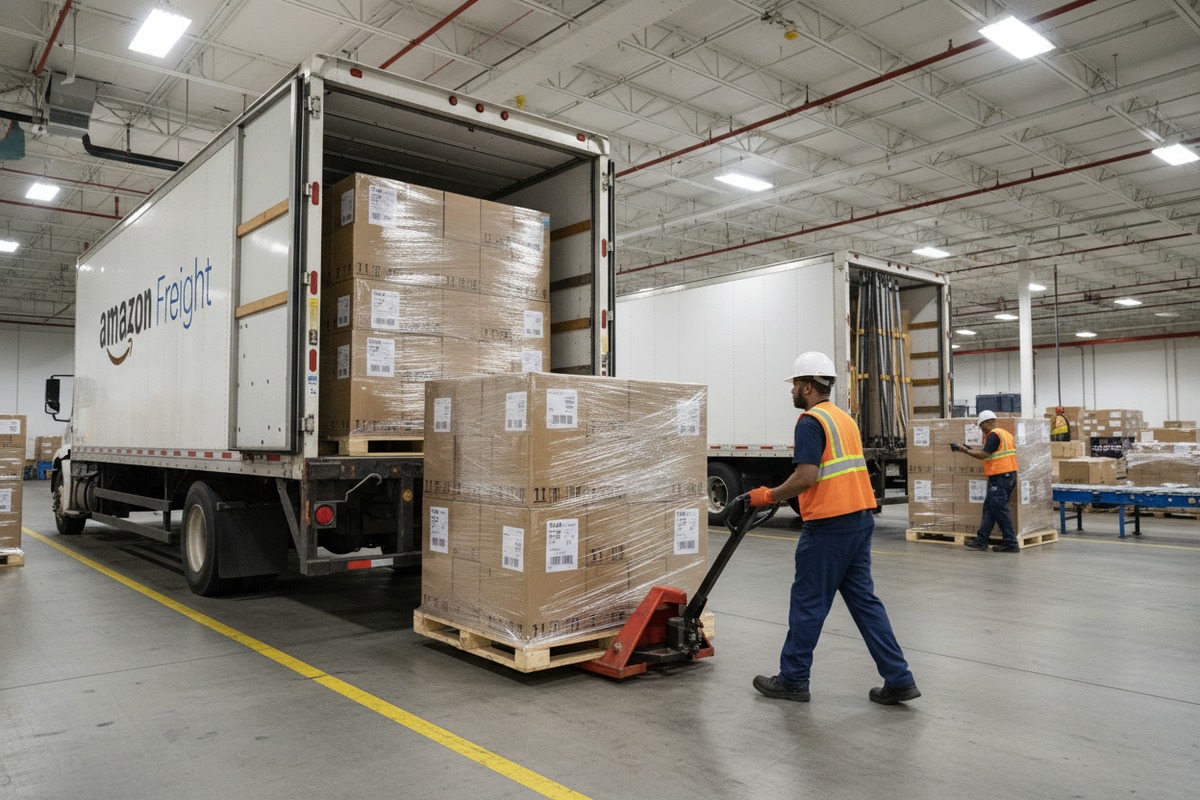
Under DDU (now officially replaced by DAP in Incoterms 2020), the seller delivers the goods to the named place, but the buyer handles import clearance and pays duties. That sounds fine in theory. In practice, Amazon FBA warehouses do not clear customs for you. They do not pay duties. They do not even accept shipments that have not cleared customs.
So if your goods arrive at the US port under DDU and you have not arranged a customs broker 9, your cargo sits in a bonded warehouse. Storage fees start at $75–$150 per day per container. After a few weeks, you face demurrage and detention charges that can exceed the value of the goods.
With DDP, your logistics provider handles everything: export clearance in China, ocean or air freight, US customs clearance, duty payment, and final delivery to the Amazon warehouse. You receive one tracking number, one invoice, and one point of contact. Your goods arrive at Amazon fully cleared and ready to receive.
This is exactly the service model we built at MBMLOG. Our DDP shipments to Amazon FBA include customs brokerage, duty prepayment, and delivery scheduling that meets Amazon's strict appointment windows.
| Factor | DDP | DDU (DAP) |
|---|---|---|
| Customs clearance | Seller/logistics provider | Buyer must arrange |
| Duty and tax payment | Included in shipping cost | Buyer pays separately |
| Amazon acceptance risk | Low — goods arrive cleared | High — Amazon rejects uncleared goods |
| Buyer effort required | Minimal | Significant |
| Cost transparency | One all-inclusive quote | Base quote + unknown duty amount |
| Best for | New and experienced FBA sellers | Buyers with US customs broker on retainer |
If you are a large-volume importer with an established US customs brokerage relationship, DDU (DAP) can save money. You control the duty classification, you choose your broker, and you avoid the markup that a DDP provider adds for customs handling. But for most Amazon sellers doing 1–10 shipments per month, the DDP convenience far outweighs the small cost savings of DDU.
Some freight forwarders offer suspiciously low DDP rates by undervaluing your goods on the customs declaration. This reduces the duty bill in the short term but exposes you to audits, fines, and even seizure by US Customs and Border Protection. Always verify that your DDP provider declares accurate values. A legitimate DDP quote might cost more, but it keeps your import record clean.
When we consult with new clients, this is the question that comes up most. The answer depends on your shipment volume, your logistics experience, and how much your time is worth.
Managing your own customs clearance under FOB is worth the effort if you ship frequently, have a trusted US customs broker, and want to control duty classification and freight costs. If you ship fewer than five times per year or lack customs expertise, a full DDP service saves time, reduces errors, and often costs less than fixing clearance mistakes.
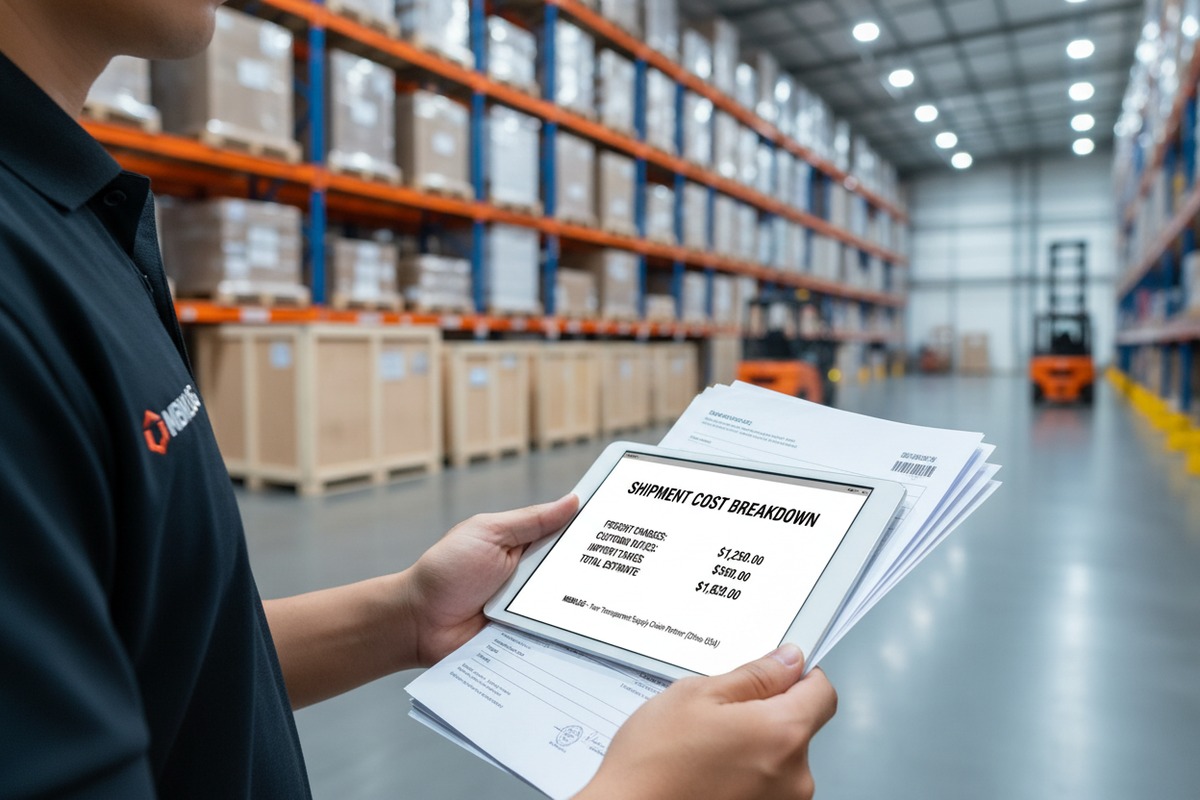
FOB gives you control. You pick the ocean carrier, negotiate the freight rate, and choose your customs broker. For experienced importers, this control translates into savings of 10–25% compared to a DDP quote. But control comes with responsibility.
You need to:
Each of these steps requires knowledge, vendor relationships, and time. If you miss the ISF filing deadline, you face a $5,000 fine per occurrence. If your HS codes are wrong, you risk duty underpayment penalties.
FOB is ideal when you meet these conditions:
DDP wins when:
Ask yourself these five questions. If you answer "no" to three or more, DDP is likely your better option.
Here is a simplified cost comparison for a 2-CBM LCL shipment of consumer electronics from Shenzhen to a US Amazon FBA warehouse:
| Cost Item | FOB (Buyer Manages) | DDP (Provider Manages) |
|---|---|---|
| Product cost (FOB Shenzhen) | $5,000 | $5,000 |
| Ocean freight (LCL) | $350 | Included |
| US customs brokerage | $150 | Included |
| Import duties (8%) | $400 | Included |
| Merchandise Processing Fee | $28 | Included |
| Drayage to Amazon FBA | $250 | Included |
| ISF filing | $35 | Included |
| Cargo insurance | $60 | Included |
| Total DDP service fee | — | $1,450 |
| Total landed cost | $6,273 | $6,450 |
The DDP total is about $177 higher in this example. But factor in your time managing five separate vendors, the risk of a missed ISF filing ($5,000 fine), or a customs exam delay that causes an Amazon stockout — and that $177 premium looks very reasonable.
Our team at MBMLOG handles this exact scenario daily. We offer transparent DDP quotes with line-item breakdowns, so you see exactly where your money goes. For most small-to-mid-size Amazon sellers, the peace of mind alone makes DDP the right call.
Choosing between DDP, DDU, FOB, and EXW comes down to your experience level, shipment volume, and tolerance for logistics complexity. Match the Incoterm to your business reality, not just the lowest quote on paper.
1. Official source for Incoterms rules and definitions. ↩︎
2. Replaced HTTP 403 link with a definition from an authoritative legal institute (.edu domain). ↩︎
3. Official source for the Harmonized Tariff Schedule of the United States. ↩︎
4. Official Amazon resource explaining Fulfillment by Amazon program. ↩︎
5. Provides a clear definition and components of landed cost. ↩︎
6. Provides a comprehensive overview of marine insurance, including cargo. ↩︎
7. Official definition from U.S. Customs and Border Protection. ↩︎
8. Official International Chamber of Commerce page for Incoterms 2020. ↩︎
9. Official information about customs brokers from U.S. Customs and Border Protection. ↩︎
10. Official definition from U.S. Customs and Border Protection. ↩︎