- +8618603825129
- [email protected]


Shipping containers 1 through US ports without the right paperwork can cost you thousands in penalties and weeks in delays. Our logistics team has watched countless shipments get held at port because someone missed an ISF-5 deadline by just a few hours. The frustration is real, and the financial damage adds up fast.
To handle 2026 US Customs ISF-5 filing deadlines, you must submit all five required data elements electronically at least 24 hours before cargo loading at the foreign port. Non-compliance penalties range from $5,000 to $10,000 per violation, with additional risks including cargo holds, shipment delays, and blocked vessel loading.
Below, we break down the exact deadlines, penalty amounts, how DDP providers 2 can help, and the steps you need to take to stay compliant in 2026. Let's get into it.
Every week, our operations team coordinates dozens of ocean shipments that transit through US ports. Missing the ISF-5 window even once can cascade into delays that affect your entire supply chain.
You must submit your ISF-5 filing electronically to US Customs and Border Protection at least 24 hours before the cargo is loaded onto the vessel at the foreign port of departure. This is the strict "24-hour rule" that has been in effect since 2009 and remains unchanged for 2026.
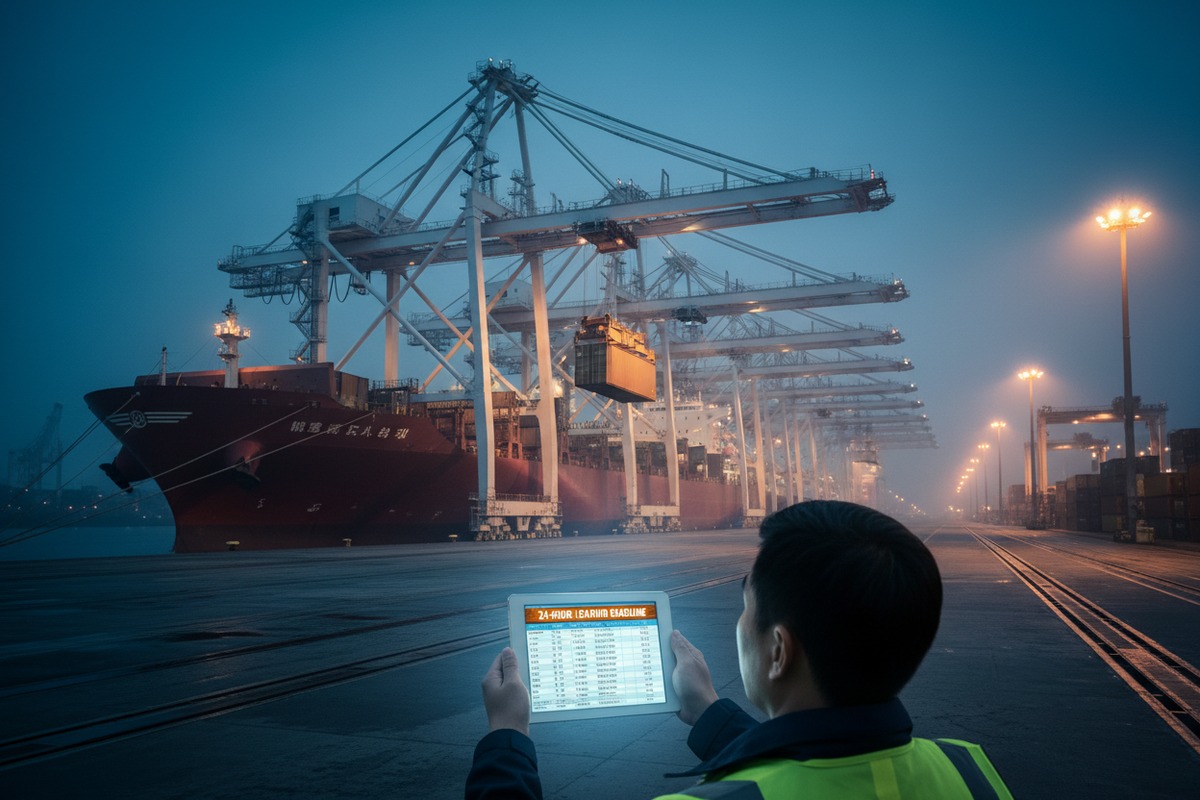
The 24-hour rule 3 is simple on paper but tricky in practice. If your cargo is scheduled for loading on a Wednesday at 2:00 PM in Shanghai, your ISF-5 must be submitted by Tuesday at 2:00 PM at the latest. There are no grace periods. There are no exceptions for last-minute bookings.
CBP typically provides a status update within 24 hours of submission. Some modern platforms can return acceptance or rejection notices within minutes. But you should never rely on a fast turnaround. File early.
ISF-5 stands for Importer Security Filing 4 with 5 data elements. It is a simplified version of the ISF-10 filing. ISF-5 applies to ocean cargo that enters US port limits but does not enter US customs territory. This includes transit cargo, transshipment cargo, Freight Remaining On Board (FROB), Immediate Exportation (IE), and Transportation and Exportation (T&E) shipments.
A common example from our daily operations: goods shipped from China to Canada that transit through a US port. These shipments do not clear US customs, but they still require ISF-5 filing.
| Feature | ISF-5 | ISF-10 |
|---|---|---|
| Number of data elements | 5 | 10 |
| Applies to | Transit, transshipment, FTZ cargo | US-bound imports entering commerce |
| Required data | Booking party, ship-to party, HTS code (6-digit) 5, foreign port of unlading, place of delivery | All ISF-5 elements plus manufacturer, seller, buyer, container stuffing location, consolidator |
| Filing deadline | 24 hours before loading | 24 hours before loading |
| Enforcement start | March 2019 | January 2010 |
We always advise our clients to provide all five data elements at least 72 hours before vessel departure. This gives us enough buffer time to verify data accuracy, submit the filing through CBP-approved systems, and handle any rejections or corrections before the loading deadline hits. Waiting until the last 24 hours is risky. Systems go down. Data gets mismatched. Errors happen. A 72-hour window keeps you safe.
The ISF-5 must also align with the carrier's Automated Manifest System 6 (AMS) filing. If there is a mismatch between your ISF-5 data and the AMS data, CBP will flag the shipment. Coordination between your logistics provider and the carrier is essential.
Our finance team has seen penalty invoices that turned a profitable shipment into a loss overnight. When we help clients recover from ISF-5 mistakes, the costs go far beyond just the fine itself.
CBP penalties for late, inaccurate, or missing ISF-5 filings start at $5,000 per violation and can escalate to $10,000 or more for multiple issues per shipment. Additional consequences include cargo holds, vessel loading blocks, examination fees, and liability against the importer's customs bond.
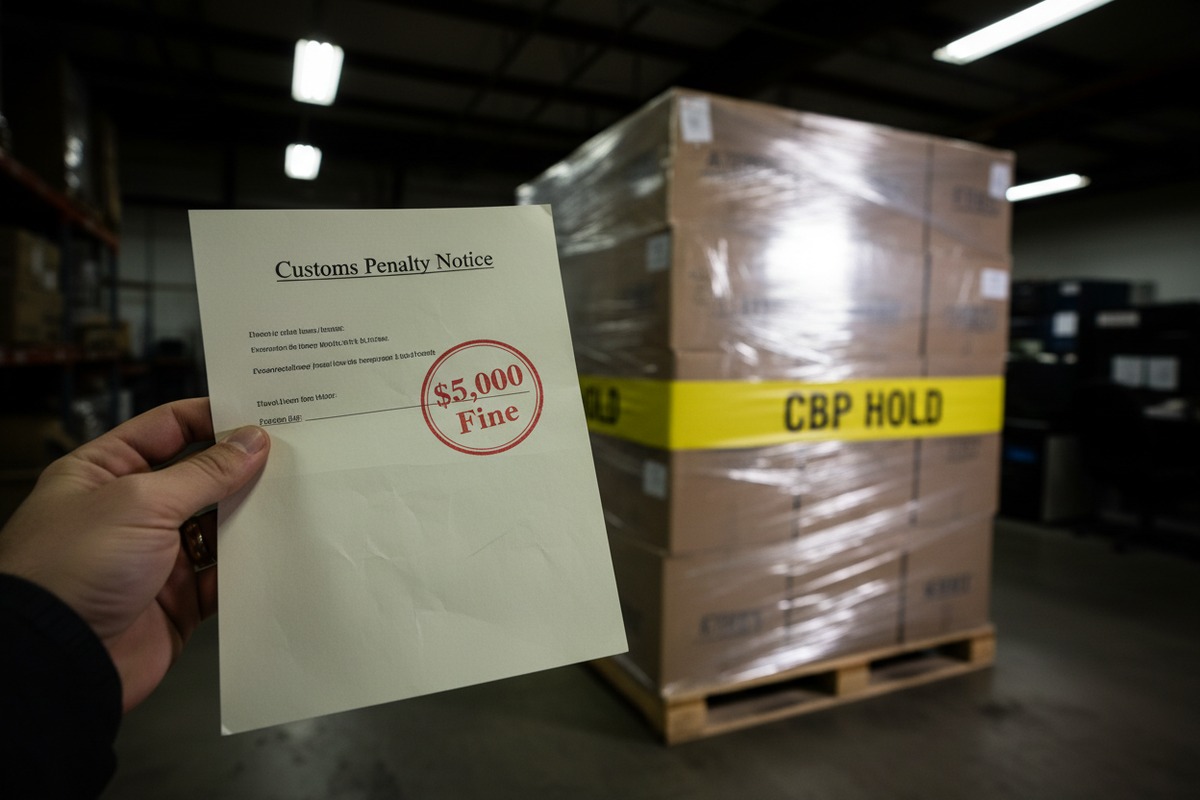
The penalty structure for ISF-5 non-compliance is tiered based on the severity and frequency of violations. Here is what you can expect:
| Violation Type | Penalty Amount | Additional Consequences |
|---|---|---|
| Late filing (after 24-hour deadline) | $5,000 per violation | Cargo may be denied loading |
| Inaccurate data elements | $5,000 per violation | Shipment flagged for examination |
| Failure to file (no ISF-5 submitted) | $5,000–$10,000 per violation | Cargo hold, clearance blocked |
| Multiple errors on single shipment | Up to $10,000+ | Bond liability, repeated examination |
| Repeated non-compliance | Escalating penalties | Enhanced scrutiny on all future shipments |
Some industry sources cite penalties as high as $50,000 per violation, though the $5,000 to $10,000 range is more consistently reported in recent CBP enforcement actions. Either way, the numbers are significant.
The CBP fine is just the beginning. When your cargo gets held for examination, you pay for the exam. Storage fees at the port accumulate daily. Your delivery timeline breaks. If you are an Amazon seller, a delayed shipment can mean stockouts, lost Buy Box positioning, and damaged seller ratings.
In our experience handling China-to-USA shipments, the filing fee for each ISF-5 declaration runs between $25 and $40 per bill of lading. That is a small price compared to a $5,000 penalty. The math is simple.
This is a critical point many shippers miss. The filing party — usually a customs broker 7 or logistics provider — may initially receive the penalty notice. However, the penalty is ultimately passed on to the cargo owner. It is written into most service agreements. You cannot outsource the financial risk of non-compliance. You can only outsource the filing process.
CBP is increasingly using advanced data analytics and artificial intelligence to scrutinize ISF filings. They look for inconsistencies between ISF-5 data and AMS manifests. They flag patterns of late filings. They cross-reference HTS codes against known risk profiles. In 2026, the bar for "reasonable care 8" in data preparation is higher than ever.
When we built our DDP service at MBMLOG, we designed it to handle exactly these kinds of compliance headaches so our clients can focus on selling, not on paperwork.
Yes, a qualified DDP shipping provider can and should manage the entire ISF-5 filing process for your China-to-USA transit shipments. This includes collecting the five required data elements, submitting to CBP electronically, monitoring acceptance status, and coordinating with AMS carrier filings to ensure alignment.
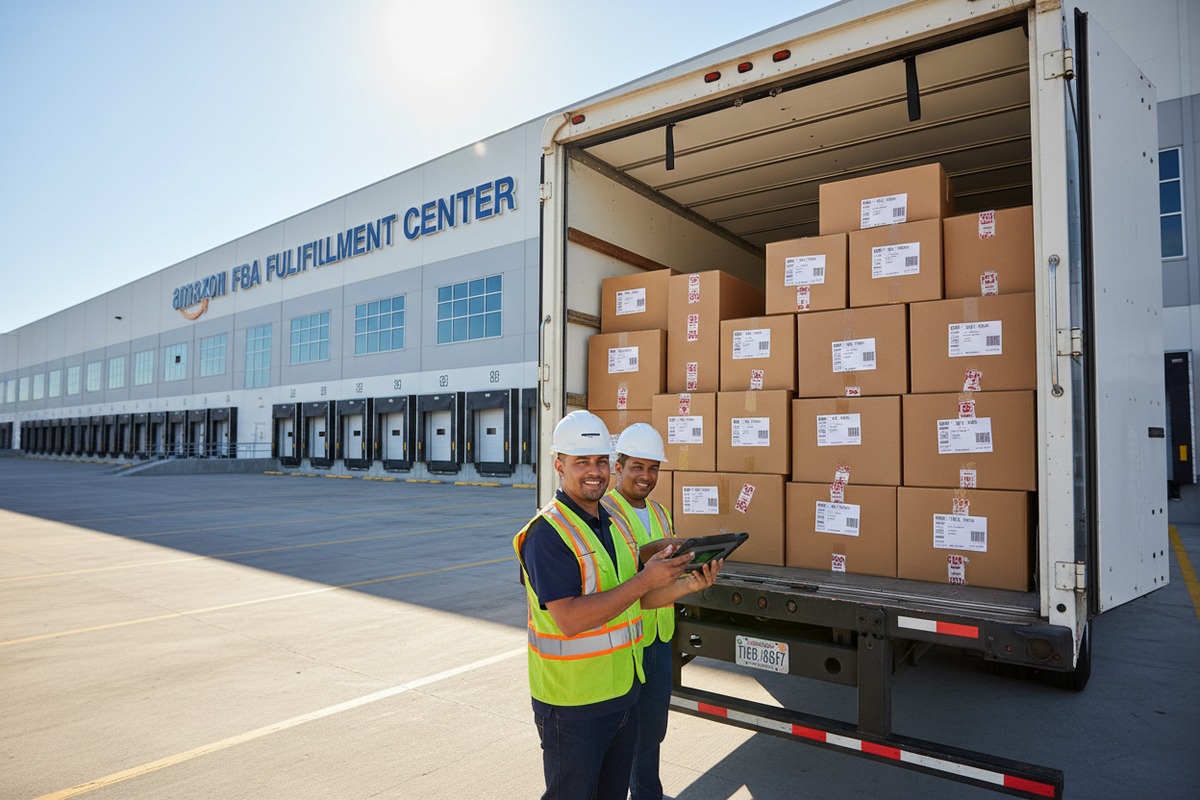
A full-service DDP logistics provider does more than just move boxes. For ISF-5 specifically, here is what the process looks like when we manage it for our clients:
A very common order type we process involves goods shipping from China to Canada that transit through US ports. These shipments require three separate filings: AMS (Automated Manifest System), ISF-5, and EMF (Entry/Exit Manifest Filing for Canada). We handle all three for our clients as part of our standard service.
For shipments going directly to the US for import and consumption, ISF-10 is required instead of ISF-5. Our team manages both filing types depending on the cargo's final destination and customs entry type.
Many small importers and Amazon sellers try to handle ISF-5 on their own or rely on the carrier to do it. This is risky for several reasons. Carriers handle thousands of shipments and may not prioritize your filing. If you file independently without experience, data errors are common. A single wrong digit in the HTS code or an incorrect port of unlading can trigger a penalty.
Working with a DDP provider who specializes in China-to-USA routes means you get someone who files these declarations daily, knows the common pitfalls, and has direct relationships with US customs brokers. The filing fee of $25–$40 per ticket is a fraction of the cost of a single mistake.
Before you trust any logistics partner with your ISF-5 filings, ask these questions:
If they cannot answer these clearly, look for a different provider.
Over years of managing thousands of shipments through US ports, our compliance team has developed a clear checklist that prevents ISF-5 errors before they happen.
To ensure your 2026 ISF-5 data is compliant, you should verify all five data elements for accuracy, submit filings at least 72 hours before vessel departure, coordinate with your carrier on AMS alignment, use CBP-approved filing systems, maintain documented records of due diligence, and conduct regular internal audits of your filing procedures.

Every ISF-5 filing requires exactly five pieces of information. Getting any one of them wrong can trigger a penalty or a cargo hold. Here is what each element means and common mistakes to avoid:
| Data Element | What It Means | Common Mistakes |
|---|---|---|
| Booking party | The entity that books the ocean transport | Using the freight forwarder instead of the actual booking party |
| Ship-to party | The final consignee receiving the goods | Listing an intermediate warehouse instead of the final recipient |
| HTS code (6-digit) | Harmonized Tariff Schedule classification | Using the wrong code or an outdated classification |
| Foreign port of unlading | The port where goods are unloaded outside the US | Confusing the US transit port with the actual foreign discharge port |
| Place of delivery | The final delivery location outside the US | Entering a US address for transit cargo |
We recommend every shipper maintain a standardized checklist that is completed before each shipment. This checklist should include:
Having this checklist documented also demonstrates "reasonable care" to CBP in the event of an audit or penalty dispute. CBP looks favorably on importers who can show systematic due diligence processes.
In 2026, manual ISF-5 filing is becoming obsolete. Modern compliance platforms offer real-time data validation, automatic error detection, and instant CBP feedback. If you are still emailing spreadsheets to your broker, you are behind.
At MBMLOG, we use integrated systems that cross-reference ISF-5 data against AMS filings in real time. This catches mismatches before submission. It saves time. It prevents penalties.
Do not wait for CBP to find your errors. Review your ISF-5 filings quarterly. Look for patterns: Are certain routes consistently flagged? Are specific data elements frequently amended? Is your HTS classification up to date?
Training is also essential. Anyone in your organization involved in providing shipment data should understand what ISF-5 is, why accuracy matters, and what the consequences of errors look like. A $5,000 penalty is a powerful motivator for getting the details right.
While the core ISF-5 requirements have not changed for 2026, CBP continues to enhance its ACE (Automated Commercial Environment 9) portal and integrate AI-driven risk assessment tools. This means your data quality matters more than ever. Inconsistencies that might have slipped through in previous years are now more likely to be caught.
We also recommend staying informed about related regulatory changes, including de minimis threshold adjustments and any new tariff actions that could affect HTS classifications. Your logistics provider should be proactively communicating these updates to you.
ISF-5 compliance in 2026 comes down to preparation, accuracy, and working with the right logistics partner. File early, verify your five data elements, and never treat transit filings as optional. If you need help with ISF-5, AMS, or full DDP shipping from China, our team at MBMLOG is ready to keep your cargo moving without penalties or delays.
1. Replaced with a Wikipedia page providing a comprehensive definition of shipping containers, an authoritative and accessible source. ↩︎
2. Defines Delivered Duty Paid (DDP) Incoterm for international trade. ↩︎
3. Explains the US Customs and Border Protection's 24-hour advance manifest rule. ↩︎
4. Provides official information on the Importer Security Filing (ISF) requirement. ↩︎
5. Explains the Harmonized Tariff Schedule used for classifying goods. ↩︎
6. Describes the Automated Manifest System used by CBP for cargo control. ↩︎
7. Explains the role and responsibilities of a licensed customs broker. ↩︎
8. Defines "reasonable care" as a standard for customs compliance. ↩︎
9. Describes the Automated Commercial Environment, CBP's primary system. ↩︎