

Ogni settimana, il nostro team a Zhengzhou sblocca le spedizioni di carrelli elevatori elettrici dove il codice HS per i carrelli elevatori elettrici è stato inserito in modo errato. Una sola cifra sbagliata può bloccare un contenitore in porto, attivare dazi a sorpresa e rovinare il tuo programma di consegna. Risolviamo questo problema prima della partenza.
Il codice HS per i carrelli elevatori elettrici è 8427.10, che copre i carrelli autospinti alimentati da un motore elettrico sotto l'intestazione del Sistema Armonizzato 8427. I paesi estendono questo codice a sei cifre in linee tariffarie nazionali più lunghe, come 84271000 in Cina o 8427.10.4000 negli Stati Uniti HTSUS.
Questa è la risposta breve. Ma il codice completo dipende dal paese di destinazione, dal tipo di carrello elevatore e dalla batteria. Lasciami spiegarti cosa è davvero importante presso la dogana.
Come posso trovare il codice HS corretto per la mia spedizione di carrelli elevatori elettrici?
Un acquirente del Texas una volta mi ha inviato tre codici diversi da tre fornitori diversi per lo stesso carrello elevatore a braccio telescopico. Il nostro team di documentazione vede costantemente questa confusione, quindi ecco il metodo chiaro che utilizziamo.
Inizia con la Voce del Sistema Armonizzato 8427 per i carrelli elevatori, poi restringi alla sottovoce 8427.10 se l'unità è autonoma e alimentata da un motore elettrico. Infine, controlla il programma tariffario del paese di destinazione per trovare il codice nazionale esatto a 8 o 10 cifre.
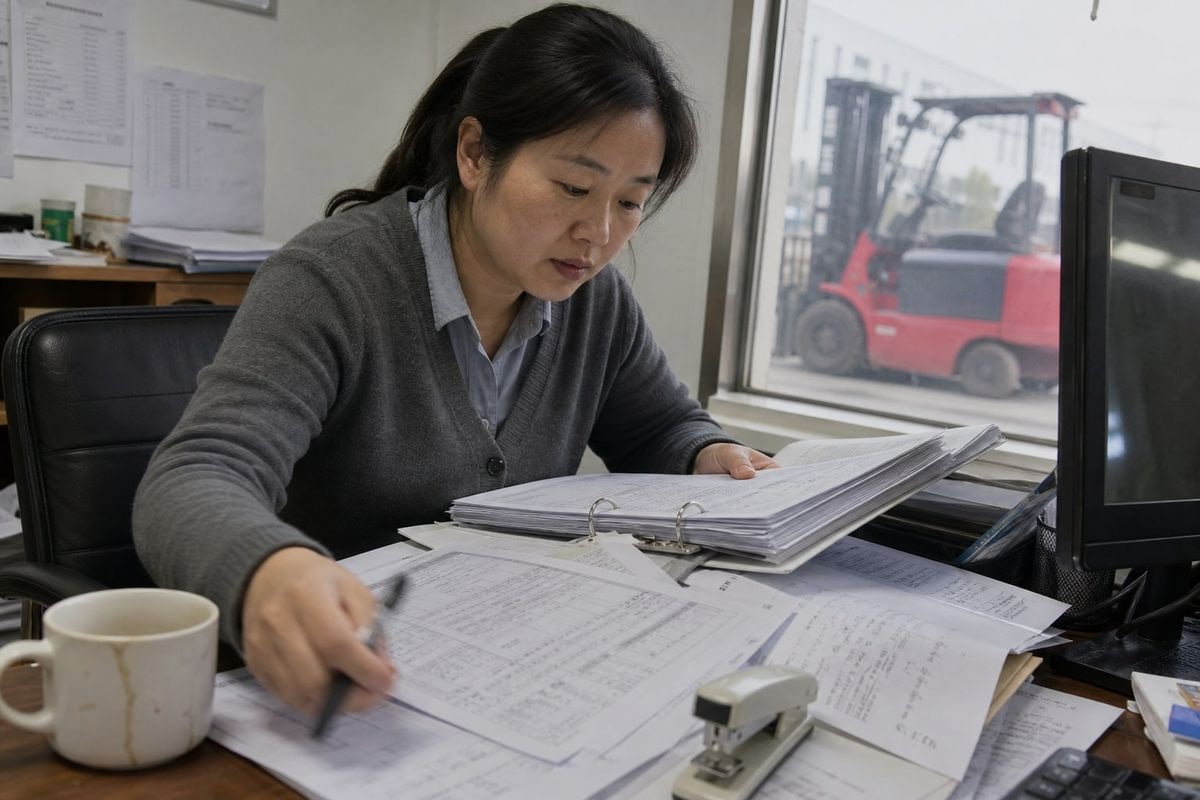
Il Sistema Armonizzato funziona come un imbuto. Si passa da ampio a stretto. Il Capitolo 84 copre macchinari e apparecchi meccanici. La Voce 8427 copre i carrelli elevatori e altri carrelli da lavoro dotati di apparecchi di sollevamento o movimentazione. Le sottovoci si suddividono poi per fonte di alimentazione. Questa struttura deriva dal sistema di classificazione dell'OMD, utilizzato da oltre 200 paesi e territori come base condivisa per la classificazione tariffaria.
Il processo di verifica in tre passaggi
Ecco il processo che seguiamo prima che ogni spedizione di carrelli elevatori elettrici lasci una fabbrica cinese:
- Conferma il tipo di macchina. È un carrello elevatore completo e autonomo? Tipo montato o a spinta? Controbilanciato o carrello elevatore a braccio telescopico?
- Conferma la fonte di alimentazione. Il motore elettrico significa 8427.10. Diesel, GPL o benzina significa 8427.20. I camion da lavoro non a propulsione autonoma rientrano in 8427.90.
- Cerca la tariffa di destinazione. Il codice HS a sei cifre è solo il punto di partenza. Gli Stati Uniti utilizzano codici HTS fino a 10 cifre. L'India utilizza formati più lunghi basati sull'HSN. Gli esportatori che spedisono dal lato statunitense fanno riferimento anche a un numero di Schedule B, che segue le stesse prime sei cifre.
Come appare il funnel nella pratica
| Livello | Codice | Cosa copre |
|---|---|---|
| Capitolo | 84 | Macchinari e apparecchi meccanici |
| Intestazione | 8427 | Carrelli elevatori; altri camion da lavoro con attrezzature di sollevamento |
| Sottotitolo | 8427.10 | Camion a propulsione autonoma alimentati da un motore elettrico |
| Linea nazionale (esempio) | 8427.10.4000 | Carrelli elevatori elettrici controbilanciati tipo rider (US HTSUS) |
Le specifiche tecniche contano a livelli più profondi. Alcuni programmi tariffari, come quelli che utilizzano il codice 84271010, distinguono i carrelli elevatori elettrici in base a un'altezza di sollevamento di almeno 1 metro. Quindi tieni a portata di mano la scheda tecnica. Chiediamo sempre alle fabbriche l'altezza di sollevamento, il tipo di azionamento e i dettagli della batteria prima di presentare le dichiarazioni di esportazione.
Perché il codice HS è importante per lo sdoganamento e i dazi d'importazione?
Uno dei nostri clienti statunitensi una volta ereditò una fattura di sosta da un precedente spedizioniere che aveva presentato un codice vago. Il container rimase al Porto di Long Beach per undici giorni. Quella fattura gli insegnò perché la classificazione non è una questione di carta.
Il codice HS determina le tariffe doganali per l'importazione, se le misure commerciali come le tariffe della Sezione 301 si applicano, e la velocità con cui procede lo sdoganamento. Un codice errato può causare ritardi nel porto, penali, fatture doganali retroattive, costi di stoccaggio e ritardi nella spedizione che si riflettono nei tuoi impegni di consegna.
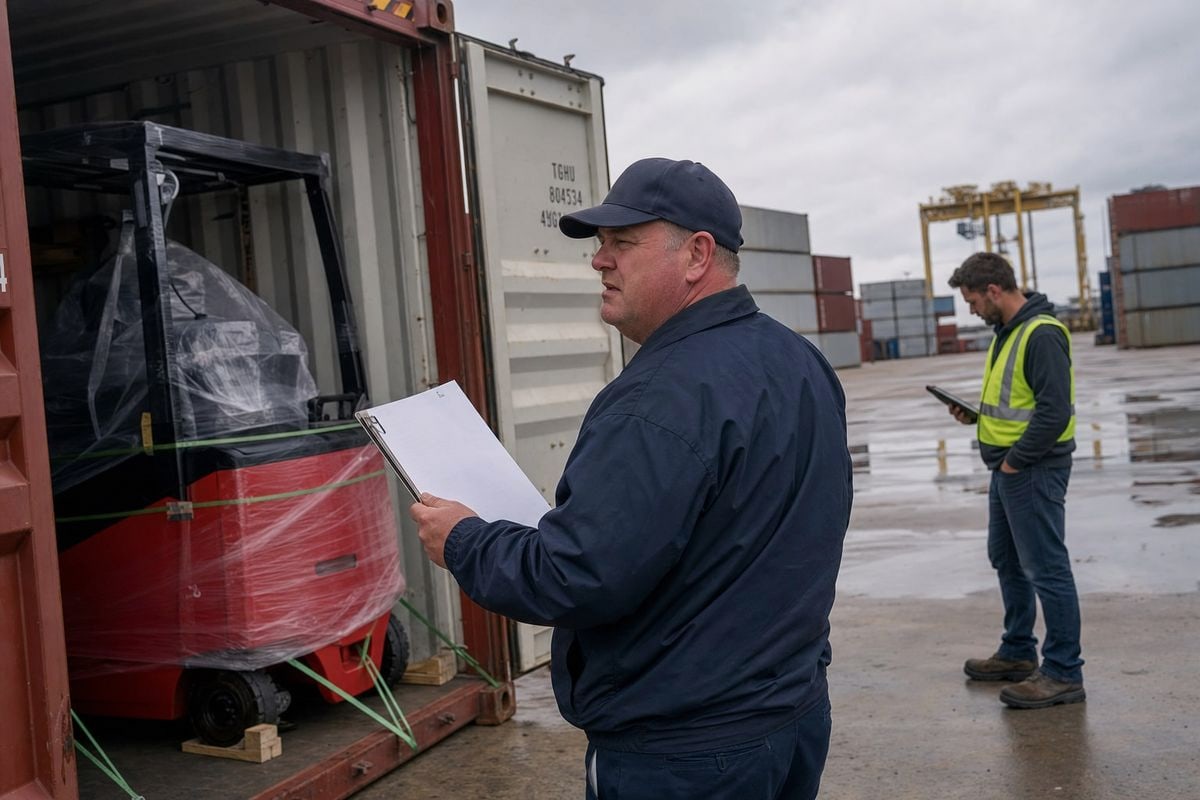
Le autorità doganali utilizzano la classificazione tariffaria per tre cose contemporaneamente. In primo luogo, stabilisce l'aliquota daziaria. In secondo luogo, segnala i requisiti normativi. In terzo luogo, alimenta le statistiche commerciali che i governi utilizzano per il targeting delle forze dell'ordine. Se sbagli codice, puoi fallire su tutti e tre i fronti contemporaneamente.
Il quadro dei dazi per i carrelli elevatori elettrici destinati agli Stati Uniti
Ecco la parte che sorprende molti importatori alle prime armi. L'aliquota daziaria base per i carrelli elevatori elettrici sotto il codice 8427.10 è "Gratuita" in molte giurisdizioni, inclusi gli Stati Uniti. Ma non è la fine della storia dei costi. I carrelli elevatori elettrici di origine cinese sono frequentemente soggetti a azioni di enforcement commerciale secondario 1, in particolare ai dazi di Sezione 301. Il calcolo del tuo costo a destino deve includere entrambi i livelli.
| Livello di costo | Si applica a | Impatto pratico |
|---|---|---|
| Dazio MFN base | Voce HTS 8427.10.xx | Often "Free" in the US |
| Section 301 duties | Chinese-origin goods | Additional percentage on customs value |
| Misclassification penalties | Incorrect entries | Fines, retroactive duties, audits |
| Port storage and demurrage | Held containers | Daily charges that add up fast |
Why classification errors compound
A wrong code does not just risk a fine. It creates inconsistency across your documents. Customs officers compare the fattura commerciale 2, packing list, bill of lading, and entry declaration. When the HS code on the invoice conflicts with the entry filing, the shipment gets flagged. In our door-to-door DDP shipments, we cross-check every document against the declared tariff line before the vessel departs. Import duty and tax handling only works when the classification underneath it is solid. That is also why we ask buyers to confirm classification before ordering, not after cargo arrives. The code shapes your total landed cost, and landed cost shapes whether your resale margin survives.
Il codice HS differisce per i carrelli elevatori a batteria al litio rispetto ai modelli standard?
Battery chemistry is the question we field most often from forklift distributors. When we coordinate lithium battery cargo handling with carriers, buyers frequently assume the battery changes the whole classification. It does not — but it changes plenty else.
No, a complete lithium battery forklift keeps the same HS code, 8427.10, as any electric forklift. The battery does not shift the machine into an electrical goods heading. However, lithium batteries shipped separately fall under heading 8507, and the complete unit triggers Class 9 dangerous goods rules.
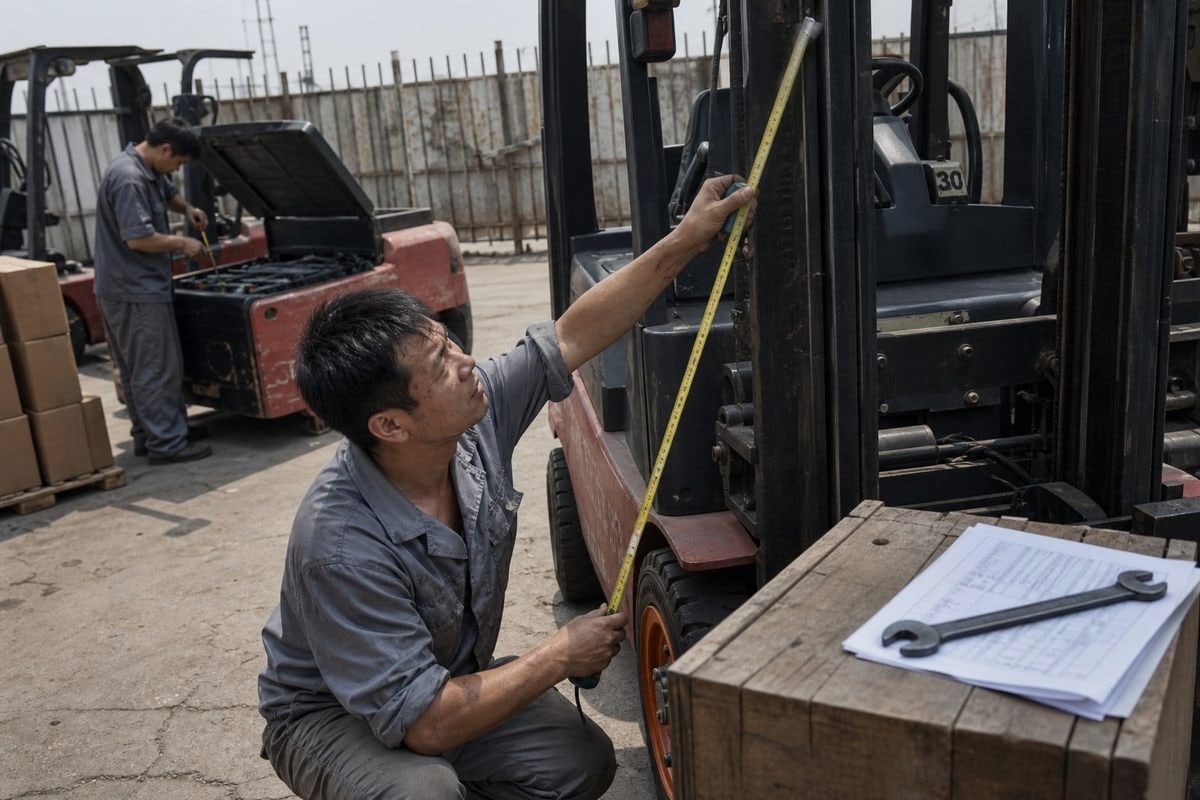
Customs classifies a machine by what it is, not by what powers it. An electric forklift is a lifting and handling truck. It stays under Harmonized System Heading 8427 3 whether it runs on lead-acid or lithium-ion. Some buyers worry the lithium pack pushes the unit toward Chapter 85 electrical goods. The classification rules do not support that. The forklift remains a self-propelled industrial truck under 8427.10.
When the battery gets its own code
The picture changes when the battery ships separately. A growing logistics trend involves shipping the forklift chassis and the high-capacity lithium battery in separate consignments to optimize insurance and freight costs. In that case, two codes apply:
| Shipment Configuration | Codice HS | Note |
|---|---|---|
| Complete forklift with installed battery | 8427.10 | Single classification for the whole machine |
| Forklift chassis shipped alone | 8427.10 (or parts headings, case-dependent) | Depends on completeness at import |
| Lithium battery shipped separately | 8507 | Electric accumulators heading |
| Chargers and spare parts | Separate lines (e.g., parts under 8431) | Must be itemized on documents |
Dangerous goods obligations still apply
Here is the compliance layer that has nothing to do with tariff numbers but everything to do with acceptance. Electric forklifts containing lithium-ion batteries 4 are classified as Class 9 hazardous materials under dangerous goods shipping standards. Carriers require correct DG declarations, UN specifications, battery documentation, and compliant packaging before they will accept the cargo. We coordinate these requirements with factories before the cargo reaches the port, because a rejected DG booking at the terminal is far more expensive than a paperwork check in the warehouse. Accurate HS classification and accurate DG classification must travel together on the same document set.
Quali errori dovrei evitare quando classifico i carrelli elevatori elettrici per l'esportazione dalla Cina?
After years of arranging factory pickups across China and filing export declarations for battery-powered lift trucks, I keep a mental list of the errors that hurt importers most. The same five mistakes appear again and again.
Avoid classifying the forklift by its motor under Chapter 85, using the truck code 8427 for spare parts that belong under 8431, assuming one code fits every country, ignoring rider-type and lifting-height distinctions, and copying supplier-provided codes without verifying them against the destination tariff.
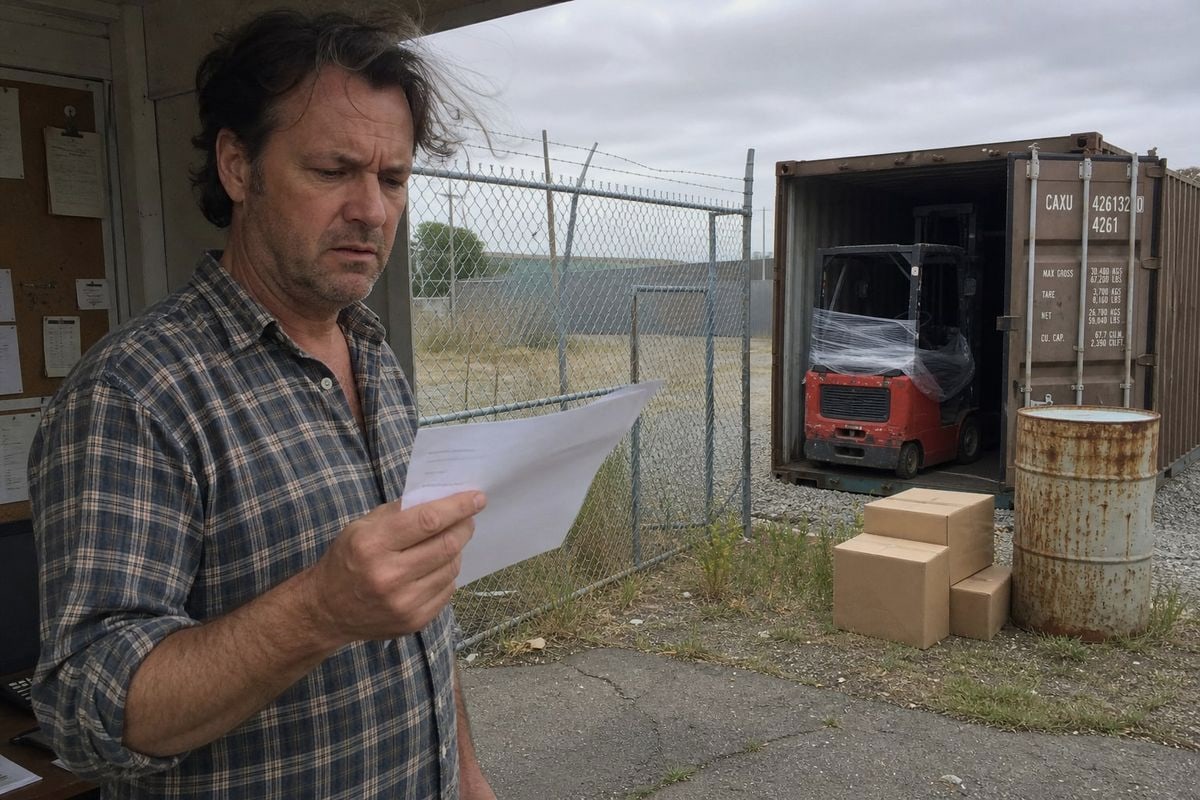
Let me break each mistake down, because each one has a different cost profile.
Mistake 1: Classifying by power source instead of function
Some shippers see "electric" and reach for Chapter 85, where electric motors sit under 8501. That is wrong. The forklift as a machine is a lifting and handling truck. Its function defines it, and heading 8427 wins. We have corrected supplier invoices on this exact point before filing.
Mistake 2: Using the forklift code for parts
Forklift masts, forks, controllers, and replacement components generally fall under heading 8431, which covers parts suitable for use solely or principally with machinery of headings 8425 to 8430. Trade databases show forklift parts logged under lines such as 84312010. When our clients consolidate forklifts from Factory A with spare parts from Factory B, we itemize every line separately so the material handling equipment and its parts each carry the right code.
Mistake 3: Assuming one code fits every destination
The six-digit level is universal. The rest is not. A US customs ruling classified a rider-type, counterbalanced electric forklift from China under 8427.10.4000. Other countries use 84271000 or 84271010. Verify the local line every time.
Mistake 4: Ignoring design and specification splits
National sub-codes often distinguish rider-type versus walk-behind units, counterbalanced trucks versus reach trucks, and lifting heights of 1 meter or more versus lower-lift machines. Automated guided vehicles can shift the code at the 8-digit or 10-digit level too. And as autonomy grows, customs authorities are increasingly scrutinizing whether highly autonomous "smart" forklifts belong under 8427 or under 8479 as functional robots. Expect more nuance ahead, including potential green tariff sub-codes for zero-emission equipment and future identifiers for remanufactured forklifts.
Mistake 5: Trusting the supplier's code blindly
Factories are experts in building forklifts, not in your country's tariff schedule. Some real-world shipments of electric forklifts have been logged under 84279000, which contradicts the standard classification. Before departure, we run a checklist: power source, self-propelled status, forklift type, complete unit or parts, battery configuration, and destination tariff lookup. Ten minutes of verification beats ten days of port storage.
Conclusione
The HS code for electric forklifts is 8427.10, but the exact national line, duty exposure, and battery rules vary. Verify before shipping — or let us verify for you.
Note a piè di pagina
1. USTR information on Section 301 investigations and trade enforcement actions. ↩︎
2. Official US government guidance on the requirements for commercial invoices in international trade. ↩︎
3. Official WCO explanation of the Harmonized System used for global trade classification. ↩︎
4. International standards for the safe transport of dangerous goods by sea. ↩︎




