- +8618603825129
- [email protected]


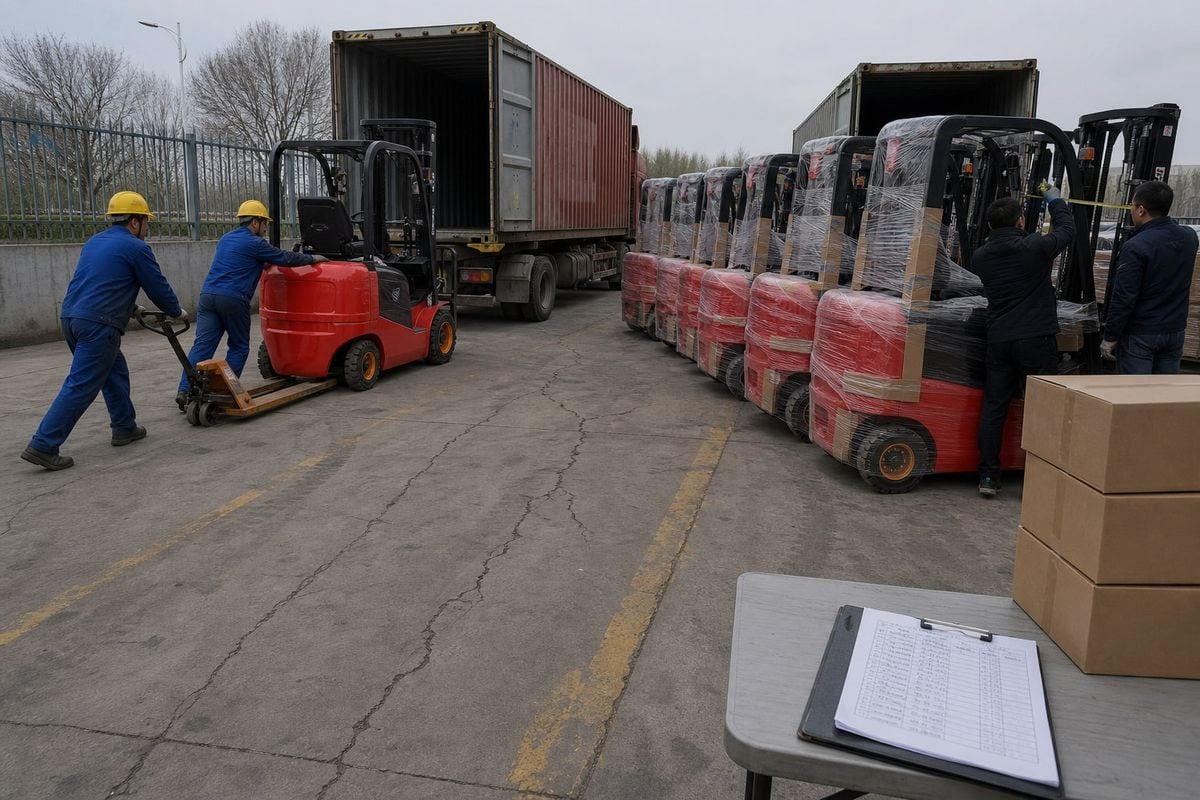
Last spring, our team in Zhengzhou loaded three electric forklifts for a first-time importer who asked me a question I hear constantly: customs broker vs freight forwarder — which one do I actually need trasporto marittimo 1? He had a great factory price, a signed contract, and no idea who would move the machines or clear them at the U.S. border. That confusion is dangerous. Pick the wrong partner, or only one when you need both, and your forklift can sit at the port of entry racking up storage fees while your customer's warehouse project stalls. The good news is the answer follows a simple rule, and I will walk you through it.
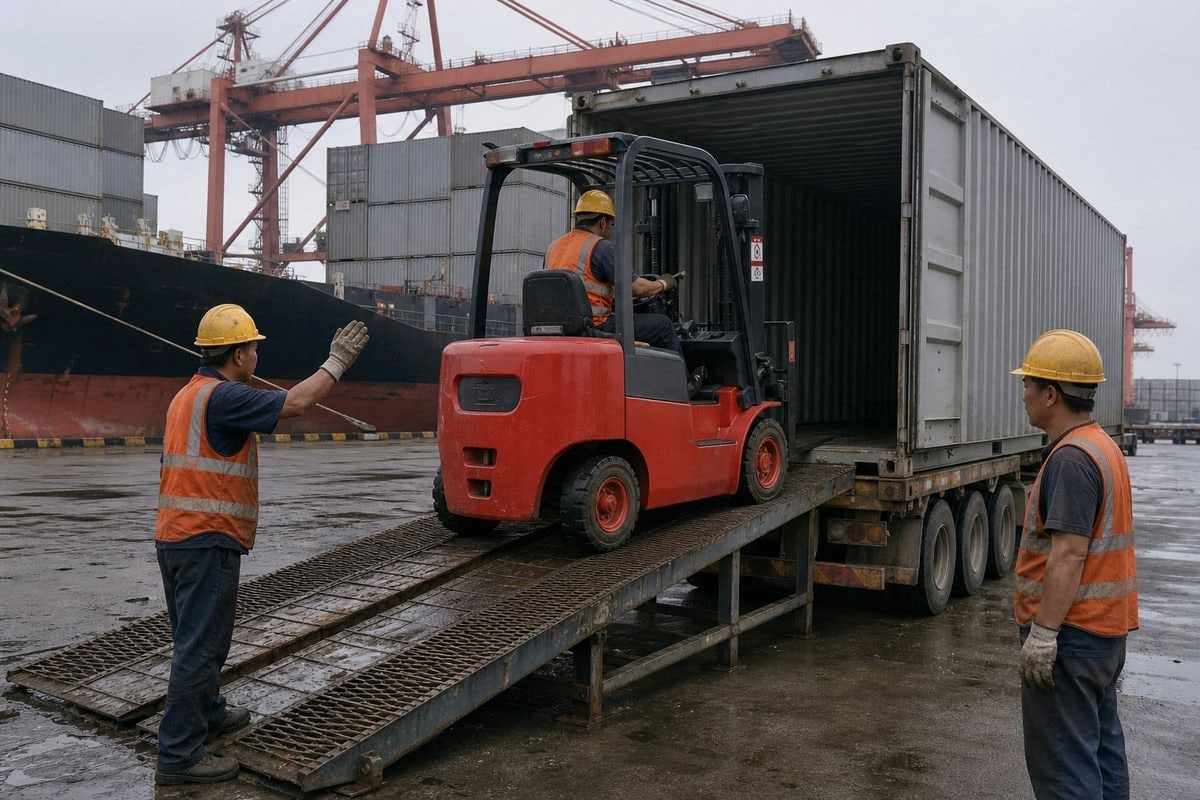
A freight forwarder physically moves your forklift — booking ocean freight, trucking, and container loading — while a customs broker legally clears it, filing entries, classifying HTS codes, and paying duties. Most commercial forklift imports need both functions, often bundled through one door-to-door logistics provider.
Let me break down what each party does, why forklifts are trickier than ordinary cargo, and how to choose the right setup for your shipment from China.
When we quote a door-to-door forklift shipment from our Zhengzhou office, I always explain that two very different jobs sit inside that one price. Many buyers assume it is one job.
A freight forwarder arranges transportation: factory pickup, container loading, ocean freight booking, tracking, and delivery. A customs broker is a licensed compliance agent who files the customs entry, classifies goods, calculates import duties and taxes, and represents the importer before border authorities.
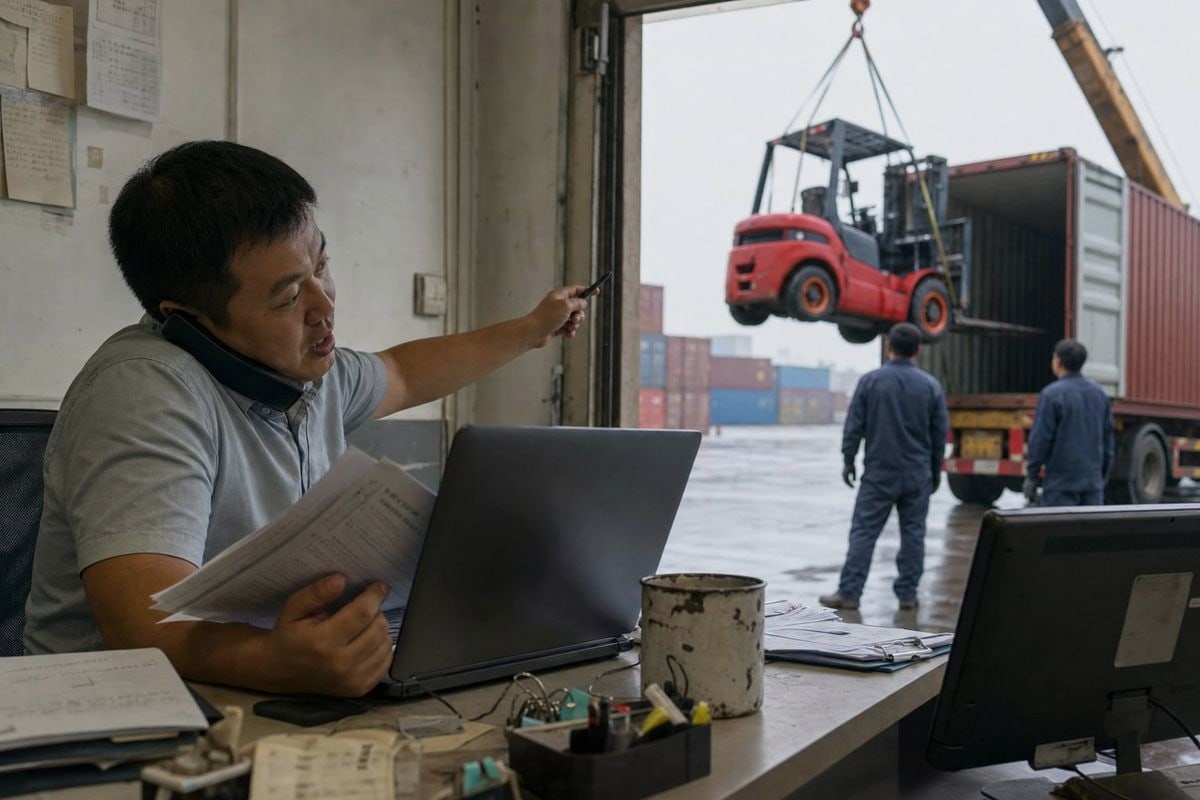
The simplest way I describe it to clients: the forwarder gets your forklift there, and the broker gets it released. Here is a side-by-side view of how the two roles split the work.
| Task | Freight Forwarder | Customs Broker |
|---|---|---|
| Books ocean, air, or rail transport | ✔ | ✘ |
| Arranges factory pickup and inland trucking | ✔ | ✘ |
| Issues and manages the bill of lading | ✔ | ✘ |
| Files the customs entry with CBP | ✘ | ✔ |
| Determines HTS code classification | ✘ | ✔ |
| Calculates import duties and taxes | ✘ | ✔ |
| Secures a customs bond 2 | ✘ | ✔ |
| Arranges cargo insurance | ✔ | ✘ |
| Handles ISF filing requirements coordination | Often coordinates | Often files |
Many logistics providers blur the line on purpose. A forwarder like us can coordinate customs clearance through licensed broker 3 partners, so the buyer sees one invoice and one contact. But the legal function of clearing goods still belongs to a licensed broker. In the United States, only a licensed customs broker can transact customs business on behalf of an importer.
One more point trips people up. A freight broker is not a freight forwarder. A freight broker matches trucks with domestic loads and never takes possession of cargo. A freight forwarder manages international shipments end to end. If you are importing forklifts from China, a domestic freight broker cannot help you with the ocean leg or the customs clearance process.
A U.S. dealer once told me he skipped the broker to "save a few hundred dollars." His two counterbalance forklifts sat at the Port of Long Beach for eleven days. That lesson cost far more than any brokerage fee.
Yes, most commercial forklift importers need both functions. U.S. commercial imports valued over $2,500 generally require a formal entry and a customs bond, which a broker handles, while the forwarder manages ocean booking, container loading, and delivery. Many providers bundle both services.
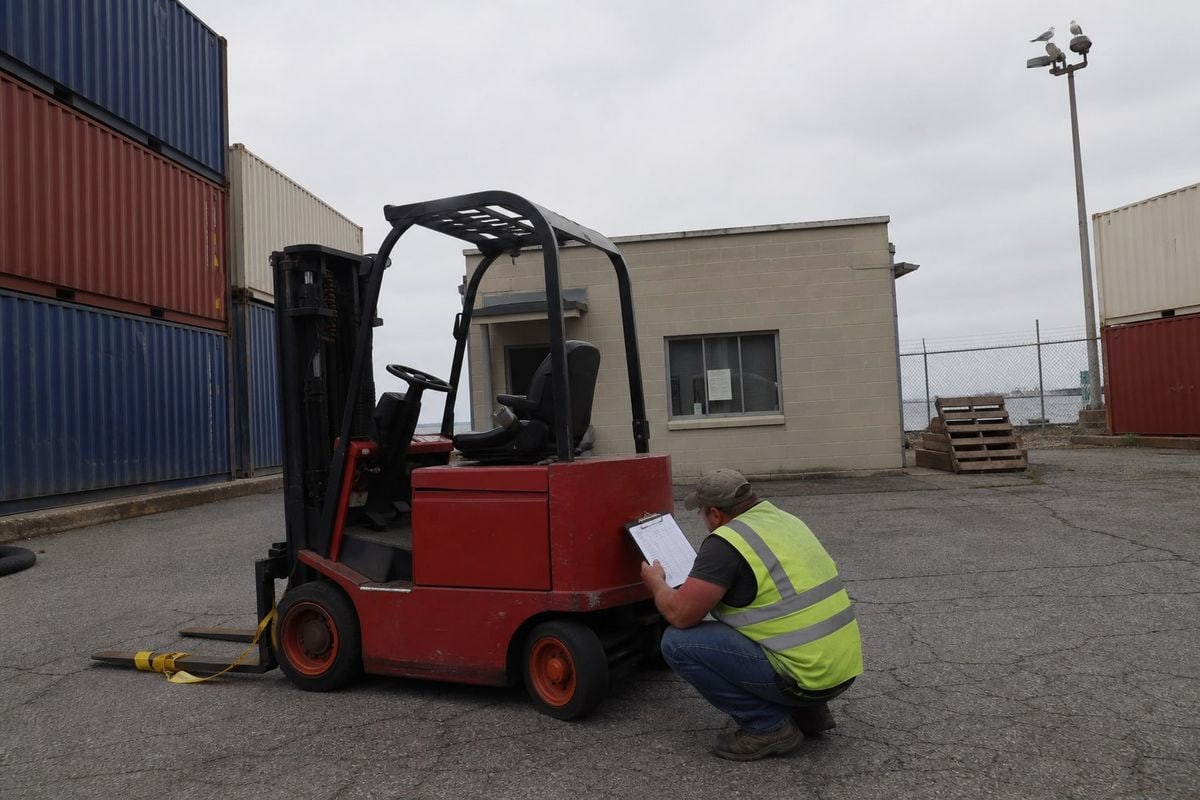
Forklifts are almost never informal, low-value cargo. A single electric forklift usually exceeds the $2,500 formal entry threshold on its own, which pushes you into formal customs territory whether you like it or not. And because forklifts are heavy equipment logistics by nature — bulky, high-value, and hard to handle — the transport side needs real planning too. Here is my simple decision framework.
| Your Situation | What You Need |
|---|---|
| You only need customs paperwork, HTS classification, and duty calculation | Customs broker |
| You only need shipping, routing, container planning, and delivery | Freight forwarder |
| You are importing a commercial forklift from China with no logistics team | Both, ideally bundled |
| Shipment is already on the water and needs routing help | Call the forwarder first |
| You are unsure about admissibility, duties, or entry requirements | Call the broker first |
Some buyers push back and say their Chinese supplier offered DDP terms under Incoterms 2020 4, so neither party is needed. Be careful here. Foreign manufacturers selling DDP often hit an "entry deadlock" because they lack a U.S. legal entity to serve as the Importer of Record. The shipment arrives, and nobody can legally file the entry. We have rescued more than one of these stranded containers. When we run DDP shipments for clients, we structure the Importer of Record question before the cargo ever leaves the factory, not after it reaches the port.
Another common view is that a forwarder alone is enough because many now offer in-house brokerage. That is partly true — bundled service is exactly what we provide. But understand what you are buying: transport plus licensed brokerage coordination, not transport instead of brokerage. The two functions both still happen. The question is whether you manage two vendors or one.
The trade-off I weigh on every electric forklift booking is timing: fixing a battery document in Zhengzhou takes a day, while fixing it at a U.S. port of entry can take a week and a demurrage bill.
A freight forwarder handles customs clearance by partnering with licensed customs brokers, then coordinating the whole chain: verifying documents before departure, submitting ISF filings, transmitting the bill of lading and commercial invoice to the broker, and scheduling delivery immediately after release.
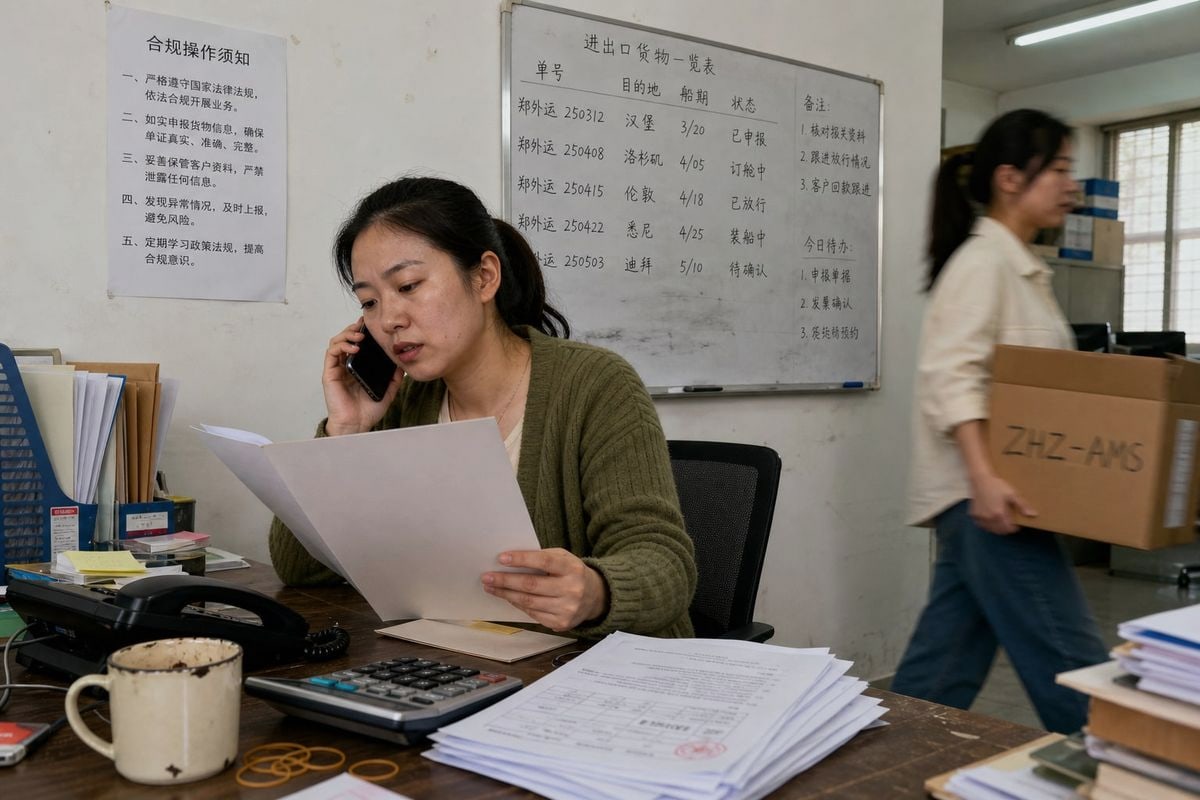
This coordination model is how our door-to-door service works, and it matters most for electric forklifts because the compliance load is front-heavy. Documents must be right before the vessel sails, not after arrival. Here is the sequence we run for a typical China-to-USA electric forklift shipment.
Electric forklifts skip one big hurdle that internal combustion models face: engine-powered forklifts need EPA Form 3520-21 to prove they meet EPA compliance standards 5 before entry. Electric units avoid emissions paperwork entirely, which is one reason many of our U.S. dealer clients now buy electric. But lithium batteries replace that hurdle with their own documentation demands, so the pre-departure check is never optional.
A purchasing manager in Texas recently asked me a smart screening question: "Have you ever had a used forklift flagged for soil?" That question told me he had done his homework — and it should be on your list too.
Choose a partner with proven heavy equipment logistics experience, lithium battery shipping knowledge, in-house or partnered customs brokerage, transparent landed-cost quotations, factory coordination in China, and awareness of forklift-specific risks like Section 301 tariffs, AD/CVD orders, and USDA soil inspections.
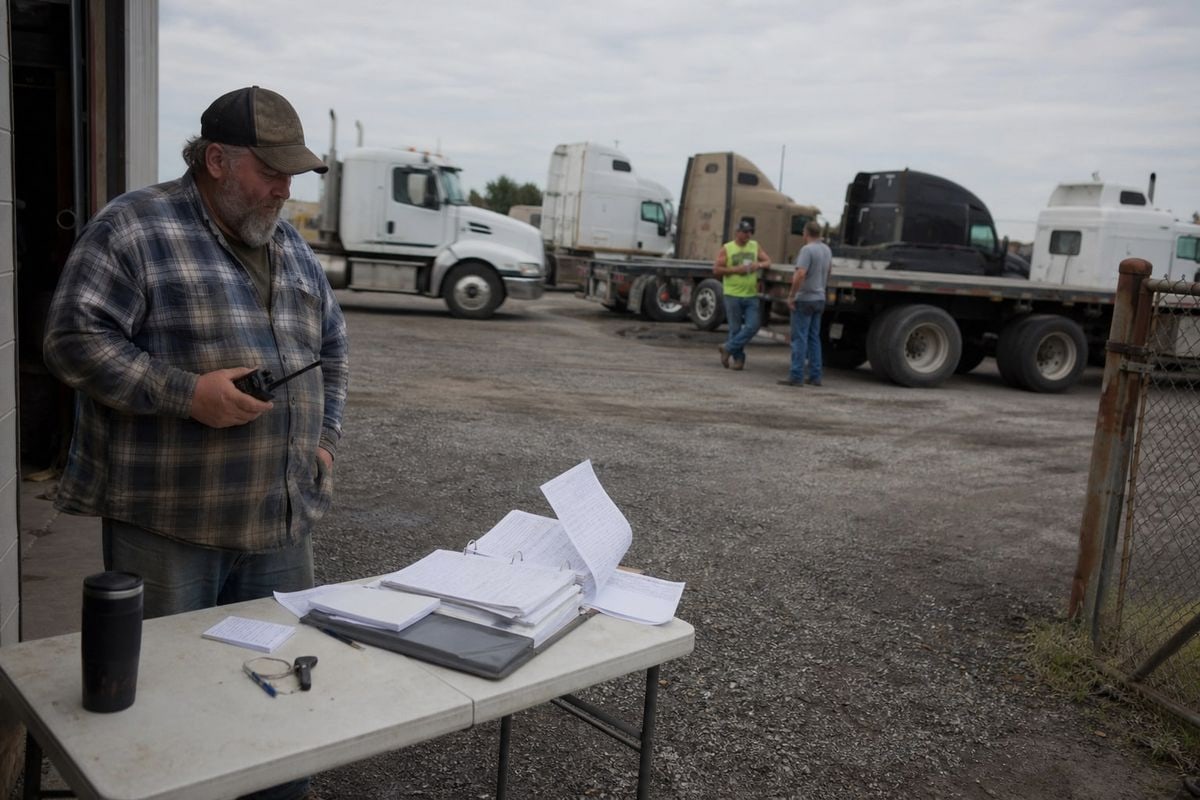
Forklift imports carry risks that generic freight providers routinely miss. Your screening process should test for each one. In our experience exporting electric forklifts to the United States, these are the checkpoints that separate a specialist from a parcel-focused forwarder.
| Risk Area | What Can Go Wrong | What a Good Partner Does |
|---|---|---|
| HTS heading 8427 classification | Duty rate varies by power source and lift height; wrong code means wrong duty | Reviews specs with the broker before entry |
| Tariffe della Sezione 301 | Chinese-made chassis or masts can trigger 25% tariffs, even on units assembled in third countries via "substantial transformation" analysis | Confirms true origin and tariff exposure upfront |
| AD/CVD orders | Certain parts, like pneumatic tires or steel components, can carry anti-dumping duties exceeding 100% of value | Screens parts and accessories before consolidation |
| Used equipment | USDA/APHIS soil inspections; minor debris can force costly steam cleaning at a bonded facility | Requires cleaning and photo verification at origin |
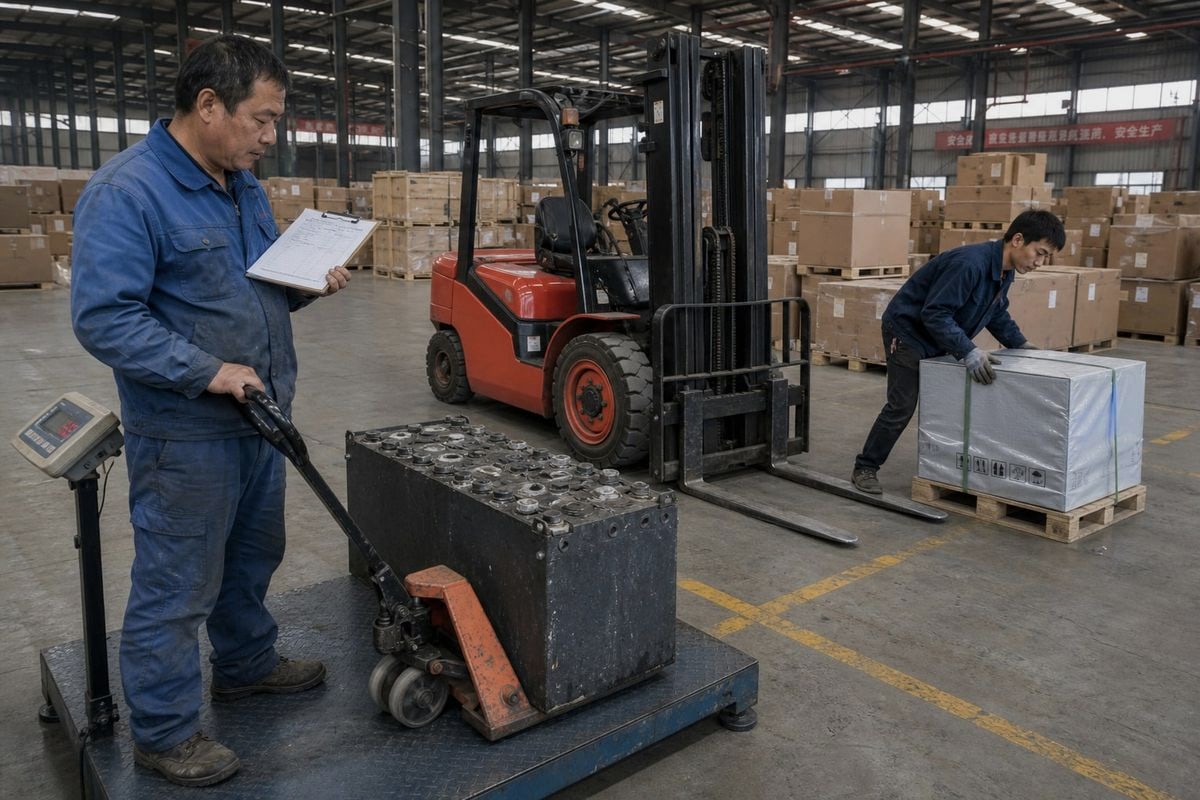
| Battery documentation | Carrier rejection or port holds on lithium units | Verifies specs and packaging before booking |
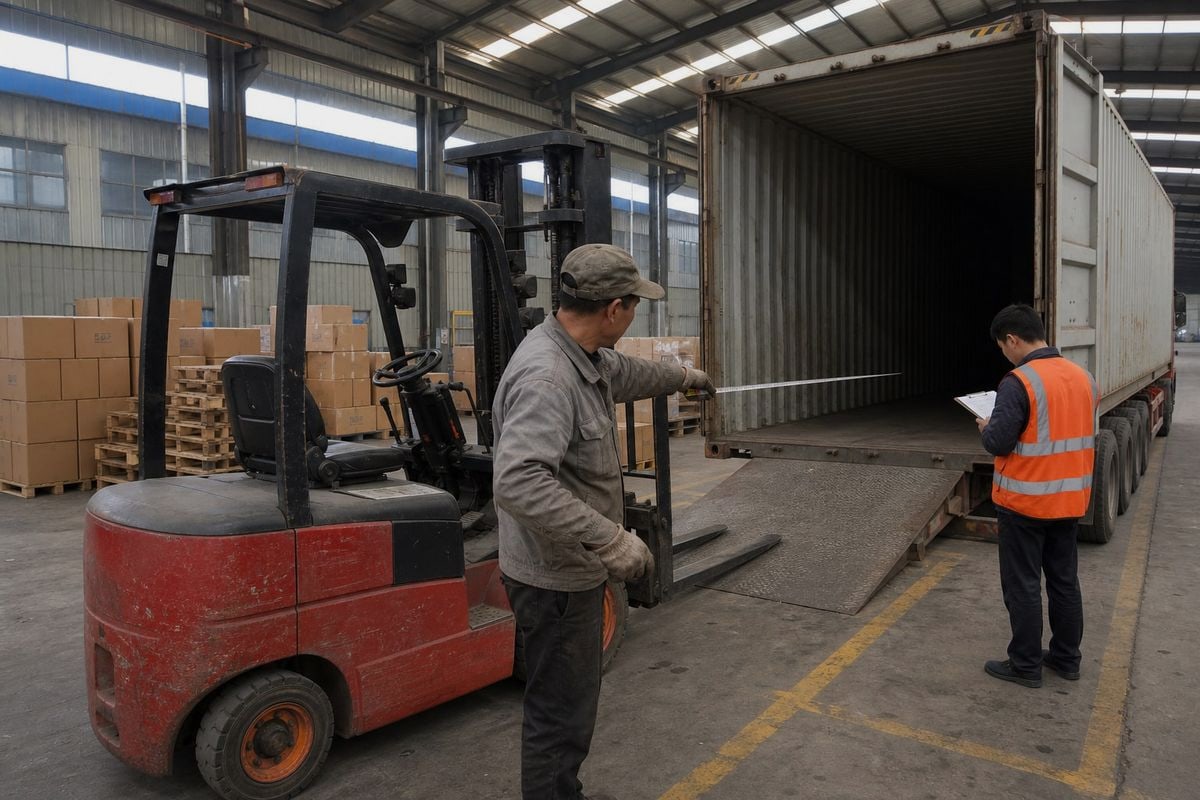
Beyond compliance, test the transport side. Can they optimize container loading — knowing whether your order fits a 20FT, 40FT, or 40HQ, and whether spare parts can fill unused space? Can they consolidate cargo from multiple Chinese factories into one container? Do they advise on RoRo shipping versus containerized shipping for oversized units? Do they quote the full landed cost, including destination charges, rather than a teaser ocean rate? Strong supply chain management shows up in these answers. A partner based in China, communicating directly with your factories in the same time zone, closes the gap between a shipping quote and a shipment that actually clears.
The forwarder moves your forklift; the broker clears it. Most importers need both, and a bundled door-to-door partner keeps the whole process simple and predictable.
Getting this wrong means port storage fees, tariff surprises, and stalled deliveries — costs that erase your factory savings fast. Getting it right starts with one decision: choose a logistics partner who handles both transport and clearance for forklifts specifically. That is exactly what our team at MBMLOG does every week, from factory pickup in China to final delivery at your warehouse. If you are planning a forklift import, reach out before you sign the purchase order — the earlier we look at your shipment, the more problems we can prevent.
1. Comprehensive overview of ocean freight as a primary method for transporting heavy equipment internationally. ↩︎
2. Authoritative guide from CBP on the necessity and types of customs bonds for commercial imports. ↩︎
3. Official CBP page defining the role and licensing requirements for customs brokers in the United States. ↩︎
4. Official International Chamber of Commerce resource for the standardized trade terms used in international contracts. ↩︎
5. Official EPA guidelines for importing vehicles and engines into the United States. ↩︎