- +8618603825129
- [email protected]

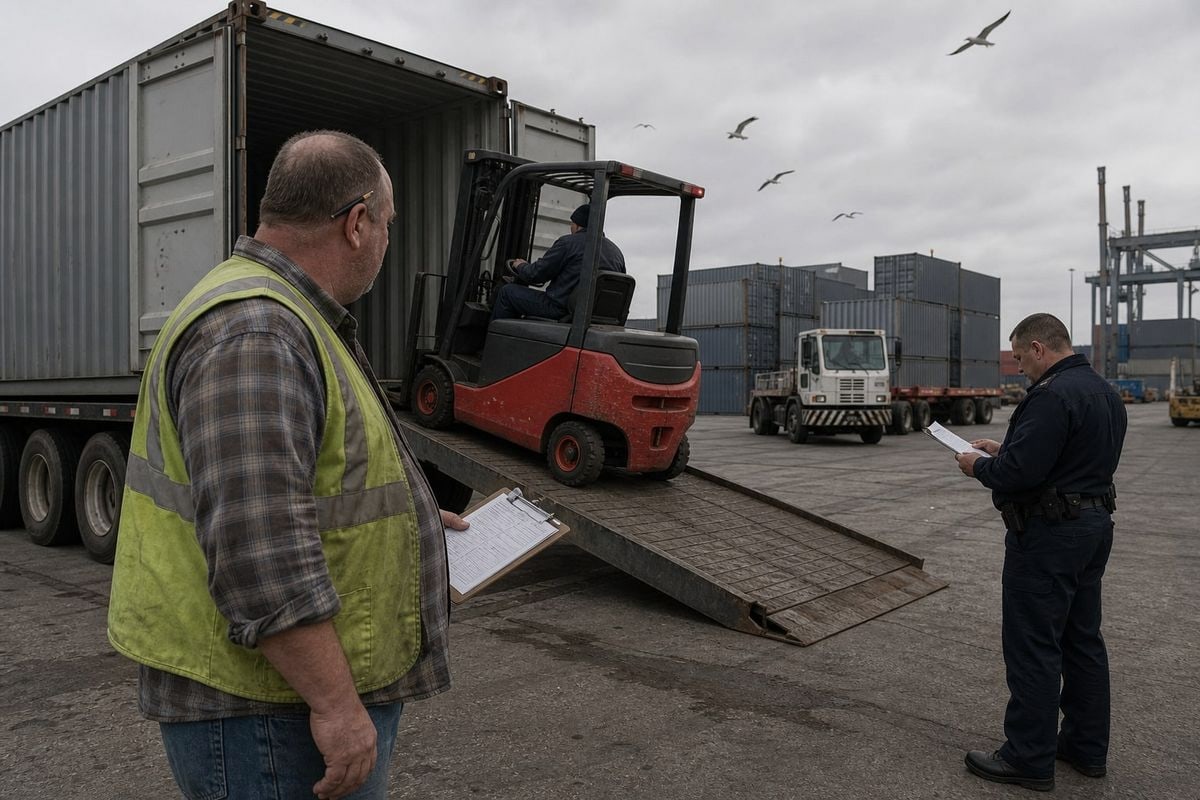
Choosing the Importer of Record 1 for forklift shipments confuses many of our clients. Pick the wrong party, and your forklift sits at port collecting demurrage while nobody claims legal responsibility.
The Importer of Record for a forklift shipment should be the party that can legally import in the destination country, correctly classify the machine, pay duties and taxes, and absorb customs risk. This is usually the buyer, a local affiliate, or a third-party IOR service.
Let me walk you through how to make this decision, what risks come with the role, and what documents you will need before your forklift ships.
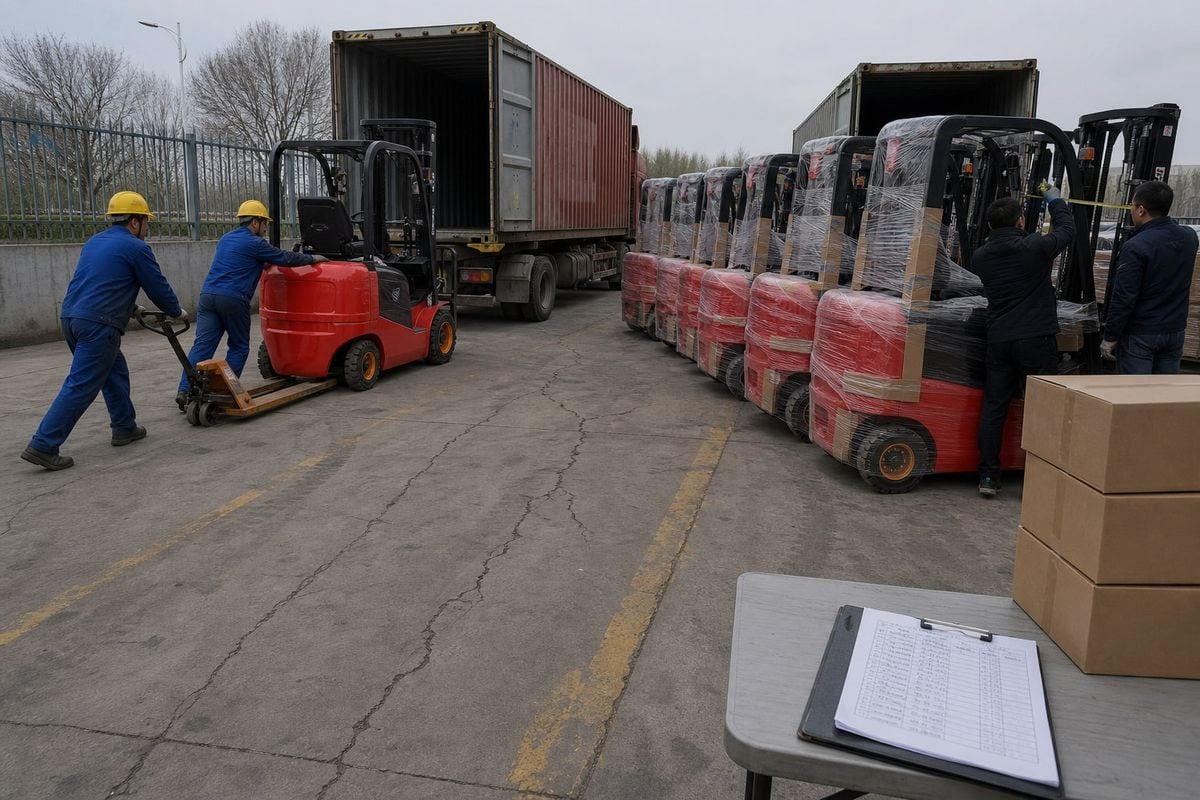
Last year, a Texas dealer asked our team in Zhengzhou to ship six electric forklifts. His first question was not about freight rates. It was about who should clear customs.
Choose the buyer as Importer of Record when they hold local import registration and want control. Choose the seller only under DDP terms with legal import capability. Choose a third-party IOR service or local affiliate when the buyer lacks a registered entity in the destination country.
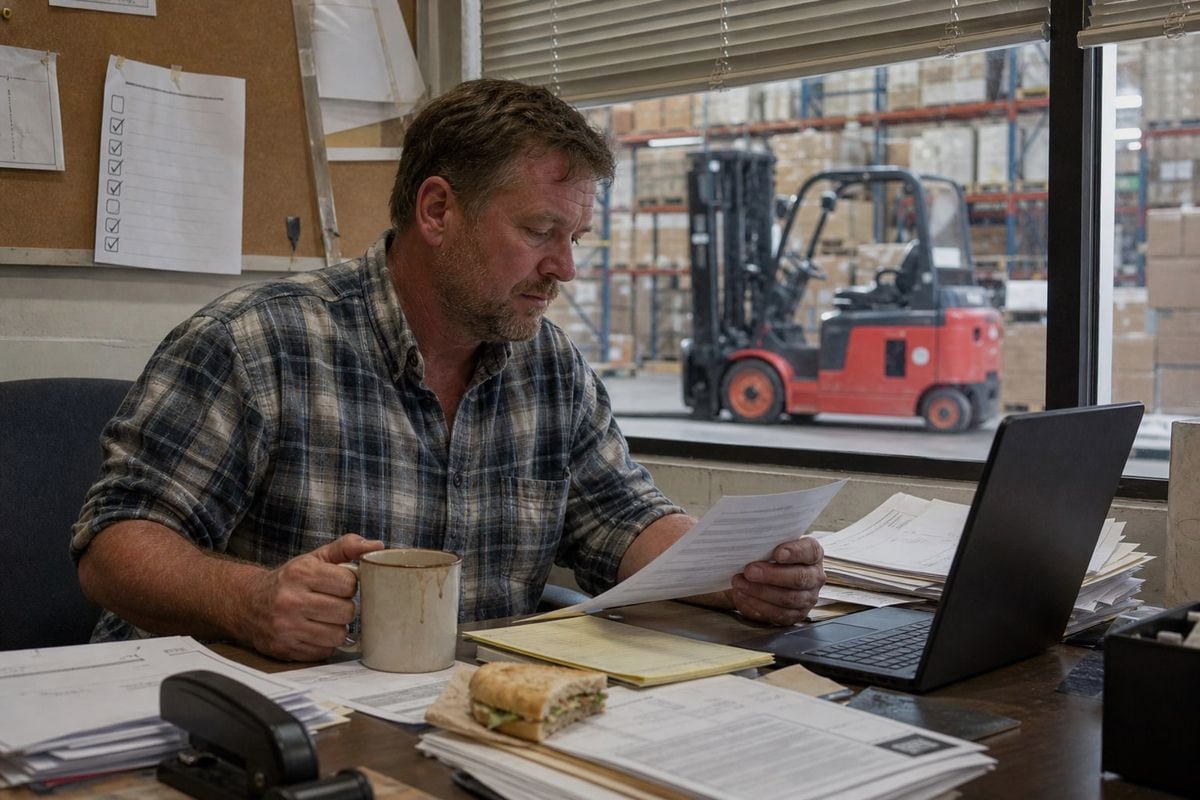
The decision comes down to three questions. Who can legally import? Who controls the transaction? Who is willing to carry compliance risk? Ownership alone does not settle it. Customs authorities care about legal accountability, not just who paid for the machine.
Here is how the typical options stack up for a forklift shipment from China:
| IOR Candidate | Best When | Main Limitation |
|---|---|---|
| Buyer/importer | Buyer has local registration and wants control of clearance | Buyer carries all compliance and duty liability |
| Seller/exporter | DDP terms and seller can legally import at destination | Seller often lacks legal standing as a non-resident importer |
| Local affiliate/subsidiary | A registered local entity already exists | Only available to companies with local presence |
| Third-party IOR provider | Buyer has no local entity but needs lawful entry | Adds service fees and outsources liability management |
Incoterms shape expectations, but they do not decide legal IOR status by themselves. Under most terms like FOB or CIF, the buyer or ultimate consignee typically becomes the IOR. Under DDP, the seller may take the role. When we quote DDP vs DAP Incoterms 2 for US-bound forklifts, we explain this clearly. DDP means we help arrange import clearance and duty and tax liability handling. DAP means the buyer handles import formalities themselves.
But here is the catch our clients sometimes miss. A Chinese forklift factory offering "DDP to your door" still cannot magically become a legal US importer. Someone with legal standing in the destination country must be named on the entry. That is why non-resident importer arrangements and third-party IOR services exist.
One trade-off we discuss with every forklift importer is control versus liability. Being the IOR gives you full control of clearance. It also puts every compliance failure squarely on your desk.
The Importer of Record carries full legal liability for customs compliance, accurate HS classification, valuation, duty and tax payment, timely ISF filing, and regulatory conformity. The IOR also absorbs secondary costs like examination fees, demurrage, and storage during clearance.
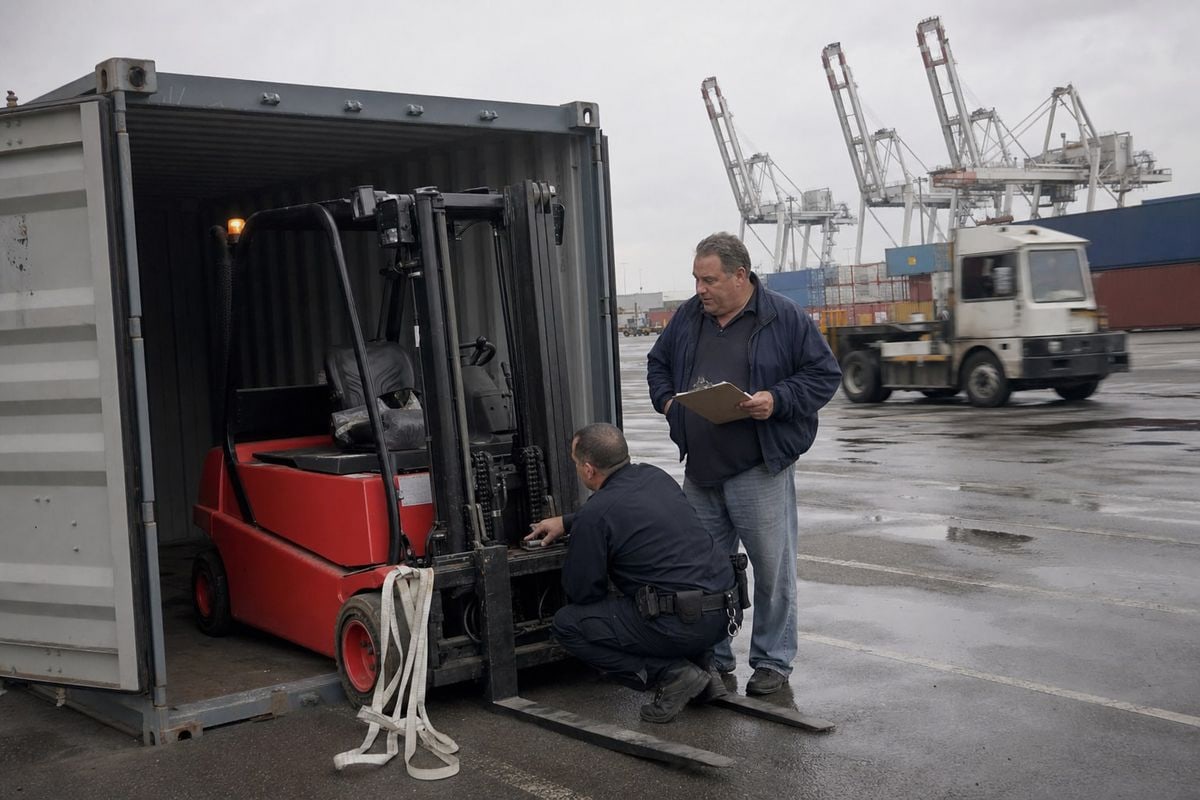
The IOR role is not paperwork theater. It is a legally enforceable position. In the United States, CBP holds the IOR to a "Reasonable Care 3" standard. That means you must proactively verify valuation and country-of-origin documentation 4. You cannot simply trust whatever the factory printed on the invoice. We have seen invoices from suppliers that undervalued forklifts to "save" the buyer money. That shortcut exposes the IOR to penalties, not the factory.
Forklifts trigger more regulatory touchpoints than ordinary boxed cargo. Here are the main duties the IOR carries on a China-to-US shipment:
| 책임 | What It Means for Forklifts |
|---|---|
| HS classification | Correct entry under HTS code for forklifts (heading 8427); misclassification can trigger penalties or seizure |
| ISF filing | Importer Security Filing submitted at least 24 hours before ocean loading |
| Customs bond requirements | A valid bond must be in place before entry can be filed |
| Duty and tax payment | All assessed duties, taxes, and fees at entry |
| EPA compliance | Internal combustion units require Form 3520-21 certifying engine emissions compliance |
| Safety standards | Units must meet OSHA 1910.178 and ANSI B56.1, including permanent capacity plates and local-language safety labels |
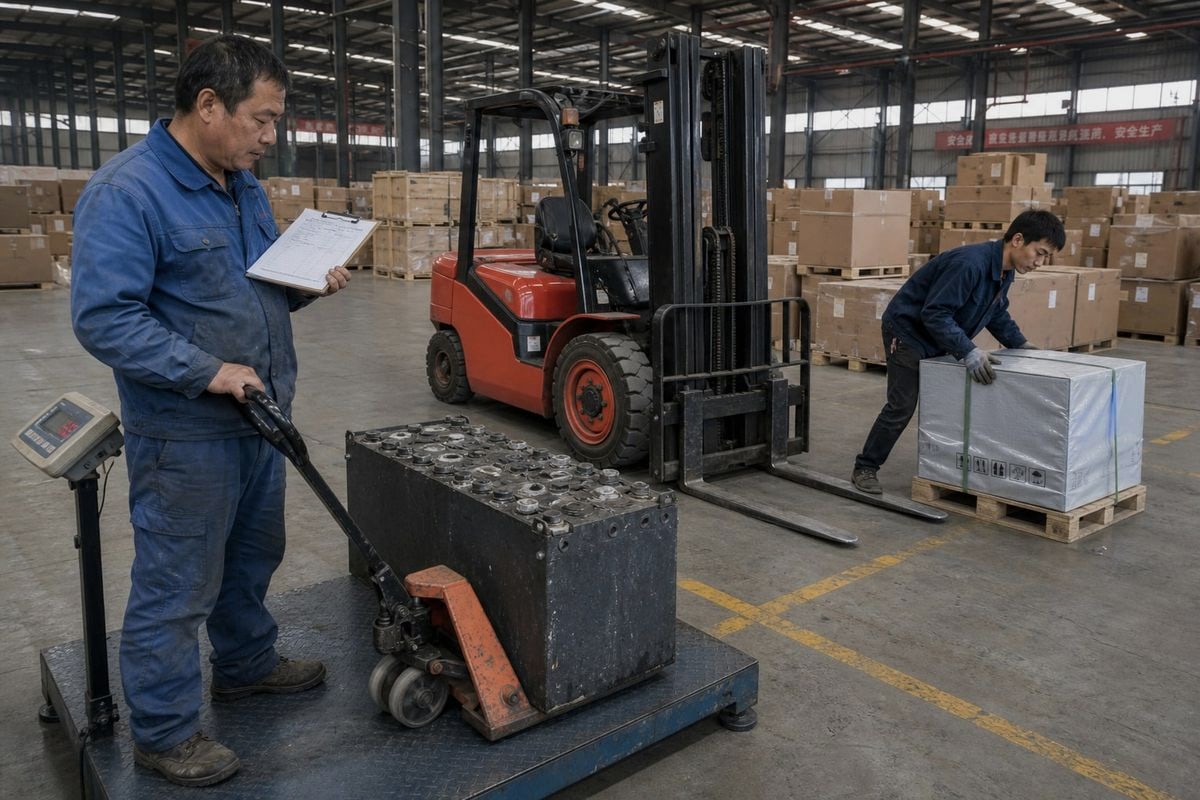
| Battery compliance | Lithium-ion units require Class 9 Dangerous Goods handling under UN 3481 |
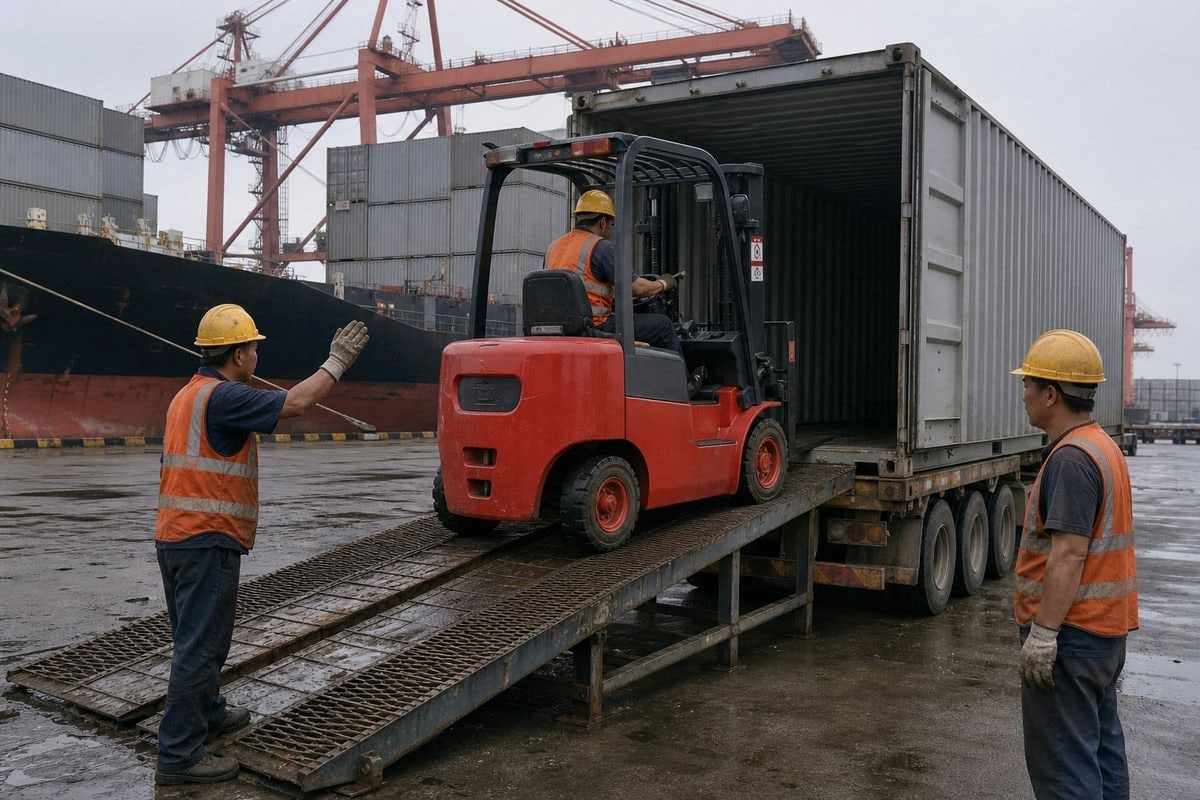
The IOR also bears secondary costs. If customs pulls your container for examination, the exam fee lands on the IOR. If clearance stalls, demurrage and storage charges accumulate daily. A forklift container is heavy and expensive to move, so these charges climb fast. One state-level wrinkle worth knowing: shipments destined for California must navigate the CARB Zero-Emission Forklift regulation, which begins phasing out internal combustion models starting in 2026. An IOR who ignores that rule inherits a machine that may be hard to sell.
This is why we review documents before departure, not after arrival. Fixing a classification error in Zhengzhou costs an email. Fixing it at the Port of Long Beach costs storage fees and lost sales time.
A distributor in Ohio once asked me directly: "Max, can MBMLOG just be the importer so I don't deal with customs at all?" I appreciated the honesty, and the answer deserves a careful explanation.
A Chinese supplier or freight forwarder cannot automatically act as your Importer of Record. They must hold legal import capability in your country, typically through a non-resident importer arrangement, a registered local entity, or partnership with a licensed third-party IOR service.
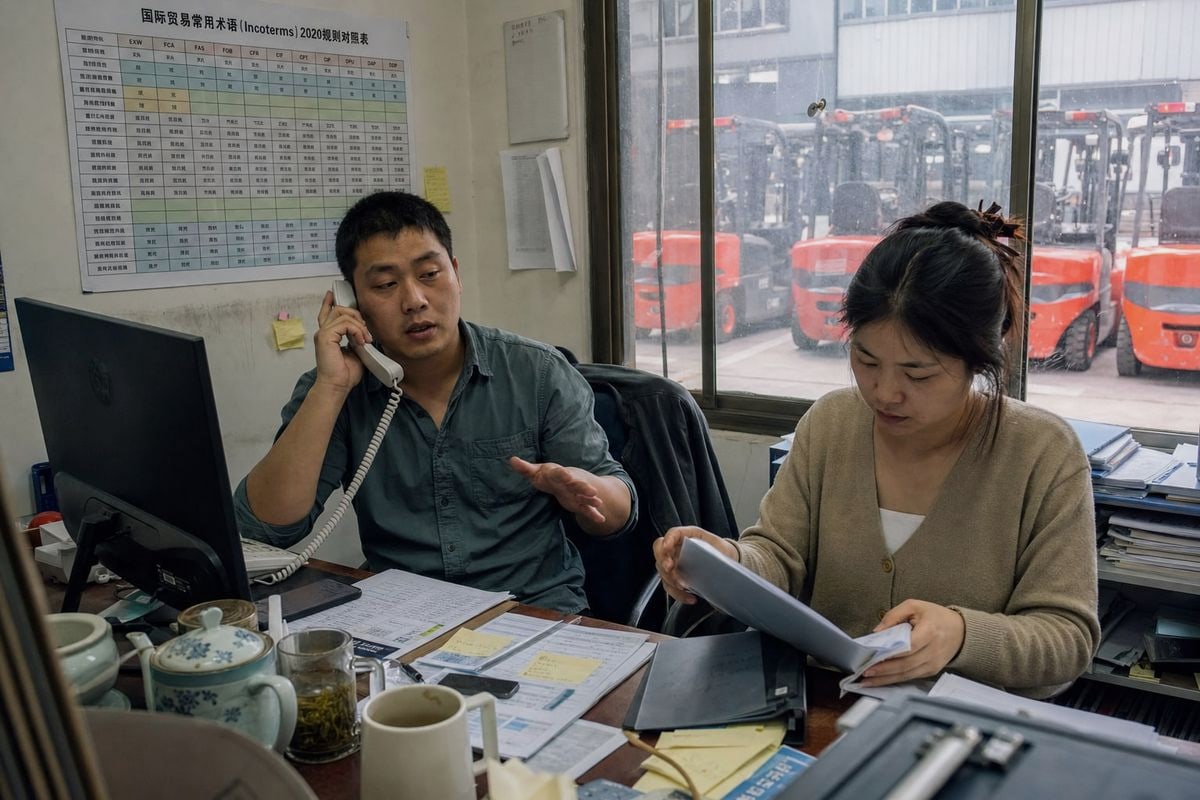
Under US law, the IOR can be the owner, the purchaser, or a licensed customs broker appointed by one of them through a customs power of attorney 5. A foreign factory or forwarder does not fit those categories by default. So when a supplier promises "we handle everything, you receive the forklift at your door," you need to ask exactly who is being named as IOR on the entry.
In our door-to-door service, we do not pretend the rules away. We structure the shipment properly:
Not every "DDP shipping" offer is built this honestly. Watch for these red flags:
There is also a hard real-world example of why the IOR cannot be assumed. Amazon explicitly refuses to serve as IOR for FBA inventory. Shipments arriving with Amazon named as importer are refused and returned at the shipper's expense. For a forklift-sized machine, a refused shipment means enormous return freight and handling costs. The lesson applies broadly: the IOR must be set up deliberately, in writing, before the container is loaded.
Early in my career, I watched a client's stacker shipment sit at a US port for eleven days over one missing battery document. That experience shaped how we prepare files today.
To act as Importer of Record for an electric forklift, you need a commercial invoice, packing list, bill of lading, ISF data, a customs bond, an EIN or import registration, the correct HTS classification, and lithium battery documentation including UN 3481 compliance and safety data sheets.
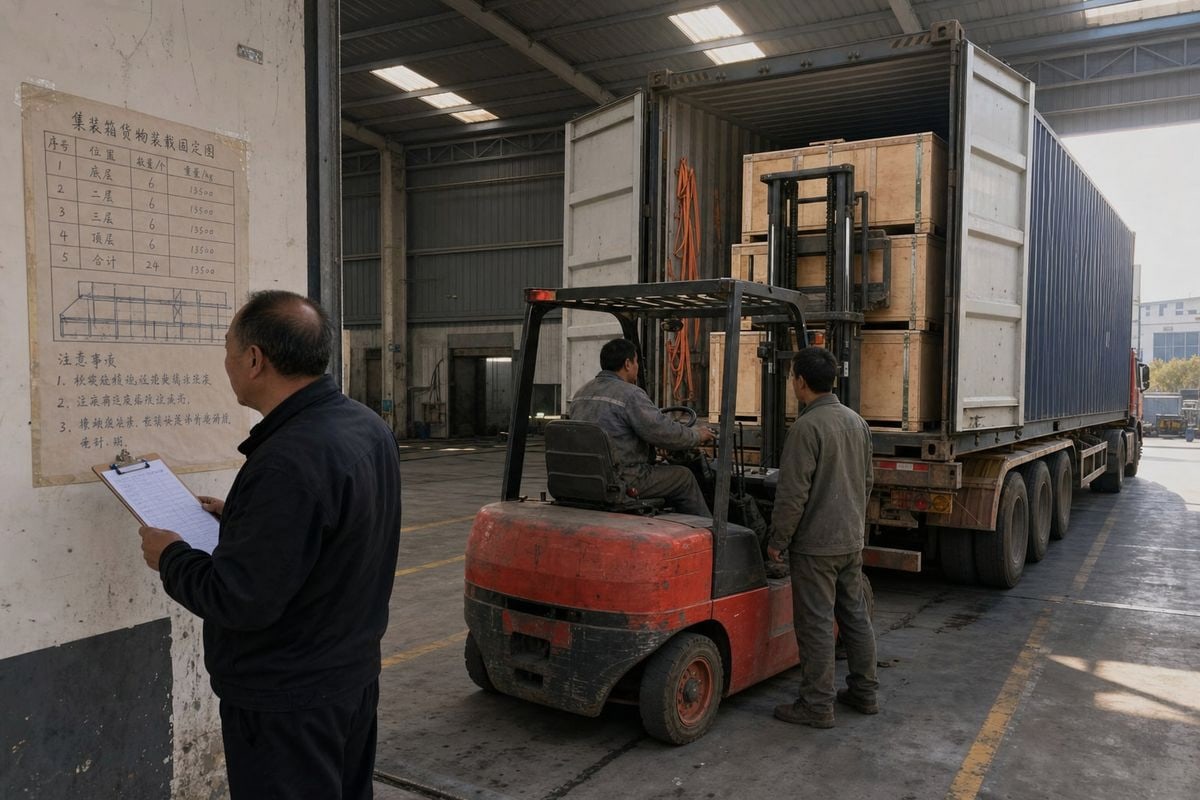
Electric forklifts demand more paperwork than ordinary cargo. The machine is heavy, high-value, and battery-powered. Each of those traits adds a document layer. Here is the full checklist we run through with clients before any container leaves a Chinese factory.
| 문서 | 목적 | Who Prepares It |
|---|---|---|
| 상업 송장 | Declares value for duty calculation | Supplier, verified by IOR |
| 포장 목록 | Details dimensions, weights, and units | Supplier or forwarder |
| 선하 증권 | Contract of carriage; names the ultimate consignee | Carrier via forwarder |
| ISF filing data | Security filing 24 hours before vessel loading | Forwarder or broker on IOR's behalf |
| 세관 채권 | Guarantees duty payment to CBP | IOR via broker or surety |
| EIN / import registration | Identifies the IOR to customs | IOR |
| HTS classification worksheet | Confirms classification under heading 8427 | Broker with IOR verification |
| Battery SDS and UN 38.3 test summary | Proves lithium battery safety compliance | Battery manufacturer |
| UN 3481 dangerous goods declaration | Class 9 compliance for lithium-ion units | Supplier and forwarder |
| Capacity plate and label evidence | Shows conformity with OSHA 1910.178 and ANSI B56.1 | Manufacturer, verified before shipping |
Beyond formal documents, your broker will need product specifics to classify the forklift and satisfy import compliance regulations. Gather the model number, power source, rated capacity, lifting height, battery chemistry and watt-hour rating, and clear photos of the nameplate. We collect this data from factories during our pre-shipment coordination, because chasing a supplier for a battery test summary after the vessel departs is a losing game.
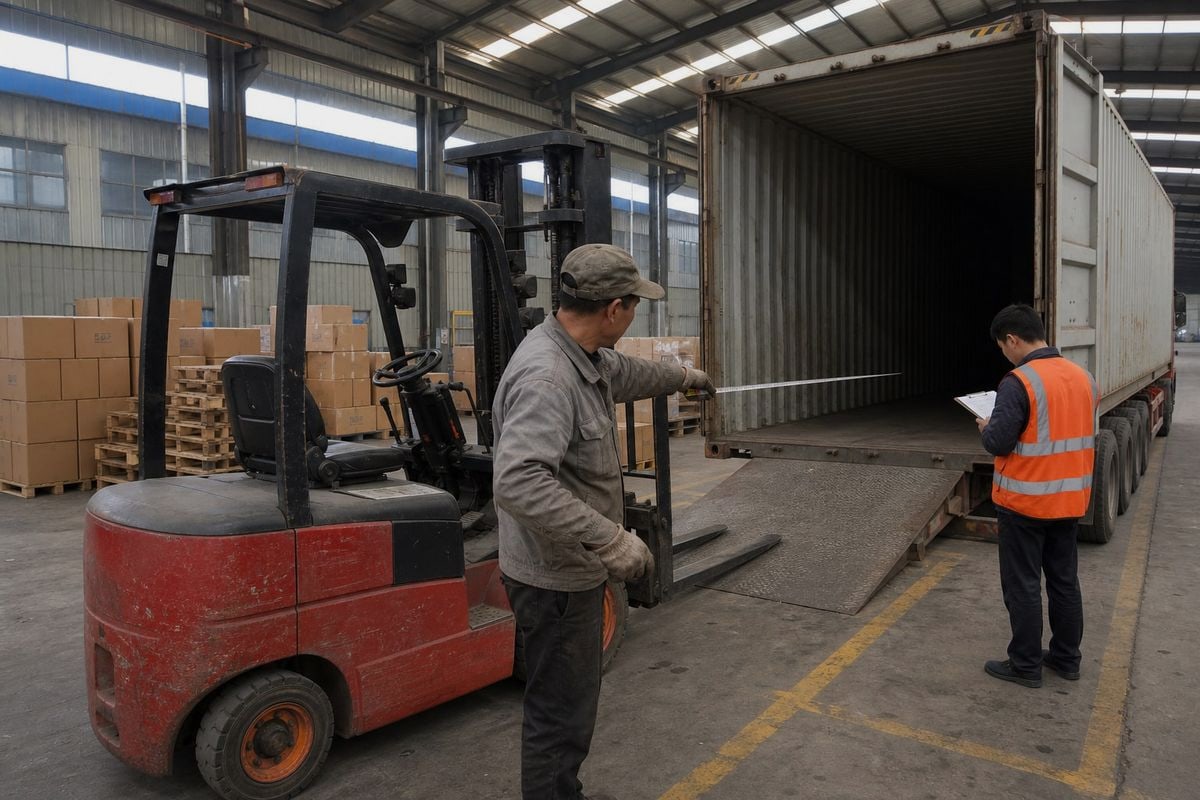
One more practical note from our heavy machinery logistics work. Forklifts often ship with loose parts secured, fluids drained where applicable, and masts sometimes partially disassembled. Your packing list must match what is physically in the container. A mismatch between declared units and inspected cargo is one of the fastest ways to earn a customs exam.
The right Importer of Record for forklift shipments is whoever can legally import, verify compliance, and absorb risk. Confirm this before loading, and your forklift arrives without costly surprises.
1. Official CBP guide defining the legal role and responsibilities of the Importer of Record. ↩︎
2. The International Chamber of Commerce's official rules for the use of domestic and international trade terms. ↩︎
3. CBP publication detailing the legal standard of reasonable care required for all import transactions. ↩︎
4. Official CBP guidance on the methods and requirements for the valuation of imported merchandise. ↩︎
5. CBP guidance on the legal requirements for establishing a power of attorney for customs purposes. ↩︎