
20 jaar ervaring
Douane-inklaring in China
Professionele douane-inklaringsexpert in China met 20 jaar ervaring.
Douane-inklaringdiensten in China
Benut onze ongeëvenaarde expertise in douane-inklaring om uw importproces in China te stroomlijnen. Met onze precieze productclassificatie, grondige kennis van de Chinese douaneregels en volledige afhandeling van alle documentatie, zorgen we ervoor dat uw goederen soepel en efficiënt verplaatsen. Onze flexibele planningsmogelijkheden voor inklaring passen zich aan uw specifieke behoeften aan, en we hebben de capaciteit om alle soorten producten te beheren. Ondersteund door uitgebreide ervaring, een sterk lokaal netwerk en 24/7 klantenservice, bieden we op maat gemaakte oplossingen met transparante kosten. Kies ons om uw inklaringsproces te vereenvoudigen, vertragingen te minimaliseren en tijdige levering te waarborgen, waardoor u gemoedsrust en een concurrentievoordeel krijgt.
Wat is het voordeel van de douane-afhandelingsdienst van MBM?
- Deskundige productclassificatie: Ons team blinkt uit in nauwkeurige productclassificatie, zodat uw goederen correct worden gecategoriseerd om onnodige douanerechten of vertragingen te voorkomen.
- Diepgaande kennis van Chinese douanebeleidsregels: We blijven op de hoogte van de laatste Chinese douaneregels, wat een soepele en efficiënte afhandelingsprocedure garandeert.
- Uitgebreide Documentatieverwerking: Wij beheren alle noodzakelijke documentatie voor douane-inklaring, zodat u zich kunt concentreren op uw kernactiviteiten zonder gedoe.
- Flexibele Inklaringsplanning: Wij bieden inklaring op optimale tijden afgestemd op de behoeften van uw zending, wat zorgt voor tijdige levering.
- Verwerking van Alle Soorten Goederen: Expertise in het beheren van een breed scala aan producten.
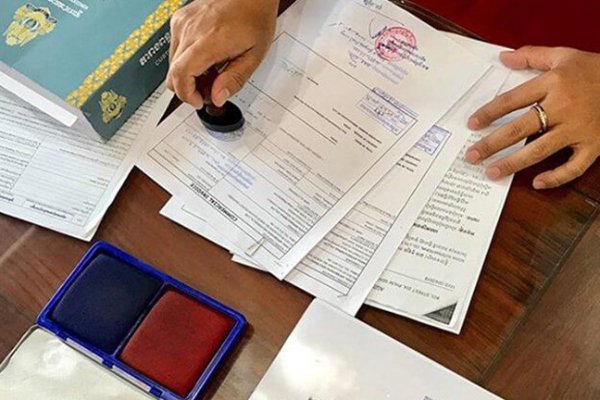
Papierwerk
Laat het papierwerk aan ons over. Wij verzorgen alle documentatie, zorgen voor naleving en besparen u tijd, zodat u zich kunt concentreren op uw bedrijf.

Productclassificatie
Nauwkeurige productclassificatie voorkomt kostbare fouten. Wij zorgen ervoor dat uw goederen correct gecategoriseerd worden, minimaliseren invoerrechten en voorkomen onnodige vertragingen.

Douane-inklaring in de Bestemming Haven
Probleemloze inklaring in de bestemming haven garandeert dat uw goederen op tijd aankomen, vertragingen vermindert en uw toeleveringsketen efficiënt houdt.
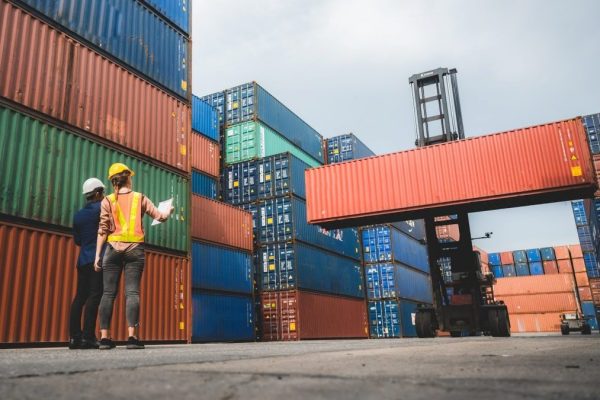
Douane-inklaring in China
Navigeer moeiteloos door de Chinese douane met onze expertise. Wij zorgen voor een soepel proces, vermijden complicaties en zorgen ervoor dat uw producten snel worden ingeklaard.
Overige gerelateerde verzenddiensten
Luchtvracht
Goederenvervoer per spoor
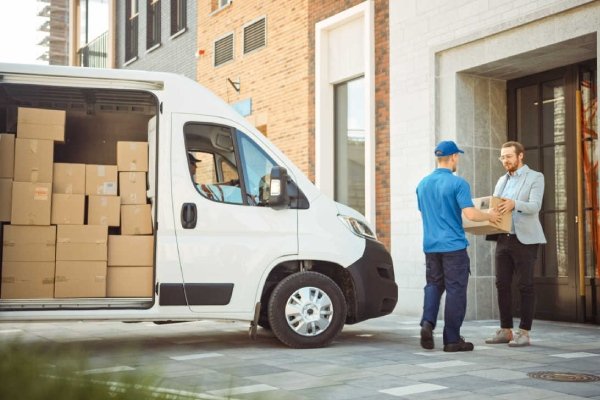
Deur tot deur verzending
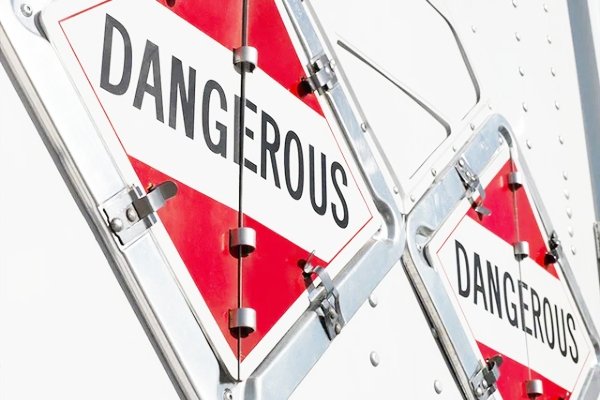
Gevaarlijke goederen
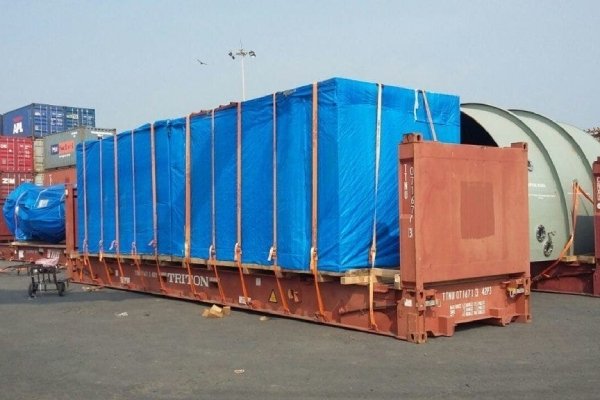
OOG Verzending
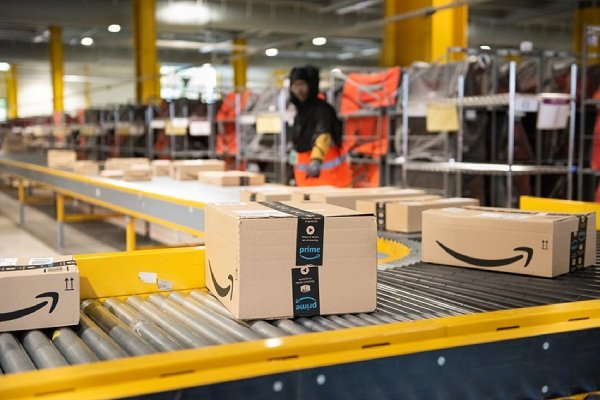
Amazon FBA Verzending
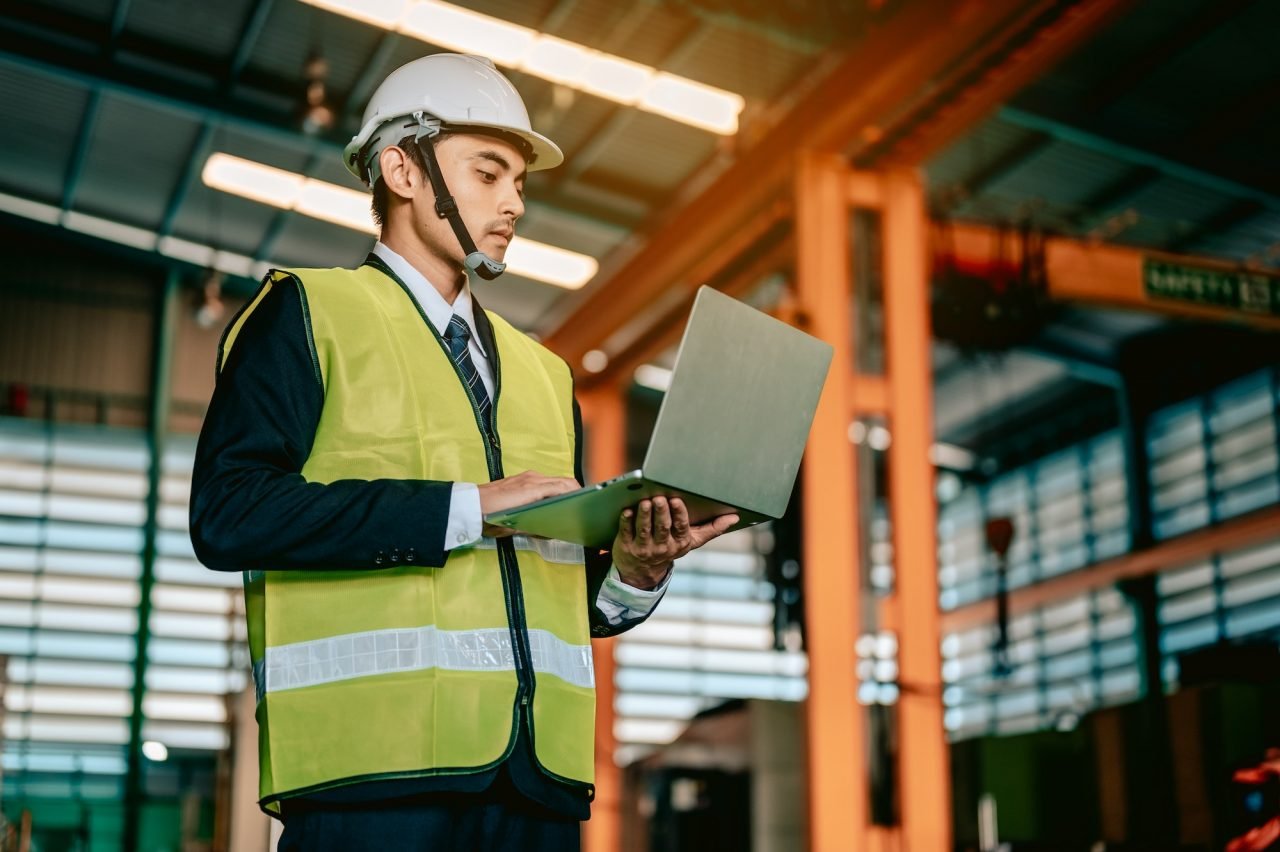
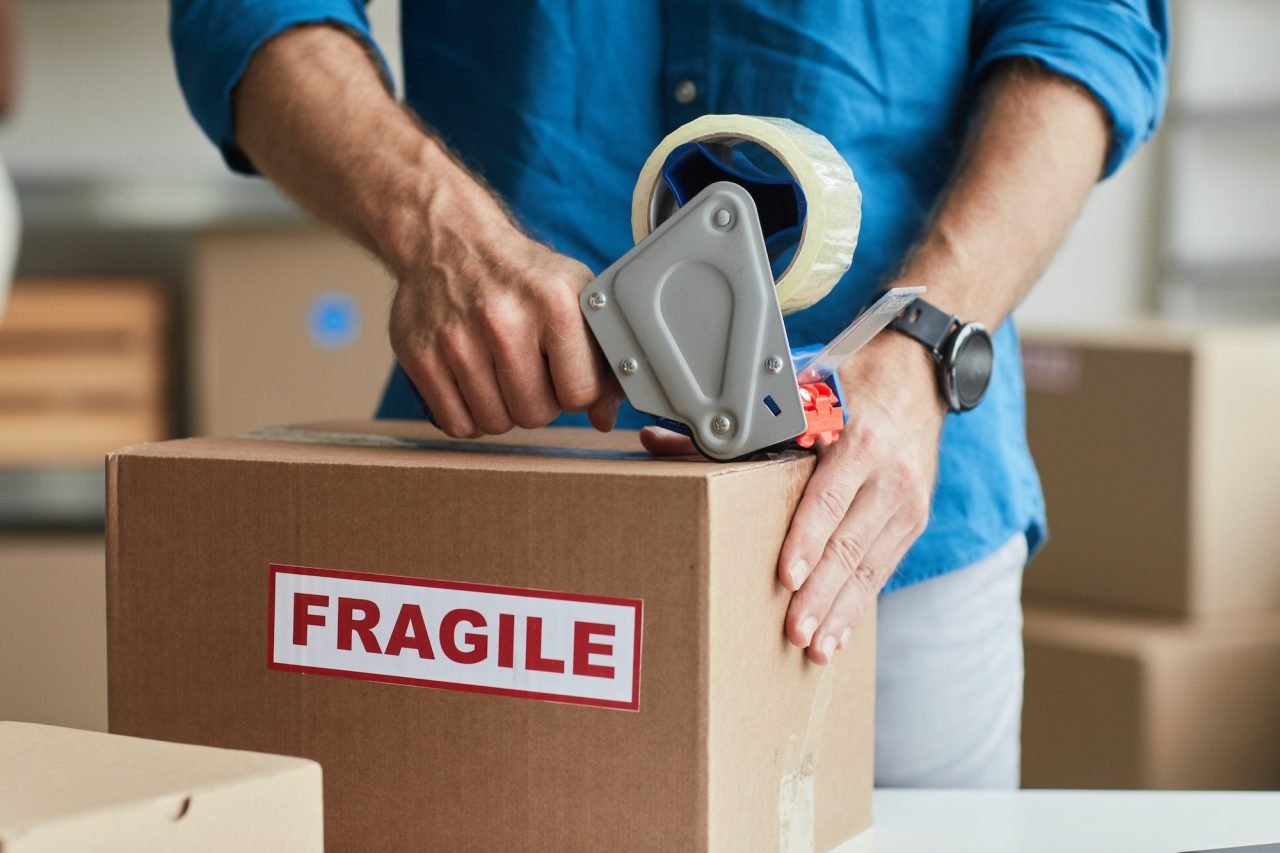
Ophalen en bezorgen
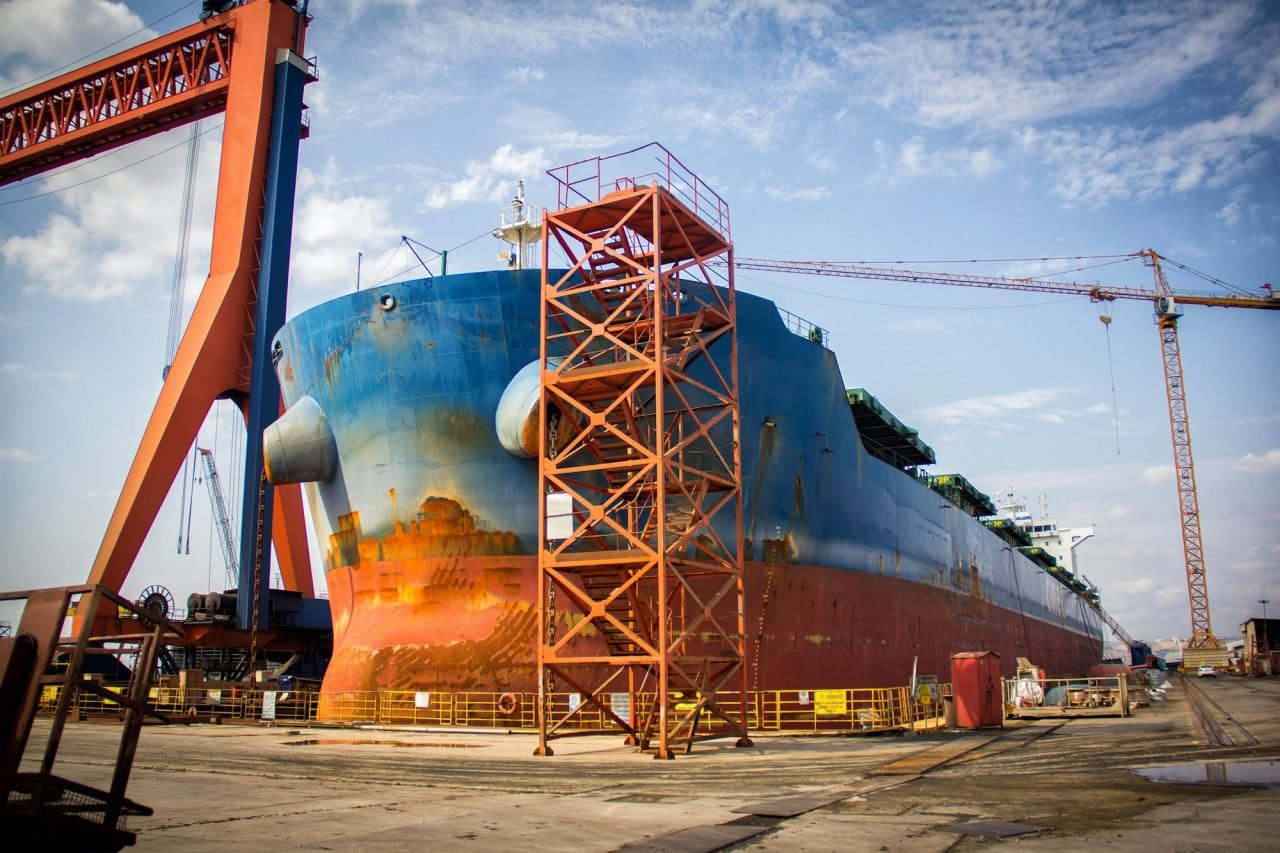
Zeevracht
China Makelaar
Waarom kiezen voor MBM?
Ervaar de voordelen van een soepele verhuizing
Door voor mbmforwarding te kiezen, profiteert u van scherpe prijzen, betrouwbare en tijdige leveringen en 24/7 deskundige ondersteuning. Profiteer van onze 20 jaar ervaring, een vlotte douaneafhandeling en gratis magazijnopslag, zodat uw logistiek efficiënt, kosteneffectief en zorgeloos verloopt.
20 jaar ervaring
Mbmlog biedt ongeëvenaarde logistieke oplossingen. Onze uitgebreide ervaring garandeert efficiënte en betrouwbare diensten die zijn afgestemd op uw uiteenlopende verzendbehoeften.
Gratis magazijn
Profiteer van maximaal 30 dagen gratis magazijnopslag bij mbmforwarding. Onze veilige en goed georganiseerde faciliteiten zorgen ervoor dat uw goederen veilig worden opgeslagen.
24hx7 Engelssprekende deskundige ondersteuning
Wij bieden 24 uur per dag, 7 dagen per week ondersteuning door Engelssprekende experts, zodat u verzekerd bent van naadloze, efficiënte communicatie en onmiddellijke hulp voor al uw logistieke vereisten.
Vrachtverzekering
Ons bedrijf biedt uitgebreide vrachtverzekeringen aan, waarmee uw zendingen worden beschermd met op maat gemaakte verzekeringsopties. Dit garandeert veiligheid en gemoedsrust tijdens het transport.
Opsporingsdiensten
De trackingdiensten van mbmforwarding bieden realtime updates over uw zendingen, zodat u altijd over accurate informatie beschikt over de status van uw vracht.
Professionele opruiming op maat
Onze professionele inklaringsdiensten garanderen een soepele, efficiënte verwerking. Ons deskundige team behandelt alle documentatie en zorgt ervoor dat de voorschriften worden nageleefd.
De ultieme gids
De Ultieme Gids voor Douane-inklaring in China voor Internationale Kopers
Inhoudsopgave
Het navigeren door het douaneontheffingsproces in China kan complex zijn, vooral voor internationale kopers die niet vertrouwd zijn met de regelgeving en procedures van het land. Deze uitgebreide gids heeft tot doel het proces te verduidelijken en biedt u gedetailleerde inzichten en praktische adviezen om ervoor te zorgen dat uw goederen efficiënt en kosteneffectief door de Chinese douane komen. Of u nu nieuw bent in het importeren uit China of een ervaren koper die zijn operaties wil stroomlijnen, deze gids zal u voorzien van de kennis om het proces vol vertrouwen te beheren.
Begrijpen van Douaneontheffing in China
Douaneontheffing is een verplichte procedure voor alle goederen die China binnenkomen of verlaten, en zorgt voor naleving van de regelgeving van het land. De procedure omvat het voorbereiden en indienen van documenten die de aard, waarde en bestemming van de goederen specificeren. Douaneautoriteiten bekijken deze documenten, inspecteren de goederen indien nodig en berekenen eventuele invoerrechten en belastingen die betaald moeten worden.
Waarom Is Douaneontheffing Belangrijk?
Douaneontheffing is cruciaal omdat het ervoor zorgt dat de invoer of uitvoer van goederen voldoet aan de Chinese wetten en regels. Zonder de juiste ontheffing kunnen goederen worden vertraagd, in beslag genomen of zelfs aan de afzender worden teruggestuurd. Voor internationale kopers is het essentieel om dit proces te begrijpen om onnodige kosten en vertragingen te vermijden.
Wie is verantwoordelijk voor de douane-inklaring?
In de meeste gevallen ligt de verantwoordelijkheid voor de douane-inklaring bij de importeur of de exporteur. Veel bedrijven huren echter douanemakelaars in om het proces namens hen af te handelen. Deze makelaars zijn experts op het gebied en zijn vertrouwd met de laatste regelgeving, en kunnen helpen ervoor te zorgen dat alle noodzakelijke stappen correct worden uitgevoerd.
Overzicht van het douane-inklaringsproces
Het douane-inklaringsproces in China kan worden onderverdeeld in verschillende belangrijke stappen:
Documentatievoorbereiding: Verzamel alle vereiste documenten, waaronder facturen, vergunningen en certificaten.
Douaneaangifte: Dien een aangifteformulier in bij de Chinese douane met details over de aard en waarde van de goederen.
Goederenclassificatie: Classificeer uw goederen nauwkeurig met de geharmoniseerde systeem (HS) codes om de toepasselijke invoerrechten en belastingen te bepalen.
Betaling van invoerrechten en belastingen: Betaal eventuele vereiste douanerechten, btw en andere belastingen op basis van de classificatie en waarde van de goederen.
Inspectie: Douane kan de goederen inspecteren om de nauwkeurigheid van de aangifte en de naleving van de regelgeving te verifiëren.
Ontheffing: Zodra aan alle vereisten is voldaan, zal de douane een onthevingscertificaat uitgeven, waardoor de goederen kunnen worden vrijgegeven.
Het begrijpen van elk van deze stappen in detail is cruciaal voor een soepele en efficiënte douaneontheffing.
Wat zijn douanerechten en belastingen?
Douanerechten en belastingen zijn kosten die door de Chinese overheid worden geheven op goederen die het land binnenkomen of verlaten. Deze kosten zijn een essentieel onderdeel van het douane-ontheffingsproces en kunnen een aanzienlijke impact hebben op de totale kosten van uw goederen. Het begrijpen van deze kosten is cruciaal voor een nauwkeurige budgettering en kostenbeheer.
Soorten rechten en belastingen
Verschillende soorten rechten en belastingen kunnen van toepassing zijn op uw goederen, afhankelijk van hun aard en waarde:
InvoerrechtenDit zijn belastingen die worden opgelegd op goederen die China binnenkomen, berekend op basis van de douanewaarde van de goederen. Het tarief van het recht is afhankelijk van de HS-codeclassificatie van de goederen.
Omzetbelasting (btw): VAT is charged on the value added at each stage of production and distribution. In China, the standard VAT rate is 13% for most goods. VAT is calculated on the CIF (Cost, Insurance, and Freight) value of the goods plus any import duties.
Consumption Tax: This tax is applied to specific goods such as alcohol, tobacco, and luxury items. The rate varies depending on the type of product and is calculated either as a percentage of the goods’ value or based on the quantity.
Calculating Customs Duties and Taxes
Accurately calculating customs duties and taxes is essential to avoid surprises and ensure compliance. The calculation typically follows this formula:
- CIF-waarde: This is the total value of the goods, including the cost of the goods, insurance, and freight to the point of entry into China.
- Invoerrechten: This is calculated as a percentage of the CIF value based on the HS code classification.
- VAT: VAT is calculated on the CIF value plus the import duty.
- Consumption Tax: If applicable, this is added based on the type and quantity of the goods.
For example, if you’re importing electronic goods with a CIF value of $10,000, and the import duty is 5%, the VAT is 13%, and there’s no consumption tax, the calculation would be:
- Invoerrechten: $10,000 * 5% = $500
- VAT: ($10,000 + $500) * 13% = $1,365
- Total Duties and Taxes: $500 (import duty) + $1,365 (VAT) = $1,865
Understanding these calculations will help you anticipate the total cost of importing goods into China.
Reducing Duties and Taxes
There are several strategies you can use to reduce the amount of duties and taxes you pay:
Accurate Classification: Ensure your goods are classified correctly under the HS system to avoid overpayment.
Free Trade Agreements: If your country has a free trade agreement with China, you may qualify for reduced or zero import duties.
Customs Valuation: Work with a customs broker to ensure your goods are valued correctly for customs purposes, as overvaluation can lead to higher duties and taxes.
Bonded Warehousing: Store goods in a bonded warehouse in China, which allows you to defer payment of duties and taxes until the goods are sold or removed from the warehouse.
By leveraging these strategies, you can minimize the financial impact of customs duties and taxes on your business.
How Long Does Customs Clearance Take in China?
The time it takes to clear customs in China can vary depending on several factors, including the type of goods, the accuracy of the documentation, and whether the goods are selected for inspection. Understanding the factors that influence customs clearance times can help you plan your shipments more effectively.
Average Customs Clearance Time
On average, customs clearance in China takes between 1 and 7 days. However, this timeframe can be influenced by several factors:
Documentation Accuracy: Providing complete and accurate documentation is crucial. Missing or incorrect information can lead to delays as customs authorities may require additional information or clarification.
Goederenclassificatie: Properly classifying your goods using the correct HS codes can prevent delays. Misclassification can trigger a more thorough review by customs, extending the clearance time.
Inspection Requirements: If your goods are selected for inspection, the clearance process will take longer. Inspections can be random or triggered by specific concerns, such as the nature of the goods or discrepancies in the documentation.
Betaling van invoerrechten en belastingen: Delays in paying the required duties and taxes can hold up the clearance process. Ensure that payments are made promptly to avoid unnecessary delays.
Expedited Customs Clearance
In some cases, you may need to expedite the customs clearance process to meet tight deadlines. Here are a few strategies to speed up the process:
Pre-clearance: Some goods can be cleared before they arrive in China through pre-clearance programs. This involves submitting the required documentation in advance, allowing customs to review and approve the shipment before it arrives.
Trusted Trader Programs: If your company has a history of compliance with customs regulations, you may qualify for a trusted trader program, which can expedite the clearance process.
Douane-expediteurdiensten: Hiring an experienced customs broker can help streamline the clearance process. Brokers are familiar with the procedures and can help avoid common pitfalls that lead to delays.
Factors That Can Delay Customs Clearance
While customs clearance usually takes 1 to 7 days, several factors can cause delays:
Onvolledige documentatie: Missing or incorrect documents are the most common cause of delays. Double-check all paperwork before submission.
Customs Inspections: Goods selected for inspection can be delayed for several days. If customs finds discrepancies or concerns during the inspection, further delays are possible.
High Traffic Periods: During peak shipping seasons, such as before Chinese New Year or other major holidays, customs offices may experience higher volumes, leading to delays.
Regelgevingswijzigingen: Changes in customs regulations or procedures can also cause delays, especially if they occur unexpectedly. Staying informed about the latest regulatory updates is crucial.
By understanding these factors and planning accordingly, you can minimize the risk of delays in your customs clearance process.
Essential Documents for Customs Clearance in China
Documentation is a critical component of the customs clearance process in China. Providing the correct documents in the required format is essential for ensuring a smooth and timely clearance. Below is a detailed list of the key documents you need for customs clearance in China.
1. Commercial Invoice
The commercial invoice is one of the most important documents for customs clearance. It provides detailed information about the goods being imported or exported, including:
- Seller and Buyer Information: Names and contact details of both the seller and the buyer.
- Description of Goods: A detailed description of the goods, including the quantity, unit price, and total value.
- Terms of Sale: The terms of sale, such as FOB (Free on Board), CIF (Cost, Insurance, and Freight), or EXW (Ex Works).
- Betalingsvoorwaarden: The payment terms agreed upon by the buyer and seller.
- Currency: The currency in which the transaction is conducted.
Customs authorities use the commercial invoice to determine the value of the goods and calculate duties and taxes.
2. Packing List
The packing list provides details about how the goods are packed, including:
- Package Contents: A detailed list of the contents of each package, including quantities and descriptions.
- Package Dimensions and Weight: The dimensions and weight of each package.
- Marks and Numbers: Any identifying marks or numbers on the packages.
The packing list helps customs authorities verify the shipment and may be used during inspections.
3. Bill of Lading (B/L)
The bill of lading is a legal document issued by the carrier, confirming receipt of the goods for shipment. It serves several purposes:
- Receipt of Goods: Confirms that the carrier has received the goods from the shipper.
- Contract of Carriage: Serves as a contract between the shipper and the carrier for the transportation of the goods.
- Title of Goods: Acts as a document of title, which can be transferred to the buyer or another party.
There are different types of bills of lading, including ocean B/L, air waybill, and road/rail B/L, depending on the mode of transportation.
4. Import/Export License
An import/export license is required for specific goods that are regulated by Chinese authorities. These licenses are issued by the Ministry of Commerce (MOFCOM) or other relevant government agencies. Commonly regulated items include:
- Textiel en kleding: Certain textiles and apparel may require an import license.
- Elektronica: Importing electronics often requires a license, especially if they involve communication technology.
- Farmaceutische producten: Importing or exporting pharmaceuticals typically requires a license from the National Medical Products Administration (NMPA).
Failure to obtain the necessary license can result in delays or even seizure of the goods.
5. Certificate of Origin
The certificate of origin is a document that certifies the country in which the goods were manufactured. This certificate is important because it can affect the duties and taxes applied to the goods. For example:
- Preferential Tariffs: Goods originating from countries with free trade agreements with China may be eligible for reduced or zero tariffs.
- Verification of Origin: Customs authorities may require the certificate of origin to verify the true origin of the goods, especially for products subject to anti-dumping duties.
The certificate of origin is typically issued by a government authority or a designated trade body in the country of export.
6. Inspection Certificates
Inspection certificates are required for certain types of goods, particularly those related to health, safety, and environmental standards. Common inspection certificates include:
- Sanitary and Phytosanitary (SPS) Certificate: Required for agricultural and food products to certify that they meet health and safety standards.
- Quality Inspection Certificate: Issued by authorized inspection agencies to certify that the goods meet the specified quality standards.
- Environmental Compliance Certificate: Required for goods that have an environmental impact, such as chemicals and industrial equipment.
These certificates help ensure that the goods comply with Chinese regulations and are safe for import or export.
7. Customs Declaration Form
The customs declaration form is a document that provides detailed information about the goods being imported or exported. It includes:
- HS-codeclassificatie: The HS codes for the goods, which determine the applicable duties and taxes.
- Waarde van Goederen: The total value of the goods, as declared on the commercial invoice.
- Importer/Exporter Details: The names and contact details of the importer and exporter.
- Purpose of Import/Export: The purpose of the import or export, such as commercial sale, personal use, or re-export.
The customs declaration form is submitted to customs authorities for review and is used to assess duties and taxes.
8. Insurance Certificate
The insurance certificate provides proof that the goods are insured during transit. This certificate is particularly important for goods shipped under CIF terms, where the seller is responsible for providing insurance. The insurance certificate includes:
- Coverage Details: The type and extent of coverage provided by the insurance policy.
- Insured Value: The value of the goods covered by the insurance policy.
- Policy Number: The unique identifier for the insurance policy.
The insurance certificate helps protect both the buyer and seller in case of damage or loss during transit.
9. Other Relevant Certificates and Permits
Depending on the nature of the goods, additional certificates or permits may be required, such as:
- Animal and Plant Quarantine Permit: Required for importing or exporting animals, plants, and related products.
- Radio Transmission Permit: Required for importing radio transmission equipment, such as communication devices.
- Hazardous Materials Permit: Required for transporting hazardous materials, including chemicals and explosives.
Ensuring that all necessary documents are prepared and submitted correctly is key to avoiding delays and ensuring a smooth customs clearance process.
How Much Are Customs Fees from China?
Customs fees from China can vary widely depending on the type of goods, their value, and the applicable duties and taxes. Understanding how these fees are calculated is essential for accurate budgeting and cost management.
Components of Customs Fees
Customs fees typically include the following components:
Invoerrechten: The main component of customs fees is the import duty, which is calculated as a percentage of the CIF value of the goods. The percentage rate varies depending on the HS code classification of the goods.
Omzetbelasting (btw): VAT is applied to the CIF value of the goods plus the import duty. The standard VAT rate in China is 13% for most goods.
Consumption Tax: If applicable, the consumption tax is added based on the type and quantity of the goods. The rate varies depending on the product.
Customs Processing Fee: In some cases, a customs processing fee may be charged for handling the customs clearance process. This fee is usually a small percentage of the total value of the goods.
Example Calculation of Customs Fees
Let’s walk through an example to illustrate how customs fees are calculated. Suppose you’re importing a shipment of electronics with a CIF value of $10,000. The applicable import duty rate is 5%, and the VAT rate is 13%.
- Invoerrechten: $10,000 * 5% = $500
- VAT: ($10,000 + $500) * 13% = $1,365
- Total Customs Fees: $500 (import duty) + $1,365 (VAT) = $1,865
If a consumption tax applies, you would need to add that to the total customs fees.
Factors Affecting Customs Fees
Several factors can influence the amount of customs fees you pay:
HS-codeclassificatie: The import duty rate is determined by the HS code classification of the goods. Misclassification can result in higher duties or penalties.
Country of Origin: Goods originating from countries with free trade agreements with China may be eligible for reduced or zero import duties.
Valuation Method: The method used to calculate the customs value (CIF) can affect the total duties and taxes. Ensuring accurate valuation is crucial to avoid overpayment.
Soort goederen: Some goods, such as luxury items or products subject to environmental regulations, may have higher duties or additional taxes.
Strategies to Minimize Customs Fees
While customs fees are a necessary part of importing goods into China, there are strategies you can use to minimize these costs:
Accurate HS Classification: Ensure that your goods are classified correctly under the HS system to avoid overpaying on duties.
Benut vrijhandelsovereenkomsten als drukmiddel: If your country has a free trade agreement with China, ensure that you have the necessary documentation (e.g., certificate of origin) to qualify for preferential tariff rates.
Optimize Shipping Terms: Consider using shipping terms like DDP (Delivered Duty Paid) where the seller is responsible for customs duties and taxes. This can simplify the process for the buyer but may come at a higher cost.
Use Bonded Warehousing: Storing goods in a bonded warehouse in China can allow you to defer payment of duties and taxes until the goods are removed for domestic consumption or export.
By carefully managing these factors, you can reduce the financial impact of customs fees on your business.
Step-by-Step Guide to Getting Customs Clearance
Getting customs clearance in China involves a series of well-defined steps. Following these steps carefully can help ensure that your goods are cleared efficiently and without unnecessary delays.
Step 1: Engage a Customs Broker
One of the first steps in the customs clearance process is deciding whether to engage a customs broker. A customs broker is a licensed professional who specializes in handling customs clearance on behalf of importers and exporters. They are knowledgeable about the latest regulations and can help navigate the complexities of the process.
Advantages of Using a Customs Broker: A customs broker can save you time and effort by handling all the paperwork, ensuring compliance with regulations, and resolving any issues that arise during the clearance process.
Choosing the Right Broker: Look for a broker with experience in your industry and a good track record of successful clearances. It’s also important to ensure that they are licensed by Chinese customs authorities.
Step 2: Prepare Documentation
Accurate and complete documentation is essential for smooth customs clearance. Prepare all the required documents in advance, including:
Handelsfactuur: Ensure that the invoice includes all the necessary details, such as the description of the goods, their value, and the terms of sale.
Paklijst: Double-check that the packing list matches the actual contents of the shipment.
Cognossement: Confirm that the bill of lading accurately reflects the shipment details.
Import/Export License: Obtain any necessary licenses for the goods you are importing or exporting.
Certificaat van oorsprong: If applicable, make sure the certificate of origin is included to qualify for preferential tariff rates.
Step 3: Submit Customs Declaration
Once all the documents are prepared, the next step is to submit a customs declaration. This declaration provides detailed information about the goods being imported or exported and is used by customs authorities to assess duties and taxes.
Submitting the Declaration: The declaration can be submitted electronically through China’s e-Customs platform or through a customs broker. Make sure all the information is accurate and matches the details on the accompanying documents.
HS-codeclassificatie: Ensure that the goods are classified correctly using the appropriate HS codes. This classification determines the duties and taxes that will be applied.
Step 4: Pay Duties and Taxes
After submitting the customs declaration, the next step is to pay the applicable duties and taxes. Customs authorities will calculate these based on the information provided in the declaration and the HS code classification.
Payment Methods: Duties and taxes can be paid through various methods, including bank transfer, online payment platforms, or through a customs broker. Ensure that payment is made promptly to avoid delays.
Confirmation of Payment: Once payment is made, obtain confirmation from the customs authorities. This confirmation is necessary for the release of the goods.
Step 5: Undergo Inspection (if required)
Customs authorities may select your goods for inspection. This can be a routine check or based on specific concerns about the shipment.
Types of Inspection: Inspections can be physical (where the goods are physically checked) or documentary (where the paperwork is reviewed in detail). Some goods may require both types of inspection.
Preparing for Inspection: Ensure that all documents are readily available and that the goods are packed in a way that facilitates easy inspection. If your goods are subject to special regulations, such as health or safety standards, make sure they comply with all relevant requirements.
Outcome of Inspection: If the inspection is successful, customs will proceed with the clearance. If issues are found, such as discrepancies in the documentation or non-compliance with regulations, you may need to take corrective actions, which can delay the clearance process.
Step 6: Obtain Customs Clearance
Once all the steps above are completed, customs will issue a clearance certificate, allowing the goods to be released. This certificate is the final confirmation that the goods have been successfully cleared and can proceed to their final destination.
Release of Goods: After obtaining clearance, the goods will be released from customs custody and can be picked up by the carrier or delivered to the buyer.
Record Keeping: Keep all the documentation related to the customs clearance process, including the clearance certificate, for future reference. These records may be needed for audits or if any disputes arise.
Step 7: Post-Clearance Compliance
Even after the goods have been cleared and released, it’s important to maintain compliance with customs regulations. This includes:
Record Retention: Retain all customs clearance documents for the required period (usually 5 years) as per Chinese regulations.
Customs Audits: Be prepared for potential customs audits, where authorities review your records to ensure compliance with regulations.
Continuous Monitoring: Keep up-to-date with any changes in customs regulations that may affect future shipments.
By following these steps carefully and ensuring compliance at every stage, you can minimize the risk of delays, penalties, and other issues during the customs clearance process.
Common Challenges and How to Overcome Them
The customs clearance process in China can present several challenges, especially for international buyers unfamiliar with local regulations. Understanding these challenges and knowing how to address them can help you avoid costly delays and complications.
Challenge 1: Incomplete or Inaccurate Documentation
One of the most common challenges in customs clearance is incomplete or inaccurate documentation. Missing information, incorrect details, or discrepancies between documents can lead to delays and additional scrutiny by customs authorities.
Oplossing:
- Controleer de documentatie nogmaals.: Before submitting documents, thoroughly review them to ensure all necessary information is included and accurate.
- Standardize Documentation Processes: Implement standardized processes within your organization for preparing and reviewing documentation. This reduces the risk of errors.
- Use a Customs Broker: Hiring a customs broker can help ensure that all documents are correctly prepared and submitted.
Challenge 2: Misclassification of Goods
Misclassifying goods under the wrong HS code can result in higher duties, delays, and even penalties. Proper classification is crucial for determining the correct duties and taxes.
Oplossing:
- Consult with Experts: Work with a customs broker or use classification tools to accurately classify your goods under the correct HS codes.
- Continuous Training: Ensure that your team is well-trained in HS code classification and stays updated on any changes in classification rules.
- Pre-Classify Goods: For recurring shipments, pre-classify your goods and obtain confirmation from customs authorities to avoid future issues.
Challenge 3: Customs Inspections
Customs inspections can be time-consuming and may result in delays, especially if discrepancies or compliance issues are found.
Oplossing:
- Prepare for Inspections: Ensure that your goods and documentation are fully compliant with Chinese regulations. Properly label and pack goods to facilitate easy inspection.
- Respond Promptly: If your goods are selected for inspection, respond promptly to any requests from customs authorities to avoid prolonged delays.
- Maintain Good Relationships: Building a good relationship with customs authorities and demonstrating a history of compliance can reduce the likelihood of inspections.
Challenge 4: Delays in Payment of Duties and Taxes
Delays in paying duties and taxes can hold up the entire customs clearance process, leading to storage fees, missed deadlines, and other costs.
Oplossing:
- Prompt Payment: Arrange for the payment of duties and taxes as soon as the customs declaration is submitted. Use efficient payment methods to avoid delays.
- Advance Planning: Budget for customs fees in advance and ensure funds are available when needed.
- Douane-expediteurdiensten: A customs broker can manage payments on your behalf, ensuring that they are made promptly and correctly.
Challenge 5: Regulatory Changes
Customs regulations in China can change, sometimes with little notice. Keeping up with these changes is essential to avoid non-compliance.
Oplossing:
- Blijf op de hoogte: Regularly monitor updates from Chinese customs authorities and industry publications to stay informed about regulatory changes.
- Continuous Training: Provide ongoing training for your team on the latest customs regulations and procedures.
- Engage a Customs Broker: A customs broker can help you navigate regulatory changes and ensure that your shipments remain compliant.
By proactively addressing these challenges, you can minimize the risk of delays, additional costs, and other issues during the customs clearance process.
FAQs on Customs Clearance in China
What If My Package Is Stuck in Customs in China?
If your package is stuck in customs, it could be due to several reasons, including incomplete documentation, misclassification of goods, or unpaid duties and taxes. Here’s what you can do:
- Contact Your Customs Broker: They can provide insights into the cause of the delay and help resolve any issues.
- Communicate with Customs: Reach out to the customs office to inquire about the status of your package and what is required to release it.
- Ensure All Fees Are Paid: Check if there are any outstanding duties or taxes that need to be settled.
How Can I Speed Up Customs Clearance?
To expedite the customs clearance process, consider the following tips:
- Prepare Accurate Documentation: Ensure all documents are complete and accurately filled out.
- Classify Goods Correctly: Use the correct HS codes to avoid delays related to misclassification.
- Pay Duties Promptly: Ensure all applicable duties and taxes are paid in advance.
- Use a Reliable Customs Broker: An experienced broker can streamline the process and resolve issues quickly.
What Comes After Customs Clearance?
Once your goods have cleared customs, they can be:
- Released to the Carrier: The goods are handed over to the shipping carrier for delivery to the final destination.
- Stored in a Warehouse: If needed, the goods can be stored in a bonded warehouse before delivery.
- Delivered to the End Destination: The goods are transported to the buyer’s location or another specified address.
How to Check Customs Clearance Status?
To check the status of your customs clearance:
- Gebruik online tracking: Many customs agencies and logistics providers offer online tracking tools where you can monitor the status of your shipment.
- Contact Your Customs Broker: They can provide updates on the progress of your clearance.
- Reach Out to the Carrier: The shipping carrier can also provide information on the status of your goods.
What Is the Customs Limit in China?
China has specific customs limits, particularly for personal shipments and certain categories of goods:
- Personal Goods: There is a duty-free limit for personal goods, usually around 5,000 RMB for items brought in by individuals.
- Commercial Goods: For commercial imports, the limits are determined by the value and type of goods, with specific thresholds for different product categories.
What Are the Customs Restrictions in China?
China imposes restrictions on certain goods that cannot be imported or exported, including:
- Verboden voorwerpen: Weapons, drugs, counterfeit goods, and hazardous materials are strictly prohibited.
- Beperkte artikelen: Certain items like cultural relics, rare animals, and specific chemicals require special permits for import/export.
Understanding these restrictions is essential to avoid legal issues and delays.
What Is the Certificate of Clearance in China?
A Certificate of Clearance is an official document issued by Chinese customs, indicating that your goods have been inspected and cleared for entry or exit. It serves as proof that the shipment complies with all relevant regulations and that any applicable duties and taxes have been paid.
How Do I Track My Customs Clearance?
To track your customs clearance:
- Use the Customs Website: Many customs authorities offer online portals where you can enter your shipment details and check the clearance status.
- Contact Your Customs Broker: They can provide regular updates and track the clearance process on your behalf.
- Use Shipping Tracking: The carrier’s tracking system may also show the customs clearance status as part of the overall shipment tracking.
What Are the Different Types of Customs Clearance?
There are several types of customs clearance processes in China, depending on the nature of the goods:
- General Trade Clearance: The most common type, used for regular import and export of goods.
- Processing Trade Clearance: Used for goods imported for processing and then re-exported.
- Bonded Warehouse Clearance: For goods stored in a bonded warehouse, with duties paid upon removal for domestic consumption or export.
- Temporary Import/Export Clearance: Used for goods that are temporarily imported/exported and are not intended for permanent sale or use in China.
Conclusie
Navigating the customs clearance process in China may seem complex, but with the right knowledge and preparation, it can be managed effectively. Understanding the key steps, from documentation and classification to paying duties and taxes, is crucial to ensuring a smooth process. Engaging a reliable customs broker, staying informed about regulatory changes, and being proactive in addressing potential challenges are all strategies that can help you avoid delays and additional costs.
By following the comprehensive guidelines provided in this guide, you can confidently manage your customs clearance processes in China, ensuring that your goods are delivered on time and within budget. Whether you are a new importer or an experienced buyer, the insights shared here will empower you to navigate the complexities of Chinese customs with ease.
As international trade continues to evolve, staying informed and adaptable will be key to your success. This guide serves as a valuable resource that you can refer to whenever you encounter questions or challenges related to customs clearance in China. With the right approach, you can minimize risks, reduce costs, and ensure that your business thrives in the global marketplace.
Stuur nu uw aanvraag in
FAQ
Veelgestelde vragen
Lorem ipsum dolor sit amet, consectetur adipiscing elit. Ut elit tellus, luctus nec ullamcorper mattis, pulvinar dapibus leo.
Facilisi dictum faucibus klasse aptente convallis. Dui aliquet vitae pretium vestibulum nullam.
Velit sociosqu purus enim pharetra sed sed sed iaculis. Felis ridiculus adipiscing dignissim eros pellentesque mus vitae litora. Felis nullam tor fasellus viverra ut arcu. Euismod magnis ante convallis vulputate odio augue sit pretium dapibus.
Velit sociosqu purus enim pharetra sed sed sed iaculis. Felis ridiculus adipiscing dignissim eros pellentesque mus vitae litora. Felis nullam tor fasellus viverra ut arcu. Euismod magnis ante convallis vulputate odio augue sit pretium dapibus.
Velit sociosqu purus enim pharetra sed sed sed iaculis. Felis ridiculus adipiscing dignissim eros pellentesque mus vitae litora. Felis nullam tor fasellus viverra ut arcu. Euismod magnis ante convallis vulputate odio augue sit pretium dapibus.
Velit sociosqu purus enim pharetra sed sed sed iaculis. Felis ridiculus adipiscing dignissim eros pellentesque mus vitae litora. Felis nullam tor fasellus viverra ut arcu. Euismod magnis ante convallis vulputate odio augue sit pretium dapibus.
Velit sociosqu purus enim pharetra sed sed sed iaculis. Felis ridiculus adipiscing dignissim eros pellentesque mus vitae litora. Felis nullam tor fasellus viverra ut arcu. Euismod magnis ante convallis vulputate odio augue sit pretium dapibus.