- +8618603825129
- [email protected]

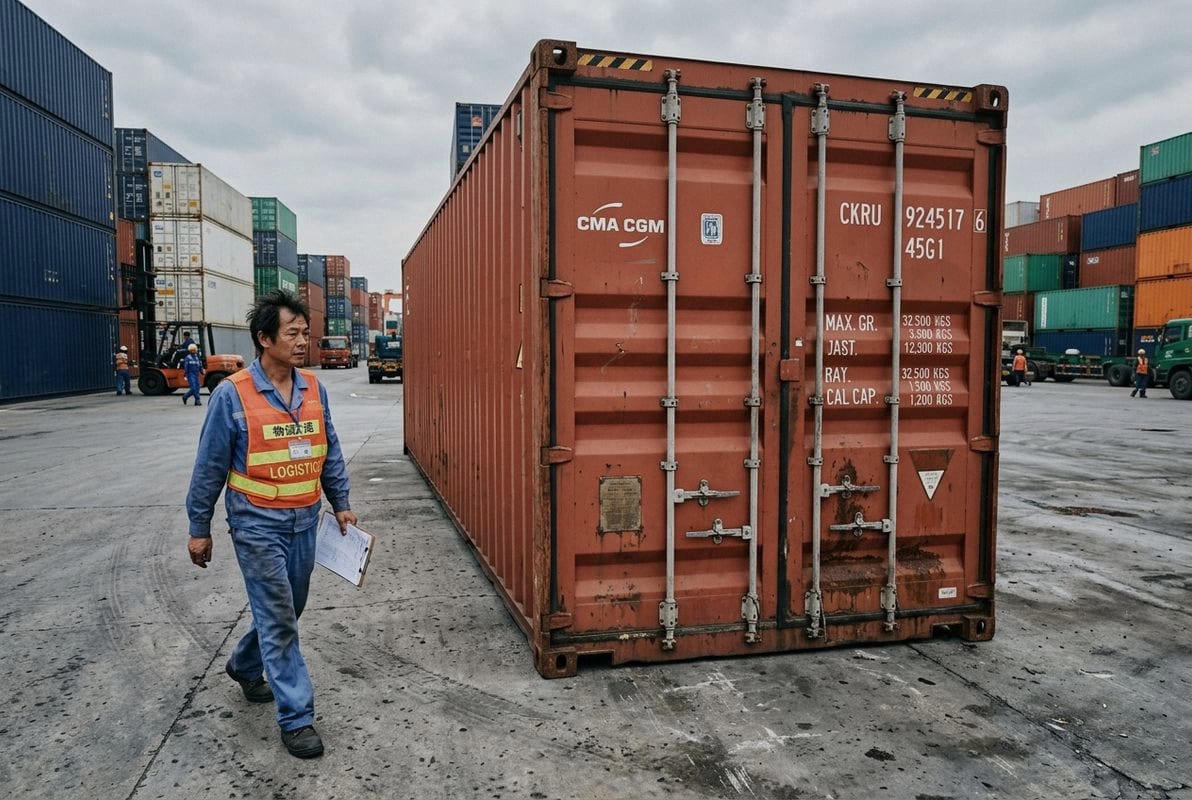
One question I hear almost every week from our clients shipping out of China: can I consolidate shipments from multiple factories into a single full container?
Yes, you can absolutely consolidate shipments from multiple factories into one FCL container. This is called FCL consolidation — the entire container belongs exclusively to you, unlike LCL groupage cargo shared with other shippers. It reduces shipping costs, speeds up transit, and gives you full control over your cargo from origin to destination.
In the logistics industry, we call this self-consolidated FCL ISF Filing (10+2) 1. It is fundamentally different from Less than Container Load shipping 2, where a freight forwarder combines goods from many different buyers into one container. With FCL consolidation 3, every box inside that container is yours. Let me walk you through how it works, why it saves money, how to handle customs documentation, and whether you can ship directly to Amazon FBA.
A client in Toronto once asked me to combine orders from three separate factories into one 40-foot container. That single request taught our operations team lessons we still apply today — coordination is everything.
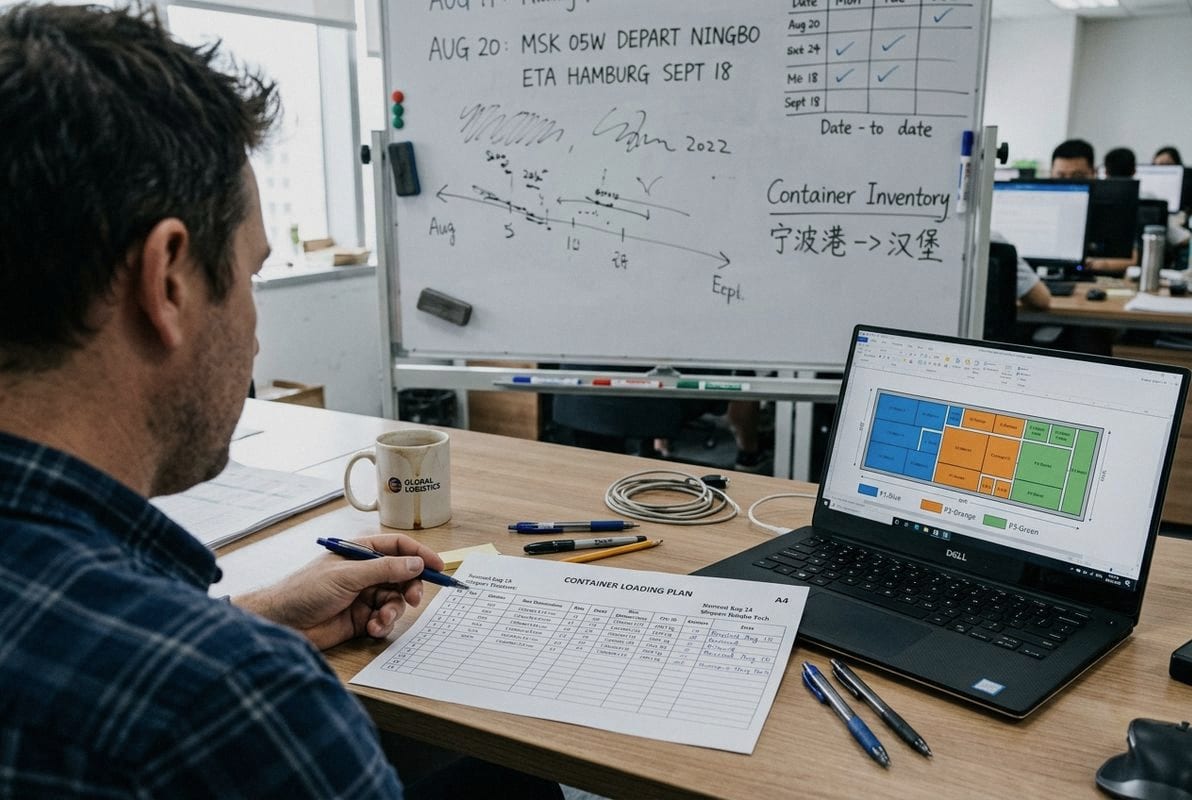
To coordinate multi-factory consolidation logistics, use a centralized consolidation hub where each factory ships goods independently. Your freight forwarder inspects, labels, and palletizes everything at the hub, then loads one sealed container once all cargo arrives. This method offers the highest flexibility and lowest risk.
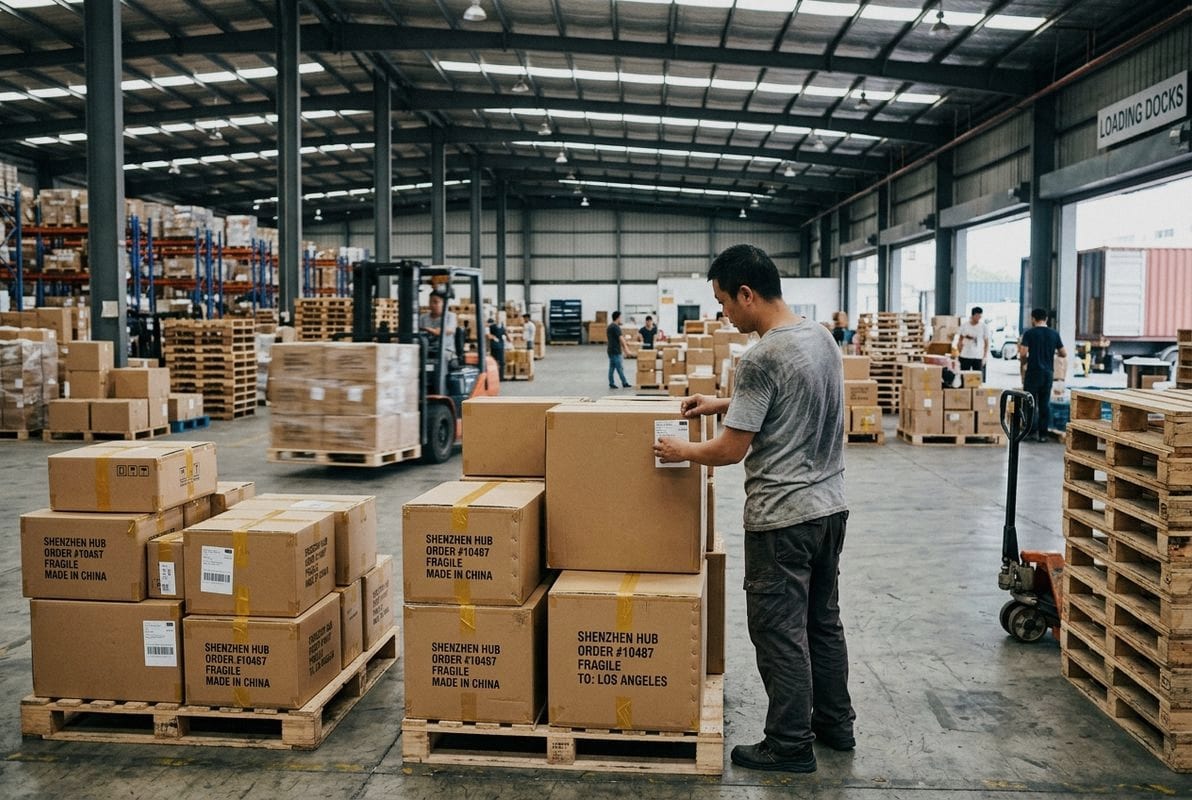
There are two proven ways to consolidate shipments from multiple factories into one FCL container. Each has clear advantages and trade-offs. The right choice depends on your factories' locations, production timelines, and budget.
This is the approach we recommend for most clients. Here is how it works:
This method works best when your factories are spread across different cities or provinces. It also gives you a critical safety net: if one factory is late by a few days, the other goods are already safe in the warehouse. No demurrage fees. No panic.
In this scenario, a truck picks up an empty container from the port and drives to Factory A first. Factory A loads their goods. The truck then drives to Factory B, then Factory C, and so on. After the last stop, the truck returns the full container to the port.
This method saves warehouse handling fees. But it comes with serious risks. If even one factory is not ready, the entire truck sits idle, and you pay demurrage and detention charges 4. Cargo loaded at earlier stops can get damaged during road transit between factories. We only recommend this when all factories are in the same industrial zone and can guarantee simultaneous readiness.
| Fator | Consolidation Hub Transit | Multi-Stop Direct Loading |
|---|---|---|
| Flexibilidade | High — factories ship independently | Low — all must be ready on the same day |
| Risk of Delay | Low — buffer time built in | High — one delay affects all |
| Cargo Inspection | Full QC at warehouse | Limited, done at each factory |
| Warehouse Fee | Yes, handling and storage fees apply | None |
| Cargo Damage Risk | Lower — professional loading | Higher — road vibration between stops |
| Melhor para | Factories in different cities | Factories in the same industrial park |
Before we book a vessel, our team collects detailed cargo information from every factory: product name, HS code 5, carton dimensions, gross weight, total volume, delivery date, and whether the goods contain batteries or use wooden packaging. We calculate total cubic meters and gross weight, then match it against the container's capacity and the shipping line's weight limit 6. US-bound containers typically have a maximum gross weight of around 17,500 kg for a 20GP and 26,000 kg for a 40HQ, but this varies by route and port. Getting this wrong means cargo that does not fit or overweight penalties at the terminal.
Load optimization is not just about fitting everything in. We plan pallet placement, leave gaps for airflow, and ensure heavy items sit at the bottom. Every loading session is photographed for records.
When I first started comparing quotes for a client who was shipping three separate LCL shipments versus one consolidated FCL, the cost difference was striking — and that is before we even counted the hidden fees.
Combining multiple factory orders into one FCL shipment typically reduces overall shipping costs by eliminating per-shipment LCL surcharges, deconsolidation fees, destination handling charges, and multiple customs clearance fees. Clients regularly see meaningful freight savings once their combined volume exceeds 15 to 18 cubic meters.
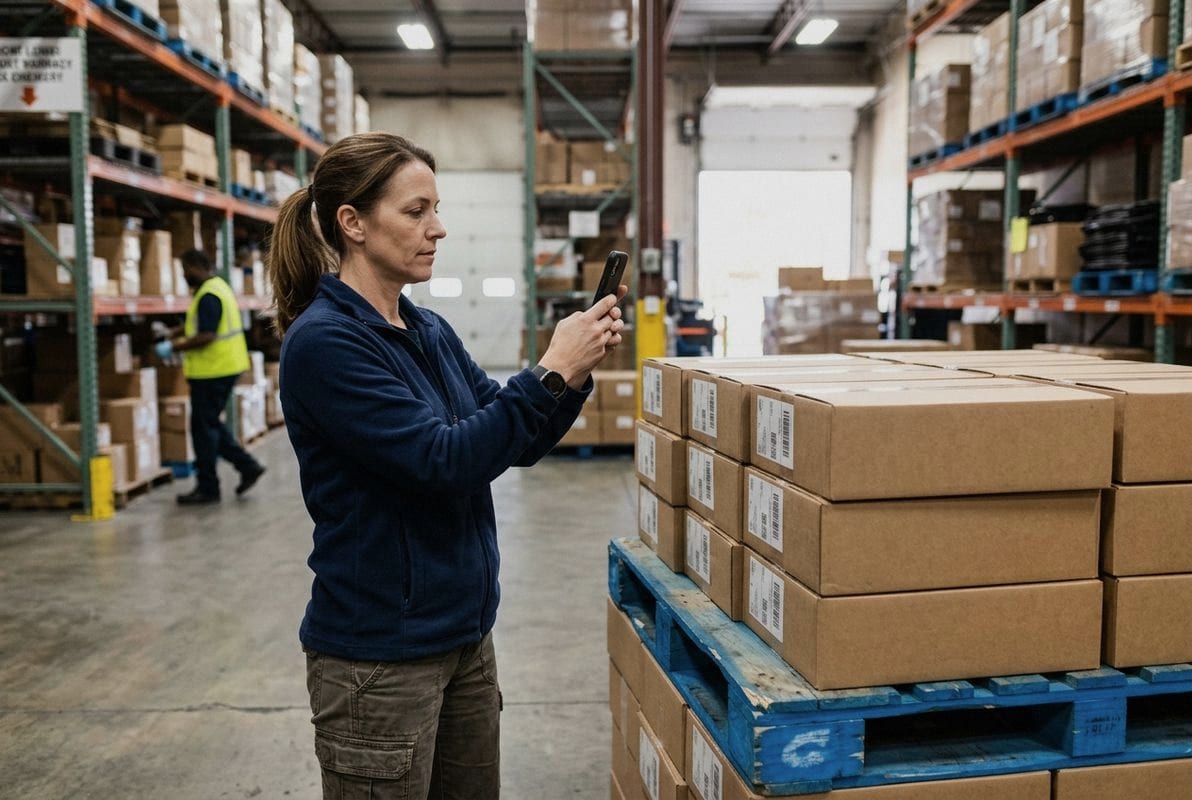
The reduced shipping costs from FCL consolidation are not just about the ocean freight rate. They come from eliminating a whole layer of fees that LCL shipments carry.
With Less than Container Load shipping, every individual shipment gets its own conhecimento de embarque 7, its own customs entry, its own CFS (Container Freight Station 8) handling fee at origin and destination, and its own deconsolidation charge. These fees add up fast. At US destination ports, CFS charges alone can run hundreds of dollars per shipment. Multiply that by three or four suppliers, and you are looking at a significant cost that simply disappears with FCL consolidation.
In addition to CFS charges, each LCL shipment may also incur ORC and THC shipping fees separately, further inflating the total cost when you have multiple individual shipments instead of one consolidated container.
Here is a simplified example based on a client shipping from China to the US East Coast. The client had three suppliers with a combined volume of approximately 22 CBM.
| Cost Item | 3 Separate LCL Shipments | 1 Consolidated FCL (40HQ) |
|---|---|---|
| Frete marítimo | ~$1,800 total (3 × $600) | ~$2,200 (flat container rate) |
| Origin CFS Handling | ~$450 (3 × $150) | $0 |
| Destination CFS Handling | ~$900 (3 × $300) | $0 |
| Deconsolidation Fee | ~$375 (3 × $125) | $0 |
| Multiple Customs Entries | ~$750 (3 × $250) | ~$250 (single entry) |
| Documentation Fees | ~$300 (3 × $100) | ~$100 |
| Estimated Total | ~$4,575 | ~$2,550 |
In this example, the client saved over $2,000. The exact savings depend on your volume, route, and the number of suppliers. But the pattern is consistent: once your combined volume crosses approximately 15 to 18 CBM, FCL consolidation almost always wins on cost.
FCL consolidation is not always the answer. If your total cargo from all factories is under 12 CBM, LCL may still be cheaper. Paying for a half-empty container wastes money. The break-even point depends on current market rates, but here is a general guide:
| Combined Volume | Recommended Shipping Mode |
|---|---|
| Under 5 CBM | LCL — FCL would waste too much space |
| 5–12 CBM | Compare LCL and FCL quotes carefully |
| 12–15 CBM | FCL often competitive, get quotes for both |
| Over 15 CBM | FCL consolidation is almost always cheaper |
Container utilization is just one piece. Consolidated FCL also saves you time, and time is money. LCL shipments often sit at destination CFS warehouses for days waiting for deconsolidation. An FCL container goes straight to the delivery address or warehouse. That means faster inventory turnover, fewer stockouts, and better cash flow — things that matter deeply to Amazon sellers managing tight restock windows.
Supply chain optimization through consolidation also means fewer touchpoints. Fewer touchpoints mean fewer chances for cargo to be damaged, lost, or delayed. Our clients who switched from multiple LCL shipments to consolidated FCL reported noticeably fewer damage claims.
A lesson I learned early in our DDP operations: the most common reason a consolidated container gets held at US customs is not the goods themselves — it is messy paperwork from multiple vendors that does not reconcile.
For a consolidated FCL with products from different vendors, you need one unified set of customs documents: a single consolidated bill of lading, a master commercial invoice listing all vendors and HS codes, a combined packing list, and consistent shipper-of-record information. A DDP freight forwarder handles the customs clearance on both sides so duties and taxes are pre-paid and the container clears smoothly.
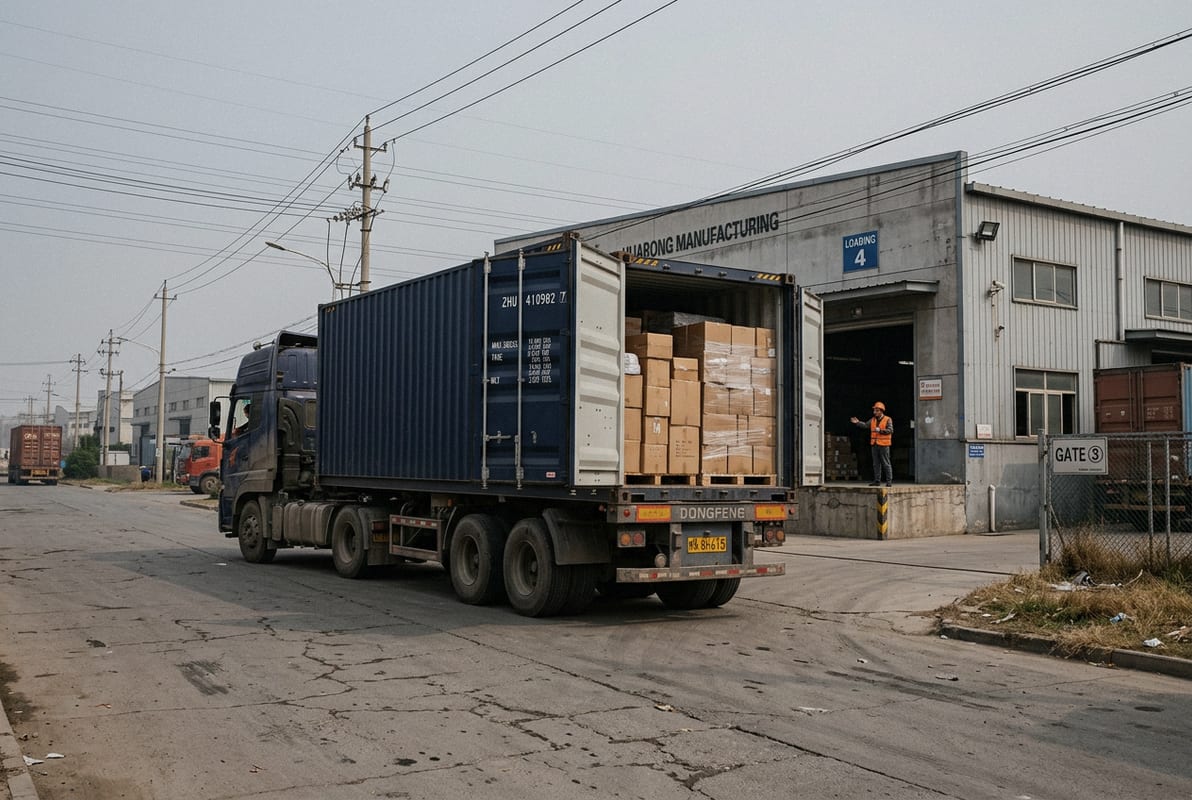
When you consolidate shipments from multiple factories, each factory provides its own commercial invoice, packing list, and possibly its own set of certificates. The challenge is merging all of these into a single, coherent package that customs authorities on both the export and import side will accept without questions.
At our operations center, we handle this by collecting all documentation from each factory well before the cargo arrives at the consolidation hub. We verify every HS code, cross-check product descriptions against the actual goods, and reconcile quantities. Any mismatch — even a minor one like "plastic storage box" on the invoice versus "plastic container" on the packing list — can trigger a customs inspection or delay.
On the China export side, there are two approaches for customs declaration:
Unified Declaration: All goods are declared under one shipper (your Chinese agent or trading company) with a single set of export documents. This simplifies the process and is ideal when your third-party logistics provider handles the export formalities. Tax refunds, if applicable, go to the single declaring entity.
Multi-Bill Declaration: Each factory declares its own goods separately, but all declarations are linked to the same container. This is necessary when individual factories need to claim their own export tax rebates. It requires more coordination but is common for high-value or specialized goods.
Para DDP (Delivered Duty Paid) 9 shipments into the United States, our US customs broker files a single entry covering all products in the container. The entry must list every product, its corresponding HS code, country of origin, and declared value — broken down by vendor.
Key documents we prepare for US customs clearance:
I have seen containers held for weeks because of avoidable documentation errors. Here are the most common ones:
The DDP model is especially valuable for consolidated containers. Under DDP terms, we pre-calculate and prepay all duties, taxes, and fees. The client receives a single, all-inclusive invoice. There are no surprises at destination, no customs broker fees to negotiate separately, and no risk of the container sitting at the port because duties were not paid. For Amazon sellers who need predictable landed costs, this is critical.
One interaction that shaped how we handle FBA deliveries: a client's consolidated container arrived at the port on schedule but was rejected by Amazon because the floor-loaded cartons did not meet their palletization requirements. That single mistake cost the client a week of delays and hundreds of dollars in repalletizing fees.
Yes, a consolidated FCL shipment can be delivered directly to an Amazon FBA warehouse in the US. However, the cargo must meet Amazon's strict receiving requirements — including palletization, labeling (FNSKU and shipping labels), carton weight limits, and delivery appointment scheduling. Your freight forwarder should handle FBA prep either at the consolidation hub in China or at a US transload facility.
Amazon FBA warehouses are not regular warehouses. They have rigid receiving standards. If your container does not meet these standards, Amazon will either reject the delivery or charge you for non-compliance. When you are consolidating goods from multiple factories, the complexity multiplies because each factory may pack, label, and palletize differently.
Here are the key requirements your consolidated FCL must meet:
Option A: Prep at China Consolidation Hub
We can apply FNSKU labels, re-pack if necessary, palletize to Amazon's specifications, and photograph everything at our warehouse in China before loading the container. This eliminates the need for a US prep center and gets the goods FBA-ready before they even leave port. The trade-off is that if Amazon changes the designated FBA warehouse after you have shipped, the labels may need updating.
Option B: Prep at a US Transload Warehouse
The container arrives at a US warehouse near the destination port. There, a third-party logistics provider unloads the container, sorts goods by Amazon shipment ID, applies labels, palletizes, and schedules separate deliveries to one or more FBA warehouses. This is more flexible — especially when Amazon splits your inventory across multiple fulfillment centers — but it adds cost and time.
Here is what a typical consolidated FBA shipment looks like from start to finish when we coordinate the entire process:
I want to circle back to a real case that illustrates why packaging matters so much in multi-factory consolidation. A client in Canada needed to ship goods from three factories. We advised all factories to reinforce their outer packaging. Two complied. One did not. When their goods arrived at the consolidation hub, the outer cartons were crushed and could not be unloaded safely. We had to remove the damaged packaging on-site and load the individual inner cartons directly into the container as loose cargo. We made it work, but it almost caused the shipment to miss its vessel. The takeaway: always insist on reinforced packaging from every factory, especially when goods must survive transit to a consolidation hub before even reaching the container. Choosing the right materials upfront — for example, understanding how to choose the right cardboard boxes for international shipping — can prevent exactly this kind of costly last-minute scramble.
Consolidating shipments from multiple factories into one FCL container is a proven strategy to cut costs, speed up delivery, and simplify logistics — but it demands careful coordination, proper documentation, and an experienced freight forwarder who understands every step of the process.
1. Details the US Customs Importer Security Filing (10+2) requirements for ocean cargo. ↩︎
2. Defines LCL shipping as grouping multiple shipments in one container. ↩︎
3. Explains FCL consolidation as sharing container space with other shippers. ↩︎
4. Explains the difference between demurrage (terminal delay) and detention (outside terminal delay) charges. ↩︎
5. Replaced with the official source from the World Customs Organization, which developed and maintains the Harmonized System. ↩︎
6. Explains shipping container weight limits, including gross weight and payload capacity. ↩︎
7. Defines a bill of lading as a legal document for goods, serving as receipt and title.