- +8618603825129
- [email protected]

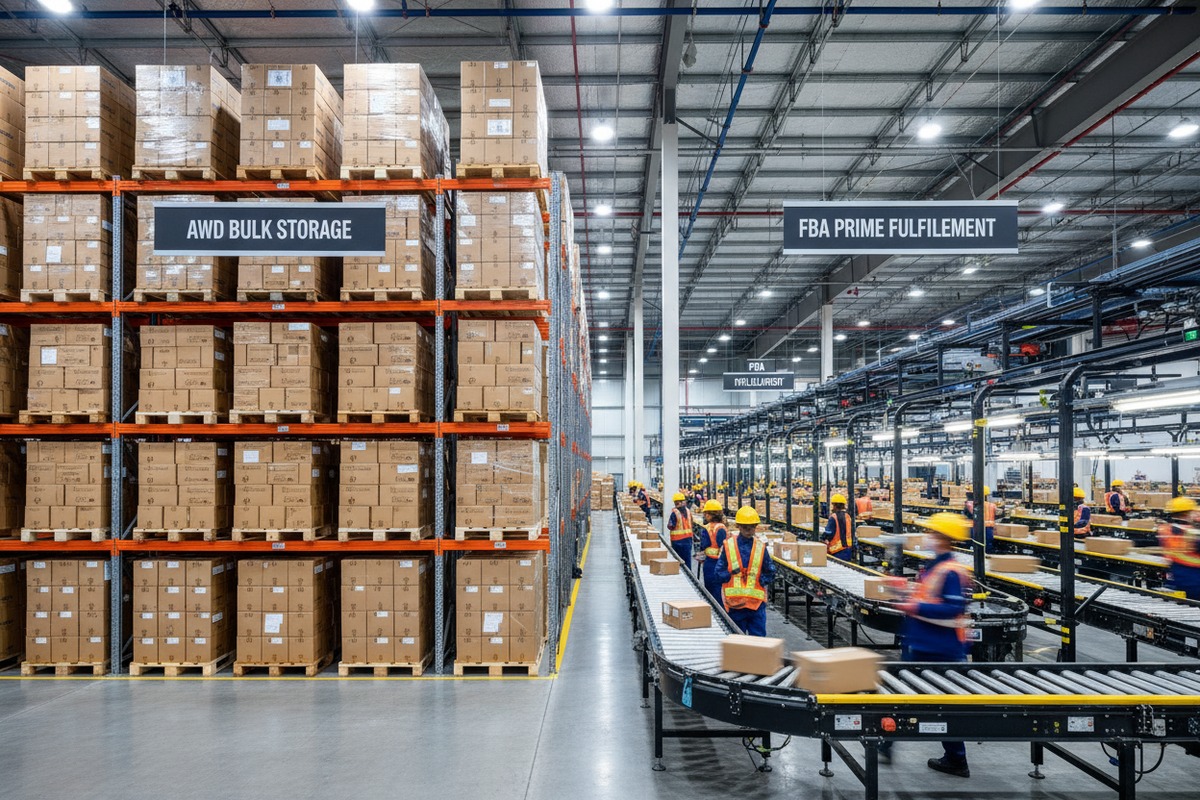
Every week, our logistics team handles shipments bound for both AWD and FBA warehouses — and the number one question sellers ask us is which one they should use.
Amazon Warehousing and Distribution (AWD) is Amazon's bulk storage service designed for long-term, upstream inventory, while Fulfillment by Amazon (FBA) handles direct-to-consumer order fulfillment with Prime eligibility. AWD feeds inventory into FBA through auto-replenishment, making them complementary rather than competing services.
Choosing the wrong storage strategy can drain your budget or leave you out of stock during peak season Amazon Warehousing and Distribution (AWD) 1. Below, we break down AWD and FBA side by side so you can build a smarter, leaner supply chain 2 from China to the US.
When we coordinate shipments from our Zhengzhou consolidation hub to US fulfillment centers, sellers often struggle with this exact question Fulfillment by Amazon (FBA) 3. The wrong choice leads to wasted fees or missed sales.
Decide based on your sell-through speed and order volume: use FBA for fast-moving products that sell within 30–60 days and need Prime eligibility, and use AWD for bulk, seasonal, or slow-moving inventory requiring long-term storage without capacity limits or peak surcharges.
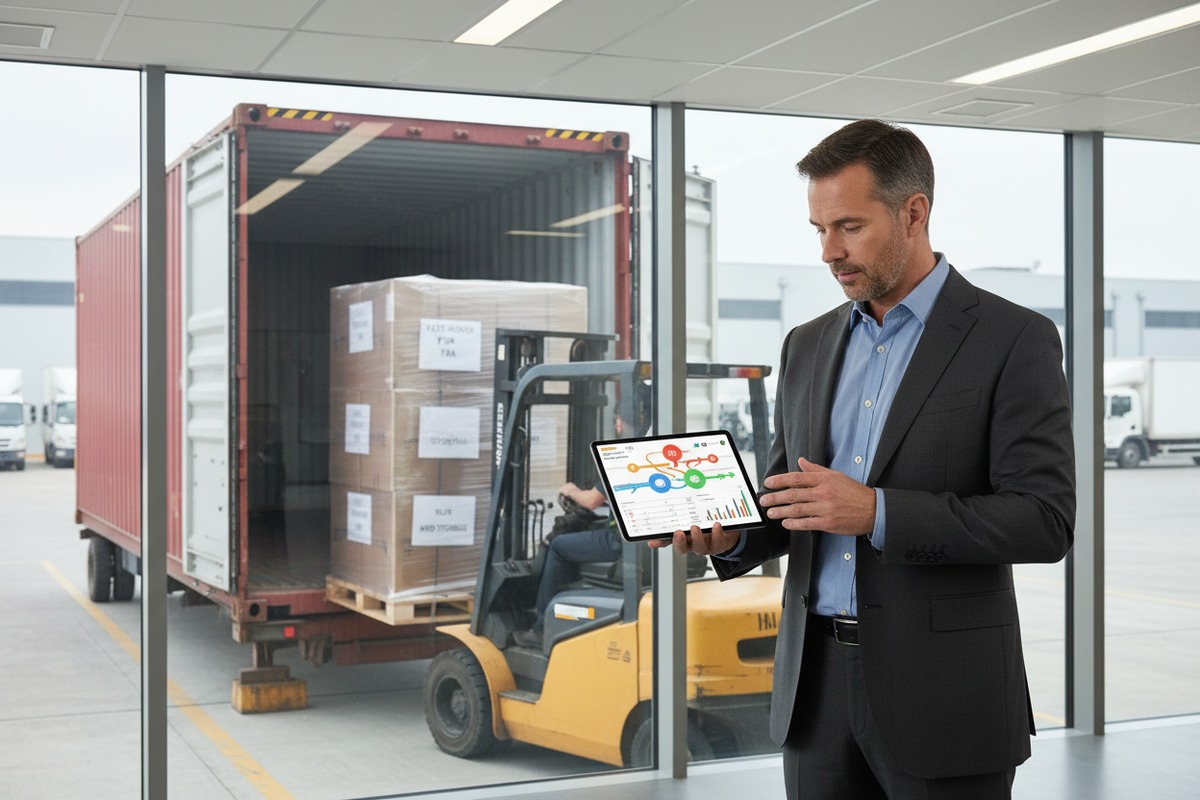
Let's start with the basics. AWD — officially called Amazon Warehousing and Distribution — is a bulk storage solution. You send palletized cargo 4 to Amazon's upstream warehouses. AWD holds your inventory until FBA needs it. It does not pick, pack, or ship orders to customers. Think of it as a staging area.
FBA, on the other hand, is the full-service engine. It receives your inventory, stores it close to buyers, picks and packs each order, ships it with Prime speed, handles returns, and manages customer service. FBA is the last mile 5. AWD is the back room.
Your decision should depend on three factors: inventory turnover rate 6, order volume, and product type. Here is a quick reference:
| Factor | Choose AWD | Choose FBA |
|---|---|---|
| Sell-through rate | Slower than 60 days | 30–60 days or faster |
| Shipment format | Pallets or full cases | Small parcels accepted |
| Storage duration | Long-term or seasonal | Short-term, fast rotation |
| Prime eligibility 7 needed | Not directly (transfers to FBA) | Yes, immediately |
| Capacity concerns | No limits, no IPI impact | Subject to restock limits |
| Custom prep (labeling, bundling) | Not available | Fully supported |
From our experience shipping thousands of cartons to US warehouses, the highest-performing sellers rarely pick just one. They use a hybrid approach. They ship bulk pallets from China into AWD for low-cost storage. Then they rely on Amazon's auto-replenishment 8 to keep FBA stocked at optimal levels. This avoids FBA's aged inventory fees and keeps Prime badges active.
If you sell seasonal items — holiday décor, back-to-school supplies, summer toys — AWD is where you stage inventory months in advance. When demand spikes, FBA gets replenished automatically. You avoid the panic of hitting FBA capacity limits in Q4.
However, if your entire catalog moves fast and you never sit on inventory longer than 45 days, FBA alone may be simpler and cheaper. Adding AWD introduces a 10–14 day transfer window, which can cause stockouts for high-velocity products if not planned carefully.
Ask yourself these questions:
The right answer depends on your numbers, not on hype. Run the math on storage costs, transfer times, and fulfillment fees before committing.
Our team regularly helps sellers calculate total landed costs 9 — from factory gate in China to Amazon shelf in the US — and storage fees are one of the biggest surprises newcomers face.
Yes, you can save significantly on monthly storage by moving long-term and bulk inventory from FBA to AWD. AWD charges lower per-cubic-foot rates with no peak season surcharges, no aged inventory fees, and no IPI score restrictions, making it ideal for inventory stored beyond 60 days.
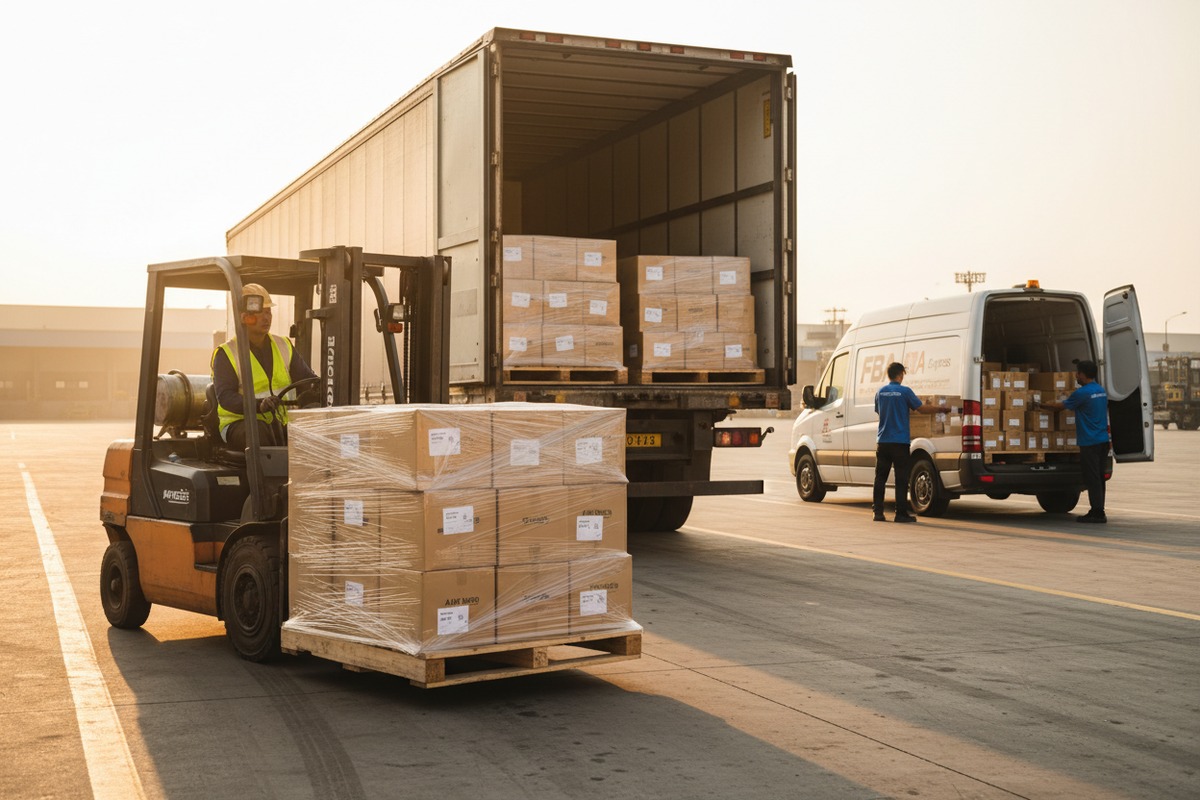
FBA storage fees are not flat. They change based on time of year, how long your product sits, and your inventory performance. During Q4 (October through December), FBA storage rates spike dramatically. On top of that, any inventory aged beyond 181 days triggers additional surcharges. If your IPI score drops below Amazon's threshold, you face capacity limits that force costly workarounds.
For a seller holding 500 pallets of seasonal goods from July through November, these compounding fees can eat into margins fast.
AWD uses a simpler pricing model. You pay per cubic foot per month. There are no holiday surcharges. There are no aged inventory penalties. There is no IPI score requirement. You send pallets in, and you pay a flat storage rate until Amazon moves that inventory to FBA.
Here is a side-by-side comparison:
| Cost Category | FBA | AWD |
|---|---|---|
| Monthly storage (standard) | Higher per cubic foot | Lower per cubic foot |
| Q4 peak surcharge | Yes, significant increase | No surcharge |
| Aged inventory fee (181+ days) | Yes, escalating charges | No aged inventory fee |
| IPI score restriction | Yes, limits capacity | No IPI requirement |
| Long-term storage penalty | Yes, after 365 days | None |
| Inbound placement fees | Yes, under Send to Amazon | Not applicable |
Here is where sellers get tripped up. AWD saves on storage, but the per-unit cost of transferring inventory from AWD to FBA is not zero in terms of overall logistics planning. And for high-volume, low-value items, the fulfillment math can shift. Always calculate total cost — storage plus fulfillment plus transfer — not just the storage line item.
Consider a seller storing 1,000 units of a moderately sized product. In FBA from August through December, they pay standard storage fees plus Q4 surcharges plus potential aged inventory fees. Shifting that same inventory to AWD from August through November, then auto-replenishing into FBA in early December, could reduce storage costs by 20–50% depending on product size and timing.
The savings are real, but only if your inventory profile matches. Fast sellers who turn stock in under 45 days won't benefit much. Slow movers and seasonal products see the biggest gains.
Our logistics coordinators often recommend running a cost comparison using Amazon's AWD fee calculator before making the switch. The numbers tell the story better than any blog post.
We move containers from Shenzhen, Yiwu, Ningbo, and other Chinese manufacturing hubs to US ports every single day. Keeping AWD inventory stocked requires a disciplined shipping rhythm, not just a one-time bulk shipment.
The best way to keep AWD stocked is to establish a regular shipping cadence from China using a DDP logistics partner, plan shipments 4–6 weeks ahead of demand, consolidate cargo at a China-side warehouse, and align ocean freight schedules with your AWD replenishment cycles for uninterrupted supply.
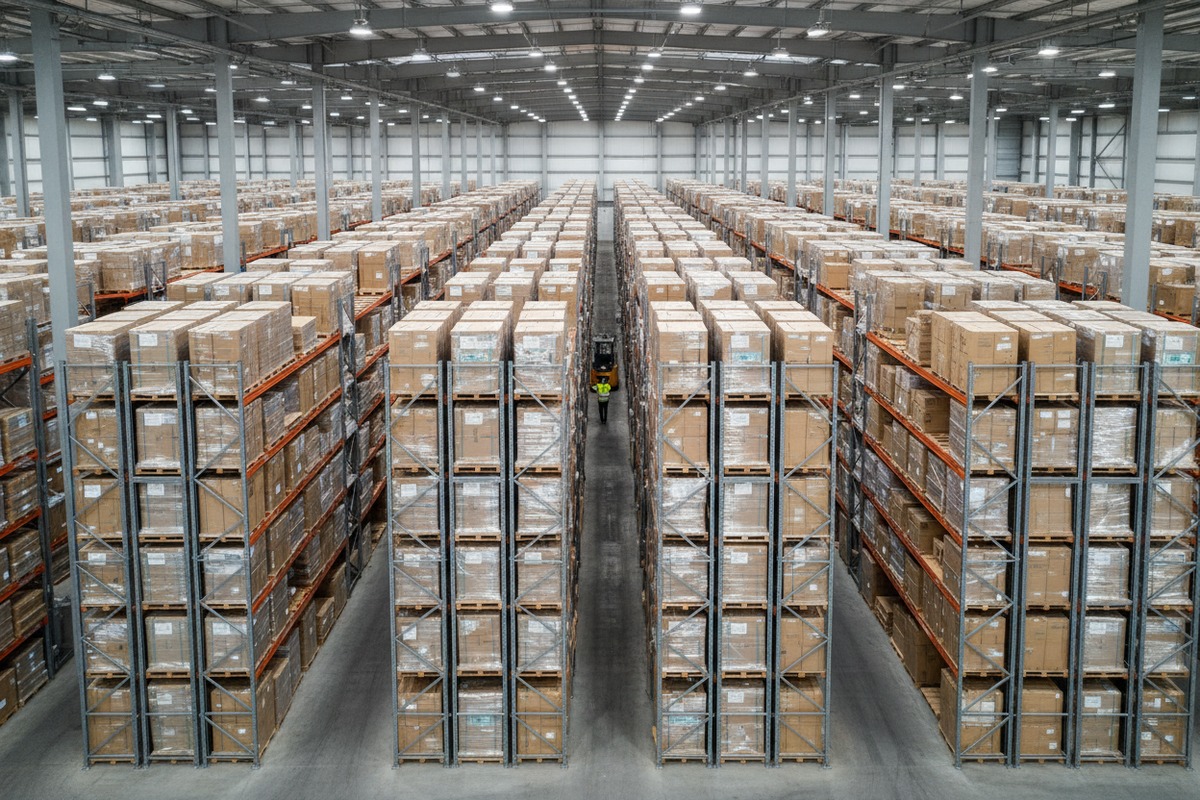
Many sellers focus only on demand forecasting. That is half the picture. You also need to map the full transit timeline from your supplier's factory to AWD's receiving dock. Here is a realistic breakdown:
| Stage | Typical Duration |
|---|---|
| Production and quality check | 7–15 days |
| Inland transport to China port | 2–5 days |
| Ocean freight to US port | 18–25 days |
| US customs clearance (DDP) | 1–3 days |
| Drayage to AWD facility | 2–5 days |
| AWD inbound processing | 2–4 days |
| Total end-to-end | 32–57 days |
That means if you need inventory in AWD by November 1 for Q4 sales, your shipment should leave China no later than mid-September. For ocean freight, we always tell sellers: work backwards from your needed-by date, then add a one-week buffer.
One of the biggest delays we see is customs clearance. If your paperwork is wrong, your shipment sits at the port. If duties are miscalculated, you get hit with unexpected charges. Using a DDP (Delivered Duty Paid) service 10 means your logistics provider handles everything — duties, taxes, customs brokerage — before the cargo reaches AWD. You pay one price, and the goods arrive cleared and ready.
This is especially important for AWD because Amazon does not handle customs for you. If your shipment is held at the port, your AWD inventory drops, your FBA auto-replenishment runs dry, and you face stockouts.
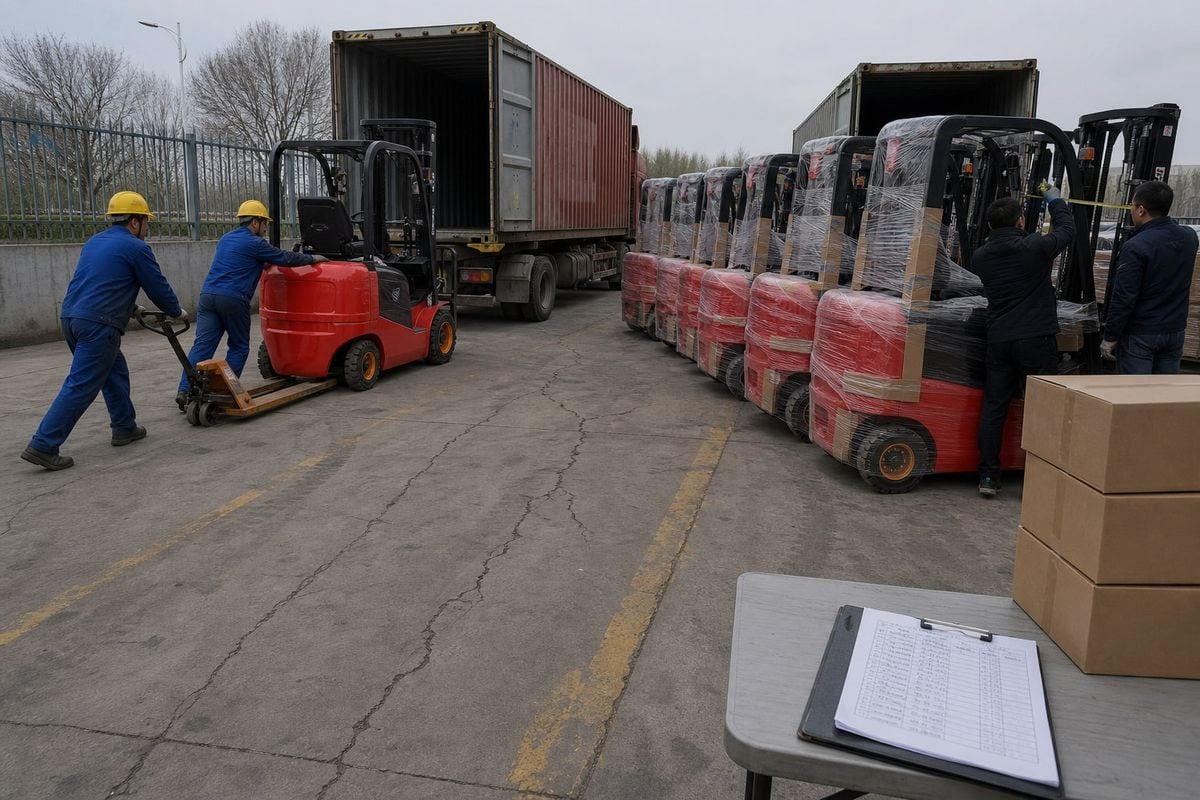
If you source from multiple Chinese suppliers, consolidating at a single warehouse in China before shipping is critical. Our Zhengzhou facility, for example, receives goods from several factories, inspects them, palletizes them to AWD standards, and ships them as one consolidated load. This reduces per-unit shipping costs and ensures your AWD-bound pallets meet Amazon's requirements before they leave China.
Don't ship reactively. Build a rolling 90-day shipping calendar. Plot your expected sell-through, your FBA buffer stock, and your AWD reserves. Set reorder triggers at the factory level so production starts before you run low. The sellers who avoid stockouts are the ones who treat shipping like a repeating cycle, not an emergency response.
Whether you are shipping LCL or FCL, having a logistics partner who understands both China export procedures and Amazon inbound requirements saves weeks of headaches. Our team handles both AWD and direct FBA shipments daily, so we see firsthand how proper planning eliminates the most common supply chain failures.
When we deliver bulk cargo to AWD on behalf of our clients, the most common follow-up question is: "How does my inventory actually get from AWD to FBA?" The answer is surprisingly hands-off — and that is exactly the point.
AWD's auto-replenishment monitors your FBA stock levels and automatically transfers inventory from AWD to the nearest FBA fulfillment center when quantities run low. This free, system-driven process typically takes 1–7 days and removes the need for manual restocking, helping sellers maintain consistent in-stock rates.
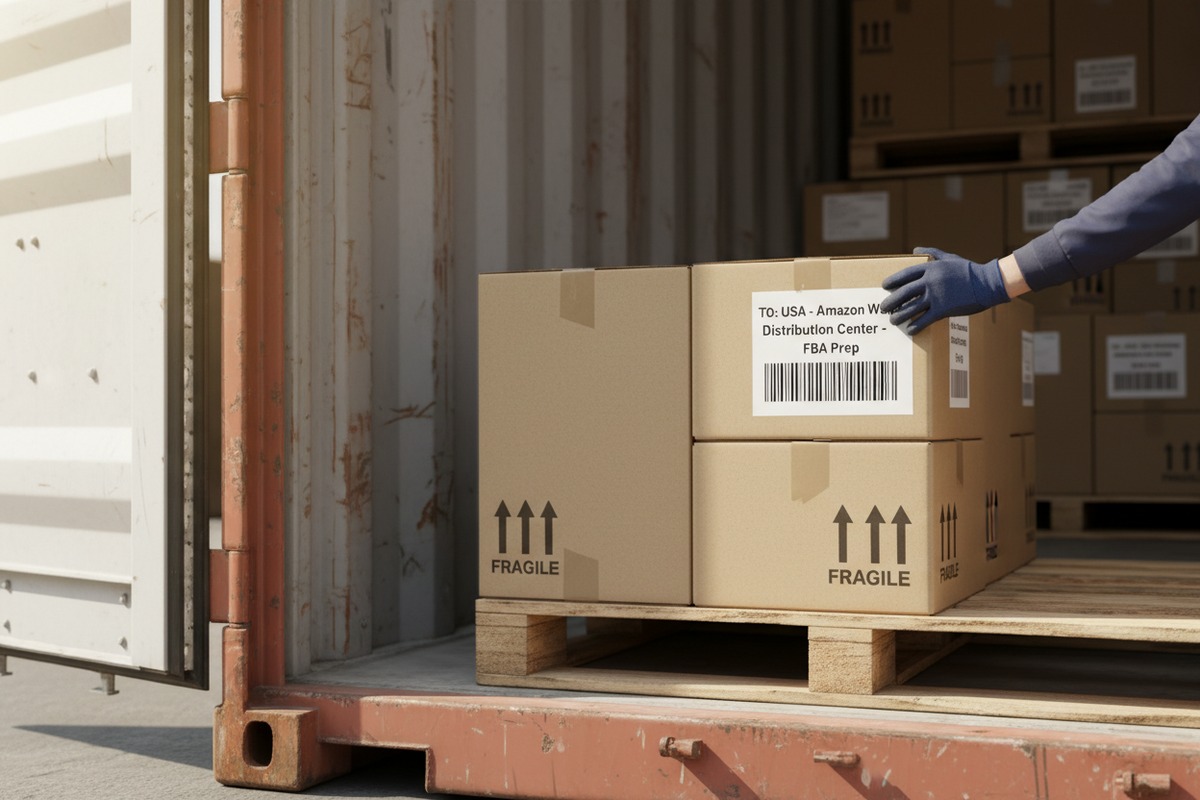
The process is straightforward. Once your inventory is checked into AWD, Amazon's system tracks your FBA sell-through rate for each SKU. When FBA stock dips below a calculated threshold, AWD automatically generates a transfer order. Amazon moves the units from AWD to the appropriate FBA warehouse. You do not create the transfer. You do not pay a separate transfer fee. It happens in the background.
The typical timeline for a transfer is 1–7 days, though some sellers report occasional delays up to 10–14 days for certain product categories or during peak periods. This is the one variable you need to plan around.
Without auto-replenishment, you would need to manually monitor FBA inventory every day, calculate reorder quantities, create inbound shipments, and coordinate logistics — all while juggling advertising, customer service, and product development. Auto-replenishment eliminates the middle steps. Your job shifts from reactive restocking to proactive upstream planning: making sure AWD itself stays stocked.
This is where our service fits in. We keep your AWD pipeline full from the China side. Amazon keeps your FBA pipeline full from the AWD side. Together, the entire chain runs with minimal manual intervention.
You do have the option to manually trigger transfers from AWD to FBA. This can be useful for product launches or flash sales where you want to pre-load FBA before demand spikes. But for steady-state operations, auto-replenishment is simpler and more reliable.
Auto-replenishment is not perfect. It relies on Amazon's demand algorithms, which may not account for sudden sales spikes from viral marketing, lightning deals, or external traffic campaigns. If you are planning a major promotion, consider triggering a manual transfer a week in advance.
Also, inventory flow is one-way. Once stock moves from AWD to FBA, it cannot be sent back to AWD. If FBA overstocks, you are stuck paying FBA storage rates on those units. Plan your quantities carefully.
Here is what the ideal flow looks like for a seller shipping from China:
This model turns a complex, multi-step logistics problem into a clean, linear pipeline. You manage one upstream shipment. Amazon manages two downstream movements. Everyone wins.
AWD's auto-replenishment is especially powerful for sellers with large catalogs or multiple SKUs. Instead of tracking dozens of FBA restock windows, you maintain one bulk inventory pool in AWD and let the system distribute. It is not flawless, but it is the closest thing Amazon offers to a set-it-and-forget-it supply chain.
AWD and FBA work best together — bulk storage upstream, fast fulfillment downstream. Pair them with a reliable China-to-US DDP shipping partner, and your supply chain runs smoother with fewer surprises.
1. Official Amazon page detailing AWD services and benefits. ↩︎
2. Provides a comprehensive definition of supply chain management. ↩︎
3. Official Amazon page explaining FBA services and benefits. ↩︎
4. Defines a pallet and its role in cargo handling and logistics. ↩︎
5. Explains the concept of last-mile delivery in logistics and transportation. ↩︎
6. Explains how to calculate and interpret inventory turnover ratio. ↩︎
7. Official Amazon help page explaining Prime membership benefits. ↩︎
8. Replaced with an official Amazon Seller Central help page specifically about auto-replenishment from AWD to FBA. ↩︎
9. Defines total landed cost, including all expenses for a product. ↩︎
10. Explains Delivered Duty Paid (DDP) Incoterm in international shipping. ↩︎