- +8618603825129
- [email protected]

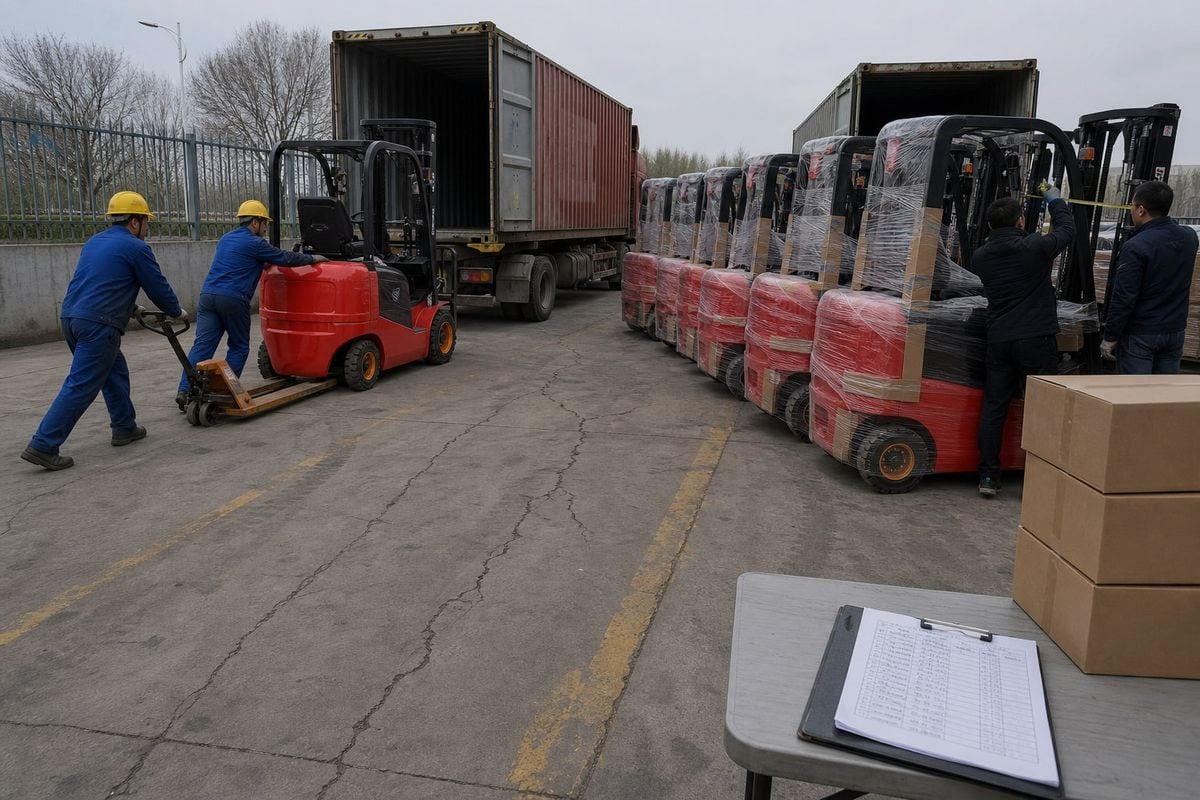
Every week, our logistics team handles shipments held at US ports because sellers missed one critical step: FDA registration 1. The frustration is real. Cargo sits idle, storage fees pile up, and Amazon inventory plans collapse—all because a product category was overlooked before it left China.
Products requiring FDA registration for US customs clearance include human and animal foods, dietary supplements, medical devices (Class I–III), pharmaceuticals, biologics, cosmetics, radiation-emitting electronic products, and tobacco products. Each category has distinct registration, listing, and documentation requirements that must be completed before export.
FDA compliance is not a single certificate. It is a system of facility registration, product listing, prior notice 2 filings, and inspections human and animal foods 3. Understanding which of your products fall under FDA jurisdiction is the first—and most important—step before shipping anything to the United States. Let's break it down category by category.
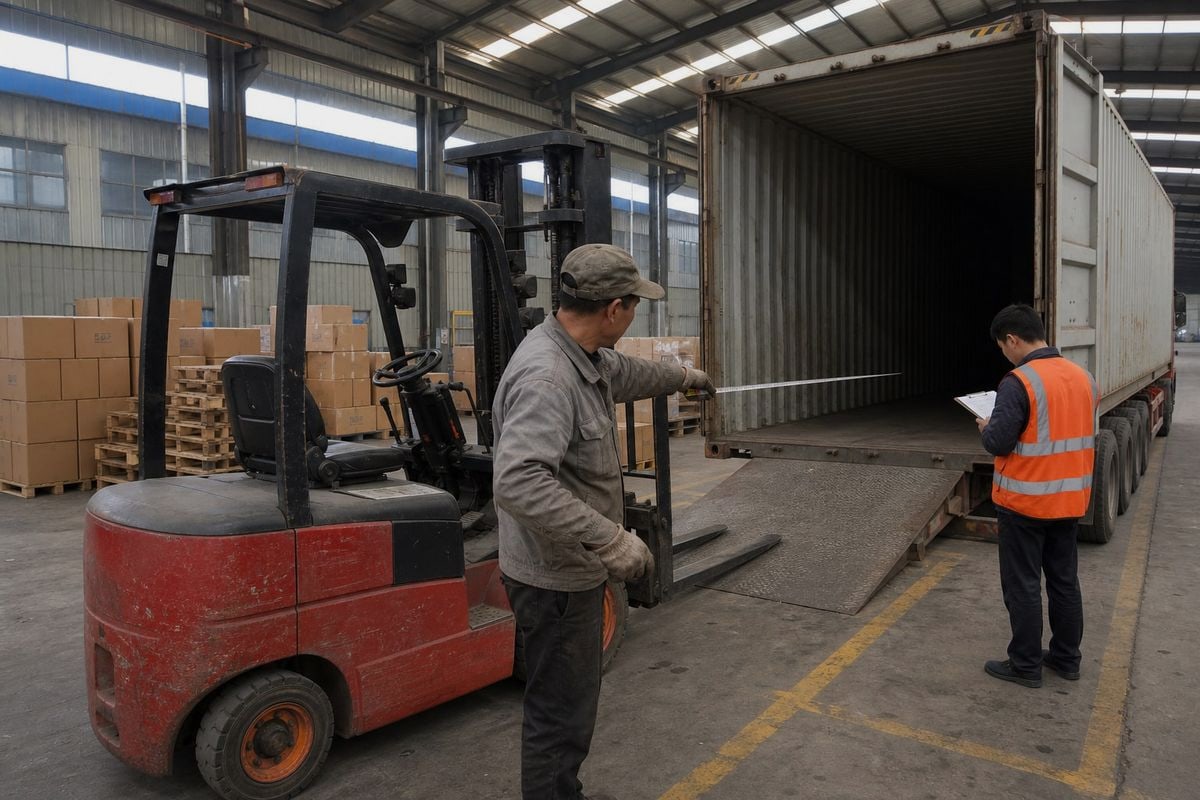
Our warehouse in Zhengzhou processes thousands of SKUs each month bound for the US, and the single most common question we hear from sellers is: "Does my product even need FDA registration?" The answer is not always obvious, and getting it wrong can be very expensive radiation-emitting electronic products 4.
To determine if your products require FDA registration, check whether they fall into six regulated categories: food and dietary supplements, medical devices, drugs and biologics, cosmetics, radiation-emitting electronics, or tobacco products. Each category has specific registration and listing requirements on the FDA's FURLS system.
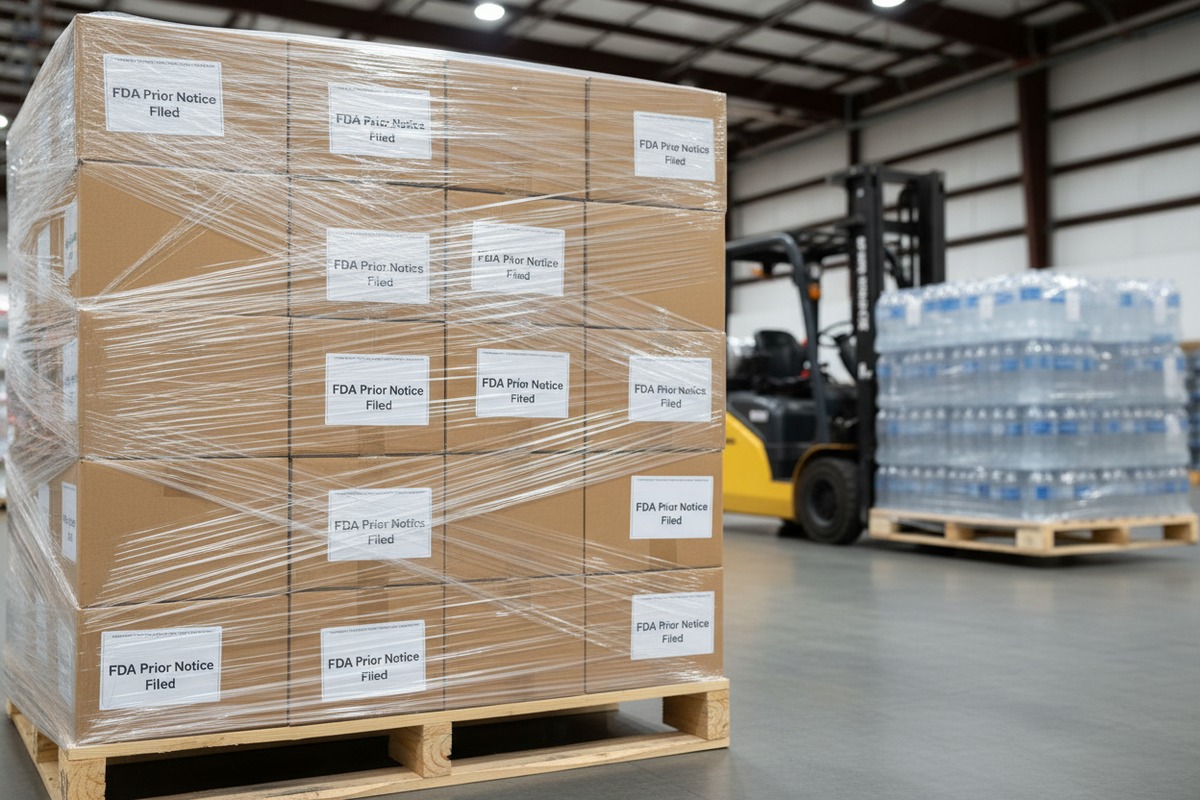
The FDA is the regulatory arm of the US Department of Health and Human Services. It does not issue one universal "FDA certificate." Instead, it operates a compliance system that covers registration, testing, approval, and filing. Here is a clear breakdown of every product type that falls under FDA jurisdiction.
This is the broadest category. It covers all products intended for human consumption, animal consumption, and even materials that touch food.
| Sub-Category | Examples | Special Notes |
|---|---|---|
| Human Food | Snacks, beverages, canned goods, baked items, bottled water, baby formula, condiments, food additives | All require facility registration + Prior Notice |
| Dietary Supplements 5 | Vitamins, minerals, herbal products, protein powder, fish oil, probiotics | Facility registration required; no pre-market approval but labeling rules apply |
| Animal Food | Pet food, pet treats, livestock feed | Same facility registration as human food |
| Special Foods | Low-acid canned food (pH > 4.6), acidified food | Requires additional FCE/SID registration |
| Food Contact Materials | Utensils, packaging, kitchenware, food containers | Must meet FDA food-grade standards |
Any instrument used for diagnosis, treatment, prevention, or mitigation of disease must be registered. The FDA classifies devices into three risk-based tiers.
| Class | Risk Level | Examples | Regulatory Path |
|---|---|---|---|
| Class I | Low | Bandages, tongue depressors, medical gloves, manual surgical tools, thermometers, wheelchairs, non-medical masks | General controls; most exempt from 510(k) |
| Class II | Medium | Blood glucose meters, blood pressure monitors, ultrasound equipment, powered wheelchairs, pregnancy tests, dental instruments | 510(k) premarket notification required |
| Class III | High | Pacemakers, artificial joints, implantable devices, large imaging equipment | Premarket Approval (PMA) required |
All three classes require facility registration and device listing on the FDA system. Foreign manufacturers must also designate a US Agent 6.
This category includes prescription drugs, OTC drugs, active pharmaceutical ingredients, generic drugs, vaccines, blood products, cell and gene therapies, tissue transplant products, and veterinary drugs. A critical point many sellers miss: cosmetics that make drug claims—like anti-acne or hair growth products—are regulated as drugs, not cosmetics.
Skincare, makeup, perfume, shampoo, hair care, nail products, sunscreen, and oral care products all fall under FDA cosmetics regulation. Under the Modernization of Cosmetics Regulation Act 7 (MoCRA), facility registration and product listing are now mandatory for cosmetic companies.
Laser pointers, laser beauty devices, laser printers, laser medical equipment, X-ray machines, CT scanners, security screening devices, microwave ovens, UV lamps, sun lamps, and ultrasonic therapy devices all require FDA registration and compliance reporting.
Cigarettes, cigars, e-cigarettes, and smokeless tobacco products must be registered with the FDA's Center for Tobacco Products 8.
There is no single "FDA certificate." Compliance is verified through registration numbers, approval numbers, listing numbers, and FDA database records. A US Agent is legally required for all foreign facilities—this person serves as the FDA's point of contact. And registration alone does not guarantee customs clearance. Customs officers still verify labels, test reports, and filing information.
When sourcing from Chinese suppliers, buyers should confirm FDA compliance status before the order ships—not after it arrives in the US.
Our DDP pricing models for US-bound shipments always account for regulatory complexity, and FDA-regulated goods are consistently the most time-sensitive category we handle. Sellers who skip the compliance step upfront almost always pay more later.
FDA compliance adds cost through US Agent fees, facility registration fees, lab testing, labeling adjustments, and Prior Notice filings. It also extends customs clearance timelines by 1–5 business days compared to non-regulated goods, and non-compliance can add weeks of delays plus storage penalties at US ports.

FDA compliance introduces several line items that non-regulated products do not carry. Here is a realistic cost breakdown for common product types.
| Cost Component | Estimated Range (USD) | Applies To |
|---|---|---|
| US Agent Fee | $200–$800/year | All foreign facilities |
| FDA Facility Registration | $0 (food) – $7,653 (medical devices 9, FY2025) | Varies by category |
| Lab Testing / Reports | $500–$5,000+ per product | Devices, drugs, food additives |
| Labeling Compliance Review | $200–$1,000 | Food, supplements, cosmetics |
| Prior Notice Filing | Often included in broker fee | All food products |
| Customs Broker FDA Surcharge | $50–$200 per entry | FDA-regulated shipments |
These costs stack. A seller importing dietary supplements from China needs a US Agent, facility registration, compliant labeling, and a Prior Notice filing for every shipment. That can add $1,000–$3,000 in annual compliance overhead before a single carton ships.
Standard non-regulated goods clear US customs in 1–3 business days through our DDP service. FDA-regulated goods typically require 2–5 business days, sometimes longer. Here is why:
When we quote DDP pricing for FDA-regulated goods, we factor in the broker's FDA handling fee, potential port storage buffer, and any testing or documentation prep. Sellers who come to us with all FDA documents ready—registration number, product listing, US Agent details, test reports—get faster clearance and lower total costs. Sellers who arrive without these documents often face rush fees and delays that erode their profit margins.
The takeaway is simple: FDA compliance is a cost of doing business in the US. Budget for it early, and it becomes manageable. Ignore it, and it becomes your most expensive line item.
In our experience shipping thousands of FDA-regulated consignments to Amazon FBA, the single biggest cause of delay is incomplete paperwork. The goods are fine. The product is compliant. But one missing document at customs stops everything.
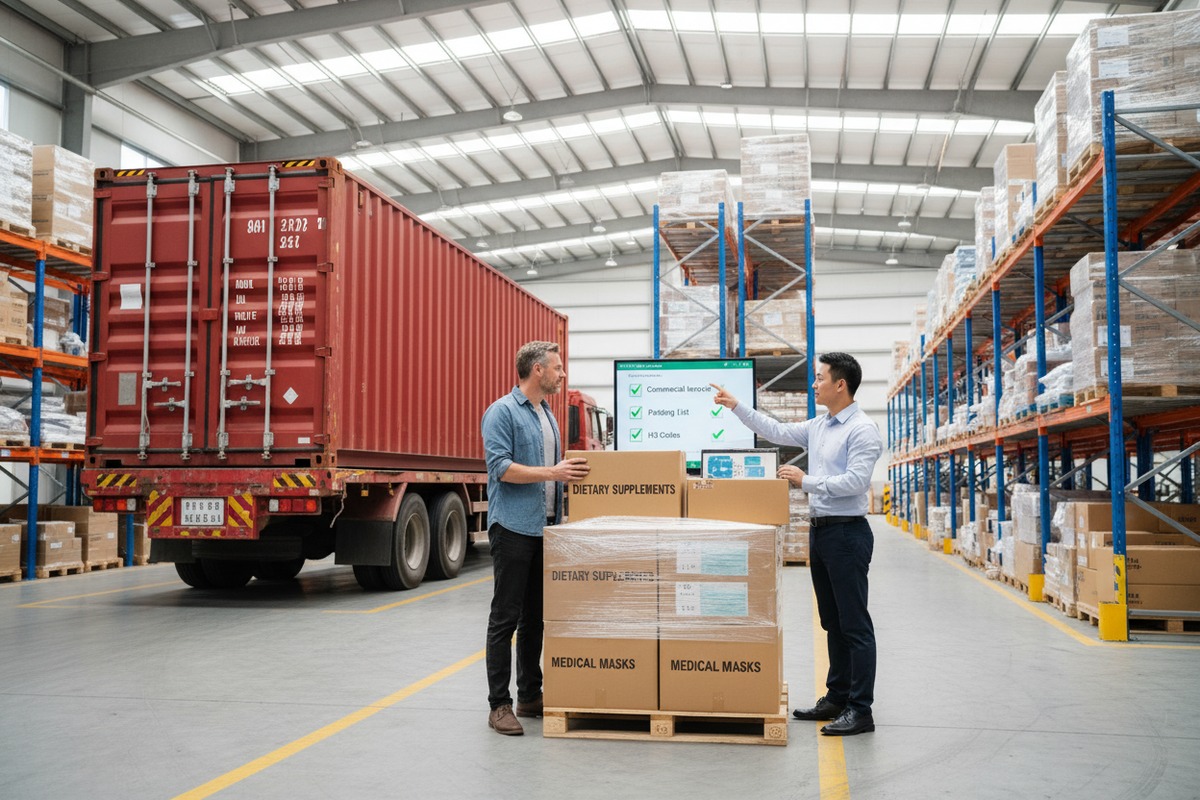
You must provide your FDA facility registration number, product listing or NDC number, US Agent contact details, Prior Notice confirmation (for food), lab test reports, compliant product labels, commercial invoice, packing list, and bill of lading. All documents must be prepared and verified before the shipment leaves China.

Getting goods into Amazon FBA already requires precise labeling and packaging compliance. Adding FDA requirements means extra layers of documentation. Here is the full list, organized by when you need each document.
Beyond FDA, Amazon has its own requirements. Your shipment must meet FBA labeling standards (FNSKU labels on each unit), packaging standards (poly-bagged if required), and delivery appointment windows. A shipment that clears customs but arrives at the FBA warehouse with incorrect labels will be rejected—adding another layer of delay.
The most efficient workflow we have seen is this: buyers confirm FDA registration status with their Chinese supplier at the time of placing the purchase order. The supplier prepares all labels, test reports, and registration documents before production is complete. When the goods arrive at our warehouse for consolidation, everything is ready. No last-minute scrambles. No port delays.
We have watched sellers lose entire peak seasons because a single shipment was detained at port for missing FDA documentation. The financial damage goes far beyond the shipping costs—it hits your Amazon rankings, your customer reviews, and your cash flow all at once.
If your shipment arrives without proper FDA filings, US Customs and Border Protection can detain, refuse entry, or destroy the goods. You face storage fees of $100–$500+ per day, re-export costs, potential import alerts on future shipments, Amazon stockout losses, and possible FDA warning letters that can blacklist your facility from future US imports.
When CBP flags an FDA-regulated shipment that lacks proper registration, Prior Notice, or documentation, several things happen in rapid sequence:
The costs compound quickly. Here is a realistic scenario for a mid-size Amazon seller.
| Cost Item | Estimated Amount |
|---|---|
| Port storage (14 days) | $1,400–$7,000 |
| Demurrage / container detention | $150–$400/day |
| Re-export shipping cost | $2,000–$8,000 |
| Destruction / disposal fee | $500–$3,000 |
| Lost Amazon sales (2–4 weeks stockout) | $5,000–$50,000+ |
| Amazon ranking recovery (PPC spend) | $1,000–$10,000 |
| Total potential loss | $10,000–$78,000+ |
The damage does not stop at one shipment. FDA maintains an Import Alert system 10. If your facility or product is placed on an Import Alert list, future shipments are automatically detained without physical examination (DWPE). This means every shipment you send gets held until you prove compliance—effectively blacklisting your supply chain.
FDA can also issue Warning Letters to your facility. These are public records. Any buyer or competitor can search the FDA database and see that your facility received a warning. This damages business relationships and credibility.
Amazon sellers face unique pain. A 2–4 week stockout tanks your Best Seller Rank. Competitors capture your buy box. Customers leave negative reviews when orders are delayed. Rebuilding momentum costs significant PPC advertising spend. Some sellers never fully recover their ranking position after a major stockout caused by customs detention.
The solution is prevention. Complete all FDA registrations and filings before the goods leave China. Work with a logistics partner who understands FDA documentation requirements. Verify your Chinese supplier's FDA registration status independently on the FDA website. And never assume that "it will be fine"—because at the US border, it usually is not.
Our team at MBMLOG reviews FDA documentation for every regulated shipment before it leaves our warehouse. We flag missing items before they become port problems. This pre-shipment verification is the single most effective way to protect your business from FDA-related customs disasters.
FDA registration is not optional—it is the gateway to the US market. Identify your product category early, complete all registrations before shipping, and prepare every document in advance. Your Amazon business depends on it.
1. Explains mandatory FDA registration for various product categories and renewal requirements. ↩︎
2. Explains the requirement and process for submitting Prior Notice for imported food products. ↩︎
3. Provides a comprehensive overview of the FDA's regulation of human and animal food products. ↩︎
4. Explains the FDA's authority and regulations concerning radiation-emitting electronic products. ↩︎
5. Offers information on how the FDA regulates dietary supplements and related guidance. ↩︎
6. Details the requirements and responsibilities for foreign establishments to designate a U.S. Agent. ↩︎
7. Outlines the provisions and impact of the Modernization of Cosmetics Regulation Act (MoCRA). ↩︎
8. Provides information on the FDA's Center for Tobacco Products and its regulatory mission. ↩︎
9. Details the FDA's classification system and regulatory controls for medical devices. ↩︎
10. Describes the FDA's Import Alert system for detaining products with a history of violations. ↩︎