- +8618603825129
- [email protected]

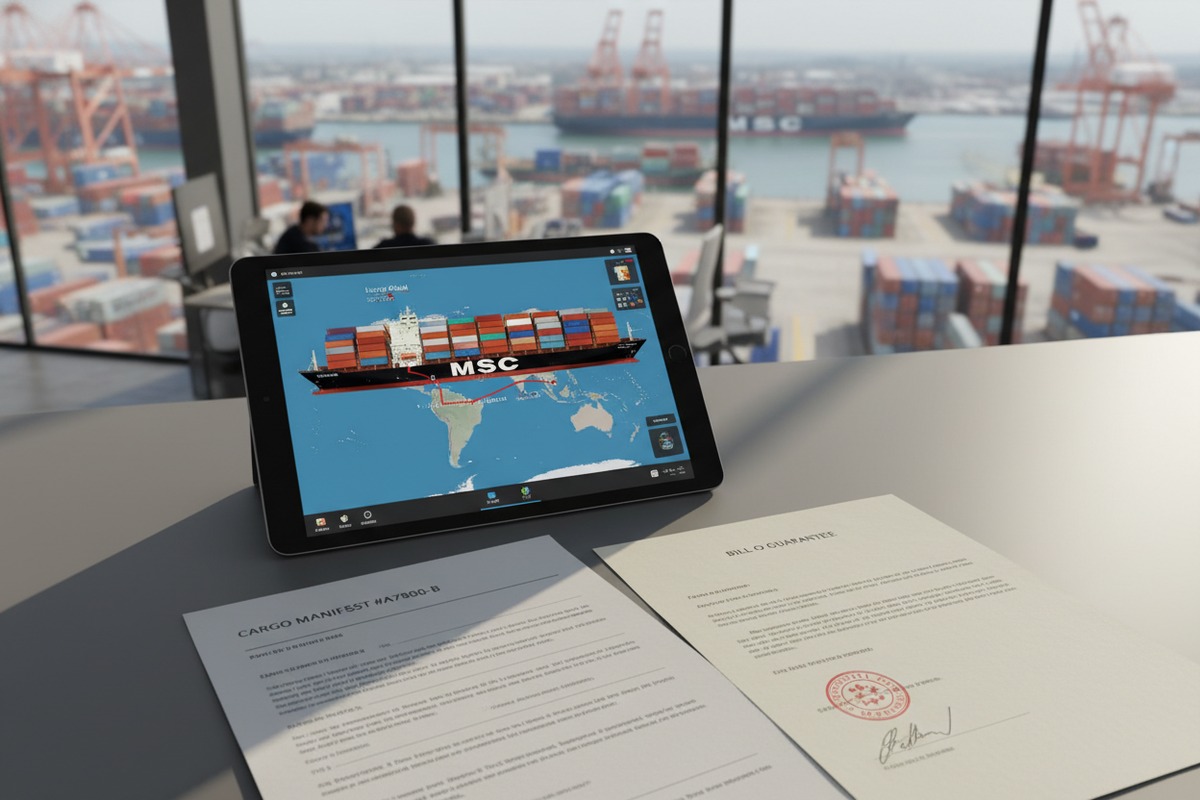
Shipping thousands of pallets every month from our Zhengzhou warehouse to U.S. ports, we see mid-voyage change requests more often than most people think LCL cargo 1. A buyer backs out. A new Amazon FBA warehouse opens. Suddenly, the consignee or destination port on your Bill of Lading 2 is wrong — and your cargo is already on the water. The panic is real, and the clock is ticking.
Yes, you can change the consignee and port of destination mid-voyage, but it requires carrier approval, a formal Letter of Guarantee, the original Bill of Lading, and payment of change-of-destination fees. Success depends on timing, route feasibility, and customs regulations at both the original and new ports. The process typically takes one to two business days once documents are submitted.
Below, I will walk you through the exact steps, documents, fees, and risks involved. Whether you ship FCL containers 3 or LCL cargo from China to the USA, this guide covers everything you need to know before making that mid-voyage change request.
When we coordinate DDP shipments 4 from China to the U.S., consignee changes after sailing are one of the trickiest requests our operations team handles. The original consignee on the B/L is a legally binding party, and changing it mid-ocean involves more than just editing a name.
To change the consignee on your Bill of Lading after departure, you must submit a formal Letter of Guarantee (LoG) with your company stamp, return the full set of original B/Ls to the carrier, and request the amendment before the vessel arrives at the destination port. The carrier will review feasibility and issue a new B/L upon approval.
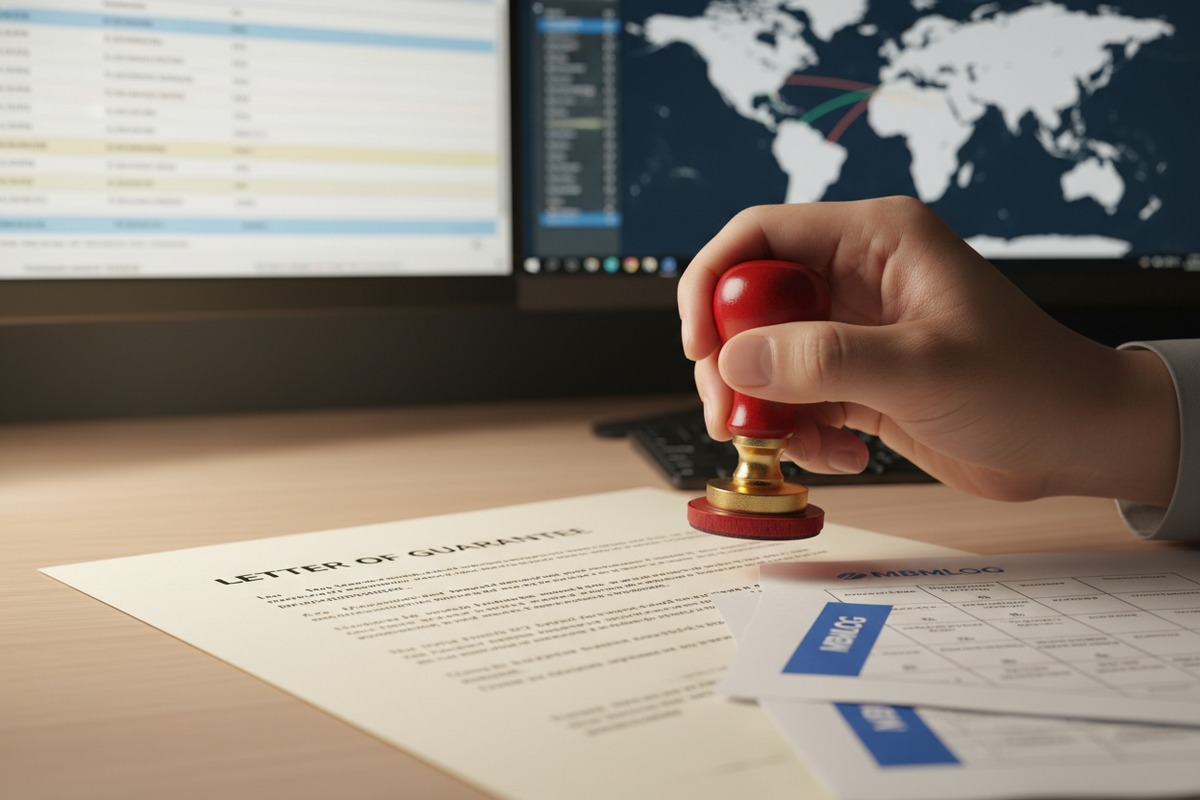
The single most important factor is timing. You must notify your shipping agent or NVOCC 5 before the vessel reaches the destination port. Once the cargo manifest has been filed with customs at the port of discharge, most countries — including the United States — make it extremely difficult or impossible to change the consignee. CBP (U.S. Customs and Border Protection) 6 allows pre-arrival manifest updates through Cargo Release transactions, but post-arrival changes require entry summary deletions and replacements, which are far more complex.
In our experience shipping to Los Angeles, Long Beach, New York, and Savannah, we always tell our clients: the earlier you notify us, the higher the chance of success.
Here is a simple breakdown of the process:
| Document | Details | Copies Needed |
|---|---|---|
| Letter of Guarantee 8 (LoG) | Company letterhead, official stamp, B/L number, old and new consignee info | 3 originals |
| Original Bill of Lading | Full set surrendered to carrier | All originals |
| New Shipping Instructions | New consignee name, address, contact details | 1 copy |
| Manifest Corrector | Filed with customs at origin and destination ports | 1 copy each |
If your B/L is an "Order" B/L (consigned "to order"), the change is handled through endorsement — the shipper endorses the B/L to the new party. If it is a "Straight" B/L (named consignee), the process is more rigid and requires carrier intervention. Switch B/Ls, where the original shipper becomes a middleman, are another option but come with their own documentation requirements.
One important caution: for e-commerce logistics shipments (like small parcel consolidation services), mid-voyage consignee changes are generally not supported by most carriers. However, you can usually change the final delivery address. In our experience, this costs around 300–800 RMB per ticket as an amendment fee.
Our logistics team processes Change of Destination (COD) requests regularly for clients who need to reroute containers from one U.S. port to another. Maybe a port is congested, or a new warehouse location makes a different port more practical. Either way, the process is more involved than most shippers expect.
To request a change of destination port mid-voyage, contact your carrier or freight forwarder immediately with the new port details. Submit a Letter of Guarantee, return original B/Ls, and await carrier feasibility review. The carrier will check if the vessel's route allows the diversion and quote new freight charges. Approval depends on vessel schedule and port coordination.
Not every port change is possible. The carrier's operations team evaluates several factors:
| When You Request | Complexity | Likely Outcome |
|---|---|---|
| Before vessel departs origin | Low | Simple rebooking, minimal extra fees |
| After departure, same rotation ports | Medium | Carrier coordination needed, moderate fees |
| After departure, different route needed | High | Transshipment required, significant fees, possible delays |
| After arrival at original destination | Very High | Often impossible; demurrage 10 and storage charges apply |
Different carriers handle COD requests differently. Here is what we have observed working with major lines:
If the vessel does not call at your new destination port, the container must be offloaded at a transshipment hub. This means:
Each of these steps adds time and cost. In congested ports, transshipment delays can add five to ten days to your total transit time.
For traditional logistics (FCL/LCL ocean freight), mid-voyage destination port changes are feasible if you act early. But for e-commerce logistics — consolidated small parcel shipments — changing the destination port mid-voyage is generally not possible. You can, however, change the final delivery address, which typically incurs a fee of 300–800 RMB per shipment ticket.
The documents mirror those needed for a consignee change: Letter of Guarantee, full original B/L set, and updated shipping instructions specifying the new port. Additionally, a Manifest Corrector must be filed with customs at both the original and new ports of discharge.
Having helped hundreds of clients navigate mid-voyage changes from our Zhengzhou office, we can tell you one thing with certainty: it is never free. Every change generates fees, and these fees vary widely depending on the carrier, the timing, and the complexity of the diversion.
Expect to pay a Change of Destination (COD) fee, manifest amendment charges, possible new freight rate differences, transshipment handling costs, and administrative processing fees. Total costs vary by carrier and route but can range from a few hundred to several thousand dollars. Carriers typically do not refund original freight even if the new route is shorter.

Here is a detailed look at the fees you should anticipate:
| Fee Type | Typical Range (USD) | When It Applies |
|---|---|---|
| Change of Destination (COD) Fee | $200–$500 per container | Any port change after booking confirmation |
| Manifest Amendment / B/L Correction | $50–$150 per B/L | Consignee change, notify party change, port change |
| New Freight Rate Difference | Varies (can be $500–$3,000+) | When new destination has higher freight rates |
| Transshipment / Stack Move Fee | $300–$800 per container | When container must transfer to a different vessel |
| Demurrage (at transshipment port) | $75–$300 per day per container | Container waiting for next vessel at hub port |
| Administrative Processing Fee | $50–$100 | Carrier's internal processing for amendments |
| Customs Re-filing Fee | $100–$300 | When manifest corrector must be filed with CBP or other customs |
This is a common frustration. If your original booking was from Shanghai to Los Angeles, and you change the destination to Oakland (a shorter distance on the same rotation), the carrier will not refund the difference. The reason is operational: the booking was confirmed, space was allocated, and the carrier's costs are already committed. The COD is treated as a new service, not a modification of the original one.
Beyond the direct fees, there are indirect costs that catch many shippers off guard:
For e-commerce consolidated shipments (small parcels shipped via ocean and last-mile delivery), the fee structure is different. Mid-voyage port changes are typically not allowed. However, delivery address changes are possible and usually cost between 300 and 800 RMB per ticket. This is a flat amendment fee charged by the logistics provider, not the ocean carrier.
When we handle DDP (Delivered Duty Paid) shipments for our Amazon seller clients, every detail — from the customs entry to the final-mile delivery — is pre-arranged before the ship leaves China. A mid-voyage change to the consignee or destination port disrupts this entire chain.
A mid-voyage change directly impacts your DDP customs clearance because the customs entry, importer of record, duty calculations, and inland delivery arrangements must all be updated. The new consignee may need a different customs bond, and the new port may require a different customs broker. Expect delays of two to five additional business days for clearance and rescheduled delivery.
DDP service means your logistics provider handles everything: ocean freight, customs clearance, duties, taxes, and delivery to your door. When you change the consignee or port mid-voyage, here is what breaks:
| Change Type | Impact on DDP Clearance | Impact on Delivery |
|---|---|---|
| Consignee change, same port | Customs entry refiled, new IOR bond needed | Minimal if same delivery address |
| Port change, same consignee | ISF amendment, new customs broker possible | New inland route, rescheduled delivery |
| Both consignee and port change | Full customs rework, bond, ISF, new broker | Complete delivery replanning required |
| Delivery address change only (e-commerce) | Usually no customs impact | New last-mile routing, 300–800 RMB fee |
Because we specialize in DDP shipping from China to the USA, our team is equipped to manage these disruptions. When a client calls us mid-voyage with a change request, here is our process:
The key takeaway is this: a mid-voyage change does not just affect the ocean leg. It ripples through customs, inland transport, and final delivery. The more integrated your logistics provider is — handling freight, customs, and delivery as one package — the smoother the transition will be.
Mid-voyage changes to the consignee or destination port are possible but never simple. Act early, prepare your documents, understand the fees, and work with a logistics partner who controls the entire DDP chain from China to your U.S. warehouse.
1. Explains Less than Container Load (LCL) shipping for smaller volumes. ↩︎
2. Wikipedia provides a detailed and authoritative definition of a Bill of Lading. ↩︎
3. Defines Full Container Load (FCL) shipping and its characteristics. ↩︎
4. The International Trade Administration (.gov) provides an authoritative explanation of DDP Incoterms, and the URL is active. ↩︎
5. Explains Non-Vessel Operating Common Carrier in shipping. ↩︎
6. Official website for U.S. Customs and Border Protection. ↩︎
7. Defines Sea Waybill as a cargo receipt without title deed. ↩︎
8. Explains Letter of Guarantee in international trade and logistics. ↩︎
9. Explains the shipment of goods to an intermediate destination. ↩︎
10. Defines charges for delayed cargo loading or unloading. ↩︎