
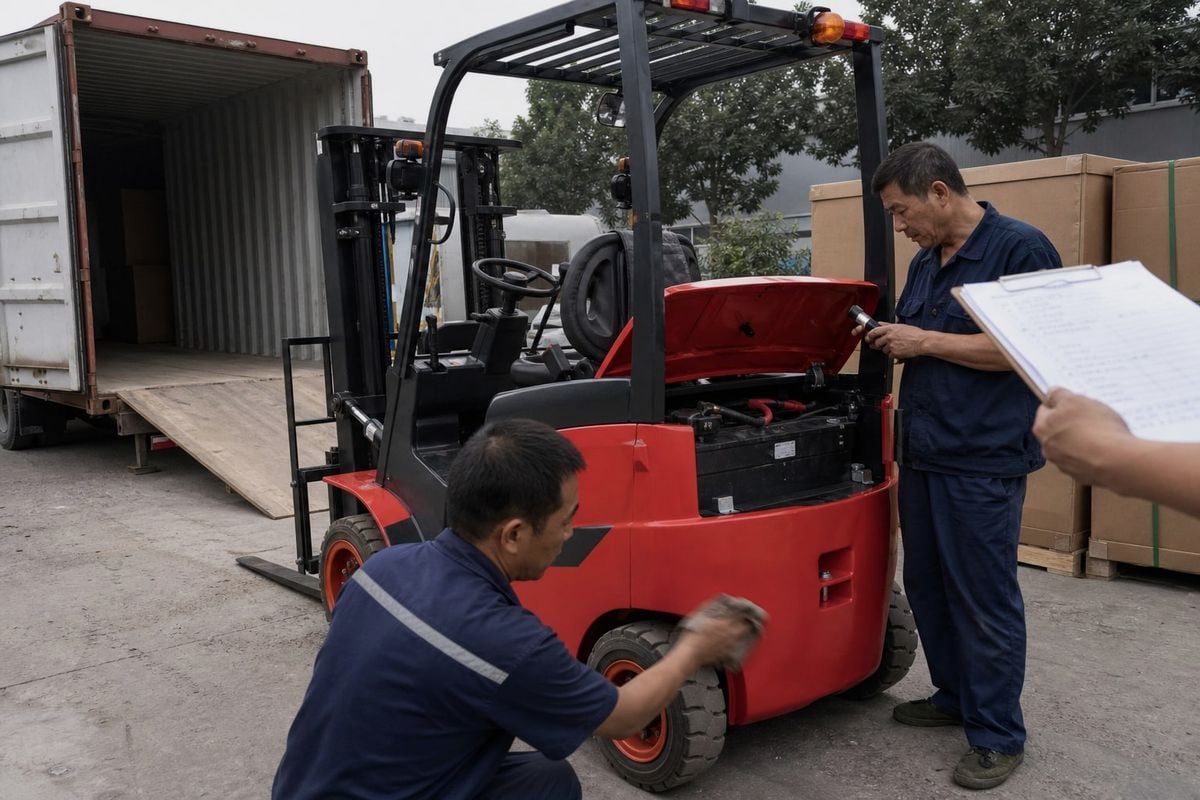
Shipping electric forklifts from China to New Zealand looks simple until the battery paperwork, biosecurity rules, and port charges surface. I have watched our team untangle these problems for years.
To ship electric forklifts from China to New Zealand, book FCL or LCL sea freight, declare the lithium battery as Class 9 dangerous goods under UN3481, prepare UN38.3 and MSDS documents, clean the machine for MPI biosecurity, and clear customs with a Certificate of Origin for zero tariff.
That is the short version. Below, I break down each step in detail, from cost planning to battery compliance, so you can plan your import with confidence.
How much does it cost to ship an electric forklift from China to New Zealand?
A buyer once told me his forklift quote looked great until the invoice for destination charges arrived. Our team at MBMLOG now walks every client through landed cost before booking.
Shipping an electric forklift from China to New Zealand typically costs between USD 1,500 and 4,500 by sea, depending on container size and route. Add 15% import GST, port handling, biosecurity inspection fees, and inland trucking to calculate the true landed cost.

The freight rate is only one line on the bill. When I quote a shipment, I always present the full picture, because surprise charges at Port of Auckland arrivals are the number one complaint I hear from first-time importers.
The Landed Cost Framework
Your total landed cost has several layers. Here is how I break it down for clients:
| Στοιχείο κόστους | Τυπικό Φάσμα | Σημειώσεις |
|---|---|---|
| Ocean freight (20GP FCL) | USD 1,500–3,000 | Varies month to month with rate volatility |
| Θαλάσσιες μεταφορές (40HQ FCL) | USD 2,500–4,500 | Fits 3–5 compact electric forklifts |
| LCL θαλάσσιο φορτίο | From NZ$520 + GST per cubic metre | General cargo benchmark; machinery may cost more |
| Import GST | 15% of landed value | Applies even with zero tariff |
| Customs duty | 0% with Certificate of Origin | Under the NZ–China Free Trade Agreement |
| Port handling and biosecurity | NZ$300–800 | Includes MPI inspection where required |
| Inland delivery | NZ$200–600+ | Depends on distance from port |
Why Rates Change So Often
Sea freight logistics rates on the China–New Zealand route move month to month. I never let a client budget on a quote older than two weeks. Congestion, vessel space, and fuel surcharges all shift pricing. Some of our clients now route through the Port of Tauranga instead of Auckland to avoid heavy machinery congestion and reduce specialized handling surcharges.
Duty and GST
Here is the good news. Under the New Zealand–China Free Trade Agreement, a valid Πιστοποιητικό προέλευσης gives you zero-tariff entry on forklifts. But do not confuse duty with GST. The 15% import GST and duty rules apply separately, and GST is charged on the total landed value, including freight and insurance. I have seen buyers skip international shipping insurance 1 to save a few hundred dollars, then face a five-figure loss when cargo shifted at sea. Insurance is cheap protection for a machine worth tens of thousands.
What documents do I need to import an electric forklift into New Zealand?
Last year, one of our containers sat at the port for nine days because a supplier's invoice showed a different model number than the packing list. Since then, we cross-check every document before departure.
You need a commercial invoice, packing list, bill of lading, Certificate of Origin for zero-tariff FTA treatment, UN38.3 test summary, MSDS for the lithium battery, a dangerous goods declaration, and correct HS code classification. MPI biosecurity may also require cleanliness or fumigation certificates.
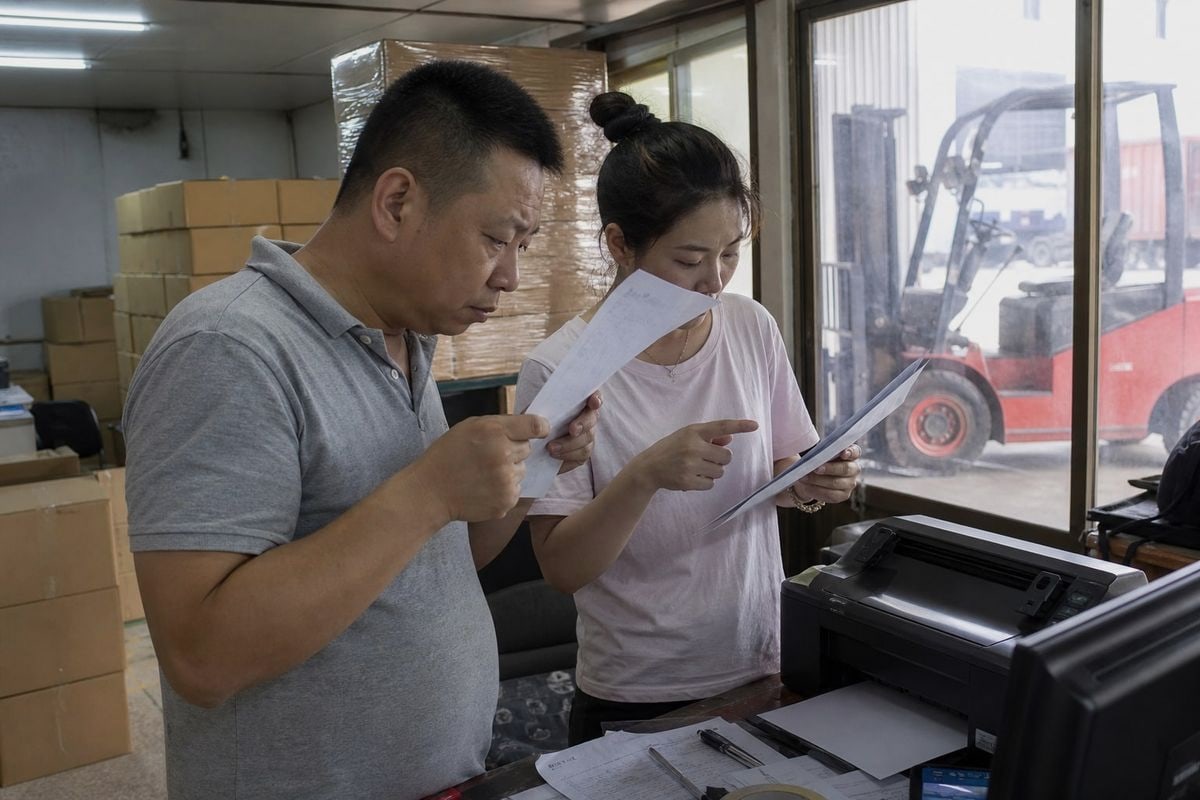
Paperwork is where most delays begin. In my experience coordinating exports from Zhengzhou, incomplete or inconsistent documents cause more hold-ups than ocean transit ever does. Let me walk through each document and why customs cares about it.
Core Commercial Documents
The commercial invoice, packing list, and bill of lading are the foundation. New Zealand customs uses these to verify value, quantity, and ownership. Every detail must match. If the invoice says one model and the packing list says another, expect questions and possible inspection.
The Certificate of Origin
This document unlocks your zero-tariff entry under the FTA. Your Chinese supplier or their chamber of commerce issues it. I always confirm this early, because getting a corrected certificate after sailing takes weeks. Without it, you pay duty you never needed to pay.
Battery and Dangerous Goods Papers
Electric forklifts with lithium batteries need extra documentation:
- The UN38.3 certification test summary proves the battery passed transport safety testing.
- The MSDS and technical data sheet describes battery chemistry and hazards.
- A dangerous goods declaration accompanies the booking, since lithium-battery forklifts ship as Επικίνδυνα αγαθά κατηγορίας 9.
Biosecurity Requirements
Biosecurity New Zealand clearance is strict. The Ministry for Primary Industries requires all machinery to arrive "clean as new," with no soil, plant matter, or organic residue anywhere. Tires, forks, and undercarriages get inspected at the border. And during Stink Bug Season, from September to April, machinery from China must undergo mandatory offshore heat treatment or fumigation under Brown Marmorated Stink Bug 2 protocols. We schedule this treatment before loading, because failing an MPI inspection can mean re-export or costly onshore treatment.
HS Code Accuracy
Finally, get the HS code right. Misclassification triggers duty disputes and clearance delays. Good customs brokerage services will verify the code before the vessel departs, not after arrival.
How do I handle lithium battery shipping requirements for my forklift?
Battery compliance is where I spend the most time educating buyers. Our team handles φορτίο λιθίου 3 weekly, and I can tell you carriers reject non-compliant bookings without hesitation.
Lithium-battery forklifts ship as Class 9 dangerous goods under UN3481. You must provide a UN38.3 test summary, MSDS, and a dangerous goods declaration, charge the battery to no more than 30% state of charge, and apply correct Class 9 hazard labels before sea transit to New Zealand.

Here is a trade-off I weigh on almost every booking: some suppliers want to ship the battery installed in the forklift, while others prefer shipping it separately. Installed batteries under UN3481 usually simplify handling, but the carrier must still accept the DG booking. Separate battery shipments create a second declaration and sometimes a second carrier approval. I usually recommend keeping the battery installed unless the carrier or battery size forces a split.
The 30% State of Charge Rule
This one catches many first-time importers. Lithium-ion battery regulations for sea transit to New Zealand enforce a maximum 30% state of charge. The rule exists to reduce thermal runaway risk during the voyage. We confirm SoC with the factory before pickup, because a fully charged battery discovered at port inspection means the shipment gets pulled.
Compliance Checklist
| Απαίτηση | What It Means | Ποιος το παρέχει |
|---|---|---|
| UN3481 classification | Forklift declared as Class 9 DG | Forwarder + shipper |
| Περίληψη δοκιμής UN38.3 | Battery passed transport safety tests | Κατασκευαστής μπαταριών |
| MSDS document | Chemical safety and handling data | Κατασκευαστής μπαταριών |
| Δήλωση επικίνδυνων εμπορευμάτων | Formal DG booking with carrier | Μεταφορέας φορτίου |
| 30% max state of charge | Battery discharged before loading | Factory, verified by forwarder |
| Class 9 hazard labels | Correct markings on cargo | Factory + loading team |
Chargers Need Attention Too
Do not forget the charger. Charging units supplied with Chinese forklifts must meet AS/NZS 3000 standards for use in New Zealand, and many buyers need a local electrician to install Type B RCD protection. I flag this before shipment so buyers are not stuck with a machine they cannot legally charge. Some modern forklifts also carry internal telematics that log battery health and temperature during the 20–30 day voyage, which helps satisfy insurance and warranty requirements on arrival.
Should I choose FCL or LCL for shipping my forklift to New Zealand?
A distributor recently asked me to quote one compact stacker by LCL and three counterbalance forklifts by FCL in the same month. The comparison taught him more than any article could.
Choose FCL for one large forklift or multiple units, since it offers dedicated space, less handling, and lower cost per machine. Choose LCL only for a single compact unit where you accept extra handling risk. Ro-Ro suits oversized assembled forklifts that cannot fit containers.
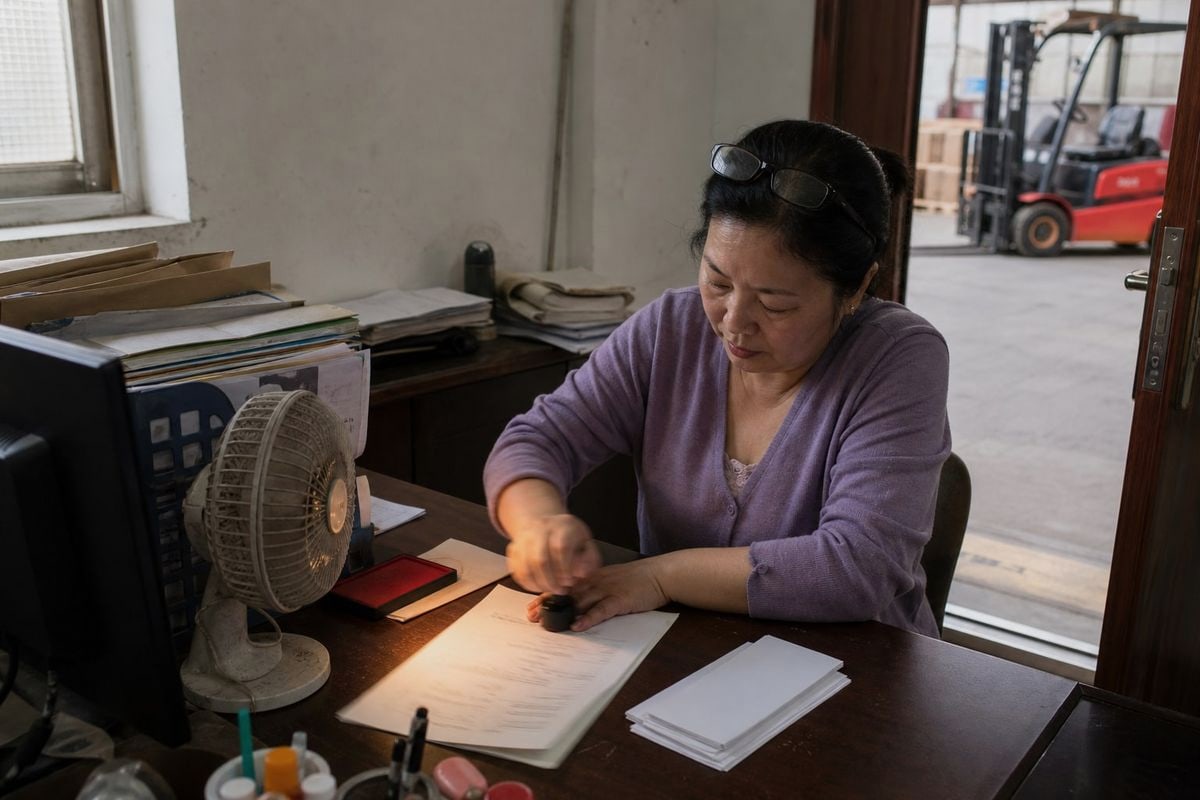
FCL and LCL shipping each have a clear best-use case. Here is how I frame the decision for buyers:
| Παράγοντας | FCL | LCL | Ro-Ro |
|---|---|---|---|
| Καλύτερο για | 1+ full-size forklifts or fleet orders | Single compact stacker or pallet truck | Oversized assembled counterbalance models |
| Διαχείριση κινδύνου | Low — loaded once, sealed | Higher — multiple touch points | Low, but exposed deck options vary |
| Κόστος ανά μονάδα | Lower when container is well utilized | Cheaper for very small cargo only | Route-dependent, fewer sailings |
| Transit time | 20–30 days to Auckland | 21–27 days, plus consolidation time | Varies with vessel schedule |
| DG battery acceptance | Easier to arrange | Some consolidators refuse Class 9 cargo | Case by case |
Why FCL Usually Wins for Forklifts
Forklifts are heavy, high-value machines. FCL gives you a sealed container from the Chinese factory to your yard. Nobody else's cargo shifts against your mast during the voyage. And here is the objection I hear most: "FCL costs more than LCL for one machine." Sometimes true on paper. But LCL consolidators often refuse dangerous goods declaration cargo, charge by volume at rates that climb fast for machinery, and add handling steps where damage happens. Once you count per-cubic-metre charges and DG surcharges, FCL frequently ends up cheaper for anything bigger than a pallet truck.
Maximizing Container Value
We help clients fill unused FCL space with chargers, spare batteries, forks, and parts from multiple suppliers. Multi-supplier consolidation at our China warehouse can turn a half-empty 40HQ into a fully utilized container, cutting the logistics cost per forklift significantly.
When Ro-Ro Makes Sense
Ro-Ro transport services suit large, fully assembled counterbalance models that exceed container door dimensions. Sailings to New Zealand are less frequent, so plan early. Air freight, by contrast, takes only 3–10 days but is rarely economical for anything beyond urgent spare parts.
Συμπέρασμα
Shipping electric forklifts from China to New Zealand succeeds on preparation: correct DG paperwork, MPI-clean machinery, smart FCL planning, and honest landed-cost math. Get those right, and delivery is predictable.
Υποσημειώσεις
1. The ICC manages Incoterms which define insurance and risk responsibilities in international trade. ↩︎
2. Official MPI biosecurity protocols for managing stink bug risks on imported machinery. ↩︎
3. The IMO regulates the IMDG Code which governs the sea transport of lithium battery cargo. ↩︎




