

[Shipping material handling equipment from China](https://mbmlog.com/?p=11535) looks simple until a forklift gets stuck at port. In our Zhengzhou logistics office, I see that call every month — and it always starts the same way.
To ship material handling equipment from China, confirm the machine's dimensions and battery type, choose sea freight (FCL, flat rack, or Ro-Ro), agree on Incoterms, prepare the commercial invoice, packing list, and Bill of Lading, then clear customs and arrange final delivery with proper unloading equipment.
That is the short version. The long version is where importers save or lose thousands of dollars. Let me walk you through the four questions buyers ask us most often.
How much does it cost to ship material handling equipment from China?
Last quarter, a US forklift dealer sent me a quote from another forwarder that was 30% cheaper than ours. It excluded destination handling, duties, and trucking. He almost signed it.
Shipping material handling equipment from China typically costs $2,000–$6,000+ per container by sea, depending on equipment size, container type, destination, and season. Total landed cost also includes inland trucking in China, export handling, marine insurance, customs clearance, import duties and taxes, and final delivery.
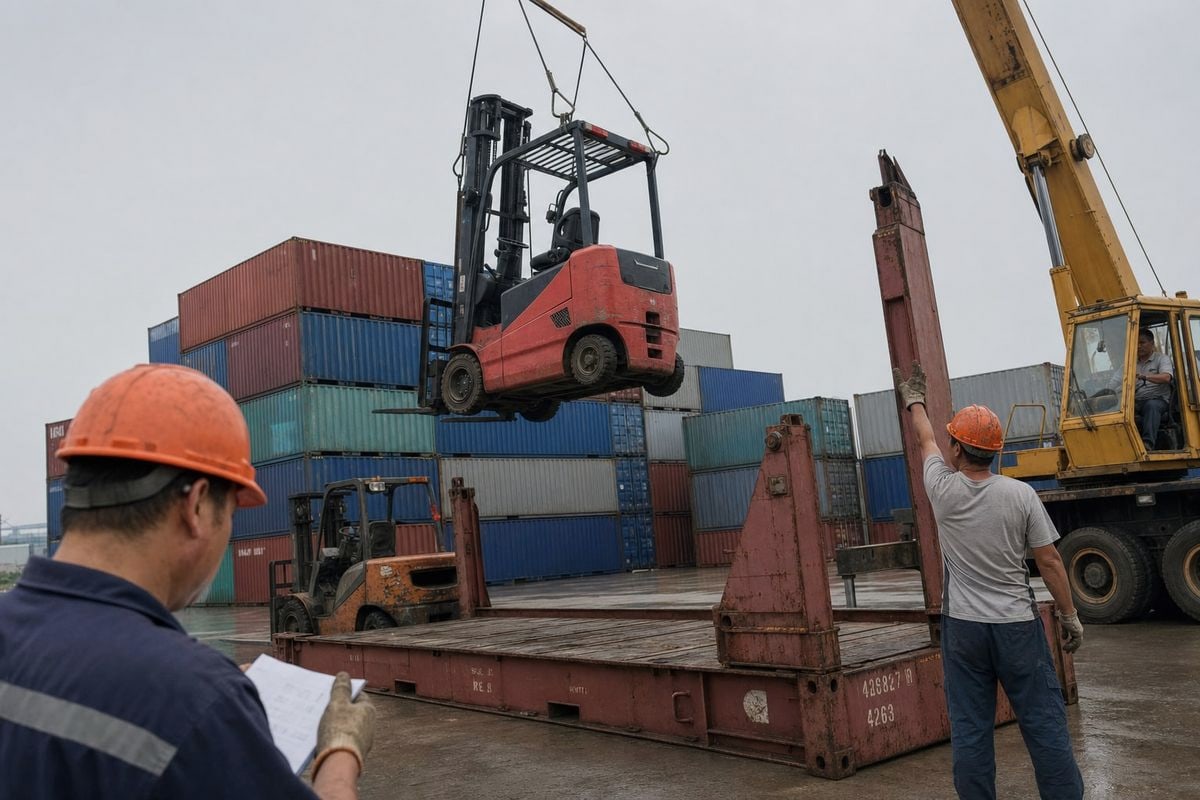
There is no single price for shipping a forklift or a conveyor system. Instead, there is a stack of cost drivers. When I quote a shipment, I break the number into pieces so the buyer can see exactly where the money goes. That transparency matters, because the most common pain point I hear from importers is not the freight rate itself. It is the surprise charges that appear after the cargo has already sailed.
Τα κύρια στοιχεία κόστους
Here is how a typical door-to-door shipment breaks down:
| Συστατικό Κόστους | Τι Περιλαμβάνει | Ποιος Συνήθως Πληρώνει (FOB) |
|---|---|---|
| Factory pickup & China trucking | Moving cargo from factory to port | Πωλητής |
| Export handling & declaration | Port fees, export customs | Πωλητής |
| Θαλάσσιο φορτίο | Port-to-port sea transport | Αγοραστής |
| Marine insurance coverage | Damage or loss during transit | Αγοραστής |
| Destination port charges | Unloading, terminal handling | Αγοραστής |
| Customs clearance & duties | Import duties and taxes, broker fees | Αγοραστής |
| Final delivery | Trucking to your warehouse | Αγοραστής |
What makes machinery more expensive to ship
Standard cargo goes in a standard box. Material handling equipment often does not. A flat rack container or open-top container costs significantly more than a regular 40ft box because it needs specialized handling and often triggers out-of-gauge surcharges. Very heavy units may need Ro-Ro shipping or breakbulk cargo arrangements instead of containers.
One trick we use constantly: request modular disassembly from the manufacturer. If a tall mast can be lowered or removed, an out-of-gauge machine 1 can often fit into a standard 40ft High Cube container. That single change can save thousands in freight surcharges per shipment.
For US-bound cargo, also check the HS code classification 2 early. Some equipment falls under Section 301 tariffs, which changes your landed cost math before you even negotiate the factory price.
What documents do I need to ship material handling equipment from China?
A container of electric stackers once sat at a US port for eleven days because the packing list weights did not match the Φορτωτική 3. Our team now cross-checks every document before departure — that lesson cost someone real demurrage money.
You need a commercial invoice, packing list, Bill of Lading, and certificate of origin as the core set. Battery-powered equipment also requires UN38.3 test reports, MSDS, and IMDG dangerous goods declarations. Add a cargo insurance policy and correct HS code classification to avoid customs delays.
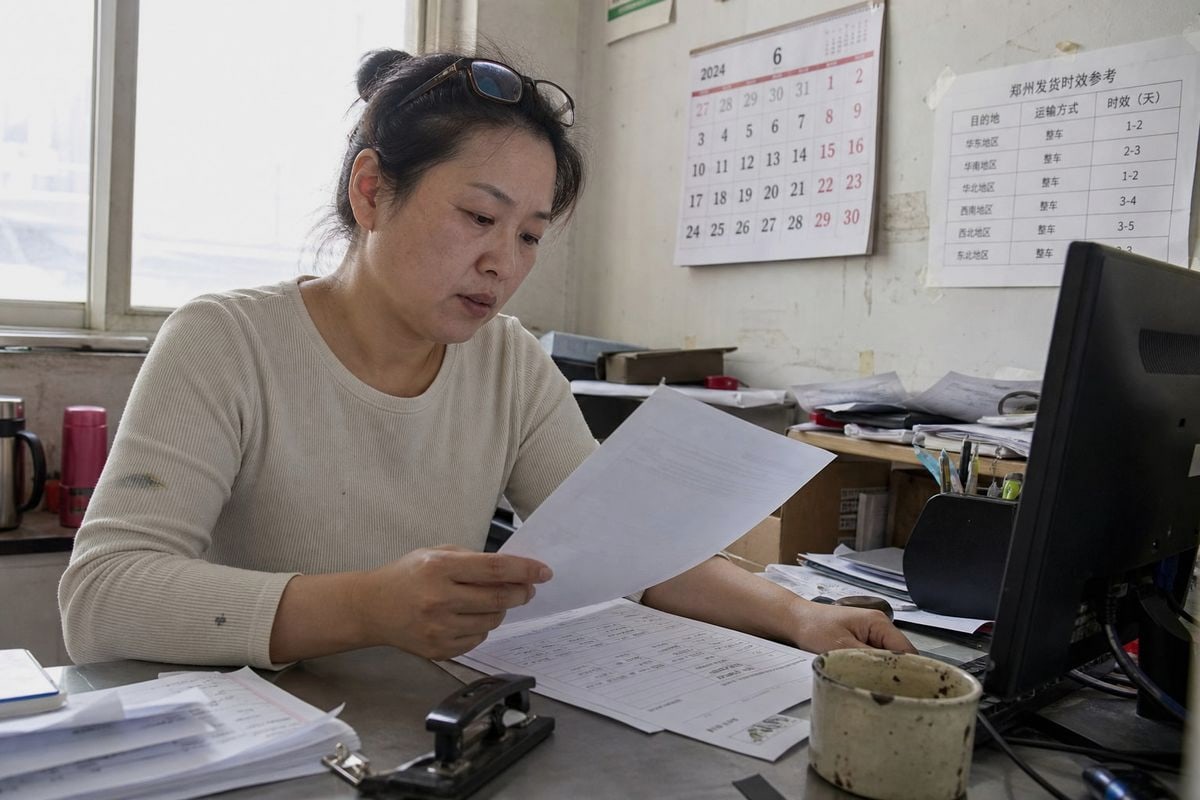
Documentation is the single biggest cause of customs delays I see in warehouse equipment logistics. The paperwork is not complicated once you understand what each document actually does. So let me explain them in plain language.
The core document set
| Έγγραφο | What It Does |
|---|---|
| Εμπορικό Τιμολόγιο | Declares the cargo value; customs uses it to calculate duties |
| Λίστα συσκευασίας | Lists weights, dimensions, and contents of each package |
| Φορτωτική | Proof of shipment and title to the cargo; you need it to release goods |
| Πιστοποιητικό προέλευσης | Proves where the goods were made; affects duty rates |
| Export Declaration | Filed in China to clear the cargo for export |
| Cargo Insurance Policy | Documents your marine insurance coverage for claims |
Documents for special equipment
Electric forklifts and lithium battery equipment need more. Expect UN38.3 battery test reports, an MSDS, and IMDG declarations for sea transport. Depending on the destination market, you may also need CE marking for Europe or UL-related documentation for the US.
Timing matters as much as accuracy
My standing advice: compile the complete document set at least two weeks before the vessel docks. Customs brokers need time to pre-file entries. If documents arrive with the ship, you are already late, and storage charges accumulate fast.
Consistency is the other rule. The invoice, packing list, and Bill of Lading must all tell the same story. Different weights, different model numbers, or different values across documents will trigger inspections. We review every set before departure precisely because fixing paperwork in China costs nothing, while fixing it at a US port costs storage, demurrage, and lost sales time.
How do I choose between FCL and LCL for my material handling equipment shipment?
The trade-off I weigh most often for buyers is this: an FCL container you do not completely fill, versus LCL consolidation where your forklift shares space with strangers' cargo. The right answer depends on volume, value, and risk tolerance.
Choose FCL if you are shipping one or more full-size forklifts, as a single machine often justifies a dedicated 20ft container. Choose LCL only for smaller items like pallet trucks, spare parts, or chargers. FCL reduces handling, damage risk, and often costs less per unit at volume.
Here is a quick comparison before we go deeper:
| Παράγοντας | FCL (Πλήρες φορτίο εμπορευματοκιβωτίων) | LCL (Λιγότερο από φορτίο εμπορευματοκιβωτίων) |
|---|---|---|
| Καλύτερο για | Full forklifts, multiple machines | Pallet trucks, parts, chargers |
| Handling | Loaded once, sealed at factory | Handled at multiple consolidation points |
| Κίνδυνος ζημιάς | Χαμηλότερα | Higher for heavy machinery |
| Cost logic | Flat rate per container | Charged by volume/weight |
| Transit time | Usually faster | Often slower due to consolidation |
| Battery cargo | Easier to arrange | Some consolidators refuse Class 9 cargo |
Why heavy equipment favors FCL
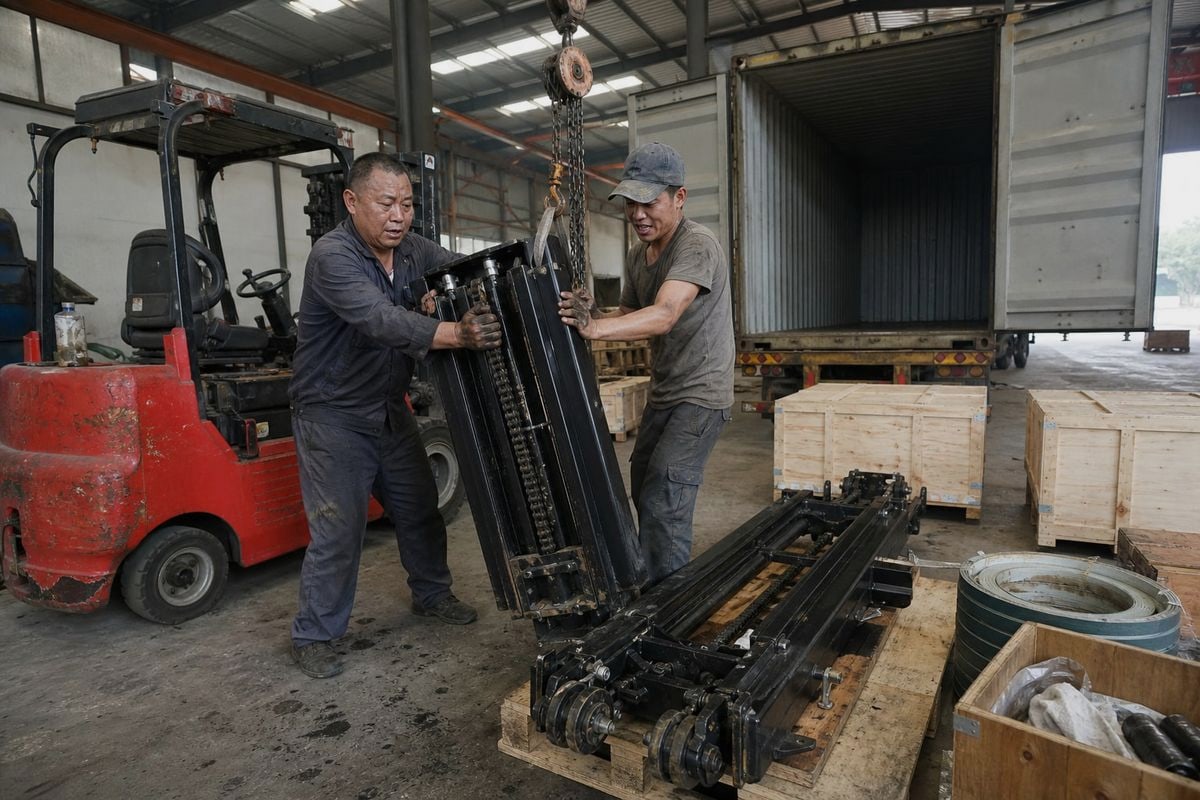
A counterbalance electric forklift can weigh 2–4 tons. In an LCL shipment, that machine gets moved by multiple warehouses and shares the container with cargo you cannot control. Every extra touch is a damage opportunity. With FCL, we supervise loading once at origin — container loading supervision 4 includes positioning, weight distribution, and lashing — and the container stays sealed until it reaches you.
Where LCL genuinely makes sense
I do recommend LCL for the right cargo. Spare parts, forklift chargers, small electric pallet trucks, and attachments consolidate well. Many of our US customers buy forklifts from Factory A, batteries from Factory B, and chargers from Factory C. We consolidate everything at our warehouse and fill unused FCL space with parts. That hybrid approach usually beats pure LCL on both cost and safety.
The container math
A 20ft container typically fits 2–3 compact forklifts. A 40HQ can hold more units or forklifts plus a full load of accessories. Before booking, we evaluate dimensions, mast height, weight, and battery specs — because good container utilization directly lowers your cost per machine.
What should I know about shipping lithium battery-powered equipment from China?
A distributor once told me his previous forwarder only discovered the forklifts had lithium batteries when the carrier rejected the booking. The cargo waited at port for three weeks while documents were assembled. This is the scenario we work hardest to prevent.
Lithium battery forklifts are classified as Class 9 Dangerous Goods for sea transport. You need UN38.3 test reports, an MSDS, and an IMDG dangerous goods declaration before booking. Confirm carrier acceptance early, because not all shipping lines or consolidators accept lithium battery cargo.
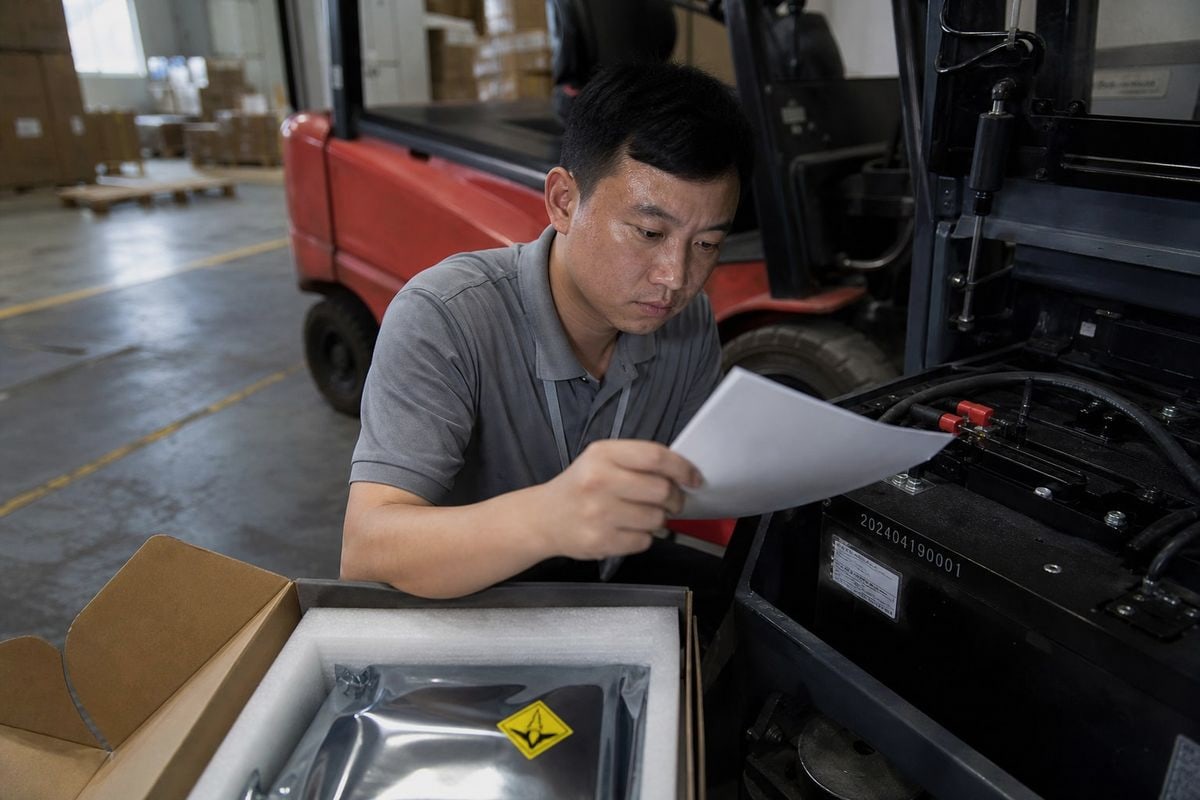
Electric equipment is where general-cargo forwarders most often fail machinery importers. The rules are not impossible, but they must be handled before the cargo reaches the port — not after.
The three documents that unlock the booking
First, the UN38.3 test report. This proves the battery passed the UN transportation safety tests for altitude, vibration, shock, and short circuit. Reputable Chinese forklift manufacturers have this report; ask for it before you pay a deposit. Second, the MSDS, which describes the battery chemistry and handling requirements. Third, the IMDG dangerous goods declaration, which the shipper files for ocean transport under the Class 9 classification.
A pre-shipment checklist for battery equipment
- Confirm the battery type with the factory: lithium-ion, lithium iron phosphate, or lead-acid. Lead-acid batteries follow different, simpler rules.
- Request the UN38.3 report and MSDS during the purchase negotiation, not after production.
- Verify carrier acceptance. Some shipping lines restrict Class 9 cargo, and many LCL consolidators refuse it entirely.
- Check state-of-charge and packaging requirements with the carrier.
- Confirm destination compliance — CE for Europe, relevant certifications for the US market.
Why timing beats everything
Handled early, battery compliance adds days of paperwork. Handled late, it adds weeks of port storage. In our coordination flow, we collect battery specifications from the factory at the same time we confirm cargo readiness and pickup schedules. By the time the container is booked, the dangerous goods file is already complete. My blunt advice: never buy an electric forklift before confirming its battery documentation exists.
Συμπέρασμα
Shipping material handling equipment from China rewards preparation: confirm specs and battery documents early, choose the right container, complete paperwork before sailing, and plan a realistic 3-to-5-month total timeline.
Get those decisions right, and your forklifts arrive on schedule and on budget. Get them wrong, and the port fees eat your margin. If you want a China-based freight forwarder that lives and breathes την αποστολή ηλεκτρικών γερανών, my team and I are here to help — reach me at [email protected] or visit www.mbmlog.com.
Υποσημειώσεις
1. Explains the standardized dimensions of intermodal containers used to transport machinery and oversized cargo globally. ↩︎
2. The official body responsible for the Harmonized System used to classify goods for global customs and duties. ↩︎
3. Provides a comprehensive overview of the legal and functional role of a Bill of Lading in international trade. ↩︎
4. International standards for freight containers ensure safety and consistency during the loading and transport process. ↩︎




