- +8618603825129
- [email protected]


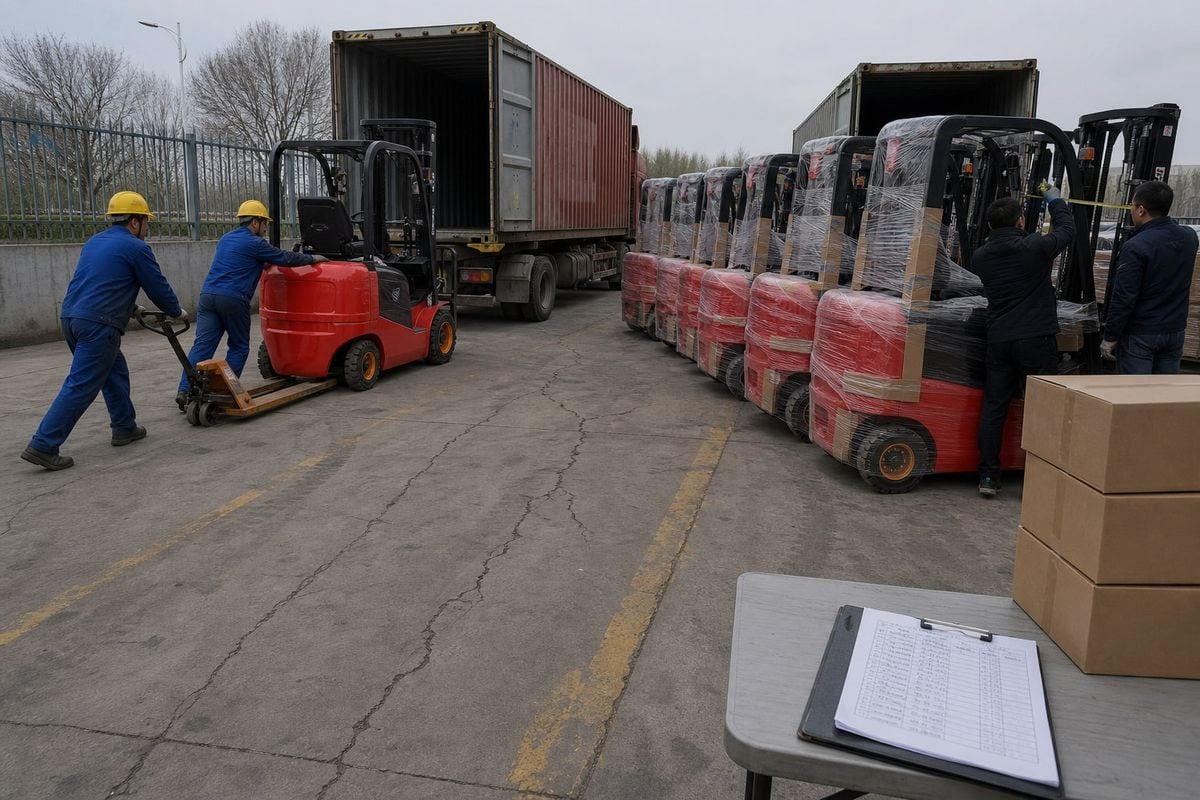
Are electric forklifts [dangerous goods](https://mbmlog.com/?p=11571) for shipping? At our Zhengzhou logistics office, this is the question importers ask us most. Many buyers only discover the answer after their cargo gets rejected at the port. By then, the container is booked, the factory has shipped, and storage fees are piling up. The good news: with the right classification and paperwork prepared early, we move electric forklifts out of China every week without drama.
Electric forklifts are often classified as dangerous goods for shipping, but not always. The battery decides. Lithium-ion forklifts typically fall under Class 9 (UN 3171 battery-powered vehicle), while lead-acid units may qualify for exceptions depending on battery type, installation, and transport mode.
The details matter here. The battery chemistry, the shipping mode, and the regulation that applies all change the answer. Let me walk you through each factor, based on the shipments we handle from China every month.
A buyer once told me his forklift "wasn't dangerous because it's just a vehicle." His carrier disagreed. In our export files, the battery spec sheet is the first document we check.
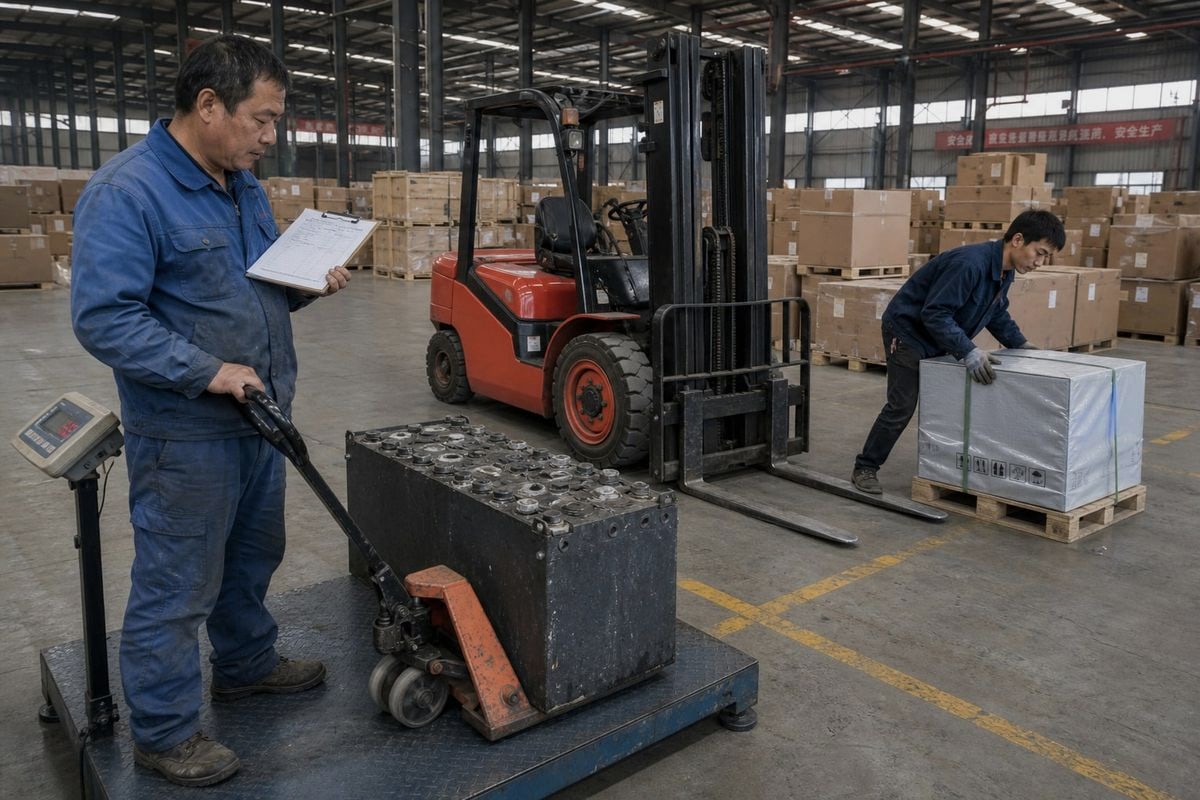
Lithium batteries are the main reason electric forklifts become dangerous goods. A forklift with an installed lithium-ion pack is classified as UN 3171 battery-powered vehicle, Class 9 Miscellaneous Hazardous Materials, under both the IMDG Code and IATA Dangerous Goods Regulations.
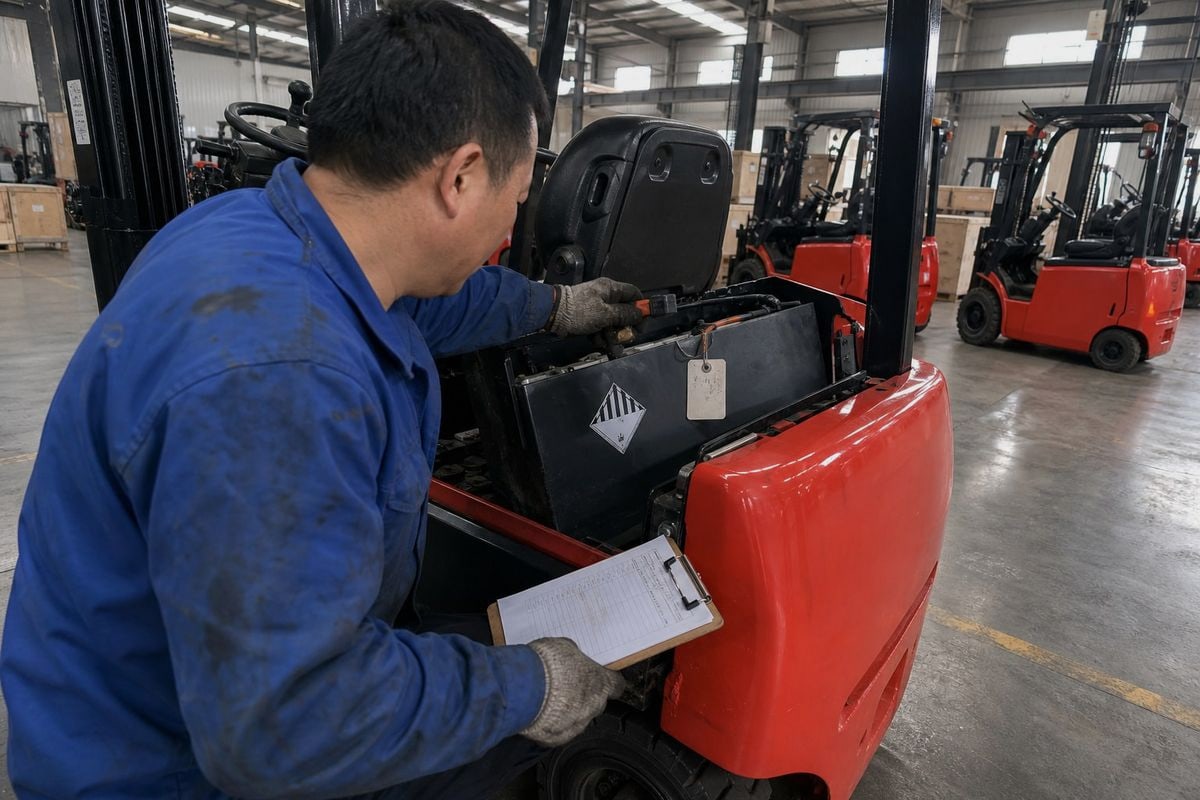
Here is the key distinction most first-time importers miss. The forklift chassis itself is just steel, rubber, and hydraulics. It is not hazardous. The battery is what triggers dangerous goods rules. So the real question is never "is my forklift dangerous?" It is "what battery is inside, and how is it installed?"
Different chemistries fall under different rules. Lithium-ion packs carry a fire and thermal runaway risk, so they sit in Class 9. Wet lead-acid batteries contain sulfuric acid, so standalone lead-acid battery transport falls under Class 8 Corrosive. When either battery is installed in the forklift, the whole unit is usually shipped as UN3171 Battery-powered equipment or battery-powered vehicle.
| Battery Type | Typical UN Number | Hazard Class | Main Risk |
|---|---|---|---|
| Lithium-ion (installed) | UN 3171 | Class 9 | Fire / thermal runaway |
| Lithium-ion (shipped separately) | UN 3481 / UN 3480 | Class 9 | Fire / thermal runaway |
| Wet lead-acid (installed) | UN 3171 | Class 8 or excepted | Acid leakage |
| Wet lead-acid (removed) | UN 2794 | Class 8 | Corrosive spill |
Note that UN3481 lithium batteries "packed with equipment" is a different entry from UN 3171. If the factory ships a spare battery in the same crate, we classify it separately.
Battery capacity in Watt-hours matters too. Special Provision 188 excepts small lithium batteries under 100Wh from full regulation, but forklift traction packs run into thousands of Watt-hours. In our experience, no electric forklift battery qualifies for that small-battery relief. Lithium-ion battery regulations apply in full, which means UN38.3 testing 1, correct marking, and carrier pre-approval. One more point we always flag: any refurbished pack that has had cells replaced must be recertified under UN 38.3 before it can legally ship.
Before any forklift leaves a Chinese factory we work with, we collect the battery paperwork first. We learned this the hard way years ago, when one missing test report held a container for two weeks.
You need a UN38.3 test summary, a Safety Data Sheet from the battery manufacturer, a signed Dangerous Goods Declaration, battery specifications showing Watt-hours, and standard export documents. Carriers also often request nameplate photos before confirming a Class 9 booking.
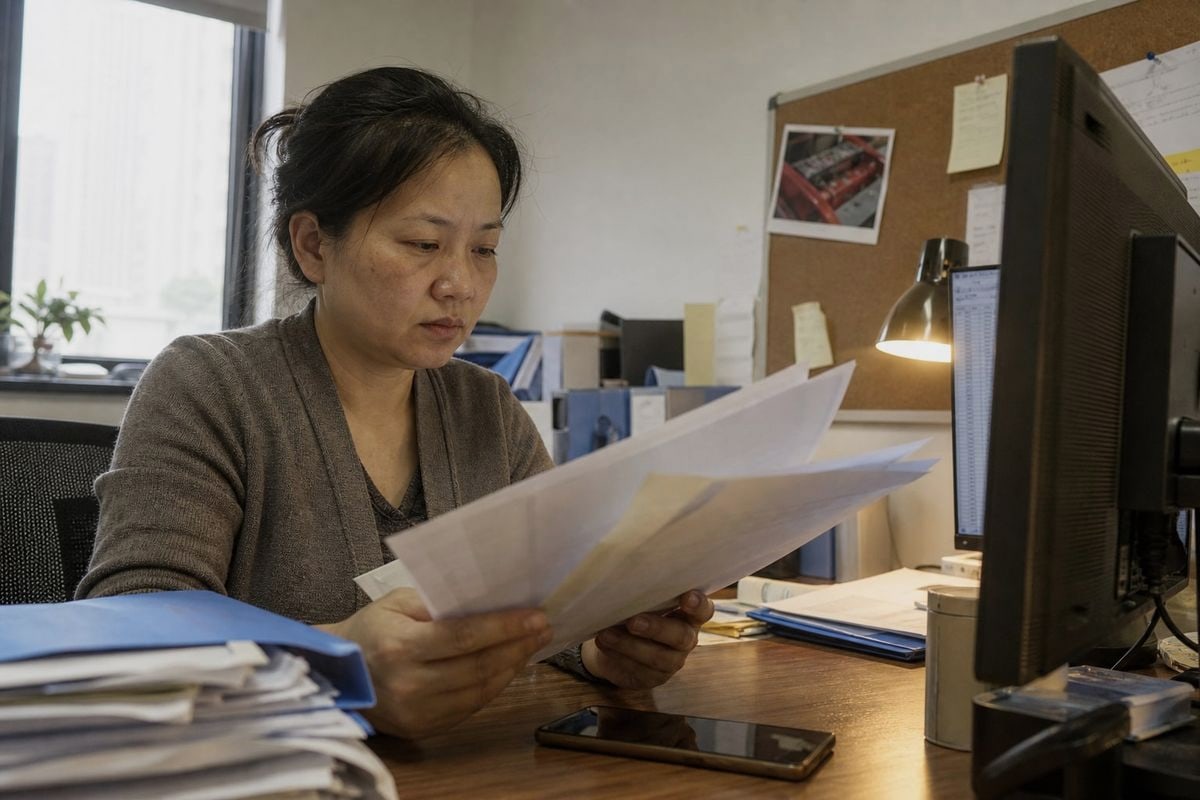
Documentation is where most delays actually start. The physical cargo is rarely the problem. The paperwork is. Below is the checklist we run for every lithium battery forklift shipment out of China.
| Document | Who Provides It | Why Carriers Require It |
|---|---|---|
| UN38.3 test summary | Battery manufacturer | Proves the lithium pack passed transport safety tests |
| Safety Data Sheet (SDS/MSDS) | Battery manufacturer | Details chemistry, hazards, and emergency response |
| Dangerous Goods Declaration | Shipper / forwarder | Legal declaration of UN number, class, and quantity |
| Battery specification sheet | Factory | Confirms voltage, capacity in Watt-hours, and chemistry |
| Nameplate and battery photos | Factory | Lets the carrier verify installation before acceptance |
| Commercial invoice & packing list | Factory / forwarder | Customs clearance under HS code 8427.10 2 |
Two problems come up again and again. First, the customs classification and the dangerous goods classification get mixed up. Electric forklifts clear customs under HS code 8427.10, but that has nothing to do with the Shipper's Declaration for Dangerous Goods. You need both, done correctly, and they must match each other. Second, factories sometimes supply a UN38.3 report for a different battery model than the one actually installed. Carriers cross-check model numbers. If they do not match, the booking gets rejected. That is why we ask factories for nameplate photos before we book space, not after. IMDG Code compliance starts with consistent paperwork, and a good forwarder verifies every document against the physical cargo before the container is loaded.
Cost is the trade-off we discuss with every buyer before booking. A distributor in the US recently asked me why his lithium forklift quote was higher than his old diesel units. The answer sits in the surcharge line.
Yes, Class 9 classification raises freight costs. Dangerous goods surcharges typically run about $200 to $400 per booking depending on carrier and port, plus possible costs for DG documentation, special handling, and fewer carrier options that can affect base rates.

Let me break down where the extra money actually goes, because "DG surcharge" hides several separate costs. In our quotations, we separate them so buyers can see the real landed cost before they confirm an order with the factory.
The surcharge is per booking, not per forklift. This is the single most useful cost fact for importers. If we load four forklifts into one 40HQ container, a $300 surcharge becomes $75 per unit. Consolidation is the lever. We also combine forklifts with chargers, spare parts, and attachments from multiple suppliers into the same container where the DG rules allow it. Compared with the price of the forklift itself, a properly managed DG surcharge is a small, predictable cost. An improperly managed one — port storage after a rejection, demurrage, re-booking fees — is not. Paying for correct sea freight safety protocols up front is cheaper than paying for a failed shipment.
Prevention is our whole job on the China side. Every rejection I have seen in years of coordinating forklift exports traced back to something fixable before the cargo left the factory.
Confirm battery documents before booking, declare the cargo accurately as UN 3171, insulate terminals, bolt batteries to the chassis, keep lithium state of charge at or below 30% where required, and get written carrier acceptance before the forklift leaves the factory.
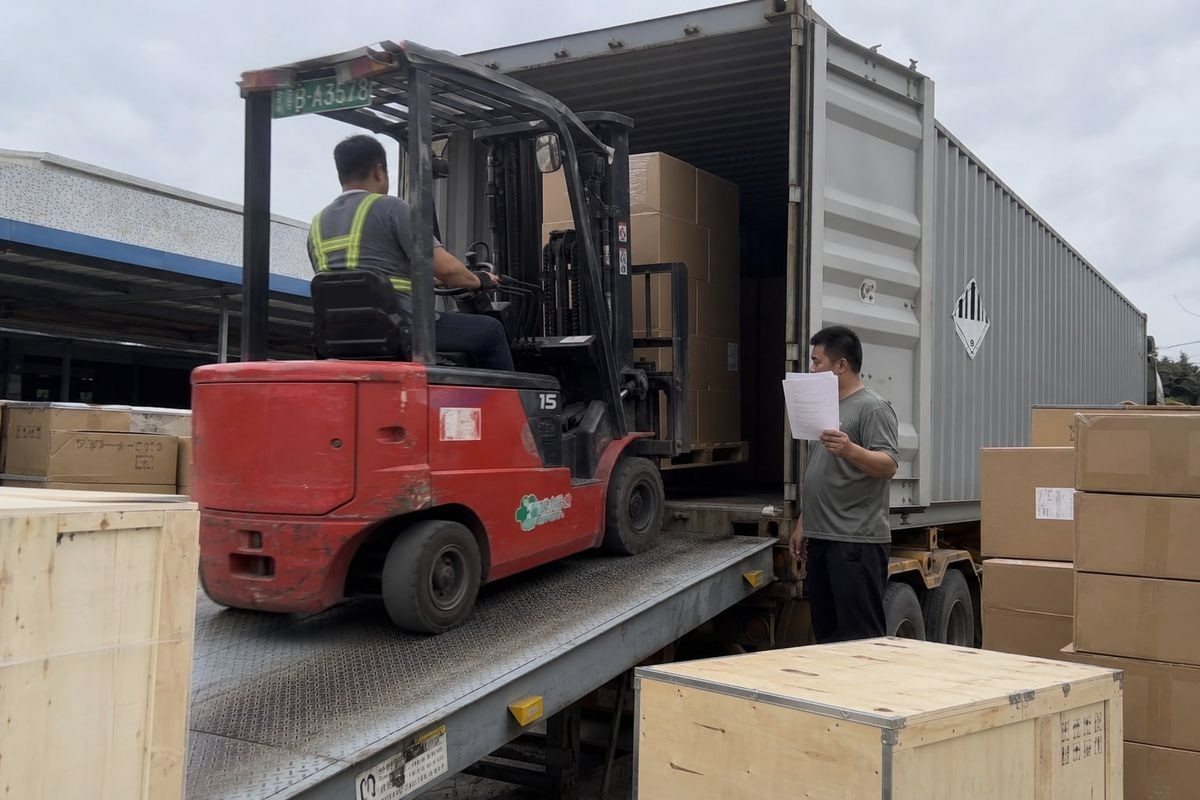
Carriers reject bookings for predictable reasons. So the fix is a predictable process. Here is the pre-shipment sequence we follow, and the mode-specific traps that catch importers off guard.
| Step | Action | Timing |
|---|---|---|
| 1 | Collect UN38.3, SDS, and battery spec from the factory | Before booking |
| 2 | Verify nameplate photos match documents | Before booking |
| 3 | Submit full DG details to the carrier for written acceptance | At booking |
| 4 | Confirm state of charge and terminal insulation with the factory | Before pickup |
| 5 | Supervise container loading, securing, and blocking | At loading |
| 6 | File the Dangerous Goods Declaration and final docs | Before vessel cut-off |
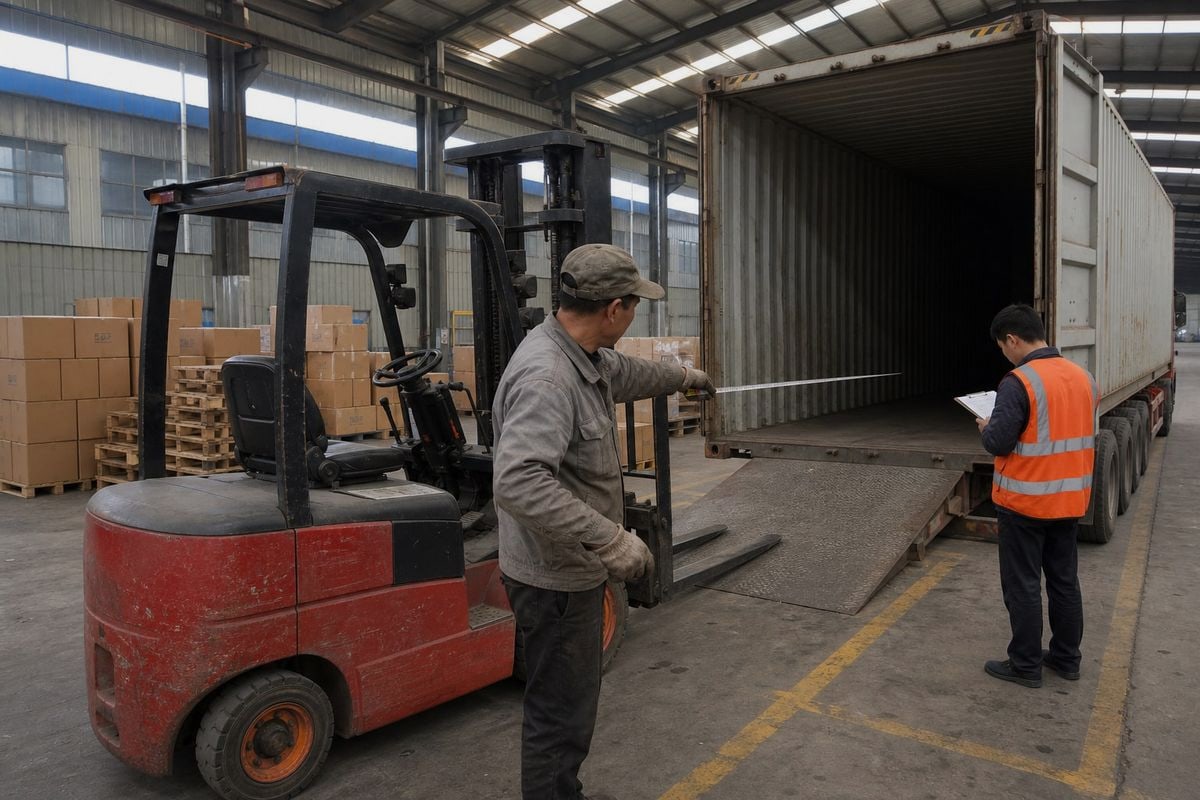
Terminals must be insulated with non-conductive material. The battery must be securely bolted to the chassis so it cannot shift in transit. The forklift itself must be blocked and lashed inside the container, because a three-ton machine moving at sea is a hazard regardless of its battery. One trap worth flagging: shipping a lead-acid forklift with the battery removed to save weight sounds clever, but the battery is also the counterweight. A chassis without it can become unstable on loading ramps and may need temporary ballasting.
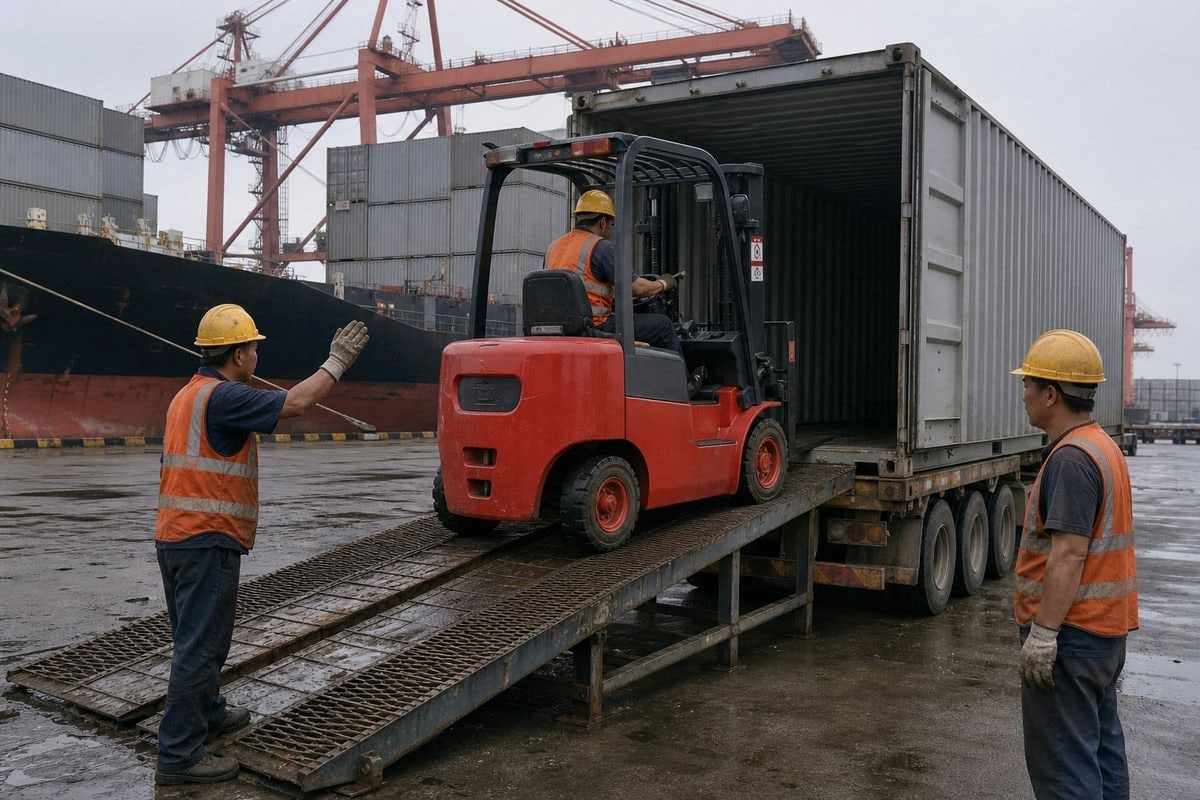
Transport mode changes everything. On RoRo vessels, some forklifts avoid hazardous classification under IMDG Special Provision 961 3, while the same unit in a container is Class 9 cargo. For air freight under the IATA Dangerous Goods Regulations 4, the 30% state of charge limit has now been extended to lithium batteries installed in equipment under UN 3171, closing the old exemption for integrated packs. US domestic trucking under 49 CFR allows some relief too — placarding is not always required for battery-powered vehicles when the applicable exceptions are met. Never assume the ocean rules carry over to the next leg.
Electric forklifts are frequently dangerous goods, but the battery, mode, and paperwork decide. Verify everything before booking, and shipping from China stays smooth, predictable, and affordable.
1. Official United Nations portal for global dangerous goods regulations, including the Manual of Tests and Criteria for batteries. ↩︎
2. Official United States International Trade Commission portal for searching and verifying Harmonized Tariff Schedule (HTS) codes. ↩︎
3. Official IMO safety section covering the IMDG Code and international maritime standards for dangerous goods transport. ↩︎
4. Primary IATA resource for Dangerous Goods Regulations (DGR) ensuring safe air transport of hazardous materials and batteries. ↩︎