- +8618603825129
- [email protected]

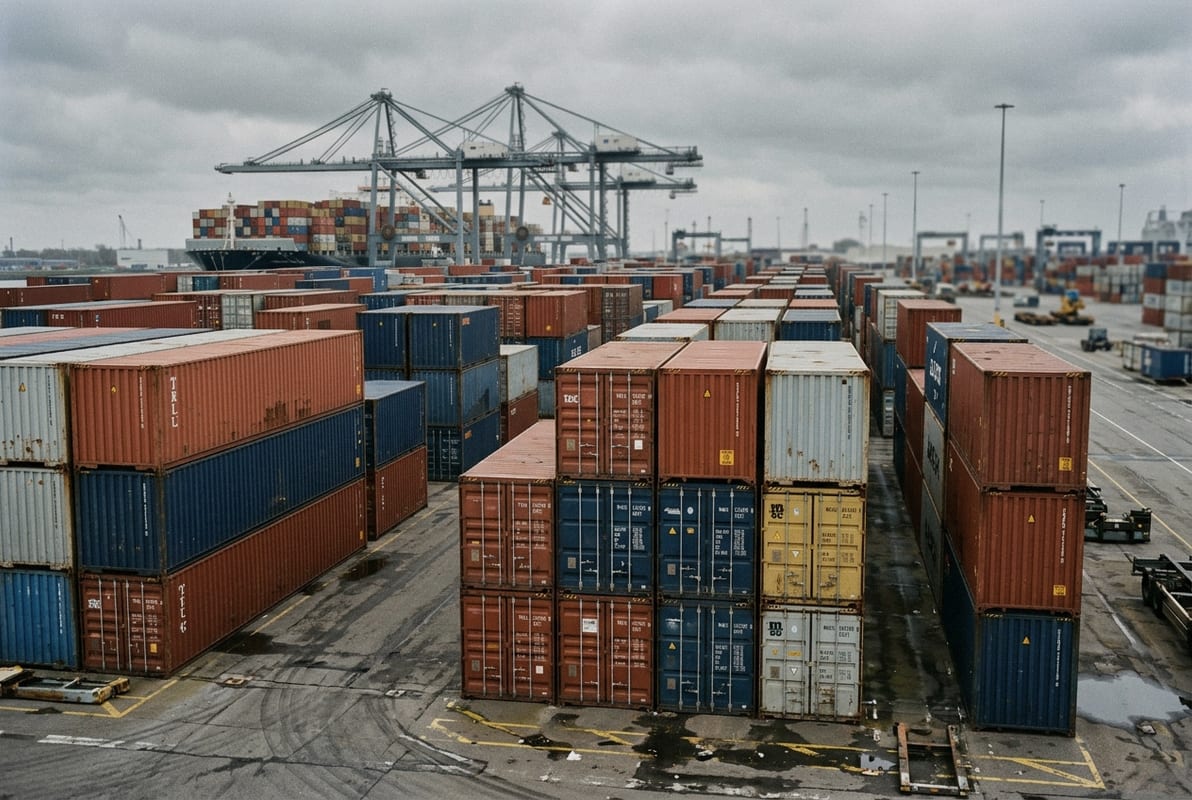
Every week, our logistics team in Zhengzhou fields urgent calls from Amazon sellers blindsided by unexpected duty charges that shatter their profit margins on shipments from China to the US.
The United States currently maintains over 559 active anti-dumping and countervailing duty orders on Chinese products, covering steel, aluminum, solar panels, furniture, honey, tires, and seafood, with combined duty rates on key sectors like steel exceeding 500% when stacked with Section 301 tariffs.
These trade remedies are not going away. In fact, they are expanding. Understanding the full scope of US anti-dumping and countervailing duties on Chinese products is now essential for any importer or Amazon seller sourcing from China anti-dumping and countervailing duty orders 1. Let me walk you through what you need to know in 2026.
A client recently shipped wooden shelving units to an Amazon FBA warehouse and got hit with a 200%+ duty bill at customs — all because he assumed his product was not covered under any active order.
To find out if your specific product from China is subject to anti-dumping duties, search the U.S. Department of Commerce's AD/CVD orders database using your product's HTS code, or consult the U.S. International Trade Commission's DataWeb for active orders matching your commodity.

En Código del Sistema Armonizado de Aranceles Aduaneros (SAC) 2 is your product's fingerprint at the US border. Every import enters the US under a specific 10-digit HTS code. This code determines not only your normal import duties but also whether anti-dumping or countervailing duties apply.
Here is the problem. Many sellers source products from Alibaba or Global Sources and never check their HTS classification. They assume their supplier's HS code from China translates perfectly. It often does not. A misclassified product can either escape duties it should pay — leading to retroactive penalties — or get flagged for duties that do not actually apply.
En U.S. Department of Commerce 3 maintains a public database called the AD/CVD Orders in Place list. The U.S. International Trade Commission also publishes active investigation and order data. Here is a quick reference for where to look:
| Resource | What It Tells You | Access |
|---|---|---|
| Commerce AD/CVD Orders List | All active orders by country and product | trade.gov |
| USITC DataWeb | Active investigations, injury determinations | usitc.gov |
| CBP CROSS Rulings | HTS classification rulings for specific products | rulings.cbp.gov |
| Federal Register Notices | New petitions, preliminary and final determinations | federalregister.gov |
One of the trickiest parts of this process is "scope." An AD/CVD order does not just list a single HTS code. It includes a written product description — the "scope language" — that can be broad. For example, the aluminum extrusions order covers a huge range of shapes and alloys. A product you think is unrelated might fall within scope.
In our experience handling DDP shipments from China to the US, we have seen products as seemingly simple as aluminum brackets get flagged under the aluminum extrusions order. The duty rates on aluminum range from 30% to over 300%. That is a cost no Amazon seller can absorb without knowing in advance.
This process takes time. But skipping it can destroy your margins overnight.
Last quarter, I sat down with one of our regular Amazon seller clients to review his cost breakdown on a furniture shipment. The countervailing duties alone were higher than his ocean freight, warehousing, and last-mile delivery combined.
Yes, countervailing duties can dramatically increase your total DDP shipping costs. On products like Chinese steel, wooden furniture, or aluminum, CVD rates stacked with anti-dumping duties and Section 301 tariffs can push total duty burdens above 500%, making some imports financially unviable.
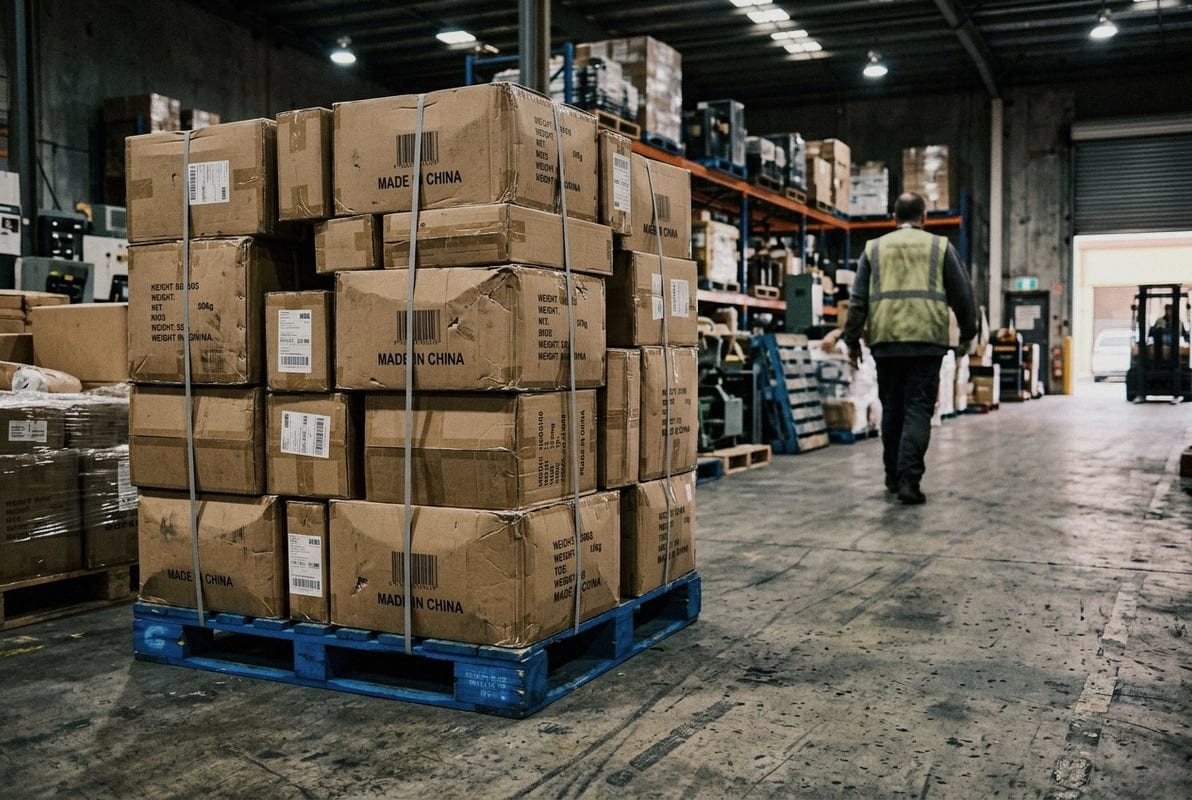
The real danger is not any single duty. It is the stacking. When you ship a product from China to the US under DDP terms, your total landed cost includes:
All four layers apply simultaneously. They do not replace each other. They stack on top of each other. Here is what that looks like for some common product categories:
| Categoría de productos | Normal Duty | Section 301 Tariff | AD Rate (Range) | CVD Rate (Range) | Combined Potential |
|---|---|---|---|---|---|
| Hot-Rolled Steel | 0–6% | 25% | Up to 250%+ | Up to 250%+ | 500%+ |
| Aluminum Extrusions | 2-6% | 25% | 30–300% | Varies | 60–330%+ |
| Wooden Bedroom Furniture | 0-5% | 25% | Up to 216% | N/A (AD only) | 240%+ |
| Honey | 0–6% | 25% | 200%+ | Varies | 230%+ |
| Twist Ties | Varies | 25% | ~63% | ~112% | 200%+ |
| Tin Mill Products (2026 petition) | Varies | 25% | 202–1,077% | Above de minimis | 230–1,100%+ |
When we quote DDP shipping from China to the US, we build all duties and tariff rates into the price. That is the whole point of DDP — the buyer pays one transparent number. But when AD/CVD orders apply, the duty component can dwarf every other cost in the shipment.
I have seen cases where the freight cost was $2,000 and the combined duties were $15,000. For an Amazon seller trying to hit a target ACOS and maintain healthy margins, this is devastating.
China's designation as a non-market economy 5 by the US government makes things worse. Under this methodology, the U.S. Department of Commerce does not accept Chinese domestic prices as benchmarks. Instead, it uses surrogate country data to calculate dumping margins. This approach often produces higher duty rates than would result from standard market economy calculations.
Chinese exporters and the Chinese government have long argued this leads to inflated rates. They call it unfair trade practices in reverse. The WTO examined this issue in 2012 and found the US approach consistent with its obligations, but the debate continues.
If your product is subject to both AD and CVD orders, your DDP costs will reflect that reality. There is no way around it. The only responsible approach is to know your duty exposure before you commit to a purchase order.
One lesson we learned early in our DDP logistics business: guessing at duty rates is the fastest way to lose a client's trust and a shipment's profitability.
To accurately calculate AD/CVD rates, identify your product's HTS code, confirm the applicable AD/CVD order and the specific exporter or producer rate assigned by the U.S. Department of Commerce, then add those rates to your normal duty and Section 301 tariff for total landed cost.
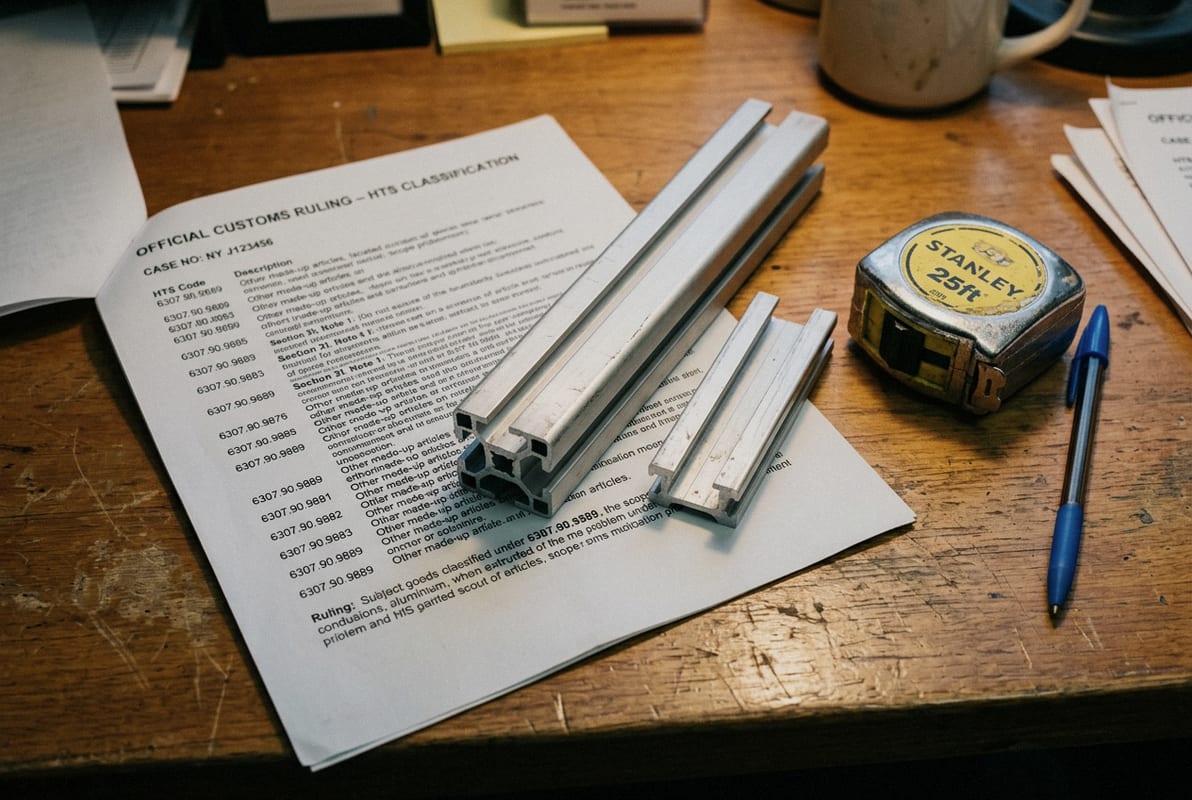
Calculating AD/CVD rates is not a single lookup. It is a multi-step process. Here is how we approach it for every DDP shipment we handle:
This is where many importers get confused. Within a single AD/CVD order, different Chinese companies receive different rates. A company that cooperated with the investigation may get a lower rate. A company that did not cooperate — or one not individually investigated — gets the "China-wide" rate, which is almost always the highest.
| Rate Type | How It Is Assigned | Typical Level |
|---|---|---|
| Individual Rate | Assigned to a specific cooperating exporter/producer | Lower (case-specific) |
| All Others Rate | Assigned to cooperating companies not individually examined | Moderado |
| China-Wide Rate | Assigned to non-cooperating companies or unknown exporters | Highest (often punitive) |
For the 2026 tin mill products petition, the alleged AD margin for China ranges from 202.02% to 1,077.08%. The spread between the lowest and highest rate is enormous. Your specific rate depends entirely on which Chinese producer or exporter is involved.
AD/CVD orders do not expire automatically. Every five years, the U.S. International Trade Commission conducts sunset reviews 6. These reviews ask one question: would revoking the order lead to the rec
Understanding these fees is critical — just as it is important to understand what ORC and THC shipping fees add to your total import cost when bringing goods from China. Similarly, importers shipping under DDP terms should familiarize themselves with how CBP Assigned Number, ITIN, SSN, and EIN differ for US DDP customs clearance to ensure smooth entry through US Customs. For shipments where timing and cost are both factors, it also helps to choose between fast and slow international shipping methods based on your product's duty exposure and margin tolerance.
1. Explains the purpose and enforcement of anti-dumping and countervailing duties. ↩︎
2. Defines HTS codes and their role in determining customs duties. ↩︎
3. Official website of the government department responsible for trade policy. ↩︎
4. Provides official information on Section 301 tariff actions against China. ↩︎
5. Replaced broken link with a clear legal definition of a non-market economy country. ↩︎
6. Details the process and purpose of five-year sunset reviews for trade orders. ↩︎