- +8618603825129
- [email protected]


Forklift shipments get held by customs more often than most importers expect. I see it from our Zhengzhou office every month, and the damage is real: demurrage, storage, and angry end customers.
Forklift shipments get held by customs mainly because of incorrect HS Code classification, mismatched documents, questionable declared values, missing certificates, or unresolved battery regulations. You avoid holds by preparing a complete, consistent customs file — invoice, packing list, Bill of Lading, and permits — before the forklift leaves the factory.
Most holds are preventable. Below, I break down the exact reasons customs stops forklifts, and the steps we use to keep our clients' containers moving.
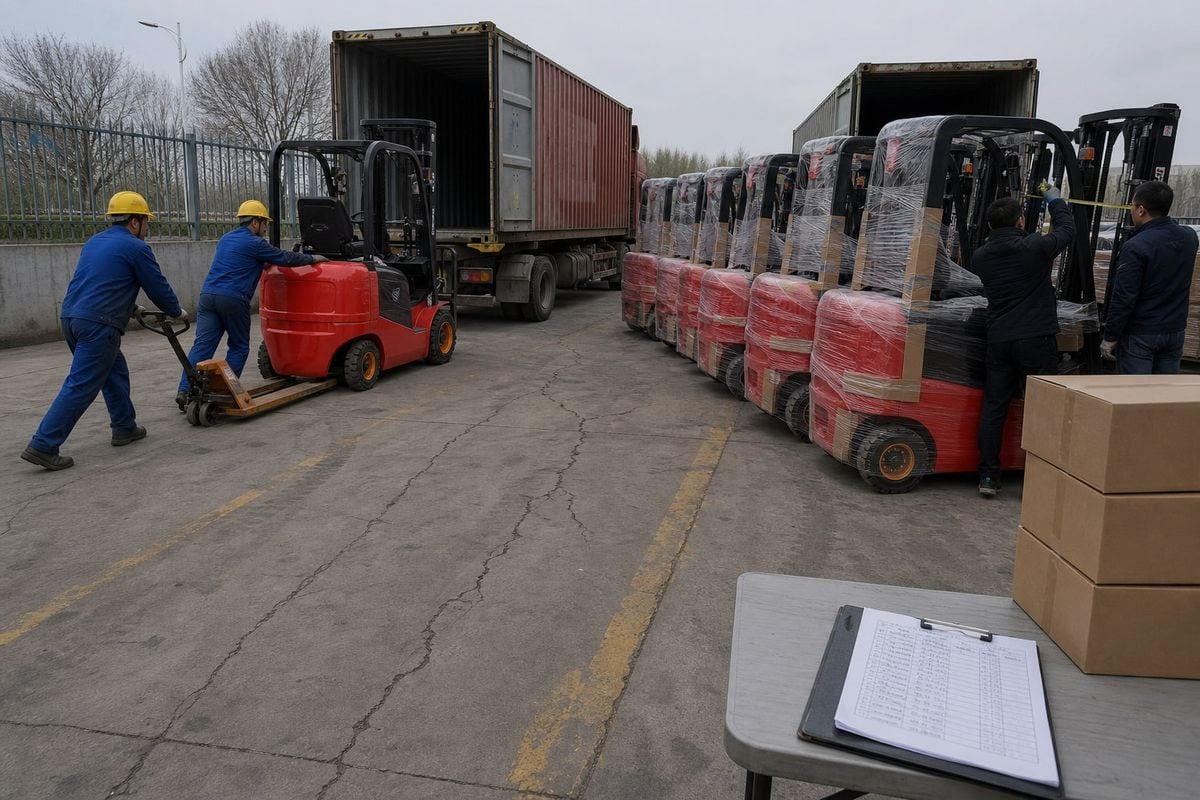
Last spring, a container of red counterbalance forklifts sat at a U.S. port for eleven days. The cause? One digit wrong in the HS Code. Our team traced it in an afternoon.
Forklift shipments are most commonly held because of wrong HS Code classification, discrepancies between the commercial invoice and Bill of Lading, vague product descriptions, undervalued goods, missing certificates, unpaid import duties and taxes, or a random CBP examination hold triggered by risk-based targeting systems.
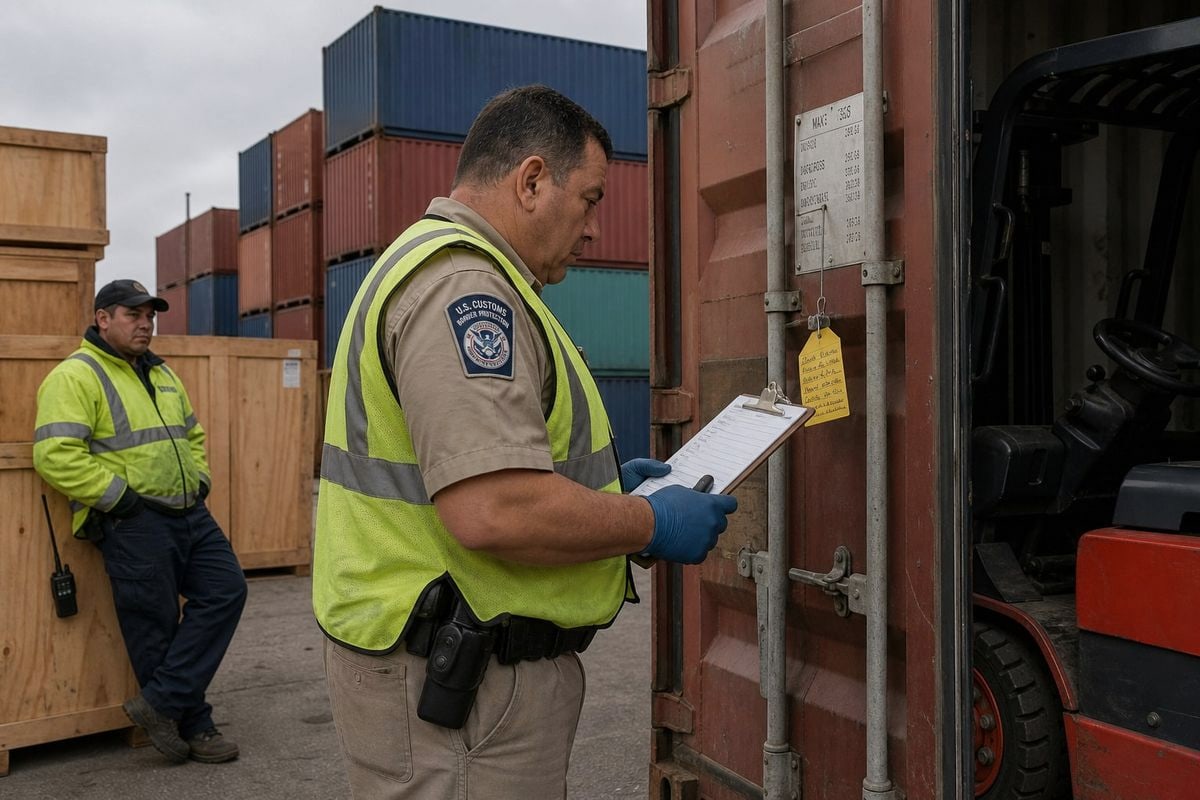
Customs officers have one job at the border: verify the shipment quickly. When the paperwork does not let them do that, the container stops. A forklift is not simple cargo. It sits at the intersection of heavy equipment logistics, tariff classification, and safety regulation, so there are more ways for the file to go wrong.
Here is what we see most often on the China-to-USA route:
| Trigger | Why Customs Stops the Shipment | How Preventable |
|---|---|---|
| Wrong Clasificación del código SA 1 | Duty rate and trade remedy checks depend on it | Fully preventable |
| Document mismatch | Invoice, packing list, and Conocimiento de embarque 2 disagree | Fully preventable |
| Vague description | "Machinery" tells the officer nothing | Fully preventable |
| Undervaluation | Value does not match weight, model, or market price | Fully preventable |
| Missing permits or certificates | Regulatory clearance cannot be confirmed | Fully preventable |
| Unpaid duties or missing customs bond | No financial guarantee on file | Fully preventable |
| Random or risk-based inspection | Targeting systems flag the shipment | Not preventable, but manageable |
One nuance I always share with buyers: a hold is not a seizure. Many importers panic when they hear "held." In reality, most holds are temporary. Customs releases the cargo once documents are corrected, duties are paid, or the port of entry inspection is completed. Also, not every hold means you made a mistake. Random inspection accounts for a meaningful share of holds, and new importers or first-time product categories often get extra scrutiny simply because there is no track record. Canada's customs authority, for example, explicitly flags new importer activity and new product categories for review. The lesson is the same either way: make your file so clean that any inspection ends fast.
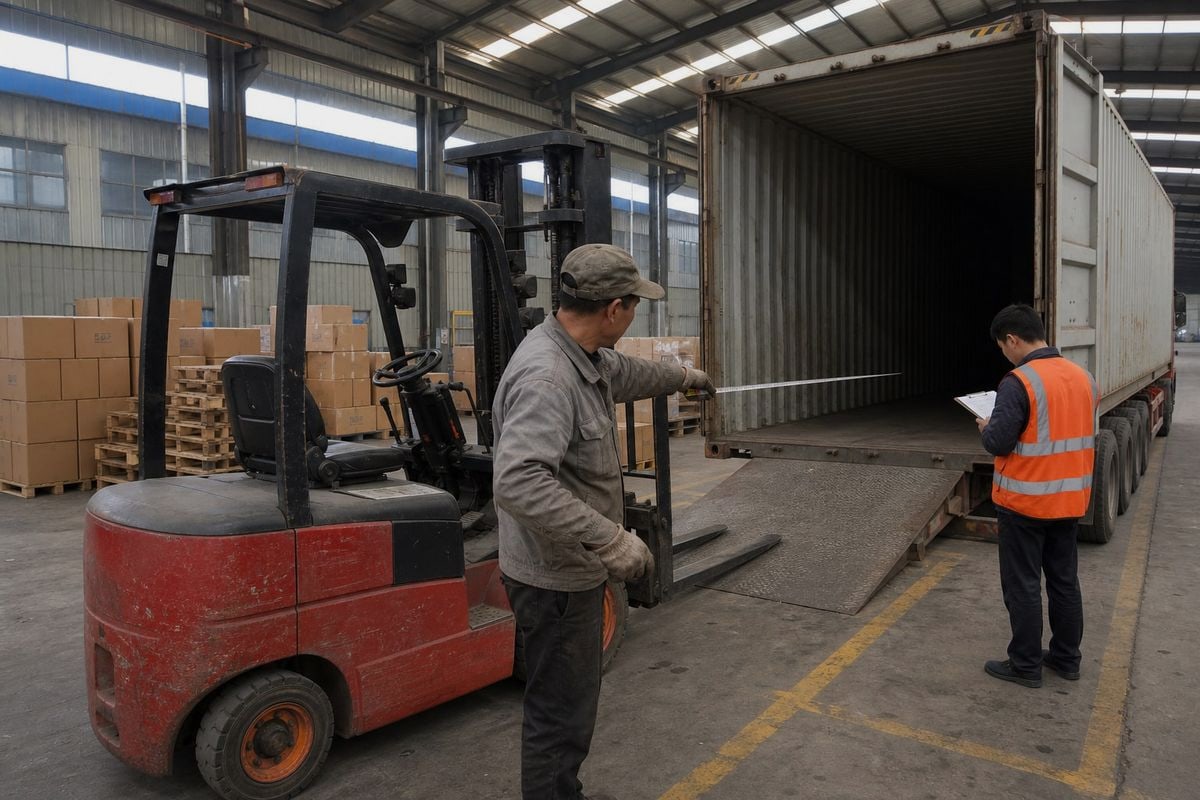
Before any container leaves our warehouse, we run a document cross-check against the factory's packing data. That single habit has saved our forklift clients more delays than anything else we do.
Prepare a commercial invoice, packing list, and Bill of Lading that match exactly on description, value, weight, and consignee. Add the confirmed HS Code, Certificate of Origin, serial numbers, battery specifications, and file the ISF on time. Have a customs broker pre-review everything before departure.

Customs guides from multiple countries agree on one point: inaccurate or missing documentation is the single most common cause of holds. So documentation is where your prevention effort pays off most.
We ask every importer to confirm these items before the vessel is booked:
Officers compare documents against each other and against carrier data. A forklift described as "electric lift truck, 2 tons" on the invoice but "warehouse machinery" on the Bill of Lading forces a manual review. The description does not need to be poetic. It needs to be identical everywhere.
Two more traps deserve attention. First, wood packaging: pallets and crates must carry the ISPM-15 heat-treatment stamp 3, or the entire shipment can be refused at the border. Second, valuation: declare honestly and attach the sales contract. A value that looks too low against the machine's weight and market price invites a valuation review, and that review takes far longer than any duty savings are worth.
A buyer in Texas once asked me why his lithium forklift needed different paperwork than his older lead-acid units. That conversation turned into a full compliance review — and it changed how he orders.
Lithium battery forklifts must ship with UN38.3 test summaries, a correct Dangerous Goods declaration, batteries at a compliant State of Charge, and DG-approved packaging. Some markets also require battery recycling or Extended Producer Responsibility registration before the shipment can clear customs.
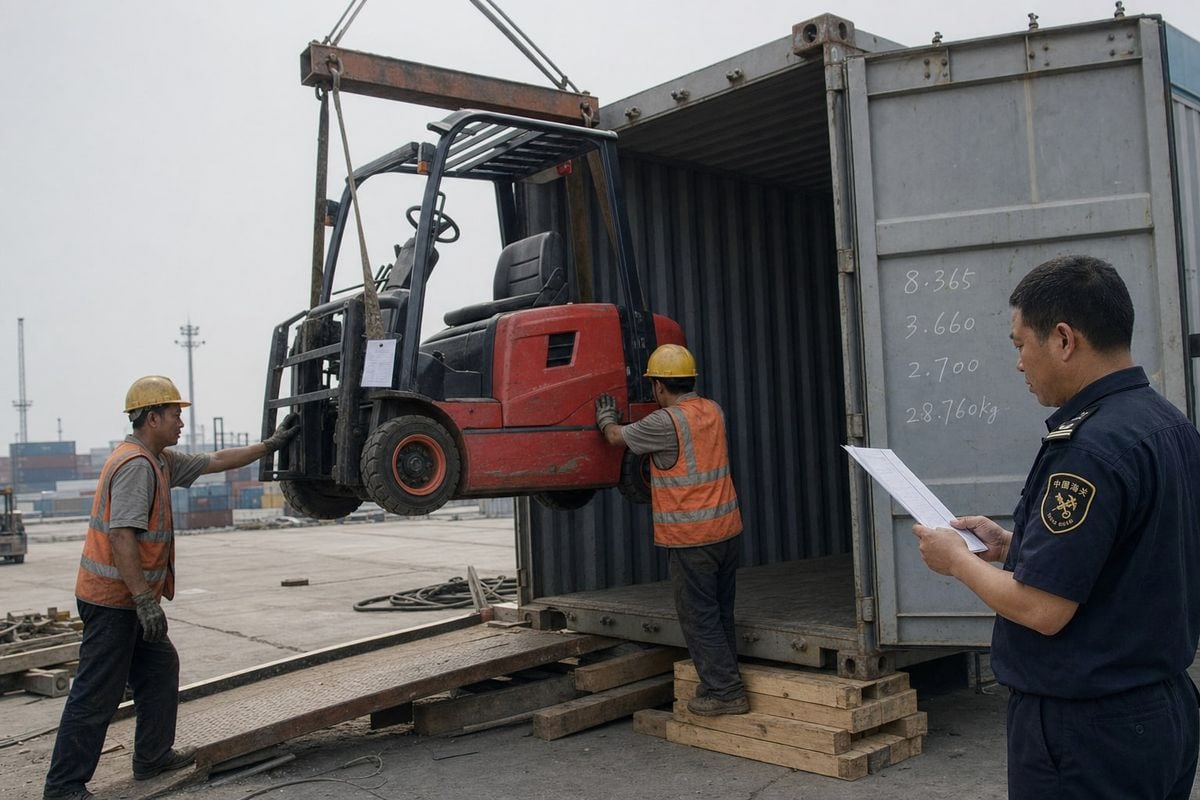
Electric forklifts are our core cargo, and lithium batteries are where most first-time importers get surprised. Carriers and customs both treat lithium-ion batteries as regulated goods, and a missing or inaccurate Dangerous Goods declaration 4 is one of the fastest ways to lose a booking or trigger a hold.
| Compliance Item | Lithium-Ion Forklift | Lead-Acid Forklift |
|---|---|---|
| UN38.3 test summary | Required | No aplicable |
| Dangerous Goods declaration | Required (Class 9) | Often required (Class 8, wet batteries) |
| State of Charge limits | Yes — SoC must meet transit safety thresholds | No aplicable |
| Carrier pre-approval | Usually required | Sometimes required |
| EPR / battery recycling registration | Enforced in specific economic zones | Varies by market |
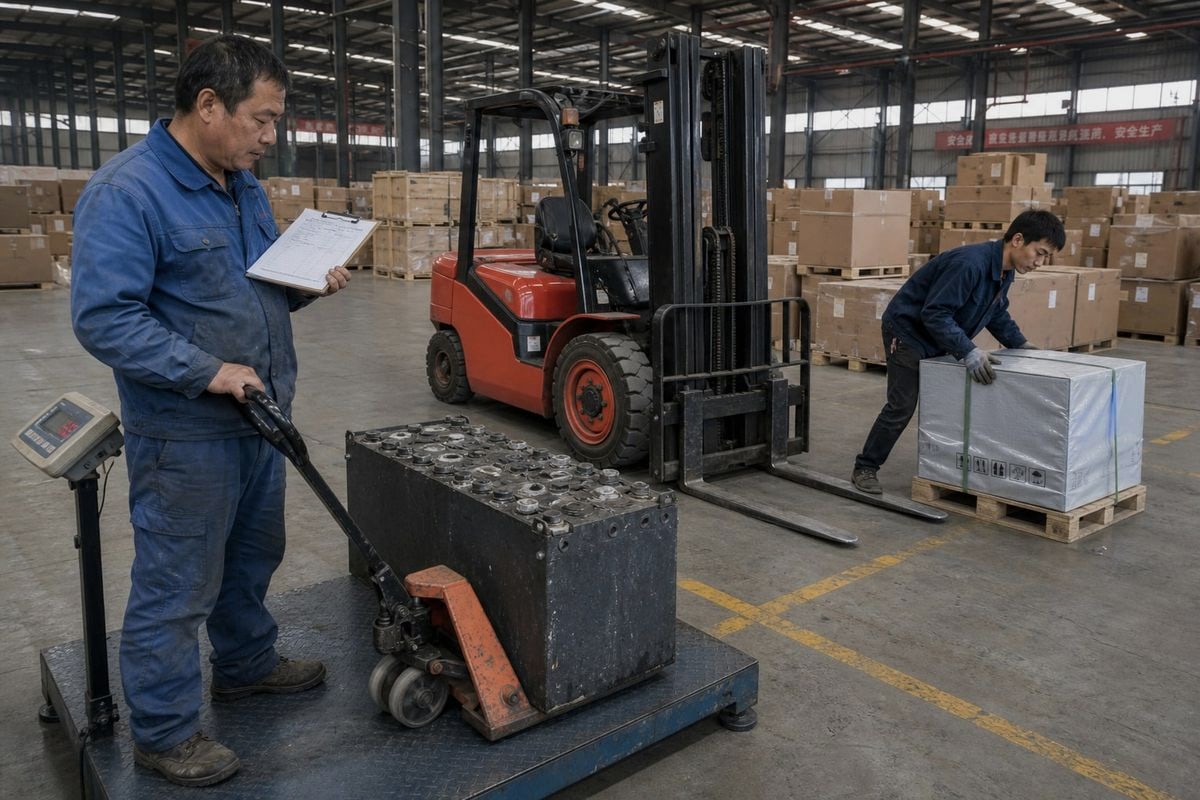
The State of Charge point catches people off guard. Some carriers and destination authorities will hold or reject lithium batteries whose SoC exceeds safety thresholds for international transit. We confirm the SoC with the factory before pickup, because fixing it at the port is slow and expensive.
There is one more angle importers with internal-combustion models should not ignore: engine emissions. Diesel and LPG forklifts entering the U.S. must meet EPA compliance standards such as Tier 4, and Europe applies Euro Stage V. An electric forklift sidesteps engine emissions entirely, which is one reason many of our clients switched — but the battery rules replace that burden with a different one. Neither is optional. Increasingly, some jurisdictions also audit embedded telematics and fleet-management software for data privacy compliance, so ask your supplier what is installed on the machine before it ships.
The trade-off I discuss most with new clients is simple: a cheap quote from a general forwarder versus a slightly higher one from a team that handles heavy equipment logistics daily. The hidden costs of a hold usually settle the argument.
Choose a forwarder with proven forklift and lithium battery experience, in-house or partnered customs brokerage services, pre-shipment document review, transparent DDP or DAP pricing covering import duties and taxes, direct factory coordination in China, and fast responses when customs requests clarification.
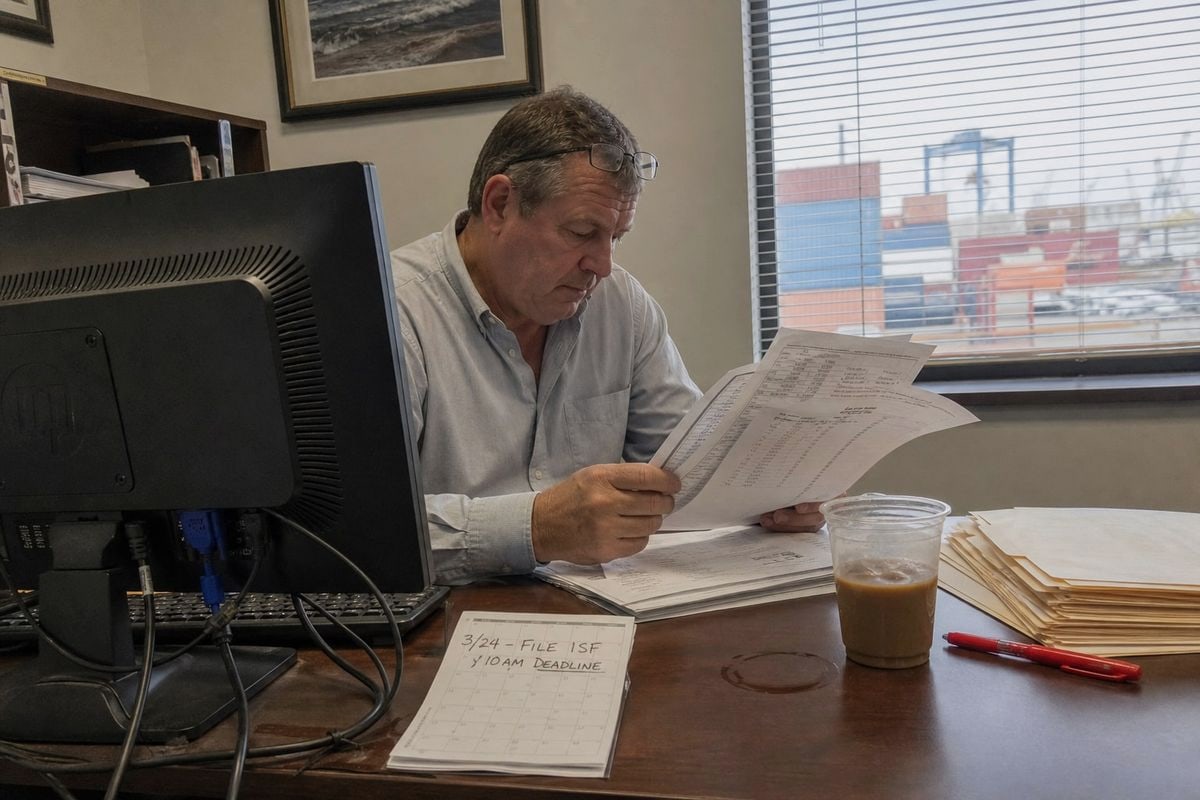
Not all forwarders are equal on this cargo. A team that mostly moves consumer goods may book your container competently, yet still miss the battery declaration, the ISPM-15 stamp, or the correct HS Code classification for an electric lift truck versus a diesel one. That distinction matters, because electric, diesel, and LPG models can classify differently and carry different duty treatment.
I encourage every buyer to run this checklist against any forwarder, including us:
| Question | What a Strong Answer Sounds Like |
|---|---|
| Have you shipped electric forklifts before? | Yes, with specific routes, container types, and battery handling steps |
| Who verifies the HS Code? | A licensed broker reviews classification before export |
| Do you pre-check documents? | Invoice, packing list, and Bill of Lading are cross-checked before departure |
| How do you handle lithium batteries? | UN38.3, DG declaration, SoC, and carrier acceptance confirmed before pickup |
| What does your DDP quote include? | Ocean freight, destination charges, duties, brokerage, and final trucking, itemized |
| What happens if customs asks a question? | A named contact responds within hours, not days |
One honest nuance: broker dependence can cut both ways. A good broker reduces risk, but poor coordination between the importer, the forwarder, and the broker is itself a common cause of delay. That is why we prefer the door-to-door model, where one team manages the chain from factory pickup through export declaration, ocean freight, customs clearance, and final delivery. Fewer hand-offs mean fewer chances for the data to drift. And if customs does flag the container, speed matters — a slow reply extends a hold even when the underlying issue is minor.
Customs holds on forklift shipments are almost always preventable. Build a matched, complete customs file before departure, respect battery rules, and partner with a forwarder who checks everything first.
1. The global authority for the Harmonized System used to determine customs duties. ↩︎
2. Explains the legal and logistical role of this essential shipping document. ↩︎
3. Official international standard for wood packaging materials used in global trade. ↩︎
4. Provides industry standards for the safe transport of hazardous materials by air and sea. ↩︎