- +8618603825129
- [email protected]

China to Peru Freight Forwarder
Täydellinen opas
Shipping from China to Peru: The Ultimate Guide 2024
Sisällysluettelo
In the fast-paced world of international trade, importing goods from China to Peru offers significant business opportunities, especially for companies looking to take advantage of lower manufacturing costs and a wide variety of products. China, with its extensive industrial base, has become one of the primary sources of imports for Peruvian businesses. From electronics and textiles to industrial machinery and consumer goods, China supplies Peru with goods across a wide range of industries.
The China-Peru Free Trade Agreement (FTA), implemented in 2010, further boosted trade by eliminating tariffs on many goods, making it more affordable for Peruvian importers to source products from China. However, navigating the complexities of international shipping, customs regulations, and logistics can be challenging, especially for first-time importers or businesses looking to optimize their supply chain.
This comprehensive guide will walk you through the entire process of shipping goods from China to Peru. We will cover everything from shipping methods and transit times to customs clearance and cost-saving strategies. By the end of this guide, you will have the knowledge needed to streamline your shipping operations and avoid common pitfalls.
September 2024 Shipping Rate Update: From China to Peru
Shipping rates between China and Peru fluctuate due to various factors, including fuel prices, global shipping demand, and the availability of shipping containers. In September 2024, these are the estimated costs for air and sea freight:
| Toimitustapa | Average Cost (USD) | Kuljetusaika (päivinä) | Paras |
|---|---|---|---|
| Lentokuljetus | $8 – $10 per kg | 3 – 7 days | Urgent or high-value shipments |
| Merirahti (FCL) | $6,800 – $7,000 per 40ft container | 30 – 35 days | Large shipments, cost-effective |
| Merirahti (LCL) | $200 – $300 per cubic meter | 35 – 40 days | Smaller shipments, cost-sensitive |
| Express Courier (DHL/UPS/FedEx) | $20 – $25 per kg | 5 – 10 days | Small, time-sensitive packages |
Factors Influencing Shipping Rates:
- Fuel Prices: Rising fuel prices have a direct impact on shipping costs, especially for air freight. As fuel prices fluctuate, so do shipping rates.
- Container Shortages: The global shortage of shipping containers, exacerbated by the pandemic, continues to drive up costs, particularly for sea freight.
- Peak Season Surcharges: Rates typically increase during peak shipping seasons, such as the holiday season or around major global events.
To get the most accurate rates for your shipment, it’s recommended to consult with multiple freight forwarders and use real-time shipping rate calculators.
Freight Transit Times from China to Peru
The shipping method you choose will determine how long it takes for your goods to reach Peru. Transit times vary based on the mode of transport, the specific route, and potential delays at ports or customs.
Sea Freight Transit Times
Sea freight is the most economical shipping method, but it is also the slowest. Transit times for sea freight shipments from China to Peru range from 30–40 päivää, depending on the port of origin in China and the port of entry in Peru.
| Route | Average Transit Time |
|---|---|
| Shanghai to Callao Port | 30-35 days |
| Shenzhen to Callao Port | 32-36 days |
| Ningbo to Callao Port | 31-37 days |
Factors such as weather conditions, port congestion, and vessel availability can influence these transit times.
Air Freight Transit Times
Air freight is the fastest shipping option, with transit times ranging from 3 to 7 days. This makes it ideal for time-sensitive shipments or high-value goods that need to arrive quickly.
| Route | Average Transit Time |
|---|---|
| Beijing to Jorge Chávez International Airport (Lima) | 3–5 päivää |
| Shanghai to Lima | 4-6 days |
| Guangzhou to Lima | 5–7 päivää |
While air freight offers a faster turnaround, it is significantly more expensive than sea freight. Therefore, it is typically reserved for urgent or high-value shipments.
How to Choose the Best Shipping Method from China to Peru
Choosing the right shipping method depends on various factors, including the size of your shipment, the urgency of delivery, and your budget. Here’s a breakdown of the shipping methods available:
1. Sea Freight (FCL vs. LCL)
Täysi konttikuorma (FCL): FCL is the most economical option for large shipments that can fill an entire shipping container. With FCL, you have exclusive use of the container, which means your goods aren’t mixed with other shipments. This ensures faster handling and processing at ports. FCL is ideal for businesses that regularly import large quantities of goods.
Osakuorma (LCL): LCL is a good option for smaller shipments that don’t require a full container. With LCL, your goods share container space with shipments from other businesses. This reduces costs, but it also means your shipment may take longer to process at the port because of the need to consolidate and deconsolidate shipments.
| Toimitustapa | Nopeus | Maksaa | Paras |
|---|---|---|---|
| FCL (Full Container) | Slow | Low | Large shipments, cost-sensitive goods |
| LCL (Less than Container) | Moderate | Moderate | Small shipments, less time-sensitive |
2. Air Freight
Air freight is the fastest shipping method and is ideal for urgent, high-value, or fragile goods. While it is significantly more expensive than sea freight, the quick transit time can offset costs if your shipment is time-sensitive. Air freight is often used for electronics, pharmaceuticals, and perishable goods.
3. Express Courier Services
For small, lightweight packages or e-commerce shipments, express couriers like DHL, UPS, and FedEx offer reliable door-to-door services. This option is best for urgent deliveries, and it simplifies the logistics process with built-in tracking, insurance, and customs clearance services.
Considerations When Choosing a Shipping Method:
- Speed vs. Cost: Air freight is faster but more expensive, while sea freight is slower but more affordable.
- Lähetyksen koko: FCL is best for large shipments, while LCL is better suited for smaller loads.
- Nature of Goods: High-value, perishable, or time-sensitive goods may require air freight, while bulk goods can be shipped via sea freight.
Understanding Import Tax and Duties from China to Peru
When importing goods into Peru, it is essential to be aware of the taxes and duties imposed by Peruvian customs. These taxes are based on the value of the goods being imported, as well as the type of products.
1. Import Duties
Import duties in Peru are calculated based on the CIF value (Cost, Insurance, and Freight) of the goods. The CIF value includes the total value of the goods, the shipping costs, and any insurance premiums. Under the China-Peru FTA, many products benefit from reduced or zero import tariffs, making it more cost-effective to import goods from China. Eligible goods include electronics, machinery, textiles, and automotive parts.
2. Value Added Tax (VAT)
In addition to import duties, Peru applies a Arvonlisävero (ALV) of 18% on imported goods. VAT is calculated based on the CIF value plus any import duties. This tax applies to most goods, including consumer products, electronics, and machinery.
| Tax Type | Rate | Calculation Base |
|---|---|---|
| Tuontitulli | Varies by product | CIF-arvo |
| alv. | 18% | CIF Value + Import Duty |
3. Documentation Required for Import
To ensure smooth customs clearance, the following documents must be prepared and submitted:
- Kaupallinen lasku: This document details the value and nature of the goods being imported. It is used by customs officials to assess import duties and taxes.
- Bill of Lading (BOL) or Airway Bill (AWB): This document serves as proof of shipment and is required for customs clearance.
- Alkuperätodistus: This document certifies that the goods originated in China, which is necessary to claim tariff reductions under the China-Peru FTA.
- Pakkauslista: The packing list provides a detailed description of the contents of the shipment, including the weight and quantity of goods.
What is Cargo Insurance and Risk Management?
Shipping goods internationally involves several risks, including damage, loss, or theft during transit. Cargo insurance helps mitigate these risks by covering the value of the goods in the event of an incident.
Types of Cargo Insurance:
1.All-Risk Insurance: All-risk insurance provides comprehensive coverage for physical loss or damage to goods from any external cause during transit. It is recommended for high-value or fragile goods that require full protection.
2. Free of Particular Average (FPA): FPA insurance covers major losses, such as total loss of goods due to events like a ship sinking or a fire. This type of coverage is more limited than all-risk insurance, making it a less expensive option, but it might not cover partial losses or damage to individual packages unless they are caused by specific, named perils.
When shipping valuable or fragile goods, particularly over long distances such as from China to Peru, all-risk insurance is often the best choice. For lower-value goods or less risky shipments, FPA may be a cost-effective alternative.
Key Considerations for Cargo Insurance:
- Tavaroiden arvo: High-value items such as electronics, jewelry, or fragile goods should always be insured with all-risk coverage. For lower-value or bulk goods, more basic coverage may be sufficient.
- Risk of Route: Certain routes carry more risks than others. For example, shipping during hurricane season or through congested ports increases the likelihood of delays, damage, or loss.
- Mode of Transport: Sea freight, due to its longer transit time and higher exposure to weather conditions, carries more risks than air freight, which typically involves fewer handling points and less time in transit.
By carefully selecting the right type of insurance, you can minimize your exposure to risks and ensure that your goods are protected throughout the shipping process.
How to Reduce Your Shipping Costs from China to Peru
Importing goods from China can be a cost-effective strategy, but shipping costs can add up quickly, particularly for businesses that ship large volumes of goods. Fortunately, there are several strategies you can use to reduce your shipping costs without compromising the safety or timeliness of your shipments.
1. Consolidate Shipments
For small- to medium-sized businesses, consolidating smaller shipments into a Osakuorma (LCL) can significantly reduce costs. Instead of paying for a full container, you only pay for the space your goods occupy. This makes LCL shipping an ideal option for businesses that don’t have enough volume to fill an entire container.
2. Optimize Packaging
Shipping costs, especially for air freight, are often calculated based on dimensional weight, which factors in both the weight and the volume of your goods. By optimizing your packaging and reducing unnecessary space, you can lower the volume of your shipment, thereby reducing shipping costs.
3. Take Advantage of Off-Peak Shipping Times
Shipping rates tend to increase during peak seasons, such as the holiday period in the fourth quarter. To avoid these surcharges, plan your shipments during the off-peak season, typically between January and March. Off-peak shipping not only reduces costs but also improves the availability of shipping containers and reduces the likelihood of delays at ports.
4. Use the Right Incoterms
Incoterms-lausekkeet (International Commercial Terms) define the responsibilities of buyers and sellers when shipping goods internationally. Choosing the right incoterm can significantly affect your shipping costs. For example, FOB (Vapaasti aluksessa) terms mean that the seller is responsible for loading the goods onto the ship, while the buyer takes on responsibility for shipping costs after that point. In contrast, CIF (kustannukset, vakuutus ja rahti) means that the seller covers more of the shipping costs, but the buyer pays a premium for the convenience. By selecting the appropriate incoterms, you can ensure that your shipping costs are distributed in a way that best fits your budget.
5. Negotiate Long-Term Contracts with Freight Forwarders
If your business regularly imports goods from China to Peru, negotiating a long-term contract with a freight forwarder can help you lock in lower shipping rates. Many forwarders offer discounted rates for businesses that commit to a certain volume of shipments over an extended period. This can provide you with more predictable shipping costs and protect your business from sudden rate increases.
How to Choose the Best Freight Forwarder from China to Peru
Selecting the right freight forwarder is one of the most important decisions you’ll make when importing goods from China to Peru. A reliable freight forwarder can help you navigate complex customs regulations, ensure that your goods are shipped efficiently, and provide valuable support throughout the entire shipping process.
1. Experience and Expertise
Shipping to Peru requires a forwarder who understands the specific customs regulations and logistics challenges of the region. Your chosen forwarder should have a strong track record of successfully handling shipments from China to Peru, and they should be familiar with the requirements of SUNAT, Peru’s customs authority. Experience with different shipping methods (FCL, LCL, air freight) is also crucial.
2. Real-Time Tracking Capabilities
Today’s businesses need to maintain visibility over their supply chain at all times. A reliable freight forwarder should offer real-time tracking capabilities that allow you to monitor your shipment’s progress at every stage. This includes updates on the location of your goods, estimated delivery times, and any delays that may occur. Real-time tracking not only provides peace of mind but also allows you to plan ahead and make adjustments to your logistics operations if necessary.
3. Comprehensive Logistics Services
A good freight forwarder should offer more than just transportation services. Look for a forwarder that provides a full range of logistics solutions, including customs clearance, warehousing, and cargo insurance. By working with a forwarder that handles all aspects of your shipment, you can simplify the logistics process and reduce the risk of delays or complications.
4. Transparent Pricing
Freight forwarding costs can vary significantly depending on the size of your shipment, the shipping method, and the destination. A reputable freight forwarder should provide transparent pricing with no hidden fees. Be sure to request a detailed breakdown of costs, including any potential surcharges for peak seasons, fuel price adjustments, or additional services such as customs clearance and cargo insurance.
5. Strong Customer Support
Shipping delays, customs issues, and other challenges can arise unexpectedly during the shipping process. It’s important to choose a freight forwarder with excellent customer support that can quickly resolve any issues that may occur. Look for a forwarder that offers 24/7 customer service and has a reputation for being responsive and proactive in handling customer concerns.
How to Handle Customs Clearance from China to Peru
Customs clearance is one of the most critical aspects of international shipping. Failure to comply with customs regulations can lead to delays, fines, or even the seizure of goods. Here’s a step-by-step guide to handling customs clearance when shipping goods from China to Peru.
Step 1: Prepare the Necessary Documentation
Before your shipment arrives in Peru, you’ll need to prepare and submit the required documentation to customs authorities. This includes:
- Kaupallinen lasku: This document details the value, quantity, and description of the goods being imported. It is used by customs officials to calculate import duties and taxes.
- Bill of Lading (BOL) or Airway Bill (AWB): This document serves as proof that the goods have been shipped and is required for customs clearance.
- Alkuperätodistus: This document certifies that the goods were produced in China. It is required to claim tariff reductions under the China-Peru FTA.
- Pakkauslista: This lists the contents of the shipment, including the quantity, weight, and dimensions of each package. It is used by customs officials to verify the contents of the shipment.
Step 2: Engage a Customs Broker
Navigating the customs clearance process can be complex, particularly if you’re unfamiliar with Peruvian customs regulations. Working with a tullivälittäjä can help simplify the process and ensure that your shipment complies with all legal requirements. A customs broker will submit your documentation to Peruvian customs authorities and ensure that your goods are cleared quickly and efficiently.
Step 3: Pay Duties and Taxes
Before your goods can be released from customs, you will need to pay the applicable import duties and taxes. As mentioned earlier, import duties in Peru are calculated based on the CIF value of the goods, and a Arvonlisävero (ALV) of 18% is applied. Your customs broker can help calculate the total amount due and ensure that payment is made on time to avoid delays.
Step 4: Prepare for Customs Inspections
In some cases, Peruvian customs may require an inspection of your shipment to verify the contents and ensure compliance with import regulations. If your shipment is selected for inspection, customs officials will examine the goods and compare them to the information provided in your commercial invoice and packing list. To avoid delays, make sure that your goods are properly packed and labeled according to Peruvian regulations.
How to Track My Cargo from China to Peru
Tracking your cargo throughout the shipping process is essential for maintaining visibility over your supply chain and ensuring that your goods arrive on time. Most freight forwarders now offer real-time tracking systems that allow you to monitor your shipment from the moment it leaves China until it arrives in Peru.
1. Online Tracking Tools
Once your shipment has been dispatched, your freight forwarder will provide you with a tracking number. You can enter this tracking number into the forwarder’s online tracking portal to receive updates on the status of your shipment. The tracking system will provide details such as:
- When the shipment has left the port of origin in China.
- The current location of the shipment (e.g., in transit, at a transshipment hub).
- When the shipment has arrived at the destination port in Peru.
- Whether the shipment has cleared customs.
- The expected delivery date for the final destination.
2. Proactive Communication
In addition to online tracking tools, a good freight forwarder will proactively communicate with you about any issues
Restricted & Prohibited Items Shipping from China to Peru
Before shipping goods from China to Peru, it is essential to know which items are restricted or prohibited. Non-compliance with these regulations can result in fines, shipment seizures, or delays in customs clearance. Peru, like many countries, has specific import regulations aimed at protecting national security, health, and the environment.
Restricted Items:
Hazardous Materials: Hazardous materials such as explosives, flammable liquids, and toxic chemicals are heavily regulated and require special permits for import. International guidelines such as the International Maritime Dangerous Goods (IMDG) code govern the transport of hazardous materials by sea, while International Air Transport Association (IATA) guidelines regulate air transport.
Endangered Species and Related Products: Under CITES (Convention on International Trade in Endangered Species), the importation of products derived from endangered animals or plants is prohibited. This includes products such as ivory, certain types of wood, and leather made from endangered species.
Pharmaceuticals and Medical Devices: Importing pharmaceuticals, medical devices, or health-related products requires approval from Peru’s Ministry of Health (MINSA). These items must meet local health regulations and standards.
Weapons and Ammunition: The importation of firearms, ammunition, and military-grade equipment is strictly regulated in Peru and requires special permits from the Ministry of the Interior.
Väärennetyt tavarat: Peru enforces strict intellectual property laws. The importation of counterfeit products, including knockoff clothing, electronics, and accessories, is prohibited and can result in severe penalties, including fines and the confiscation of goods.
Prohibited Items:
In addition to restricted items, certain goods are outright prohibited from entering Peru. These include:
- Illegal Drugs: Narcotics and controlled substances are strictly prohibited.
- Radioactive Materials: Unless authorized for specific uses, radioactive materials are banned.
- Hazardous Waste: Peru has strict environmental laws that prohibit the import of hazardous waste materials.
Before shipping any goods, consult with a customs broker or freight forwarder to ensure that your shipment complies with all Peruvian import regulations. If you’re shipping goods that fall under the restricted category, additional documentation may be required, such as permits or certifications.
Shipping from China to Peru: Main Routes
When shipping goods from China to Peru, you can choose between sea freight and air freight. Each method offers different routes, transit times, and costs. Here’s an overview of the main routes used for shipping from China to Peru:
Sea Freight Routes:
Sea freight is the most economical shipping method, particularly for large shipments. The most common sea routes from China to Peru involve shipping from major Chinese ports such as Shanghai, Shenzhen, ja Ningbo, to Peru’s largest seaport, Callao Port.
- Callao Port: Located near Lima, Callao is the primary hub for maritime imports in Peru. It handles the majority of container shipments and offers excellent connectivity to inland Peru.
- Paita Port: This is the second-largest port in Peru, located in the northern part of the country. It serves as a key entry point for goods destined for northern and central regions.
- Matarani Port: Located in southern Peru, Matarani is an important port for goods headed to southern Peru and neighboring countries such as Bolivia.
Transit Times for Sea Freight: The transit time for sea freight shipments from China to Peru typically ranges from 30–40 päivää, depending on the ports of origin and destination.
| Key Ports in China | Key Ports in Peru | Average Transit Time |
|---|---|---|
| Shanghai, Ningbo, Shenzhen | Callao, Paita, Matarani | 30-35 days |
| Guangzhou, Tianjin, Qingdao | Ilo, Salaverry, Talara | 35-40 days |
Air Freight Routes:
For time-sensitive shipments, air freight offers a faster alternative to sea freight. Most air freight shipments from China to Peru are routed through major airports in China, such as Pekingin kansainvälinen lentoasema, Shanghain Pudongin kansainvälinen lentoasema, ja Guangzhou Baiyunin kansainvälinen lentoasema, with the majority of flights arriving at Jorge Chávez International Airport in Lima.
| Key Airports in China | Key Airport in Peru | Average Transit Time (Days) |
|---|---|---|
| Beijing Capital, Shanghai Pudong | Jorge Chávez International (Lima) | 3–7 päivää |
| Guangzhou Baiyun |
Transit Times for Air Freight
Air freight offers a faster transit time of 3 to 7 days, making it an ideal choice for businesses that need to ship high-value, perishable, or urgent goods.
10 Things You Need to Avoid When Shipping from China to Peru
When importing goods from China to Peru, there are several potential pitfalls that can disrupt your shipping process, increase costs, or lead to delays. Here are ten common mistakes to avoid:
Puutteellinen dokumentaatio: Failure to provide accurate and complete documentation, such as the commercial invoice, packing list, and bill of lading, can lead to customs delays or fines. Double-check that all paperwork is correctly filled out before your shipment departs.
Choosing the Wrong Freight Forwarder: Not all freight forwarders have the experience or resources to handle shipments from China to Peru. Choosing an inexperienced or unreliable forwarder can result in mismanaged shipments, customs issues, or unexpected delays.
Skipping Cargo Insurance: Shipping goods internationally involves inherent risks, such as theft, damage, or loss. Without proper cargo insurance, you risk significant financial loss. Ensure that your shipment is insured, particularly if it contains high-value or fragile items.
Underestimating Transit Times: Shipping from China to Peru, especially by sea freight, can take up to 40 days. Underestimating these transit times can lead to inventory shortages or stockouts, which can hurt your business.
Overlooking Customs Compliance: Customs regulations in Peru can be complex, and failing to comply with them can lead to delays, fines, or the seizure of goods. Ensure you are familiar with Peruvian customs requirements and work with a knowledgeable customs broker to avoid issues.
Failing to Utilize the China-Peru FTA: The China-Peru Free Trade Agreement provides significant tariff reductions on many goods. Ensure that you have the necessary documentation, such as a Alkuperätodistus, to take advantage of these benefits.
Improper Packaging: Goods that are poorly packed can be damaged during transit, especially over long distances. Ensure that your goods are securely packaged according to international shipping standards to prevent damage.
Ignoring Peak Shipping Seasons: Shipping rates increase during peak seasons, such as the holiday season. Plan your shipments in advance to avoid these peak season surcharges.
Not Tracking Your Cargo: Tracking your shipment is essential for maintaining visibility over your supply chain. Always use a forwarder that offers real-time tracking and provides regular updates on the status of your shipment.
Overlooking Restricted Items: Shipping restricted or prohibited items can result in customs delays, fines, or the confiscation of your goods. Ensure that your shipment complies with Peruvian import regulations, and if necessary, obtain the required permits or certifications.
How to Ship Cargo from China to Peru: Step-by-Step Guide
Shipping cargo from China to Peru involves several steps, from choosing the right shipping method to navigating customs clearance. Here’s a comprehensive step-by-step guide to help you manage the entire process:
Step 1: Choose Your Shipping Method
The first step in shipping goods from China to Peru is determining the most suitable shipping method based on your cargo’s size, value, and urgency. You can choose between sea freight (FCL or LCL), air freight, or express courier services, depending on your needs.
Step 2: Prepare the Required Documentation
Ensure that all the necessary documentation is prepared before shipping. This includes the commercial invoice, bill of lading (for sea freight) or airway bill (for air freight), packing list, and certificate of origin (if applicable).
Step 3: Select a Freight Forwarder
Choose a freight forwarder with experience in shipping goods from China to Peru. A reliable forwarder will handle all aspects of the logistics process, including transportation, customs clearance, and tracking.
Step 4: Book Your Shipment
Once you’ve selected a freight forwarder and shipping method, book your shipment. Be sure to confirm the transit time, shipping route, and any additional services you may require, such as warehousing or insurance.
Step 5: Track Your Shipment
Use the tracking tools provided by your freight forwarder to monitor your shipment’s progress. Be proactive in communicating with your forwarder to ensure that any potential issues, such as delays or customs inspections, are addressed promptly.
Step 6: Manage Customs Clearance
Work with your freight forwarder or a customs broker to ensure that your shipment clears Peruvian customs without any issues. Ensure that all duties and taxes are paid on time and that the required documentation is submitted.
Step 7: Final Delivery
Once your shipment has cleared customs, arrange for final delivery to your warehouse or business location. Confirm the condition of the goods upon arrival and verify that everything matches your packing list.
Johtopäätös
Shipping goods from China to Peru is an opportunity for businesses to access a wide variety of products at competitive prices. However, it requires careful planning and an understanding of the complexities involved in international shipping, customs clearance, and logistics management. By choosing the right shipping method, preparing the necessary documentation, and working with experienced freight forwarders, businesses can ensure that their goods arrive safely, on time, and at the lowest possible cost.
Klo Mbmlog, we provide comprehensive shipping solutions for businesses importing from China to Peru. Whether you need sea freight, air freight, or express courier services, our team of experts will guide you through the entire process, from booking your shipment to managing customs clearance. With our reliable network of forwarders, transparent pricing, and 24/7 customer support, we are committed to helping you optimize your supply chain and avoid common shipping pitfalls.
If you’re ready to simplify your logistics and take advantage of our one-stop shipping services, contact us today for a custom quote. Let us help you navigate the complexities of international shipping so that you can focus on growing your business.
Facebook
Viserrys
LinkedIn
Lähetä kyselysi nyt
Palvelumme
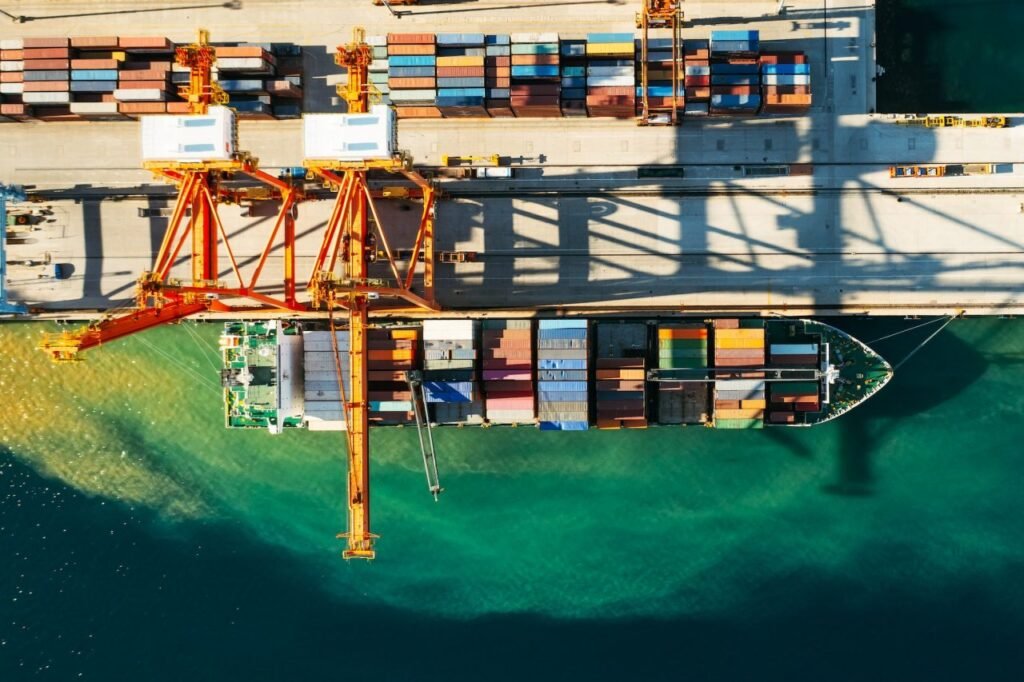
Sea Freight Shipping from China to Peru
Nauti kustannussäästöistä suuren kapasiteetin merirahtivaihtoehtojemme avulla, jotka sopivat ihanteellisesti suurille lähetyksille ilman kiirettä.
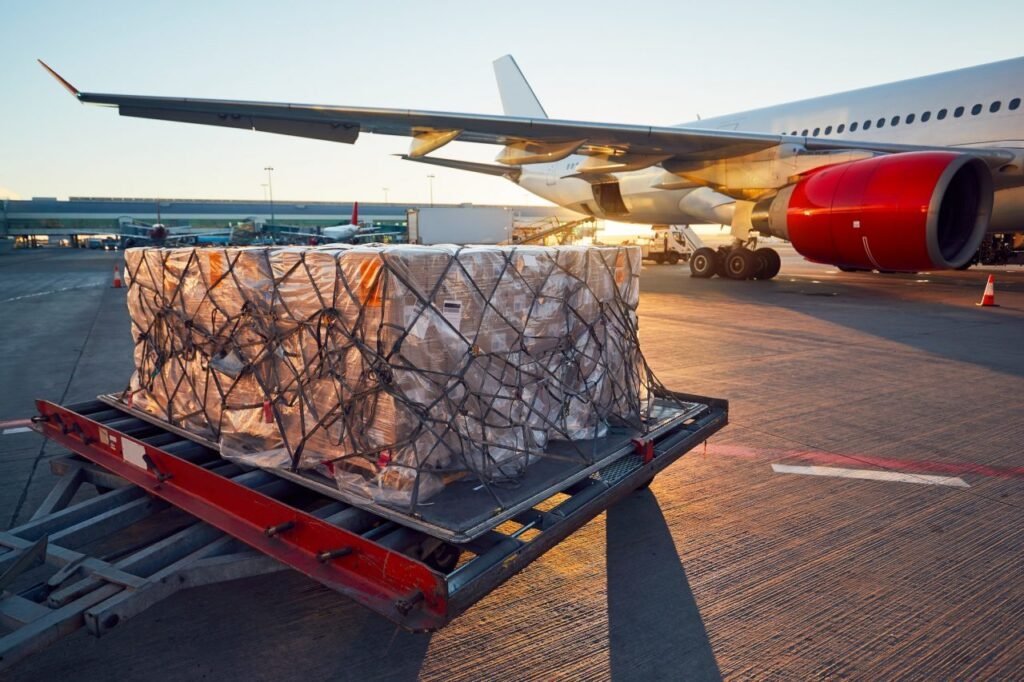
Air Freight Shipping from China to Peru
Nopeuta kiireellisiä lähetyksiäsi lentokuljetuspalveluillamme ja varmista, että yrityksesi pysyy aikataulussa.
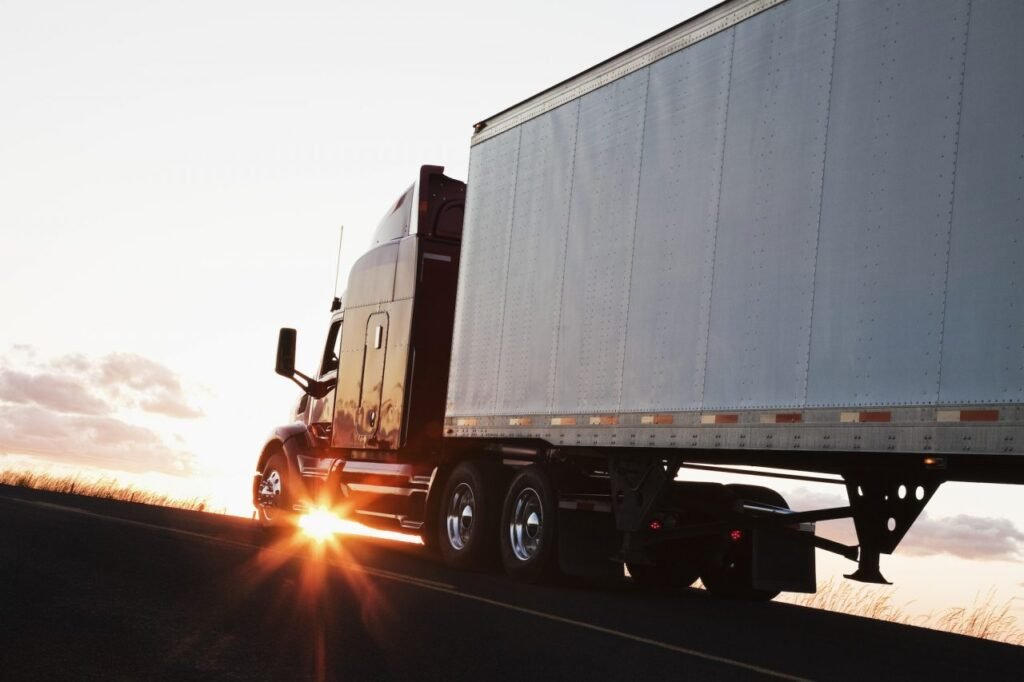
Door to Door Shipping from China to Peru
Koe vaivaton toimitus ovelta ovelle -palvelullamme, joka kattaa kaiken logistiikan noudosta toimitukseen.
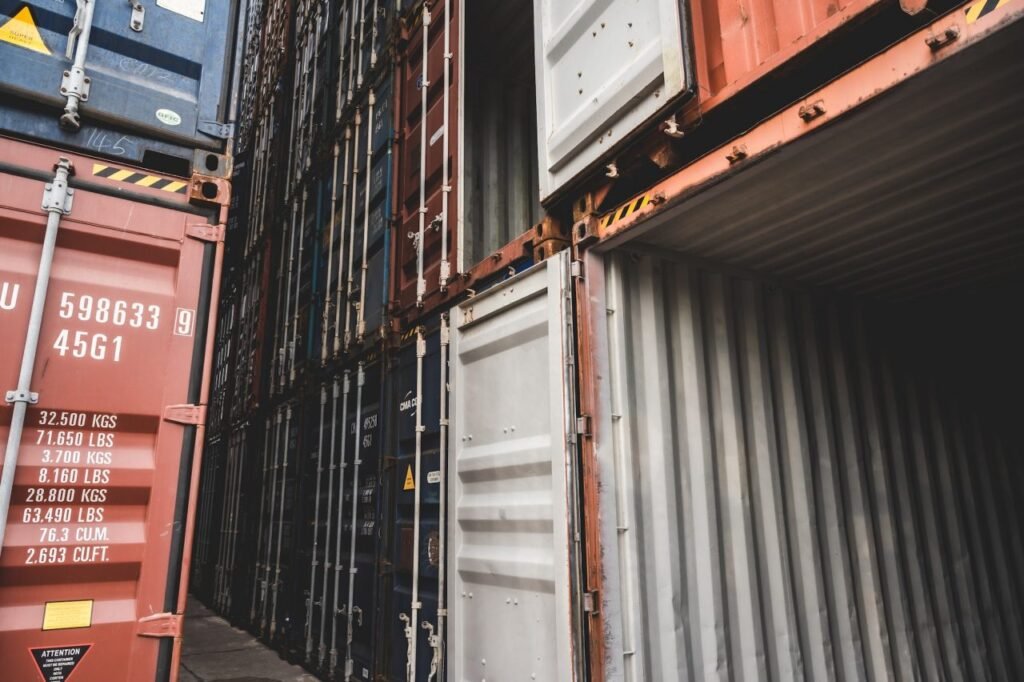
Cheapest Shipping From China to Peru
Maksimoi budjettisi edullisilla toimitusratkaisuillamme, jotka on suunniteltu tarjoamaan kustannustehokasta ja luotettavaa kuljetusta.
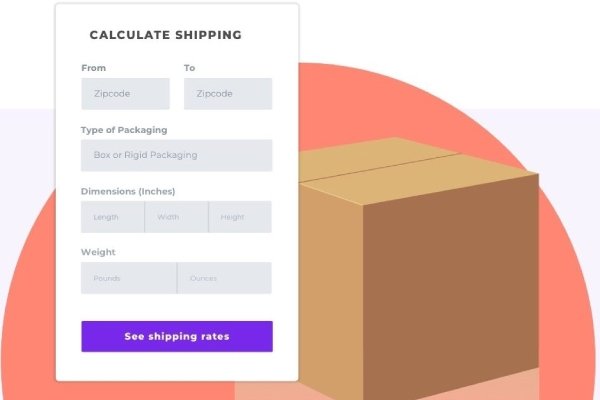
How long/much Shipping from China to Peru
Suunnittele tehokkaasti selkeiden ja ennakkotietojen avulla aikatauluista ja kustannuksista, mikä vahvistaa liiketoimintasi päätöksentekoa.
FCL Shipping From China to Peru
Mbmlogin FCL-kuljetuspalvelu suojaa suuret lähetyksesi täyskonttikuljetuksina (FCL) varmistaen, että lastisi kulkee yhdessä ilman keskeytyksiä. Tämä sopii täydellisesti irtotavaroille, jotka tarvitsevat vankkaa suojaa.
LCL Shipping From China to Peru
Hyödynnä osakonttilähetysten (LCL) joustavuutta, jonka avulla voit lähettää pienempiä lähetyksiä useammin ja hallita varastoa tehokkaasti ilman täyden kontin täyttämistä.
Additional services for shipping from China to the Peru
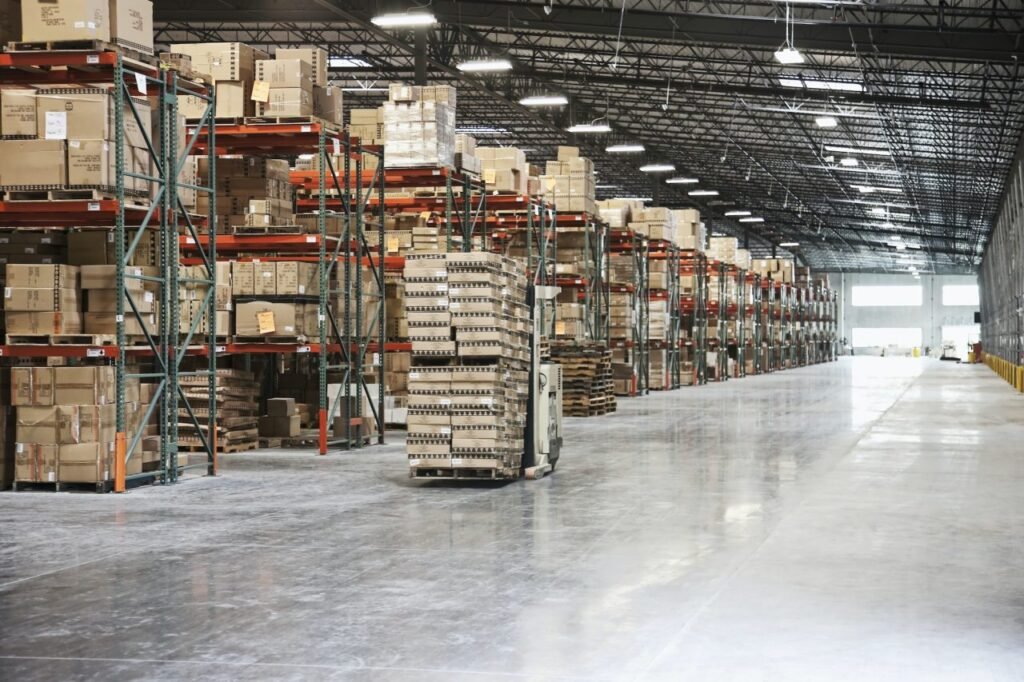
Nouto ja toimitus
Virtaviivaista logistiikkaasi luotettavilla nouto- ja toimituspalveluillamme, jotka varmistavat oikea-aikaisen ja tehokkaan kuljetuksen kotiovellesi suoraan määränpäähän ja parantavat toiminnan nopeutta ja luotettavuutta.
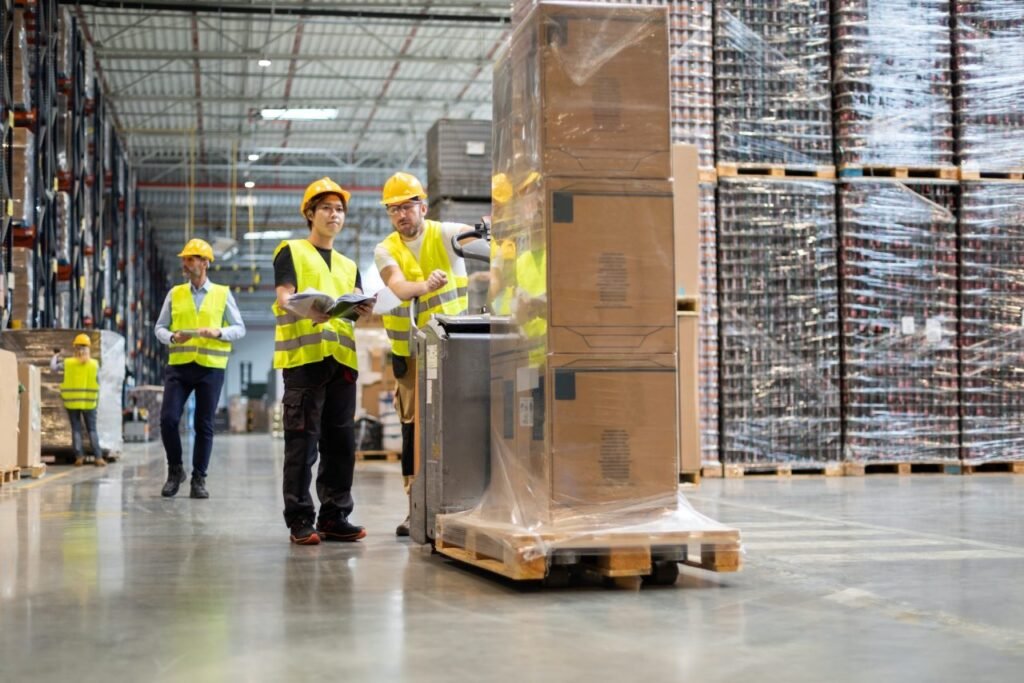
Varasto
Hyödynnä turvallisia ja skaalautuvia varastointiratkaisujamme tavaroidesi turvalliseen varastointiin. Tarjoamme joustavia varastointivaihtoehtoja, jotka mukautuvat yrityksesi tarpeisiin ja auttavat optimoimaan varastonhallintaa ja saatavuutta.
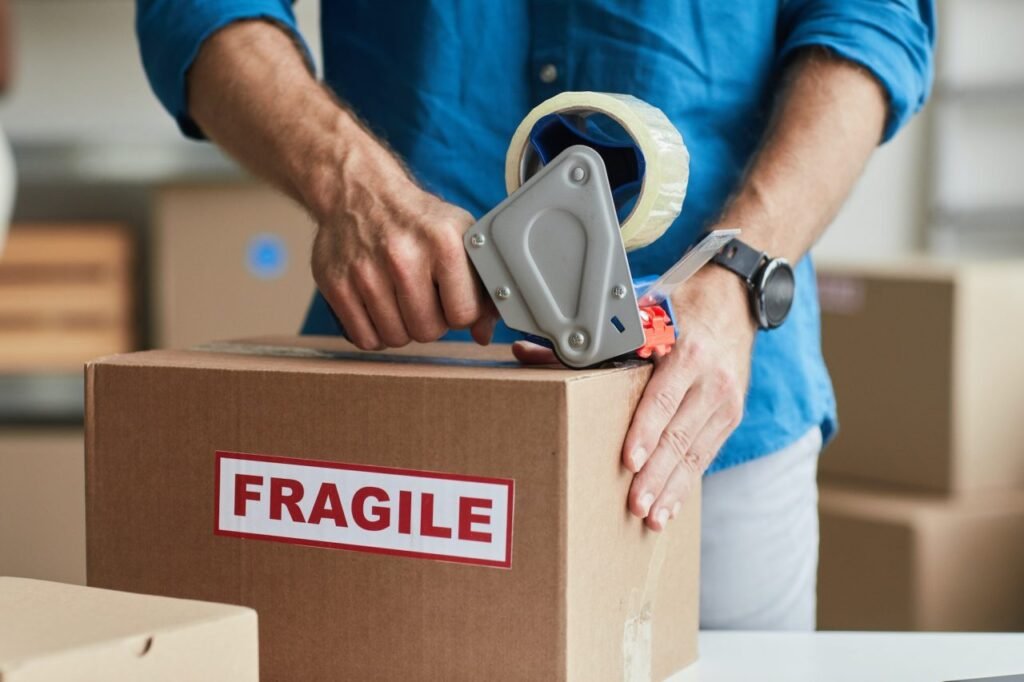
Rahtivakuutus
Suojaa sijoituksesi kattavalla rahtivakuutuksella, joka tarjoaa taloudellista turvaa ja mielenrauhaa mahdollisten kuljetusvaurioiden tai -tappioiden varalta ja varmistaa sujuvan ja riskittömän kuljetuksen.
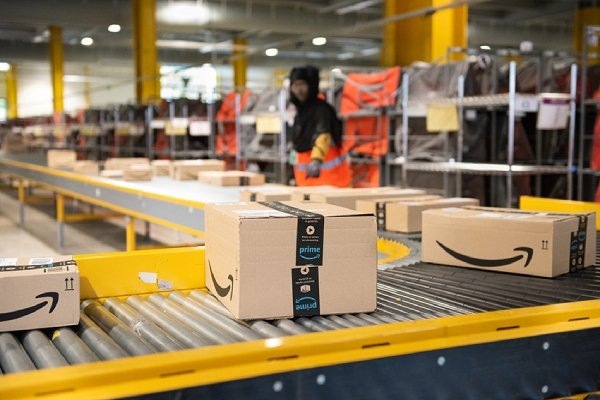
Toimitus FBA-varastoon
Helpota saumatonta integrointia Amazonin verkostoon erikoistuneiden toimituspalveluidemme avulla FBA-varastoihin, optimoi toimitusstrategiaasi, lyhennä käsittelyaikoja ja lisää myyntipotentiaaliasi.

Tulliselvitys
Nopeuta kansainvälisiä lähetyksiäsi asiantuntevien tulliselvityspalveluidemme avulla, minimoi viivästykset ja varmista kaikkien maailmanlaajuisten kauppamääräysten noudattaminen, mikä yksinkertaistaa tuonti-/vientiprosessejasi.
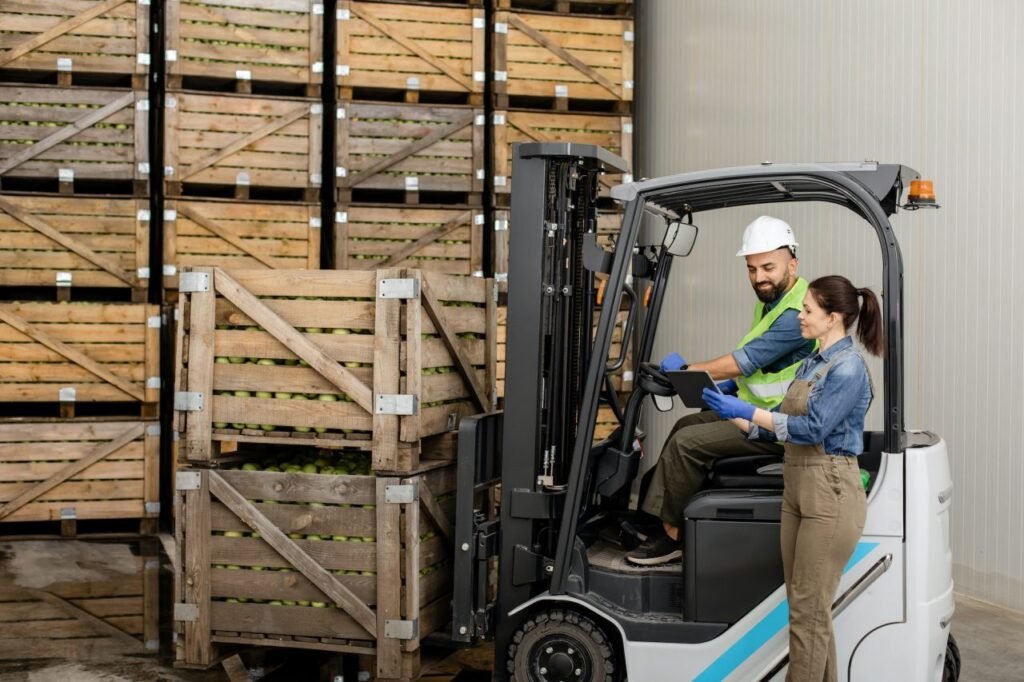
Lastaustarkastus
Varmista tavaroidesi laatu ja kunto perusteellisilla lastaustarkastuksillamme, jotka suojaavat lähetyksen eheyttä ja parantavat asiakastyytyväisyyttä ehkäisemällä mahdolliset ongelmat kuljetuksen aikana.

Pikatoimitus
Nopeuta toimitusaikojasi pikatoimitusvaihtoehtojemme avulla. Ne sopivat ihanteellisesti kiireellisiin lähetyksiin, jotka vaativat nopeaa ja luotettavaa palvelua. Ne auttavat sinua noudattamaan tiukkoja aikatauluja ja ylittämään asiakkaiden odotukset.
Miksi valita MBM?
Koe sujuvan muuton edut
Valitsemalla Mbmlogin saat kilpailukykyiset hinnat, luotettavat ja oikea-aikaiset toimitukset sekä asiantuntevan tuen 24/7. Hyödynnä 20 vuoden kokemustamme, saumatonta tullausta ja ilmaista varastointia, mikä varmistaa, että logistiikkasi on tehokasta, kustannustehokasta ja huoletonta.
20 vuoden asiantuntemus
Mbmlog tarjoaa vertaansa vailla olevia logistiikkaratkaisuja. Laaja kokemuksemme takaa tehokkaat ja luotettavat palvelut, jotka on räätälöity vastaamaan monipuolisia toimitustarpeitasi.
Ilmainen varasto
Nauti jopa 30 päivän ilmaisesta varastointiajasta mbmforwardingin avulla. Turvalliset ja hyvin järjestetyt tilamme varmistavat tavaroidesi turvallisen varastoinnin.
24hx7 englanninkielinen asiantuntijatuki
Tarjoamme englanninkielistä asiantuntevaa tukea 24 tuntia vuorokaudessa, 7 päivää viikossa, varmistaen saumattoman ja tehokkaan viestinnän sekä välittömän avun kaikkiin logistiikkatarpeisiisi.
Rahtivakuutus
Yrityksemme tarjoaa kattavia rahtivakuutuspalveluita, suojaamalla lähetyksesi räätälöidyillä vakuutusvaihtoehdoilla ja varmistaen turvallisuuden ja mielenrauhan kuljetuksen aikana.
Seurantapalveluista
Mbmlogin seurantapalvelut tarjoavat reaaliaikaisia päivityksiä lähetyksistäsi varmistaen, että sinulla on aina tarkkaa tietoa lastisi tilasta.
Ammattimainen tulliselvitys
Ammattimaiset tulliselvityspalvelumme takaavat sujuvan ja tehokkaan käsittelyn. Asiantuntijatiimimme hoitaa kaikki asiakirjat varmistaen määräysten noudattamisen.