- +8618603825129
- [email protected]

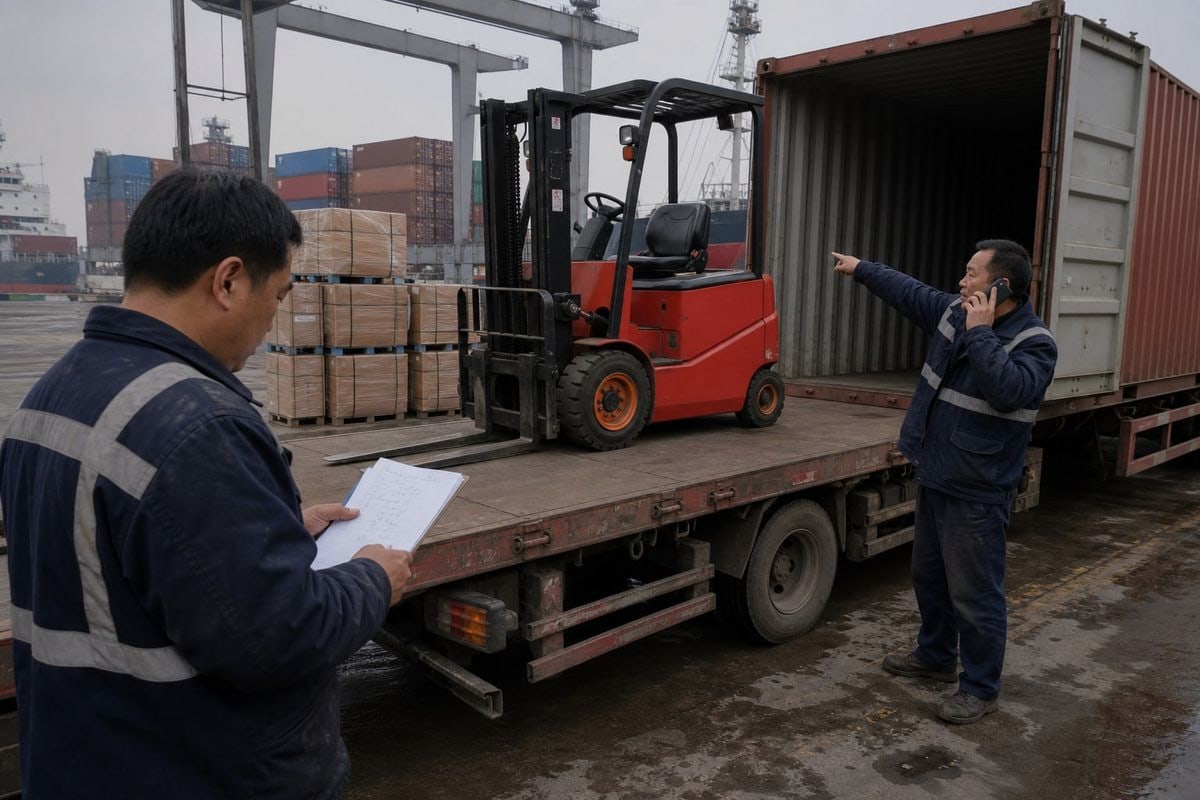
ISF filing for forklift shipments trips up more importers than any tariff question we handle. Miss it, and our clients face holds, exam fees, and angry customers waiting on equipment.
Yes, forklift shipments arriving in the USA by ocean vessel require ISF filing under the 10+2 rule. This applies to containerized, break-bulk, and Ro-Ro forklift cargo. Forklifts arriving by air, truck, or rail are exempt, because ISF applies exclusively to ocean freight imports.
The answer sounds simple. But the deadlines, data elements, and penalties are where importers get hurt. Let me walk you through each part.
A dealer in Texas once asked me why his forklift needed a "security filing" when it was clearly not dangerous cargo. That question comes up on almost every first shipment we coordinate.
ISF (Importer Security Filing) is a pre-arrival electronic filing required by U.S. Customs and Border Protection for all ocean cargo entering the United States. It applies to your forklift because it arrives by sea, not because it is a forklift. The rule is transport-based, not product-based.
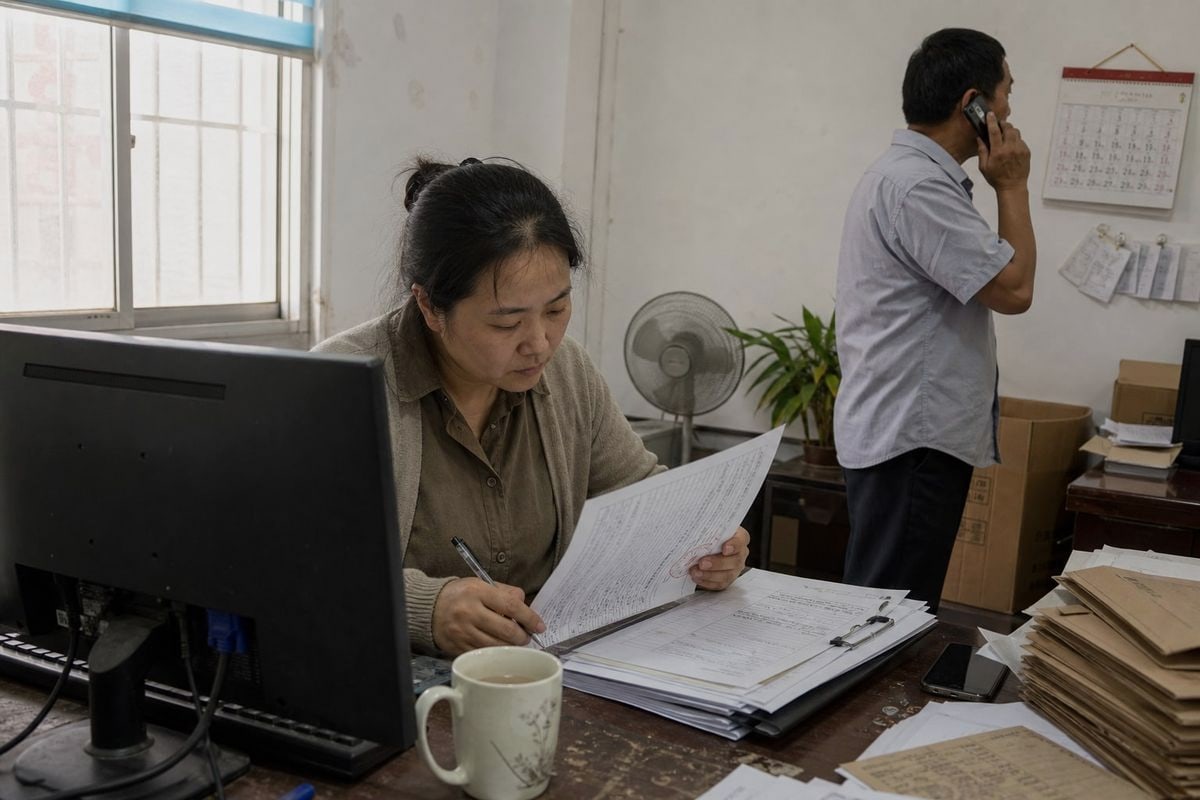
The filing is nicknamed the 10+2 rule. The importer side provides 10 data elements. The ocean carrier provides 2 more. CBP uses this data to screen cargo for security risks before it ever leaves the foreign port. When we book ocean freight shipping for electric forklifts out of Shanghai or Ningbo, the ISF is one of the first documents we prepare, right alongside the Bill of Lading draft.
Here is what CBP wants from the importer side:
| # | Data Element | Forklift Shipment Example |
|---|---|---|
| 1 | Seller | The Chinese forklift factory or trading company |
| 2 | Buyer | Your U.S. dealership or import company |
| 3 | Importer of Record number | Your EIN or CBP-assigned number |
| 4 | Consignee number | Usually the same as the IOR |
| 5 | Manufacturer/Supplier | The actual factory that built the forklift |
| 6 | Ship-to party | Your warehouse or final delivery point |
| 7 | Pays d'origine | China, in most of our shipments |
| 8 | HTS code (6-digit) | Harmonized Tariff Schedule 1 code for forklifts |
| 9 | Container stuffing location | The warehouse where we load the container |
| 10 | Consolidator | The party that stuffed the container |
The forklift itself does not change whether ISF applies. But it changes how the data must be filled in. For electric forklifts, the 6-digit Harmonized Tariff Schedule code must reflect the integrated lithium-ion battery. If the HTS code hides the battery, CBP can issue a "Do Not Load" order under hazardous materials protocols. We have seen containers held at origin for exactly this reason. That is why we verify battery specifications with the factory before we file anything.
CBP also cross-references the container stuffing location against global pest-outbreak databases. Machinery is a known target for Wood Packaging Material (WPM) inspections. So the stuffing location we declare must match reality.
Timing is where I see the most stress in our client conversations. A factory delays the packing list by two days, and suddenly the whole vessel booking is at risk.
ISF must be submitted at least 24 hours before your forklift is loaded onto the vessel at the Chinese port of departure. In practice, plan to file 48 to 72 hours before loading, because you need confirmed commercial documents and an accurate HTS classification first.
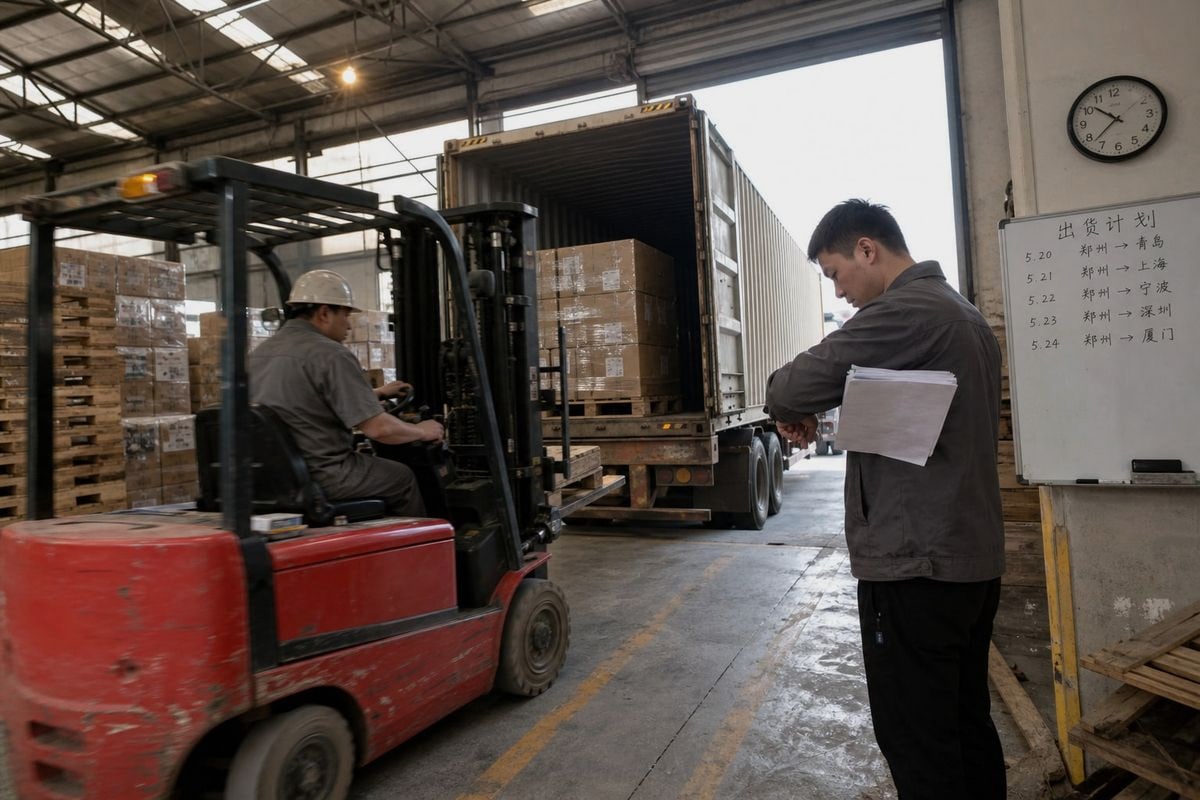
The legal filing deadline is 24 hours before vessel loading. Not 24 hours before departure. Not 24 hours before arrival in the USA. This distinction matters, because containers are often loaded onto the vessel well before the sailing date. When we coordinate forklift shipments from Zhengzhou-area factories to U.S. ports, we work backward from the cutoff.
Here is the schedule we follow on a standard FCL forklift shipment:
| Days Before Vessel Loading | Action |
|---|---|
| 7-10 jours | Confirm commercial invoice, packing list, and battery specs with the factory |
| 5-7 jours | Verify HTS code and Importer of Record details |
| 3-5 jours | Container stuffing at origin warehouse; record stuffing location |
| 2-3 jours | Submit ISF to CBP through the filing system |
| 1-2 jours | Receive ISF acceptance; resolve any rejections |
| 24 hours | Legal deadline; cargo cannot load without an accepted ISF |
The filing itself takes minutes. Gathering accurate data takes days. The seller name, manufacturer identity, and ship-to party must all match your other import documents. For used forklifts bought at international auctions, there is a trap: the "Seller" field must identify the entity that held title at the time of export, not the auction house. Getting this wrong triggers "Inaccurate Filing" penalties during post-entry audits.
You also need an active customs bond 2 before filing. ISF customs bond requirements catch first-time importers off guard. Without a continuous bond or a single-transaction bond with an ISF rider, the filing cannot be secured. We flag this on every first shipment we handle for a new U.S. buyer, because arranging a bond last-minute can eat the entire buffer before the filing deadline.
A hard lesson from early in our forwarding work: one late ISF cost a client more in exam fees and storage than the entire ocean freight bill. That shipment changed how we run our pre-departure checklist.
Missing the ISF deadline can trigger liquidated damages of $5,000 per violation, up to $10,000 per shipment. CBP may also place your forklift on hold, order an intensive exam, or refuse loading entirely, adding exam fees, storage charges, and weeks of delay.
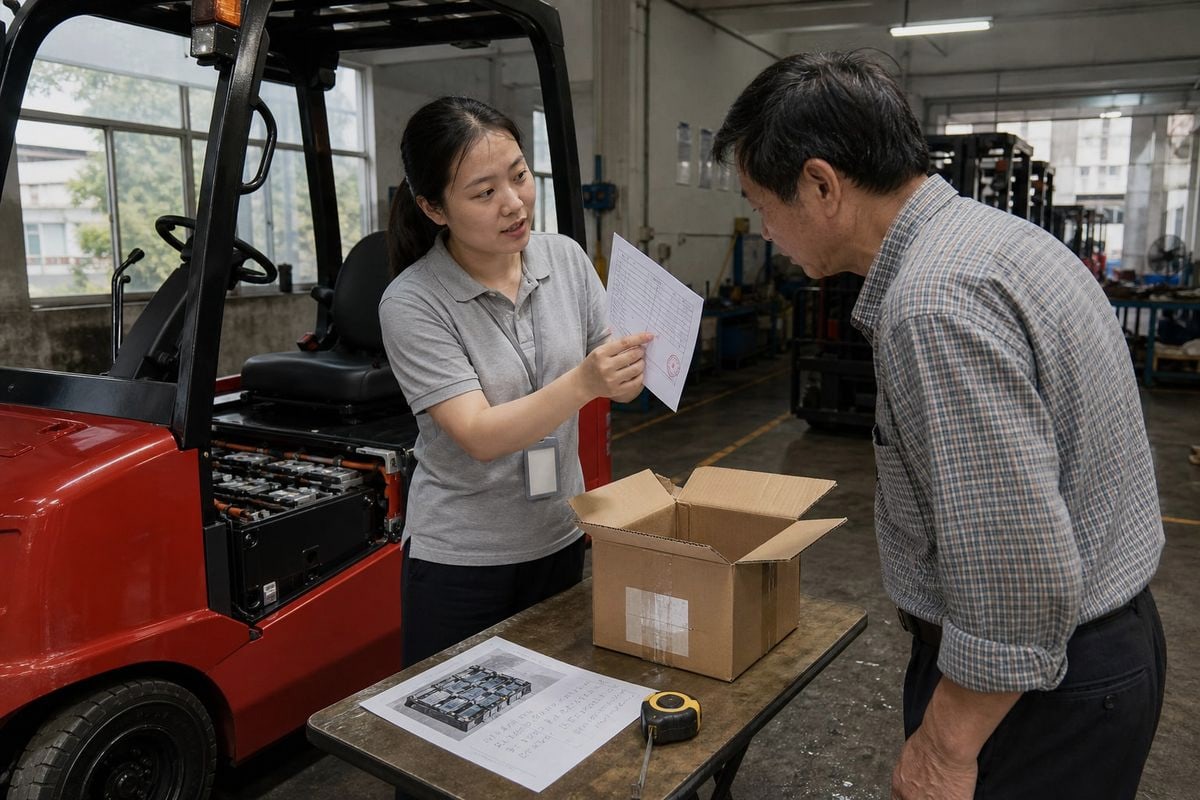
The financial penalty is only the visible part. The operational damage often costs more. Let me break down the full consequence chain.
| Objet | Typical Cost Impact |
|---|---|
| ISF liquidated damages | $5,000 per violation, up to $10,000 per shipment |
| Intensive exam fees | Devanning, drayage, and exam site charges on top of freight |
| Port storage and demurrage | Daily charges that grow fast on heavy equipment |
| Proper ISF filing done on time | A small filing fee and early document preparation |
The math is not close. That is why we treat the filing deadline as non-negotiable on every forklift shipment we manage. Our team collects factory documents at booking, not at loading. If a supplier is slow with paperwork, we chase them directly in Chinese, in their time zone, so the U.S. buyer never has to.
The trade-off we discuss most often with new U.S. clients is control versus convenience. You can delegate the filing work, but you cannot delegate the legal responsibility. Understanding that line protects you.
The Importer of Record is legally responsible for ISF accuracy and timeliness, even when a freight forwarder or customs broker submits the filing. You can delegate the task, but CBP holds the IOR accountable for late or inaccurate filings and any resulting penalties.
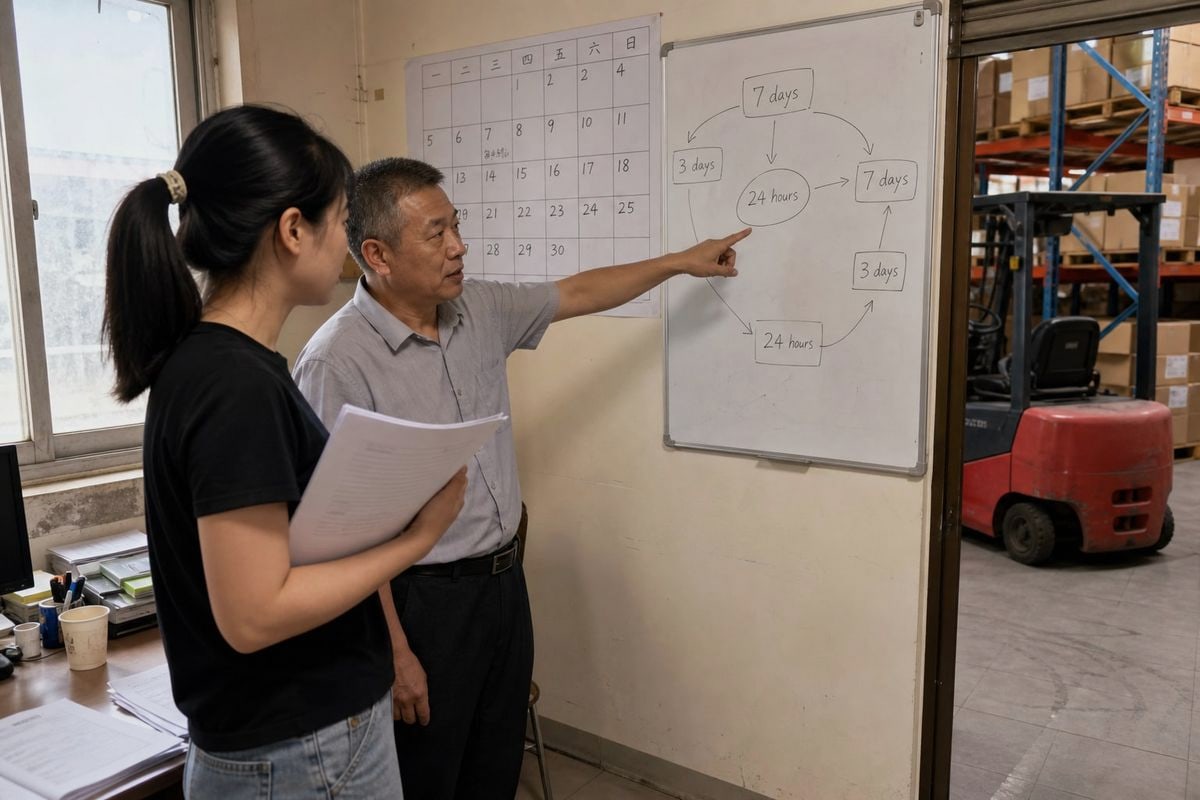
In practice, most of our forklift clients delegate the filing. That is smart, as long as you understand who does what. The importer side owns the ISF-10 data. The ocean carrier files the extra 2 elements automatically. Your job is to make sure whoever files on your behalf receives correct data on time.
Most ISF errors start on the supplier side, not the importer side. Wrong manufacturer names. Missing battery specifications. Vague stuffing locations. A U.S. importer working across time zones cannot easily chase a factory in Henan at 3 a.m. his time. This is exactly the gap we fill. We communicate directly with the forklift factory, confirm cargo readiness and documents, and align the ISF data with the Bill of Lading and facture commerciale before anything goes to CBP.
For used machinery import regulations, the stakes rise further. Used forklifts bought abroad need extra attention on the seller identity, title history, and engine declarations. We recommend a single coordinated data flow: factory to forwarder to broker to CBP, with one party checking consistency at every step. When ISF, entry documents, and the Bill of Lading all match, your forklift clears with far fewer questions.
Forklifts arriving by ocean need ISF filing, period. Miss the 24-hour deadline and penalties stack fast. File early, keep data consistent, and let one coordinated team manage the process.
1. Official USITC search tool for identifying correct HTS codes for imported machinery and equipment. ↩︎
2. Official CBP page explaining the requirements and types of customs bonds for importers. ↩︎
3. CBP guidance on liquidated damages assessed for violations of customs regulations and filing deadlines. ↩︎
4. Official EPA resource for the required engine declaration forms for imported industrial machinery. ↩︎