- +8618603825129
- [email protected]

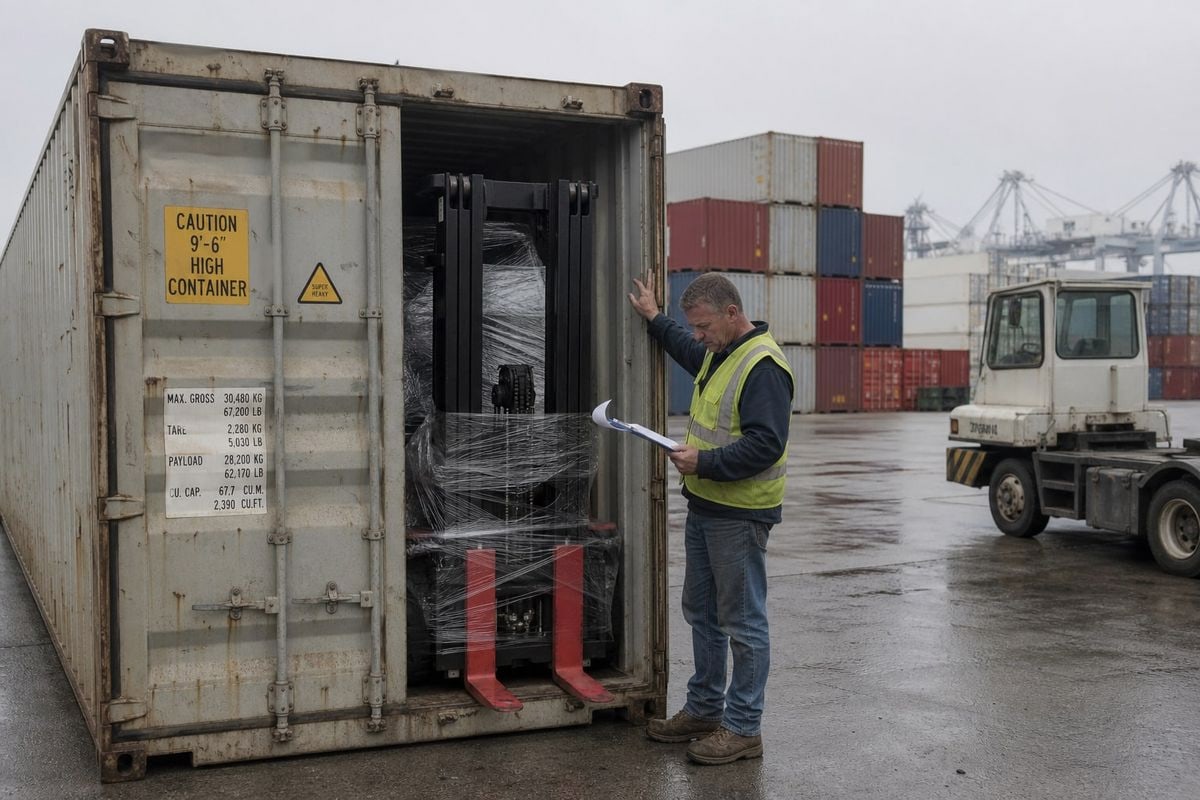
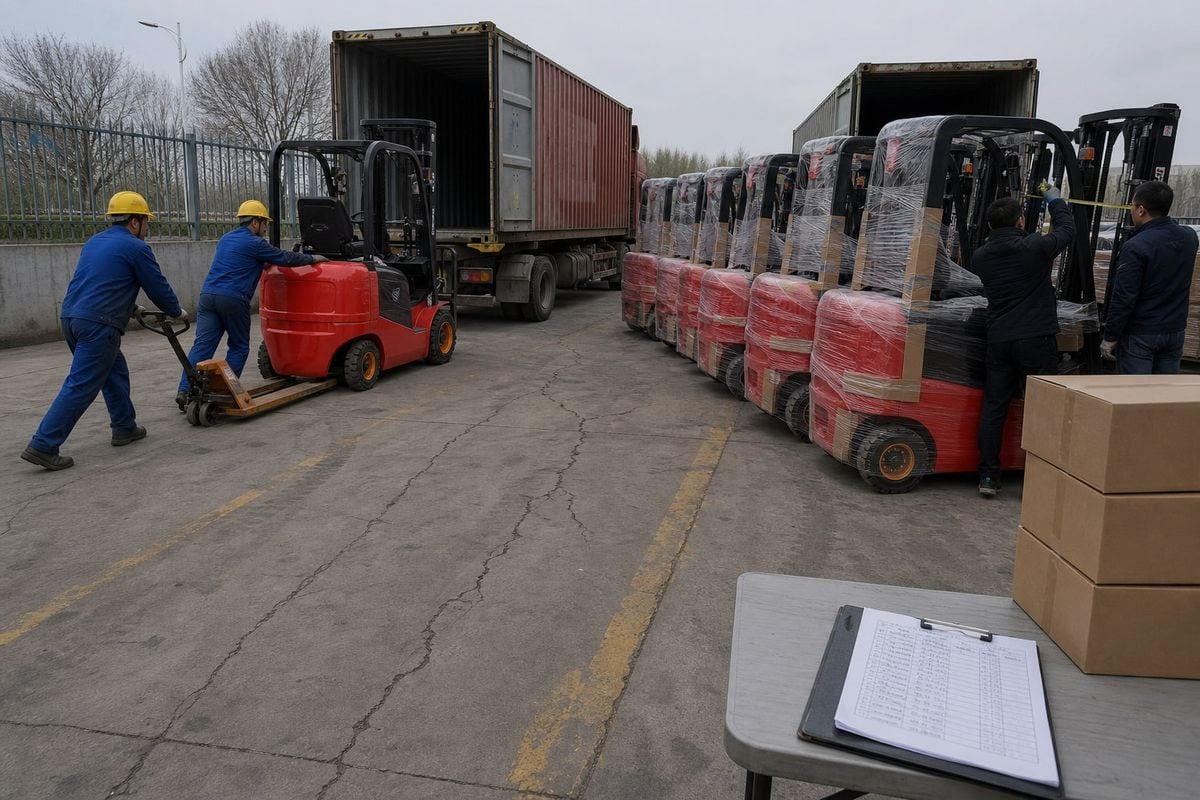
Last month, our team in Zhengzhou watched a client's forklift container sit at Long Beach for eleven days. The reason? No customs bond. That single oversight cost him thousands in storage fees.
Yes, you need a customs bond to import forklifts into the USA in nearly all cases. Commercial shipments valued over $2,500 require a bond for formal entry, and EPA regulations on forklifts often trigger the bond requirement even below that threshold.
The bond itself is simple to arrange once you understand it. The real risk is not knowing which type you need, how much it costs, and who arranges it. Let me walk you through each question.
A buyer in Texas once asked me why his $2,200 pallet truck shipment still needed a bond. He assumed the low value exempted him. It did not, and here is why.
Your forklift shipment requires a customs bond if it is a commercial import valued over $2,500, which triggers a formal entry with CBP. Even below that value, EPA emissions compliance rules for forklifts can override the informal entry exemption and demand a bond.
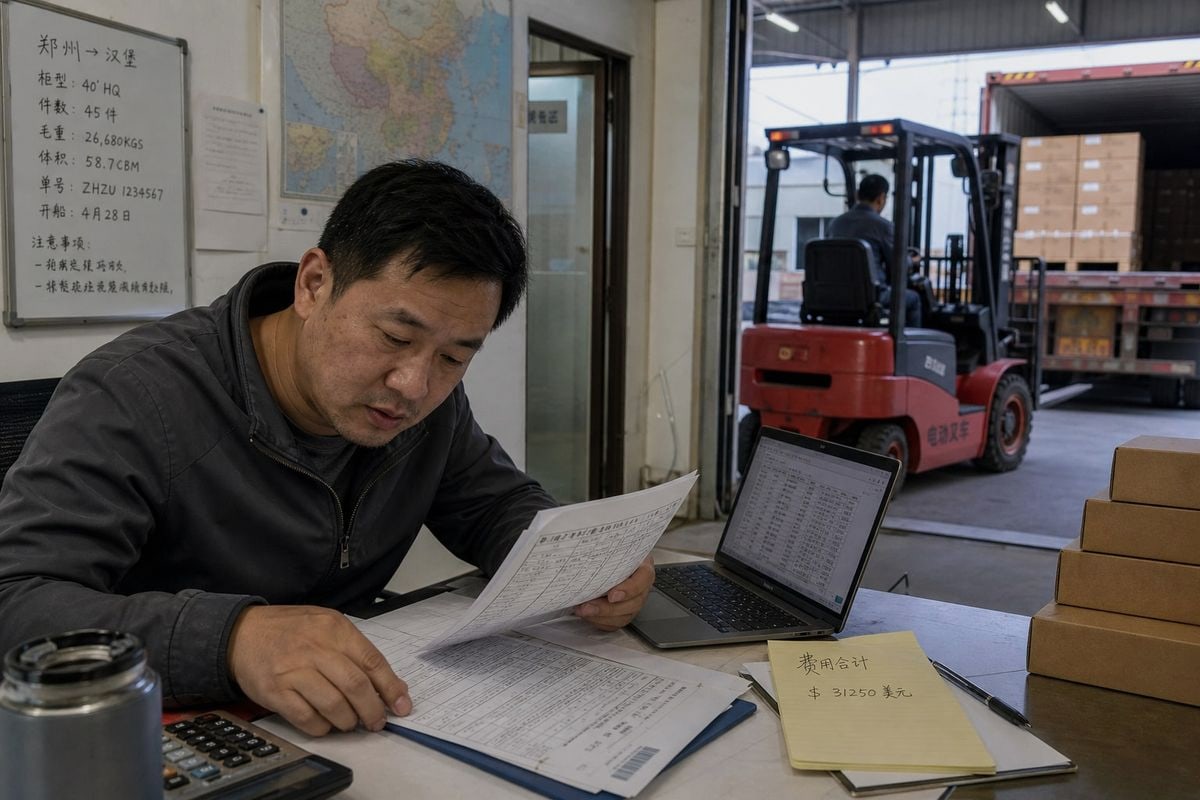
A customs bond is a financial guarantee to U.S. Customs and Border Protection. A surety company backs it. It promises that duties, taxes, penalties, and fees will be paid even if the Importer of Record fails to pay. It is filed using CBP Form 301, and your entry cannot clear without evidence that a bond is in place.
Here is the key point I stress to every buyer. The bond rule is not forklift-specific. It comes from general U.S. import entry rules. Forklifts simply hit those rules almost every time.
| Scénario | Entry Type | Bond Required? |
|---|---|---|
| One electric forklift, $8,000, for resale | Formal entry | Oui |
| Container of 6 forklifts for a dealer fleet | Formal entry | Oui |
| Spare parts shipment under $2,500, no regulated items | Informal entry | Usually no |
| Diesel forklift under $2,500 | Formal entry (EPA) | Oui |
| Temporary import for a trade show | TIB entry | Yes (Temporary Importation Bond) |
In our experience shipping forklifts from Chinese factories to U.S. ports, I have never handled a commercial forklift order that qualified for a bond exemption. Plan for a bond from day one.
The trade-off I discuss most often with U.S. forklift dealers is frequency. A one-time buyer and a distributor who imports every quarter need very different bond structures.
Choose a single entry bond if you import forklifts once or twice a year, and a continuous bond if you import three or more times annually. A continuous bond covers all shipments at all U.S. ports for twelve months and usually costs less overall.
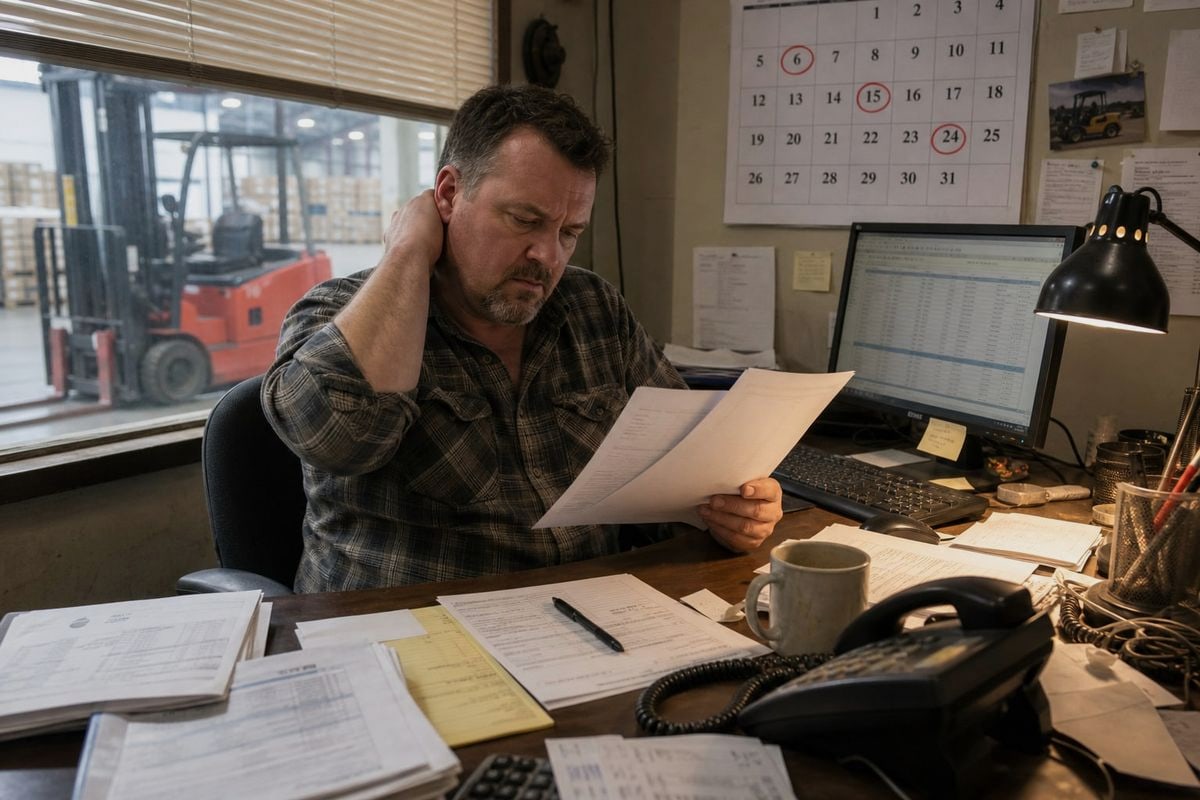
There are two main options. A single entry bond, sometimes called a single transaction bond, covers exactly one shipment. A continuous bond covers every entry you make for a full year, at any U.S. port. For our regular clients — dealers, distributors, and rental fleet operators — the continuous bond is almost always the smarter choice.
| Fonctionnalité | Single Entry Bond | Lien continu |
|---|---|---|
| Couverture | One shipment only | All shipments, 12 months |
| Ports covered | One port of entry | All U.S. ports |
| Minimum amount | Tied to shipment value plus duties and fees | $50,000 minimum |
| ISF coverage for ocean freight | Requires a separate ISF bond | Included |
| Meilleur pour | One-off forklift purchases | Repeat importers and dealers |
Forklifts from China travel by ocean freight. That means an ISF 10+2 filing 1 must be submitted at least 24 hours before the vessel departs the Chinese port. If you use a single entry bond, you typically need a separate ISF bond to cover this filing. A continuous bond covers ISF automatically. Missing or late ISF filings can trigger significant liquidated damages, so this is not a small detail. When we book vessel space for clients, we confirm ISF coverage before the container ever leaves the factory.
If your order mixes forklifts with manual or semi-electric pallet jacks, be careful. Those items often fall under Anti-Dumping orders. AD/CVD cargo can require a bond amount far higher than the standard calculation, and some sureties restrict coverage. Tell your broker exactly what is in the container before the bond is written.
When I quote DDP shipping for electric forklifts, buyers are often surprised that the bond is one of the cheapest lines on the invoice. The duties and fees around it matter far more.
A continuous customs bond typically costs $300 to $600 per year for the minimum $50,000 coverage, while a single entry bond runs roughly $50 to $150 per shipment plus ISF bond fees. CBP sizes continuous bonds at about 10% of your prior twelve months of duties, taxes, and fees.
The bond premium is what you pay the surety company. It is not the bond amount itself. The $50,000 minimum continuous bond is the coverage limit, and most forklift importers pay only a few hundred dollars a year for it.
CBP uses a simple formula for continuous bonds. It takes roughly 10% of the duties, taxes, and fees you paid over the previous twelve months, then rounds up. If that figure falls below $50,000, you get the $50,000 minimum. For a single entry bond, the amount is tied to the shipment value plus applicable duties and the Merchandise Processing Fee.
Your duty exposure starts with HTS code classification. Forklifts are classified under HTS Code 8427 2, and that classification drives both your duty rate and your bond sizing. Electric forklifts, lithium battery forklifts, and reach trucks all sit within this heading, but subheadings and origin-based tariffs on Chinese goods can change the landed cost significantly. We always confirm the classification with the factory's product specifications before quoting.
| Cost Item | Typical Range | Notes |
|---|---|---|
| Continuous bond premium | $300–$600/year | $50,000 minimum coverage |
| Single entry bond | $50–$150/shipment | Value-based, one port only |
| ISF bond (if single entry) | $75–$150 | Not needed with continuous bond |
| Merchandise Processing Fee | 0.3464% of value | Applies to formal entries |
| Duties under HTS 8427 | Varies by subheading and origin | Confirm before ordering |
Here is a trap that has caught growing importers. CBP's automated systems monitor bond sufficiency. If one high-value forklift shipment pushes your annual duty liability past your continuous bond limit, CBP can freeze your ability to clear goods until you increase the bond. When a client scales from two containers a year to ten, we flag this early so the surety company raises the limit before a container gets stuck.
A distributor in Ohio once told me he almost skipped a forklift order because arranging U.S. customs paperwork from overseas felt impossible. Our answer changed his mind: he never had to do it alone.
Yes, a China-based freight forwarder can coordinate your customs bond through a licensed U.S. customs broker and surety company. The forwarder cannot issue the bond itself, but it can arrange the bond, ISF filing, entry documents, and clearance as part of a door-to-door service.
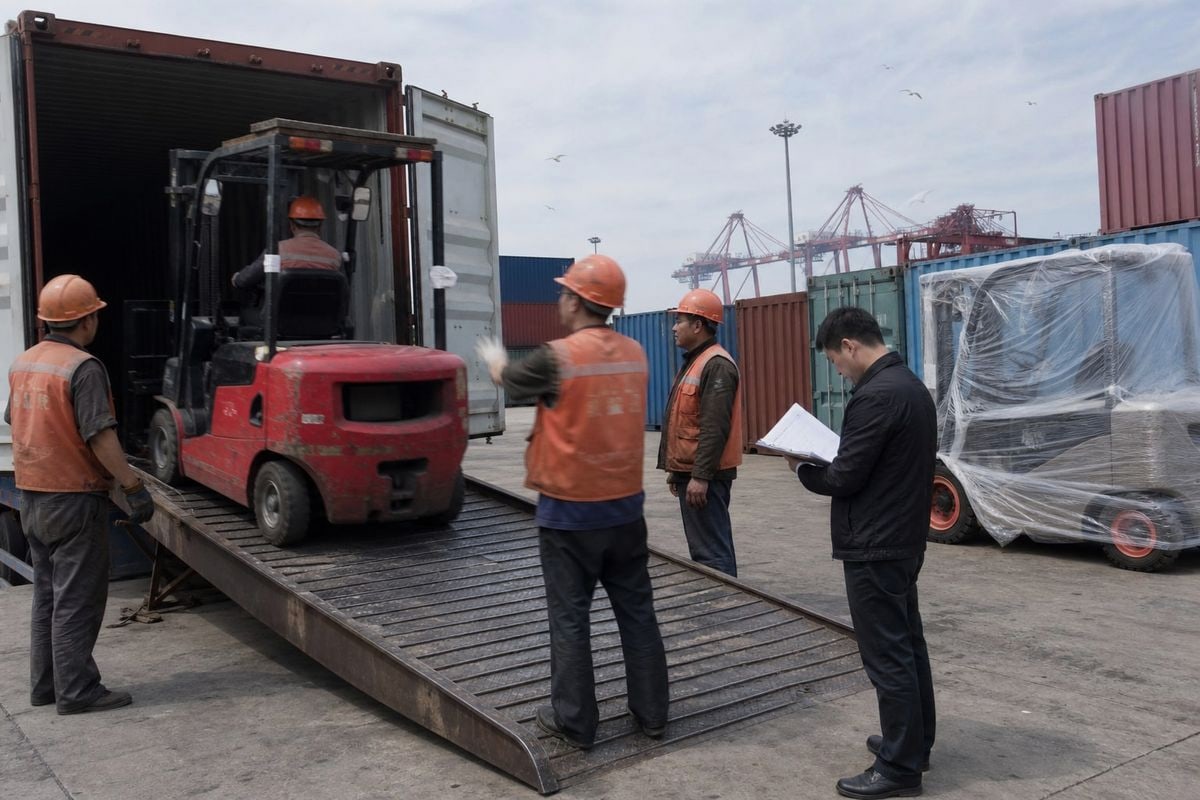
Let me be precise about roles, because this confuses many first-time importers. The bond must be underwritten by a surety company and filed by a licensed customs broker in the United States. A freight forwarder in China does not replace the broker. What we do at MBMLOG is coordinate the whole chain so you deal with one party instead of six.
The lesson from years of moving electric forklifts from Chinese factories to U.S. dealers is simple. The bond is easy when someone checks the details before the cargo sails. It becomes expensive only when it is remembered after arrival.
Skipping the customs bond stalls your forklifts at port and burns money daily. Plan the bond, ISF, and EPA paperwork before sailing, and your import clears smoothly every time.
1. General overview of customs bonds and their application to security filings like the ISF 10+2. ↩︎
2. The official U.S. tariff schedule for classifying forklifts and determining duty rates for customs entries. ↩︎
3. Official CBP resource explaining the role of customs bonds and the involvement of licensed brokers. ↩︎
4. Official EPA guidelines for importing heavy machinery and the required emissions compliance documentation. ↩︎