- +8618603825129
- [email protected]

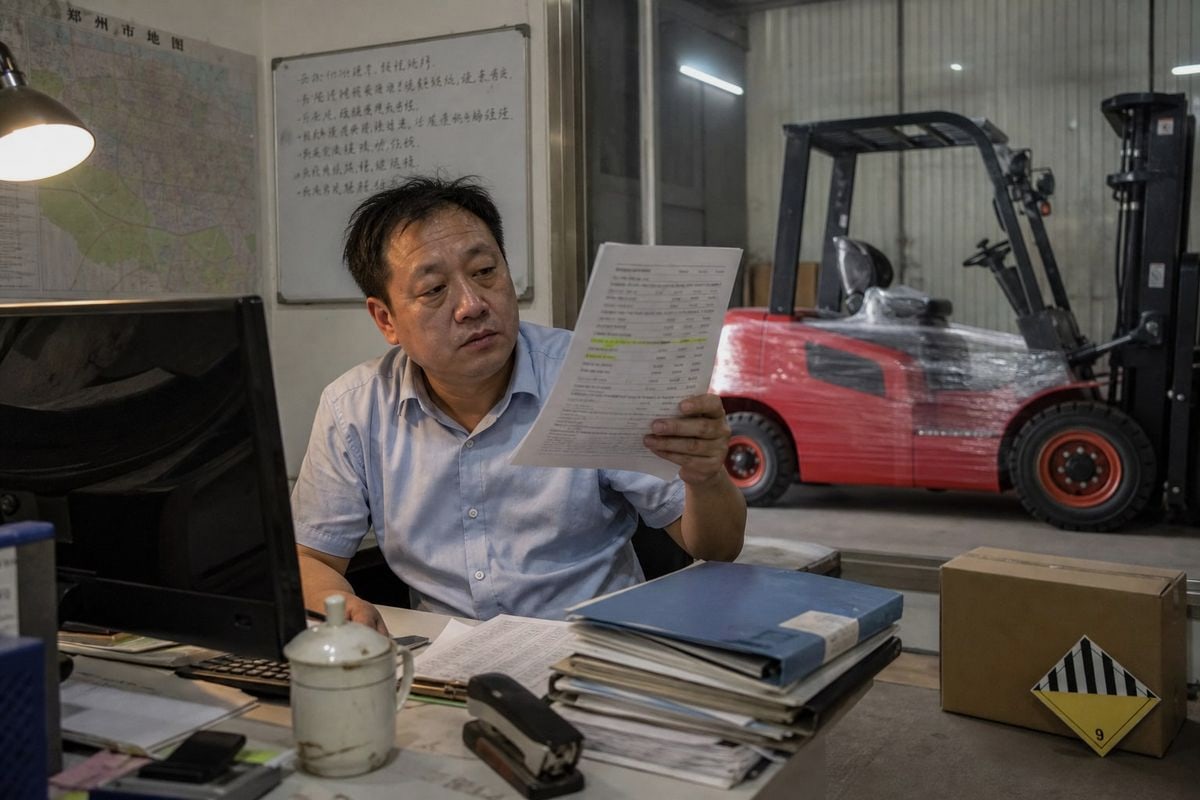
Dangerous goods surcharges for lithium battery forklift shipments catch many importers off guard. Our logistics team in Zhengzhou sees this surprise on invoices almost every week.
Dangerous goods surcharges are extra fees carriers charge to handle Class 9 lithium battery cargo, covering compliance checks, documentation, and risk. For lithium battery forklifts, fees range from small per-shipment charges to $200–$400 per ocean booking, depending on carrier, mode, and battery configuration.
The fee is not one flat number. It changes with how your battery is classified, which carrier you use, and how well your paperwork is prepared. Let me break it all down.
A distributor in Texas once asked me why his lithium forklift 1 needed hazmat paperwork when his diesel units never did. The answer sits in the battery chemistry itself.
Lithium battery forklifts are classified as Class 9 Miscellaneous Dangerous Goods because their lithium-ion packs can experience thermal runaway. They fall under UN3480 (batteries shipped alone) or UN3481 (batteries with or in equipment), triggering regulated handling under IATA, IMDG, and DOT rules.
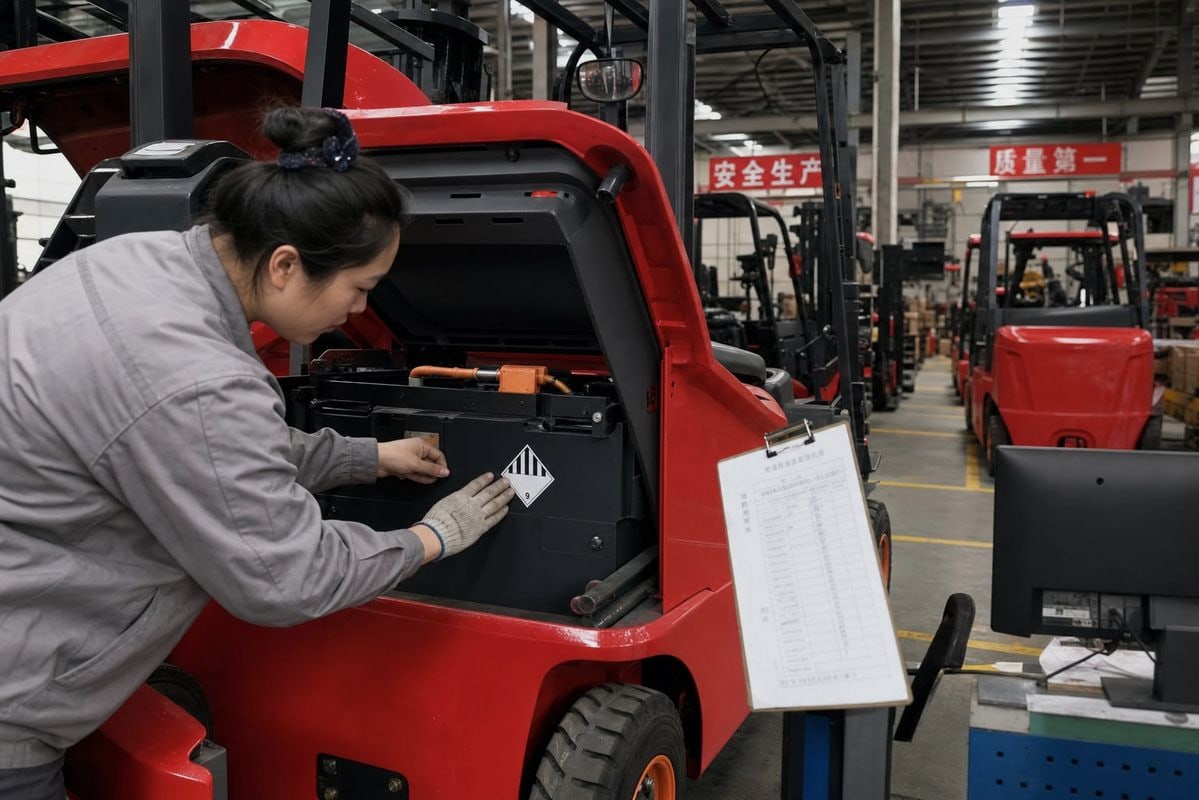
Lithium-ion cells store a lot of energy in a small space. If a cell is damaged, overcharged, or short-circuited, it can overheat and ignite. This risk is why regulators treat lithium batteries as Class 9 hazmat shipping cargo, even when the battery is safely bolted inside a forklift chassis.
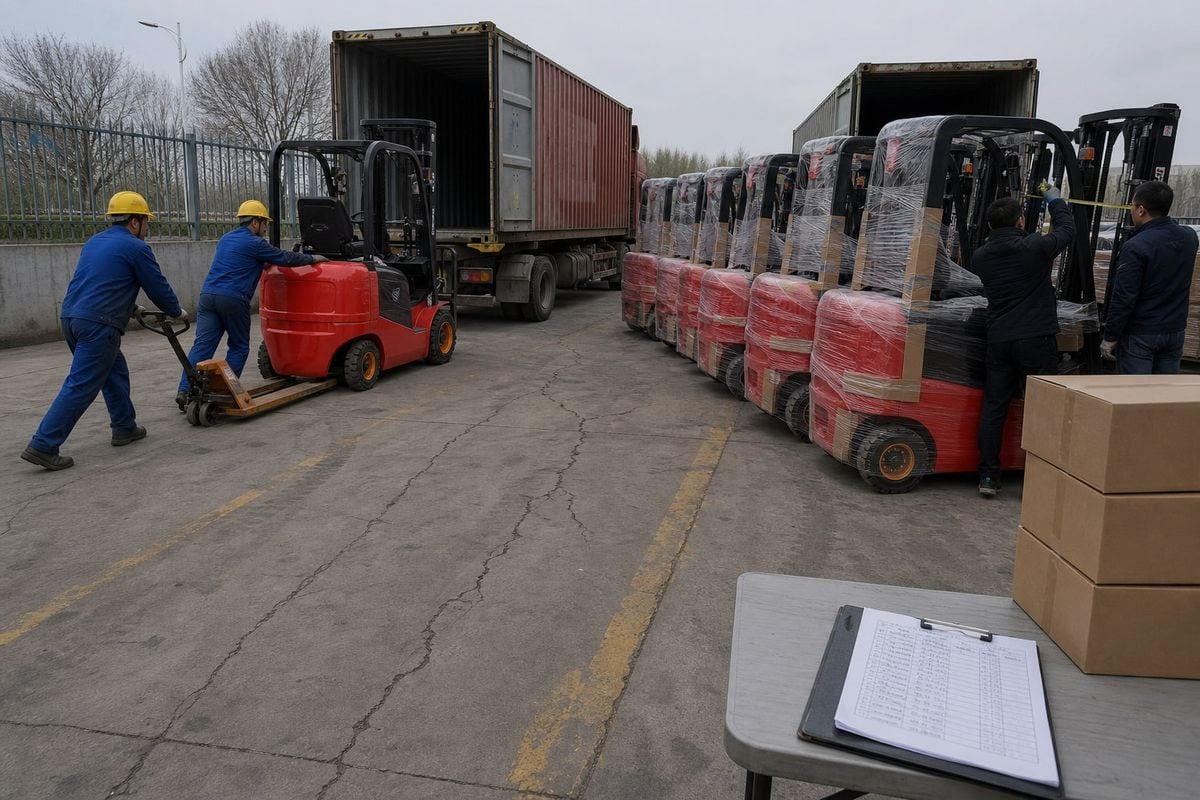
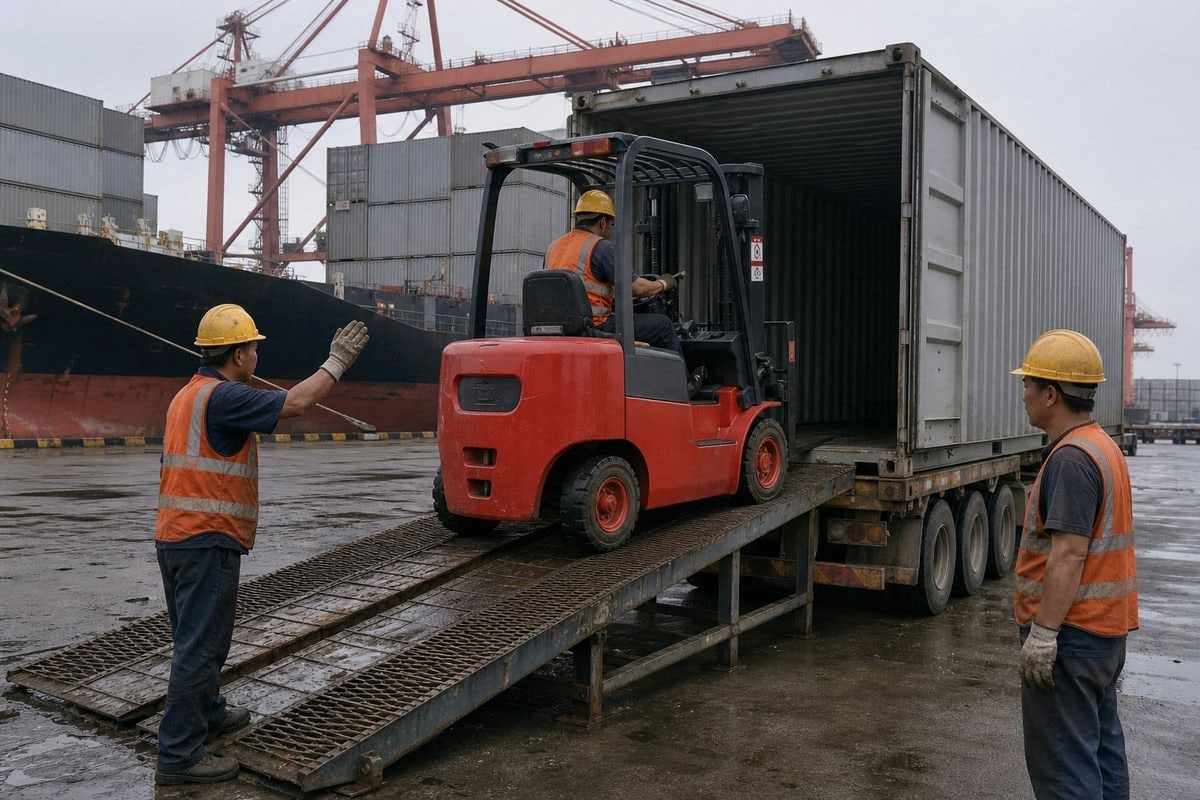
Three main rulebooks govern these shipments. Air cargo follows the IATA Dangerous Goods Regulations. Ocean freight follows IMDG Code 2 compliance requirements. Ground transport in the United States falls under DOT hazardous materials regulations. When we ship electric forklifts from China to the US, the IMDG Code applies at sea, and DOT rules take over once the container hits an American road.
The UN number assigned to your shipment changes everything downstream, including the surcharge.
| Configuration | UN Number | Typical Scenario |
|---|---|---|
| Battery shipped alone | UN3480 lithium ion batteries | Spare forklift batteries |
| Battery packed with equipment | UN3481 | Forklift and battery in same crate, not installed |
| Battery contained in equipment | UN3481 | Battery installed inside the forklift |
| Vehicle powered by battery | UN3171 (some cases) | Complete battery-powered vehicle |
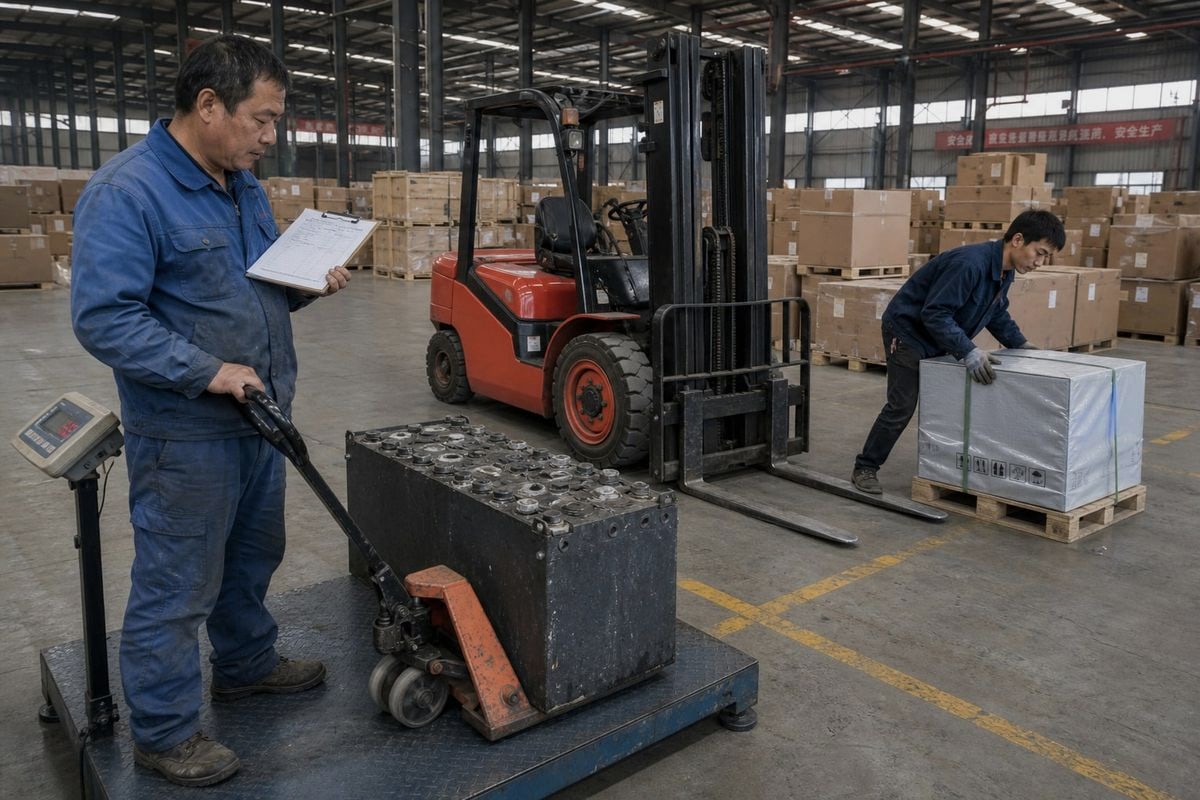
A forklift with the battery installed is usually treated more favorably than loose spare batteries. In our experience coordinating forklift exports, importers who ship spare UN3480 batteries alongside their machines often face the strictest requirements and the highest fees.
The Watt-hour rating of the pack also matters. Forklift traction batteries far exceed the small-battery thresholds, so they almost never qualify for the lightest excepted provisions. That is why a lithium forklift costs more to ship than a diesel forklift of the same size. The freight is similar. The regulatory burden is not.
Quoting a full container of lithium forklifts last quarter, I had to explain why two identical bookings on different carriers showed a $350 gap. The difference was almost entirely dangerous goods pricing.
Dangerous goods surcharges typically add $200–$400 per booking for ocean freight, $2–$5 per kg for air freight, plus declaration fees of $50–$200 per shipment. Courier and terminal fees vary widely, and some port monitoring charges can reach $1,200–$1,500 per shipment.
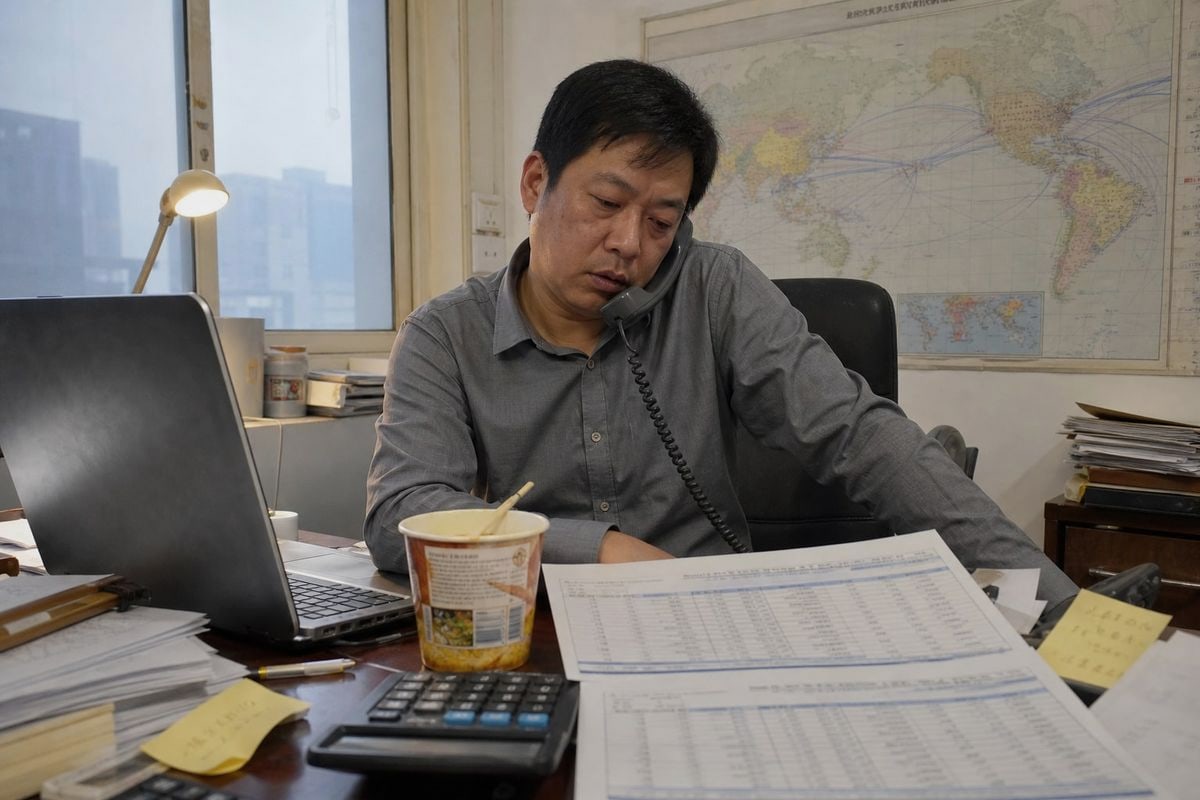
The honest answer is that there is no universal rate. Each carrier publishes its own schedule, and the same forklift can be cheap on one network and expensive on another. Here is a realistic picture of what the market charges.
| Carrier / Context | Fee Type | Typical Amount |
|---|---|---|
| DHL Express UK | Full Dangerous Goods, per shipment | £85.00 |
| DHL Express UK | Lithium batteries with equipment | £4.50 per shipment |
| DHL Express UK | Certain lithium batteries in equipment | No charge |
| FedEx | Special handling per UN article number | $80, capped at $300 per consignment |
| Air Canada Cargo | Restricted DG per unique UN/ID number | $90.00 |
| Air Canada Cargo | Lithium battery check fees | $45–$50 |
| Ocean freight (industry estimate) | Class 9 forklift booking | $200–$400 |
| Ocean freight (flat hazmat) | Per container hazmat surcharge | $300–$700 |
| Singapore port reporting | Battery DG monitoring per shipment | USD 1,200–1,500 |
That last row deserves attention. Terminal and port fees on certain trade lanes can dwarf the carrier surcharge itself. When we quote door-to-door DDP shipments, we check port-specific charges before the booking, not after.
Several factors move the number up or down. Fully regulated shipments cost more than lower-risk provisions. FedEx, for example, generally does not surcharge permitted Section II lithium batteries, but fully regulated Class 9 cargo triggers hazmat handling fees. Couriers like FedEx and UPS also apply different levels based on whether cargo is accessible or inaccessible to crew during air transit. And a compromised or recalled battery can trigger DDR surcharges up to ten times the standard rate because it requires specialized explosion-proof overpacks.
Remember that the surcharge is only one line on the invoice. Base freight, UN-certified packaging, and documentation work all sit alongside it in your landed cost.
One lesson our team learned early: the cheapest surcharge is the one you avoid through smart classification. A US dealer once saved a meaningful sum simply by shipping batteries installed rather than crated separately.
Yes, you can reduce dangerous goods surcharges by shipping batteries installed in equipment, choosing ocean over air freight, selecting carriers with favorable Class 9 fee schedules, consolidating UN numbers per booking, and ensuring compliant packaging and paperwork to avoid re-check and rejection fees.
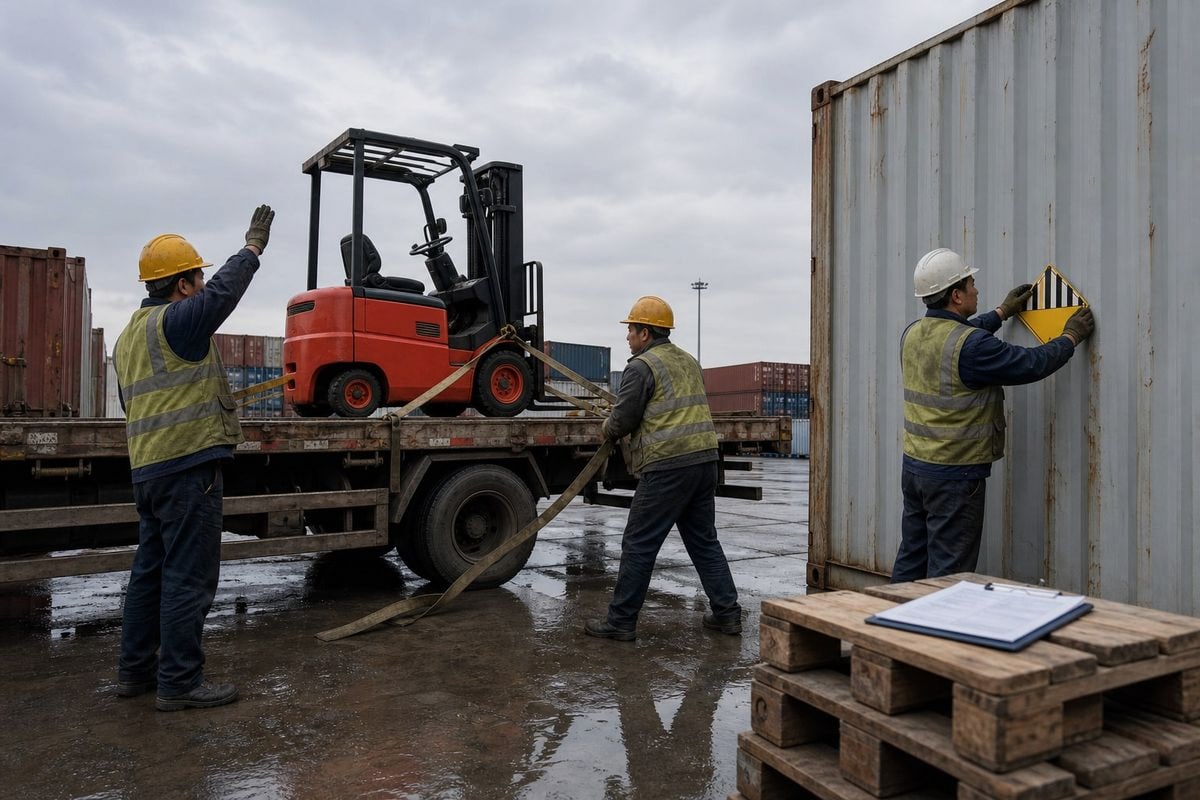
You cannot negotiate away the regulation. But you can control how the regulation applies to your shipment. Here are the levers that actually work.
Some buyers object that lithium logistics costs will keep rising no matter what they do, since insurers and terminals are pricing in higher risk for large industrial battery systems. There is truth in that trend. But the market is also moving toward chemistry-specific risk tiering, where stable Lithium Iron Phosphate (LFP) packs may command lower surcharges than high-energy NMC variants. Emerging smart surcharge models even offer discounts for shipments with active IoT thermal monitoring. Rising baseline risk pricing makes correct classification more valuable, not less.
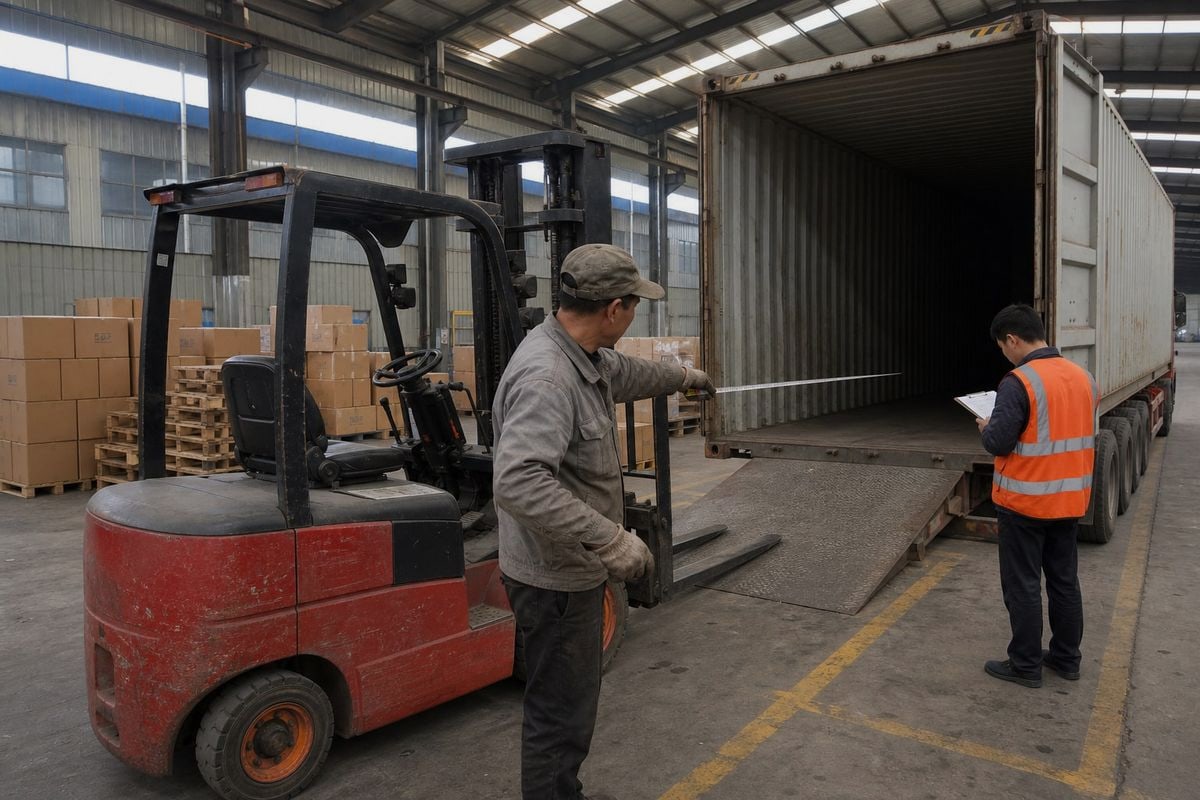
Before any lithium forklift leaves a Chinese factory we work with, we run a document check. Missing one certificate at the port costs far more than an hour of preparation in Zhengzhou.
You need a UN38.3 test summary, Safety Data Sheet (SDS), Dangerous Goods Declaration, correct UN number and packing instruction, Class 9 labels, proof of UN-certified packaging, and battery specifications including Watt-hour rating. Complete documents prevent re-check fees, rejection charges, and costly port delays.
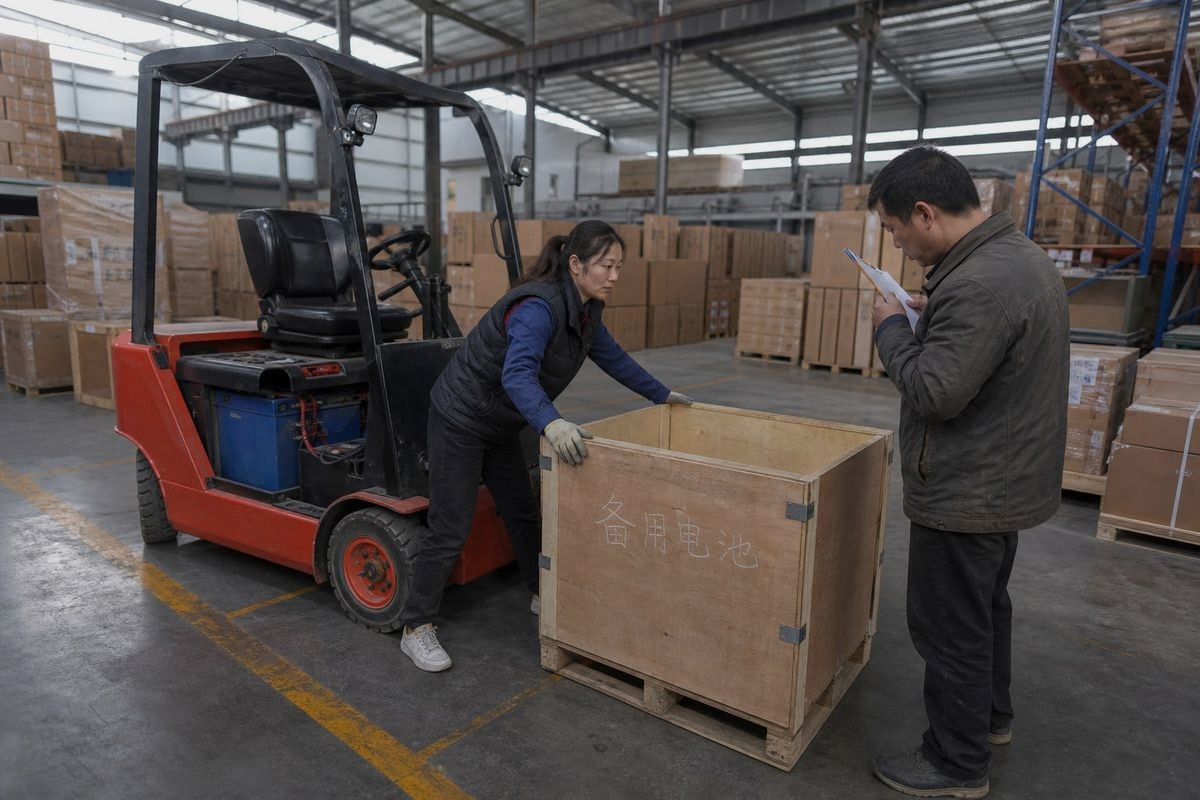
Documentation is where most surprise charges are born. Carriers do not just charge for risk. They charge for the administrative work of verifying your compliance, and they charge again when verification fails.
| Document | But | Qui le fournit |
|---|---|---|
| UN38.3 test summary | Proves the battery passed transport safety testing | Battery manufacturer |
| Safety Data Sheet 3 (SDS) | Details chemistry, hazards, and emergency response | Battery manufacturer |
| Dangerous Goods Declaration | Legal declaration of hazmat contents | Shipper, often with forwarder support |
| Packing certificate | Confirms UN-certified packaging was used | Shipper or packer |
| Battery specification sheet | States Watt-hour rating, voltage, and configuration | Manufacturer |
| Commercial invoice and packing list | Customs clearance and NMFC freight classification support | Supplier and forwarder |
Declaration fees alone typically run $50 to $200 per shipment, covering the carrier's legal paperwork 4 and compliance auditing. That fee is unavoidable. The avoidable costs come from getting it wrong: failed acceptance checks, re-inspection fees, rebooking delays, and storage charges while a container sits at port.
Air shipments now face a 30% State of Charge (SoC) limit, which means batteries must be discharged and verified before flight. This adds labor that carriers pass on as handling surcharges. Origin discharge verification fees are also appearing, as third-party inspectors certify that large-format batteries sit below the 30% SoC threshold before loading. When we coordinate air freight for forklift parts and batteries, we confirm SoC handling with the factory before pickup, because fixing it at the airport is slow and expensive.
One final point. A waived surcharge never means waived regulation. Even fee-free lithium battery categories still require full compliance, and non-compliance discovered at acceptance turns a free category into an expensive problem.
Dangerous goods surcharges reflect regulation, carrier risk, and paperwork, not battery size alone. Classify correctly, prepare documents early, and compare carriers to control your landed cost. Our team helps importers do exactly that.
1. Provides technical background on the lithium-ion battery chemistry used in industrial forklifts and its associated safety risks. ↩︎
2. Official IMO resource for the IMDG Code, which governs the international maritime transport of dangerous goods. ↩︎
3. Official OSHA Hazard Communication landing page providing authoritative regulatory information on Safety Data Sheet (SDS) requirements. ↩︎
4. IATA provides the global standards for the legal paperwork and documentation required for hazardous air cargo shipments. ↩︎