- +8618603825129
- [email protected]

China to Argentina Freight Forwarder
המדריך האולטימטיבי
Shipping From China to Argentina: The Ultimate Guide 2024
תוֹכֶן הָעִניָנִים
Shipping goods from China to Argentina has become an integral aspect of international trade. Both countries enjoy robust trade relations, with China exporting a wide array of goods ranging from electronics to textiles and machinery. However, like all international trade routes, shipping from China to Argentina comes with its own set of challenges—high costs, unpredictable delays, and complex customs regulations.
But there’s good news. With proper planning, knowledge of logistics, and choosing the right shipping partners, businesses can minimize these challenges and optimize their shipping process. In this comprehensive guide, we’ll cover everything from shipping rates, methods, and customs clearance to practical tips on reducing costs and selecting the right freight forwarder. By the end of this guide, you will have a clear roadmap for efficiently shipping goods from China to Argentina, minimizing risks and maximizing savings.
September 2024 Shipping Rate Update: From China to Argentina
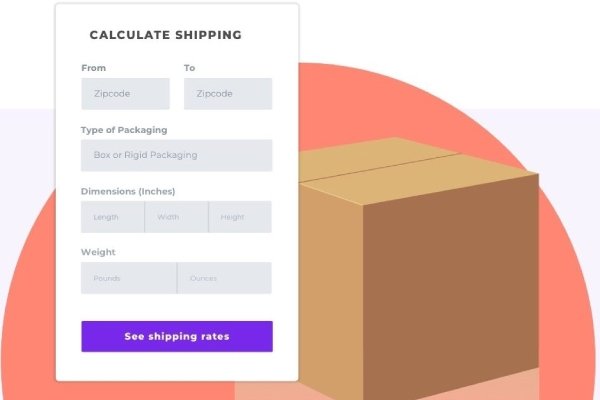
Shipping rates have been highly volatile over the past few years due to fluctuating fuel prices, global supply chain disruptions, and seasonal changes in demand. For businesses that ship regularly, staying updated on the latest rates is crucial to budgeting and keeping shipping costs under control.
Air Freight Rates
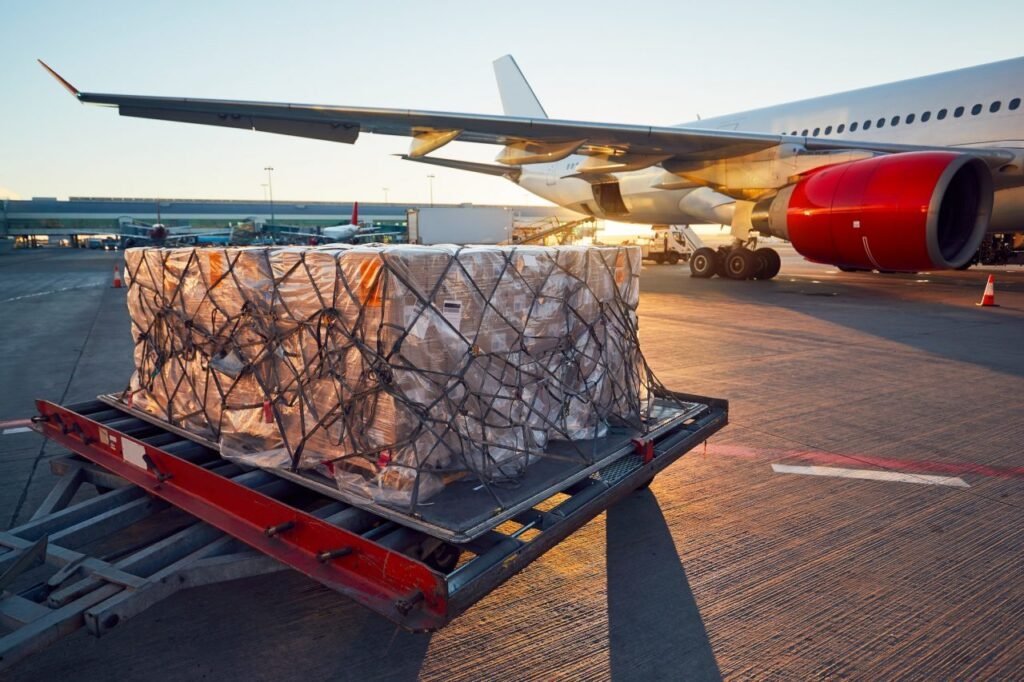
Air freight is the fastest option but also the most expensive. In September 2024, rates range from $3 to $5 per kilogram for standard air cargo, depending on the volume and specific routes used. For businesses that need urgent deliveries or have high-value, lightweight goods, air freight is ideal. However, for bulky shipments, the costs can escalate quickly.
- משלוח אקספרס: This service is often required for critical shipments, such as medical equipment or electronics. It costs significantly more—$30 to $50 per kilogram, but the delivery is usually within 1-3 days, depending on the final destination
Sea Freight Rates
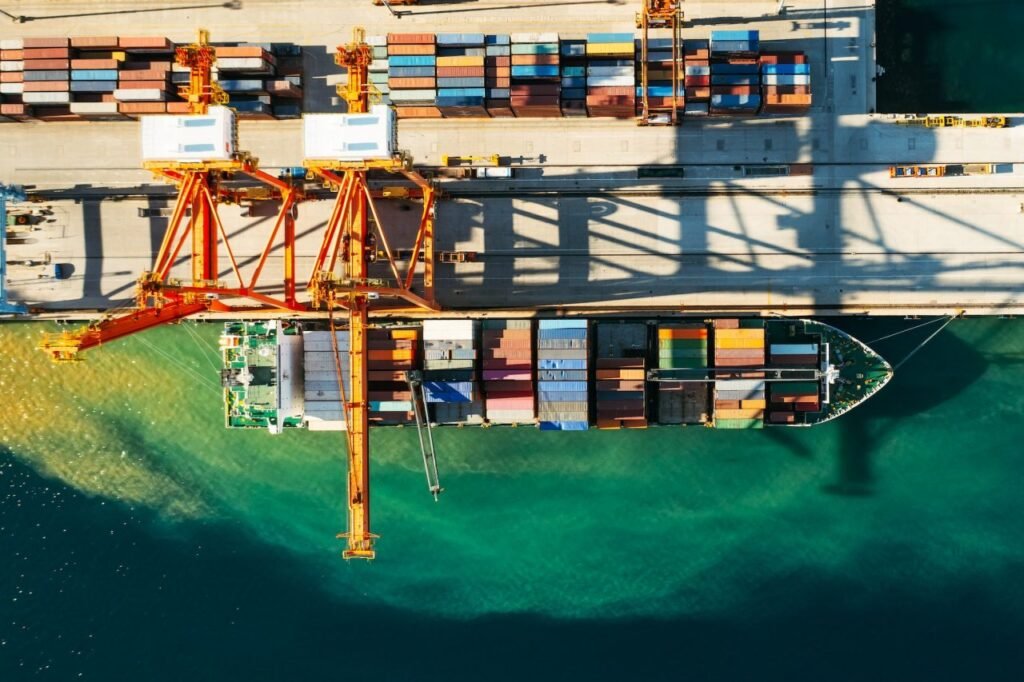
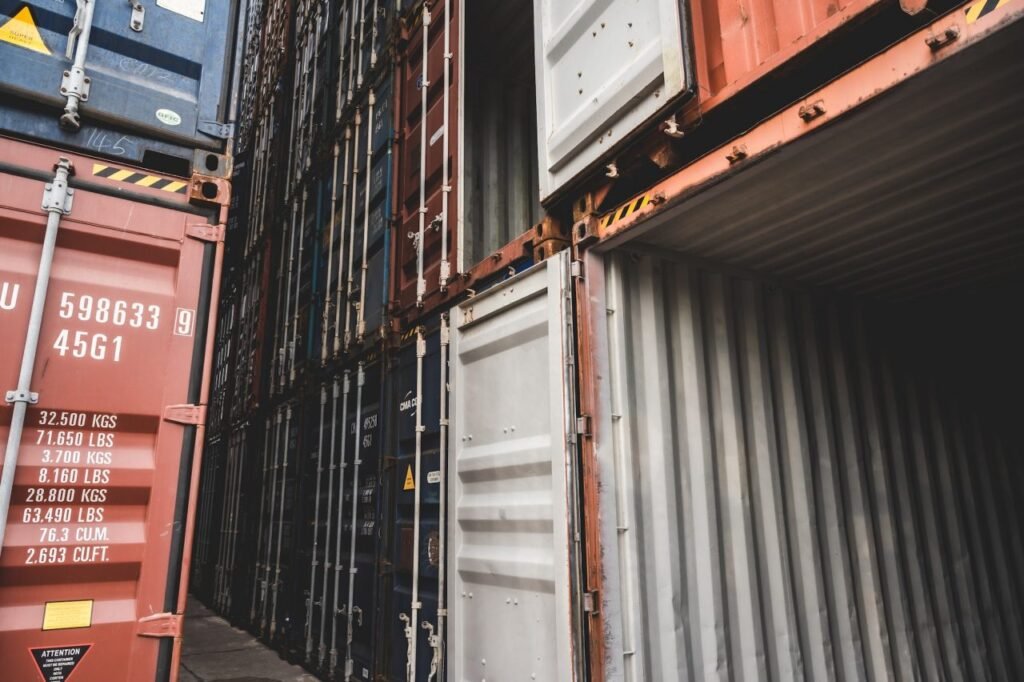
Sea freight is the most economical option for shipping large volumes of goods. In September 2024, the cost of a מכולה בגודל 20 רגל נע בין $1,500 to $2,200, בעוד ש- מכולה בגודל 40 רגל is priced between $2,500 and $3,800. For smaller shipments, LCL (פחות מטעינת מכולה) rates hover around $200 to $300 per cubic meter
While sea freight is slower, the cost savings make it the preferred choice for most businesses shipping large quantities of goods. The significant price differences between FCL (Full Container Load) and LCL mean that careful planning can result in substantial savings.
Key Factors Influencing Shipping Rates:
Several factors influence the final cost of shipping from China to Argentina:
Volume of Cargo: Full containers are cheaper per unit of weight/volume compared to smaller shipments. Consolidating shipments into full containers can reduce costs significantly.
Fuel Surcharges: These surcharges fluctuate based on global oil prices. Higher fuel prices directly impact the cost of both sea and air freight.
מכסים: Customs duties, tariffs, and taxes in Argentina can add significantly to the total shipping cost, particularly for certain categories of goods.
Peak Shipping Seasons: Shipping rates are higher during peak seasons (August to October), when global demand for freight services surges in preparation for the holiday season.
Here’s a table summarizing current rates:
| שיטת משלוח | Cost (USD) | זמן מעבר |
|---|---|---|
| Air Freight (Standard) | $3 – $5 per kg | 3 – 7 days |
| משלוח אקספרס | $30 – $50 per kg | 1 – 3 days |
| Sea Freight (20ft) | $1,500 – $2,200 per container | 30 – 45 days |
| Sea Freight (40ft) | $2,500 – $3,800 per container | 30 – 45 days |
| LCL (Less than Container) | $200 – $300 per cubic meter | 30 – 45 days |
Freight Transit Times from China to Argentina
Shipping times vary considerably depending on the shipping method. While air freight is the fastest, sea freight remains the most commonly used method for transporting large, bulky goods. Below is a detailed analysis of transit times for both air and sea freight.
הובלה אווירית
For businesses that need speed, air freight offers a significant advantage with deliveries taking anywhere from 3 to 7 days. However, due to the distance between China and Argentina, most air cargo must transit through intermediary hubs in Europe or the United States, which can add 1-2 days to the overall transit time.
Here are some typical air freight transit times:
- Shanghai to Buenos Aires: 5-7 days
- Beijing to Mar del Plata: 6-8 days (with one stop)
- Shenzhen to Córdoba: 5-6 days
הובלה ימית
Sea freight is the most economical choice but significantly slower. It takes between 30 to 45 days for goods to arrive in Argentina from major Chinese ports such as Shanghai, Ningbo, or Shenzhen. The transit time depends on factors such as port congestion, shipping route, and weather conditions.
The table below highlights typical sea freight transit times:
| מַסלוּל | זמן מעבר |
|---|---|
| Shanghai to Buenos Aires | 40 – 45 days |
| Ningbo to Buenos Aires | 35 – 40 days |
| Shenzhen to Buenos Aires | 35 – 40 days |
| Qingdao to Buenos Aires | 45 days |
Sea freight is the best option for businesses shipping large volumes or bulky items that are not time-sensitive.
How to Choose the Best Shipping Method from China to Argentina
Choosing the most suitable shipping method depends on several factors:
Cost Sensitivity: If keeping costs down is the priority, sea freight is the best option, particularly for large and heavy shipments. FCL offers the best cost per unit, while LCL is ideal for smaller shipments where a full container is not justified.
Time Sensitivity: If time is of the essence, air freight should be your choice, despite its higher cost. For high-value goods, the faster transit times can be well worth the extra expense.
Cargo Type: Fragile, high-value, or perishable goods such as electronics or pharmaceuticals should be sent by air to minimize handling and reduce the risk of damage. On the other hand, non-perishable and durable goods like textiles, machinery, or construction materials can be shipped by sea to save costs.
Here’s a comprehensive pros and cons comparison table to help you decide:
| שיטת משלוח | יתרונות | חסרונות |
|---|---|---|
| הובלה אווירית | Fast (3-7 days), Secure | Expensive |
| הובלה ימית (FCL) | Cost-effective for large shipments | Slow (30-45 days) |
| הובלה ימית (LCL) | Affordable for small volumes | Longer transit time, delays due to shared container handling |
Case Study: Electronics Importer
An electronics importer in Buenos Aires needed to ship a small quantity of high-value smart devices from Shenzhen. Due to the time-sensitive nature of their order (holiday season release), they opted for air freight, which ensured their goods arrived within 5 days. The additional cost of air freight was offset by their ability to release the products to market on time, thus generating substantial sales【12†source】.
Case Study: Textile Manufacturer
A textile company in Argentina regularly imports fabric from suppliers in China. Since fabric is non-perishable and the company has the flexibility to plan shipments in advance, they use sea freight, shipping a full 40-foot container every 6 months. By choosing FCL, the company saves significantly on freight costs, allowing them to maintain competitive prices.
Understanding Import Taxes and Duties from China to Argentina
Understanding the tax and duty obligations is essential for anyone importing goods into Argentina. Failure to account for these costs can result in financial losses and shipping delays.
Import Tariffs
Argentina imposes import tariffs on almost all goods coming into the country, ranging from 10% to 20% of the goods’ value. For example, electronics and consumer goods tend to attract higher tariffs, while industrial machinery and raw materials may fall into lower tariff brackets.
Value-Added Tax (VAT)
On top of import tariffs, Argentina levies a 21% VAT on all imports. VAT is calculated on the CIF (Cost, Insurance, and Freight) value of the goods, meaning it includes the cost of shipping and insurance.
Customs Handling Fees
In addition to tariffs and VAT, customs handling fees are also applied. These fees cover the cost of customs inspection, processing, and any administrative duties. They are typically a small percentage of the shipment’sfees, but they can add up depending on the volume and complexity of the shipment.
Here’s an example breakdown of import costs for a shipment worth $10,000:
| Cost Category | Rate | Calculation Example |
|---|---|---|
| Import Tariff | 10 – 20% | 15% of $10,000 = $1,500 |
| VAT (on goods + tariff) | 21% | 21% of $11,500 = $2,415 |
| Customs Handling Fee | Varies (usually 1-3%) | Estimated $150 – $300 |
| Total Import Costs | $3,915 – $4,215 |
By preparing in advance and understanding these costs, businesses can avoid financial surprises when shipping goods into Argentina. This makes accurate forecasting and budgeting critical for maintaining profitability.
Cargo Insurance and Risk Management
Shipping goods internationally carries inherent risks, particularly with sea freight where shipments are subject to rough handling, long transit times, and the possibility of delays. Therefore, cargo insurance is not only recommended—it’s often essential for safeguarding your business interests.
סוגי ביטוח מטען
All-Risk Insurance: This offers the most comprehensive protection, covering any physical loss or damage from external causes. It’s the safest option, especially for high-value goods like electronics or perishable items.
Named Perils Insurance: This is more limited and covers specific events such as fire, theft, or damage caused by a ship’s sinking. It is less expensive but carries a higher risk.
Cost of Insurance
The cost of cargo insurance generally ranges from 0.5% to 1% of the goods’ value. The insurance premium depends on several factors, including the value of the cargo, the nature of the goods, the mode of transport, and the shipping route.
Risk Management Tips
- Proper Packaging: Ensuring that your goods are packaged securely is essential to prevent damage during transit, especially for fragile or high-value items.
- Work with Reputable Freight Forwarders: Choose freight forwarders who have experience shipping to Argentina and can offer reliable insurance and tracking services.
By securing proper insurance and employing sound risk management practices, you can significantly mitigate potential financial losses during the shipping process.
How to Reduce Shipping Costs from China to Argentina
Reducing shipping costs doesn’t have to mean cutting corners on quality or reliability. There are practical strategies that businesses can use to minimize expenses while still ensuring timely delivery of goods.
1. Consolidate Shipments
For smaller shipments, using LCL (Less than Container Load) services allows you to share container space with other businesses, reducing the cost of shipping. By consolidating shipments, you avoid paying for unused container space
2. Ship During Off-Peak Seasons
Shipping during off-peak seasons can save businesses up to 20% on shipping costs. Peak seasons—August to October—typically see a surge in demand, leading to higher prices due to limited availability of shipping slots. Planning your shipments for slower months can result in significant savings.
3. Negotiate Long-Term Contracts
If you regularly ship goods from China to Argentina, building a long-term relationship with a freight forwarder can lead to better rates. Forwarders are often willing to offer discounted rates to repeat customers or those who ship in large volumes.
4. Optimize Packaging
Make sure your goods are packed as efficiently as possible. Avoid excess packaging that adds unnecessary weight or volume, which could increase shipping costs. Additionally, ensure that packaging is sturdy to avoid damage that could lead to costly claims.
5. Choose the Right Shipping Method
While air freight is faster, it’s significantly more expensive. For non-urgent shipments, sea freight offers a much lower cost per kilogram. LCL is ideal for smaller loads, while FCL (Full Container Load) provides better rates per unit for larger volumes.
By employing these strategies, businesses can better manage their shipping budgets and reduce unnecessary expenses.
How to Choose the Best Freight Forwarder from China to Argentina
Selecting the right freight forwarder is crucial for ensuring a smooth and cost-effective shipping process. A reliable freight forwarder acts as a critical link between your business and the complex logistics of international shipping.
1. Experience with Argentina’s Customs Regulations
Choose a forwarder with extensive experience in handling shipments to Argentina. Argentina’s customs regulations can be tricky to navigate, and an experienced forwarder can help you avoid delays by ensuring all paperwork is filed correctly and on time.
2. Range of Services
Look for a forwarder that offers comprehensive services, including door-to-door shipping, שחרור ממכס, ו cargo insurance. End-to-end services minimize the chances of delays and miscommunication between multiple vendors.
3. Transparent Pricing
Freight forwarding can involve a lot of hidden costs, such as fuel surcharges, port fees, and customs duties. Choose a forwarder who offers transparent pricing and breaks down all costs upfront so you know exactly what you’re paying for.
4. Real-Time Tracking
In today’s fast-paced world, staying informed about your shipment’s progress is essential. Ensure your freight forwarder offers real-time tracking tools that allow you to monitor your shipment at every stage of the journey.
5. Customer Support
Excellent customer support can make all the difference. Choose a forwarder that provides responsive customer service, especially if any issues arise with your shipment, such as delays or documentation problems.
By carefully vetting potential freight forwarders, you can choose a partner who will not only ensure smooth delivery but also help optimize your overall shipping strategy.
How to Handle Customs Clearance from China to Argentina
Customs clearance is one of the most critical steps in the shipping process. Delays, fines, and even shipment seizures can occur if customs regulations aren’t followed to the letter. Here’s how to handle customs clearance efficiently.
מסמכים נדרשים
The following documents are typically required for shipping goods from China to Argentina:
חשבונית מסחרית: This document provides details about the goods being shipped, including their value, quantity, and description.
רשימת אריזה: This includes information about the packaging of the goods, including dimensions, weight, and contents.
שטר מטען: This is a receipt issued by the carrier to confirm that the goods have been loaded onto the vessel.
תעודת מקור: Some goods require a certificate of origin to prove where they were manufactured.
Common Pitfalls
Many businesses encounter delays at customs due to incomplete or incorrect documentation. Misclassifying goods, underreporting values, or failing to provide necessary certificates can lead to fines and delays.
שכירת עמיל מכס
To ensure a smooth customs clearance process, many businesses opt to hire a customs broker. A good broker will handle all the necessary paperwork and ensure that your goods comply with Argentine customs regulations
How to Track Your Cargo from China to Argentina
Tracking your cargo allows you to monitor its movement in real time and helps you address any unexpected delays. Today’s freight forwarders typically offer online tracking tools that enable businesses to stay informed throughout the shipping process. Here’s how you can efficiently track your cargo:
Online Tracking Tools
Most freight forwarders provide real-time tracking portals where you can log in, input your shipment’s tracking number, and monitor its journey step by step. These systems typically provide information on when the goods are loaded onto the vessel, when they arrive at the port of discharge, and when they clear customs.
Key details to monitor include:
Departure Date: This is when the goods leave the port in China, marking the official start of the transit period.
Transit Updates: Many systems provide updates as your shipment passes through transit points, including transshipment hubs, and notifies you of any delays.
שחרור ממכס: One of the most crucial stages, tracking updates can show when your cargo enters and clears customs in Argentina.
משלוח סופי: Once your cargo is cleared, tracking tools often provide real-time updates as the goods are moved to their final destination, whether it’s a warehouse, fulfillment center, or your business.
Third-Party Tracking Solutions
If your forwarder doesn’t offer advanced tracking systems, you can also use third-party tracking platforms. These platforms aggregate data from multiple shipping lines, airlines, and freight forwarders, providing a unified interface for monitoring multiple shipments.
One example is SeaRates’ Distances & Time tool, which calculates estimated transit times and allows for global freight tracking.
By staying on top of tracking, you’ll be able to identify potential delays early and work with your logistics provider to mitigate any disruptions.
Restricted & Prohibited Items for Shipping from China to Argentina
Before shipping goods to Argentina, it’s essential to be aware of the country’s restrictions and prohibited items. Shipping goods that fall under these categories without proper documentation can lead to fines, delays, and even confiscation of your shipment.
פריטים אסורים
Argentina has strict regulations on certain products. Some items are entirely prohibited from being imported, including:
כלי נשק ותחמושת: These items cannot be imported unless you have special authorization from the Argentine government.
Drugs and Narcotics: Strictly prohibited, and attempting to import these items can lead to severe legal consequences.
כימיקלים מסוכנים: Certain chemicals and substances classified as hazardous under international guidelines are banned without specific permits.
פריטים מוגבלים
Some goods can be imported but require special permits, licenses, or documentation, including:
אֶלֶקטרוֹנִיקָה: Certain electronics, especially communication devices and items that use specific radio frequencies, need approval from Argentine authorities.
כימיקלים: While some chemicals are banned outright, others require special handling permits or adherence to strict regulations.
תרופות: These require approval from the Argentine Ministry of Health before importation is allowed.
Here’s a quick reference table of prohibited and restricted items:
| פריטים אסורים | פריטים מוגבלים |
|---|---|
| Firearms, ammunition, narcotics | Electronics, chemicals (require permits) |
| Hazardous chemicals | Pharmaceuticals (require Ministry approval) |
Ensuring that your goods comply with Argentine import regulations is essential to avoid penalties and ensure smooth customs clearance.
Shipping From China to Argentina: Main Routes
Shipping from China to Argentina follows several major sea and air routes, depending on the method you choose. Understanding the key ports and routes will help you estimate transit times more accurately and plan your shipments effectively.
נתיבי הובלה ימית
For sea freight, the majority of shipments to Argentina pass through one of China’s major ports, such as שנגחאי, נינגבו, or שנזן. The most common destination port in Argentina is Buenos Aires, which handles the bulk of the country’s container traffic.
Other key ports in Argentina include:
- Rosario: Located on the Paraná River, this port is a key hub for agricultural imports and exports.
- Bahía Blanca: Situated in the southern part of Buenos Aires province, this port handles bulk cargo, including petroleum and grains.
- Mar del Plata: Mainly serving the fishing industry, this port is also used for specific shipments to coastal regions.
For instance, shipping from Shanghai to Buenos Aires can take anywhere from 40 to 45 days, while shipments from Ningbo or Shenzhen might be slightly faster, around 35 to 40 days.
נתיבי הובלה אווירית
When shipping by air, the primary entry point into Argentina is Buenos Aires (Ezeiza International Airport). While there are no direct flights from China to Argentina, most shipments are routed through hubs in Europe or the United States before arriving in Buenos Aires.
Here’s a quick overview of typical routes and transit times:
| מַסלוּל | זמן מעבר |
|---|---|
| Shanghai to Buenos Aires | 40 – 45 days (sea freight) |
| Ningbo to Buenos Aires | 35 – 40 days (sea freight) |
| Shenzhen to Buenos Aires | 3 – 7 days (air freight) |
| Shanghai to Córdoba | 5 – 6 days (air freight) |
Understanding the major routes will help you manage shipping timelines and coordinate deliveries more efficiently.
10 Things You Need to Avoid When Shipping from China to Argentina
Avoiding common mistakes in the shipping process can save you time, money, and hassle. Here are ten things to avoid when shipping from China to Argentina:
Ignoring Documentation Requirements: Incorrect or missing documents are the number one cause of customs delays. Make sure you have everything in order—commercial invoices, packing lists, bills of lading, and any required permits.
Underestimating Transit Times: Don’t assume sea freight will always take 30 days. Depending on the route, it can take 45 days or more, so plan your inventory and deliveries accordingly.
Failing to Insure High-Value Goods: Skipping cargo insurance can be a costly mistake. Protect your investment, especially when shipping high-value items over long distances.
Choosing the Wrong Freight Forwarder: Not all freight forwarders are experienced in shipping to Argentina. Work with a forwarder that knows the local customs and regulations.
Not Factoring in Peak Season Pricing: Shipping costs surge during peak seasons, especially August to October. If possible, plan your shipments outside of these months.
Using Air Freight for Bulky Items: Air freight is excellent for small, high-value goods, but using it for large, bulky items will drastically increase your shipping costs. Opt for sea freight whenever possible.
Ignoring Customs Regulations: Argentina has strict rules on certain products. If you’re shipping electronics, chemicals, or pharmaceuticals, ensure you have the necessary licenses and permits.
Failing to Consolidate Shipments: If you’re shipping small loads, use LCL services to save money by consolidating your cargo with other shipments.
Skipping Tracking: Always use tracking tools to stay updated on your shipment’s status. This can help you anticipate delays and proactively manage logistics.
Not Preparing for Delays: Weather, port congestion, and even strikes can cause delays. Build extra time into your schedule to account for potential hold-ups.
How to Ship Cargo from China to Argentina: Step-by-Step Guide
Shipping cargo from China to Argentina is a multi-step process that requires careful planning and execution. Here’s a step-by-step guide to ensure a smooth shipping experience:
1. Select a Reliable Supplier in China
Start by finding a supplier you can trust. Vet potential suppliers carefully, considering factors such as product quality, production capacity, and reliability in meeting deadlines.
2. Choose the Right Shipping Method
Evaluate your shipping options based on the volume and urgency of your shipment. For small, urgent shipments, air freight is ideal, while sea freight is more economical for large, non-urgent shipments.
3. Secure Cargo Insurance
Ensure your shipment is insured, especially if you’re shipping high-value or fragile goods. Work with your freight forwarder to select the best insurance option.
4. Prepare the Required Documentation
Make sure all your paperwork is in order, including:
- חשבונית מסחרית
- רשימת אריזה
- שטר מטען
- תעודת מקור
Having the correct documentation is crucial for smooth customs clearance.
5. Track Your Shipment
Use the tracking tools provided by your freight forwarder to monitor your shipment’s progress and ensure it stays on schedule.
6. Clear Customs in Argentina
Work with a customs broker to ensure your goods pass through customs without delays. Be prepared to pay import duties, VAT, and any other applicable fees.
7. Arrange Final Delivery
Once your goods have cleared customs, coordinate with your forwarder or a local logistics provider to arrange the final delivery to your warehouse or distribution center.
מַסְקָנָה:
When shipping goods from China to Argentina, choosing the right logistics provider can make all the difference. At Mbmlog, we offer a comprehensive range of services that streamline the entire shipping process—from the moment your goods leave the factory in China to when they arrive at your door in Argentina. Here’s why you should consider working with us:
End-to-End Service
We provide door-to-door shipping solutions, taking care of everything, including freight forwarding, שחרור ממכס, ו final delivery. Our all-in-one approach ensures that you don’t have to juggle multiple service providers, reducing the chances of miscommunication and delays.
מומחיות במכס
Navigating customs clearance in Argentina can be tricky, but with our expertise, you can avoid common pitfalls. We handle all necessary documentation, ensure compliance with local laws, and make sure your goods clear customs smoothly.
תעריפים תחרותיים
Thanks to our long-standing partnerships with shipping lines and airlines, we can offer some of the most competitive rates in the market for both air and sea freight. Whether you’re shipping high-value electronics via air freight or large containers via sea freight, we’ve got you covered.
מעקב בזמן אמת
With our advanced real-time tracking tools, you’ll always know where your shipment is at any given time. Our system provides continuous updates, so you can plan your inventory and production schedules without worrying about unexpected delays.
פתרונות מותאמים אישית
We understand that every business is different, which is why we offer customizable shipping solutions. Whether you need LCL shipping for smaller loads or full container loads (FCL) for large shipments, we’ll work with you to find the best shipping method that fits your budget and timelines.
Mbmlog offers a reliable, cost-effective, and comprehensive solution for all your shipping needs between China and Argentina. With our 15+ years of experience in the logistics industry, we’re confident we can help you navigate the complexities of international shipping, ensuring your goods arrive on time, every time.
פייסבוק
לְצַפְצֵף
לינקדאין
שלח את פנייתך עכשיו
השירותים שלנו
Sea Freight Shipping from China to Argentina
תיהנו מחיסכון בעלויות עם אפשרויות ההובלה הימית בעלות קיבולת גבוהה שלנו, אידיאליות למשלוחים גדולים ללא לחץ.
Air Freight Shipping from China to Argentina
האיצו את המשלוחים הדחופים שלכם עם שירותי ההובלה האווירית שלנו, והבטיחו שהעסק שלכם יעמוד בלוח הזמנים.

Door to Door Shipping from China to Argentina
חוו משלוח ללא טרחה עם שירות הדלת לדלת שלנו, המכסה את כל הלוגיסטיקה, מהאיסוף ועד המסירה.
Cheapest Shipping From China to Argentina
מקסמו את התקציב שלכם עם פתרונות המשלוחים המשתלמים שלנו, שנועדו לספק הובלה חסכונית ואמינה.
How long/much Shipping from China to Argentina
תכננו ביעילות בעזרת המידע הברור והישיר שלנו על לוחות זמנים ועלויות, ותעצימו את קבלת ההחלטות העסקיות שלכם.
FCL Shipping From China to Argentina
שירות השילוח FCL של Mbmlog יכול לאבטח את המשלוחים הגדולים שלכם באמצעות משלוח מלא של מכולה (FCL), ולהבטיח שהמטען שלכם יועבר יחד ללא הפרעות, מושלם עבור סחורות בתפזורת הזקוקות להגנה חזקה.
LCL Shipping From China to Argentina
תהנו מהגמישות של משלוחים בנפח קטן יותר מ-LCL (Less than Container Load), המאפשרים לכם לשלוח משלוחים קטנים יותר בתדירות גבוהה יותר, מה שעוזר לנהל את המלאי ביעילות מבלי להצטרך למלא מכולה מלאה.
Additional services for shipping from China to Argentina
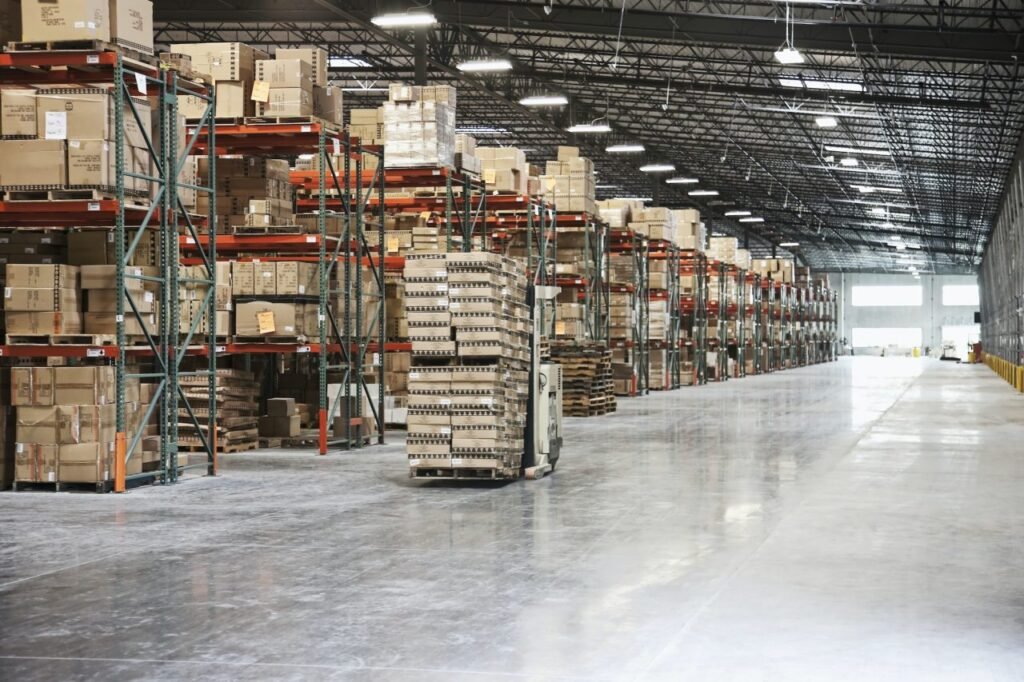
איסוף ומשלוח
ייעלו את הלוגיסטיקה שלכם עם שירותי איסוף ומשלוח אמינים שלנו, תוך הבטחת הובלה יעילה ובזמן מפתן דלתכם ישירות ליעד, תוך שיפור מהירות התפעול והאמינות.

מַחסָן
נצלו את פתרונות האחסון המאובטחים והניתנים להרחבה שלנו כדי לאחסן את הסחורה שלכם בצורה בטוחה, תוך הצעת אפשרויות אחסון גמישות שמתאימות לצורכי העסק שלכם, ועוזרות לייעל את ניהול המלאי והנגישות.

ביטוח מטען
הגן על ההשקעות שלך עם ביטוח מטען מקיף, המספק ביטחון כלכלי ושקט נפשי מפני נזקים או הפסדים פוטנציאליים במהלך ההובלה, ומבטיח פעולות שילוח חלקות וללא סיכונים.

משלוח למחסן FBA
הקלו על אינטגרציה חלקה עם רשת אמזון באמצעות שירותי המשלוחים הייעודיים שלנו למחסני FBA, תוך אופטימיזציה של אסטרטגיית האספקה שלכם, צמצום זמני הטיפול והגדלת פוטנציאל המכירות שלכם.

סילוק מכס
האיצו את המשלוחים הבינלאומיים שלכם בעזרת שירותי שחרור ממכס מומחים שלנו, צמצמו עיכובים והבטיחו עמידה בכל תקנות הסחר הגלובליות, תוך פישוט תהליכי היבוא/יצוא שלכם.
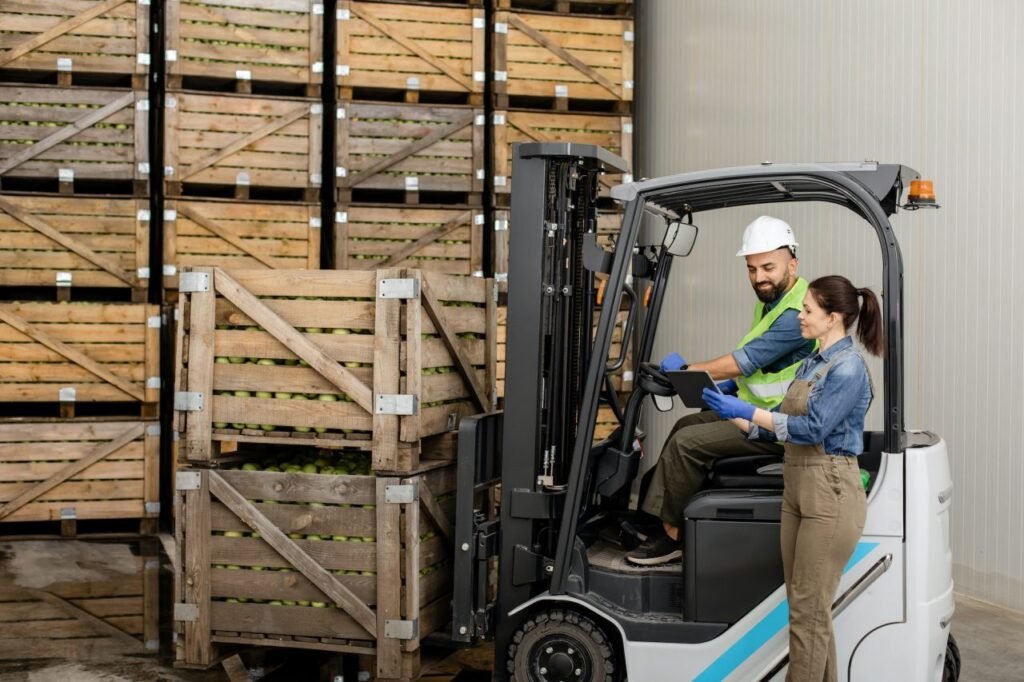
בדיקת טעינה
הבטיחו את איכות ומצב הסחורה שלכם בעזרת בדיקות טעינה יסודיות שלנו, תוך הבטחת שלמות המשלוח ושיפור שביעות רצון הלקוחות הכוללת על ידי מניעת בעיות פוטנציאליות במהלך ההובלה.

משלוח אקספרס
האיצו את זמני האספקה שלכם עם אפשרויות המשלוח המהירות שלנו, אידיאליות למשלוחים דחופים הדורשים שירות מהיר ואמין, ועוזרות לכם לעמוד בלוחות זמנים צפופים ולעלות על ציפיות הלקוחות.
למה לבחור ב-MBM?
חוו את היתרונות של מעבר חלק
בבחירתכם ב-mbmlog, אתם נהנים ממחירים תחרותיים, משלוחים אמינים ובזמן, ותמיכה מקצועית 24/7. תיהנו מ-20 שנות ניסיון, שחרור חלק מהמכס ואחסון חינם במחסן, מה שמבטיח שהלוגיסטיקה שלכם יעילה, חסכונית ונטולת דאגות.
20 שנות מומחיות
Mbmlog מציעה פתרונות לוגיסטיים ללא תחרות. הניסיון הרב שלנו מבטיח שירותים יעילים ואמינים המותאמים לצרכים המגוונים שלכם בתחום השילוח.
מחסן חינם
תיהנו עד 30 יום של אחסון במחסן בחינם עם mbmforwarding. המתקנים המאובטחים והמאורגנים שלנו מבטיחים שהסחורה שלכם מאוחסנת בבטחה.
תמיכה מומחית דוברת אנגלית 24/7
אנו מספקים תמיכה מקצועית דוברת אנגלית 24/7, ומבטיחים תקשורת חלקה ויעילה וסיוע מיידי לכל צרכי הלוגיסטיקה שלכם.
ביטוח מטען
חברתנו מציעה שירותי אבטחת מטען מקיפים, המגנים על המשלוחים שלכם עם אפשרויות ביטוח מותאמות אישית, ומבטיחים בטיחות ושקט נפשי במהלך ההובלה.
שירותי מעקב
שירותי המעקב של mbmforwarding מספקים עדכונים בזמן אמת על המשלוחים שלכם, ומבטיחים שתמיד יהיה לכם מידע מדויק על מצב המטען שלכם.
שחרור ממכס מקצועי
שירותי שחרור ממכס מקצועיים שלנו מבטיחים עיבוד חלק ויעיל. צוות המומחים שלנו מטפל בכל התיעוד, תוך הקפדה על עמידה בתקנות.