

हमारे झेंग्झौ लोडिंग गोदाम में हर हफ्ते, खरीदार मुझसे पूछते हैं कि 20 फीट कंटेनर में कितने इलेक्ट्रिक फॉर्कलिफ्ट फिट हो सकते हैं। गलत अनुमान लगाएं, और आप खाली हवा के लिए भुगतान करेंगे याPayload सीमा को पार करेंगे।.
एक 20 फीट कंटेनर आमतौर पर 1 से 2 मानक इलेक्ट्रिक काउंटर बैलेंस फॉर्कलिफ्ट, या 2 से 3 कॉम्पैक्ट 2–3 टन मॉडल को मस्तूल नीचे करके समायोजित कर सकता है। असली सीमा फॉर्कलिफ्ट की लंबाई, चौड़ाई, मस्तूल की ऊँचाई की स्पष्टता, और कंटेनर का अधिकतम पेलोड लगभग 21,700 किलोग्राम पर निर्भर करती है।.
यह क्षेत्र बहुत व्यापक है क्योंकि फॉर्कलिफ्ट के आयाम बहुत भिन्न होते हैं। आइए मैं संख्याओं को तोड़ता हूं ताकि आप आत्मविश्वास के साथ अपनी खुद की शिपमेंट की योजना बना सकें।.
मैं वास्तव में 20 फीट कंटेनर में कितने इलेक्ट्रिक फॉर्कलिफ्ट फिट कर सकता हूं बिना वजन सीमा को पार किए?
पिछले महीने, हमारी टीम ने एक अमेरिकी डीलर के लिए एक 20ft बॉक्स में दो 2.5-टन लिथियम फोर्कलिफ्ट्स लोड किए। टेप मापने वाले ने कहा हाँ। तराजू ने लगभग नहीं कहा।.
एक 20ft कंटेनर आराम से 1 फुल-साइज इलेक्ट्रिक काउंटर-बैलेंस फोर्कलिफ्ट रख सकता है, या 2 कॉम्पैक्ट यूनिट्स को नोज-टू-टेल लोड करने पर अगर प्रत्येक लगभग 3,000 मिमी लंबा है। वजन छिपा हुआ सीमा है: दो 5-टन मशीनें और लेड-ऐसिड बैटरी अधिकतम कंटेनर के_payload_ से पहले स्थान समाप्त कर सकती हैं।.
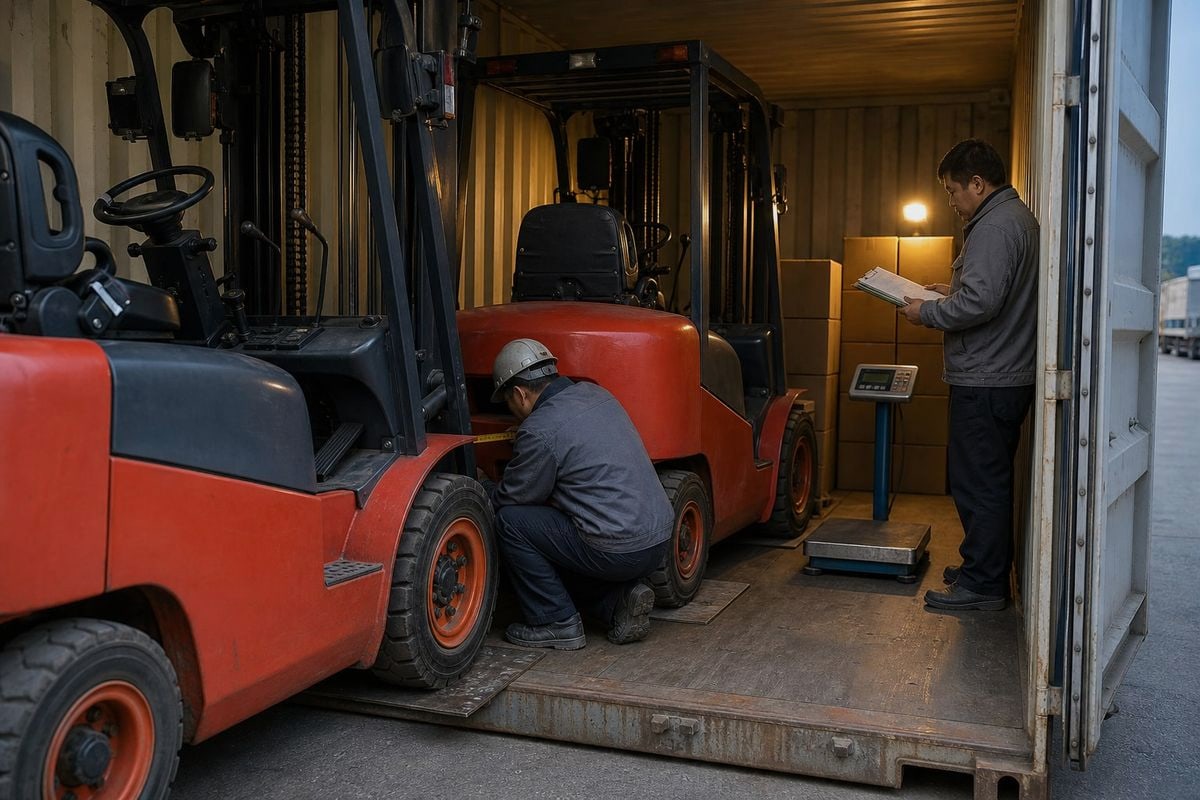
शब्द "फिट" वास्तव में तीन अलग-अलग चीजें दर्शाता है। पहला, बॉक्स के अंदर भौतिक फिट। दूसरा, लाशिंग और सुरक्षित करने के तरीकों के लिए सुरक्षित परिवहन स्थान। तीसरा, कानूनी पेलोड सीमा। आपको तीनों में से सभी में पास होना आवश्यक है, केवल एक में नहीं।.
कंटेनर के आंतरिक आयाम से शुरू करें
एक मानक 20 फीट का कंटेनर आपको लगभग 5.9 मीटर का आंतरिक लंबाई, 2.35 मीटर का आंतरिक चौड़ाई प्रदान करता है 1, और लगभग 2.28 मीटर का दरवाजा उद्घाटन ऊँचाई। ये वो नंबर हैं जो मायने रखते हैं। बुकिंग पर छपे बाहरी लंबाई का लोडिंग के लिए कोई महत्व नहीं है।.
अब इसे सामान्य काउंटर बैलेंस फोर्कलिफ्ट के आयामों से तुलना करें। अधिकांश 1.5–3.5 टन इलेक्ट्रिक मॉडल 3,000–3,300 मिमी लंबाई में होते हैं, और 1,100–1,470 मिमी चौड़ाई में। कुछ बड़े यूनिट 3.6 मीटर से अधिक होते हैं। तो एक फोर्कलिफ्ट आधे से अधिक कंटेनर की लंबाई लेती है। दो फुल-साइज़ यूनिट्स को एक साथ रख कर रखना पहले से ही तंग है। समानांतर रखना सामान्यत: असंभव है, क्योंकि दो 1.2–1.5 मीटर चौड़ी मशीनों के अलावा क्लियरेंस 2.35 मीटर की आंतरिक चौड़ाई को पार कर जाता है।.
| कारक | 20फुट कंटेनर सीमा | विशिष्ट इलेक्ट्रिक फोर्कलिफ्ट |
|---|---|---|
| आंतरिक लंबाई | ~5.9 मीटर | प्रति इकाई 3.0–3.3 मीटर (फोर्क के साथ) |
| आंतरिक चौड़ाई | ~2.35 मीटर | प्रति इकाई 1.1–1.5 मीटर |
| दरवाजे की ऊँचाई | ~2.28 मीटर | 2,280 मिमी से कम में गिरा हुआ mast की आवश्यकता है |
| अधिकतम पेलोड | ~21,700 किलोग्राम | प्रति इकाई 2,500–5,000+ किलोग्राम |
वजन स्थान से पहले विफल कर सकता है
कई खरीदार आयामों पर ध्यान केंद्रित करते हैं और भूल जाते हैं शिपिंग वजन क्षमता. एक 3-टन इलेक्ट्रिक फोर्कलिफ्ट जिसमें लेड-एसिड बैटरी होती है, का वजन 5 टन से अधिक हो सकता है। उनमें से दो, प्लस लकड़ी के ब्लॉकिंग और डनाज, आपको तेजी से 10 टन को पार कराते हैं। यह अभी भी पेलोड के अंतर्गत है, लेकिन एक्सल पॉइंट लोड भी मायने रखते हैं। भारी स्टीयर एक्सल मानक समुद्री प्लाईवुड फर्श को क्रैक कर सकते हैं, इसलिए हम अक्सर पहियों के नीचे लोड-फैलाने वाली स्टील प्लेटें रखते हैं लोडिंग और अनलोडिंग प्रक्रियाएँ.
मेरे उद्धरण देते समय एक व्यावहारिक नियम: बुकिंग से पहले मुझे तीन नंबर भेजें। कुल लंबाई, कुल चौड़ाई और शिपिंग वजन। ये तीन आंकड़े तय करते हैं कि आपका 20 फुट बॉक्स एक मशीन, दो कॉम्पैक्ट यूनिट्स, या एक ऐसा है जिसमें स्पेयर पार्ट्स रखने की जगह है।.
क्या मुझे चीन से अपने इलेक्ट्रिक फॉर्कलिफ्ट भेजने के लिए 20 फीट या 40 फीट कंटेनर चुनना चाहिए?
यहां एक व्यापार-बंद है जिसके माध्यम से मैं लगभग दैनिक खरीदारों को चलता हूं: 40 फीट का कंटेनर 20 फीट के रूप में दोगुना महंगा नहीं है, लेकिन यह फोर्कलिफ्ट के वजन के रूप में भी दोगुना मात्रा नहीं ले जाता।.
1–2 फोर्कलिफ्ट या भारी लीड-एसिड यूनिट के लिए 20 फीट के कंटेनर का चुनाव करें, क्योंकि पेलोड तेजी से खत्म हो जाता है। 3–5 हल्के फोर्कलिफ्ट, चार्जर्स और स्पेयर पार्ट्स के साथ मिश्रित लदान, या जब प्रति-यूनिट समुद्री माल भाड़ा सबसे महत्वपूर्ण हो, के लिए 40 फीट या 40HQ चुनें।.
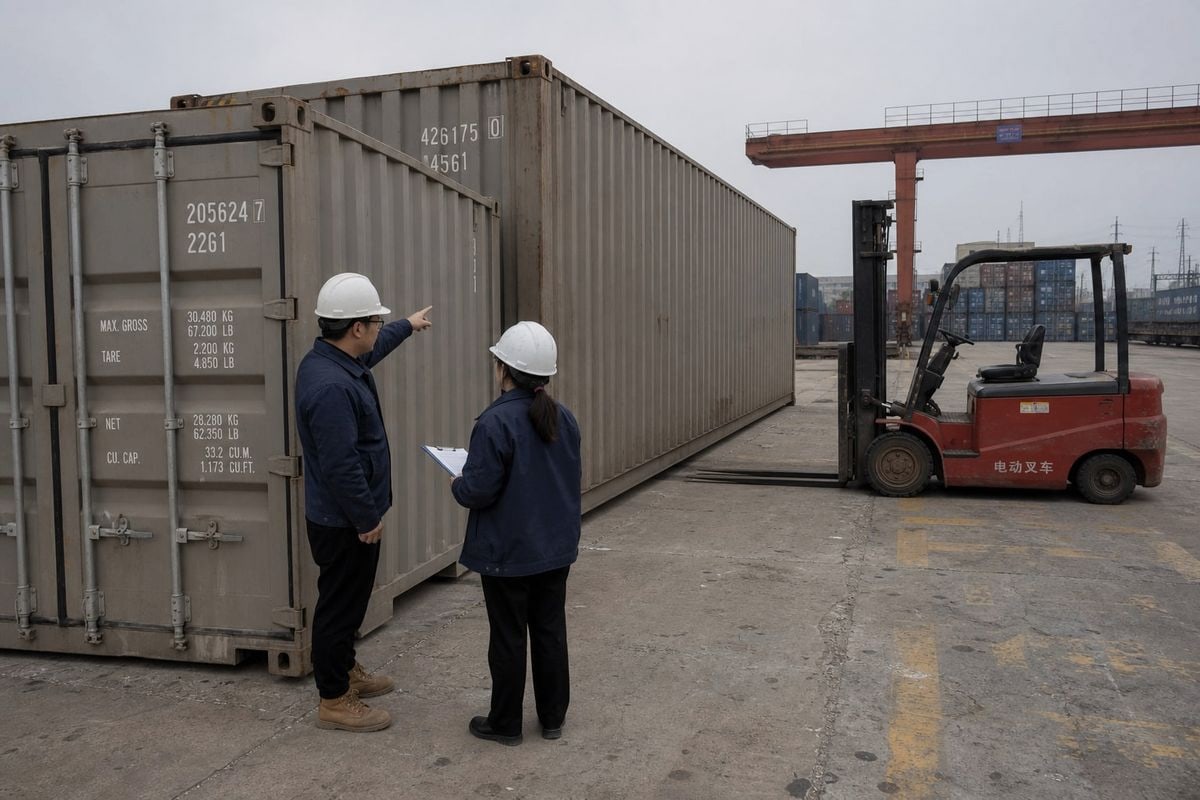
फैसला एक सरल तुलना पर निर्भर करता है। अपने कुल कार्गो की लंबाई, कुल शिपिंग वजन और आप जो कुछ और खरीद रहे हैं, देखें।.
| परिदृश्य | सर्वश्रेष्ठ कंटेनर | क्यों |
|---|---|---|
| 1 मानक काउंटर बैलेंस फोर्कलिफ्ट | 20 फीट | एक इकाई आधे बॉक्स को भरती है; LCL अक्सर हैंडलिंग जोखिम के लायक नहीं होता है |
| 2 कॉम्पैक्ट इलेक्ट्रिक फोर्कलिफ्ट्स | 20 फीट | नोज-टू-टेल लोडिंग लंबाई का अच्छा उपयोग करती है |
| 2 भारी 3.5–5 टन इकाइयाँ लेड-एसिड बैटरी के साथ | 20 फीट | वजन, स्थान नहीं, बाधा है |
| 3–4 फोर्कलिफ्ट्स के साथ चार्जर्स और भाग | 40ft | Extra 6m of length; fill gaps with accessories |
| Compact lithium fleet, 4–6 units | 40HQ | Lower per-unit freight; extra height for taller masts |
Why weight favors the smaller box
A 20ft and a 40ft container have surprisingly similar maximum payloads. The 40ft gives you double the floor length but only a little more weight allowance. So heavy machines fill the payload of a 20ft before its floor. Light, compact machines fill the floor of a 40ft before its payload. That is the core logic.
Think in per-unit freight, not container price
In our experience shipping material handling equipment 2 logistics from China to the United States, a dealer buying four compact lithium forklifts almost always lands cheaper per unit in a 40HQ than in two separate 20ft boxes. But a buyer taking one demo unit should not wait to fill a 40ft. Storage time in China and delayed sales usually cost more than the freight saving. I have talked more than one customer out of "upgrading" to a 40ft they could not fill.
Also consider destination handling. Some US warehouses without a loading dock find a 20ft easier to unload with a ramp. That practical detail changes the answer more often than people expect.
क्या मैं फोर्कलिफ्ट बैटरी और चार्जर को एक ही 20ft कंटेनर में फोर्कलिफ्ट के साथ भेज सकता हूँ?
A dealer in Texas once asked me to squeeze four spare lithium packs and six chargers around two forklifts. We could, but only after checking the battery paperwork first.
Yes, batteries and chargers can usually ship in the same 20ft container as the forklifts, if properly crated, secured, and declared. Lithium batteries fall under UN3481/UN3480 lithium battery regulations, requiring correct documentation, carrier approval, and sometimes limits on total energy capacity per container.
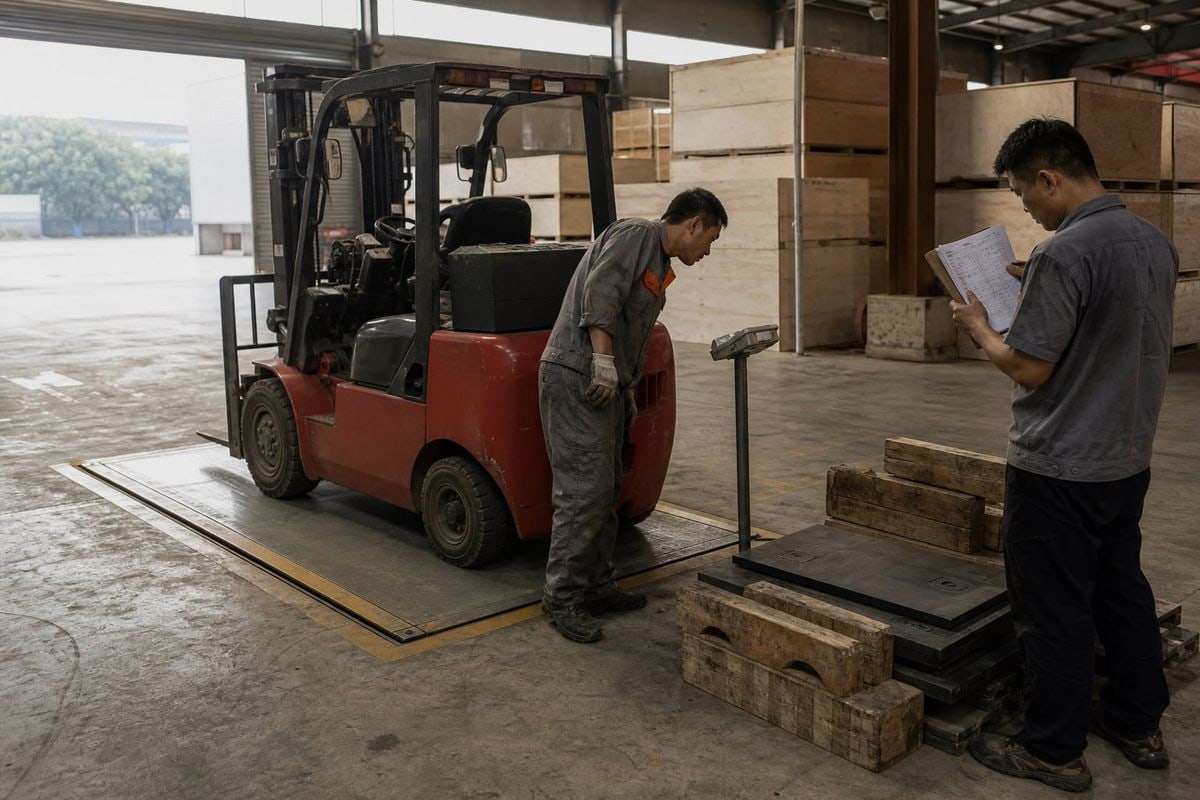
This is one of the most common consolidation requests we handle, and the answer depends on battery chemistry and how the battery ships.
Batteries installed in the forklift
A lithium battery installed in the machine is typically classified as UN3481, लिथियम आयन बैटरी 3 contained in equipment. Most ocean carriers accept this with the right dangerous goods declaration, MSDS, and UN38.3 test report from the battery maker. The key point buyers miss: maritime safety rules can limit the number of units per container based on cumulative energy capacity in Watt-hours. If you ship several high-capacity forklifts plus spare packs, we check that total before booking, not after the cargo reaches the port.
Spare batteries shipped loose
Spare lithium packs shipped separately fall under UN3480 and face stricter packaging and state-of-charge rules. They must be crated, non-conductive protected, and lashed away from the machines. Lead-acid batteries carry their own rules as wet batteries, and their sheer mass matters: lead-acid battery weight 4 of 500–1,500 kg per pack eats payload fast. That is exactly why removing heavy lead-acid batteries for separate crating is sometimes necessary just to stay under the container's roughly 21,700 kg maximum payload.
Chargers and spare parts
Chargers are the easy part. They are general cargo. We box them, band them to pallets, and use them to fill the dead space above and beside the counterweights. Filling that space is free freight. My checklist before loading any mixed container: battery chemistry, Watt-hour rating, UN38.3 report, MSDS, and whether the supplier's packaging meets carrier requirements. Sorting this out at our Zhengzhou consolidation warehouse takes days. Sorting it out after a carrier rejection at port takes weeks.
जब मैं इलेक्ट्रिक फोर्कलिफ्ट भेजता हूँ, तो प्रति यूनिट माल भाड़ा कम करने के लिए कंटेनर की जगह का अधिकतम उपयोग कैसे कर सकता हूँ?
The most satisfying loads I supervise are the ones where a careful plan turns a two-unit container into a three-unit container. It happens more often than you would think.
Maximize space by lowering or removing masts, choosing container-spec masts under 2,280mm collapsed height, removing forks and overhead guards, using Semi-Knock-Down loading with detached counterweights, and filling gaps with crated batteries, chargers, and spare parts secured with timber blocking and lashing.
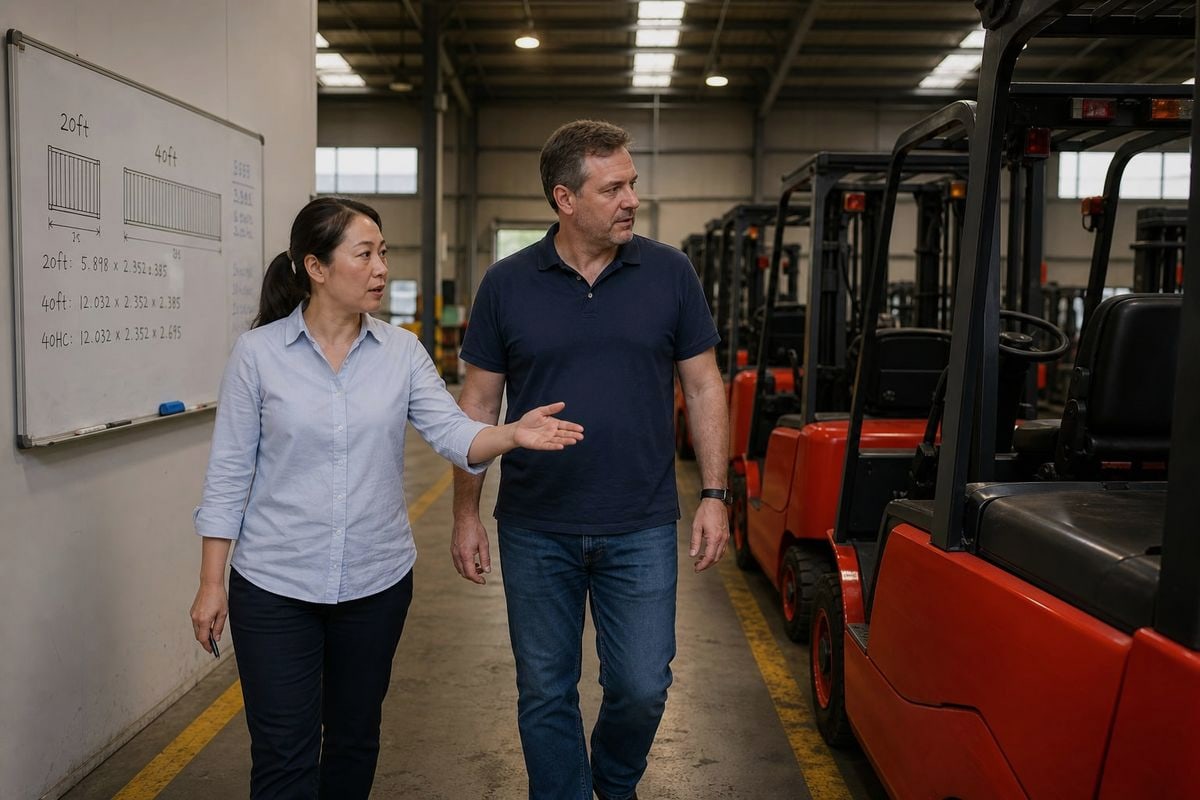
Per-unit freight cost is mostly a loading-plan problem. Here are the methods we actually use, roughly in order of impact.
Proven density techniques
- Specify a container-spec mast. Order forklifts with a triplex mast whose collapsed height stays under 2,280mm. This clears the door header without disassembly and saves labor at both ends.
- Remove forks and overhead guards. Disassembling the overhead guard and forks is a standard strategy. It shortens each unit and lets machines pack closer together.
- Use Semi-Knock-Down (SKD) loading. Detaching counterweights and stowing them between the masts lets chassis overlap. Done well, SKD can increase 20ft container density by around 30%.
- Choose compact lithium models when possible. Modern lithium forklifts with built-around-the-battery chassis run up to 20% shorter than lead-acid equivalents. That difference frequently makes room for a third unit in a 20ft space.
- Nest light equipment vertically. Custom steel shipping frames allow vertical nesting of pallet jacks and stackers above heavier cargo, using the container's full height.
- Fill every gap. Crated chargers, spare parts, and attachments go into the spaces beside counterweights and above wheel arches.
Do not sacrifice securing for density
Every extra unit still needs proper lashing and securing methods. Forklifts have a high center of gravity, and sea swells will shift a poorly braced machine. We use heavy-duty lashing rings, timber blocking, and wheel chocks on every load, and we photograph the finished stow for the buyer before the doors close.
| Technique | Typical Space Gain | Extra Cost or Risk |
|---|---|---|
| Container-spec mast (<2,280mm) | Clears door height, no teardown | Must be specified at factory order |
| Fork and guard removal | Shorter footprint per unit | Reassembly labor at destination |
| SKD counterweight removal | Up to ~30% more density | Requires skilled reinstallation |
| Compact lithium chassis | Up to 20% shorter units | Higher unit price, DG paperwork |
| Vertical nesting frames | Uses full height for light gear | Custom frame fabrication cost |
One warning from experience: density plans must be agreed with the factory before production. Retrofitting a shorter mast at the port is not an option. We coordinate these details directly with Chinese suppliers so the loading plan and the machines match on loading day.
निष्कर्ष
A 20ft container fits one full-size electric forklift, or two to three compact units with smart planning. Send us length, width, and weight, and we will plan the rest.
फुटनोट्स
1. ISO provides the international standards for freight container dimensions and specifications. ↩︎
2. The WCO establishes global standards for the classification of traded goods like industrial machinery. ↩︎
3. The IMO sets international standards for the safe maritime transport of dangerous goods. ↩︎
4. UNECE maintains the global standards for dangerous goods classification and transport documentation. ↩︎




