
- +8618603825129
- [email protected]

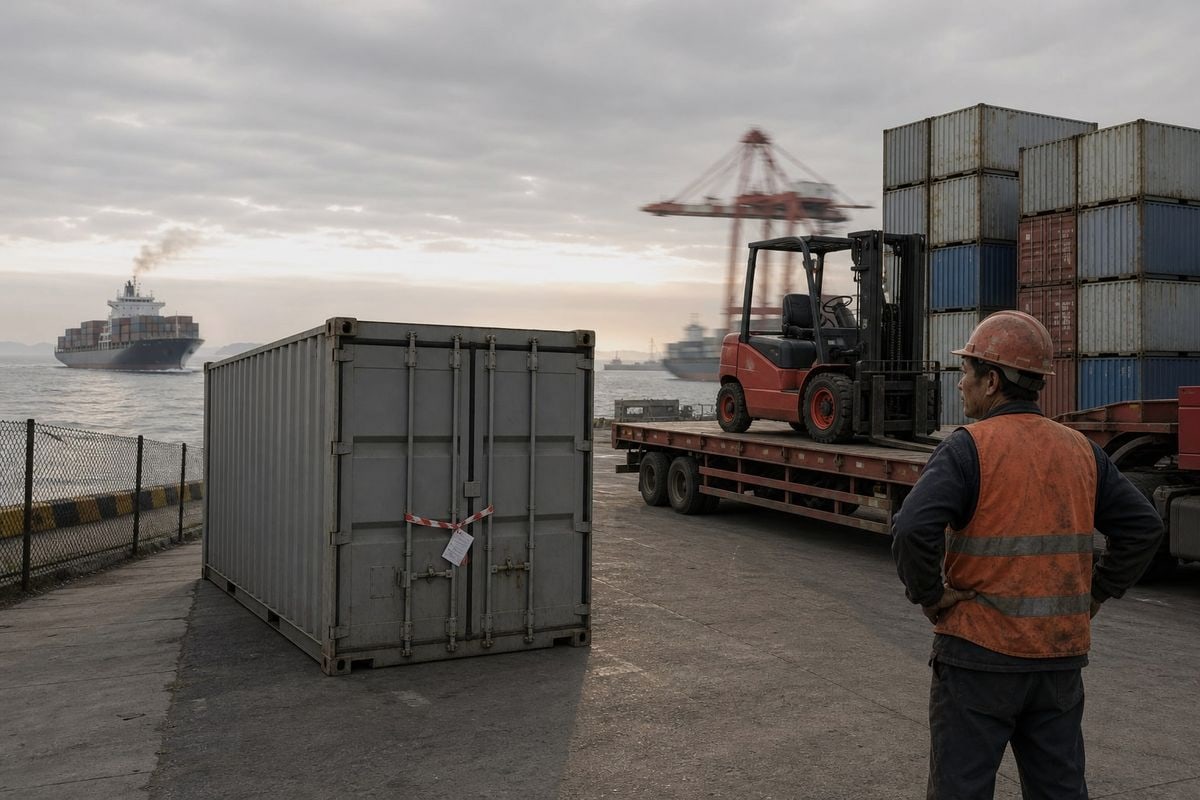
A rolled forklift booking can wreck a delivery plan overnight. On our Zhengzhou logistics desk, we see confirmed containers pulled off vessels more often than most importers expect.
If your forklift booking gets rolled, the carrier removes your confirmed container from its planned vessel and moves it to a later sailing, usually 7 to 14 days out. Your cargo sits at the origin terminal, and costs depend on whether the carrier or the shipper caused the roll.
That short answer hides a lot of detail. Who pays those extra costs? Can you prevent it? And how badly does it hurt your delivery date? Let me walk you through each question below.
Last year, one of our containers holding four lithium battery forklifts 1 was confirmed, gated in on time, and still missed the vessel. That is what a roll looks like.
A rolled shipment means your forklift container was booked and accepted for a specific vessel but was not loaded. The carrier defers it to a later sailing instead of canceling the booking. The container stays at the origin container yard until the next departure.
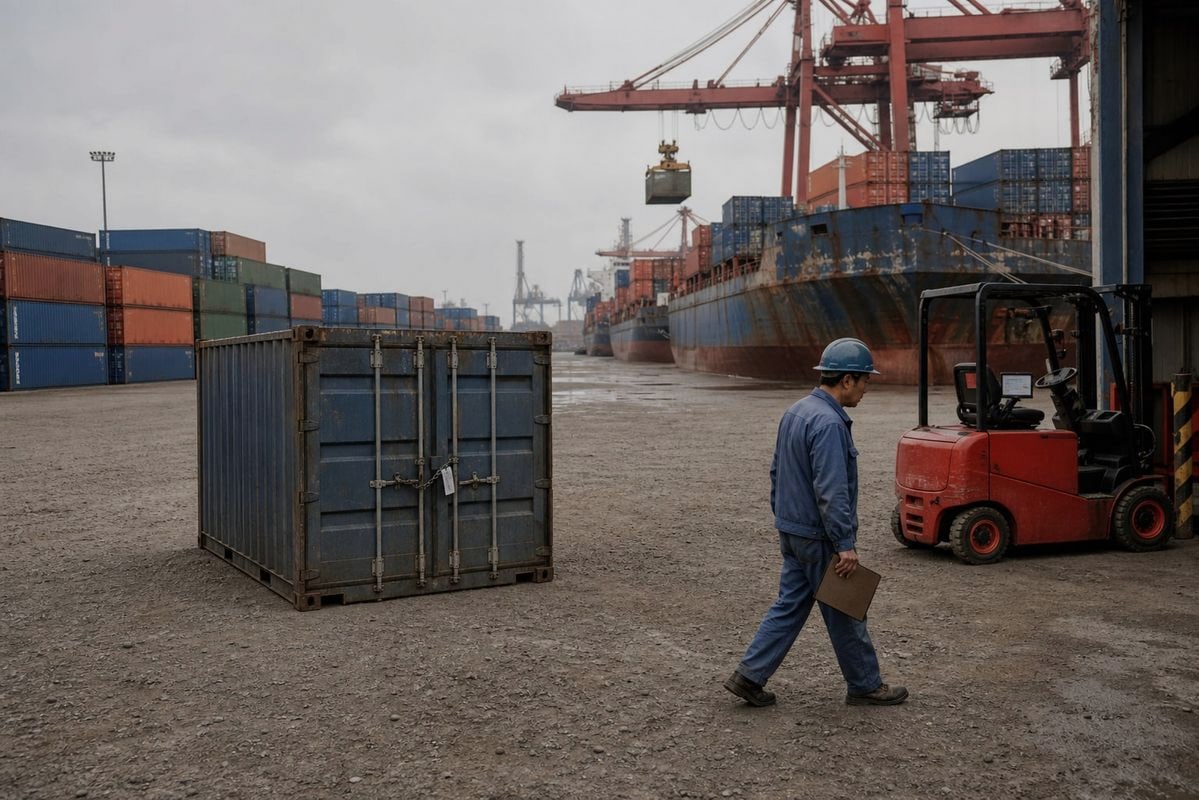
The key point is that a roll is not a cancellation. Your booking stays alive. The carrier simply reassigns your container to a new vessel departure. Maersk's own policy language confirms this: rollable cargo may be moved to a later sailing date, either at the load port or even at a transshipment port, and the carrier is not bound to the original "Load as Booked" promise under rollable terms.
Rolling is not one single problem. It splits into carrier-side and shipper-side causes, and the difference matters for everything that follows.
| Cause | Who Triggers It | Typical Example |
|---|---|---|
| Overbooking | वाहक | Carrier sells more slots than the vessel holds |
| Blank sailing or schedule change | वाहक | Vessel skips the port entirely |
| Port congestion | External/Carrier | Terminal cannot process containers in time |
| Missed cut-off | Shipper | Trucker delivers the container too late |
| Documentation errors | Shipper | Incomplete battery declaration or wrong VGM |
| Customs holds | Shipper | Export inspection stops the container |
For electric forklifts specifically, documentation risk is higher than for ordinary cargo. Lithium battery paperwork must be accepted by the carrier before loading. If the dangerous goods declaration 2 is questioned late, the container gets pulled even though it physically arrived on time. That is exactly why our team checks battery specifications and shipping documents before cargo ever leaves the forklift factory.
A rollover keeps your booking active and moves the cargo to a later sailing. A shutout is worse. The cargo misses the vessel and may need a completely fresh booking from scratch. If your freight forwarder tells you the container was "shut out," ask immediately whether the booking survived or whether you are starting over.
The trade-off we weigh on every forklift shipment is speed versus certainty. Booking the tightest cut-off saves days on paper, but it leaves zero buffer if anything slips.
You cannot eliminate roll risk completely, but you can cut it sharply: submit shipping instructions and battery documents early, gate in well before cut-off, confirm inland trucking timing, avoid peak-season overbooked vessels, and ask whether your booking terms are firm or rollable.
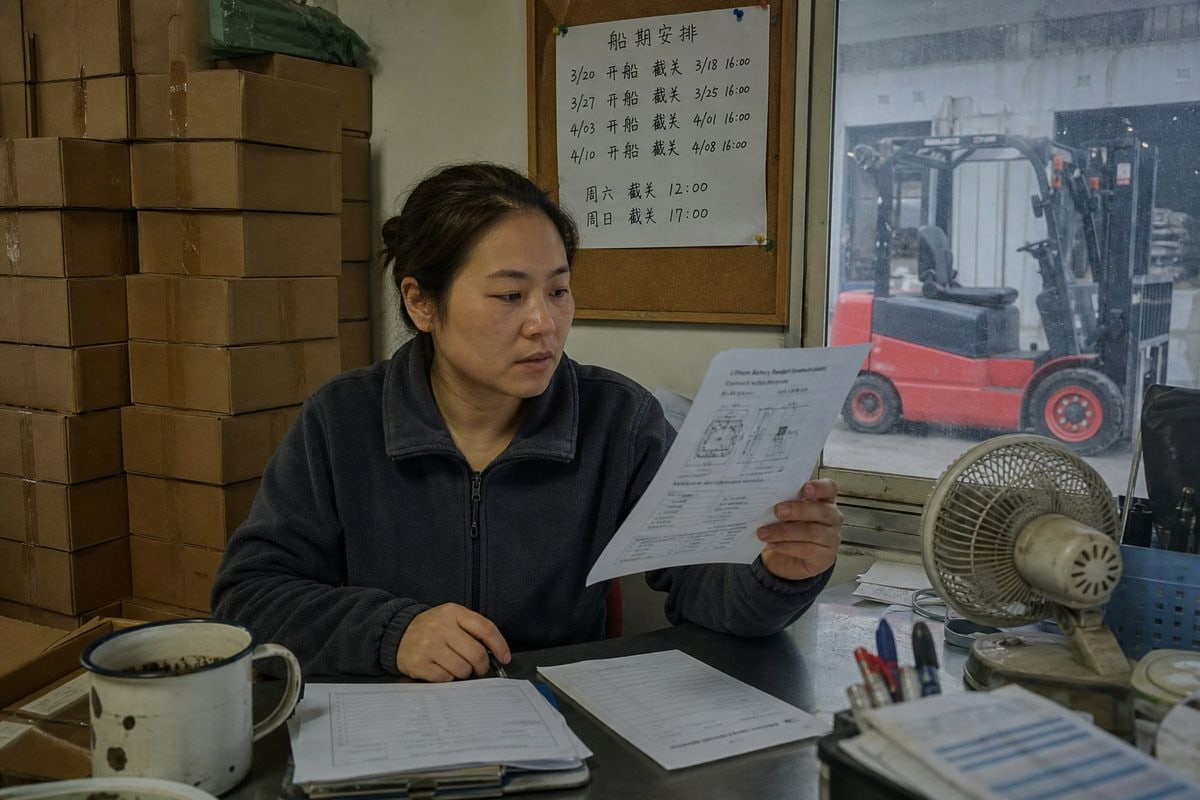
Most rolls that shippers can control come down to timing and paperwork. Here is the prevention checklist we run on every electric forklift container leaving China.
An experienced freight forwarder also adds an informal layer of protection: relationships. When space gets tight, carriers make prioritization decisions. Cargo booked through a forwarder with steady volume and clean documentation history tends to survive those decisions better than a one-off booking. Rolled containers are also not always moved to the front of the queue. Carriers apply their own recovery logic, and higher-margin or long-term contract cargo may still take priority over your rolled box.
A US forklift dealer once asked me a blunt question: "My container got rolled — who is writing the check?" The honest answer is that it depends entirely on the root cause.
If the carrier causes the roll through overbooking or schedule changes, the carrier typically rebooks the cargo at no charge and may issue compensation. If the shipper causes it through late gate-in, documentation errors, or customs problems, the shipper pays the storage, rescheduling fees, and re-handling costs.

This is the section where contract terms decide real money, so let me break down the liability picture clearly.
| परिदृश्य | Root Cause | Who Usually Pays | Possible Compensation |
|---|---|---|---|
| Overbooked vessel | वाहक | Carrier rebooks free | Sometimes, depending on policy |
| Blank sailing | वाहक | Carrier rebooks free | Rare, check contract |
| Rollable booking terms | Shared by agreement | Carrier reassigns cargo | Maersk pays a Rollable Compensation Fee 3 |
| Late gate-in | Shipper | Shipper | None |
| Missing or wrong documents | Shipper | Shipper | None |
| Export customs hold | Shipper | Shipper | None |
Two carrier policies are worth knowing by name. Maersk states that cargo booked under rollable terms receives a Rollable Compensation Fee, with the amount varying by trade lane, and that a credit note payout is issued automatically if rollable cargo actually gets rolled. On the other side, Hapag-Lloyd's published tariff shows that customer-caused postponements, or repeat postponements, can trigger a Cargo Roll Fee charged to the shipper. So fees and compensation are not standardized across the industry. Your booking contract and the specific carrier's rules decide the outcome.
The direct rescheduling fees are only part of the damage. A rolled forklift container can also generate storage charges 4 at the container yard, demurrage and detention exposure at destination if free time gets consumed by rescheduled trucking, canceled delivery appointments, and idle warehouse labor waiting for material handling equipment that never arrived. Some of our forklift dealer customers also face contractual pressure from their own buyers, especially rental companies with an equipment rental agreement already signed against the expected arrival date. That is why we always advise importers to document the roll notice immediately. If you later need to claim compensation or dispute a charge, the carrier's rollover notice and the original booking confirmation are your evidence.
The lesson I learned early in this business is that a roll is never just one delay. One rolled container once pushed a customer's entire warehouse commissioning plan back by nearly three weeks.
A rolled booking typically delays your forklift shipment by 7 to 14 days at origin, but the total schedule impact is often longer. Rescheduled customs clearance, trucking appointments, and warehouse slots create a chain reaction that can extend the effective lead time delay further.
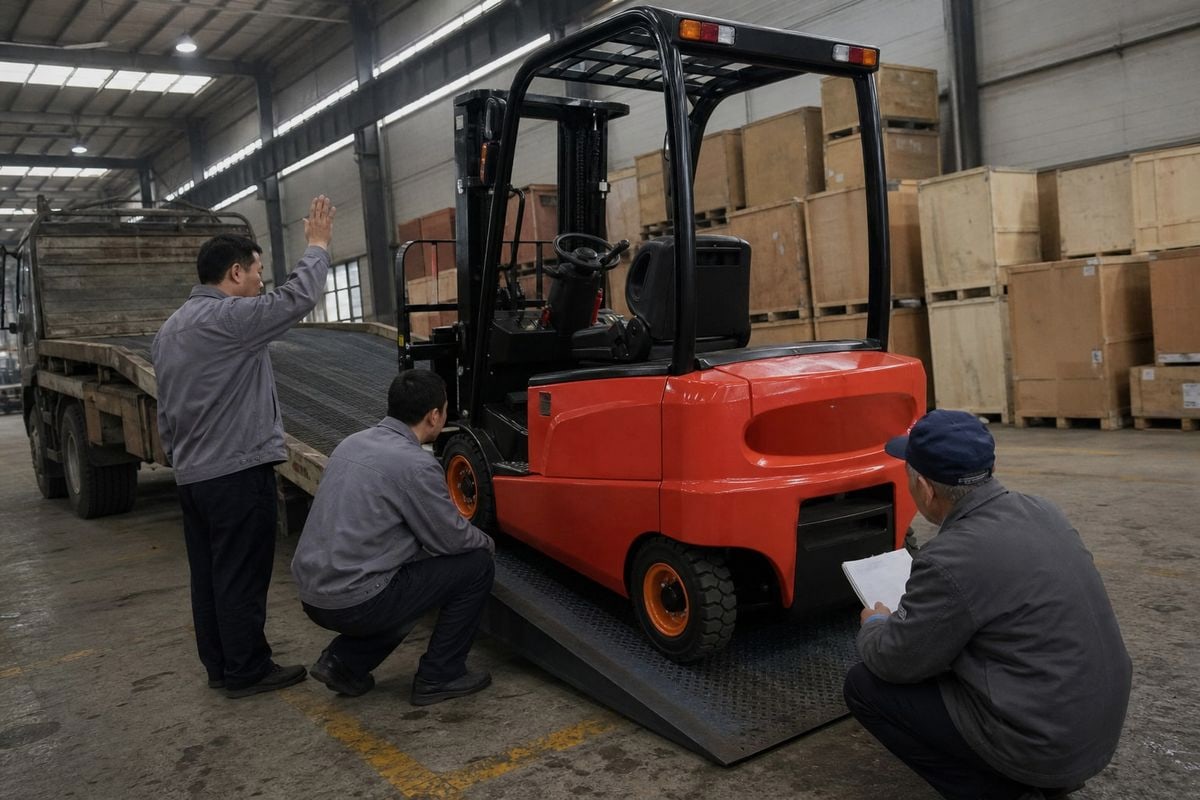
The 7-to-14-day figure is the most useful data point in this whole topic, because it turns an abstract shipping term into a real business number. But the vessel delay is only the first domino. A roll is a chain-reaction event, and the knock-on effects usually cost more than the ocean delay itself.
| Stage | Original Plan | After a Roll |
|---|---|---|
| Vessel departure | Week 1 | Week 2–3 |
| Ocean transit | Weeks 2–5 | Weeks 3–7 |
| Destination customs clearance | Week 5 | Week 7, rebooked broker slot |
| Final trucking delivery | Week 6 | Week 8, new appointment window |
| Forklift handover to your customer | Week 6 | Week 8–9 |
Notice how a 10-day roll at origin can become a two-to-three-week slip at handover. Trucking appointments, chassis availability, and warehouse receiving slots all have to be rebooked, and they rarely line up perfectly on the first try. For forklift dealers, that means delayed rental availability, postponed installations, and awkward conversations with end customers. Idle labor is often the most immediate hit: certified operators and receiving crews scheduled for the original arrival date still get paid, even if the equipment is sitting in a container yard in China.
First, confirm the new vessel and new ETA in writing. Second, ask your freight forwarder whether the booking priority on the replacement sailing is firm. Third, immediately push the new dates downstream: customs broker, destination trucker, warehouse, and your own customers. Fourth, review your free time at destination so demurrage and detention do not stack on top of the delay. A good logistics contingency plan treats a roll as a supply chain disruption to be managed within hours, not days. On our side, we notify customers as soon as the carrier issues the rollover notice, because early visibility is the only thing that keeps a one-vessel delay from becoming a full project stall.
A rolled forklift booking delays cargo 7–14 days and triggers cascading costs. Knowing the cause, the liability, and the prevention steps keeps your delivery schedule under control.
1. Official US government resource for international trade regulations and shipping requirements for hazardous materials like lithium batteries. ↩︎
2. The IMO oversees the IMDG Code, which sets international standards for the dangerous goods declaration in maritime shipping. ↩︎
3. Maersk is a leading global carrier that provides specific compensation policies for cargo rolled under their terms. ↩︎
4. Explains the industry-standard definitions of storage, demurrage, and detention fees in the context of shipping delays. ↩︎



