- +8618603825129
- [email protected]

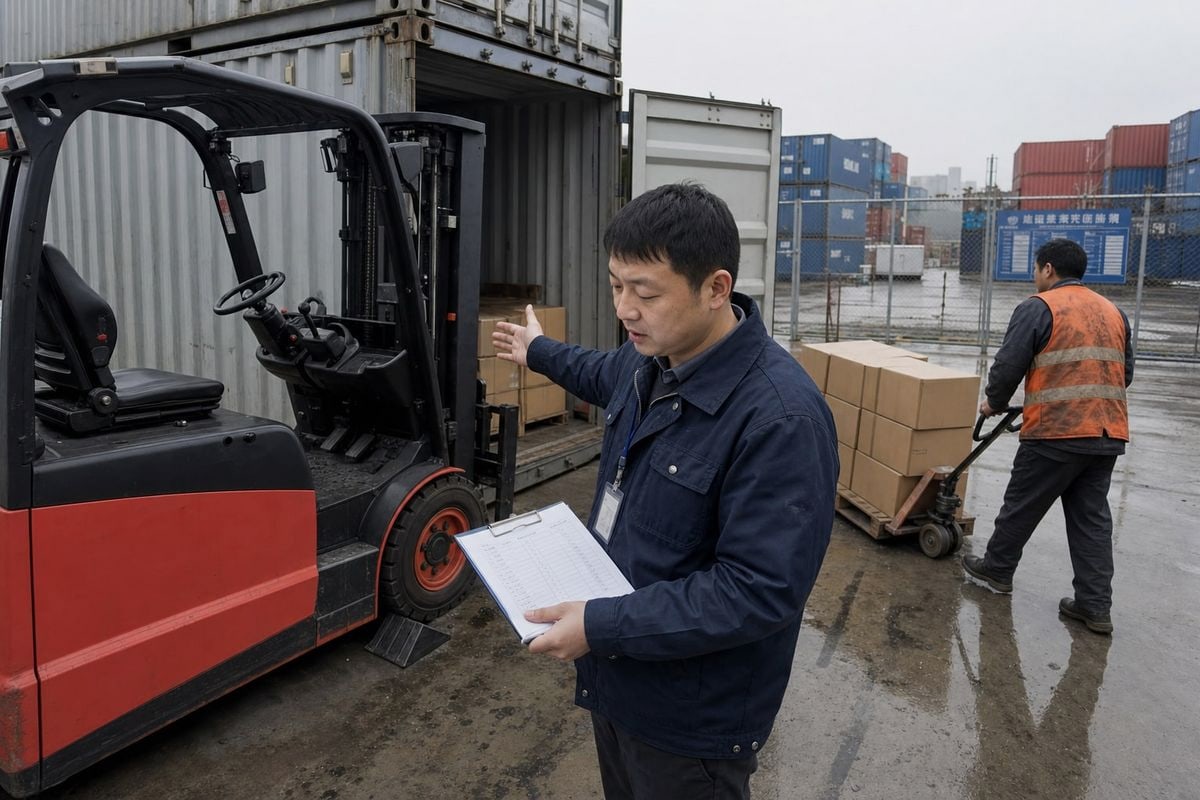
Every week at our Zhengzhou logistics office, importers ask me the cost to [ship an electric forklift from China](https://mbmlog.com/how-ship-electric-forklifts-china-2026-guide-to/) to Canada — and most are shocked when the real numbers arrive. A supplier quotes a great forklift price, then the freight bill lands. Battery surcharges appear. Port fees stack up. Customs adds more. Suddenly the "cheap" forklift is not cheap. The fix is understanding the full landed cost before you order, and that is exactly what I break down here.
Shipping an electric forklift from China to Canada typically costs USD 4,000–10,000+ per unit in total landed shipping expenses. Ocean freight alone runs USD 2,500–8,000 for a 20ft container, plus lithium battery surcharges, customs clearance fees, 6.1% duty, 5% GST, and inland delivery.
That range is wide for a reason. Your final price depends on the forklift's size, its battery chemistry, the route, and Canadian import taxes. Let me walk you through each cost layer so you can budget accurately.
A few months ago, our team quoted two nearly identical 3-ton forklifts for two Canadian buyers. One quote came in almost 40% higher than the other. Same machine class, very different bills — and the reasons why explain this entire topic.
The main cost factors are forklift dimensions and weight, battery type (lithium vs lead-acid), shipping mode (FCL, LCL, or Ro-Ro), origin port, destination port (West Coast vs East Coast), seasonal sea freight rates, and Canadian inland trucking distance from the arrival port.
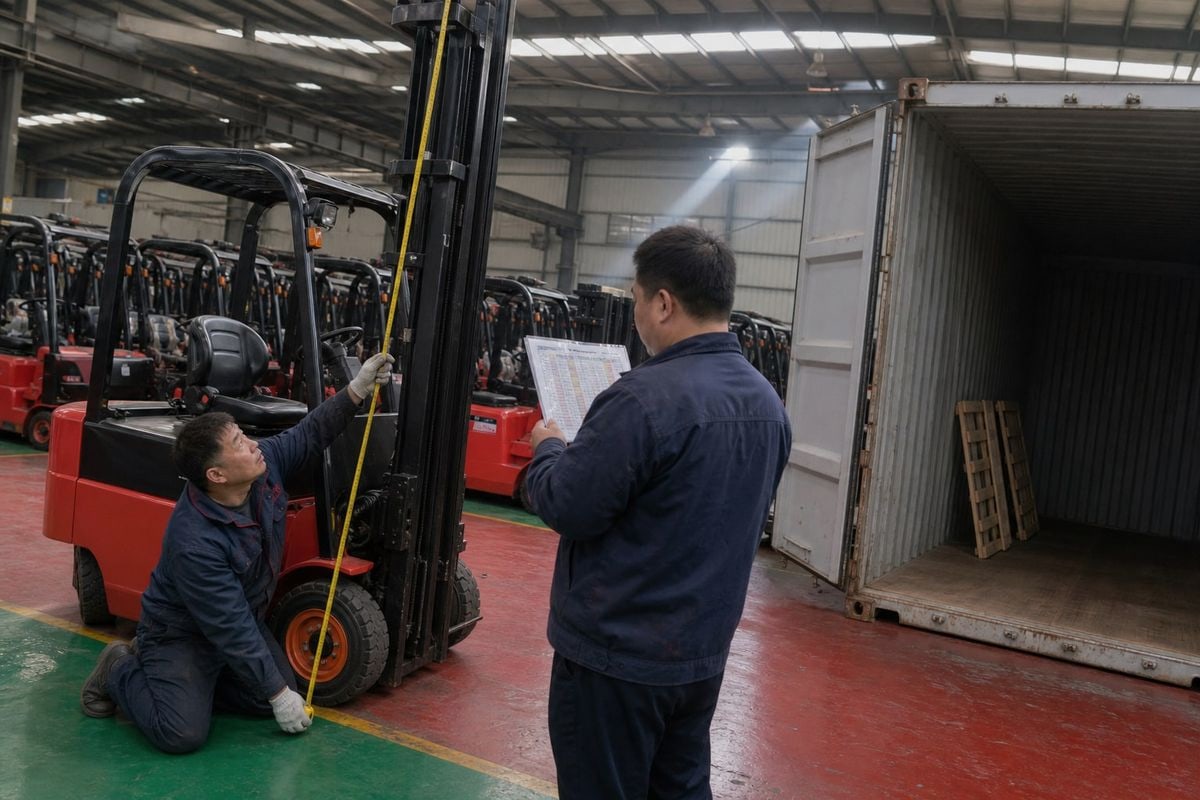
When we prepare a quotation, we never start with a flat price list. We start with the cargo itself. A compact electric pallet stacker and a 3.5-ton counterbalance forklift are completely different shipments, even though both are "electric forklifts."
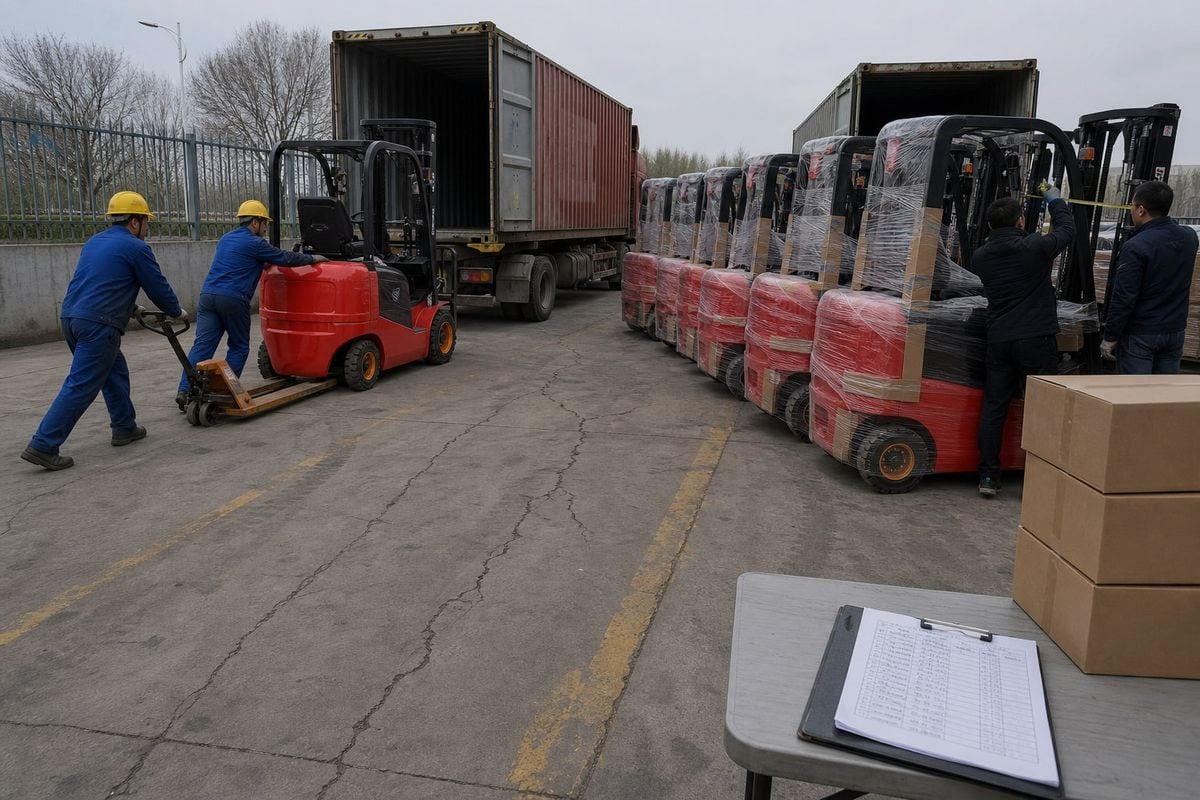
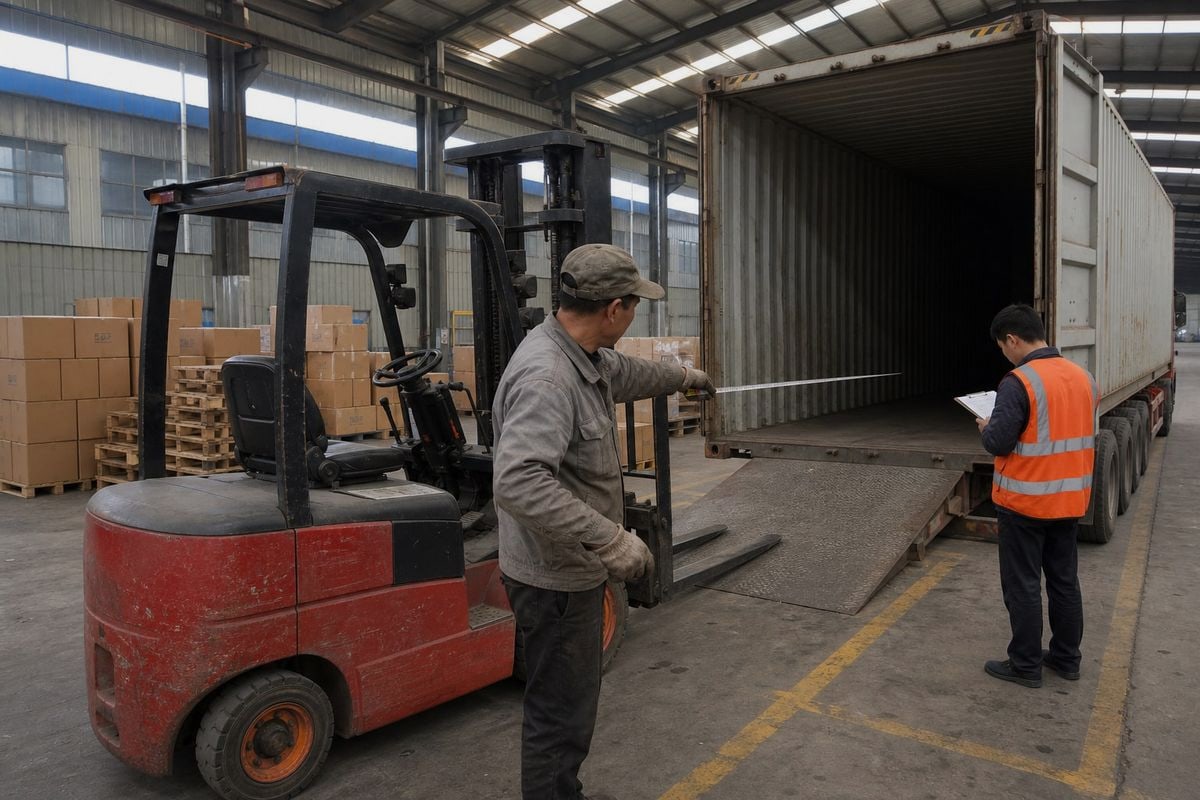
Forklifts are dense, heavy cargo. A standard 3-ton electric forklift can weigh 4,000–4,800 kg with its battery installed. That weight affects container loading, securing requirements, and sometimes chassis selection on the Canadian side. Mast height matters too. If the mast cannot be lowered or removed, the unit may not fit a standard container door, which pushes you toward a 40HQ or even flat rack options.
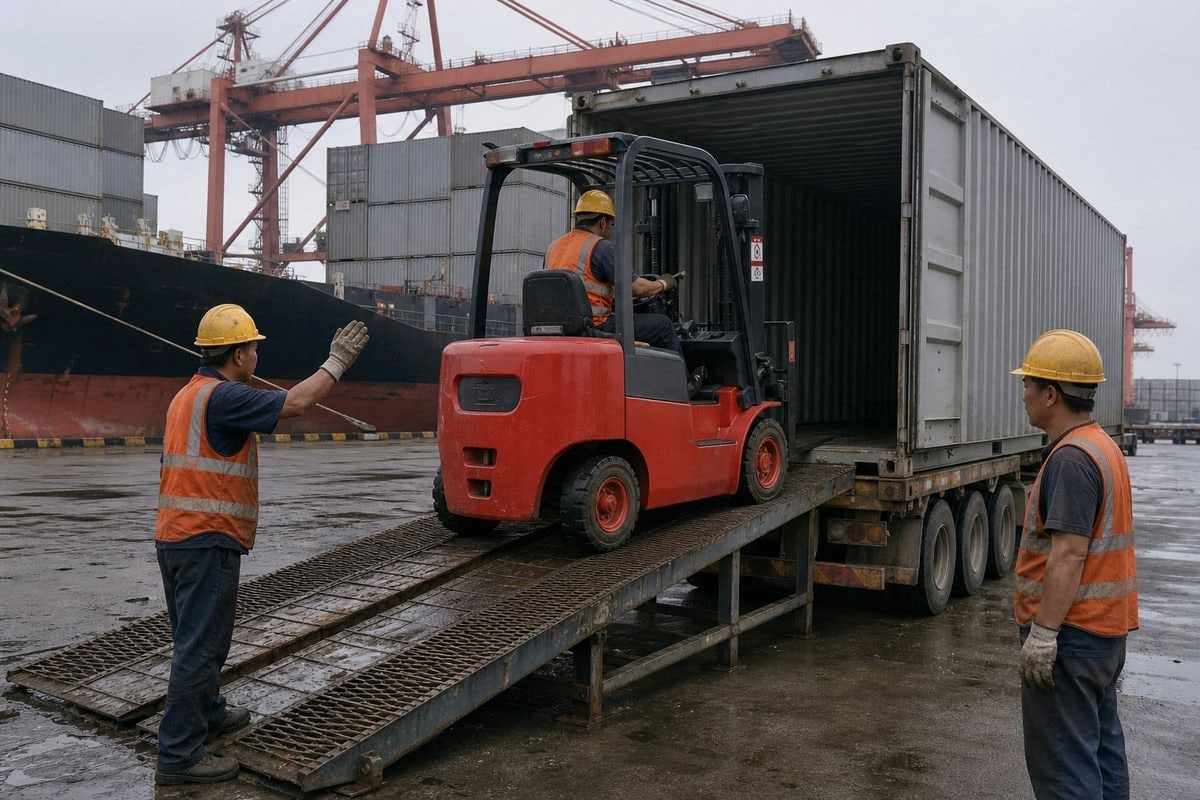
West Coast routing through Vancouver is usually the cheapest and fastest ocean leg. But here is the trap we warn buyers about constantly: if your warehouse is in Ontario or Quebec, the rail and trucking fees from Vancouver can exceed the cost of the ocean leg itself. Sometimes an East Coast routing to Montreal or Halifax wins on total cost even with higher sea freight rates.
Sea freight rates are volatile. Current market guides show a 20GP container from China to Canada anywhere from USD 2,600–3,100 in soft markets up to USD 6,480–7,920 during peak periods. Quoting by exact lane and date is essential.
| Cost Factor | Typical Impact on Price |
|---|---|
| Forklift size/weight | Determines container type; heavy units need securing and weight distribution planning |
| Lithium battery | DG surcharge of USD 200–400, plus documentation review time |
| Origin pickup in China | USD 200–800 inland trucking to port |
| Port handling/local charges | USD 150–500+ at origin |
| West vs East Coast Canada | Lower ocean cost West Coast; higher inland cost to Central Canada |
| Season/market timing | Rates can swing 100%+ between low and peak months |
Transit time is a factor too. Sea freight from Shanghai or Ningbo to Canadian ports takes roughly 20 to 45 days, excluding customs inspection and final-mile delivery. Rushing the schedule with air freight is rarely realistic — at USD 5–10/kg, air only makes sense for spare parts and chargers, not a 4-ton machine.
The single most stressful call I ever received came from a buyer whose forklift was refused at the port because the battery paperwork was incomplete. The cargo sat for two weeks. That experience shaped how we handle every lithium battery shipment today — documentation gets verified before the truck even leaves the factory.
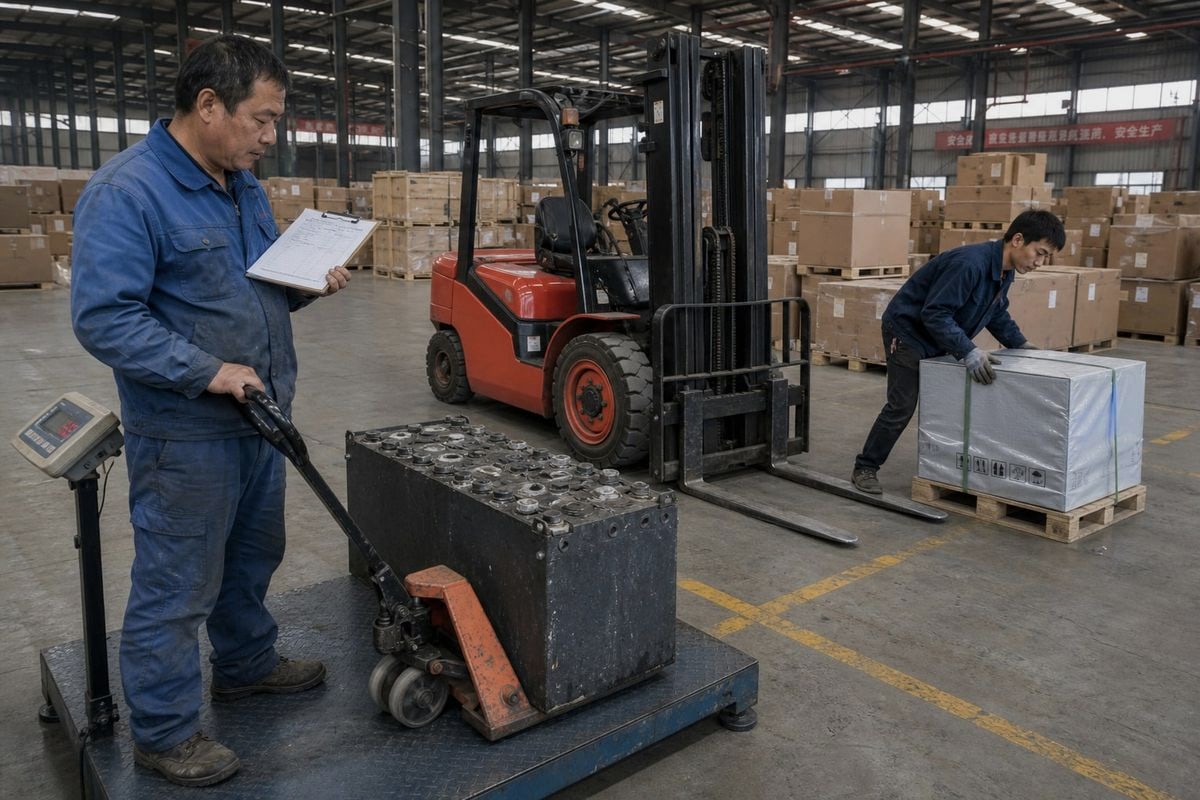
Lithium battery forklifts typically add USD 200–400 in dangerous goods surcharges, and Class 9 DG handling can raise standard freight rates by 30–50%. You will also need UN38.3 test reports, MSDS documentation, and carrier DG approval before booking.
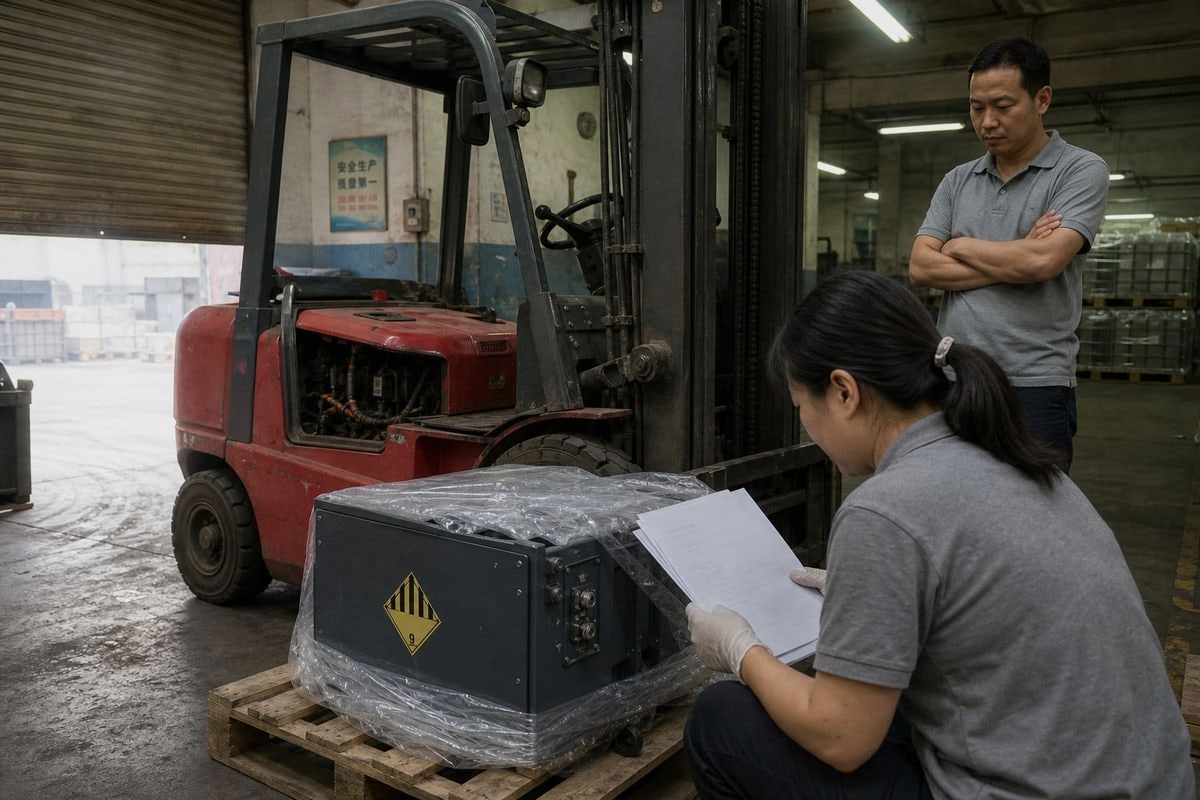
Lithium-ion batteries installed in forklifts fall under Class 9 Dangerous Goods 1 regulations. This is the part of the quotation that surprises buyers most, so let me break it down clearly.
Lithium battery shipping regulations require several things before a carrier will accept your forklift. First, the battery must have a valid UN38.3 test summary proving it passed transport safety testing. Second, you need a Material Safety Data Sheet (MSDS). Third, the carrier reviews the DG declaration and may require specific packaging, labeling, and stowage positions in the vessel. Not every carrier accepts DG cargo on every vessel, which can limit your sailing options and extend booking lead times.
Lead-acid forklifts avoid most of this complexity, but lithium units dominate new orders from China. Here is how the two compare on the logistics side:
| Item | Lead-Acid Forklift | Lithium Battery Forklift |
|---|---|---|
| DG surcharge | Usually none or minimal | USD 200–400 typical |
| Required documents | Standard shipping docs | UN38.3, MSDS, DG declaration |
| Carrier acceptance | Broad | Limited to DG-approved bookings |
| Booking lead time | Standard | Longer due to DG review |
| Freight rate impact | Baseline | Can run 30–50% above standard rates |
One technical point we flag for Canadian buyers: standard Chinese lithium battery packs often lack the thermal management systems needed for Canadian winters. Sub-zero temperatures cause significant capacity loss. An "arctic package" with internal battery heaters should be specified at the factory. It is far cheaper to add it before shipping than to retrofit it in Alberta in January.
In our experience coordinating battery-powered equipment exports, the surcharge itself is not the real risk. The real risk is a documentation gap discovered after the cargo reaches the port. That means missed vessels, storage charges, and sometimes re-booking at higher rates. We check battery specs, test reports, and carrier requirements during the factory pickup stage, not after.
Here is a trade-off we weigh on almost every quotation: a single compact forklift technically fits into an LCL consolidation, but forklifts are so heavy and awkward that shared containers are often false economy. The right answer depends on your unit count and dimensions.
Choose FCL for most forklift imports: one standard unit fills a 20ft container (USD 2,500–8,000), while two to four units share a 40HQ and cut per-unit cost sharply. LCL at USD 95–200 per CBM only suits compact stackers or pallet trucks.
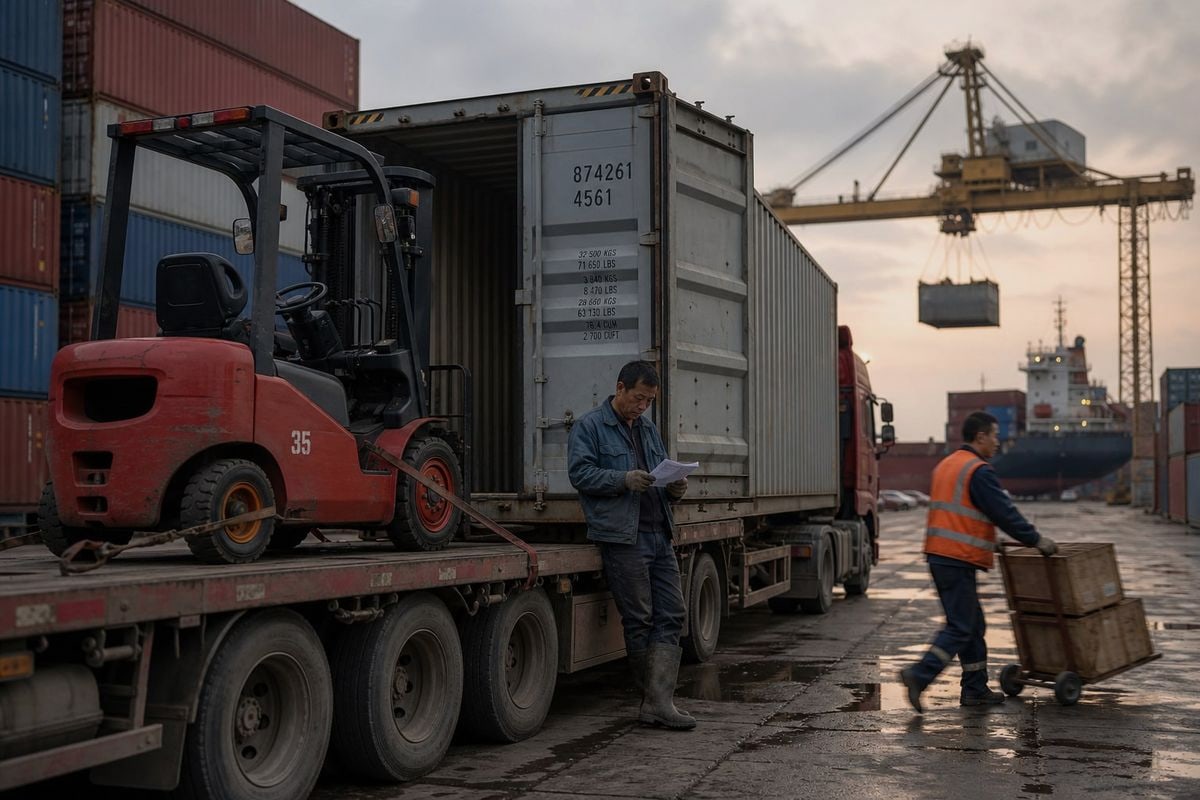
The LCL vs FCL shipping decision drives your per-unit logistics cost more than any other choice you control. Let me show you the real math.
| Shipping Mode | Typical Cost Range | Best For | Per-Unit Economics |
|---|---|---|---|
| LCL | USD 95–200 per CBM | Compact stackers, pallet trucks, parts | Good for small cargo; poor for heavy units |
| 20ft FCL | USD 2,500–8,000 | One standard forklift | Full container cost on one machine |
| 40HQ FCL | USD 1,800–8,800 | 2–4 forklifts + accessories | Lowest per-unit cost when full |
| Air freight | USD 5–10 per kg | Urgent parts and chargers only | Impractical for whole forklifts |
The buyers who get the best per-unit rates are the ones who plan container utilization. If you are buying forklifts from one factory, chargers from another, and spare parts from a third, consolidating everything into one 40HQ spreads the fixed container cost across more cargo. We coordinate this kind of multi-supplier consolidation at our China warehouse regularly, and it routinely trims hundreds of dollars off each unit's effective freight cost.
One caution on LCL: some buyers assume a shared container always beats a dedicated one for a single machine. In practice, a 4,000 kg forklift in LCL triggers heavy-lift handling fees, higher damage risk from repeated handling, and chargeable weight calculations that can approach a small container's price. When the numbers get close, FCL wins on safety and predictability. Proper container loading and cargo securing — blocking, bracing, and weight distribution — is also easier to control in your own container.
A Canadian dealer once forwarded me a competitor's "all-in" door-to-door quote and asked why ours looked higher. We went line by line. Their quote excluded destination handling, brokerage, and taxes. Ours included them. His final bill with the "cheaper" quote would have been thousands more.
Expect a 6.1% MFN duty under HS Code 8427.10, 5% federal GST, customs brokerage fees, CARM registration requirements, destination port handling, and inland delivery charges. Voltage conversion and CSA certification gaps can add further unbudgeted costs after arrival.
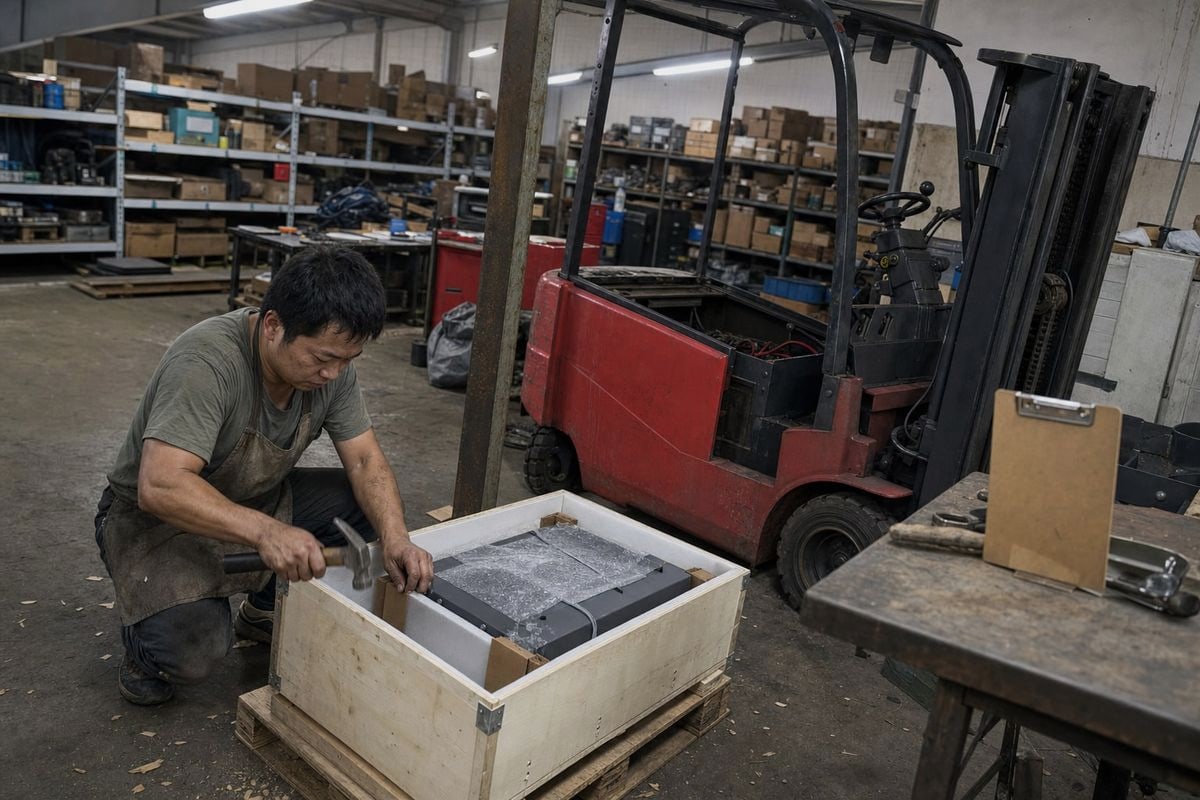
The freight quote is only part of the true landed cost. Landed cost includes product cost, freight, marine cargo insurance, customs duty, GST/HST, brokerage, delivery, and packaging. Here is where the surprises hide.
Electric forklifts are generally classified under HS Code 8427.10 2, which attracts a 6.1% Most-Favoured-Nation duty rate on goods from China, plus 5% federal GST on arrival. The HS Code for forklifts matters more than most buyers realize — customs rulings exist specifically on electric forklift classification from China, so verify the code and duty rate before you order rather than guessing. Getting it wrong risks reassessment, penalties, and delays.
All Canadian importers must now register for a CBSA Assessment and Revenue Management 3 (CARM) account to clear machinery. The old broker-only filing system has been phased out. If you have never imported before, set this up weeks before your vessel arrives, not the day the container hits the port. Your customs broker can guide you, but the account belongs to you.
Two Canada-specific costs catch first-time importers badly:
It is not all bad news. Strategic use of the Duty Drawback program, or provincial green incentives such as CleanBC's Go Electric program 5, can help businesses recoup part of the import cost when the electric equipment replaces internal combustion alternatives. We always suggest buyers check provincial programs before finalizing their budget — free money is rare in logistics, so take it where it exists. Also budget for customs clearance fees, destination terminal charges, and final-mile trucking with a suitable delivery method, since most warehouses need a flatbed or ramp arrangement for a forklift.
Ignoring landed cost turns a bargain forklift into an expensive mistake. Budget the full picture — freight, battery compliance, duty, GST, and delivery — and get lane-specific quotes with exact dimensions, battery specs, and your destination postal code.
1. Official Transport Canada guidance on shipping lithium batteries as regulated dangerous goods. ↩︎
2. Official CBSA customs tariff menu for verifying duty rates and HS classifications. ↩︎
3. Official portal for the mandatory Canadian importer registration and revenue management system. ↩︎
4. Authoritative source for industrial equipment safety standards and certification in Canada. ↩︎
5. Government of British Columbia site for electric vehicle and equipment incentives. ↩︎