- +8618603825129
- [email protected]


The cost to ship a forklift from China confuses many buyers I work with Importer Security Filing 1. A cheap freight quote arrives, then extra fees pile up, and the landed price suddenly makes no sense.
Shipping a forklift from China typically costs $2,000–$6,000 by ocean freight, depending on container type, route, and battery type. Total landed shipping cost often reaches $4,000–$10,000 once inland trucking, customs clearance fees, port handling charges, insurance, and final delivery are added.
That range is wide for a reason. Below, I break down every cost component, the factors that move the price, and the hidden fees you should demand upfront.
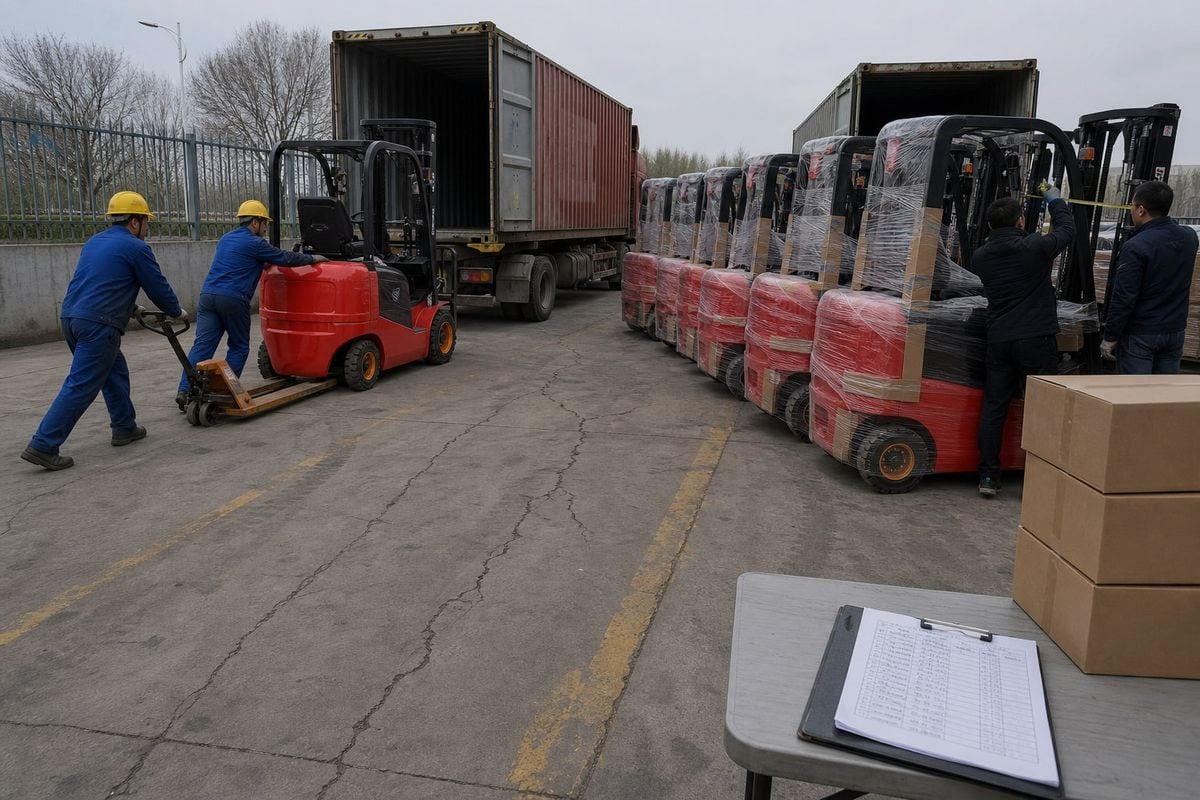
Last month, our team in Zhengzhou quoted a shipment of three electric forklifts to Los Angeles. The buyer only expected the ocean freight line. The real quote had seven line items.
Total forklift shipping cost equals China inland pickup ($200–$800), plus ocean freight ($1,200–$5,800 per container), plus export documentation ($80–$200), destination brokerage ($100–$300), port handling ($150–$500), marine cargo insurance (0.2%–0.5% of value), and final trucking ($300–$800).

The biggest mistake I see is treating the ocean freight rate 2 as the whole shipping cost. It is usually only 50%–70% of the total. When we build a quotation at MBMLOG, we stack every stage from the factory gate in China to the buyer's warehouse door. That is the only honest way to estimate landed cost.
Here is the typical structure I use when quoting a standard forklift shipment to the United States:
| Cost Component | Typical Range | Notes |
|---|---|---|
| China factory pickup (inland trucking) | $200–$800 | Depends on distance from factory to port |
| Ocean freight, 20ft container | $1,200–$3,800 | Fits one 3-ton forklift comfortably |
| Ocean freight, 40ft/40HQ container | $1,800–$5,800 | Fits 2–4 compact forklifts |
| Export customs and documentation | $80–$200 | Export declaration, B/L fees |
| Destination customs brokerage | $100–$300 | Entry filing at your port |
| Port handling and local charges | $150–$500+ | THC and terminal fees on both ends |
| Marine cargo insurance | 0.2%–0.5% of cargo value | Around 0.3% is common |
| Destination trucking / final delivery | $300–$800 | Varies by distance from port |
| Lithium battery DG surcharge (if applicable) | $200–$400 | Class 9 dangerous goods handling |
Watch how your quote is priced. FCL shipments are quoted per container. LCL consolidation is quoted per cubic meter, usually $45–$200 per CBM depending on route and handling. Some heavy machinery routes also benchmark at roughly $100–$250 per ton to the U.S. West Coast. These methods are not directly comparable. A single small electric stacker might make sense as LCL. A full 3-ton counterbalance forklift almost always ships cheaper in its own 20ft container. Air freight, at $5–$10 per kg or more, only makes sense for spare parts and chargers, never for a whole machine.
Your quote also depends on Incoterms. FOB means the supplier covers Chinese inland trucking and export declaration, and your freight cost starts at the port. EXW means you pay from the factory floor. CIF adds freight and insurance to the supplier's invoice, but you still pay destination charges. I always tell buyers to compare FOB and EXW quotes side by side before ordering.
A U.S. distributor once asked me why his second forklift shipment cost 40% more than his first. Same machine, same port. The difference was a lithium battery and an East Coast destination.
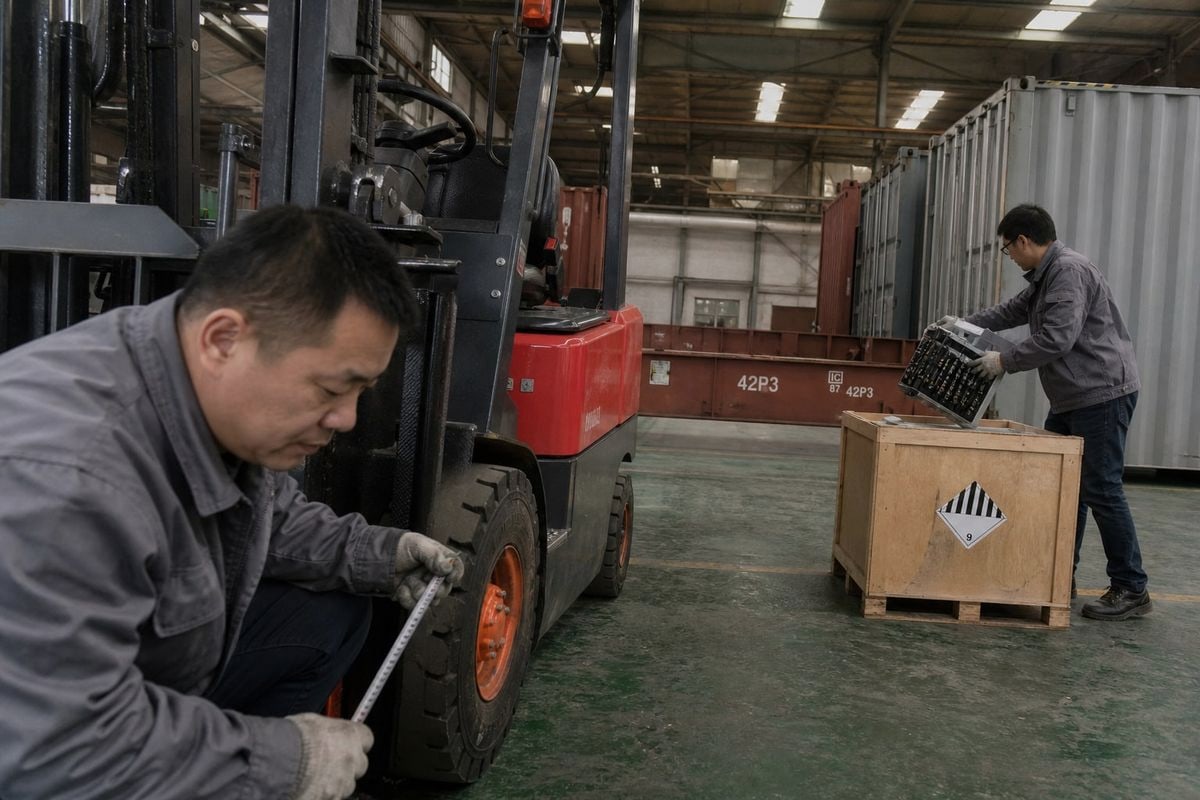
Five factors drive forklift shipping cost from China to the USA: forklift size and weight, battery type (lithium triggers Class 9 dangerous goods surcharges), container type (FCL, flat rack, or Ro-Ro), destination coast, and Section 301 tariffs adding up to 25% on import duties.
Let me unpack each factor, because they interact with each other and can shift your quote by thousands of dollars.
Route choice matters more than most buyers expect. Recent benchmarks put a 40ft container to the U.S. West Coast at roughly $2,100–$2,805 in one guide and $2,500–$4,000 in another, while the East Coast runs about $3,000–$4,500. Transit time estimates follow the same pattern: 15–25 days from Shanghai or Ningbo to the West Coast, but 35–45 days to the East Coast. Ocean freight rates are spot-market driven, so treat these as planning ranges, not fixed prices.
| Factor | Lower Cost Option | Higher Cost Option |
|---|---|---|
| Destination coast | West Coast: $2,100–$4,000 (40ft) | East Coast: $3,000–$4,500 (40ft) |
| Battery type | Lead-acid: no DG surcharge | Lithium-ion: +$200–$400 plus paperwork |
| Container fit | Standard FCL container | Flat rack: +$500–$1,500; open top: +$300–$800 |
| Transit time | West Coast: 15–25 days | East Coast: 35–45 days |
| Emission compliance | New EPA-compliant electric units | Used diesel: seizure risk if not Tier 4 Final |
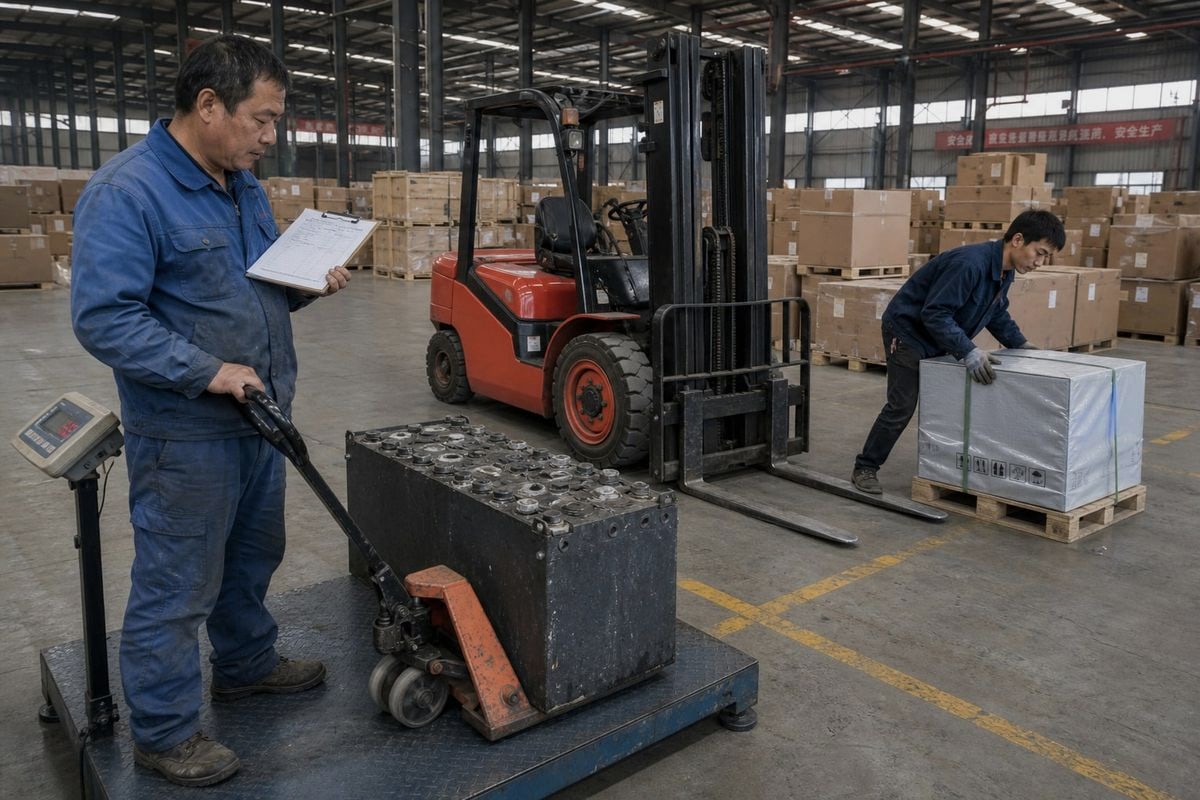
Electric forklifts with lithium-ion batteries 3 are classified as Class 9 Dangerous Goods. That means UN certification documents, DG labeling, carrier review, and a surcharge of about $200–$400. Maritime regulations now frequently require a state of charge of 30% or less during transit, so we coordinate factory discharge protocols before loading. In our experience handling lithium battery forklifts weekly, missing this paperwork is the single most common cause of cargo being rejected at the Chinese port.
For U.S. buyers, Section 301 tariffs can add 25% on top of the standard HTS rate, so correct HS code classification is critical to your import duties and taxes calculation. There is also a compliance trap with used diesel forklifts: if the engine does not meet EPA Tier 4 Final 4 standards, the machine can be seized at the port. I steer buyers toward new electric units partly for this reason.
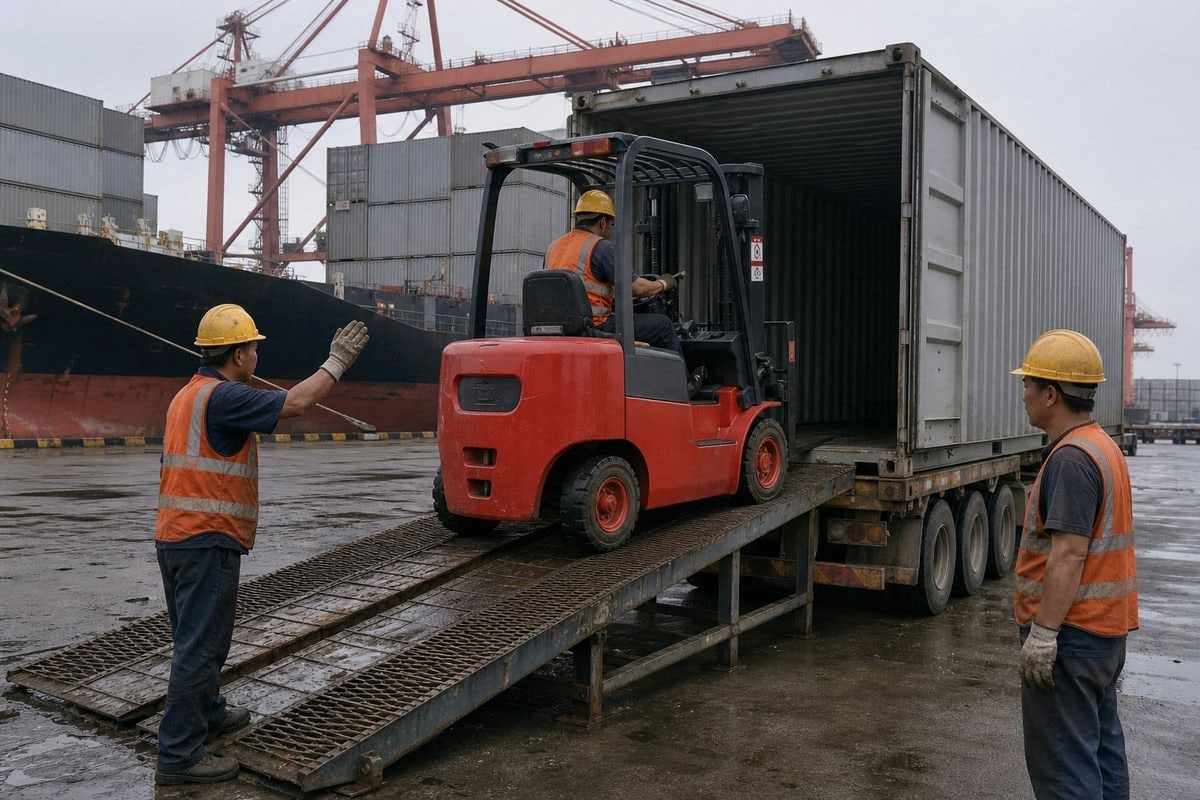
Standard forklifts that fit a container are cheapest to ship. Oversized units need a flat rack container or open top, adding premiums over standard FCL. Ro-Ro shipping suits self-propelled machinery and can price around $100–$250 per CBM, but Ro-Ro port congestion at specialized terminals runs on its own supply-demand cycle, which can flip the math.
The most satisfying quote I ever built cut a dealer's per-unit shipping cost nearly in half. We changed nothing about the route. We simply loaded three forklifts into one 40HQ instead of shipping them separately.
Reduce forklift shipping cost by loading multiple units per container (cutting per-unit cost to around $4,000 or less), choosing the nearest Chinese export port, targeting the U.S. West Coast, consolidating parts into unused space, and preparing lithium battery documents before booking.
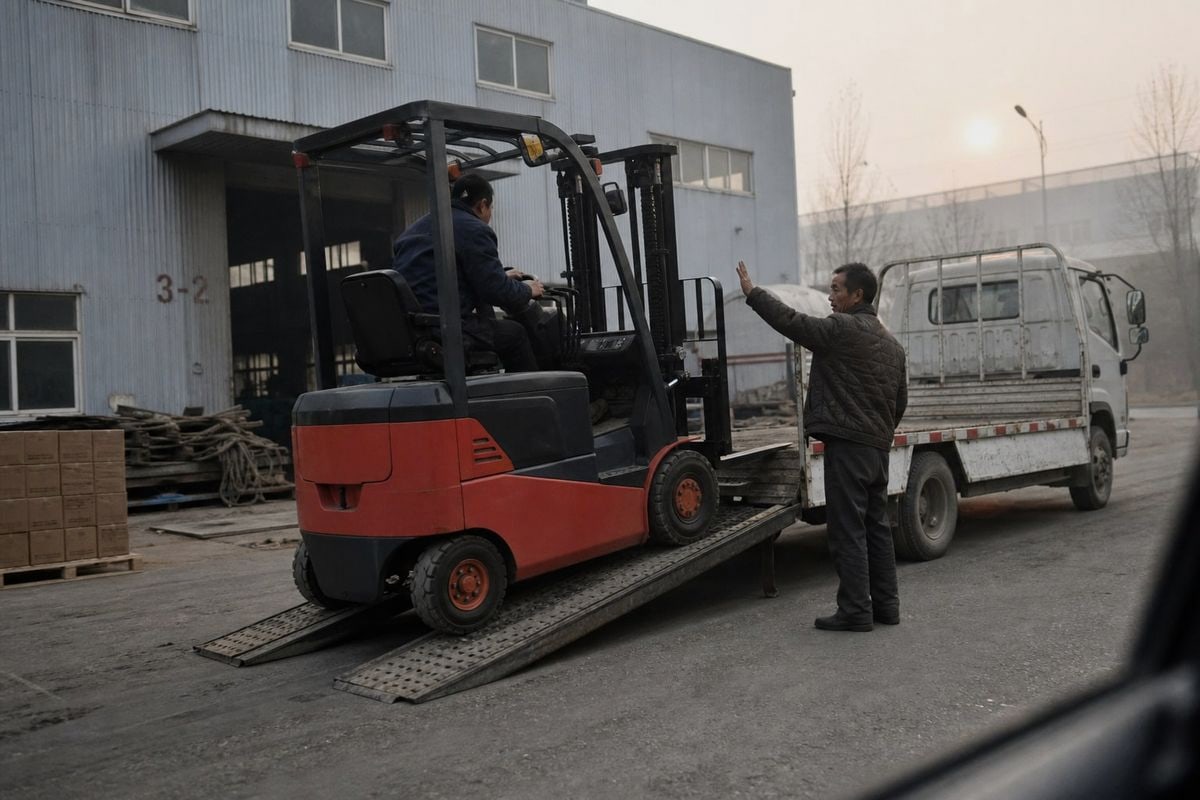
Cost reduction in forklift logistics is mostly about container utilization and preparation, not haggling over the ocean freight rate. Here is the playbook I run with our regular customers.
| Tactic | Typical Saving |
|---|---|
| 3 units per 40HQ vs. 3 separate shipments | 30%–50% per unit |
| Nearest Chinese export port | $200–$500 per shipment |
| West Coast vs. East Coast routing | $500–$1,500 per container |
| Parts consolidated into forklift container | $300–$1,000 vs. separate LCL |
| Battery documents prepared pre-booking | Avoids $100s in storage and delay fees |
| Standard vs. expedited sailing | 30%–50% of freight cost |
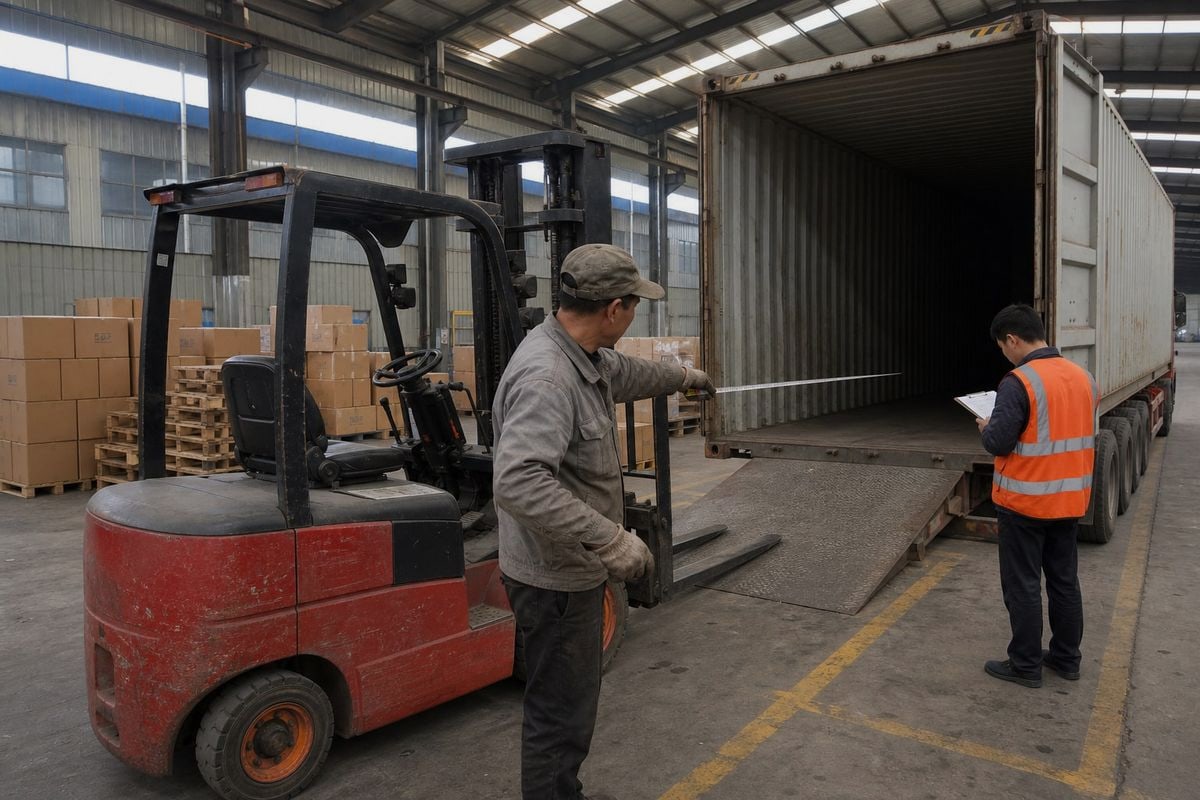
Working with a freight forwarder who offers full freight forwarder services on the China side makes most of these tactics practical, because someone has to coordinate pickups, measurements, and loading plans with each factory directly.
Early in my career, a buyer forwarded me a competitor's quote that looked $900 cheaper than ours. I asked one question: does it include destination charges? It did not. His final invoice ended up higher than ours.
Yes. Common hidden fees include Terminal Handling Charges, Importer Security Filing, customs bond fees, chassis and drayage fees, demurrage, and DG surcharges, together adding $500–$1,500 per shipment. Always request an all-in quote listing destination charges before booking.
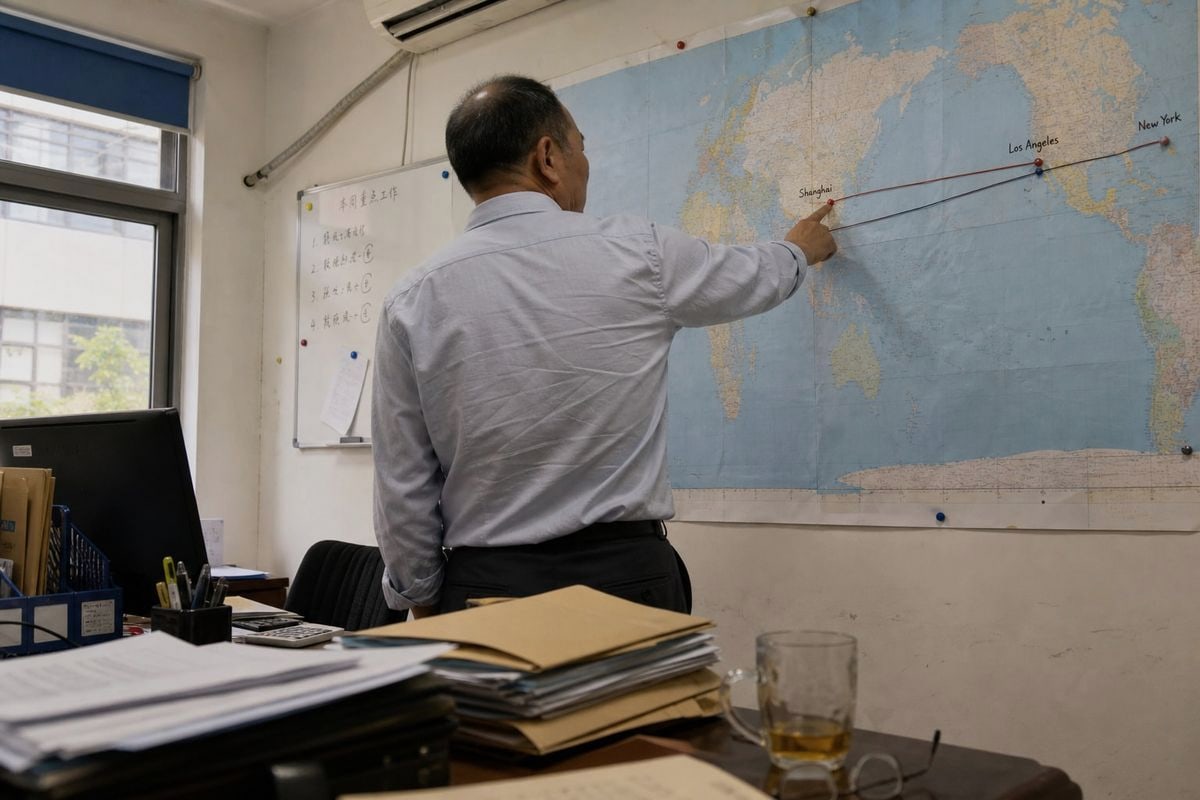
Hidden fees are rarely fraud. They are usually just quotes that stop at the destination port. Understanding each fee lets you compare quotations fairly and calculate true landed cost.
Terminal Handling Charges (THC). Ports charge for moving your container on and off vessels at both ends. Many low headline quotes exclude destination THC entirely. Combined with other port handling charges, expect $150–$500 or more.
Importer Security Filing (ISF). U.S. imports require an ISF filing before the vessel departs China. Late filing brings serious penalties. The filing fee itself is modest, but skipping it is expensive.
Customs bond fees. First-time U.S. importers need a single-entry or continuous customs bond. Continuous bonds pay off quickly if you import regularly.
Demurrage and detention. If documentation problems delay customs clearance, the port charges storage by the day, and the carrier charges for holding its container. I have seen a one-week battery paperwork delay cost more than the original brokerage fee. This is why we check documents before departure, not after arrival.
Chassis and drayage fees. Getting the container from the port to your warehouse involves a chassis rental and local trucking. Budget $300–$800 for final delivery in typical scenarios.
Duties and taxes. Import duties and taxes are not shipping fees, but they belong in your landed cost math. For U.S. buyers, HTS duty plus potential Section 301 tariffs of 25% can dwarf the freight bill. European buyers face 0%–10% duty depending on country, plus growing CBAM reporting requirements documenting the embedded carbon in the forklift's steel chassis and mast.
Insurance gaps. Marine cargo insurance at 0.2%–0.5% of cargo value is cheap protection for material handling equipment worth $8,000–$15,000 FOB per unit. Skipping it to save $50 is a bad trade.
The simplest defense: request a written, itemized quote covering origin, ocean, and destination charges for your exact forklift dimensions, weight, and battery type. If a forwarder resists itemizing, that tells you something.
Budget $2,000–$6,000 for ocean freight, then add every landed-cost layer. Compare itemized all-in quotes, prepare battery documents early, and maximize container utilization to protect your margins.
1. CBP guidelines for the mandatory security filing required for all maritime cargo entering the U.S. ↩︎
2. Official U.S. agency regulating ocean transportation and monitoring freight rates and carrier practices. ↩︎
3. International authority providing safety standards for the maritime transport of dangerous goods like lithium batteries. ↩︎
4. Official EPA page for diesel engine emission regulations, including Tier 4 standards for heavy equipment. ↩︎