- +8618603825129
- [email protected]

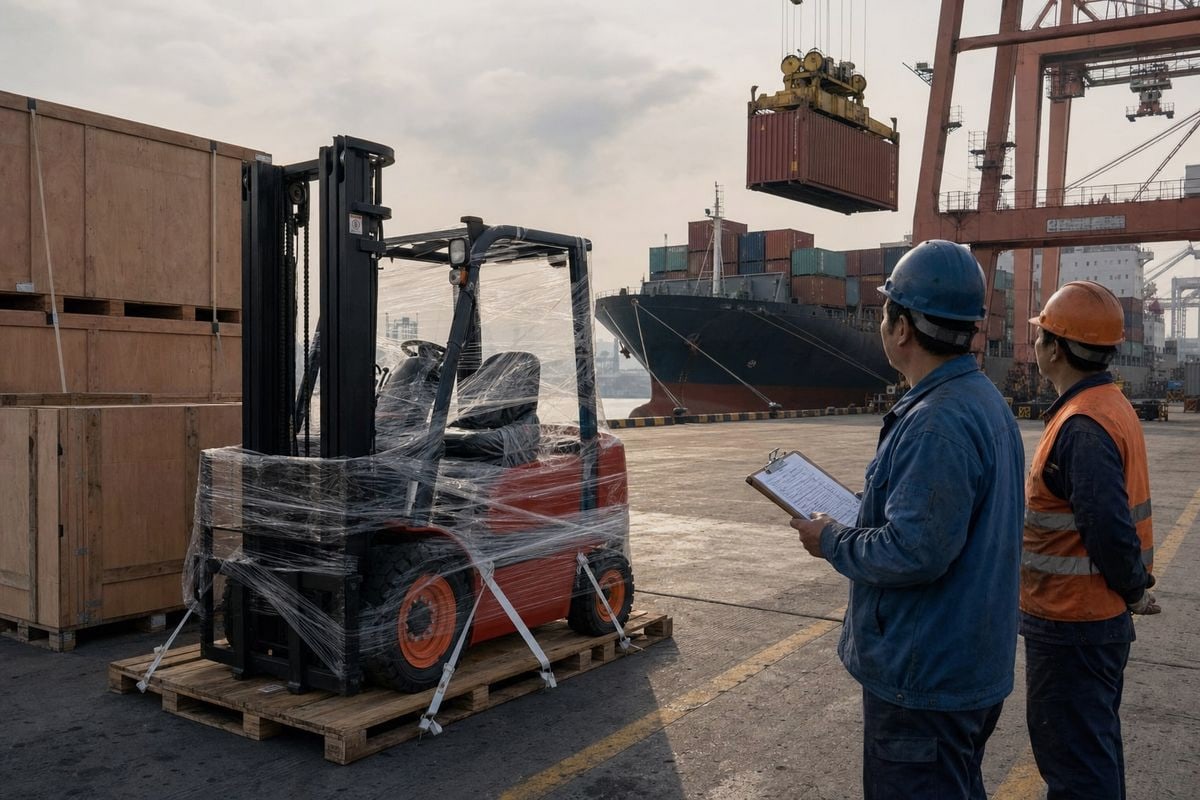
Choosing between FOB vs CIF vs DDP confuses many forklift importers we work with. Pick wrong, and hidden fees, customs delays, and compliance risks can wipe out your equipment margin fast.
FOB is usually the best Incoterm for importing forklifts from China because it gives buyers freight control, transparent landed costs, and clear risk transfer. CIF suits simple, low-touch shipments. DDP offers maximum convenience but carries hidden markups and compliance risks, especially for lithium battery forklifts.
Let me break down what each term really means for a forklift shipment. Then I will show you how to calculate your [true landed cost](https://mbmlog.com/?p=11786) and pick the right term for your situation.
Last month, a Texas dealer asked our team to review two forklift quotes. One was FOB Shanghai, one was DDP Houston. He thought DDP was cheaper. It was not.
Under Incoterms 2020, FOB means the seller loads the forklift on the vessel and the buyer handles everything after. CIF adds seller-paid ocean freight and minimum insurance to the destination port. DDP means the seller delivers to your door with import duties and taxes paid.
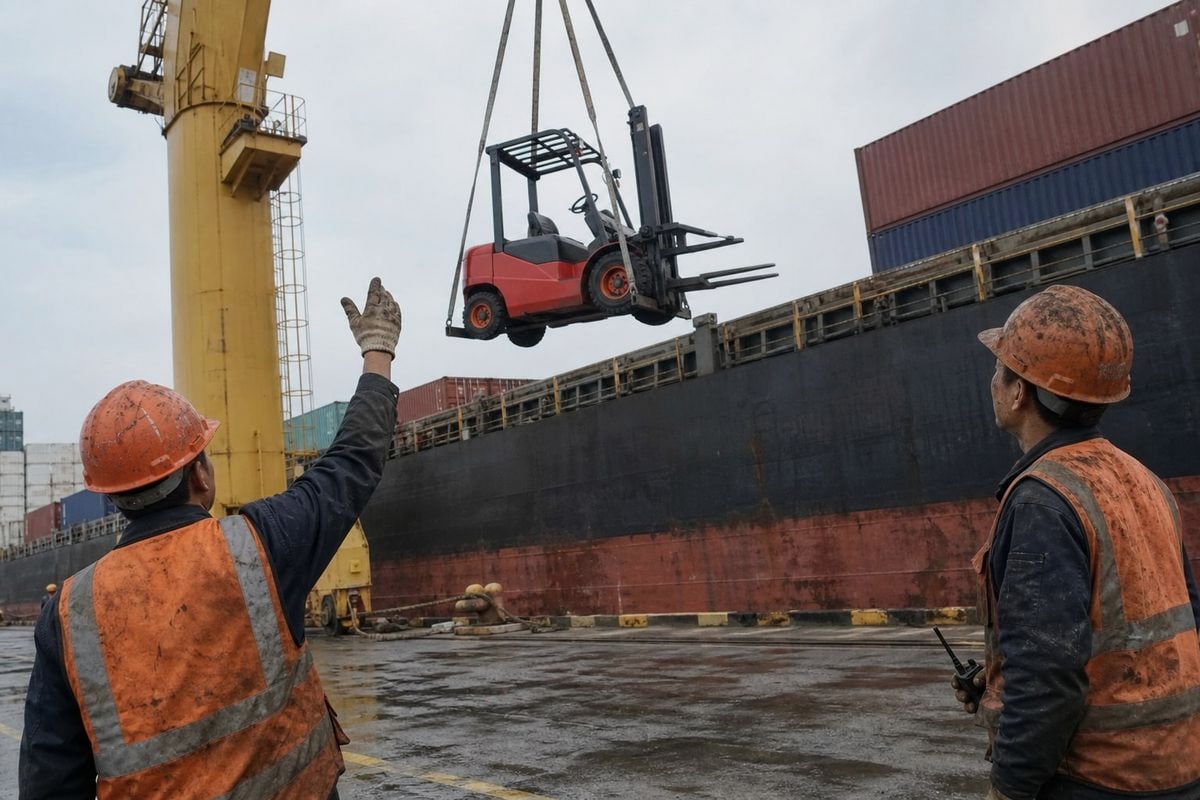
The differences sound simple on paper. But for a heavy, high-value machine like an electric forklift, each term changes who pays, who carries risk, and who controls the shipment. Here is the responsibility split at a glance:
| Responsabilità | FOB | CIF | DDP |
|---|---|---|---|
| Factory-to-port trucking in China | Seller | Seller | Seller |
| Export customs clearance | Seller | Seller | Seller |
| trasporto marittimo | Buyer | Seller | Seller |
| Marine insurance | Buyer | Seller (minimum cover only) | Seller |
| Destination port charges | Buyer | Buyer | Seller |
| Import customs clearance | Buyer | Buyer | Seller |
| Dazi e tasse di importazione | Buyer | Buyer | Seller |
| Final delivery to your warehouse | Buyer | Buyer | Seller |
Here is the point that surprises most buyers. Under both FOB and CIF, the transfer of risk 1 happens the moment the forklift is loaded on board at the Chinese port. Yes, even under CIF, where the seller pays the freight, the cargo travels at your risk. If the machine is damaged mid-ocean, you claim against the insurance, not the seller. Only DDP keeps responsibility with the seller until the forklift reaches your door.
CIF only requires the seller to buy minimum insurance cover. For a forklift worth $15,000 to $40,000, minimum cover is often not enough. We always advise buyers on CIF terms to check the policy or buy additional assicurazione merci 2 themselves. The Bill of Lading and insurance certificate should be reviewed before the vessel sails, not after a claim arises.
We recently helped a Midwest distributor compare three quotes for four electric forklifts. The "cheapest" CIF offer turned out to be the most expensive once destination fees landed on his desk.
Calculate landed cost by adding the equipment price, ocean freight, cargo insurance, destination port charges, customs brokerage, import duties and taxes, and final trucking. FOB makes each line visible. CIF hides destination fees. DDP bundles everything, often at a 15–35% premium over FOB plus separately purchased services.
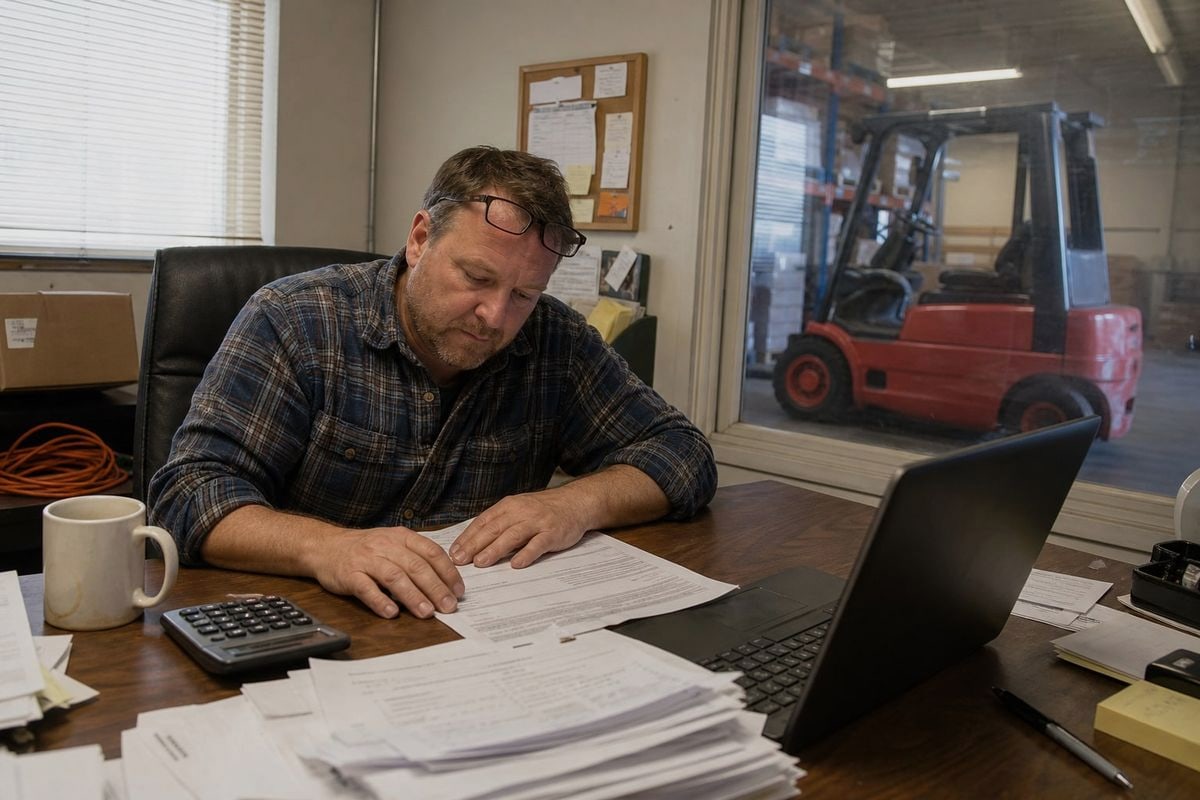
The total landed cost is the only number that matters for your resale margin. The factory price is just the starting point. For a heavy machine, freight and destination costs can add 20% or more to the invoice value. Here is how a typical single-forklift shipment breaks down under each term:
| Cost Item | FOB Quote | CIF Quote | DDP Quote |
|---|---|---|---|
| Forklift ex-factory price | Included | Included | Included |
| China trucking + export clearance | Included | Included | Included |
| trasporto marittimo | You arrange | Included | Included |
| Marine insurance | You arrange (full cover) | Included (minimum only) | Included |
| Destination terminal handling | Extra | Extra (often a surprise) | Included |
| Customs broker 3age | Extra | Extra | Included |
| Dazi e tasse di importazione | Extra | Extra | Included |
| Delivery to your door | Extra | Extra | Included |
| Cost visibility | Alto | Medio | Basso |
CIF quotes often look attractive because destination charges stay invisible until the vessel arrives at the port of discharge. Terminal handling, documentation fees, chassis fees, and demurrage can stack up fast. We have seen buyers hit with over a thousand dollars in unexpected arrival charges on a single container. Always ask your freight forwarder for a full destination cost estimate before accepting CIF.
DDP from China to the U.S. or Europe frequently costs 15–35% more than FOB plus destination services purchased separately. That premium buys convenience. Whether it is worth it depends on your volume, your experience, and your appetite for managing customs yourself.
Take every quote and convert it to the same finish line: forklift delivered to your warehouse, duties paid. Add the missing pieces to FOB and CIF quotes. Only then compare. This is the apples-to-apples check we run for every client before they sign a purchase contract.
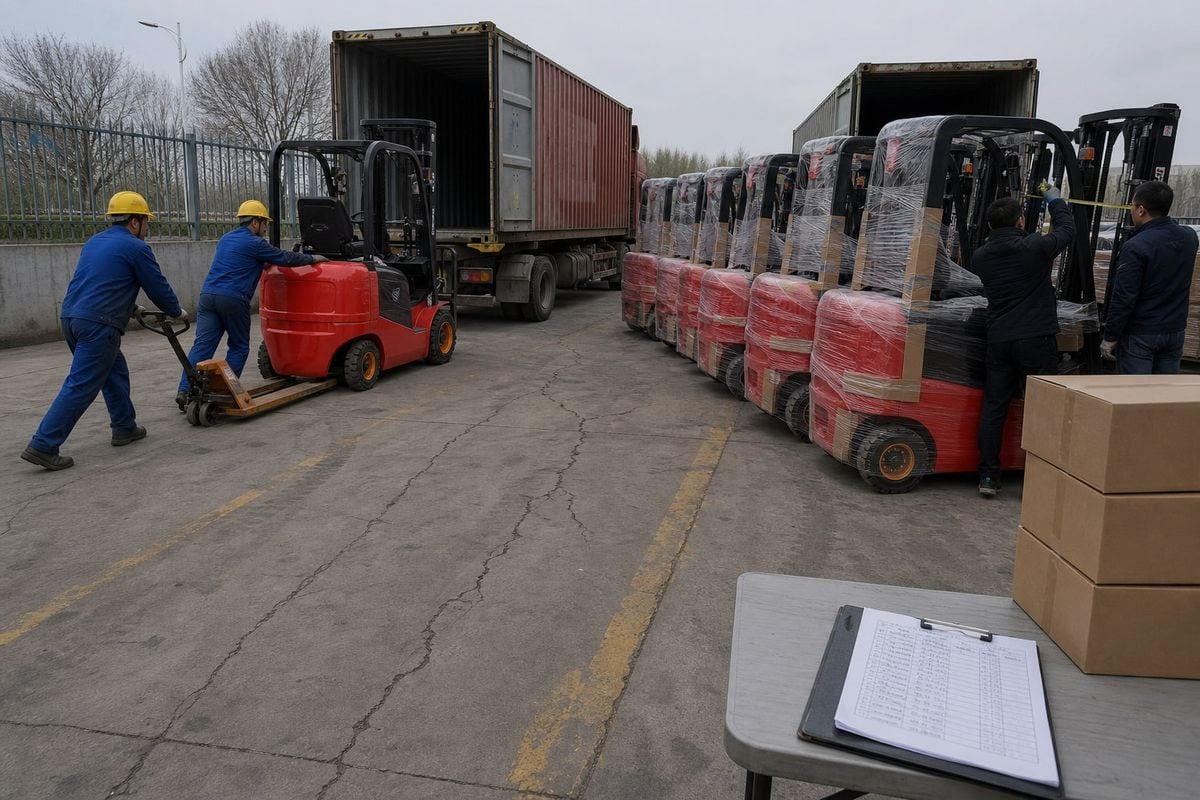
One lesson our loading team learned early: control over the freight leg is control over cargo safety. When buyers book their own container, we can enforce proper securing standards at origin.
FOB gives importers the most control over shipping electric forklifts. You choose the carrier, routing, transit time, insurance level, and customs broker. CIF gives partial control since the seller books freight. DDP gives the least control because the seller manages the entire supply chain.
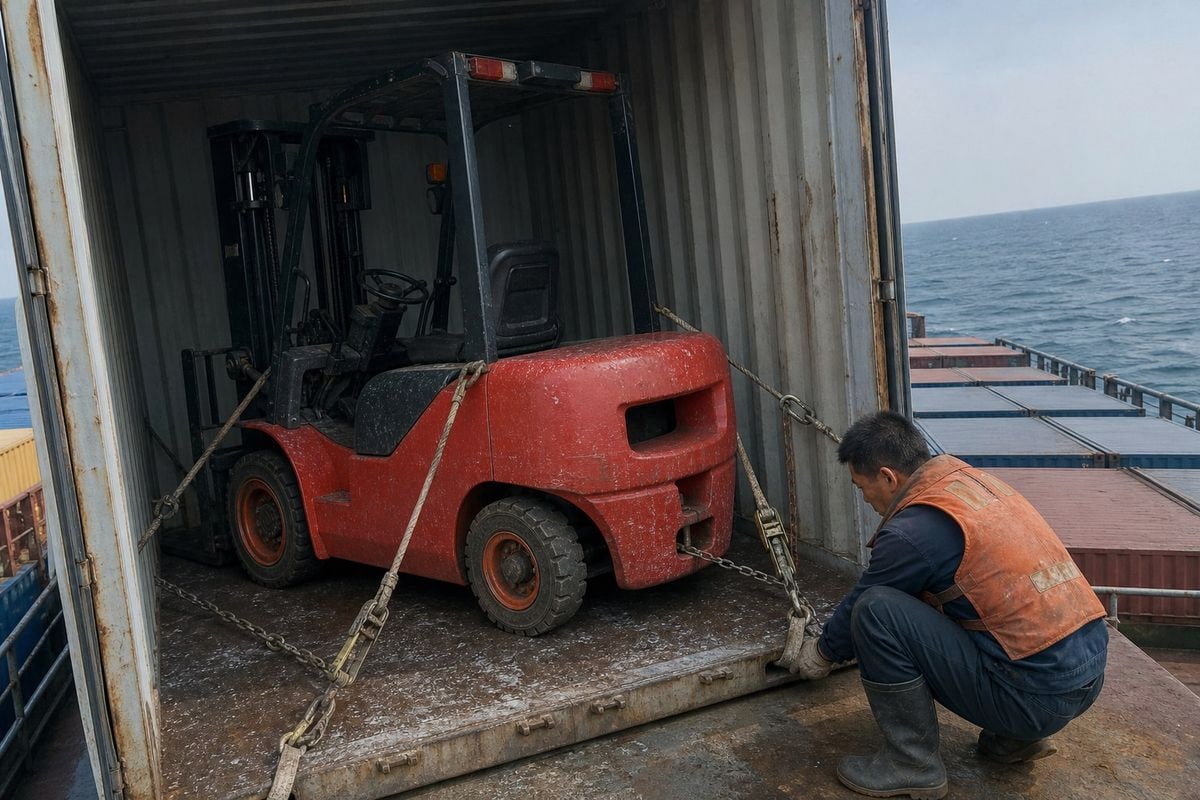
Control matters more for forklifts than for ordinary cargo. These are heavy machines that need proper container loading, blocking, and bracing. They arrive on tight project schedules. And they often carry lithium batteries that demand correct documentation. Here is why experienced importers keep choosing FOB, which remains the most commonly used Incoterm for imports from China by sea.
Under FOB, you or your freight forwarder pick the sailing, the carrier, and the transshipment route. That matters when a warehouse project or a rental contract depends on the arrival date. Under CIF and DDP, the seller usually picks the cheapest, slowest option because they carry the freight cost.
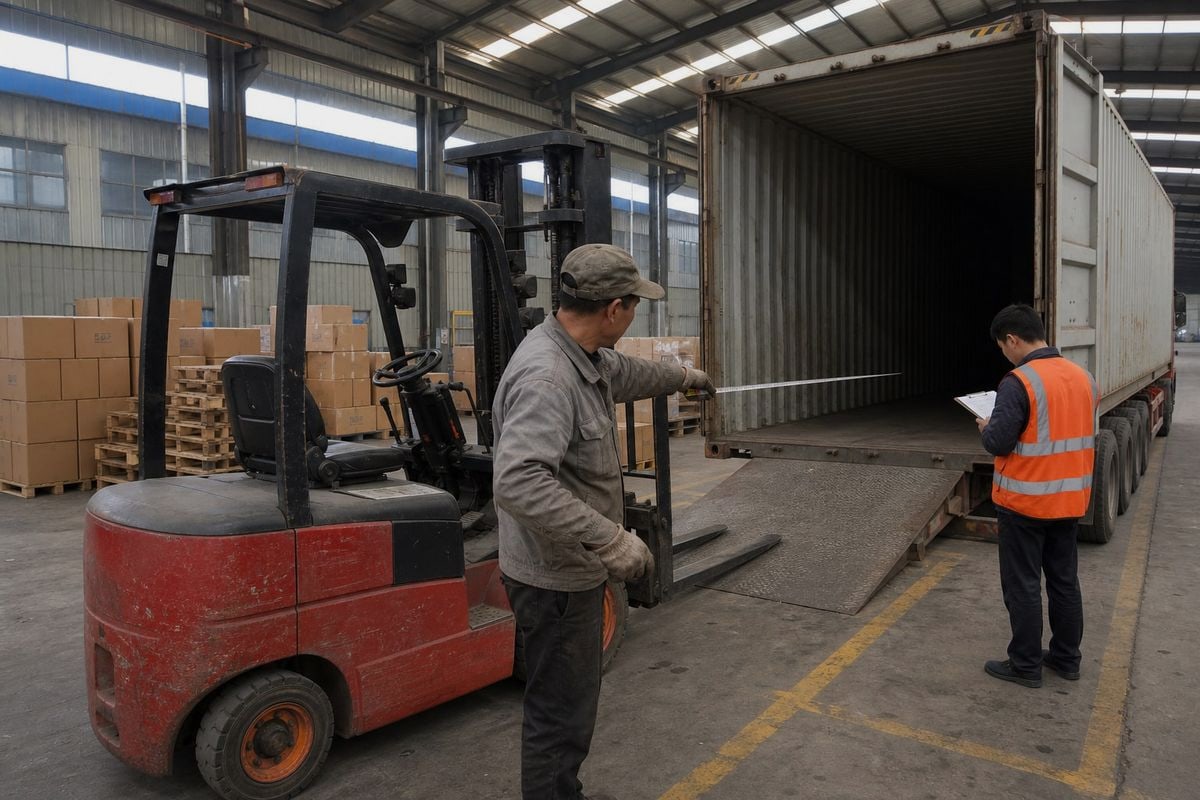
FOB gives you real quality control leverage at the dock. Your appointed forwarder can inspect the crating and securing before loading, and can refuse to load a forklift that shows damage or poor packing. We coordinate exactly this kind of dockside check for clients buying from factories they have never visited. Under DDP, the machine ships whether the packing is good or not, and you find out at your door.
FOB and CIF let you build a direct relationship with a local customs broker. That relationship pays off long term, because spare parts, batteries, and chargers keep flowing after the first forklift order. DDP sellers rarely support those follow-up parts shipments, so buyers who rely only on DDP never build their own import capability.
FOB control is only real if you have a competent freight forwarder. Without one, you inherit responsibility with no expertise behind it. That is precisely the gap a China-based forwarder fills: factory pickup, consolidation, container loading, export declaration, and coordination through to door-to-door delivery when you want it.
A dealer once came to us after a DDP shipment of lithium battery forklifts got stuck at origin. The seller's agent had skipped the dangerous goods declaration. The carrier refused the container.
DDP is worth it only when the seller or their agent has proven lithium battery compliance and a legal importer-of-record setup. If the dangerous goods documentation is mismanaged, the buyer can face port rejections, regulatory fines, or seized cargo, making DDP the riskiest option for electric forklifts.
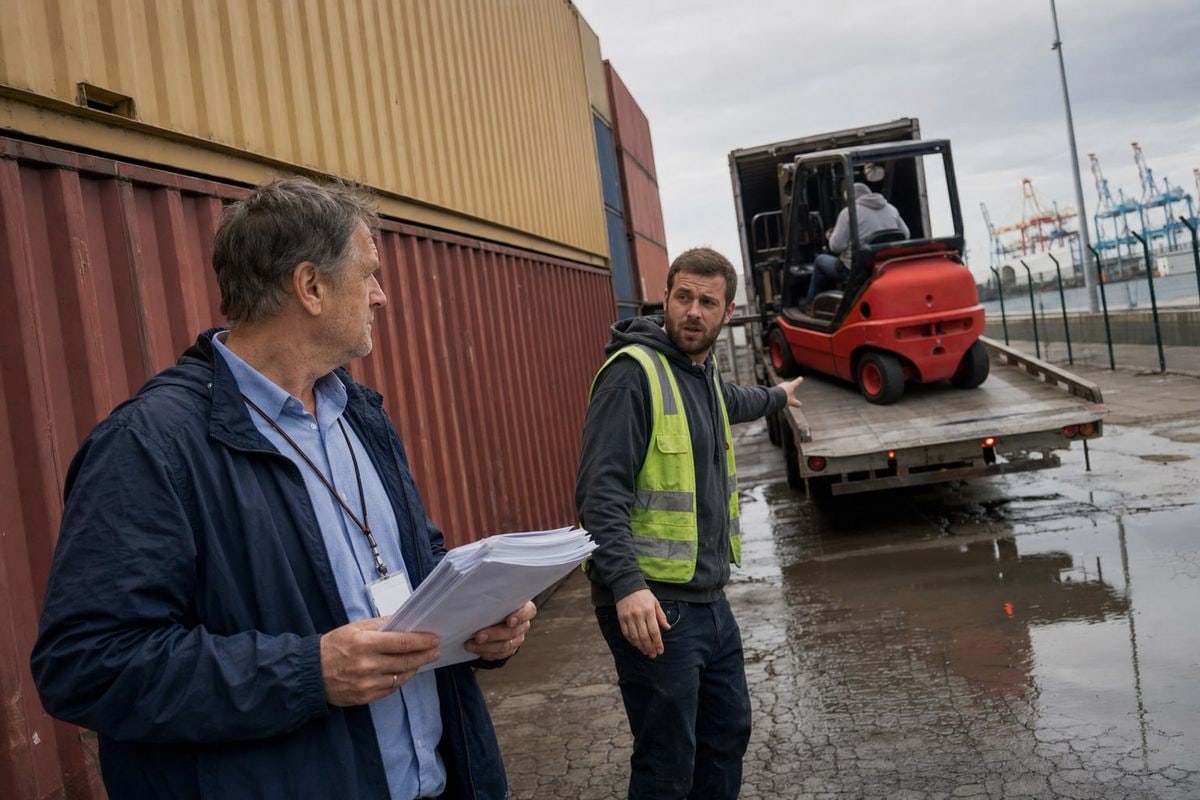
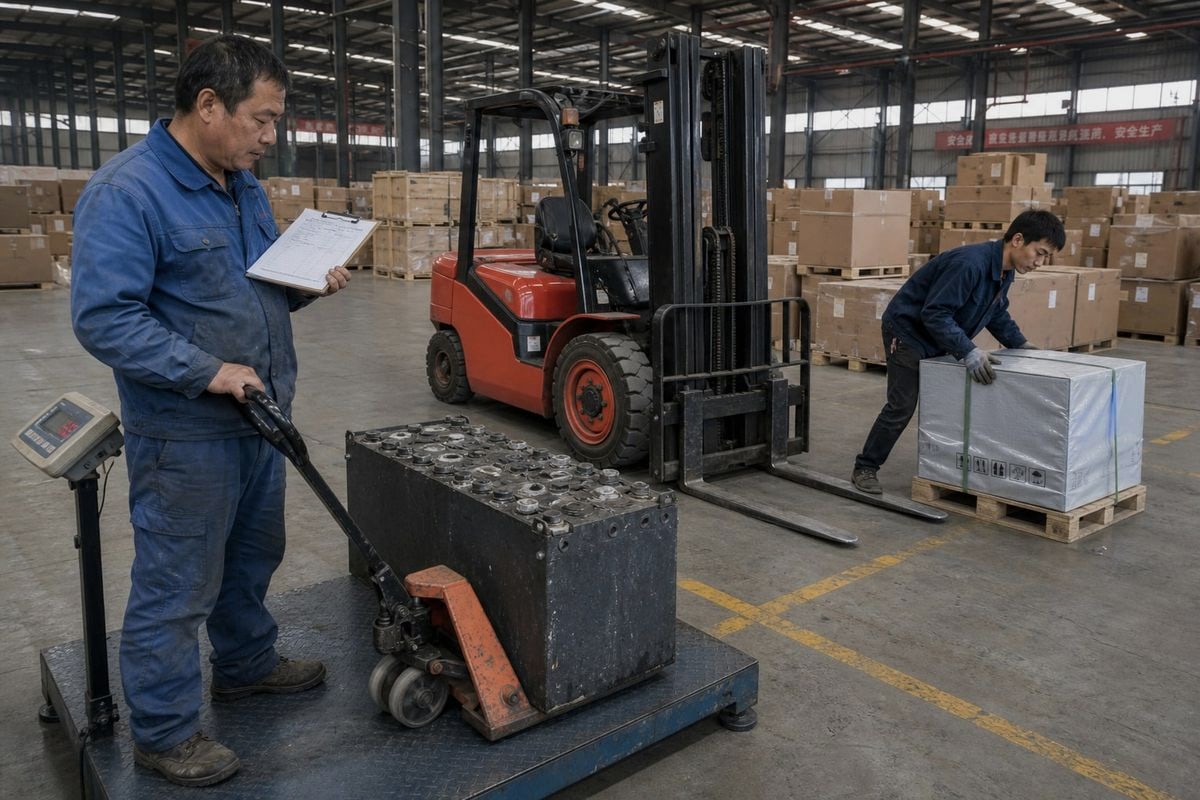
Electric forklifts with lithium batteries are classified cargo. Carriers require correct battery specifications, UN packaging references, and dangerous goods declarations 4 before acceptance. Under FOB, your forwarder verifies this before booking. Under DDP, you are trusting the seller's agent to get it right, and you may never see the paperwork until something goes wrong.
DDP is not always the wrong choice. It fits three situations well. First, low-volume or first-time importers who have no customs broker and no logistics network. Second, urgent replacement units where administrative simplicity beats freight optimization. Third, buyers protected from tariff surprises, because under DDP the seller is contractually responsible for all import duties and taxes until final delivery, including sudden tariff hikes or anti-dumping duties.
Run these checks before signing any DDP forklift contract:
| Check | Why It Matters |
|---|---|
| Who is the importer of record? | An improper IOR structure can lead to seized cargo or back taxes billed to you |
| Can the agent handle lithium battery DG documentation? | Missing declarations cause carrier rejection and port fines |
| Is duty payment documented and receipted? | Undervalued declarations create audit risk that lands on the buyer |
| Does the quote cover last-mile unloading? | Forklifts often need low-boy trailers or cranes; missing this causes failed deliveries and emergency surcharges |
| What happens on customs delay? | Storage and demurrage disputes are common when responsibility is vague |
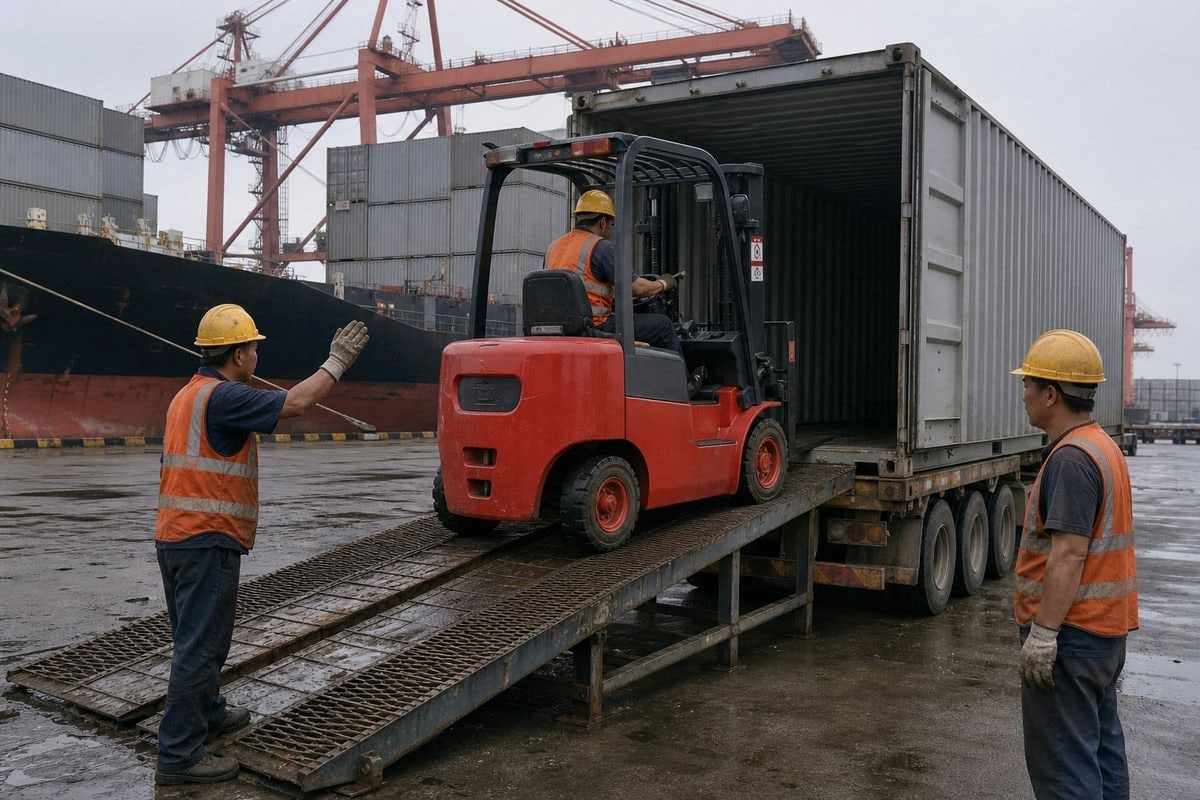
DDP quotes for heavy machinery frequently overlook specialized unloading. A forklift on a standard dry van cannot be rolled off at a facility without a dock. We plan flat racks, low-boy trailers, or liftgate solutions before the container ever ships. Confirm this detail in writing on any DDP quote.
Wrong Incoterm choices quietly drain forklift margins. Choose FOB for control and transparency, CIF for simplicity, and DDP only with verified compliance — and let an experienced China-side forwarder handle the rest.
1. The ICC Incoterms rules define the specific point of transfer of risk between buyers and sellers. ↩︎
2. Comprehensive overview of marine insurance which is a requirement for CIF shipping terms. ↩︎
3. Official portal for U.S. Customs and Border Protection providing regulations and guidance for commercial importers. ↩︎
4. IMO standards for the mandatory documentation required when transporting hazardous materials like lithium batteries. ↩︎