- +8618603825129
- [email protected]


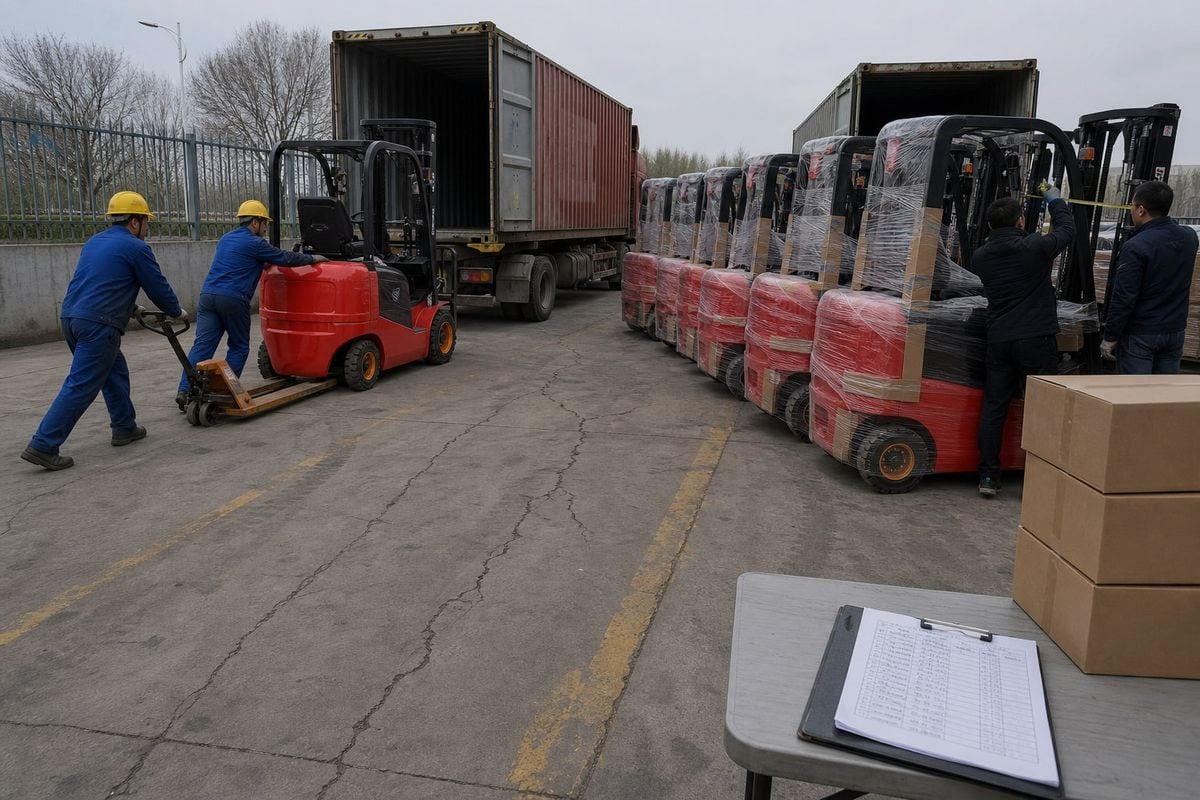
The cost to ship an electric forklift from China to Germany surprises many buyers. I have watched importers budget carefully for the machine, then get blindsided by freight, duties, and battery surcharges. When our team at MBMLOG loads forklifts into containers in Zhengzhou, we see the same story repeat: a great factory price, then a shipping bill nobody planned for. The good news is that the numbers are predictable once you know what to look for.
Shipping an electric forklift from China to Germany typically costs $1,500–$6,000+ by sea, depending on container size, route, and battery type. Add roughly $200–$400 for lithium battery dangerous goods handling, plus German customs duty, 19% import VAT, and port handling charges for the full landed cost.
That headline range covers a lot of ground. Below, I break down how quotes are built, which fees hide in the fine print, how lithium batteries change the math, and how consolidation cuts your per-unit cost.
Last month, a German dealer sent me a one-line request: "How much to ship a forklift to Hamburg?" I had to ask him eight follow-up questions before I could quote anything useful.
To get an accurate freight quote, provide the forklift's exact dimensions, weight, battery type, pickup location in China, and destination in Germany. Then request an all-in quote covering ocean freight, DG surcharges, customs clearance fees, and delivery, stated under a clear Incoterm like FOB, CIF, or DDP.
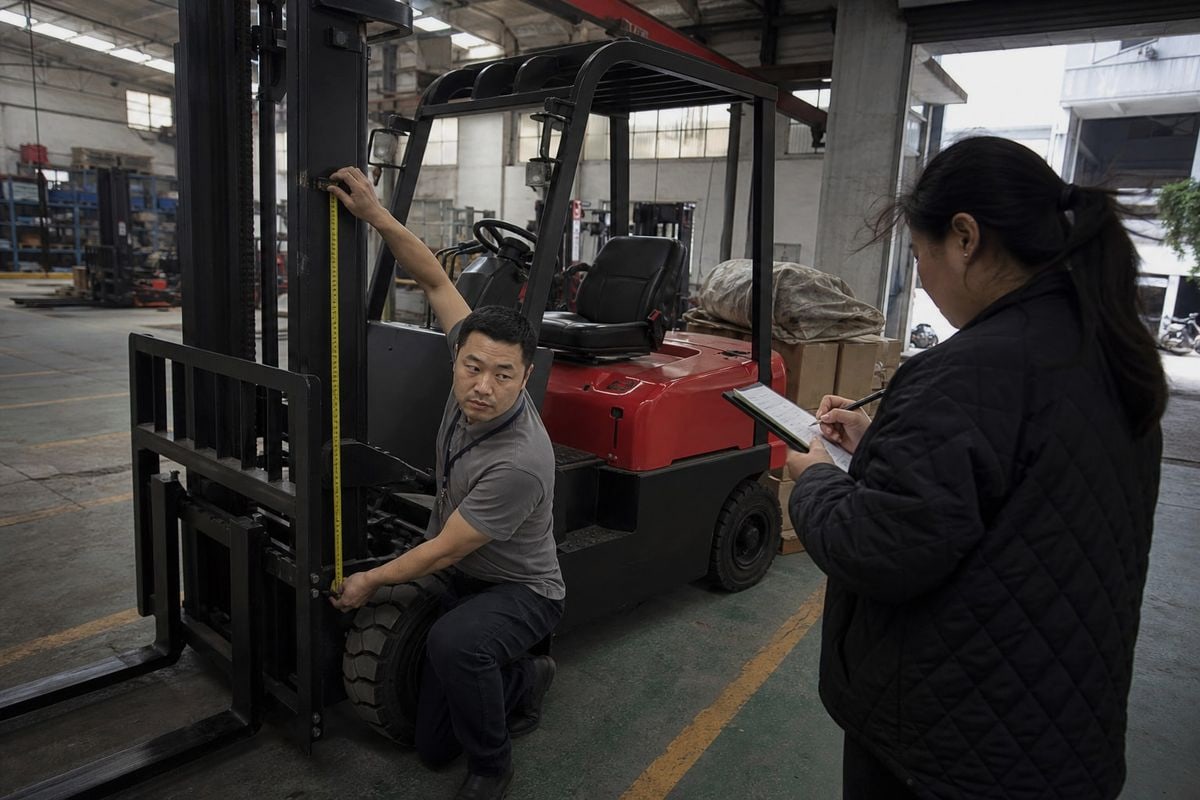
A vague request gets a vague number. A complete request gets a real budget. In our daily work coordinating forklift shipments, the difference between the two can be thousands of dollars in surprises.
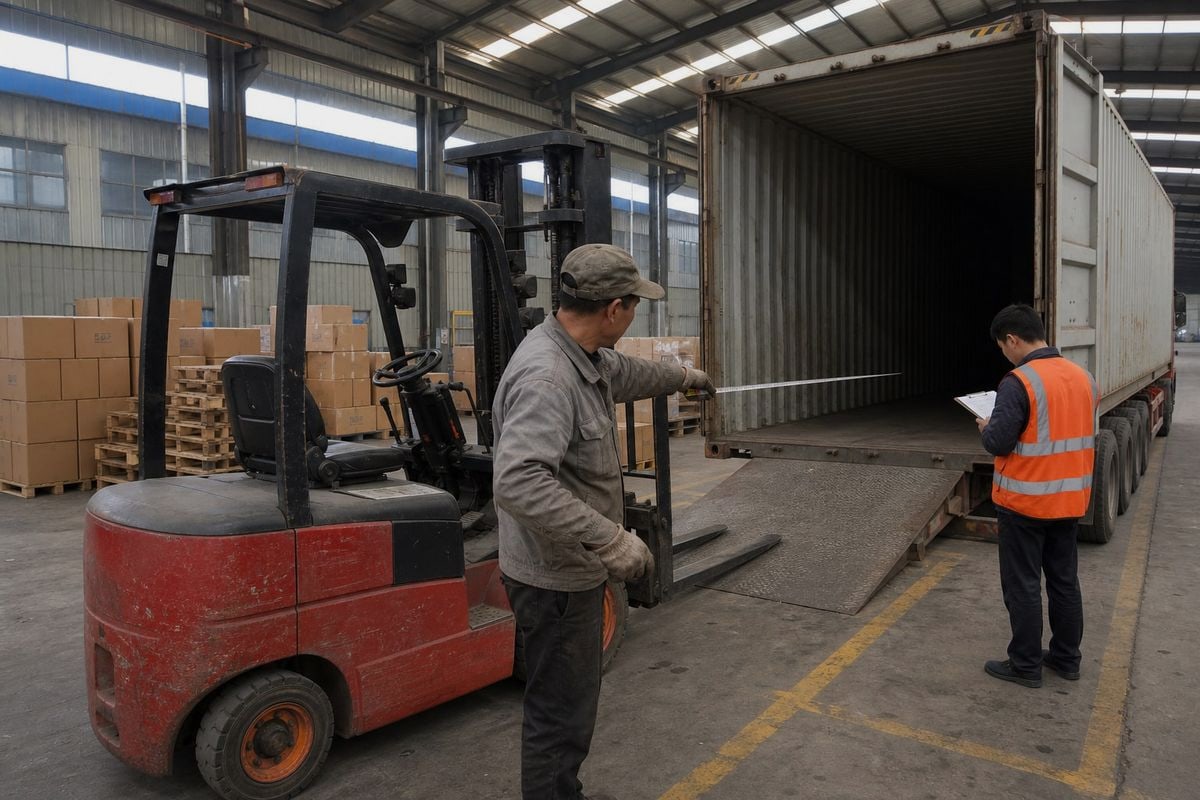
Before I can lock in sea freight rates, I need five things. First, the forklift model and its shipping dimensions, including the mast height. Second, the gross weight, since a 3-ton electric forklift can weigh over 4 tons itself. Third, the battery chemistry, because lithium changes carrier acceptance. Fourth, the factory location, because China inland pickup runs $200–$800 depending on the distance to port. Fifth, your delivery point in Germany, since door delivery adds trucking on top of port charges.
Different market conditions produce very different quotes. Some guides advertise 20ft containers at $800–$1,500, while real 2026 market snapshots into Hamburg and Bremen show $2,295–$2,805 for a 20GP and $4,095–$5,005 for a 40GP. These are not contradictions. They reflect timing, route, season, and service scope. Treat any single number as directional.
| Cost Item | Typical Range (USD) |
|---|---|
| China inland pickup | $200–$800 |
| Ocean freight, 20ft container | $1,200–$3,800 |
| Ocean freight, 40ft/40HQ container | $1,800–$5,800 |
| DG surcharge (lithium battery) | $200–$400 |
| Destination customs brokerage | $100–$300 |
| Port handling/local charges | $150–$500+ |
Sea freight is the default for forklifts because of their weight. Rail freight from China via the New Silk Road is a middle option at roughly $4,000–$7,000 for a 40ft container, cutting transit to about 14–25 days versus 30–45 days by sea. Air freight, at $4–$15 per kg, only makes sense for urgent spare parts or replacement battery packs, never a complete unit. The Ro-Ro shipping method exists for wheeled machinery, but containerized shipping usually protects a forklift better and prices more predictably on this route.
A client once forwarded me a competitor's quote that looked $900 cheaper than ours. When we listed everything it excluded, his real cost was $1,400 higher. That comparison taught him to read quotes line by line.
Beyond base ocean freight, expect German port handling charges of $150–$500+, customs brokerage of $100–$300, import duty of roughly 4.5% under HS Code 8427.10, 19% German import VAT on CIF value, possible Red Sea surcharges of $500–$1,000, and final-mile trucking.
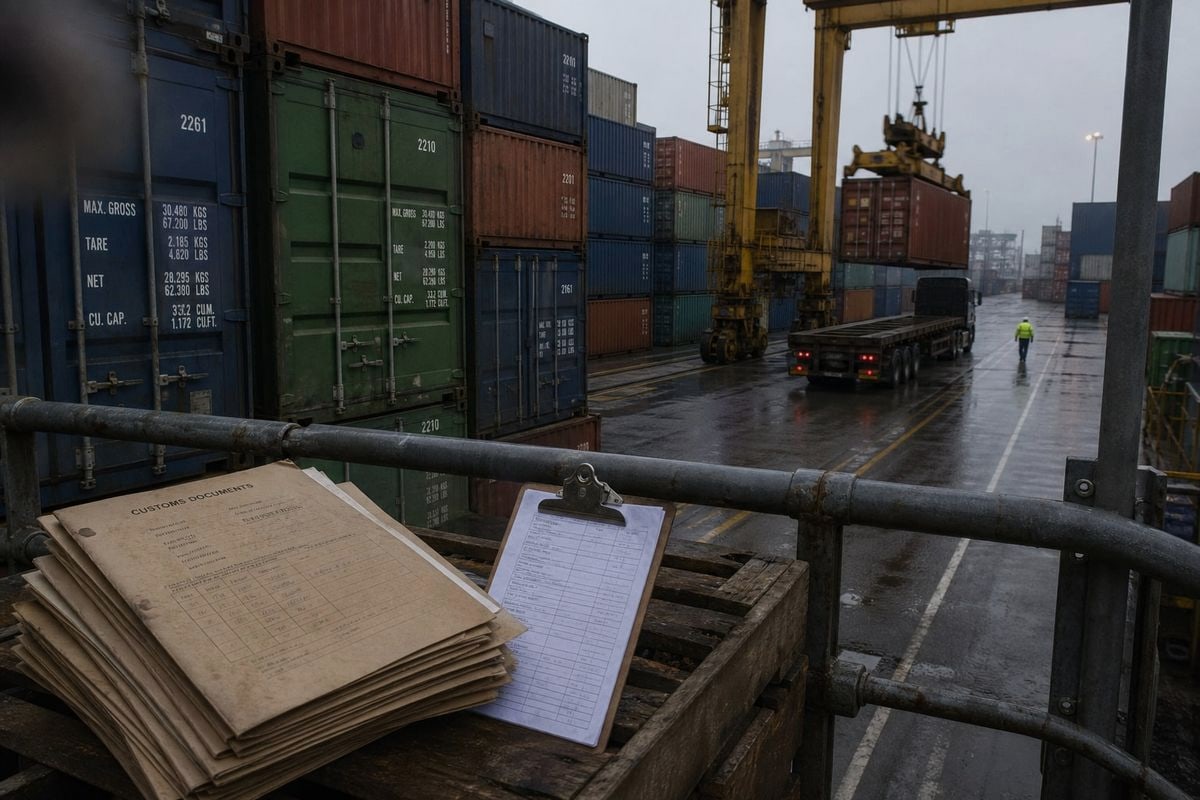
Freight cost and landed cost are two different numbers. The gap between them is where importers get hurt. Let me walk through the charges that low quotes conveniently leave out.
Most electric forklifts fall under HS Code 8427.10 2, which carries a standard EU third-country duty rate of approximately 4.5%. Then Germany applies 19% import VAT on the total CIF value — that means the forklift price plus insurance plus freight. On a $12,000 forklift with $3,000 freight, VAT alone approaches $2,900. Import VAT and duties routinely exceed the freight bill itself, which is why I tell every buyer to verify the HS code before booking. Watch new anti-dumping measures too. Regulations targeting Chinese-made mobile lifting equipment can add definitive duties of 30% or more if the classification catches your machine, so confirm the treatment of your specific model early.
Red Sea routing disruptions have pushed carriers to add surcharges of $500–$1,000 per container on Asia–Europe lanes. On the compliance side, the EU Battery Regulation (2023/1542) will require a Digital Battery Passport with a QR code for industrial batteries over 2 kWh starting in early 2027. The EU's CBAM definitive phase from 2026 also asks importers to document embedded carbon in the steel and aluminum frame. Neither is a freight charge, but both create administrative cost.
| Line Item | Estimate (USD) |
|---|---|
| 3-ton electric forklift, FOB China | $10,000 |
| Ocean freight, 40HQ share | $2,800 |
| Marine cargo insurance (~0.3%) | $38 |
| Lithium DG surcharge | $300 |
| EU duty (~4.5% on CIF) | $578 |
| German import VAT (19% on CIF + duty) | $2,551 |
| Port handling + brokerage + trucking | $700 |
| Estimated landed cost | ~$16,967 |
I also recommend marine cargo insurance on every forklift shipment. At roughly 0.3% of value, it is the cheapest protection in the whole chain.
The trade-off we weigh most often is this: lithium forklifts sell better in Germany, but they cost more and take more preparation to ship. We flag battery specs with the factory before the machine ever leaves the production floor, because fixing paperwork at the port is far more expensive.
Lithium battery forklifts are classified as Class 9 Dangerous Goods under UN3481, adding a $200–$400 DG surcharge plus mandatory UN38.3 test reports and an MSDS. Expect extra documentation time, stricter carrier acceptance, and slightly longer booking lead times compared with lead-acid models.
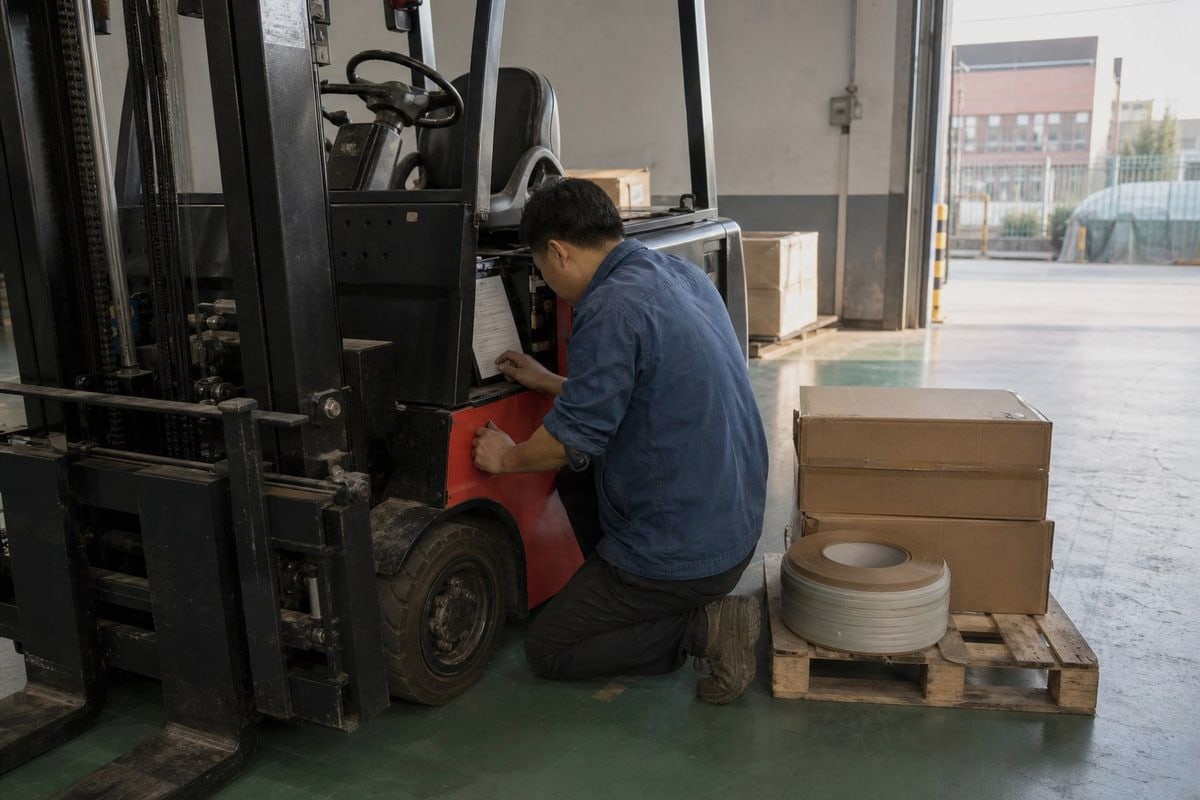
Lithium battery shipping regulations are the single biggest variable between two otherwise identical forklift shipments. Here is what changes when your machine carries a lithium pack.
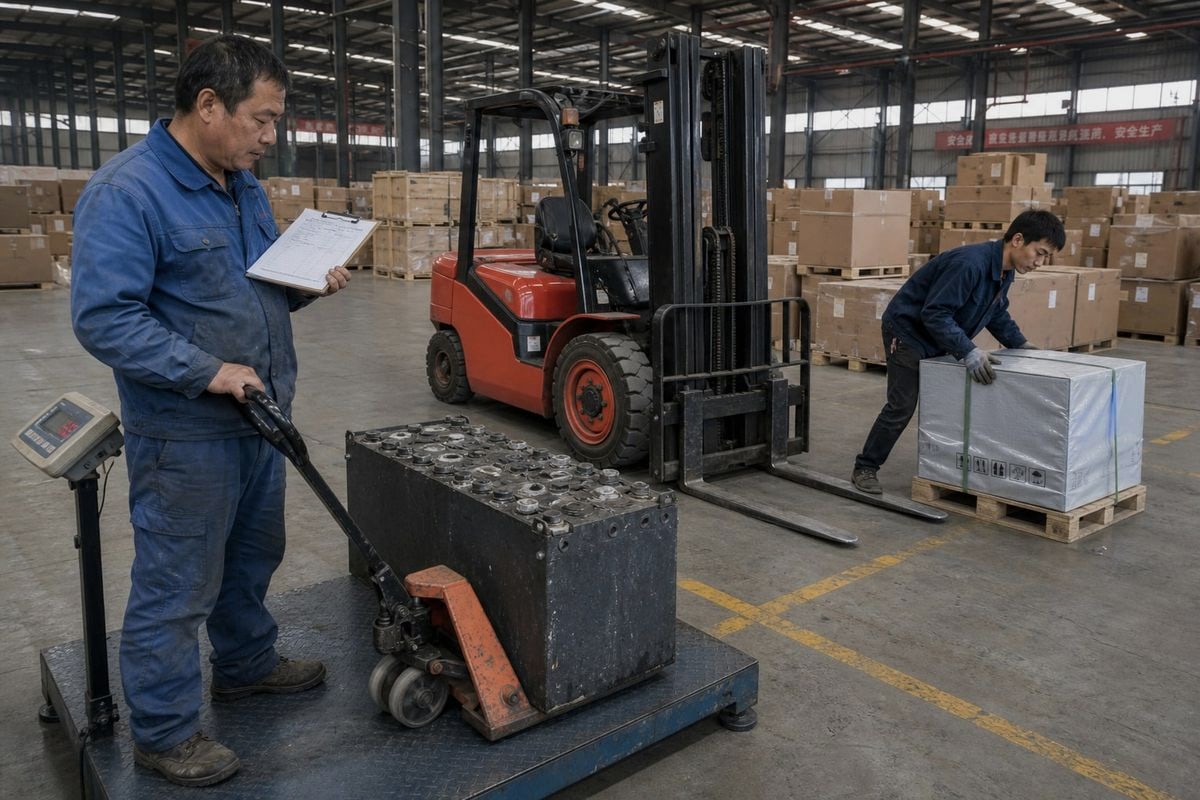
An electric forklift with a lithium-ion battery 3 ships as Class 9 Dangerous Goods under UN3481, which means the battery is contained in equipment. Carriers require a UN38.3 test report proving the cells passed transport safety testing, plus a Material Safety Data Sheet. Some carriers review the packaging and securing plan too. Not every vessel accepts DG cargo on every sailing, so booking windows tighten. In our experience coordinating lithium battery cargo handling, the paperwork itself is manageable — the risk is discovering a missing document after the forklift reaches the port. That mistake can cost weeks and storage fees.
Lead-acid forklifts generally face simpler carrier rules, though they bring their own weight and electrolyte considerations. Lithium models add:
On a per-unit basis, lithium adds a few hundred dollars in direct cost. The bigger financial risk is a rejected booking or a customs hold. My advice is simple: confirm the battery's DG status with your forwarder before you pay the factory deposit, not after.
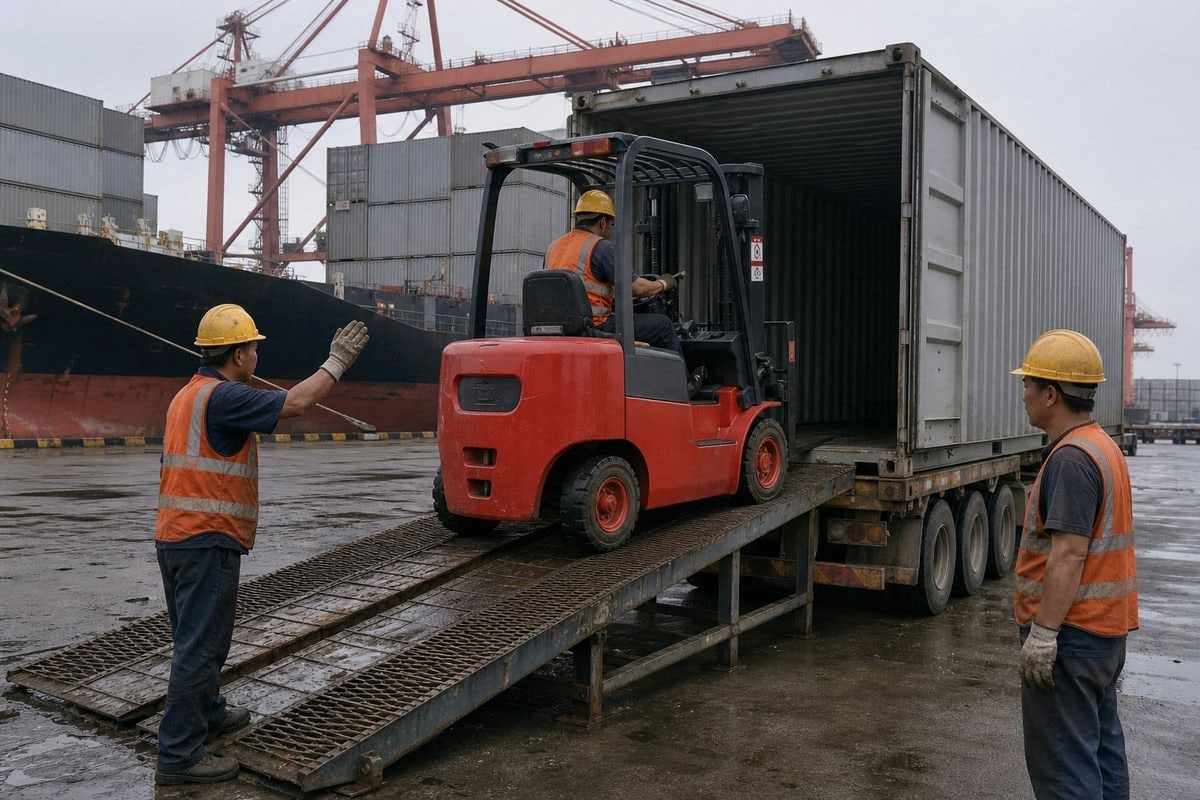
One of our German-market clients used to ship forklifts one at a time in 20ft boxes. When we reworked his loading plan into 40HQ containers with three units plus spare parts, his freight cost per forklift dropped by nearly half.
Yes. Consolidating multiple forklifts in one container cuts per-unit freight significantly. A 40HQ costing $2,500–$5,000 split across three units beats three separate 20ft shipments, and unused space can carry batteries, chargers, and spare parts from multiple suppliers at no extra ocean cost.

Container utilization is where procurement strategy beats simple rate shopping. The ocean freight for a container is largely fixed, so every extra machine inside it dilutes the cost.
Consider the FCL vs LCL shipping decision first. LCL runs roughly $40–$120 per CBM, which can work for a single compact pallet truck or stacker. But a full-size forklift is heavy and awkward, and LCL handling adds damage risk. For complete forklifts, FCL almost always wins once you have two or more units.
| Scenario | Container | Approx. Freight | Cost Per Forklift |
|---|---|---|---|
| 1 compact forklift | 20ft FCL | $1,500–$3,000 | $1,500–$3,000 |
| 1 forklift | LCL by CBM | $40–$120/CBM | Varies, higher risk |
| 3 forklifts | 40HQ FCL | $2,500–$5,000 | ~$830–$1,670 |
| 3 forklifts + parts | 40HQ FCL | $2,500–$5,000 | Lower effective cost |
A Cubo alto 40 piedi also enables "mast-on" shipping for many reach trucks. Keeping the mast assembled saves up to €1,200 in German labor costs for technical reassembly and hydraulic bleeding at destination. That saving alone can justify the HQ upgrade.
Multi-supplier consolidation multiplies the benefit. Many buyers purchase forklifts from one factory, batteries from another, and chargers or attachments from a third. We pick up from each supplier, consolidate at our warehouse, and load everything into one container with proper securing and weight distribution. Heavy machines sit low and centered; parts cartons fill the remaining space. One container, one customs entry, one delivery — and a much lower blended cost per unit.
Freight is only part of the bill. Budget $1,500–$6,000+ for sea freight, add duty, 19% VAT, and battery fees — then consolidate units to cut your true landed cost.
1. Official European Commission overview of import procedures and customs clearance requirements for goods entering the EU. ↩︎
2. Official EU TARIC consultation portal for verifying customs codes and duty rates. ↩︎
3. The UNECE provides the global regulatory framework for the transport of dangerous goods, including lithium-ion batteries. ↩︎