- +8618603825129
- [email protected]


Dangerous goods surcharges for electric forklift shipping surprise many importers I work with. A quote looks clean, then hazmat shipping fees appear late, and suddenly the landed cost math falls apart.
Dangerous goods surcharges for electric forklift shipping typically range from $200–$400 per ocean booking when the lithium battery forklift is classified as Class 9 hazardous materials. Actual fees vary from about $27 per shipment to $500+ per container depending on carrier, mode, and route.
That range is a benchmark, not a promise. Below, I break down what drives these fees, how to budget for them, and how to avoid the surprises that cost my clients real money.
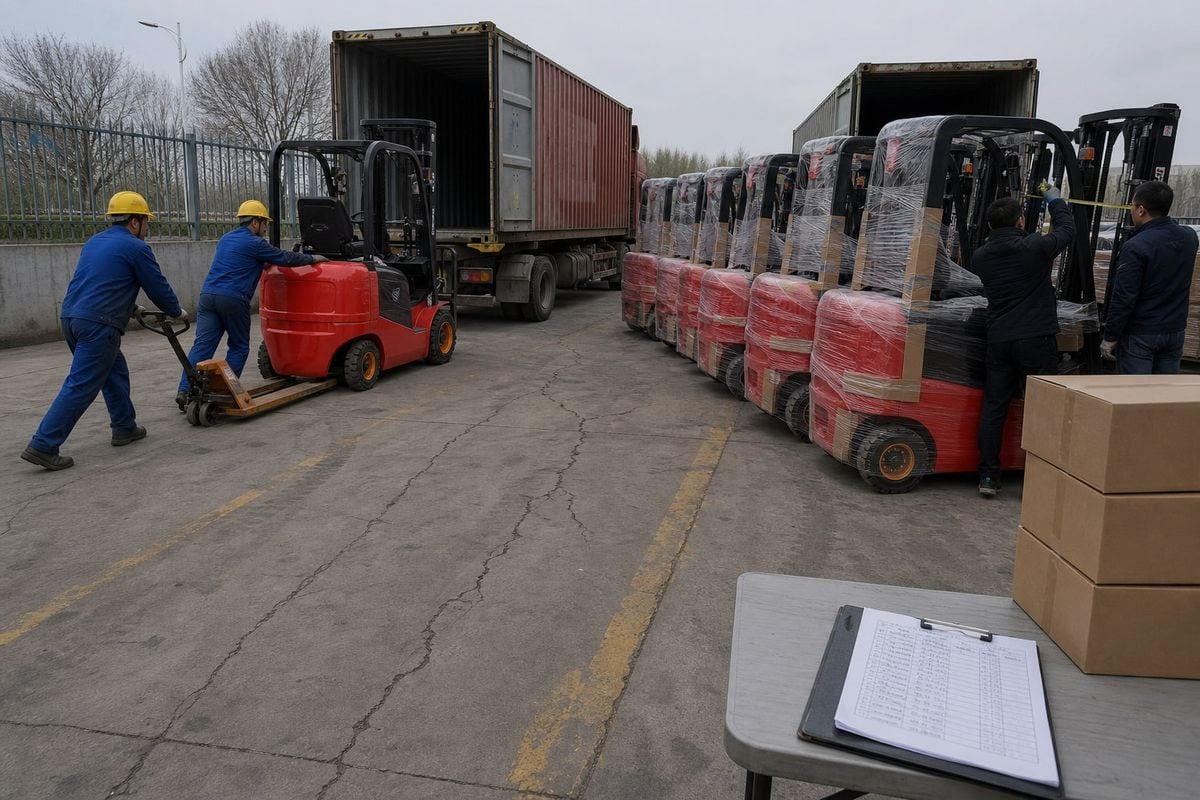
Last quarter, our Zhengzhou team booked containers of lithium battery forklifts 1 for a US dealer. His biggest question was not the freight rate. It was the DG surcharge line.
Budget $200–$400 per booking for lithium battery forklifts shipped by ocean from China as Class 9 dangerous goods. Add $50–$200 for dangerous goods declaration and documentation review, plus possible terminal hazardous cargo charges depending on the port and carrier.
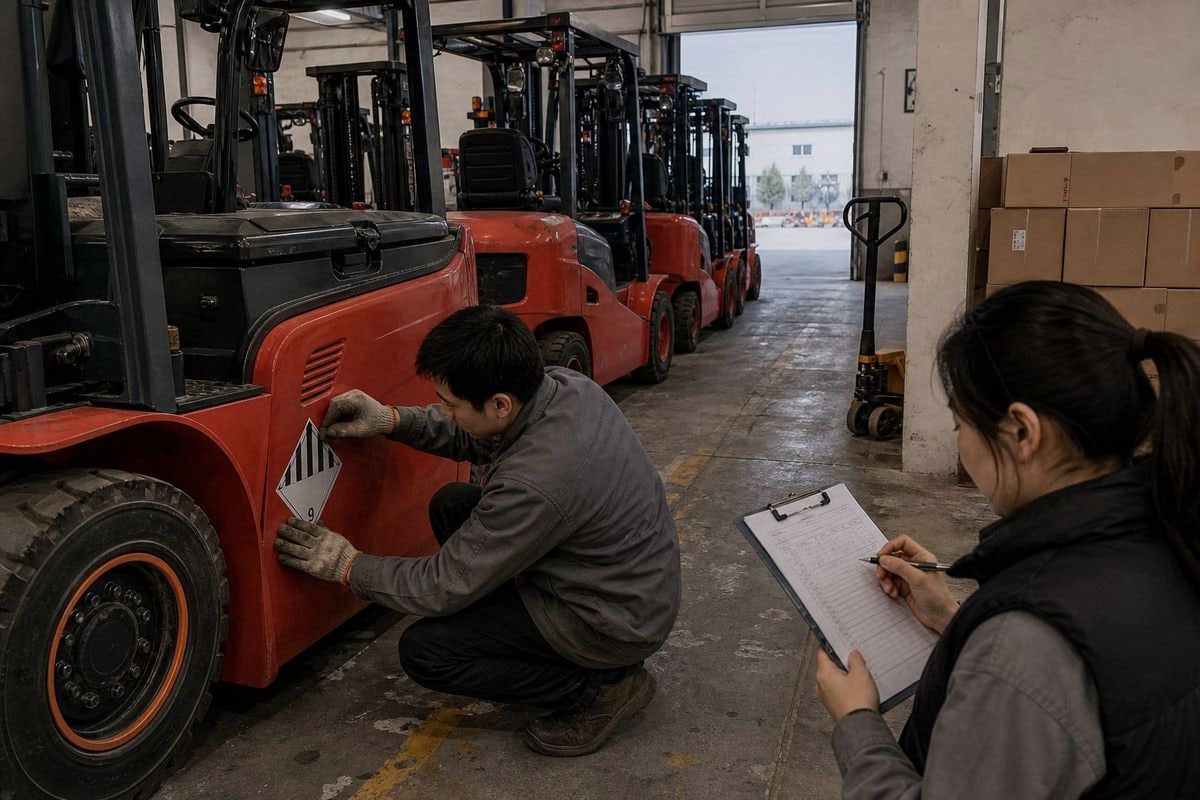
The $200–$400 per booking figure is the most stable market reference for ocean shipments of lithium battery forklifts from China. It appears consistently in current shipping guides, and it matches what we see on real bookings from Chinese ports. But you should not treat it as your only DG cost line.
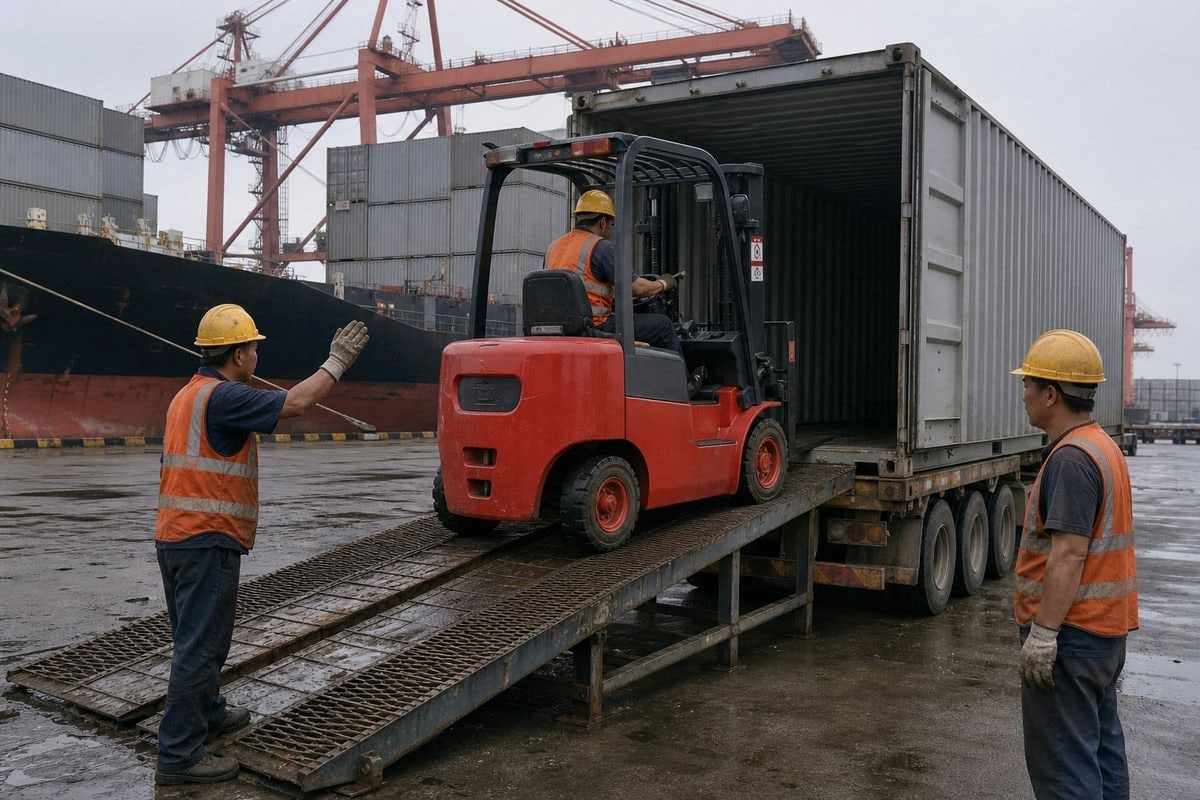
The surcharge covers real work. Carriers must review your dangerous goods declaration, verify your Safety Data Sheet 2, assign compliant stowage on the vessel, and use trained staff for handling. Under IMDG Code requirements, lithium battery forklifts sail as Class 9 hazardous materials 3, which limits which vessels and slots the carrier can offer you.
Here is how the surcharge landscape looks across carriers and modes:
| Carrier / Mode | Typical DG Charge | Basis |
|---|---|---|
| Ocean booking, China origin (lithium forklift) | $200–$400 | Per booking |
| Hapag-Lloyd DG premium (2025) | USD 200 / EUR 170–210 | Per contenitore |
| Crowley hazardous cargo | $250 port-to-port / $700 intermodal | Per contenitore |
| CMA CGM US hazardous scope | $175 per 20' / $300 per 40' | Per contenitore |
| DHL Express UK (Full DG) | £85 | Per shipment |
| FedEx special handling | $73 | Per package |
| Dohrn domestic ground | $27 | Per shipment |
Notice the spread. A domestic LTL hazmat accessorial can be as low as $35–$150 per shipment, while some ocean carriers now apply flat EV surcharges reaching $500 per vehicle for battery-powered machinery. When we quote a forklift shipment, we always name the carrier and the surcharge basis up front, because the difference between "per booking" and "per container" matters a lot on a three-container order.
Processing the Shipper's Declaration of Dangerous Goods 4 and the Material Safety Data Sheets adds another $50–$200 per bill of lading. Budget for it separately.
A client once showed me two quotes for nearly identical forklifts: one carried a $27 hazmat line, the other $700. Neither quote was wrong. The mode and routing were different.
Dangerous goods fees vary because carriers price by mode, route, UN classification, and charging basis. Ocean carriers charge per container, express carriers per package or shipment, and LTL carriers per shipment. Battery condition and whether the battery is installed also shift the classification and cost.

The single biggest driver is how the battery is classified. An electric forklift shipped fully assembled usually moves under UN3171, battery-powered vehicle. That generally attracts lower surcharges than shipping the battery separately under the UN3480 classification for lithium-ion batteries. This is a real planning lever. When customers buy forklifts from Factory A and spare batteries from Factory B, we always flag that the loose batteries will carry stricter handling than the installed ones.
In our lithium battery cargo handling work, we also watch carrier compliance surcharges that change with tariff updates. A surcharge published in a December tariff may not match the number from six months earlier. That is why we re-verify DG fees at booking time, not at quoting time.
One trade-off we weigh on almost every multi-unit quote is container mode. FCL versus LCL changes not just the freight rate, but how the DG surcharge lands on your invoice.
Yes, FCL usually lowers the DG cost per forklift because the $200–$400 surcharge applies per booking or container, not per unit. Loading three forklifts in one 40FT container splits the surcharge three ways, while LCL shipments face DG acceptance limits and per-shipment fees.
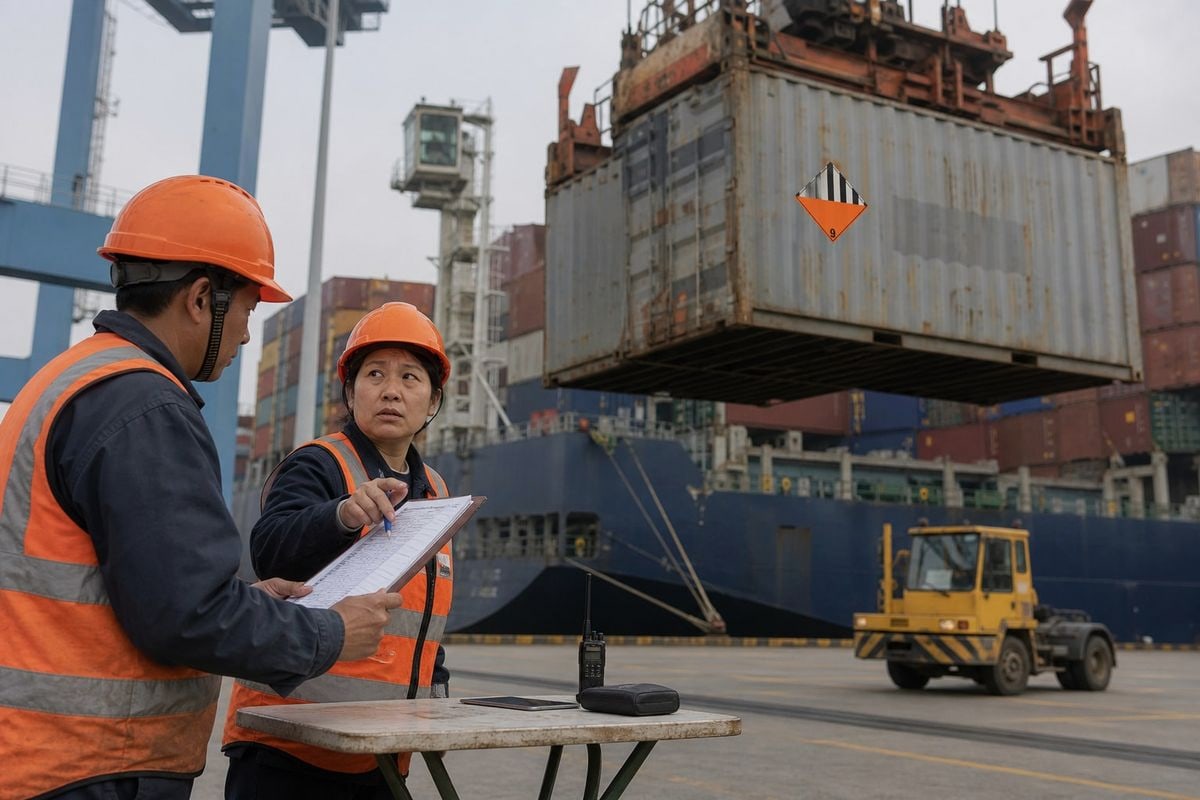
Let me show the math we run for customers. Assume a $300 DG surcharge per container plus $150 in documentation fees per bill of lading.
| Scenario | Units | DG + Doc Cost | Cost Per Forklift |
|---|---|---|---|
| 1 forklift, LCL | 1 | ~$450 + consolidation DG handling | $450+ |
| 1 forklift, 20FT FCL | 1 | ~$450 | $450 |
| 3 forklifts, 40FT FCL | 3 | ~$450 | ~$150 |
| 5 units + parts, 40HQ FCL | 5 | ~$450 | ~$90 |
LCL means your forklift shares a container with other shippers' cargo. Many consolidators restrict or refuse Class 9 hazardous materials because dangerous goods require segregation from incompatible cargo under IMDG Code requirements. When a consolidator does accept a lithium battery forklift, the DG handling fee is often passed through at a per-shipment rate with a markup, and sailings are less frequent.
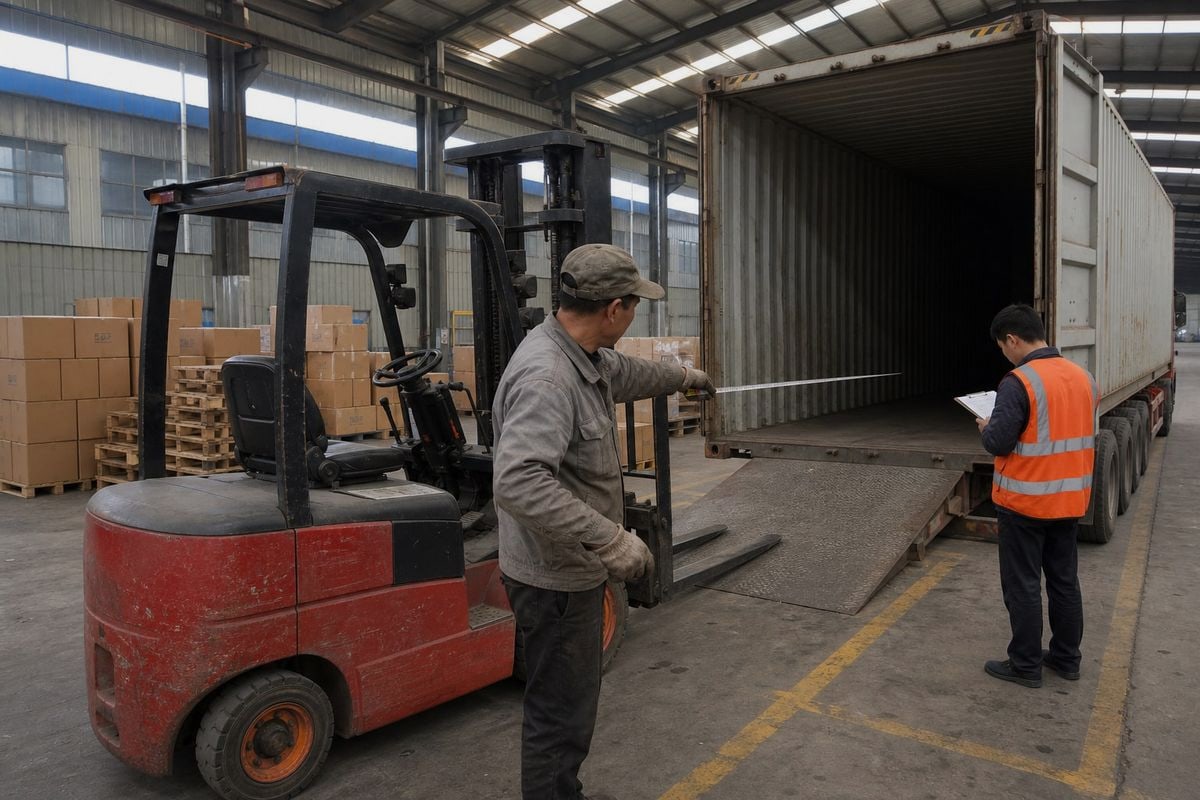
FCL avoids the co-loading problem entirely. You control the container, and we control the loading plan. In our container loading work, we position forklifts for weight distribution, secure them with lashing and blocking, and use remaining space for chargers and spare parts. Filling dead space with accessories does not increase the DG surcharge, but it drops your logistics cost per unit substantially.
FCL does not always win. For a single compact pallet truck, LCL may still be cheaper overall even with a higher effective DG rate. We compare the full picture: base freight, freight class for forklifts on any US inland leg, DG fees, destination charges, and delivery. The surcharge is one line, not the whole story.
The most expensive lesson I have seen a buyer learn came from one missing document. His forklift sat at origin for eleven days because the battery specification sheet did not match the dangerous goods declaration.
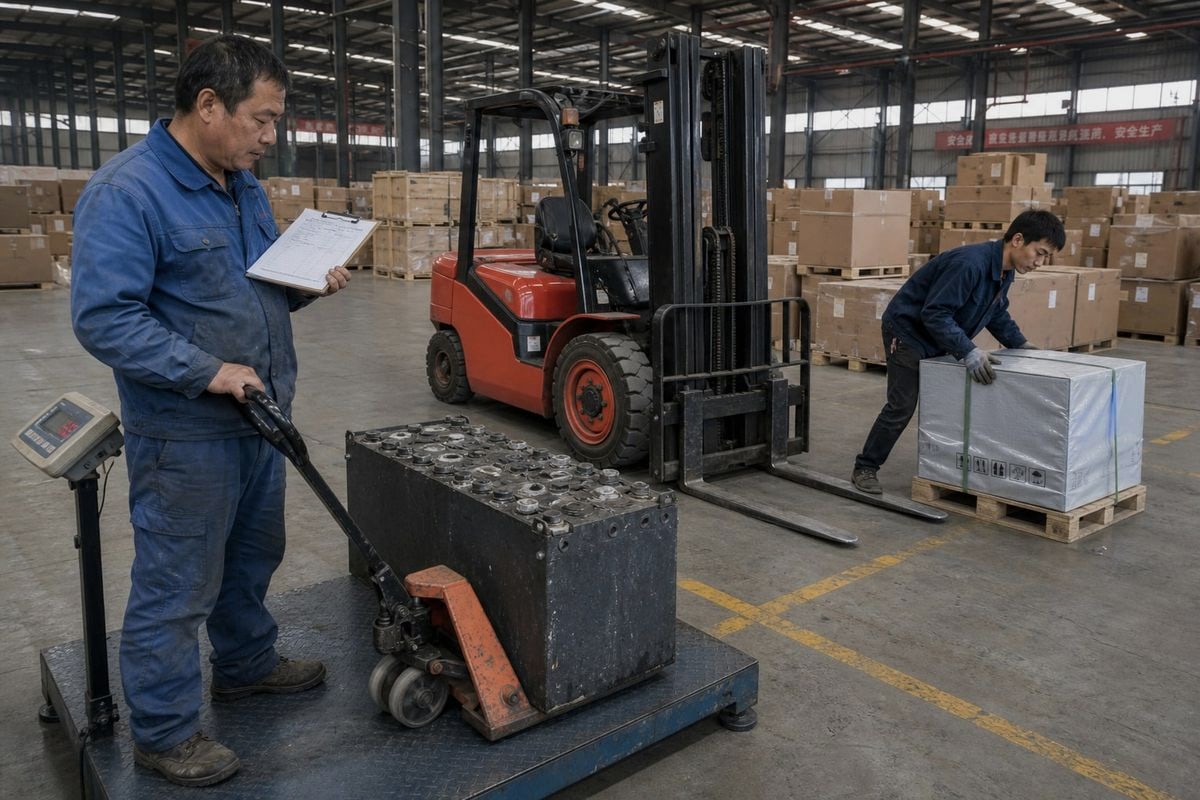
You need a dangerous goods declaration, a Safety Data Sheet for the battery, UN38.3 test summary, correct UN number and Class 9 marking on the bill of lading, and a commercial invoice with matching battery specifications. Inconsistent documents trigger re-inspection fees, storage charges, and rebooking costs.
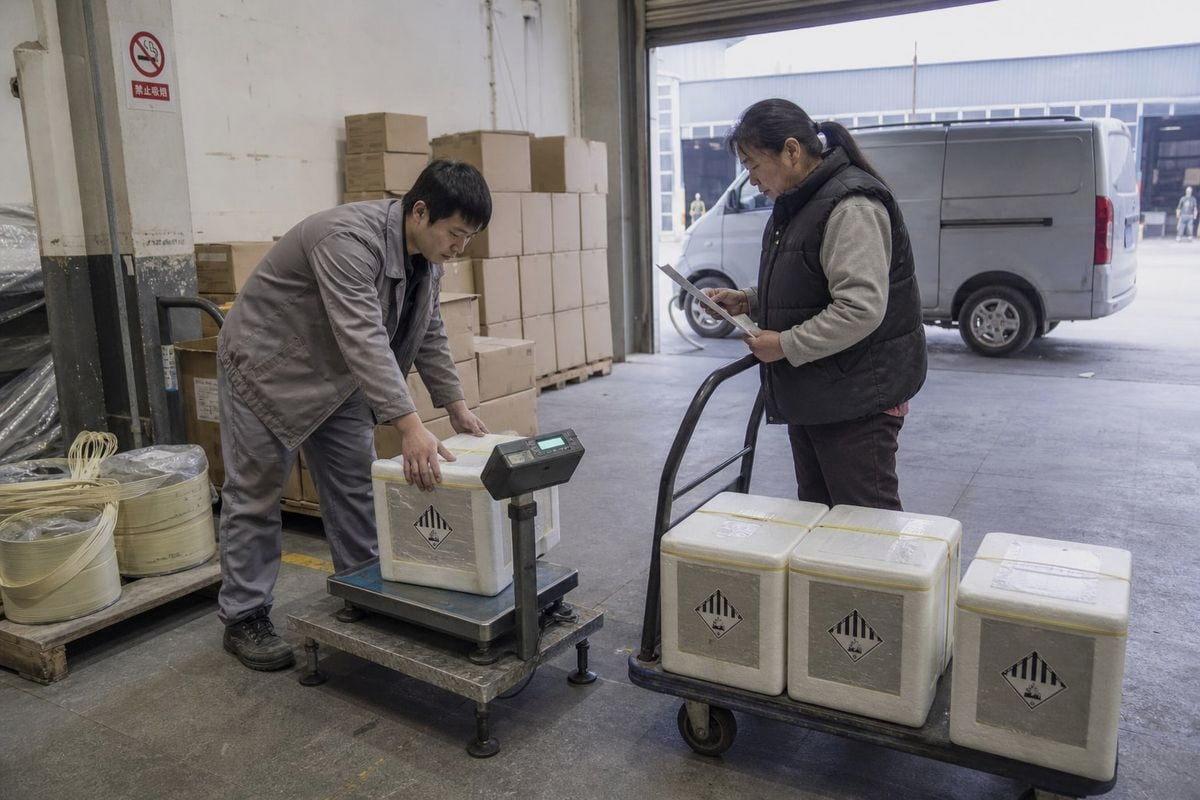
Surcharges you plan for are fine. Fees you did not plan for are the real problem. Most unexpected DG costs come from documentation gaps, not from published tariffs. Here is the core paperwork checklist we run before any lithium battery forklift leaves a Chinese factory:
| Documento | Scopo | Common Error |
|---|---|---|
| Dangerous Goods Declaration | Declares UN3171 classification to carrier | Wrong UN number or missing signature |
| Safety Data Sheet | Details battery chemistry and hazards | Outdated version or wrong battery model |
| UN38.3 Test Summary | Proves battery passed transport safety tests | Supplier cannot provide it at all |
| Polizza di carico | Must show Class 9 and proper shipping name | Declared as general cargo |
| Commercial Invoice / Packing List | Customs valuation and item description | Battery specs conflict with SDS |
If your declaration says one battery model and the Safety Data Sheet says another, the carrier can reject the booking. You then pay rebooking fees, trucking detention, and possibly warehouse storage while corrections are made. At destination, customs may hold the container for inspection, and port storage plus demurrage stack up daily. These "indirect surcharges" often exceed the DG fee itself.
Two forward-looking points matter here too. First, air freight imposes a mandatory 30% state of charge limit on lithium batteries, which creates an indirect surcharge in the form of labor to discharge the battery before pickup and recharge it after delivery. Second, upcoming EU Battery Passport mandates in 2026–2027 are expected to introduce data compliance surcharges for shipments lacking digital records of energy density and battery chemistry. If you sell into Europe, ask your supplier now whether they can provide that data.
Our process at MBMLOG is to collect and cross-check battery specifications, lithium-ion battery regulations compliance documents, and shipping paperwork directly with the factory before cargo moves. Catching a mismatch at the factory costs nothing. Catching it at the port costs hundreds.
Dangerous goods surcharges for electric forklift shipping usually run $200–$400 per ocean booking. Classify correctly, consolidate into FCL, verify documents early, and the fee stays predictable and small.
1. Official US government safety resources and regulations for transporting lithium batteries. ↩︎
2. UN agency providing international standards and documentation requirements for dangerous goods transport. ↩︎
3. Official IMO page for the IMDG Code governing maritime dangerous goods shipments. ↩︎
4. Official IATA page providing standards and forms for the international air transport of dangerous goods. ↩︎