- +8618603825129
- [email protected]


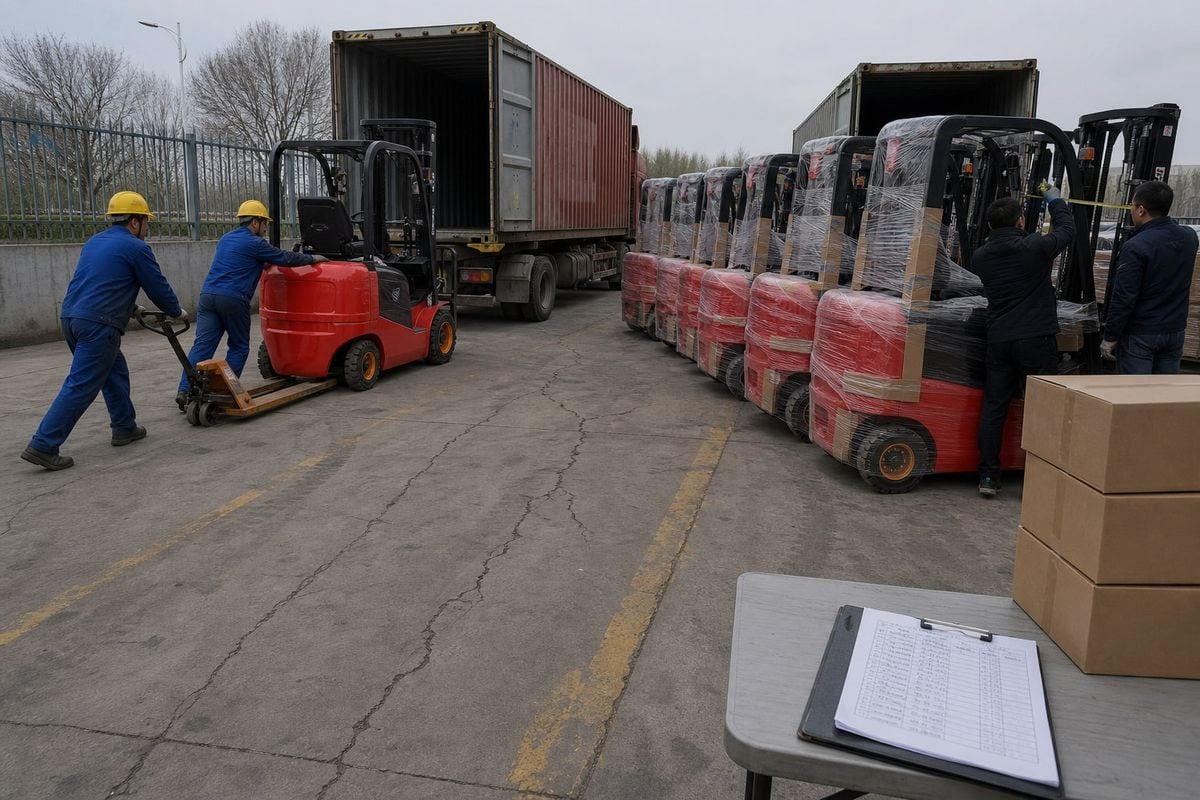
Forklift shipping documents make or break a smooth import HTS code 8427 1. On our loading docks in Zhengzhou, I have watched one missing paper hold a container for two costly weeks.
Forklift shipping documents importers need include a commercial invoice, packing list, bill of lading, certificate of origin, insurance certificate, and specification sheet. Electric models add UN38.3 test summaries and MSDS files. Prepare everything before vessel cut-off to avoid customs clearance delays.
Below, I walk through each document, the battery paperwork for electric units, the mistakes I see most often, and a timeline that keeps your container moving.
A distributor in Texas once asked me to list every paper his broker would demand. I sent him our internal checklist, and his clearance went through in one day.
To import an electric forklift from China, you need a commercial invoice with HTS code 8427, a detailed packing list, a bill of lading, a certificate of origin, an insurance certificate, a product specification sheet, and battery documentation for lithium-powered units.
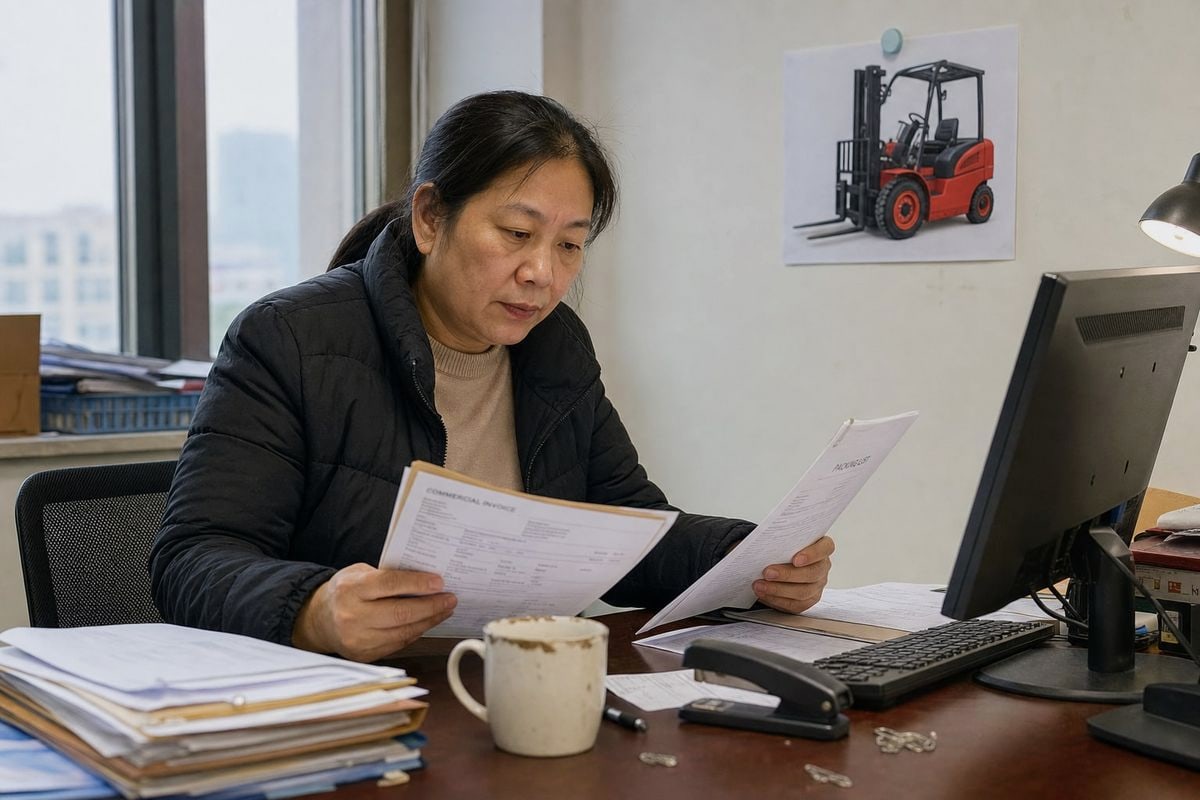
Every document in this set does a specific job. If one is weak, the whole shipment slows down. Let me break the core set into a simple table first, because most importers I work with want the overview before the detail.
| Documento | Scopo | Key Detail to Verify |
|---|---|---|
| Fattura commerciale | Declares value for duties | Model, unit price, HTS code (typically 8427), Incoterms 2020 2 |
| Lista di imballaggio | Describes physical cargo | Serial numbers, mast height, weights, accessories |
| Polizza di carico | Contract of carriage and release document | Consignee, notify party, cargo description |
| Certificato di origine | Confirms manufacturing country | Matches invoice and supports tariff treatment |
| Certificato di assicurazione | Covers loss or damage | Coverage value versus cargo value |
| Specification Sheet | Helps customs verify classification | Voltage, capacity, battery type |
The commercial invoice is the document customs reads first. It must state the forklift model, quantity, unit value, total value, and the agreed Incoterms 2020 term, because Incoterms decide who pays freight, insurance, and import duties. The packing list should go further than most suppliers write it. I always push factories to include the serial number, collapsed and extended mast height, and individual component weights.
The bill of lading is your proof of ownership and your release key at the destination port. For air shipments of parts, an air waybill plays the same role. The certificate of origin matters more than people think. It verifies the manufacturing location and can qualify your cargo for preferential tariff rates under trade agreements.
For used forklifts, add two more items: proof of ownership or title, and a certified biosecurity cleaning statement showing the chassis and tires were steam-cleaned to remove soil and organic pests. Some destinations inspect for this strictly.
The hardest trade-off we weigh on every electric forklift booking is speed versus carrier acceptance. Rushing a lithium battery shipment without complete papers almost always costs more time, not less.
For lithium battery forklifts, obtain the UN38.3 test summary and Material Safety Data Sheet from the battery maker before booking. Confirm whether the battery ships installed or separately, declare the correct UN number, and submit all files to the carrier for dangerous goods acceptance.
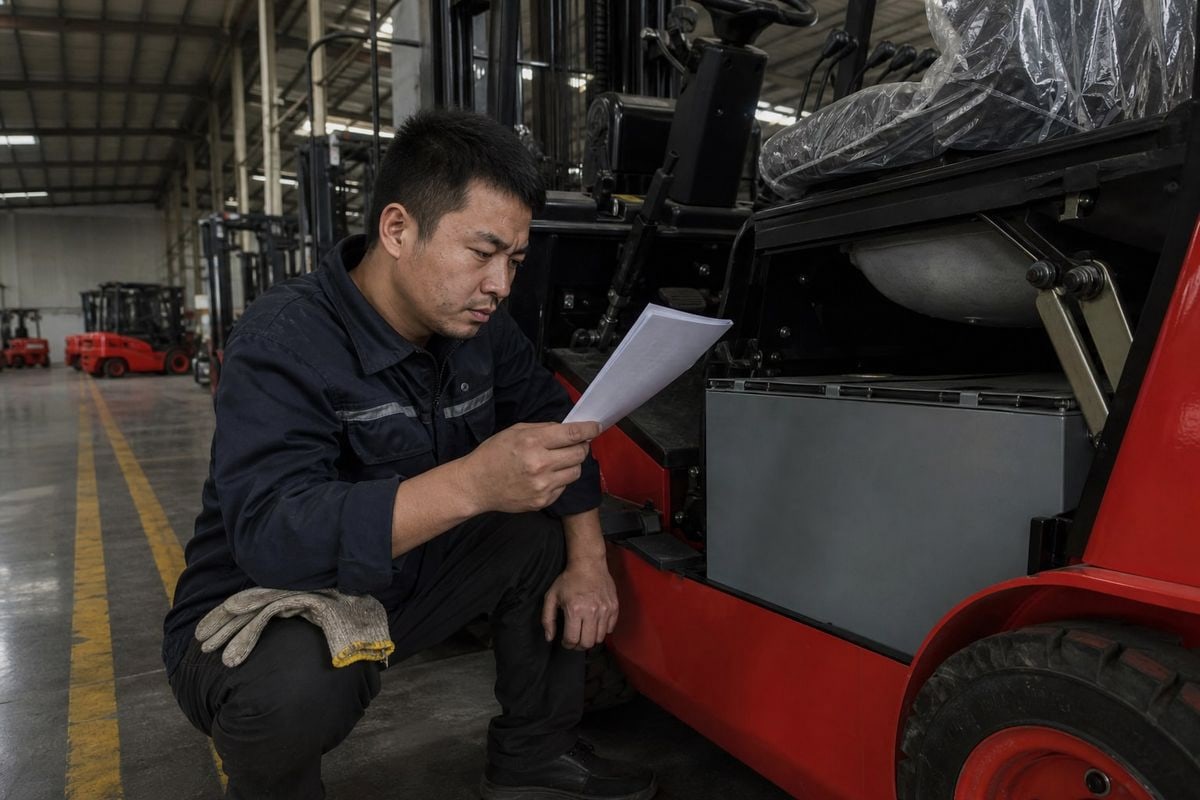
Electric forklifts are increasing the importance of battery documentation, and this is where I see the most first-time importer failures. Carriers treat lithium batteries as regulated cargo. If the paperwork is incomplete, the carrier can simply refuse the booking, and your forklift sits in a warehouse in China while you scramble.
| Documento | Chi lo fornisce | What Carriers Check |
|---|---|---|
| UN38.3 Test Summary 3 | Battery manufacturer | Proof the cells passed transport safety tests |
| Material Safety Data Sheet | Battery manufacturer | Chemistry, capacity, handling instructions |
| Dangerous Goods Declaration | Shipper or freight forwarder | Correct UN number and packing instruction |
| Battery Installation Statement | Forklift factory | Whether battery is installed in equipment |
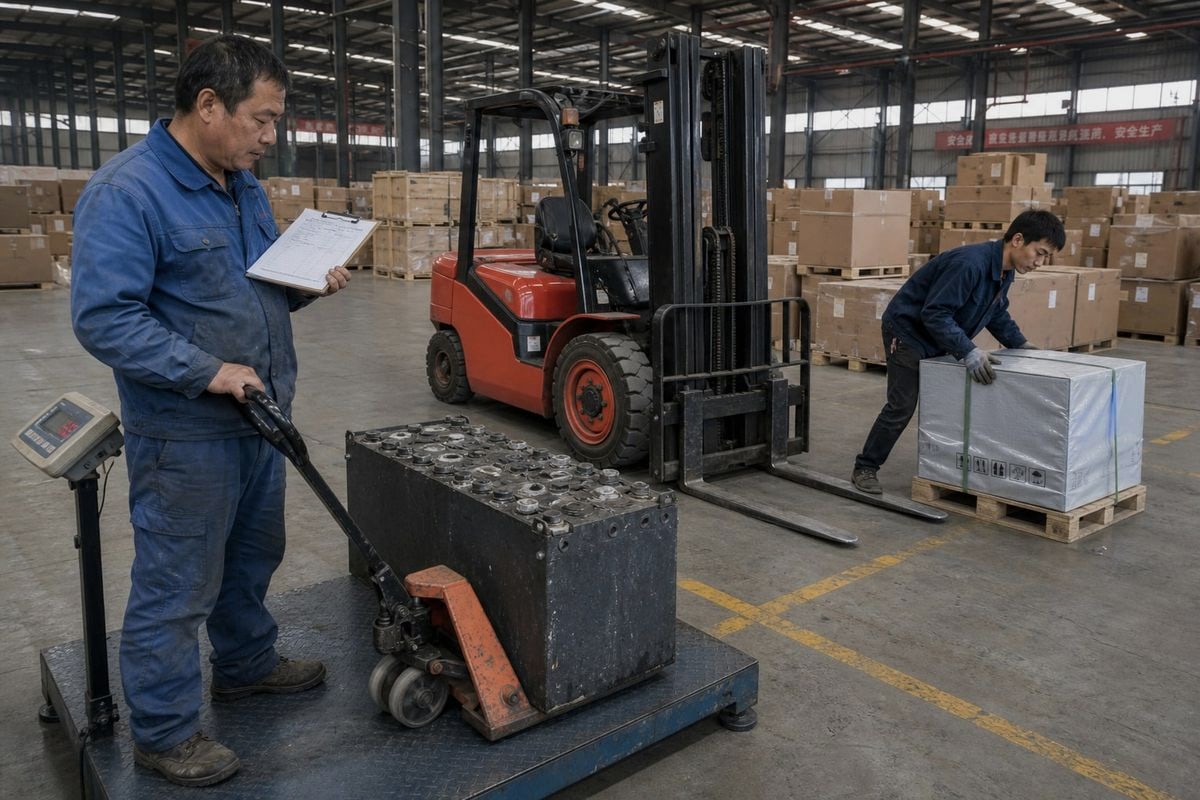
Whether the lithium battery ships installed in the forklift or packed separately changes the classification and the packaging requirements. In our experience shipping electric forklifts to the United States, batteries installed in equipment usually clear carrier review faster, but spare batteries shipped alongside need their own declarations and often their own packaging standards.
Here is my practical sequence. First, I ask the factory for the battery brand, model, watt-hours, and chemistry at the quotation stage, not after the deposit. Second, I collect the UN38.3 test summary and MSDS and check the dates and model numbers match the actual battery. Third, I submit everything to the carrier for pre-acceptance before booking space. This single step has saved our customers from rolled bookings more times than I can count. Lead-acid battery forklifts follow different rules, so always confirm the battery type in writing before assuming anything.
Years ago, one of our containers sat at Long Beach for eleven days because the invoice said one serial number and the machine wore another. That lesson shaped how we audit documents today.
Avoid mismatched serial numbers across documents, wrong post-packing weights, missing certificates of origin, undeclared batteries, unclear Incoterms, and late ISF Filing. For internal combustion models entering the US, missing EPA emissions forms cause holds. Consistency across every document is the single biggest protection.
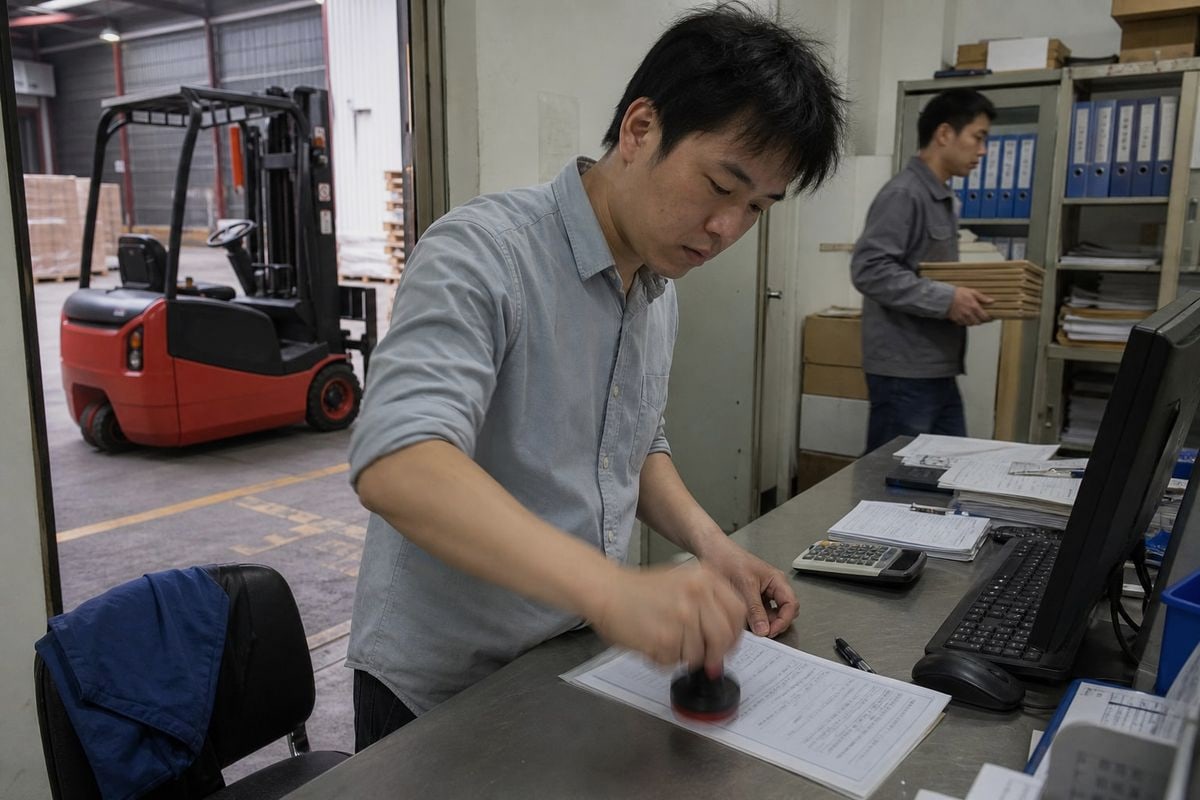
Customs clearance errors are the largest single source of forklift import delays, so treat this checklist as risk reduction, not admin. Below are the mistakes I correct most often when reviewing documents for importers.
| Mistake | Typical Consequence | How to Prevent It |
|---|---|---|
| Invoice, packing list, and machine details do not match | Customs exam and hold | Cross-check serial and model numbers on all files |
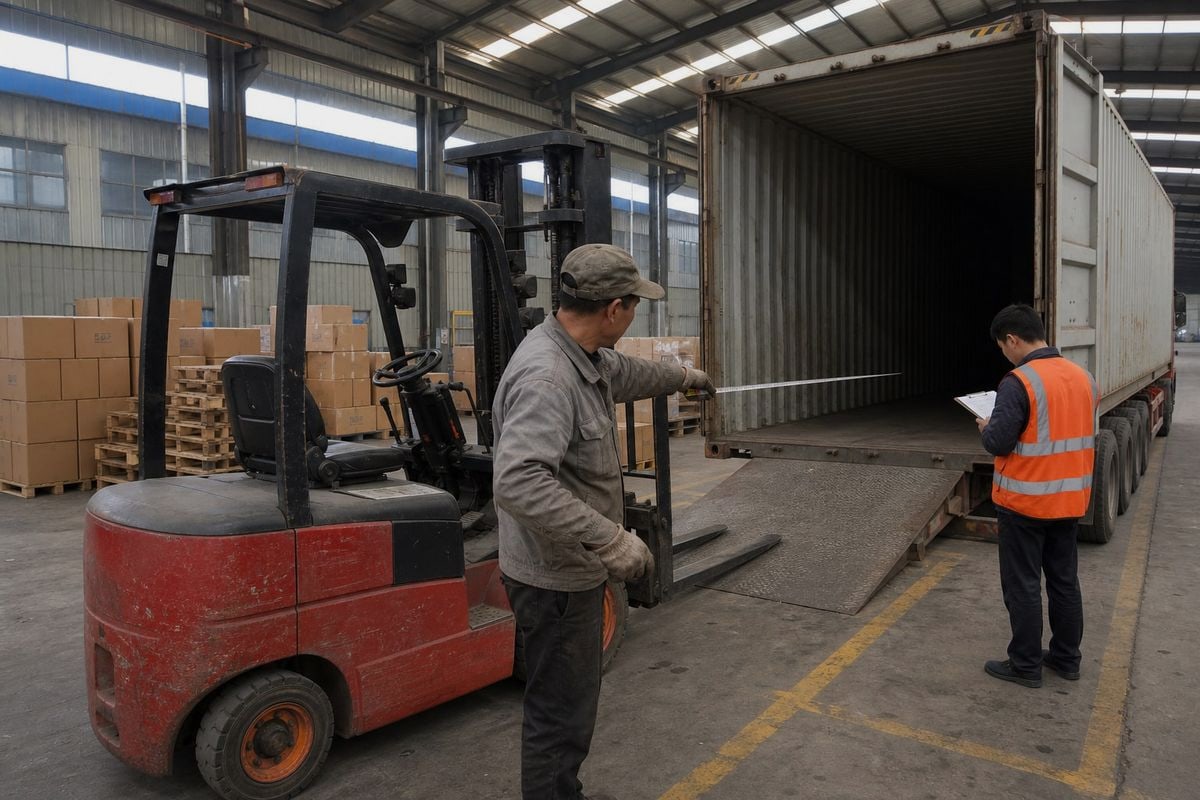
| Wrong weight or dimensions after final packing | Amended bill of lading fees, misdeclaration risk | Reconfirm measurements after loading |
| Late ISF Filing for US-bound cargo | Penalties up to significant fines per violation | File the ISF 10+2 at least 24 hours before vessel departure |
| Missing Certificate of Origin | Loss of preferential duty rates | Request it at the same time as the invoice |
| Incorrect Harmonized System Codes | Wrong import duties, possible reclassification | Verify the 8427 heading and subheading with your broker |
| Undeclared lithium batteries | Carrier rejection, dangerous goods fines | Declare battery type at booking |
Internal combustion forklifts entering the United States need emissions paperwork; buyers often confuse EPA Form 3520-1, which covers on-road vehicles, with the nonroad engine form their broker actually files, so confirm the right one early. Electric forklifts skip the emissions issue but pick up the battery documentation burden instead.
I also recommend a pre-shipment digital photo log with high-resolution images of the engine or motor nameplate and any compliance labels. Remote photo verification lets your customs broker answer questions without a physical exam. For used forklifts, add a telematics and software license transfer agreement if the machine carries onboard monitoring systems, so the digital handover is as clean as the physical one. Finally, put the agreed Incoterms 2020 term on the invoice and the contract. Ambiguity about who handles freight, insurance, and clearance is a paperwork mistake in its own right.
When we coordinate factory pickup and export declaration for a customer's forklifts, the document timeline starts on order day, not shipping day. That shift in thinking prevents almost every port delay.
Start collecting documents at order confirmation, verify battery files before booking, finalize the packing list after loading, approve the bill of lading draft before cut-off, and send the complete set to your customs broker at least a week before arrival for advance review.

The strongest habit an importer can build is a paperwork workflow, not just a paperwork pile. Documents fail when they are assembled in a rush after the vessel sails. They succeed when each one is confirmed at the right stage. Here is the sequence I run with our customers on every China-to-US forklift shipment.
Before shipment. Confirm the make, model, serial number, dimensions, and battery specifications directly with the factory. Collect the specification sheet, UN38.3 summary, MSDS, and ownership proof for used units. Take photos from all sides before the container is sealed. Review destination compliance rules with your freight forwarder or customs broker now, while changes are still cheap.
At booking and cut-off. Finalize the commercial invoice and packing list using actual post-packing weights and dimensions. Submit the ISF 10+2 filing 4 at least 24 hours before the vessel departs the origin port. Review the bill of lading draft line by line: consignee, notify party, cargo description, and container number. Most documentation is handled digitally now, so there is no excuse for approving drafts after departure.
Before customs clearance. Send the complete document set to your broker while the vessel is still on the water. Confirm import duties and any permits are arranged. Keep one controlled, final version of every document, because conflicting versions circulating by email cause as many delays as missing files.
A week of early preparation routinely saves two weeks of port storage, demurrage, and stress at the destination.
Complete, consistent, early forklift shipping documents protect your landed cost and delivery schedule. I have seen careful paperwork turn risky imports into routine ones. Start your checklist today.
1. Official US Harmonized Tariff Schedule for classifying forklifts and determining applicable import duties. ↩︎
2. Official ICC resource defining international commercial terms used to determine shipping responsibilities and costs. ↩︎
3. UN regulatory authority for dangerous goods standards required for transporting lithium battery-powered equipment. ↩︎
4. Official CBP guidance on mandatory security filings for ocean cargo entering the United States. ↩︎