

Hai programmato di spedire carrelli elevatori elettrici dalla Cina in Sud Africa? Il nostro team logistico di Zhengzhou vede ogni mese acquirenti perdere denaro su questo percorso. Un documento sulla batteria mancante può bloccare un container a Durban. Un codice HS errato può gonfiare i dazi. La buona notizia: con il giusto processo, questa spedizione è molto gestibile.
Per spedire carrelli elevatori elettrici dalla Cina in Sud Africa, utilizza il trasporto marittimo FCL, ottieni i documenti della batteria UN38.3 e MSDS, registrati per un codice importatore SARS, classificati sotto il codice HS 8427.10, e prepara la fattura commerciale, l'elenco di imballaggio, il documento di trasporto e il SAD500 per lo sdoganamento.
Questa è la versione breve. Di seguito, analizzo ciascuna fase: scelta del metodo di spedizione, calcolo del vero costo a destino, gestione delle normative sulle batterie al litio e sdoganamento in Sud Africa senza ritardi.
Qual è il modo migliore per spedire un carrello elevatore elettrico dalla Cina in Sud Africa?
Nel trimestre scorso, il nostro team ha caricato tre carrelli elevatori al litio in un container da 40 piedi diretto a Durban. L'acquirente aveva inizialmente richiesto il trasporto aereo. L'abbiamo convinto a desistere ecco perché.
Il trasporto marittimo FCL containerizzato è il modo migliore per spedire un carrello elevatore elettrico dalla Cina in Sudafrica. Protegge la macchina da danni da manipolazione multipla, accetta carico di batterie al litio con la documentazione adeguata e consegna in circa 25-35 giorni a una frazione del costo del trasporto aereo.

La tua decisione sul metodo di spedizione si riduce a quattro opzioni. Ecco come si confrontano su questo percorso:
| Metodo | Il migliore per | Tempo di transito | Livello di Costo | Note sui rischi |
|---|---|---|---|---|
| FCL Spedizione Marittima | 1–4+ carrelli elevatori, controllo completo | 25–35 giorni in navigazione | Basso per unità | Preferito; punto di gestione singolo |
| Consolidamento LCL | Piccole parti, caricabatterie, ricambi | 30–40 giorni | Moderato | Maggiore manipolazione; rischio di danneggiamento per le macchine |
| Servizi di spedizione Ro-Ro | Unità sovradimensionate e autonome | 25-35 giorni | Moderato | Navigazioni limitate; l'accettazione delle batterie varia |
| Trasporto aereo | Solo parti di ricambio urgenti | 5–12 giorni | Molto alto | Di solito non econonomico per carrelli elevatori completi |
Perché FCL batte LCL per macchine complete
Nella dibattito FCL vs LCL, i carrelli elevatori completi appartengono quasi sempre a FCL. La merce LCL passa attraverso diversi punti di movimentazione presso i magazzini di consolidamento. Ogni sollevamento extra è una possibilità di piegare un albero, incrinare un pannello o danneggiare un vassoio della batteria. Riserviamo il consolidamento LCL per i ricambi dei carrelli elevatori, i caricatori e gli accessori, dove i risparmi sui costi hanno veramente senso.
Quando il trasporto aereo ha senso
Alcuni acquirenti si oppongono: "Ho bisogno della macchina rapidamente, quindi voglio il trasporto aereo." Comprendo l'urgenza. Ma un carrello elevatore controbilanciato da 2,5 tonnellate via aerea può costare più della macchina stessa. Il trasporto aereo trova il suo posto per le parti di ricambio urgenti, i controllori o un caricatore che ha fallito all'arrivo. Per il carrello elevatore stesso, il trasporto marittimo vince sul costo totale sbarcato quasi sempre.
Adattamento e carico del container
Prima di prenotare lo spazio, confermiamo l'altezza dell'albero, la lunghezza complessiva, il peso di servizio e la configurazione della batteria con la fabbrica. Un carrello elevatore elettrico standard da 3 tonnellate di solito si adatta a un container da 40FT o 40HQ, a volte con l'albero abbassato o parzialmente smontato. Blocchiamo, rinforziamo e fissiamo ogni unità al pavimento del container e aggiungiamo protezione dall'umidità per il trasporto oceanico. Sottovalutare il volume cubico prima della prenotazione è uno degli errori più costosi che vediamo fare agli importatori per la prima volta.
Qual è il costo per spedire un carrello elevatore elettrico dalla Cina in Sudafrica?
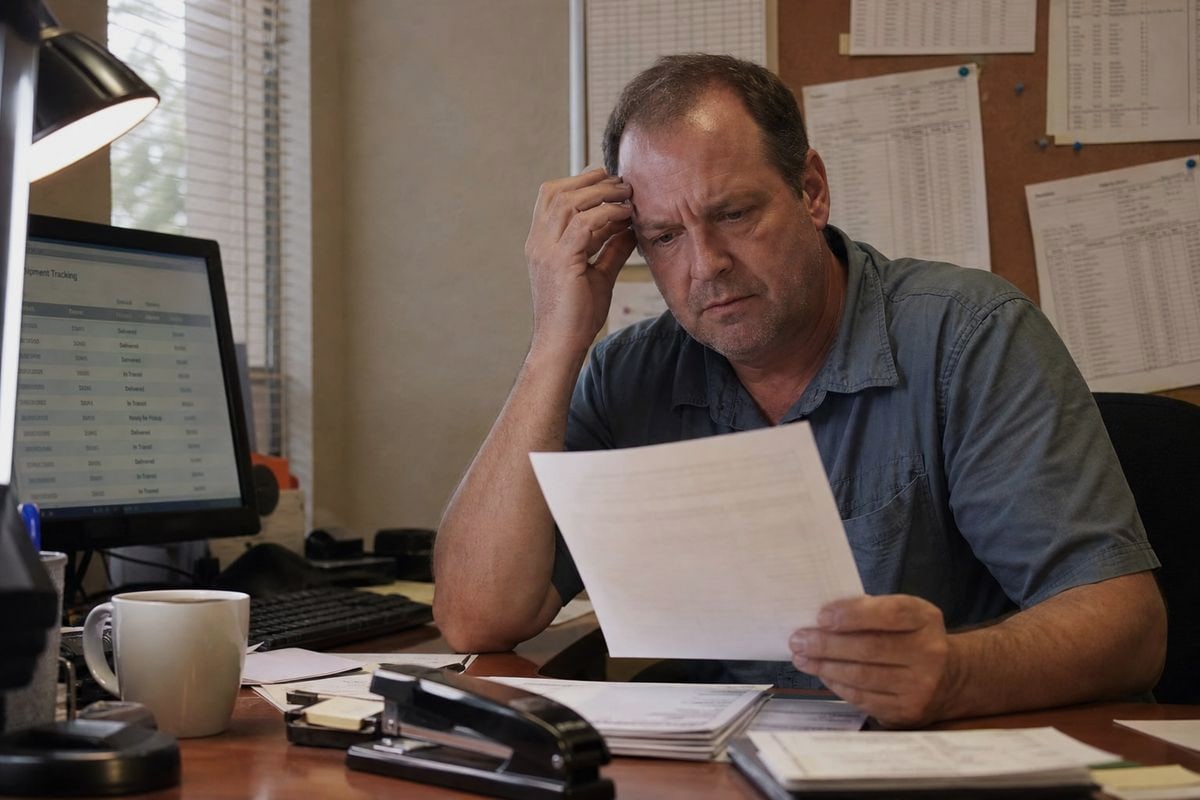
Un distributore a Johannesburg mi ha detto una volta che il suo carrello elevatore "economico" è diventato costoso dopo l'arrivo. Le spese di destinazione, i dazi e l'IVA non erano mai apparsi nel preventivo del suo fornitore. Quella conversazione ha plasmato il modo in cui citiamo oggi.
Il costo totale per spedire un carrello elevatore elettrico dalla Cina in Sudafrica comprende le spese di spedizione marittima, le spese di origine, l'assicurazione della merce marittima, i dazi d'importazione basati sul Codice HS 8427.10, il VAT 15% sul Valore Aggiunto, le spese di sdoganamento e la consegna interna. Il costo a destino, non solo il trasporto, è ciò che conta.
Le tariffe di trasporto marittimo sulla rotta Cina–Sudafrica variano con la stagione, il carburante e la capacità della nave, quindi non citerò un numero fisso qui. Invece, concentrati sulla struttura del costo. Ecco il framework che seguiamo per guidare ogni acquirente:
| Componente di costo | Chi Paga Di Solito (Termini FOB) | Note |
|---|---|---|
| Ritiro in fabbrica + dichiarazione di esportazione | Venditore | Incluso nel prezzo FOB |
| Variazione oceanica (FCL) | Acquirente | Varia in base alle dimensioni del container e alla stagione |
| Assicurazione per merci marittime | Acquirente | Fortemente raccomandato per macchinari di alto valore |
| Dazi all'importazione | Acquirente | Dipende dalla classificazione HS |
| IVA (15%) | Acquirente | Calculated on the Added-Tax Value (ATV) |
| Clearance + port handling | Acquirente | Includes possible congestion surcharges |
| Inland trucking to warehouse | Acquirente | Durban/Ngqura to Gauteng is a common leg |
Understanding the 15% VAT Calculation
South Africa's VAT is not charged on the invoice value alone. It is calculated on the ATV, which equals the customs value plus 10% of that value plus any applicable duties. So a machine with a higher freight and duty base attracts more VAT. Treat this 15% as a recurring working-capital item, not a surprise.
FOB vs CIF vs DDP: Which Terms Protect You?
Many first-time importers are drawn to DDP because it sounds hassle-free. I raise a caution here: verify who actually holds legal responsibility for customs, import duties and taxes, and VAT in South Africa under a DDP offer. Some DDP quotes hide tax, handling, and delivery components. CIF is convenient for beginners but reduces your visibility over destination charges. In our experience coordinating shipments for equipment dealers, FOB with your own freight forwarder gives the best control over carrier choice, routing, documentation, and cost transparency. That is the arrangement we recommend to most repeat importers.
Ways to Lower Cost Per Unit
Container utilization drives your per-forklift cost. We regularly consolidate forklifts from one factory with batteries, chargers, and spare parts from other suppliers into the same container. Filling unused space with sellable parts inventory can meaningfully cut your average logistics cost. For fleet buyers, there is one more angle: South African businesses replacing diesel fleets with electric models may qualify for Section 12L Income Tax Act allowances on energy efficiency savings, which improves the total ownership picture.
Cosa dovrei sapere sulle normative delle batterie al litio quando spedisco carrelli elevatori in Sudafrica?
Battery paperwork is where we spend the most pre-shipment effort. Before our team books any vessel space, we collect and verify the supplier's battery documents, because carriers now demand them before confirming a booking.
Electric forklifts with lithium-ion batteries are Class 9 Dangerous Goods under UN3171. Carriers require a UN38.3 test report and an MSDS before acceptance. Ship batteries at 40–50% state of charge, and confirm carrier DG approval before paying your supplier balance.
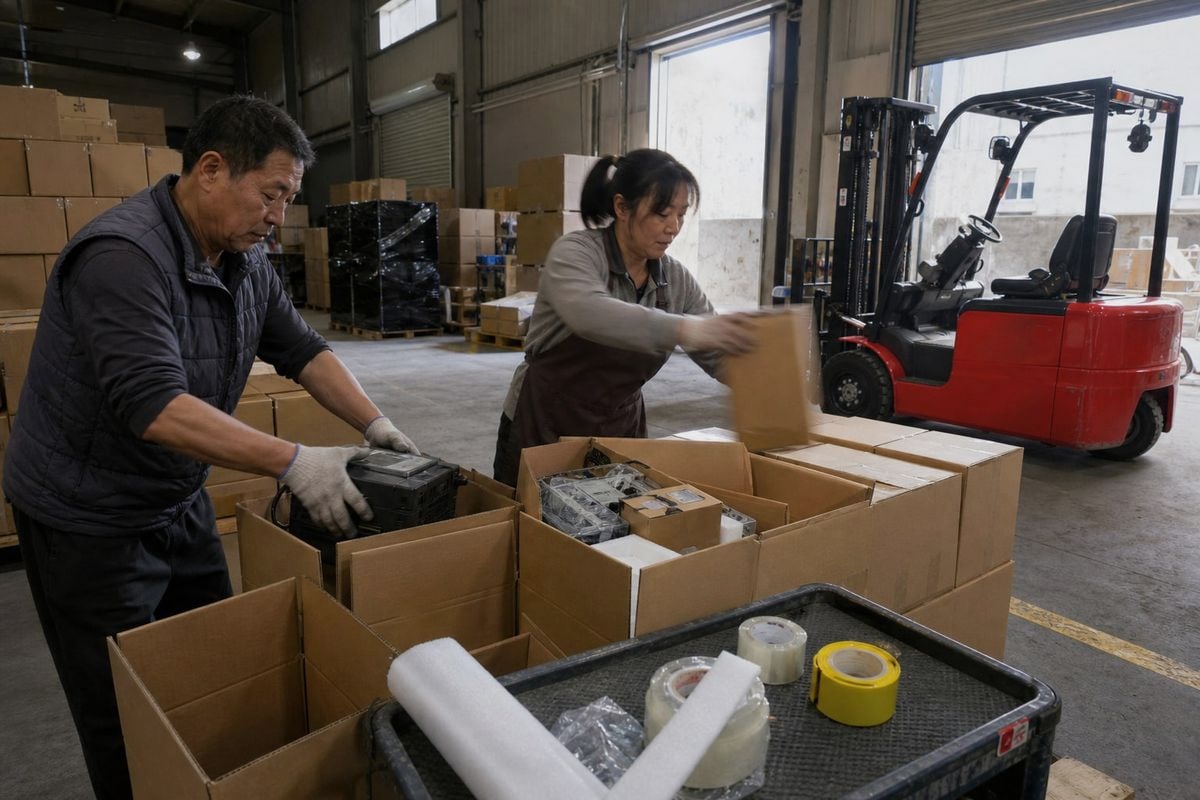
Lithium battery safety regulations have become the gating issue in forklift freight planning. Miss one document and your cargo sits at the port while storage fees accumulate. Here is the compliance picture in plain terms.
The Documents Carriers Demand
Three items are non-negotiable for lithium-powered units:
- UN38.3 Test Report — proves the battery passed altitude, vibration, thermal, and shock testing. UN38.3 certification comes from the battery maker, not the forklift factory, so request it early.
- MSDS/SDS — the Material Safety Data Sheet describing battery chemistry and handling.
- Dangerous Goods Declaration — filed with the carrier, classifying the machine as UN3171 (battery-powered vehicle), Class 9.
We check these documents against the actual battery nameplate 1. If the supplier swaps battery brands mid-production, the paperwork may no longer match the cargo. That mismatch can void carrier acceptance.
State of Charge Matters More Than People Think
A sea voyage plus port time can stretch past 30 days. If a lithium battery ships nearly empty, it can slip into deep discharge during transit and permanently lose cycle life before the machine is ever commissioned. We instruct factories to ship batteries at 40–50% state of charge. That level is safe for transport and healthy for the cells.
Chargers and Voltage Compatibility
One overlooked detail: confirm the charger matches South African power requirements and your site setup. Customs clearance can succeed and the machine can still be unusable on arrival. We verify charger voltage, plug type, and battery specifications with the factory before loading, because fixing this after arrival means air-freighting a replacement charger.
Come posso sdoganare e evitare ritardi quando importo carrelli elevatori in Sudafrica?
Document consistency is the lesson we repeat most often. On one early shipment we handled, a weight discrepancy between the invoice and packing list triggered a customs query. We now cross-check every document set before the vessel sails.
Register with SARS for an importer's code before departure, classify the forklift correctly under HS Code 8427.10, file the SAD500 with matching invoice, packing list, and bill of lading, obtain an NRCS Letter of Authority if required, and use ITAC permits for any used units.
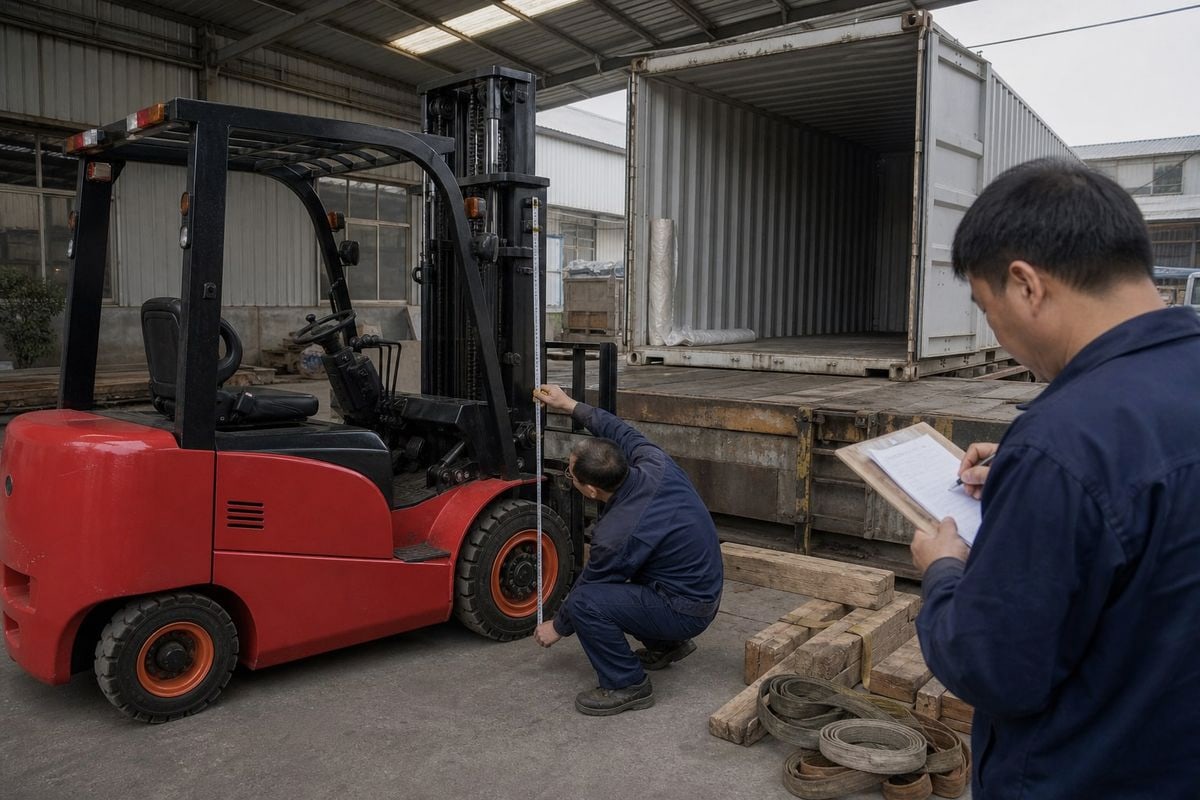
Customs clearance South Africa procedures are strict but predictable. Follow the sequence below and most shipments clear smoothly.
Step-by-Step Clearance Process
- Register with SARS. Obtain your importer's code before the shipment leaves China. Arriving cargo with no registered importer risks immediate seizure at the port of entry.
- Confirm the HS code. Self-propelled electric forklifts generally fall under HS Code 8427.10 2, but confirm the classification with a licensed customs broker 3, because duty treatment depends on it.
- Check permit requirements. New electric forklifts are generally exempt from import permits. Used or second-hand units require an ITAC permit from the International Trade Administration Commission before shipping — not after arrival.
- Secure NRCS compliance. Electrical components may need a Letter of Authority (LOA) from the National Regulator for Compulsory Specifications proving they meet South African safety standards.
- File the SAD500. This Single Administrative Document, supported by the bill of lading, commercial invoice, packing list, and certificate of origin, is your customs declaration.
- Pay duties and VAT. Then the cargo releases for inland delivery.
Choosing Your Port: Durban vs Ngqura
| Porto | Vantaggio | Consideration |
|---|---|---|
| Port of Durban | Largest gateway, most sailings | Chronic congestion; possible congestion surcharges |
| Port of Ngqura (Coega) | Less congestion; efficient rail/road links to Gauteng | Fewer direct services; check carrier coverage |
Savvy machinery importers increasingly route through Ngqura in the Eastern Cape 4 to bypass Durban congestion. As a freight forwarder China to Africa routes are part of our daily work, and we compare both gateways against your final delivery point before booking.
The Consistency Rule
Item description, model number, quantity, weight, and declared value must match across every document. Any mismatch invites a query, and a query means storage and demurrage charges. Our team audits the full document set against the supplier's packing data before export declaration. That one habit prevents most clearance delays.
Conclusione
Shipping electric forklifts from China to South Africa rewards preparation: choose FCL sea freight, verify battery documents, register with SARS, and calculate full landed cost. We coordinate every step, factory to warehouse.
Note a piè di pagina
1. The IMO sets international standards for the maritime transport of dangerous goods. ↩︎
2. The World Customs Organization manages the international Harmonized System nomenclature for trade classification. ↩︎
3. Official SARS portal for customs clearance and licensing regulations in South Africa. ↩︎
4. Official website for South African port operations, including the Port of Ngqura. ↩︎




