
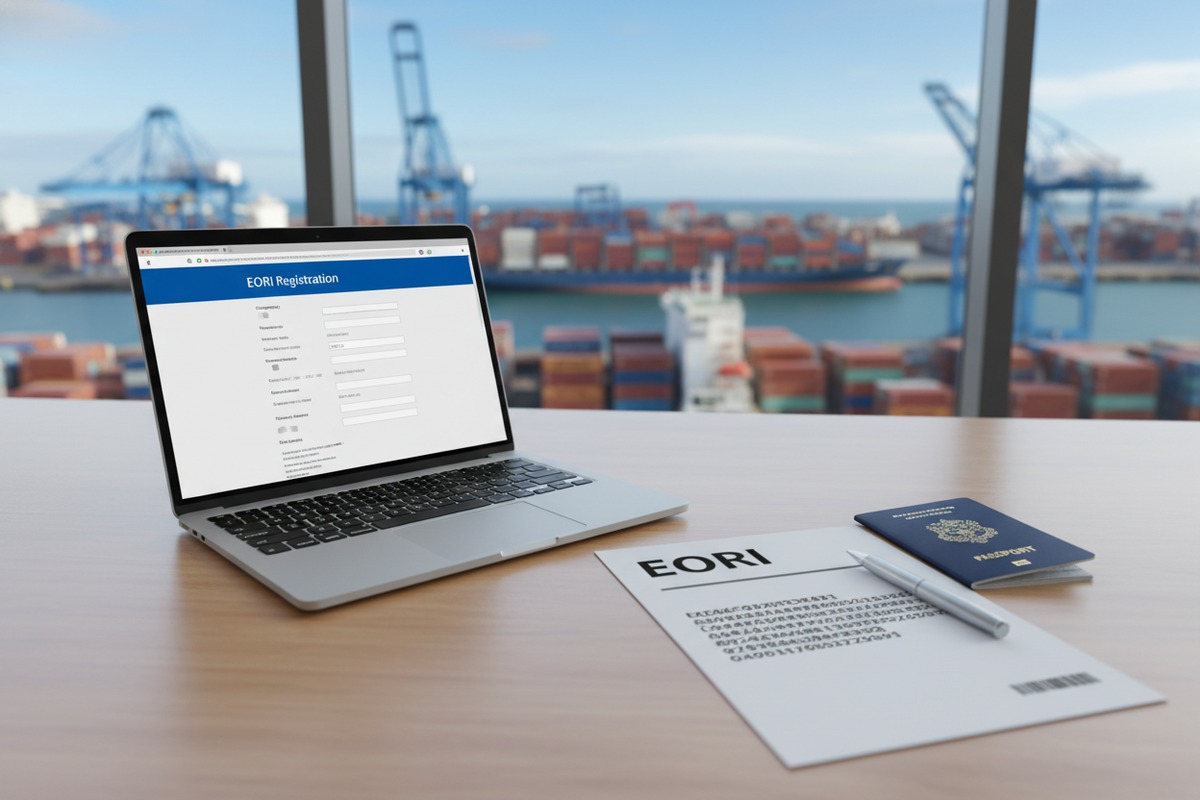
毎週、私たちの鄭州のロジスティクスチームは、ヨーロッパ行きの何百もの貨物を処理しています。そして、私たちがEUの税関で貨物が滞留する最も一般的な理由は、欠落または不正確な EORI番号 1. それは大きな問題を引き起こす小さな詳細です。遅延が積み重なります。保管料が増加します。そして、売り手は無駄にできない貴重な在庫の日数を失います。.
EORI(経済事業者登録および識別)番号は、EUと取引を行う企業や個人に割り当てられるユニークな税関IDです。これは、すべての輸入、輸出、通過、および税関手続きに必要です。最初の税関手続きが行われるEU加盟国の国家税関当局を通じて無料で登録します。.
このガイドでは、誰がEORI番号を必要とするか、いつそれが義務付けられているか、どのように取得するか、そしてそれなしで出荷した場合に何が起こるかを詳しく解説します。 EU税関当局 2. Amazonで販売する場合でも、原材料を輸入する場合でも、eコマースブランドを運営する場合でも、この情報は高額な税関の頭痛を避けるのに役立ちます。.
なぜ私のビジネスの輸入にEORI番号が必要なのですか?
中国からヨーロッパ向けのDDP出荷を手配するとき、私たちのオペレーションチームが新しいクライアントに最初に尋ねる簡単な質問はこれです:あなたはEORI番号を持っていますか? 国の税関当局 3?答えは、商品がスムーズに通関するか、倉庫で保管手数料が発生するかを決定します。.
EORI番号が必要なのは、EUの税関当局が通関業務に関与するすべてのビジネスを識別するために必要だからです。それなしでは、輸入申告を提出したり、関税の払い戻しを請求したり、EUの国境検問所を合法的に通過したりすることはできません。.
EORI番号は具体的に何をするのですか?
EORI番号をEU税関のビジネスパスポートと考えてください。商品がEUの国境を越えるたびに、税関システムは誰が責任を持っているかを知る必要があります。EORI番号は、ビジネスのアイデンティティをすべての申告、すべての出荷、およびすべての税関当局とのやり取りにリンクします。 27のEU加盟国 4.
これは単なる形式的なものではありません。EORI番号はEUの電子税関システムに組み込まれます。税関事務所間のデータ交換を迅速化します。これにより当局は貿易パターンを追跡し、リスクを旗揚げし、申告を迅速に処理できるようになります。1つの番号でEU全体で機能し、各国ごとに別の番号を必要としません。.
誰がEORI番号を必要としますか?
ルールは明確ですが、多くの企業が混乱しています。ここに明確な内訳があります:
| ビジネスタイプ | EORIは必要ですか? | 登録場所 |
|---|---|---|
| 輸入または輸出を行うEUベースの企業 | はい | あなたのEU加盟国の税関当局 |
| 非EU企業の申請 通関申告 5EU内で | はい | 最初の通関業務の加盟国 |
| EUの倉庫にFBA在庫を出荷するAmazonセラー | はい | 商品がEUに最初に入る加盟国 |
| 個人が個人的使用のために商品を輸入する | 通常はありません | 該当なし |
| あなたの代理として行動する通関業者または貨物輸送業者 | 彼らは自分のEORIを持っていますが、あなたも自分のEORIを持つ必要があります | 関連する加盟国 |
| EUと取引するUKベースのビジネス(後半-ブレグジット 6) | はい — 英国とEUのEORIの両方が必要です | イギリスのEORIはHMRCを通じて; EUのEORIはEU加盟国を通じて |
私たちがよく見る一般的な状況:米国拠点のAmazonセラーが中国のクライアントから商品を調達し、ドイツのFBA倉庫に出荷します。そのセラーはEUで登録されたEORI番号が必要です。多くの人が自社の貨物輸送業者のEORIで十分だと考えていますが、それは間違いです。記録された輸入業者は自分自身のEORIを持っている必要があります。.
EORIはVAT番号とは異なります
これが常に人々を混乱させます。A VAT番号 7 は税務目的のためです。EORI番号は関税識別のためのものです。一部のEU諸国では、VAT番号をEORI番号の基礎として使用しますが、それぞれ異なる機能を持っています。VAT登録されていなくてもEORIを持つことができ、多くの場合、両方が必要です。.
形式は簡単です: 国コード 8, : 2文字の後に最大15の英数字が続きます。たとえば、ドイツのEORIはDE123456789012345のようになります。オランダのものはNL800123456のようになります。各企業には1つのEORI番号が付与されます — 出荷ごとではなく、製品ラインごとでもありません。EU内でどこでも使用される1つの番号です。.
なぜそれがあなたの利益にとって重要なのか
ヨーロッパの港を通じて出荷を調整した経験から言うと、EORI番号が欠けていると、通関時間が平均して5〜10営業日延びます。これは、保管料金、配達ウィンドウの失敗、そしてeコマース販売者にとっての潜在的な在庫切れを意味します。特にAmazon FBAの販売者のように、在庫を絞って運営している企業にとって、その遅延は直接的に販売ランキングと収益に影響を与える可能性があります。.
税関の遅延を避けるためにEORI番号をどのように登録できますか?
Our team has helped dozens of clients navigate EORI registration, and the good news is the process is free and usually straightforward. The bad news is that small mistakes in the application can cause weeks of unnecessary waiting.
To register for an EORI number, apply online through the national customs authority of the EU member state where your business is established or where your first customs operation will occur. The application is free, requires basic business identification documents, and typically takes 5 to 15 working days to process.
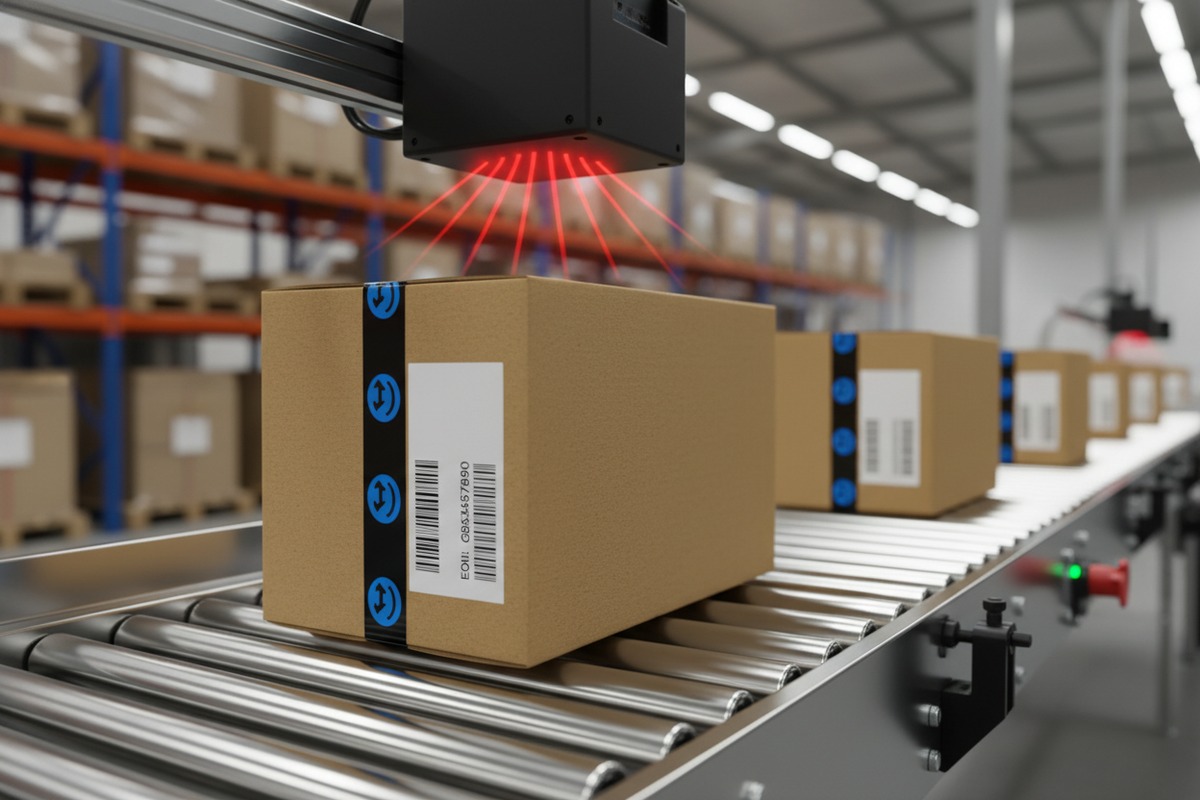
Step-by-step registration process
The process varies slightly by country, but the core steps are the same across the EU:
- Identify the right customs authority. If your business is established in the EU, apply in your home member state. If you are outside the EU, apply in the member state where you plan to make your first customs declaration.
- Gather your documents. You will need proof of business registration, a tax identification number 9, the legal representative's ID, and your business address.
- Submit the application online. Most EU member states offer an electronic application through their customs website.
- Wait for approval. Processing times vary. Some countries respond in 3 business days. Others take up to 15.
- Receive your EORI number. Once approved, your number is active across the entire EU customs territory.
What documents do you need?
The exact requirements depend on where you register and whether your business is inside or outside the EU. Here is a general comparison:
| 書類 | EU-Based Business | Non-EU Business (e.g., US company) |
|---|---|---|
| Business registration certificate 10 | 必須 | Required (e.g., Articles of Incorporation) |
| Tax identification number | VAT number or national tax ID | EIN or equivalent federal tax number |
| Legal representative's ID | National ID card or passport | Passport (required) |
| Proof of business address | Utility bill or official letter | Address verification document |
| Business contract or commercial invoice | Sometimes requested | Often requested to prove trade intent |
| Certified translation of documents | 通常は必要なし | Rarely needed for English-language documents |
For US-based businesses specifically, the process is generally smooth. English-language documents are accepted without translation in most EU member states. Countries like the Netherlands and Finland are known for being efficient and friendly toward non-EU applicants. Rejection rates for well-prepared applications are low.
Choosing the right EU member state
If you are a non-EU business, you have some flexibility in where you register. The member state of your first customs operation is the default, but practical considerations matter. Some countries process applications faster. Some have better English-language support. If you regularly ship goods into Germany but find the German customs application complex, and your first shipment happens to clear through the Netherlands, registering there might be easier.
That said, once you have an EORI number from one EU member state, it works everywhere. You do not need to register again if you later ship through a different country.
Post-Brexit: UK and EU are separate systems
This is critical for businesses trading with both the UK and the EU. After Brexit, the UK operates its own EORI system. A UK EORI number starts with GB. An EU EORI number starts with the relevant member state code. If you trade in both markets, you need both numbers. They are not interchangeable.
Northern Ireland is a special case. Businesses there may need an XI-prefix EORI number for trade that falls under the EU customs framework, even though Northern Ireland is part of the UK. This dual system confuses many traders, so verify your specific situation before assuming one number covers everything.
Common registration mistakes to avoid
- Applying in the wrong member state and having your application rejected.
- Providing inconsistent business names across documents.
- Forgetting to include a tax identification number.
- Assuming your customs broker's EORI covers your shipments.
- Not applying early enough — wait times can spike during peak trade seasons.
私の出荷にEORI番号を使用することが義務付けられるのはいつですか?
In our daily operations shipping goods from China to destinations across Europe and the UK, we see the EORI number come into play far more often than most businesses expect. It is not just for big container loads. Even a single pallet of goods entering the EU triggers the requirement.
An EORI number is mandatory whenever you file a customs declaration in the EU — this includes imports, exports, transit movements, temporary storage declarations, and applications for customs authorizations. If customs authorities are involved in moving your goods, you need an EORI number.

Specific situations where EORI is required
The requirement goes beyond simple imports and exports. Here is a detailed list of when you must provide an EORI number:
- Importing goods into the EU. Every import declaration requires the importer's EORI.
- Exporting goods from the EU. The exporter must provide their EORI on the export declaration.
- Transit shipments through the EU. Even if goods are just passing through, the responsible party needs an EORI.
- Filing entry summary declarations. These are submitted before goods arrive in the EU customs territory.
- Filing exit summary declarations. Required before goods leave the EU.
- Temporary storage. If goods are held temporarily at a customs-approved location, the operator needs an EORI.
- Applying for customs authorizations. This includes Authorized Economic Operator (AEO) status and simplified procedures.
- Claiming duty refunds or reliefs. The claimant's EORI is required for processing.
When is it NOT required?
There are a few narrow exceptions. Individuals importing goods purely for personal use — not for any commercial purpose — generally do not need an EORI in most EU member states. However, the threshold is low. If you are importing goods to resell, even in small quantities, you need one.
In the UK specifically, you may not need an EORI if you only move goods within Great Britain and never cross an international customs boundary. But the moment goods move between Great Britain and Northern Ireland, or between the UK and any other country, the requirement kicks in.
EORI requirements by shipment type
| Shipment Type | EORIは必要ですか? | 備考 |
|---|---|---|
| FCL container import to EU | はい | Importer of record must provide EORI |
| LCL shipment to EU warehouse | はい | Same requirement as FCL |
| Amazon FBA shipment to EU fulfillment center | はい | Seller or importer of record needs EORI |
| Personal package under de minimis value | 通常はありません | Varies by member state; commercial goods always need EORI |
| Transit through EU to non-EU destination | はい | Transit declaration requires EORI |
| Re-export after temporary storage | はい | Both storage and re-export declarations need EORI |
| UK domestic shipment (no customs border) | いいえ | Only if goods stay entirely within Great Britain |
| Shipment from Great Britain to Northern Ireland | はい | Falls under customs declaration requirements |
E-commerce and FBA sellers: pay close attention
Many Amazon sellers shipping from China to EU FBA warehouses assume their logistics provider handles everything. And while providers like us do manage the shipping and customs coordination, the EORI number must belong to the actual importer of record. If you are the seller and the importer, that is your responsibility.
We have seen cases where sellers launched products into EU markets without an EORI, expecting their first shipment to go through on the freight forwarder's credentials alone. The goods were held. The seller scrambled to register. Weeks passed. Inventory that was supposed to be live for a holiday sales push sat in a customs warehouse instead.
Plan ahead. If you are even considering selling into the EU, start your EORI application before your first shipment leaves the factory.
What happens to my cargo if I don't have a valid EORI number?
We have had clients call us in a panic because their container arrived at Rotterdam or Hamburg and customs refused to release it. The reason was almost always the same: no valid EORI number on the declaration. The consequences are real, immediate, and expensive.
Without a valid EORI number, customs authorities will reject your declaration and hold your cargo at the border. You will face storage fees, clearance delays, potential fines, and in extreme cases, your goods may be returned to the origin country or destroyed at your cost.
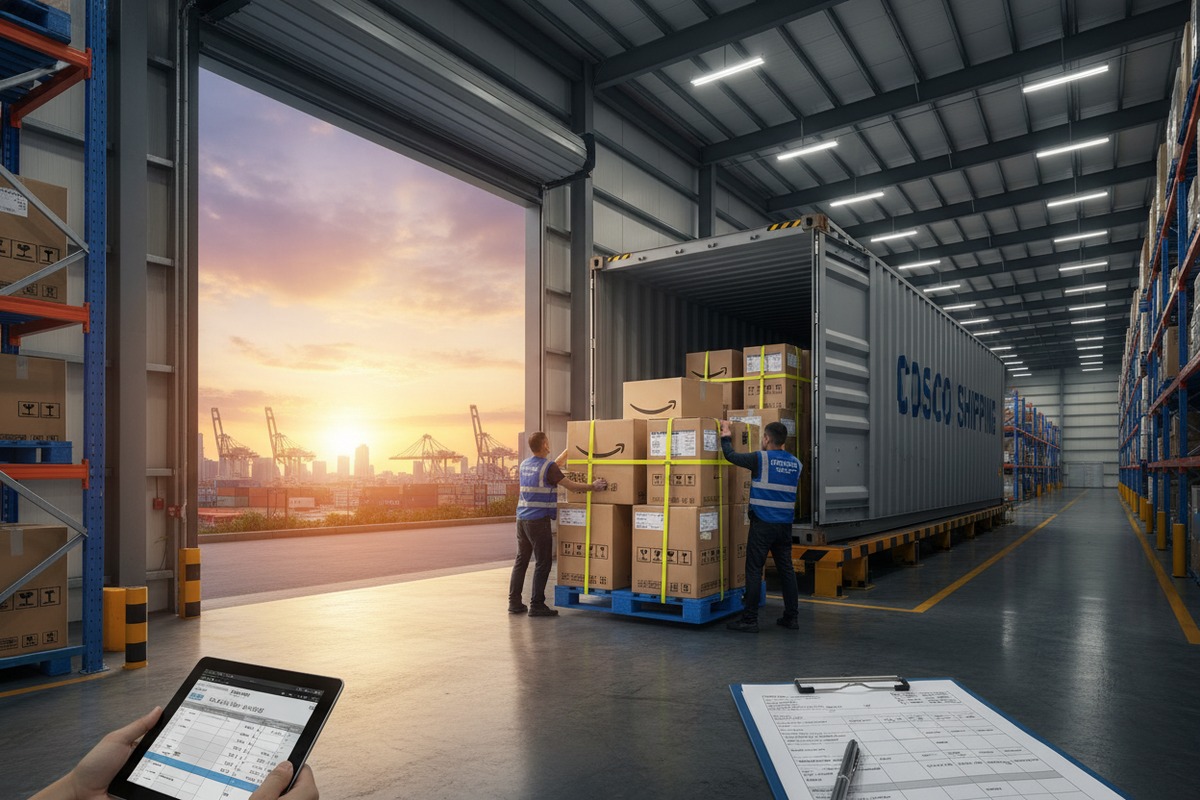
Immediate consequences at the border
The moment a customs declaration is submitted without a valid EORI — or with an incorrect one — the system flags it. The declaration is rejected electronically. Your goods do not clear. They sit in the port or airport customs area, and the clock starts ticking on storage charges.
Port storage fees in major EU hubs are not cheap. At Rotterdam, demurrage and detention charges can exceed €100 per container per day. At busy airports, storage for air freight can cost even more. These fees accumulate quickly and are entirely avoidable with proper preparation.
The chain reaction of delays
A customs hold does not just affect one shipment. It disrupts your entire supply chain. If you are an Amazon FBA seller, late inventory means lost buy box time, dropped search rankings, and missed sales. If you are a retailer preparing for a seasonal launch, delayed goods can mean empty shelves during your most profitable window.
Beyond the direct cost, there is a reputational risk. Customs authorities keep records. Repeated issues with missing or invalid EORI numbers can flag your business for enhanced scrutiny on future shipments. That means slower processing even when your paperwork is correct.
What are your options if cargo is held?
If your goods are stuck because of an EORI problem, you have a few paths forward:
- Emergency EORI registration. Some member states offer expedited processing, but this is not guaranteed. You may still wait several business days.
- Appoint a customs representative. A local customs broker with their own EORI can sometimes act as a fiscal representative to get goods released, but this adds cost and complexity.
- Re-route or return goods. In some cases, you can redirect the shipment to a different destination or return it to the origin. Both options are expensive.
- Abandonment or destruction. If goods sit too long without clearance, customs authorities have the right to classify them as abandoned. Perishable goods may be destroyed. You bear the cost.
How to verify your EORI before shipping
The European Commission provides a free online EORI validation tool. Before any shipment leaves your supplier's warehouse, verify that your EORI number is active and correctly linked to your business. Also confirm that your trading partners' EORI numbers are valid. An incorrect EORI on any party in the declaration can cause a hold.
Our standard process at MBMLOG includes EORI verification as part of our pre-shipment checklist for every EU-bound cargo. It takes two minutes and prevents days of delays. We recommend every importer and exporter build this step into their workflow.
Real cost of shipping without an EORI
Think of it this way: the EORI registration is free and takes a few days. Shipping without one can cost you thousands in storage fees, lost sales, and emergency logistics charges. There is no scenario where skipping the EORI saves you money or time.
結論
An EORI number is a small registration step that prevents enormous customs problems. Apply early, verify often, and never assume someone else's number covers your shipments. If you need help navigating EU or UK customs for your China-to-USA or China-to-Europe shipments, our team at MBMLOG is ready to assist.
脚注
1. Provides a comprehensive definition and overview of the EORI number system. ↩︎
2. Explains the role and requirements of EU customs authorities in trade. ↩︎
3. Replaced with the official European Commission Taxation and Customs Union contact page, which includes a section for national customs authorities. A direct list of national customs websites was not found on an official, non-PDF page. ↩︎
4. Official list of the current 27 member states of the European Union. ↩︎
5. Official definition and requirements for customs declarations in the EU. ↩︎
6. Provides official UK government guidance and information related to Brexit. ↩︎
7. Official information on VAT identification numbers from the European Commission. ↩︎
8. Defines the ISO 3166-1 alpha-2 standard for two-letter country codes. ↩︎
9. Official explanation of Tax Identification Numbers (TINs) in the EU. ↩︎
10. Replaced with the Wikipedia page for 'Company register', which provides relevant information on business registration. ↩︎




