
- +8618603825129
- [email protected]
If you’re an Amazon seller importing from China, understanding U.S. import duties isn’t optional—it’s essential. Misjudging duty rates or DDP shipping costs can destroy your margins. In this guide, I’ll show you step-by-step how import taxes work, how to estimate them, and what hidden fees to avoid.
According to U.S. Customs and Border Protection (CBP), import duties for goods shipped from China to Amazon FBA warehouses are calculated using three key factors: the product’s HS Code classification, declared customs value (CIF), and country of origin. Duties vary based on tariff schedules, including Section 301 China tariffs. To calculate, sellers multiply their item’s dutiable value by the applicable tariff rate, plus any handling and processing fees. Customs brokers or online duty calculators can provide exact estimates before shipping.
Now that you know the formula, let’s break down what each factor means in practice—and how you can estimate your exact landed costs before sending products to Amazon FBA.
Every product entering the U.S. must have a Harmonized System (HS) Code—a 10-digit classification number determining its import duty rate.
Formula for U.S. Import Duty Calculation:
Import Duty = (Declared Customs Value × Tariff Rate) + Processing Fees
Voorbeeld:
Total duty = $5,000 × 10% + $17.32 + $6.25 = $523.57
So, if you ship $5,000 worth of bottles, expect to pay roughly $523.57 in total import duties and fees.
U.S. import duty rates depend primarily on:
Voorbeeld:
Always check your specific HS Code using the CBP duty calculator or consult a customs broker for confirmation.
DDP (Delivered Duty Paid) shipping means your supplier or freight forwarder handles all costs—freight, customs clearance, and duties—until your goods reach the FBA warehouse.
Example of Total Landed Cost Calculation:
| Cost Component | Amount (USD) |
|---|---|
| Product cost | $5,000 |
| Ocean freight | $2,000 |
| Import duty (10%) | $500 |
| Customs fees (MPF + HMF) | $25 |
| Verzekering | $300 |
| Last-mile delivery to FBA | $175 |
| Total Landed Cost | $8,000 |
This means your final landed cost per item is your total divided by the number of units shipped. Always confirm your DDP quote covers all of these items.
Not always. Some DDP quotes include only partial duties or exclude hidden fees like port surcharges or warehouse handling.
Shipping Terms Explained:
If your supplier says “DDP to Amazon,” ask for a written breakdown. Unscrupulous forwarders sometimes label shipments “DDP” but later request extra payment when customs re-assesses values.
When shipping to Amazon FBA, you are the importer of record, not Amazon. This means:
Unlike personal shipments, FBA imports require an EIN (Employer Identification Number), commercial invoices, and sometimes FDA or FCC compliance (for electronics or food).
If you use a douaneagent, they’ll handle documentation and ensure duties are paid correctly.
You’ll need the following:
Submitting accurate documents prevents customs delays and fines.
Yes. You can estimate import duties before shipping using:
Voorbeeld:
If your $10,000 shipment falls under a 12% duty rate and 25% Section 301 tariff:
This advance estimate prevents unwanted surprises at customs.
Section 301 tariffs affect thousands of Chinese products. Some items qualify for temporary exemptions.
Check whether your HS Code qualifies using the USTR Exclusion Search Portal or through your customs broker.
Voorbeeld:
Always verify exemption status before shipping—filing post-entry refunds can take months.
Yes. Even with DDP terms, you may face:
Always confirm if these are covered in your quote. A trustworthy DDP partner itemizes every fee.
If customs re-assesses your shipment, duties may increase unexpectedly. Here’s what to do:
Keep all invoices and broker correspondence—transparency resolves disputes faster.
| Item | Value | Notes |
|---|---|---|
| Product cost (100 Bluetooth speakers) | $3,000 | CIF value |
| Freight & insurance | $400 | Included in CIF |
| HS Code 8518.22 duty rate | 4.9% | From CBP database |
| Section 301 tariff | 25% | For Chinese origin |
| Merchandise Processing Fee (MPF) | 0.3464% | $11.88 |
| Harbor Maintenance Fee (HMF) | 0.125% | $4.29 |
Duty Calculation:
✅ Total Duties and Fees: $913.17
If shipping cost is $400, landed cost = $3,000 + $400 + $913.17 = $4,313.17
Knowing this number before importing helps price your products correctly on Amazon.
Understanding how U.S. import duties are calculated protects your Amazon business from hidden costs. Always confirm HS Codes, ask for a full DDP cost breakdown, and use duty calculators before committing to a shipment. Doing so ensures compliance, avoids customs delays, and keeps your FBA profits safe.

Hallo, ik ben de auteur van dit bericht en ik werk al meer dan 10 jaar in deze branche. Als u vracht vanuit China wilt verzenden, kunt u gerust al uw vragen aan mij stellen.
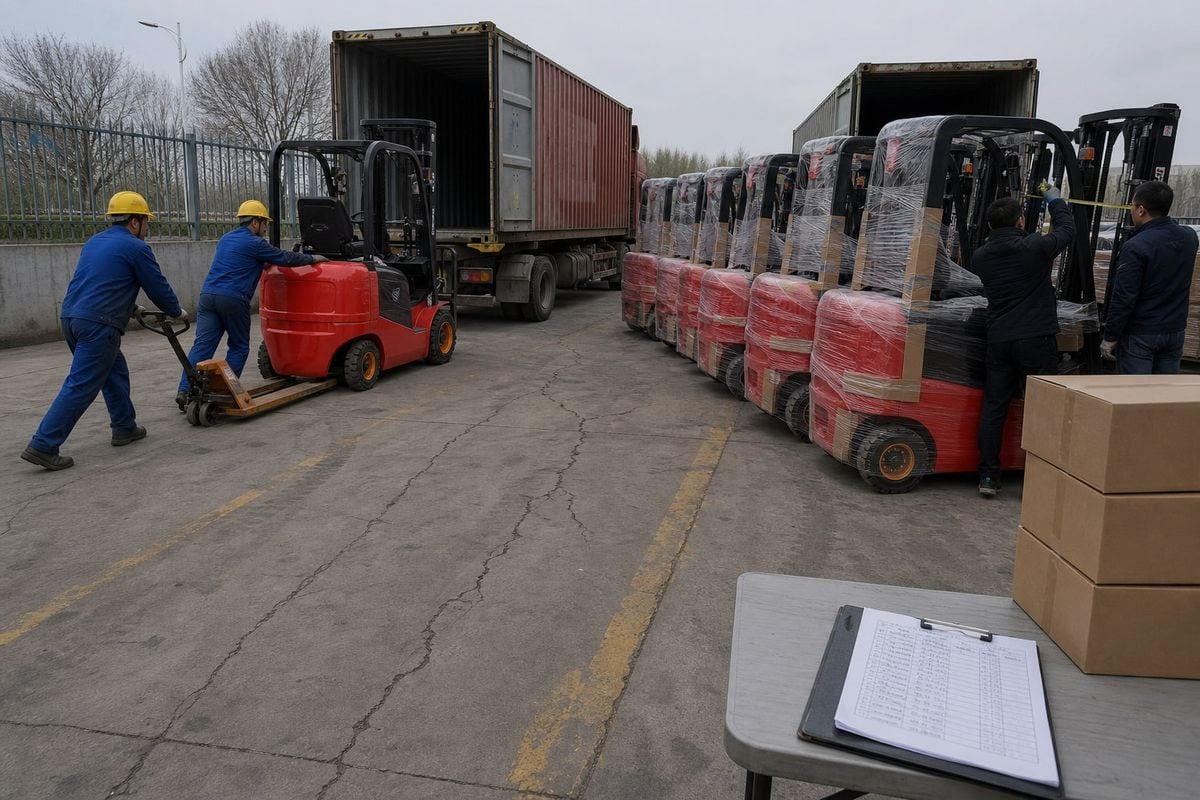
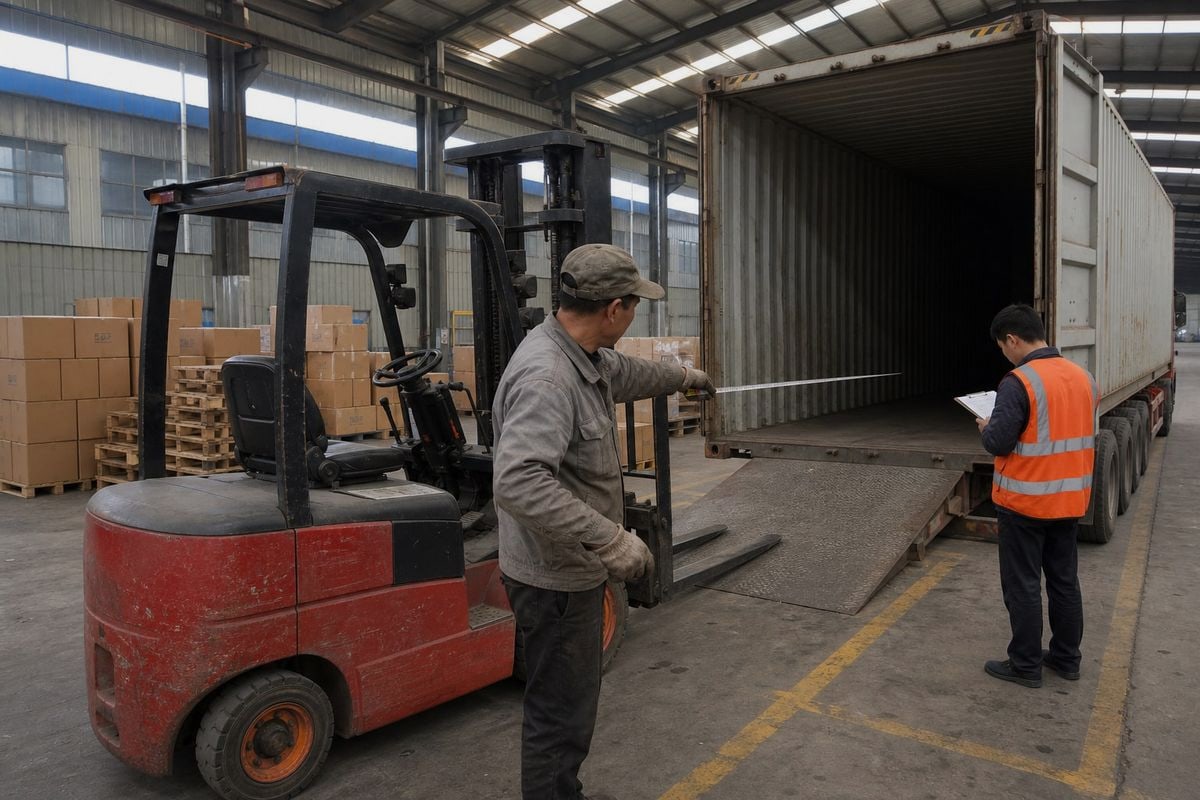
Onze vriendelijke Engelssprekende expert neemt binnen 6 uur contact met u op.
سيقوم خبيرنا الودود الذي يتحدث الإنجليزية بالرد عليك خلال 6 ساعات.