
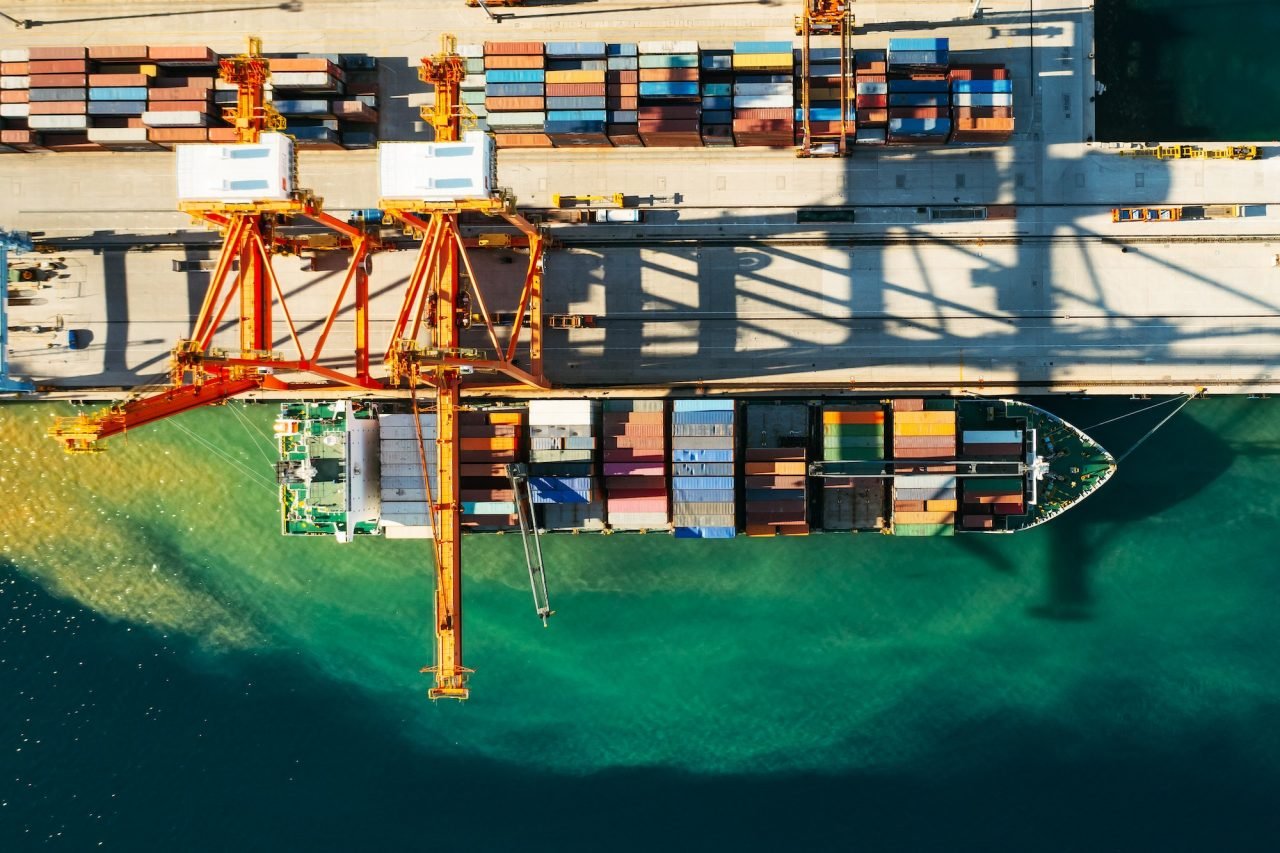
De complexiteit van internationale handel navigeren vereist een goed begrip van belangrijke verzendtermen, en Free on Board (FOB) is er een van de belangrijkste. Of u nu voor de eerste keer goederen over de hele wereld inkoopt of een ervaren koper bent die zijn operaties wil verfijnen, het begrijpen van FOB is cruciaal. Deze term definieert niet alleen wanneer het eigendom van goederen van verkoper naar koper verschuift, maar ook wie het risico en de kosten op verschillende momenten in het verzendproces draagt.
Free on Board (FOB) is een handelsysteem dat specificeert dat de verkoper verantwoordelijk is voor de goederen totdat deze op het verzendschip zijn geladen in de haven van oorsprong. Vanaf dat moment neemt de koper de verantwoordelijkheid over, inclusief alle bijbehorende risico's en kosten zoals verzending, verzekering en invoerrechten. Het beheersen van de nuances van FOB is cruciaal voor kopers om hun belangen te beschermen en hun internationale handelsoperaties te optimaliseren.
Met dit fundamentele begrip, laten we FOB in meer detail verkennen, de implicaties voor kopers onderzoeken, hoe het zich verhoudt tot andere handelsvoorwaarden en praktische tips geven voor het beheren van FOB-transacties.
Wat Betekent FOB in Verzendingen?
Historische Context en Evolutie van FOB
Het concept van Free on Board dateert uit de vroege dagen van de maritieme handel, waar de verantwoordelijkheid voor goederen een cruciaal probleem was tussen kopers en verkopers. Aanvankelijk was FOB ontworpen om duidelijk het punt te definiëren waarop het risico van verlies of schade van de verkoper naar de koper verschuift. In de loop der tijd is FOB geëvolueerd om zich aan te passen aan de complexiteit van de moderne internationale handel, en omvat nu niet alleen maritiem vervoer, maar ook andere vervoerswijzen, zoals lucht- en spoorvervoer, onder verschillende aanpassingen van de term.
Begrip van FOB in Verschillende Incoterms Contexten
FOB is één van de 11 Incoterms (International Commercial Terms) die zijn vastgesteld door de Internationale Kamer van Koophandel (ICC) om wereldwijde handelspraktijken te standaardiseren. In tegenstelling tot andere Incoterms zoals CIF (Cost, Insurance, and Freight) of EXW (Ex Works), richt FOB zich specifiek op maritiem en binnenvaartvervoer.
- FOB vs. EXW (Ex Works): EXW legt de maximale verantwoordelijkheid bij de koper, die verantwoordelijk is voor het regelen van de ophaling, exportverduidelijking en verzending. Daarentegen vereist FOB dat de verkoper de exportverduidelijking en levering aan de haven regelt, wat een meer gebalanceerde verdeling van verantwoordelijkheden biedt.
- FOB vs. CIF (Cost, Insurance, and Freight): CIF verschuift meer verantwoordelijkheden naar de verkoper, die moet zorgen voor en betalen voor verzending, verzekering en levering naar de bestemminghaven. Terwijl CIF handiger is voor kopers, gaat het meestal gepaard met hogere kosten en minder controle over de logistiek.
Juridische Gevolgen van FOB
Onder FOB-voorwaarden, op het moment dat goederen de reling van het schip passeren (de drempel waarboven de goederen als aan boord worden beschouwd), gaat het juridische eigendom over van de verkoper naar de koper. Deze eigendomsoverdracht is niet slechts een logistieke aangelegenheid, maar ook een juridische, die invloed heeft op aansprakelijkheid, verzekering en het risico van verlies. Kopers moeten ervoor zorgen dat hun verzekeringsdekking exact op dit moment ingaat om eventuele dekkinghiaten te vermijden.
Echte Voorbeelden van FOB-transacties
Beschouw een koper in de Verenigde Staten die elektronische componenten aanschaft bij een fabrikant in Japan. Onder FOB Yokohama-voorwaarden is de verkoper in Japan verantwoordelijk voor het transport van de goederen naar de haven van Yokohama en het laden ervan op het schip. Zodra de goederen aan boord zijn, aanvaardt de koper in de VS alle risico's en kosten, inclusief zeevracht, verzekering en levering aan hun magazijn.
In tegenstelling tot de FOB-voorwaarden, als de voorwaarden CIF New York waren, zou de verkoper de verzending en verzekering van begin tot eind naar de haven in New York regelen, maar de koper zou een hogere prijs betalen om deze extra diensten te compenseren.
Hoe FOB Kopers Beïnvloedt: Belangrijkste Verantwoordelijkheden en Risico's
Gedetailleerde Uitleg van de Verantwoordelijkheden van de Koper Onder FOB
Als koper die opereert onder FOB-voorwaarden beginnen uw verantwoordelijkheden zodra de goederen aan boord van het schip zijn geladen. Hier is een gedetailleerd overzicht van wat u moet beheren:
- Vervoer en Vracht: U bent verantwoordelijk voor het regelen en betalen van het vervoer van de haven van oorsprong naar de eindbestemming. Dit omvat het selecteren van een rederij, het onderhandelen over vrachtprijzen en het waarborgen van tijdige levering.
- Verzekering: Aangezien het risico op u overgaat zodra de goederen aan boord zijn, is het cruciaal om een verzekering te sluiten die de gehele reis van de haven van oorsprong naar uw eindbestemming dekt. Dit omvat meestal zeeverzekering en, afhankelijk van uw locatie, aanvullende verzekering voor binnenlands vervoer.
- Douaneafhandeling en Douanerechten: Zodra de goederen aankomen in de bestemminghaven, moet u de douaneafhandeling verzorgen, wat het voorbereiden en indienen van de benodigde documentatie inhoudt, het betalen van invoerrechten en het waarborgen van de naleving van de lokale regelgeving.
Risico's verbonden aan FOB-transacties
Werken onder FOB-voorwaarden brengt verschillende risico's met zich mee, voornamelijk vanwege de overdracht van eigendom en verantwoordelijkheid in de haven van herkomst. Belangrijke risico's zijn onder andere:
- Schade of Verlies Tijdens Transport: Zodra de goederen aan boord zijn, is elke schade of verlies tijdens de reis uw verantwoordelijkheid. Dit omvat schade door ruwe zeeën, ongevallen of onjuist omgaan door het transportbedrijf.
- Vertragingen in verzending: Vertragingen veroorzaakt door havencongestie, douaneproblemen of logistieke problemen kunnen leiden tot extra kosten, zoals opslagkosten of boetes voor late levering aan uw klanten.
- Miscommunicatie en misverstanden: Een gebrek aan duidelijkheid over het specifieke moment van verantwoordelijkheidsbespreking kan leiden tot geschillen tussen koper en verkoper. Het is cruciaal om ervoor te zorgen dat alle FOB-voorwaarden duidelijk zijn gedefinieerd in het verkoopcontract.
Hoe risico's te verminderen
Om deze risico's te verminderen, zouden kopers moeten:
- Samenwerken met Betrouwbare Verzendbedrijven: Kies ervaren en betrouwbare verzendbedrijven met een bewezen staat van dienst in het behandelen van vergelijkbare lading om het risico op schade of vertraging te minimaliseren.
- Investeren in Uitgebreide Verzekering: Zorg ervoor dat uw verzekering alle potentiële risico's dekt, inclusief die specifiek voor uw vracht type en route.
- Onderhoud duidelijke communicatie met de verkoper: Zorg ervoor dat alle voorwaarden duidelijk zijn gedefinieerd in het contract, inclusief het precieze moment waarop de verantwoordelijkheid overgaat.
FOB vs. CIF: Wat is Beter voor Kopers?
Diepgaande vergelijking: FOB en CIF
Kiezen tussen FOB en CIF vereist een grondig begrip van de voordelen en nadelen van elk termijn:
- FOB Advantages:
- Lagere kosten: FOB often results in lower costs for buyers who can negotiate better shipping and insurance rates.
- Greater Control: Buyers have more control over the shipping process, including carrier selection and route optimization.
- FOB Disadvantages:
- Higher Risk: Buyers assume more risk, including responsibility for any damage or loss during transit.
- More Complexity: Managing shipping and insurance requires more effort and expertise.
- CIF Advantages:
- Gemak: CIF is more convenient as the seller handles most of the logistics, including shipping and insurance.
- Reduced Risk: The seller bears the risk until the goods reach the destination port.
- CIF Disadvantages:
- Hogere kosten: CIF generally comes with higher costs due to the seller's additional responsibilities.
- Less Control: Buyers have less control over the shipping process and may face higher prices for services arranged by the seller.
Scenario-Based Analysis: When to Choose FOB Over CIF
- When to Choose FOB:
- If you have experience in international shipping and can secure favorable rates.
- When you prefer to have more control over the logistics and insurance processes.
- If you are importing high-value goods that require specific handling or routing.
- When to Choose CIF:
- If you are new to international trade and prefer a hands-off approach.
- When the seller has better access to shipping and insurance options.
- If you are dealing with low-margin products where minimizing complexity is key.
Veelvoorkomende Misvattingen Over FOB
Debunking Myths Surrounding FOB
FOB is often misunderstood, leading to costly mistakes for buyers. Let’s address some common misconceptions:
- Myth 1: FOB Covers All Costs Up to the Destination
- Reality: FOB only covers costs up to the point where the goods are loaded onto the vessel. All subsequent costs, including shipping, insurance, and import duties, are the buyer’s responsibility.
- Myth 2: FOB Terms Are Always the Same
- Reality: FOB terms can vary depending on the agreement between the buyer and seller. It's essential to clearly define all details in the sales contract, such as the specific port of shipment and the exact point of responsibility transfer.
- Myth 3: FOB Automatically Includes Insurance
- Reality: FOB does not include insurance coverage. The buyer must arrange for insurance once the goods are loaded onto the vessel. This is crucial to protect against potential losses during transit.
Real-World Examples of Misunderstandings
- Case 1: Incomplete Documentation: A buyer in the U.K. purchased machinery from a supplier in India under FOB terms. However, the sales contract did not clearly specify the port of shipment. This led to a dispute when the goods were damaged at a different port than expected, with both parties unsure of where responsibility lay.
- Case 2: Insurance Oversight: An importer in Brazil bought electronics under FOB terms but failed to arrange for insurance coverage immediately after the goods were loaded. During transit, the goods were damaged, resulting in a significant financial loss.
Hoe FOB Zendingen te Beheren: Een Stapsgewijze Gids
Step 1: Negotiating FOB Terms
Before finalizing your purchase, it’s crucial to negotiate the FOB terms with the seller. Key aspects to clarify include:
- Port of Shipment: Specify the exact port from which the goods will be shipped.
- Transfer of Responsibility: Clearly define the point at which the responsibility transfers from the seller to the buyer.
- Documentatievereisten: Ensure that all necessary documents, such as the Bill of Lading, are prepared and provided in a timely manner.
Step 2: Arranging for Shipping
Once the FOB terms are agreed upon, the next step is to arrange for shipping. Here’s what you need to consider:
- Choosing a Freight Forwarder: Select a reputable freight forwarder with experience in handling similar shipments. The forwarder will coordinate the transportation of your goods from the port of origin to the final destination.
- Negotiating Freight Rates: Work with your freight forwarder to negotiate competitive freight rates. Consider factors such as the shipping route, carrier reputation, and transit time.
- Booking the Shipment: Once the details are finalized, book your shipment with the selected carrier and ensure all necessary documentation is prepared.
Step 3: Purchasing Insurance
Given that the risk transfers to you as soon as the goods are on board, securing adequate insurance is critical:
- Types of Insurance: Marine insurance is the most common coverage for FOB shipments, protecting against risks such as damage, loss, and theft during transit. Depending on your location, you may also need to consider inland transit insurance.
- Coverage Amount: Ensure that your insurance covers the full value of the goods, including the cost of transportation and any potential losses.
- Choosing an Insurance Provider: Work with an experienced insurance broker who can help you find the right coverage at competitive rates.
Step 4: Monitoring the Shipment
Once the goods are in transit, it’s important to stay informed about their status:
- Tracking the Shipment: Most freight forwarders and shipping companies offer tracking services that allow you to monitor the progress of your shipment in real-time.
- Communication with the Forwarder: Maintain regular communication with your freight forwarder to address any issues that may arise during transit, such as delays or changes in the shipping route.
- Preparing for Arrival: As the shipment nears the destination port, start preparing for customs clearance and final delivery to your warehouse or customer.
Step 5: Preparing for Customs Clearance
Customs clearance is a critical step in the FOB process, involving several key actions:
- Documentatievoorbereiding: Ensure that all necessary documents, including the Bill of Lading, commercial invoice, and packing list, are complete and accurate.
- Paying Import Duties: Be prepared to pay any applicable import duties and taxes. This may require coordinating with a customs broker who can facilitate the clearance process.
- Compliance with Regulations: Verify that your shipment complies with all relevant import regulations, including any special requirements for specific goods.
Step 6: Arranging Final Delivery
After your goods have cleared customs, the final step is to arrange for their delivery:
- Choosing a Local Carrier: Depending on the size and nature of your shipment, you may need to work with a local carrier to transport the goods to your warehouse or final destination.
- Coordinating Delivery: Ensure that the delivery is coordinated smoothly, with all necessary personnel and equipment in place to receive the goods.
- Inspecting the Goods: Upon receipt, carefully inspect the goods to ensure they are in good condition and match the order specifications.
Wat is de FOB Prijs en Hoe Wordt deze Berekend?
Understanding the Components of the FOB Price
The FOB price is a critical factor in international trade, representing the cost of goods at the point of origin, excluding shipping, insurance, and other post-loading expenses. Here’s a breakdown of the components typically included in the FOB price:
- Cost of Goods: The base price of the goods being purchased, as agreed upon between the buyer and seller.
- Loading Costs: Expenses related to loading the goods onto the shipping vessel, including labor, equipment, and port fees.
- Export Duties and Taxes: Any duties, taxes, or tariffs imposed by the exporting country on the goods before they leave the port.
How the FOB Price Impacts Total Costs
While the FOB price provides a baseline for calculating the total cost of goods, it’s essential to account for additional expenses that you, as the buyer, will incur:
- Shipping Costs: The cost of transporting the goods from the port of origin to the destination port, including ocean freight and any associated fees.
- Verzekering: The cost of insuring the goods during transit, which can vary depending on the value of the goods, the route, and the type of insurance coverage.
- Import Duties and Taxes: Any duties, taxes, or tariffs imposed by the importing country, which must be paid before the goods can clear customs.
Examples of FOB Pricing in Different Scenarios
- FOB Pricing for Electronics: If you’re importing electronics from China under FOB terms, the FOB price might include the cost of the electronics, loading fees, and any export duties imposed by the Chinese government. However, you will need to cover shipping, insurance, and import duties when the goods arrive at your port.
- FOB Pricing for Raw Materials: When purchasing raw materials from Brazil under FOB terms, the FOB price would include the cost of the materials and loading onto the vessel at a Brazilian port. You would be responsible for all costs beyond that point, including shipping to your manufacturing facility.
FOB bij Export en Import: Belangrijke Overwegingen voor Kopers
The Role of FOB in Export Transactions
For exporters, FOB offers a clear and straightforward way to transfer responsibility to the buyer at a specific point, usually the port of shipment. This can be particularly advantageous in managing risks and costs up to that point, leaving the buyer to handle the complexities of international shipping.
- Advantages for Exporters:
- Limited liability once goods are loaded onto the vessel.
- Simplified logistics, as the buyer handles shipping and insurance.
- Potential to negotiate better FOB terms with buyers who prefer more control over the shipping process.
Considerations for Importers Using FOB
For importers, FOB provides a balanced approach that allows for control over shipping and insurance, while still benefiting from the seller’s responsibility for delivering goods to the port. However, this also means that importers need to be well-prepared to manage the risks and costs associated with international shipping.
- Challenges for Importers:
- Managing the logistics of international shipping, including selecting a reliable carrier and ensuring timely delivery.
- Handling customs clearance and compliance with import regulations, which can be complex and time-consuming.
- Mitigating the risks of damage or loss during transit through adequate insurance coverage and careful monitoring of the shipment.
Legal and Logistical Considerations in FOB Transactions
Both exporters and importers must be aware of the legal implications of FOB terms, particularly regarding liability and documentation. Properly drafted contracts that clearly define the terms of sale, the point of responsibility transfer, and the roles of both parties are essential to avoid disputes and ensure smooth transactions.
- Contractual Clarity: Ensure that the sales contract explicitly states the FOB terms, including the specific port of shipment and the point at which responsibility transfers from the seller to the buyer.
- Documentatievereisten: Both parties should agree on the necessary documentation, such as the Bill of Lading, commercial invoice, and packing list, to facilitate smooth customs clearance and delivery.
Case Studies of FOB in Export and Import
- Case Study 1: FOB in Exporting Machinery: A German machinery manufacturer uses FOB Hamburg terms when exporting to a buyer in the United States. The seller arranges for the machinery to be transported to the Hamburg port and loaded onto the vessel. Once on board, the buyer assumes responsibility for shipping, insurance, and any subsequent costs.
- Case Study 2: FOB in Importing Textiles: A fashion retailer in the U.K. imports textiles from India under FOB Mumbai terms. The seller is responsible for delivering the textiles to the Mumbai port and ensuring they are loaded onto the vessel. From there, the U.K. buyer arranges for shipping, insurance, and customs clearance at the port of entry.
Veelgestelde Vragen over FOB
What is Included in the FOB Price?
The FOB price typically includes the following components:
- Cost of Goods: The agreed-upon price for the goods being purchased.
- Loading Costs: Expenses related to loading the goods onto the vessel at the port of origin.
- Export Duties and Taxes: Any duties, taxes, or tariffs imposed by the exporting country before the goods are shipped.
How Does FOB Impact Insurance?
Under FOB terms, the buyer is responsible for insuring the goods from the moment they are loaded onto the vessel. This means that it’s crucial to arrange for comprehensive insurance coverage that protects against potential risks during transit, including damage, loss, and theft.
- Marine Insurance: Covers the goods while they are being transported by sea.
- Inland Transit Insurance: Covers the goods while they are being transported by road or rail to the final destination after arriving at the port.
Can FOB Terms Be Customized?
Yes, FOB terms can be customized to meet the specific needs of both the buyer and seller. It’s important to clearly define all aspects of the transaction in the sales contract, including:
- Port of Shipment: The specific port where the goods will be loaded onto the vessel.
- Point of Responsibility Transfer: The exact moment when responsibility for the goods shifts from the seller to the buyer.
- Documentatievereisten: The necessary documents to facilitate smooth customs clearance and delivery.
What are the Differences Between FOB and Freight on Board?
While FOB and Freight on Board are often used interchangeably, it’s important to note that FOB is a specific Incoterm recognized by the International Chamber of Commerce (ICC). Freight on Board, on the other hand, is a more general term that may not carry the same legal weight as FOB in international transactions.
Conclusie
In summary, Free on Board (FOB) is a crucial term for buyers involved in international trade. By understanding the responsibilities, risks, and costs associated with FOB, buyers can better manage their transactions, mitigate potential risks, and optimize their shipping processes. Whether you are new to international trade or an experienced buyer, mastering FOB terms will help you navigate the complexities of global commerce with confidence. Always ensure that your FOB transactions are supported by clear documentation, comprehensive insurance, and reliable partners to protect your interests and ensure successful outcomes.




