- +8618603825129
- [email protected]


Every week, our logistics team in Zhengzhou handles hundreds of shipments bound for the United States US Customs and Border Protection 1. One question keeps coming up from our clients, especially Amazon sellers shipping inventory from China: do I really need a customs bond 2 for every single package? The confusion is real. Get it wrong and your cargo sits in a warehouse racking up fees. Get it right and clearance is smooth.
No, not all shipments to the US require a customs bond. A customs bond is generally required for commercial imports valued over $2,500 or for goods regulated by US government agencies such as the FDA or FCC. Low-value personal shipments and informal entries often clear without one.
The rules sound simple on paper, but the details matter. Shipment value, product type, entry method, and your role as the importer of record 3 all affect whether you need a bond. Below, we break down each scenario so you can ship with confidence.
When we prepare export documents for our clients at MBMLOG, the first thing we check is the declared value and the product category. These two data points decide the entire clearance path.
If your shipment's declared value is $2,500 or more, US Customs and Border Protection requires a formal entry and a valid customs bond. Shipments under $2,500 may clear through informal entry without a bond, unless the goods are regulated by agencies like the FDA, FCC, or EPA.
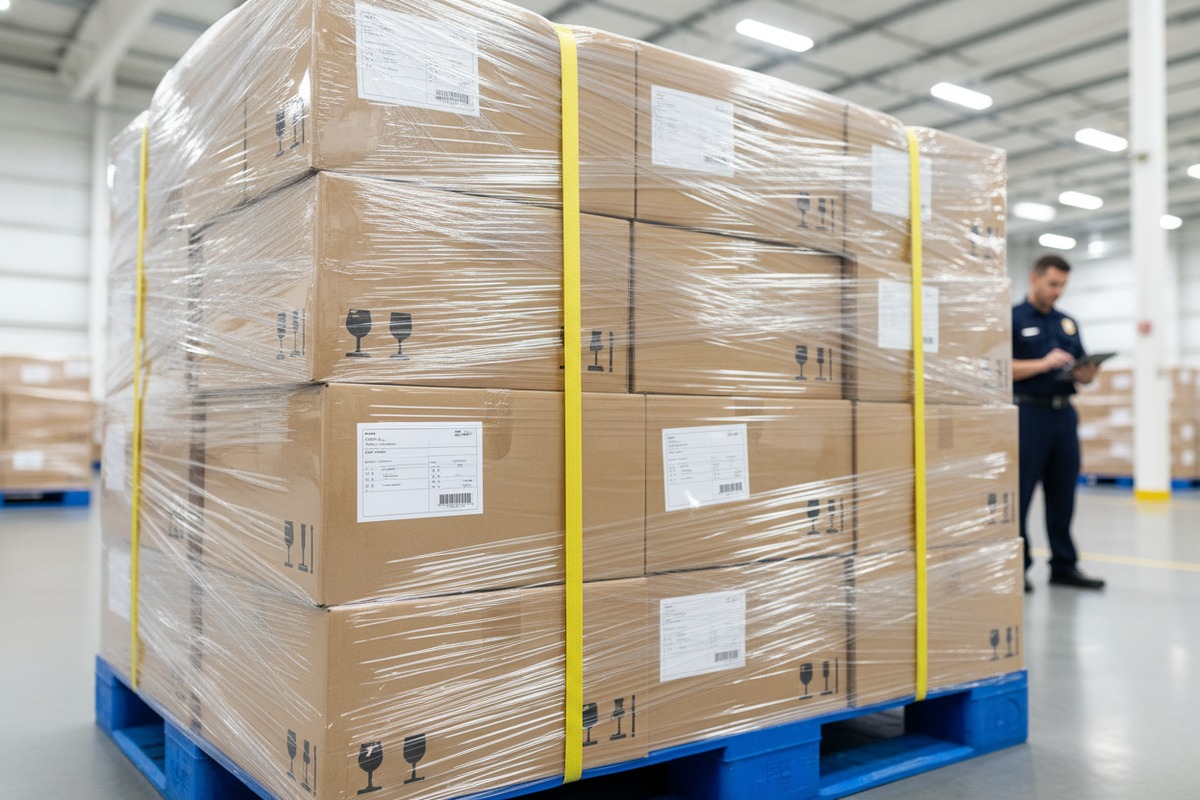
CBP uses the $2,500 mark as a bright line. At or above that value, your shipment must go through formal entry 4. Formal entry means you file detailed documentation, pay duties and fees, and post a customs bond as a financial guarantee.
Below $2,500, most commercial shipments can use informal entry. Informal entry is simpler. The paperwork is lighter. And in many cases, no bond is needed. Courier companies like FedEx, UPS, and DHL handle informal entries routinely for small parcels.
But here is where it gets tricky. The $2,500 threshold applies to the aggregate value per shipment, not per item. If you ship ten products each worth $300, your total is $3,000. That crosses the line. You need a bond.
Value is not the only trigger. Certain products fall under the jurisdiction of other US government agencies. Even if your shipment is worth $500, you may still need a formal entry and a bond if the goods are:
We see this often with Amazon sellers shipping small batches of supplements or electronic accessories. They assume the low value exempts them. It does not.
There is also the Section 321 de minimis exemption 5. Shipments valued at $800 or less may enter the US duty-free and without formal entry. This applies mainly to personal shipments or individual e-commerce orders shipped directly to a consumer. However, this exemption has limits. It cannot be used for consolidated commercial cargo, and regulatory requirements still apply.
| Shipment Value | Entry Type | Customs Bond Required? | Примечания |
|---|---|---|---|
| Under $800 | De minimis (Section 321) | Нет | Must be a single shipment to one person; not for consolidated commercial cargo |
| $800 – $2,499 | Informal Entry | Usually No | Bond required if goods are regulated by FDA, FCC, EPA, etc. |
| $2,500 and above | Formal Entry | Да | Bond is mandatory regardless of product type |
| Any value, regulated goods | Formal Entry | Да | Agency-regulated products always require formal entry and a bond |
Before you ship, answer these questions:
If you answer "$2,500 or more" to question one, or "yes" to question two, you need a bond. It is that straightforward.
Our team processes bond applications for Amazon sellers almost daily. The question is never whether you need a bond. It is which type saves you the most money and hassle over time.
If you import to Amazon FBA warehouses more than two or three times per year, a continuous bond is almost always the better investment. It covers all your entries across every US port for a full 12 months, while a single entry bond only covers one shipment and costs more per transaction over time.
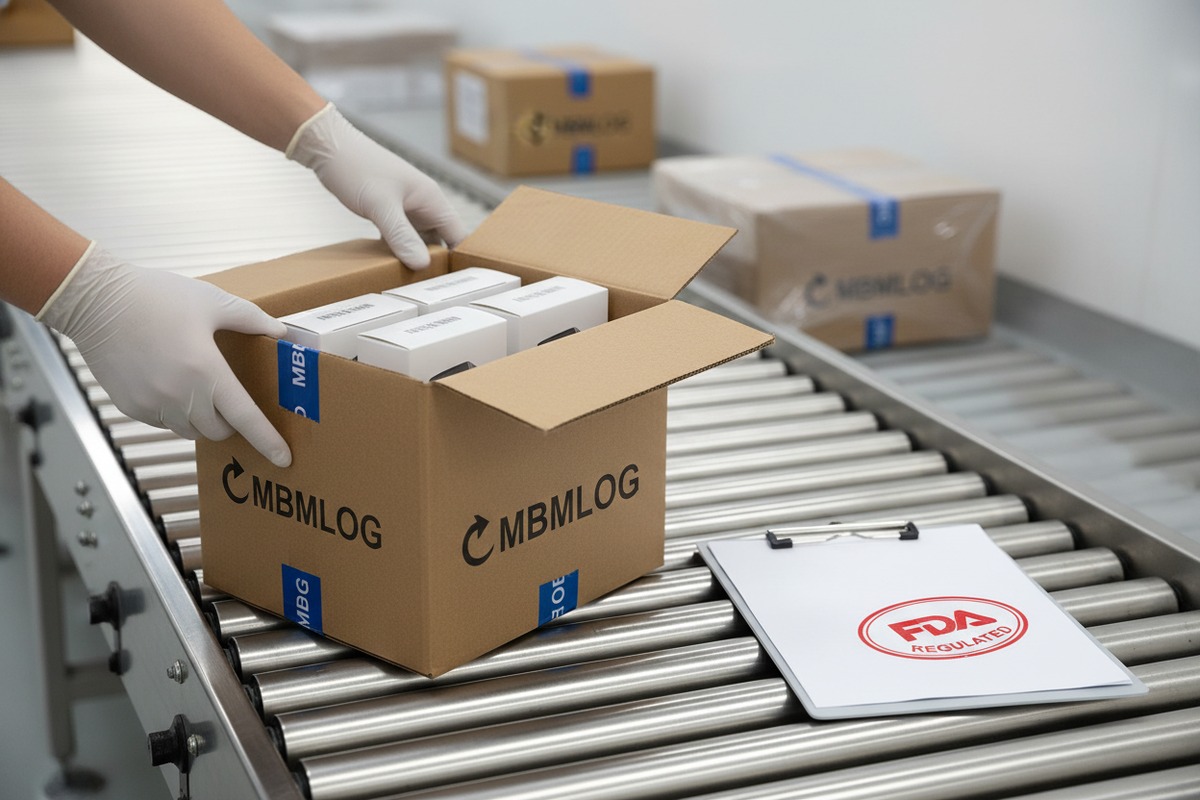
A single entry bond 6, sometimes called a single transaction bond, covers one import entry. You buy it, use it for that one shipment, and it expires. The typical cost ranges from $50 to $100 or more, depending on the shipment value and the surety company.
For a one-time personal import or a business testing a new product with a single trial order, a single entry bond makes sense. You pay once and move on.
A continuous bond 7 covers every import entry you make over a 12-month period. It works at all US ports of entry. The standard continuous bond amount for most importers is $50,000, and the annual premium typically runs between $300 and $600 for low-risk importers.
For Amazon FBA sellers who ship inventory monthly or even weekly, the math is obvious. Three single entry bonds per year might cost $150 to $300. But a continuous bond at $300 to $500 per year covers unlimited entries. Once you cross three or four shipments annually, the continuous bond wins.
| Фактор | Single Entry Bond | Непрерывная связь |
|---|---|---|
| Покрытие | One shipment only | All shipments for 12 months |
| Typical Cost | $50–$150 per entry | $300–$600 per year |
| Лучшее для | One-time or rare importers | Regular importers (3+ shipments/year) |
| Port Coverage | One port, one entry | All US ports of entry |
| Обновление | N/A (expires after use) | Annual renewal required |
| Processing Time | Usually 1–2 business days | Usually 1–3 business days initially |
Most of our Amazon FBA clients ship at least once a month. Some ship weekly. A continuous bond removes friction from their supply chain. They do not have to arrange a new bond for every shipment. They do not risk delays because a bond was not filed in time. Their customs broker simply references the existing bond number on each entry.
There is also a compliance benefit. With a continuous bond already on file, your broker can clear goods faster. There are fewer last-minute scrambles. Your inventory reaches Amazon warehouses on schedule. That matters when you are trying to stay in stock during peak sales seasons like Q4.
The standard $50,000 continuous bond works for most importers. But if your annual duties, taxes, and fees exceed $50,000, CBP may require a higher bond amount. Your customs broker or surety company can calculate the right amount based on your import history.
Since March 1, 2026, CBP has been enforcing stricter rules on bond ownership. The bond principal must match the importer of record exactly. You cannot borrow or share someone else's bond. If the names do not match, your cargo may be refused entry. This is especially important for Amazon sellers who use a third-party importer of record or a freight forwarder's bond. Make sure the bond is in your name or your company's name.
When we quote DDP service at MBMLOG, one of the first things our clients ask is what exactly is included. Duties, taxes, clearance fees—all clear. But the customs bond? That depends on how the service is structured.
Most reputable DDP shipping providers include customs bond coverage as part of their service. Under a DDP arrangement, the shipper acts as or arranges the importer of record and handles all customs clearance obligations, including providing the necessary bond. However, you should always confirm this in writing before shipping.
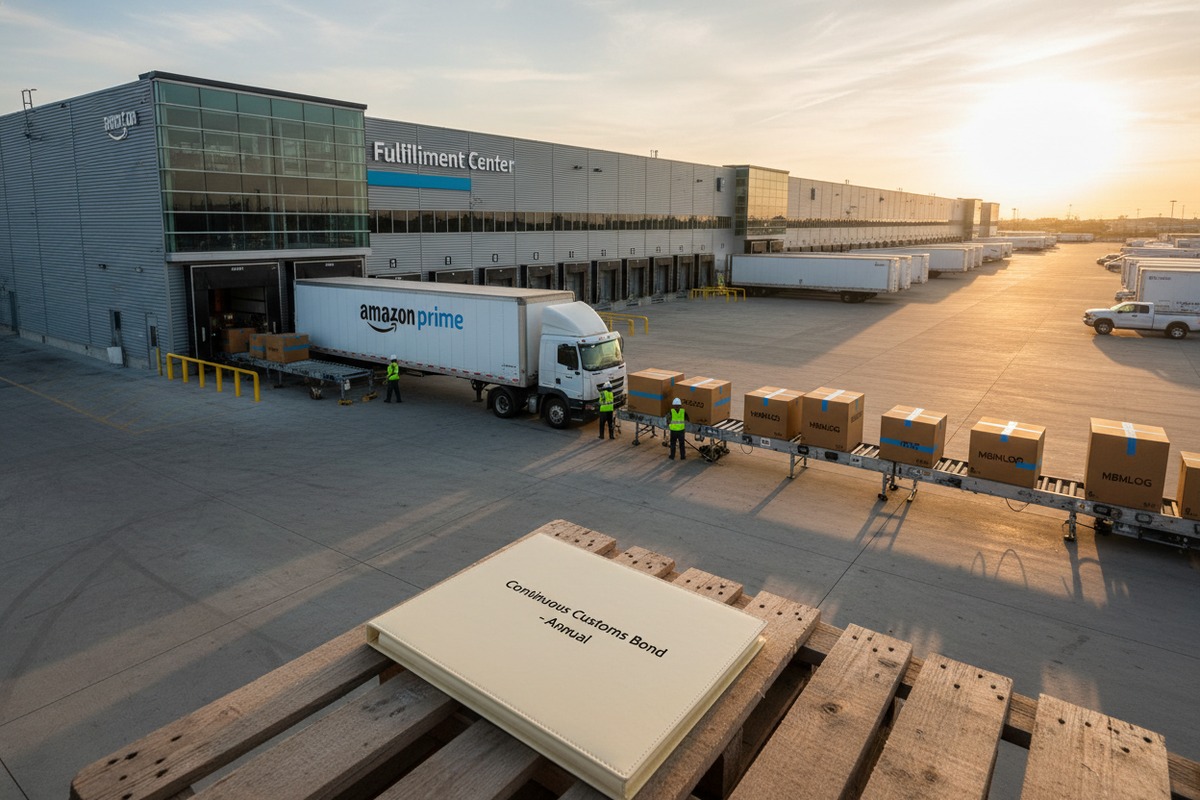
DDP stands for Delivered Duty Paid 8. Under this Incoterm, the seller or shipping provider takes responsibility for the entire journey. That includes export clearance, freight, import clearance, duties, taxes, and delivery to the final destination. In theory, the buyer does not touch customs at all.
For Amazon FBA sellers, DDP is popular because it simplifies everything. You pay one price. Your goods arrive at the FBA warehouse. No surprise fees. No customs paperwork on your end.
Under a DDP arrangement, someone must serve as the importer of record. The IOR is the party legally responsible for the shipment entering the US. The IOR needs the customs bond.
In many DDP setups, the logistics provider uses their own IOR entity in the US or partners with a licensed customs broker who holds a continuous bond. This bond covers the entries filed under that IOR. Your shipment clears under their bond, and you never have to buy one yourself.
But here is the important part. Not all DDP providers operate the same way. Some may ask you to provide your own bond. Others may charge a separate bond fee on top of the DDP rate. And some may use a shared bond arrangement that could create problems under CBP's new enforcement rules.
Before you commit to a DDP service, get clear answers to these questions:
| DDP Service Model | Bond Included? | IOR Responsibility | Risk to Buyer |
|---|---|---|---|
| Full-service DDP (provider is IOR) | Yes, provider's bond | Provider | Low—provider handles all compliance |
| DDP with buyer as IOR | No—buyer needs own bond | Buyer | Medium—buyer must maintain bond and compliance |
| DDP with shared/borrowed bond | Unclear—risky | Varies | High—may violate CBP rules post-March 2026 |
| DDP with separate bond fee | Yes, but extra cost | Provider or broker | Low—as long as IOR and bond match |
When we provide DDP service for China-to-US shipments, the customs bond is part of the package. We work with licensed US customs brokers who hold continuous bonds. The IOR and bond are aligned. Our clients do not need to buy a separate bond or worry about compliance gaps.
That said, we always recommend that Amazon sellers who import frequently consider getting their own continuous bond as well. If you ever switch providers or start importing outside of DDP, having your own bond gives you flexibility and control. It is a small annual investment for significant peace of mind.
We have seen it happen more times than we would like. A client ships a full container from Shenzhen to Los Angeles. The goods arrive. And then nothing moves. No clearance. No delivery. Just storage fees climbing day by day. The reason? No valid customs bond on file.
Without the correct customs bond, your cargo will be held at the port or customs facility and cannot clear US customs. CBP will not release the goods until a valid bond is provided. Delays lead to storage fees, demurrage charges, potential fines, and in worst cases, forced return or destruction of the goods.
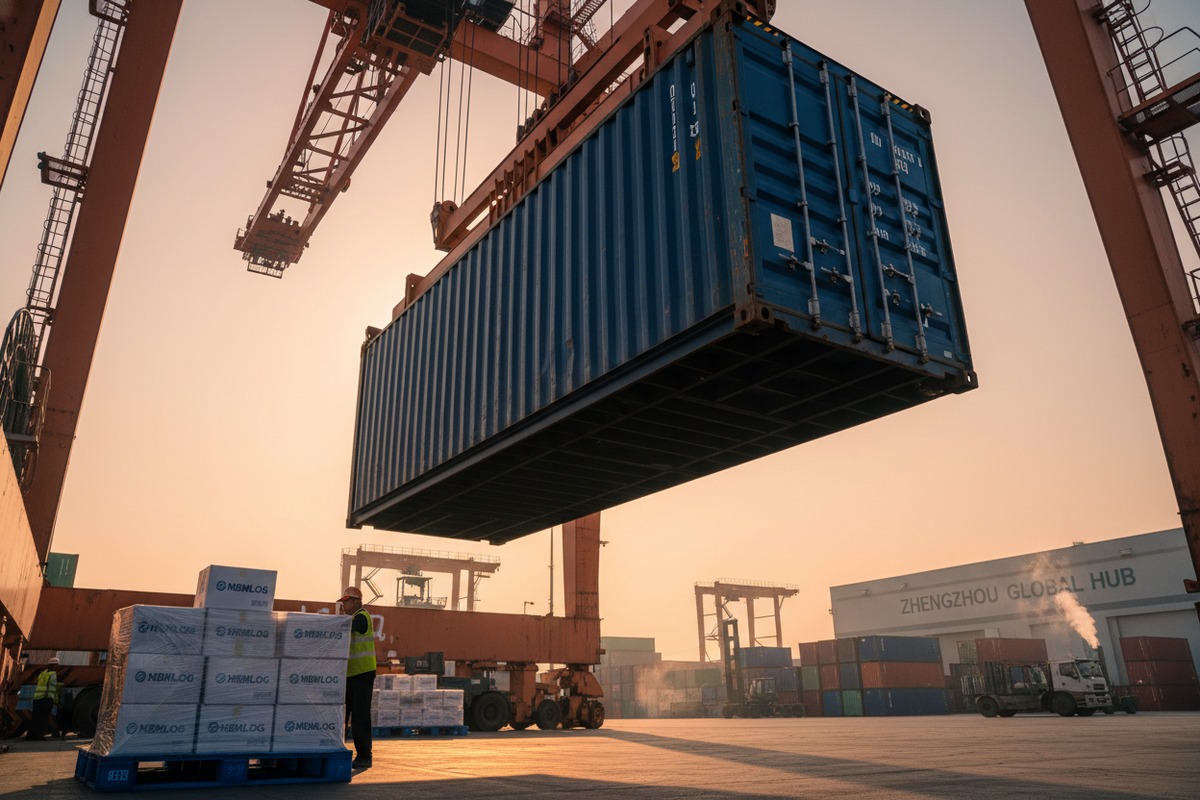
When your shipment arrives at a US port and CBP flags the missing or invalid bond, the clearance process stops. Your goods sit in a bonded warehouse or container yard. You cannot pick them up. Your customs broker cannot file the entry. Nothing moves forward.
Every day your cargo sits there, costs accumulate. Port storage fees, also called demurrage and detention charges 9, can run $100 to $300 or more per container per day. For smaller shipments in a warehouse, daily storage fees add up fast too.
Here is what typically happens when a bond is missing:
The costs go beyond storage. CBP can impose civil penalties 10 for failing to comply with entry requirements. These fines vary depending on the violation but can range from a few hundred dollars to tens of thousands of dollars for repeat offenders or willful non-compliance.
For Amazon sellers, the indirect costs are even worse. Delayed inventory means stockouts. Stockouts mean lost sales, lower search rankings, and damaged seller metrics. A single customs bond issue can cascade into weeks of revenue loss.
If your cargo is already stuck, here is what to do:
The cost of a continuous bond—typically $300 to $600 per year—is a fraction of what you would pay in storage fees, penalties, and lost sales from a single bond-related delay. We always tell our clients: the bond is the cheapest insurance in your supply chain. Do not skip it.
At MBMLOG, we verify bond status before any shipment leaves China. If a client does not have a bond and needs one, we help arrange it through our US customs broker partners. This proactive approach has saved our clients from countless delays and unexpected costs.
Not every shipment to the US needs a customs bond, but most commercial imports do. Know your shipment value, check for agency regulations, choose the right bond type, and confirm your DDP provider's coverage. A small upfront investment in the right bond prevents costly delays and keeps your supply chain moving.
1. Official website detailing the mission and functions of CBP. ↩︎
2. Explains what a customs bond is and when it is required for imports. ↩︎
3. Defines the importer of record and their responsibilities in the import process. ↩︎
4. Provides the legal definition and requirements for formal entry from federal regulations. ↩︎
5. Official CBP information on the de minimis exemption for low-value shipments. ↩︎
6. Details the purpose, costs, and use cases for a single entry customs bond. ↩︎
7. Explains the benefits and coverage of a continuous customs bond for regular importers. ↩︎
8. Official government site listing and briefly explaining Incoterms, including DDP. ↩︎
9. Explains the difference between demurrage and detention fees in shipping logistics. ↩︎
10. Outlines CBP's authority to impose civil penalties for customs law violations. ↩︎