

Vsak teden naš logistični tim v Zhengzhou obdeluje na desetine DDP pošiljk, namenjenih ameriškim pristaniščem — in vprašanje, ki novim uvoznikom povzroča največ težav, je carinsko zavarovanje.
Carinsko zavarovanje je pravno obvezno finančno jamstvo za ameriško carinsko in mejno zaščito (CBP), ki zagotavlja, da uvozniki plačajo vse dajatve, davke in pristojbine. Obvezno je za večino komercialnih pošiljk v vrednosti nad $2,500. Stroški se gibljejo od $50 za enkratni vstop do $1,000–$2,600 letno za neprekinjeno zavarovanje, odvisno od količine uvoza in vrste zavarovanja.
Spodaj natančno opredelimo, kdo potrebuje zavarovanje, kako izbrati pravo vrsto, koliko vas bo to stalo in ali lahko vaš špediter obravnava vse. Ameriška carinska in mejna zaščita (CBP) 1. Pojdimo k stvari.
Ali potrebujem carinsko obveznico za svoje pošiljke Amazon FBA iz Kitajske?
Ko organiziramo FBA prevoze iz naše skladišča do Amazonovih izpolnitvenih centrov po ZDA, je to prvo vprašanje glede skladnosti, ki ga obravnavamo z vsakim novim prodajalcem. DDP (Dostavljeno z plačanim carinjenjem) storitev 2.
Da, skoraj zagotovo potrebujete carinsko obveznico za Amazon FBA pošiljke iz Kitajske. CBP zahteva obveznico za vse komercialne uvoze, katerih vrednost presega $2,500, in večina FBA zalog presega to mejo. Brez aktivne obveznice bodo va goods zadržane na priključku in ne bodo mogle opraviti carinjenja.
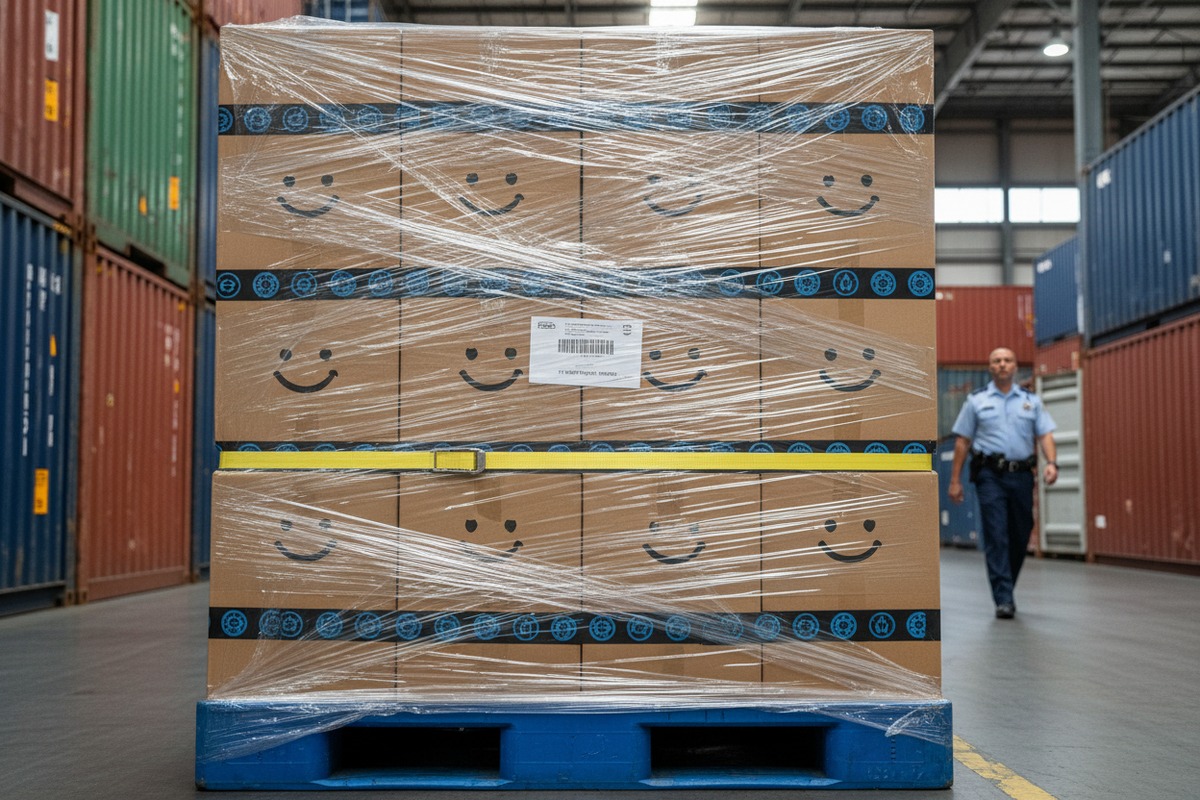
Zakaj prodajalci Amazon FBA niso oproščeni
Mnogi prvič prodajalci na Amazonu menijo, da so, ker Amazon upravlja z skladiščenjem in dostavo, nekako zaščiteni pred zahtevo po ameriških carinskih predpisih. To ni res. Amazon je ponudnik izpolnjevanja, ne uvoznik v registru. Vi — prodajalec — ste uvoznik rekordov (IOR) 3. To pomeni, da nosite vse carinske obveznosti, vključno z objavo veljavnega jamstva, preden vaš tovor prispe na ameriško pristanišče.
CBP ne zanima, ali vaša blaga gredo na zasebni naslov, komercialno skladišče ali center Amazon FBA. Pravilo je preprosto: če komercialna vrednost vašega pošiljanja presega $2,500, potrebujete jamstvo. In tudi če vaše pošiljanje ne dosega $2,500, ga morda še vedno potrebujete, če so blaga regulirana s strani druge agencije, kot sta FDA, CPSC ali USDA.
Kdo potrebuje jamstvo in kdo ne
| Vrsta uvoznika | Zahtevana obveznica? | Opombe |
|---|---|---|
| Kitajska podjetja, ki pošiljajo v ZDA (brez podjetja v ZDA) | Da | Mora pridobiti EIN in obveznico v lastnem imenu |
| Tujec, ki prodaja na Amazonu (brez ameriške davčne identifikacijske številke) | Da | Obveznica mora ustrezati dejanskemu IOR identiteti |
| Podjetje s sedežem v ZDA z IRS EIN in sposobnostjo samoclearance | Ne (to obvladujejo sami) | U.S. uvoznik prevzema vso odgovornost za dajatve in skladnost |
| FBA prevoz do Amazonovega skladišča | Da | Amazon ni IOR; prodajalec je |
| Vzorec pošiljke do $2,500 (brez urejeni izdelki 4) | Običajno ne | Toda preverite izdelke, ki jih ureja agencija |
Kaj se zgodi brez obveznice
Na podlagi naših izkušenj pri usklajevanju stotin pošiljk na mesec vam lahko povemo natančno, kaj se zgodi, ko obveznica manjka: kontejner ostane v pristanišču. CBP ne bo sprejel vašega carinskega vnosa. Vaša ISF prijava ne more napredovati. Vsak dan, ki mine, naletite na takse za odložitev 5, stroški zadržanja kontejnerjev in morebitne kazni. Videli smo, da so naši naročniki izgubili tisoče dolarjev preprosto zato, ker obveznica ni bila urejena pred prihodom plovila.
Za pomorski tovor, namenjen ZDA, mora biti obveznica aktivna pred ISF (uvedba varnosti uvoznika) 6 in AMS manifest se lahko predloži. To pomeni, da mora vaš prevoznik ali carinski posrednik urediti obveznico dobro pred tem, ko tovorna ladja doseže obalo ZDA — idealno takoj po rezervaciji in ne pozneje od datuma zaključka manifesta.
Regulirana blaga: Skriti sprožilec
Tudi če je vrednost vašega pošiljanja pod $2,500, nekatere kategorije izdelkov še vedno zahtevajo zavarovanje. Te vključujejo živila (FDA), otroške izdelke (CPSC), rastline in kmetijske proizvode (USDA) ter vozila ali deli vozil (DOT/EPA). Če vaš FBA izdelek spada v katero od teh kategorij, potrebujete zavarovanje ne glede na vse.
Ali naj izberem enkratno obveznico ali neprekinjeno obveznico za svoje podjetje?
Naša ekipa vsak dan pomaga strankam izbrati pravi tip obveznice, odločitev pa je bolj preprosta, kot večina ljudi misli — gre za to, kako pogosto pošiljate.
Če uvozite več kot dve ali tri pošiljke na leto, je neprekinjena obveznica skoraj vedno boljša izbira. Pokriva neomejene vstopne točke na vseh ameriških pristaniščih za celo leto. Enotna obveznica pokriva le eno pošiljko in en dogodek carinjenja, kar jo naredi drago in nepraktično za redne uvoznike.
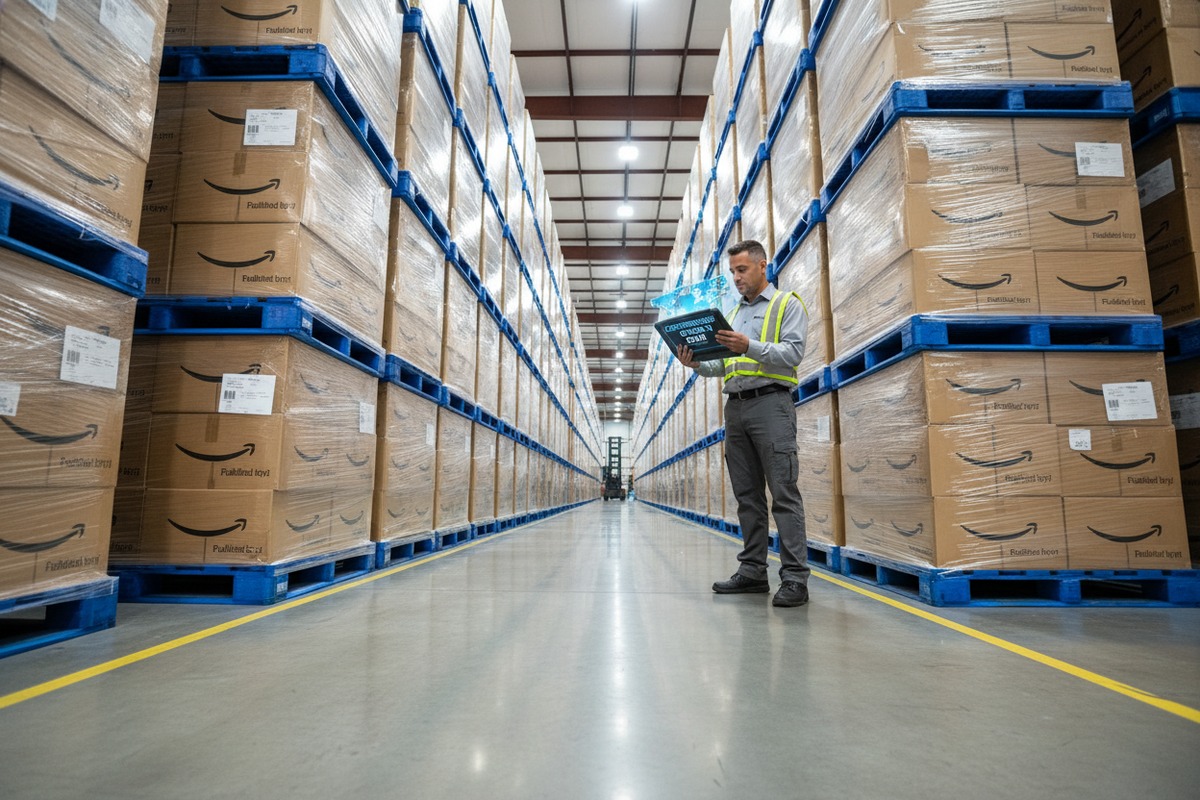
Neprekinjena obveznica: Letna vozovnica
A neprekinjena obveznica 7 — tudi imenovana letna obveznica — je veljavna eno leto od dneva izdaje. Deluje na vsakem ameriškem pristanišču in pokriva vsako pošiljko, ki jo uvozite v tem obdobju. Ni omejitve na število vstopov. Za prodajalce na Amazonu, ki mesečno ali celo četrtletno dopolnjujejo zaloge, je to standardna izbira.
The bond amount is typically set at 10% of the total duties, taxes, and fees you paid over the previous 12 months, with a minimum bond amount of $50,000. Important: the bond amount is not what you pay. It is the coverage guarantee to CBP. You pay a much smaller annual premium to the surety company 8 — usually between $1,000 and $2,600 per year.
One key advantage is that a continuous bond automatically covers your ISF 10+2 filings 9. You do not need to buy a separate ISF bond for each shipment.
Single Entry Bond: The One-Time Ticket
A single entry bond covers exactly one shipment and one customs clearance event. Once that shipment clears, the bond is done. You need a new one for every subsequent import.
The base cost starts around $50 per entry. But here is where it gets expensive: if the shipment value exceeds $1,000, you pay an additional $5 for every $1,000 of value. On top of that, you must purchase a separate ISF bond — typically $55 to $90 per filing — because a single entry bond does not cover ISF.
Primerjava ena ob drugi
| Funkcija | Neprekinjena vez | Enkratna obveza |
|---|---|---|
| Veljavnost | 12 months | Samo ena pošiljka |
| Port coverage | Vsa pristanišča v ZDA | Single port of entry |
| ISF coverage | Vključeno | Must buy separately ($55–$90) |
| Stroški | $1,000–$2,600/year | $50+ per entry, plus ISF bond |
| Najboljše za | 3+ shipments/year, FBA sellers | 1–2 shipments/year, samples |
| Udobje | One-time annual setup | New paperwork each shipment |
When a Single Entry Bond Makes Sense
Single entry bonds are not bad products. They serve a real purpose. If you are shipping one sample order to test the U.S. market, or sending exhibition goods for a trade show, a single entry bond keeps your upfront cost low. But the moment you start shipping regularly — even once a quarter — the math shifts heavily in favor of a continuous bond.
Here is a simple example. Suppose you ship four times per year with a shipment value of $10,000 each. A single entry bond would cost roughly $50 base plus $50 (for the $10,000 value) plus $75 for the ISF bond — about $175 per shipment, or $700 per year. A continuous bond covering all four shipments (and any additional ones) would cost $1,000 to $1,500 per year. The continuous bond wins on cost, and it eliminates the hassle of arranging a new bond and ISF bond every time.
Do Not Borrow Someone Else's Bond
This is critical. We have seen importers try to use another company's bond to save money. This is a compliance violation. CBP runs checks — known as 5H exams — and if your bond does not match the actual importer of record, you face a near-certain examination, delays, and potential penalties. Your bond must be in your name, matching your EIN and your IOR identity.
Koliko me bo stala carinska obveznica in kako se izračuna?
When we quote DDP shipping rates to our clients, the bond cost is one of the first line items we explain — because it confuses nearly everyone at the start.
Customs bond costs depend on the bond type and your import profile. A continuous bond typically costs $1,000 to $2,600 per year, covering all shipments. A single entry bond starts at $50 per shipment, with additional charges based on cargo value. The bond amount guaranteed to CBP is separate from the premium you actually pay.
Understanding Bond Amount vs. Premium
This is the most common source of confusion. The bond amount is the total financial guarantee backing your imports — it is what CBP can claim if you fail to pay duties or violate customs rules. For a continuous bond, the standard minimum amount is $50,000. If your annual duties exceed that, the bond amount is set at 10% of your prior-year duties, taxes, and fees.
The premium is what you actually pay the surety company. Think of it like insurance: the bond amount is your coverage limit, and the premium is your annual payment. Most importers pay a fraction of the bond amount as their premium.
Cost Breakdown by Bond Type
| Cost Element | Neprekinjena vez | Enkratna obveza |
|---|---|---|
| Annual premium | $1,000–$2,600/year | Ni na voljo |
| Per-entry cost | Included in annual premium | $50 base |
| Value surcharge | Noben | $5 per $1,000 over $1,000 value |
| ISF bond | Vključeno | $55–$90 per filing (separate purchase) |
| Minimum bond amount (guarantee) | $50,000 | Tied to shipment value + duties |
| Applicability | U.S. and non-U.S. companies (same rate) | Any importer |
What Affects Your Premium
Several factors influence how much you pay:
- Import volume and duty history. Higher annual duties mean a higher bond amount, which can increase your premium.
- Compliance record. If you have a history of customs violations, late duty payments, or penalties, surety companies charge more or may require additional collateral.
- Commodity risk. Importing regulated goods (food, chemicals, electronics) can raise your risk profile.
- Company origin. Non-U.S. companies (such as Chinese exporters acting as IOR) may face slightly different documentation requirements, though the bond premium range is generally the same as for U.S. companies.
- Purchasing channel. Buying through a customs broker, a freight forwarder, or directly from a surety company can result in different pricing. Some freight forwarders bundle the bond cost into their DDP service fee.
Documents Required to Apply for a Bond
Getting a bond is not just about paying a fee. You need to provide proper documentation. Here is a checklist:
- Company business license or registration documents (Chinese companies need notarized English translations)
- U.S. tax ID (EIN/IRS number) — required for annual bonds even for Chinese companies
- Legal representative ID (passport, driver's license, or national ID)
- POA (Power of Attorney for U.S. customs)
- CBP Form 301 10 (bond application)
- CBP Form 5106 (importer information registration, includes EIN)
- At least one clearance product name
- Company financial statements (required for non-U.S. companies)
- Trade contract or purchase order (to verify import legitimacy, especially for high-value or sensitive goods)
- ISF 10+2 information (required separately for single entry bonds; continuous bonds cover ISF automatically)
A Real Cost Scenario
Let's say you are a mid-volume Amazon seller importing $200,000 worth of goods per year with $30,000 in annual duties. Your continuous bond amount would be set at the $50,000 minimum (since 10% of $30,000 is only $3,000, which is below the floor). Your annual premium would likely be around $1,000 to $1,500. That works out to roughly $80 to $125 per month — a small price compared to the cost of a single port delay.
Ali lahko moj prevozniki obravnavajo carinsko obveznico kot del moje DDP storitve?
At MBMLOG, bond arrangement is a standard part of every DDP shipment we manage — our clients never have to deal with surety companies directly unless they want to.
Yes, most experienced freight forwarders can handle your customs bond as part of a DDP (Delivered Duty Paid) service. They work with licensed customs brokers and surety companies to arrange, purchase, and manage your bond, so your shipment clears customs without you contacting CBP directly.
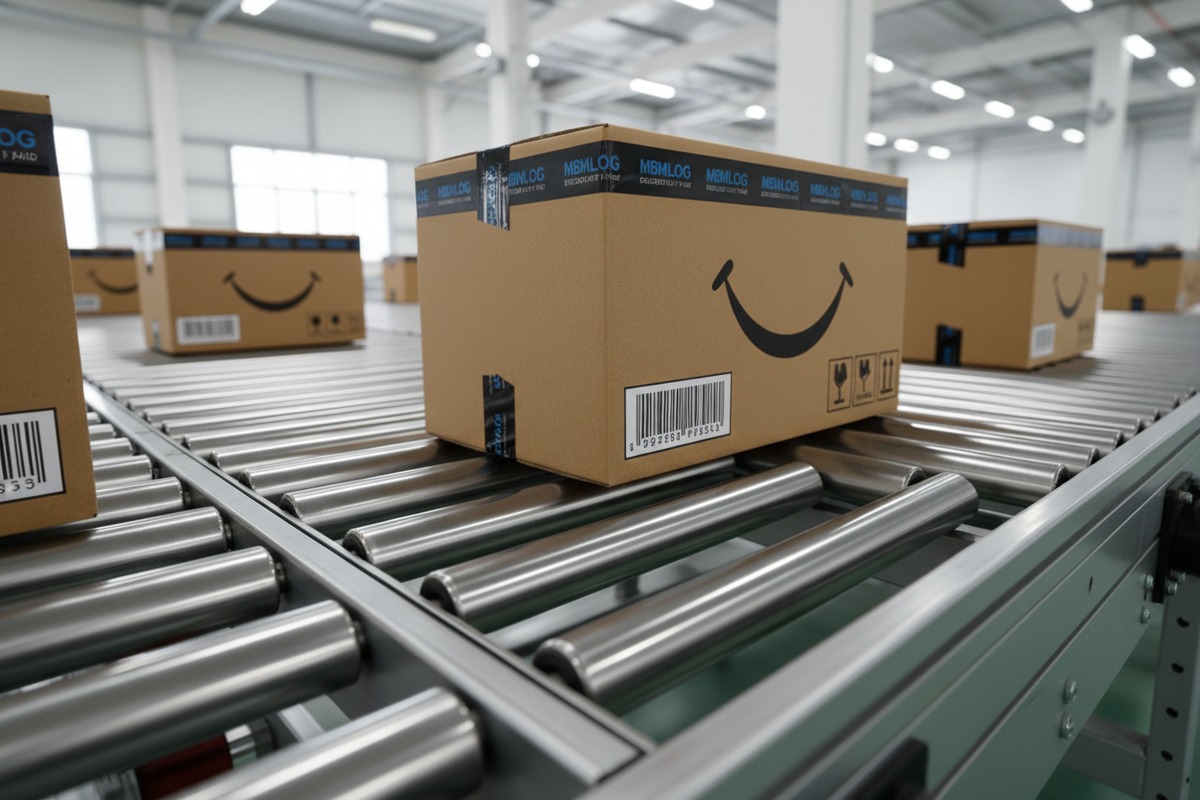
How DDP Service Includes Bond Management
When you book a DDP shipment, you are paying for a door-to-door service where all customs duties, taxes, and compliance responsibilities are handled on your behalf. The freight forwarder coordinates with a U.S.-licensed customs broker, who in turn works with a CBP-approved surety company to post your bond.
Here is the typical workflow:
- You provide your shipment details and company documents to the freight forwarder.
- The forwarder's customs broker applies for the bond (either continuous or single entry) using your information.
- The bond is activated before the vessel arrives at the U.S. port.
- ISF and AMS filings are submitted under the active bond.
- Customs entry is filed, duties are paid, and the goods are released.
- Cargo is delivered to your Amazon FBA warehouse or designated address.
The entire process happens behind the scenes. You get tracking updates and a clean delivery.
What to Ask Your Freight Forwarder
Not every forwarder offers the same level of bond support. Before you commit, ask these questions:
- Do you arrange continuous and single entry bonds? Some forwarders only handle single entry bonds, which limits your options.
- Is the bond cost included in your DDP quote, or is it billed separately? Transparency matters. You want to know exactly what you are paying.
- Will the bond be in my name (as IOR)? This is non-negotiable. The bond must match the actual importer of record. If the forwarder suggests using their own bond or a third party's bond, walk away.
- Do you handle EIN applications for non-U.S. companies? Chinese sellers who need an annual bond also need a U.S. EIN. A good forwarder helps with that.
- What happens if there is a customs hold or exam? Ask how they handle delays, inspections, and communication during holds.
DDP vs. Self-Managed Bond: A Quick Comparison
| Vidik | DDP Service (Forwarder Handles Bond) | Self-Managed Bond |
|---|---|---|
| Who arranges the bond | Freight forwarder / customs broker | You, directly with surety or broker |
| Paperwork burden | Minimal — you provide documents, they handle filings | You manage all forms, renewals, and compliance |
| ISF and AMS filings | Handled by forwarder | You or your broker must file |
| Cost visibility | Usually bundled into DDP quote | Separate invoices from surety and broker |
| Compliance risk | Lower — experienced team manages it | Higher if you lack customs knowledge |
| Najboljše za | FBA sellers, first-time importers, busy operators | Large importers with in-house compliance teams |
Why the Right Forwarder Matters
We have seen what happens when a forwarder cuts corners on bond compliance. One common issue: a forwarder uses a generic bond that does not match the actual IOR. The result is a 5H intensive exam at the port, which means your container gets opened, inspected, and delayed by days or weeks. The cost of that single mistake — exam fees, storage, demurrage, lost sales — often exceeds the annual bond premium many times over.
A reliable DDP forwarder ensures your EIN, bond, and IOR information all match perfectly. They file your ISF on time. They communicate with the customs broker proactively. And if CBP issues a hold or request for additional information, they respond quickly so your cargo keeps moving.
Timing Is Everything
For ocean freight to the U.S., the bond must be in place before the ISF filing deadline — which is 24 hours before the vessel loads at the origin port. That means your forwarder needs to start the bond process right after booking, well before the cargo cutoff date. Late bond activation is one of the most preventable causes of port delays, and a good forwarder will never let it happen.
Zaključek
A customs bond is not optional for most U.S. imports — it is a legal requirement that keeps your cargo moving. Choose the right bond type, work with a trusted DDP forwarder, and your shipments clear smoothly every time.
Opombe
1. Official information about the primary U.S. customs agency. ↩︎
2. Explains the responsibilities and scope of DDP shipping. ↩︎
3. Defines the legal entity responsible for import compliance. ↩︎
4. Information on goods subject to specific agency regulations upon import. ↩︎
5. Explains charges for cargo delays at port. ↩︎
6. Provides details on the required security filing for ocean cargo. ↩︎
7. Explains the benefits and usage of continuous customs bonds. ↩︎
8. Defines the role of a surety in customs bonds. ↩︎
9. Official information on the ISF 10+2 rule. ↩︎
10. Official form for customs bond applications. ↩︎




