- +8618603825129
- [email protected]

China to Peru Freight Forwarder
Den ultimata guiden
Shipping from China to Peru: The Ultimate Guide 2024
Innehållsförteckning
In the fast-paced world of international trade, importing goods from China to Peru offers significant business opportunities, especially for companies looking to take advantage of lower manufacturing costs and a wide variety of products. China, with its extensive industrial base, has become one of the primary sources of imports for Peruvian businesses. From electronics and textiles to industrial machinery and consumer goods, China supplies Peru with goods across a wide range of industries.
The China-Peru Free Trade Agreement (FTA), implemented in 2010, further boosted trade by eliminating tariffs on many goods, making it more affordable for Peruvian importers to source products from China. However, navigating the complexities of international shipping, customs regulations, and logistics can be challenging, especially for first-time importers or businesses looking to optimize their supply chain.
This comprehensive guide will walk you through the entire process of shipping goods from China to Peru. We will cover everything from shipping methods and transit times to customs clearance and cost-saving strategies. By the end of this guide, you will have the knowledge needed to streamline your shipping operations and avoid common pitfalls.
September 2024 Shipping Rate Update: From China to Peru
Shipping rates between China and Peru fluctuate due to various factors, including fuel prices, global shipping demand, and the availability of shipping containers. In September 2024, these are the estimated costs for air and sea freight:
| Leveransmetod | Average Cost (USD) | Transit Time (Days) | Bäst för |
|---|---|---|---|
| Flygfrakt | $8 – $10 per kg | 3 – 7 days | Urgent or high-value shipments |
| Sjöfrakt (FCL) | $6,800 – $7,000 per 40ft container | 30 – 35 days | Large shipments, cost-effective |
| Sjöfrakt (LCL) | $200 – $300 per cubic meter | 35 – 40 days | Smaller shipments, cost-sensitive |
| Express Courier (DHL/UPS/FedEx) | $20 – $25 per kg | 5 – 10 days | Small, time-sensitive packages |
Factors Influencing Shipping Rates:
- Fuel Prices: Rising fuel prices have a direct impact on shipping costs, especially for air freight. As fuel prices fluctuate, so do shipping rates.
- Container Shortages: The global shortage of shipping containers, exacerbated by the pandemic, continues to drive up costs, particularly for sea freight.
- Peak Season Surcharges: Rates typically increase during peak shipping seasons, such as the holiday season or around major global events.
To get the most accurate rates for your shipment, it’s recommended to consult with multiple freight forwarders and use real-time shipping rate calculators.
Freight Transit Times from China to Peru
The shipping method you choose will determine how long it takes for your goods to reach Peru. Transit times vary based on the mode of transport, the specific route, and potential delays at ports or customs.
Sea Freight Transit Times
Sea freight is the most economical shipping method, but it is also the slowest. Transit times for sea freight shipments from China to Peru range from 30 till 40 dagar, depending on the port of origin in China and the port of entry in Peru.
| Rutt | Genomsnittlig transittid |
|---|---|
| Shanghai to Callao Port | 30–35 dagar |
| Shenzhen to Callao Port | 32-36 days |
| Ningbo to Callao Port | 31-37 days |
Factors such as weather conditions, port congestion, and vessel availability can influence these transit times.
Air Freight Transit Times
Air freight is the fastest shipping option, with transit times ranging from 3 to 7 days. This makes it ideal for time-sensitive shipments or high-value goods that need to arrive quickly.
| Rutt | Genomsnittlig transittid |
|---|---|
| Beijing to Jorge Chávez International Airport (Lima) | 3–5 dagar |
| Shanghai to Lima | 4-6 days |
| Guangzhou to Lima | 5–7 dagar |
While air freight offers a faster turnaround, it is significantly more expensive than sea freight. Therefore, it is typically reserved for urgent or high-value shipments.
How to Choose the Best Shipping Method from China to Peru
Choosing the right shipping method depends on various factors, including the size of your shipment, the urgency of delivery, and your budget. Here’s a breakdown of the shipping methods available:
1. Sea Freight (FCL vs. LCL)
Full Container Load (FCL): FCL is the most economical option for large shipments that can fill an entire shipping container. With FCL, you have exclusive use of the container, which means your goods aren’t mixed with other shipments. This ensures faster handling and processing at ports. FCL is ideal for businesses that regularly import large quantities of goods.
Less than Container Load (LCL): LCL is a good option for smaller shipments that don’t require a full container. With LCL, your goods share container space with shipments from other businesses. This reduces costs, but it also means your shipment may take longer to process at the port because of the need to consolidate and deconsolidate shipments.
| Leveransmetod | Hastighet | Kosta | Bäst för |
|---|---|---|---|
| FCL (Full Container) | Slow | Low | Large shipments, cost-sensitive goods |
| LCL (Less than Container) | Moderate | Moderate | Small shipments, less time-sensitive |
2. Air Freight
Air freight is the fastest shipping method and is ideal for urgent, high-value, or fragile goods. While it is significantly more expensive than sea freight, the quick transit time can offset costs if your shipment is time-sensitive. Air freight is often used for electronics, pharmaceuticals, and perishable goods.
3. Express Courier Services
For small, lightweight packages or e-commerce shipments, express couriers like DHL, UPS, and FedEx offer reliable door-to-door services. This option is best for urgent deliveries, and it simplifies the logistics process with built-in tracking, insurance, and customs clearance services.
Considerations When Choosing a Shipping Method:
- Speed vs. Cost: Air freight is faster but more expensive, while sea freight is slower but more affordable.
- Shipment Size: FCL is best for large shipments, while LCL is better suited for smaller loads.
- Nature of Goods: High-value, perishable, or time-sensitive goods may require air freight, while bulk goods can be shipped via sea freight.
Understanding Import Tax and Duties from China to Peru
When importing goods into Peru, it is essential to be aware of the taxes and duties imposed by Peruvian customs. These taxes are based on the value of the goods being imported, as well as the type of products.
1. Import Duties
Import duties in Peru are calculated based on the CIF value (Cost, Insurance, and Freight) of the goods. The CIF value includes the total value of the goods, the shipping costs, and any insurance premiums. Under the China-Peru FTA, many products benefit from reduced or zero import tariffs, making it more cost-effective to import goods from China. Eligible goods include electronics, machinery, textiles, and automotive parts.
2. Value Added Tax (VAT)
In addition to import duties, Peru applies a Value Added Tax (VAT) of 18% on imported goods. VAT is calculated based on the CIF value plus any import duties. This tax applies to most goods, including consumer products, electronics, and machinery.
| Tax Type | Rate | Calculation Base |
|---|---|---|
| Import Duty | Varies by product | CIF Value |
| MOMS | 18% | CIF Value + Import Duty |
3. Documentation Required for Import
To ensure smooth customs clearance, the following documents must be prepared and submitted:
- Kommersiell faktura: This document details the value and nature of the goods being imported. It is used by customs officials to assess import duties and taxes.
- Bill of Lading (BOL) or Airway Bill (AWB): This document serves as proof of shipment and is required for customs clearance.
- Ursprungsintyg: This document certifies that the goods originated in China, which is necessary to claim tariff reductions under the China-Peru FTA.
- Packlista: The packing list provides a detailed description of the contents of the shipment, including the weight and quantity of goods.
What is Cargo Insurance and Risk Management?
Shipping goods internationally involves several risks, including damage, loss, or theft during transit. Cargo insurance helps mitigate these risks by covering the value of the goods in the event of an incident.
Types of Cargo Insurance:
1.All-Risk Insurance: All-risk insurance provides comprehensive coverage for physical loss or damage to goods from any external cause during transit. It is recommended for high-value or fragile goods that require full protection.
2. Free of Particular Average (FPA): FPA insurance covers major losses, such as total loss of goods due to events like a ship sinking or a fire. This type of coverage is more limited than all-risk insurance, making it a less expensive option, but it might not cover partial losses or damage to individual packages unless they are caused by specific, named perils.
When shipping valuable or fragile goods, particularly over long distances such as from China to Peru, all-risk insurance is often the best choice. For lower-value goods or less risky shipments, FPA may be a cost-effective alternative.
Key Considerations for Cargo Insurance:
- Value of Goods: High-value items such as electronics, jewelry, or fragile goods should always be insured with all-risk coverage. For lower-value or bulk goods, more basic coverage may be sufficient.
- Risk of Route: Certain routes carry more risks than others. For example, shipping during hurricane season or through congested ports increases the likelihood of delays, damage, or loss.
- Transportsätt: Sea freight, due to its longer transit time and higher exposure to weather conditions, carries more risks than air freight, which typically involves fewer handling points and less time in transit.
By carefully selecting the right type of insurance, you can minimize your exposure to risks and ensure that your goods are protected throughout the shipping process.
How to Reduce Your Shipping Costs from China to Peru
Importing goods from China can be a cost-effective strategy, but shipping costs can add up quickly, particularly for businesses that ship large volumes of goods. Fortunately, there are several strategies you can use to reduce your shipping costs without compromising the safety or timeliness of your shipments.
1. Konsolidera leveranser
For small- to medium-sized businesses, consolidating smaller shipments into a Less than Container Load (LCL) can significantly reduce costs. Instead of paying for a full container, you only pay for the space your goods occupy. This makes LCL shipping an ideal option for businesses that don’t have enough volume to fill an entire container.
2. Optimera förpackningen
Shipping costs, especially for air freight, are often calculated based on dimensional weight, which factors in both the weight and the volume of your goods. By optimizing your packaging and reducing unnecessary space, you can lower the volume of your shipment, thereby reducing shipping costs.
3. Take Advantage of Off-Peak Shipping Times
Shipping rates tend to increase during peak seasons, such as the holiday period in the fourth quarter. To avoid these surcharges, plan your shipments during the off-peak season, typically between January and March. Off-peak shipping not only reduces costs but also improves the availability of shipping containers and reduces the likelihood of delays at ports.
4. Use the Right Incoterms
Incoterms (International Commercial Terms) define the responsibilities of buyers and sellers when shipping goods internationally. Choosing the right incoterm can significantly affect your shipping costs. For example, FOB (Fritt ombord) terms mean that the seller is responsible for loading the goods onto the ship, while the buyer takes on responsibility for shipping costs after that point. In contrast, CIF (kostnad, försäkring och frakt) means that the seller covers more of the shipping costs, but the buyer pays a premium for the convenience. By selecting the appropriate incoterms, you can ensure that your shipping costs are distributed in a way that best fits your budget.
5. Negotiate Long-Term Contracts with Freight Forwarders
If your business regularly imports goods from China to Peru, negotiating a long-term contract with a freight forwarder can help you lock in lower shipping rates. Many forwarders offer discounted rates for businesses that commit to a certain volume of shipments over an extended period. This can provide you with more predictable shipping costs and protect your business from sudden rate increases.
How to Choose the Best Freight Forwarder from China to Peru
Selecting the right freight forwarder is one of the most important decisions you’ll make when importing goods from China to Peru. A reliable freight forwarder can help you navigate complex customs regulations, ensure that your goods are shipped efficiently, and provide valuable support throughout the entire shipping process.
1. Erfarenhet och expertis
Shipping to Peru requires a forwarder who understands the specific customs regulations and logistics challenges of the region. Your chosen forwarder should have a strong track record of successfully handling shipments from China to Peru, and they should be familiar with the requirements of SUNAT, Peru’s customs authority. Experience with different shipping methods (FCL, LCL, air freight) is also crucial.
2. Real-Time Tracking Capabilities
Today’s businesses need to maintain visibility over their supply chain at all times. A reliable freight forwarder should offer real-time tracking capabilities that allow you to monitor your shipment’s progress at every stage. This includes updates on the location of your goods, estimated delivery times, and any delays that may occur. Real-time tracking not only provides peace of mind but also allows you to plan ahead and make adjustments to your logistics operations if necessary.
3. Comprehensive Logistics Services
A good freight forwarder should offer more than just transportation services. Look for a forwarder that provides a full range of logistics solutions, including customs clearance, warehousing, and cargo insurance. By working with a forwarder that handles all aspects of your shipment, you can simplify the logistics process and reduce the risk of delays or complications.
4. Transparent Pricing
Freight forwarding costs can vary significantly depending on the size of your shipment, the shipping method, and the destination. A reputable freight forwarder should provide transparent pricing with no hidden fees. Be sure to request a detailed breakdown of costs, including any potential surcharges for peak seasons, fuel price adjustments, or additional services such as customs clearance and cargo insurance.
5. Strong Customer Support
Shipping delays, customs issues, and other challenges can arise unexpectedly during the shipping process. It’s important to choose a freight forwarder with excellent customer support that can quickly resolve any issues that may occur. Look for a forwarder that offers 24/7 customer service and has a reputation for being responsive and proactive in handling customer concerns.
How to Handle Customs Clearance from China to Peru
Customs clearance is one of the most critical aspects of international shipping. Failure to comply with customs regulations can lead to delays, fines, or even the seizure of goods. Here’s a step-by-step guide to handling customs clearance when shipping goods from China to Peru.
Step 1: Prepare the Necessary Documentation
Before your shipment arrives in Peru, you’ll need to prepare and submit the required documentation to customs authorities. This includes:
- Kommersiell faktura: This document details the value, quantity, and description of the goods being imported. It is used by customs officials to calculate import duties and taxes.
- Bill of Lading (BOL) or Airway Bill (AWB): This document serves as proof that the goods have been shipped and is required for customs clearance.
- Ursprungsintyg: This document certifies that the goods were produced in China. It is required to claim tariff reductions under the China-Peru FTA.
- Packlista: This lists the contents of the shipment, including the quantity, weight, and dimensions of each package. It is used by customs officials to verify the contents of the shipment.
Step 2: Engage a Customs Broker
Navigating the customs clearance process can be complex, particularly if you’re unfamiliar with Peruvian customs regulations. Working with a customs broker can help simplify the process and ensure that your shipment complies with all legal requirements. A customs broker will submit your documentation to Peruvian customs authorities and ensure that your goods are cleared quickly and efficiently.
Step 3: Pay Duties and Taxes
Before your goods can be released from customs, you will need to pay the applicable import duties and taxes. As mentioned earlier, import duties in Peru are calculated based on the CIF value of the goods, and a Value Added Tax (VAT) of 18% is applied. Your customs broker can help calculate the total amount due and ensure that payment is made on time to avoid delays.
Step 4: Prepare for Customs Inspections
In some cases, Peruvian customs may require an inspection of your shipment to verify the contents and ensure compliance with import regulations. If your shipment is selected for inspection, customs officials will examine the goods and compare them to the information provided in your commercial invoice and packing list. To avoid delays, make sure that your goods are properly packed and labeled according to Peruvian regulations.
How to Track My Cargo from China to Peru
Tracking your cargo throughout the shipping process is essential for maintaining visibility over your supply chain and ensuring that your goods arrive on time. Most freight forwarders now offer real-time tracking systems that allow you to monitor your shipment from the moment it leaves China until it arrives in Peru.
1. Online Tracking Tools
Once your shipment has been dispatched, your freight forwarder will provide you with a tracking number. You can enter this tracking number into the forwarder’s online tracking portal to receive updates on the status of your shipment. The tracking system will provide details such as:
- When the shipment has left the port of origin in China.
- The current location of the shipment (e.g., in transit, at a transshipment hub).
- When the shipment has arrived at the destination port in Peru.
- Whether the shipment has cleared customs.
- The expected delivery date for the final destination.
2. Proactive Communication
In addition to online tracking tools, a good freight forwarder will proactively communicate with you about any issues
Restricted & Prohibited Items Shipping from China to Peru
Before shipping goods from China to Peru, it is essential to know which items are restricted or prohibited. Non-compliance with these regulations can result in fines, shipment seizures, or delays in customs clearance. Peru, like many countries, has specific import regulations aimed at protecting national security, health, and the environment.
Restricted Items:
Hazardous Materials: Hazardous materials such as explosives, flammable liquids, and toxic chemicals are heavily regulated and require special permits for import. International guidelines such as the International Maritime Dangerous Goods (IMDG) code govern the transport of hazardous materials by sea, while International Air Transport Association (IATA) guidelines regulate air transport.
Endangered Species and Related Products: Under CITES (Convention on International Trade in Endangered Species), the importation of products derived from endangered animals or plants is prohibited. This includes products such as ivory, certain types of wood, and leather made from endangered species.
Pharmaceuticals and Medical Devices: Importing pharmaceuticals, medical devices, or health-related products requires approval from Peru’s Ministry of Health (MINSA). These items must meet local health regulations and standards.
Vapen och ammunition: The importation of firearms, ammunition, and military-grade equipment is strictly regulated in Peru and requires special permits from the Ministry of the Interior.
Förfalskade varor: Peru enforces strict intellectual property laws. The importation of counterfeit products, including knockoff clothing, electronics, and accessories, is prohibited and can result in severe penalties, including fines and the confiscation of goods.
Prohibited Items:
In addition to restricted items, certain goods are outright prohibited from entering Peru. These include:
- Illegal Drugs: Narcotics and controlled substances are strictly prohibited.
- Radioaktiva material: Unless authorized for specific uses, radioactive materials are banned.
- Hazardous Waste: Peru has strict environmental laws that prohibit the import of hazardous waste materials.
Before shipping any goods, consult with a customs broker or freight forwarder to ensure that your shipment complies with all Peruvian import regulations. If you’re shipping goods that fall under the restricted category, additional documentation may be required, such as permits or certifications.
Shipping from China to Peru: Main Routes
When shipping goods from China to Peru, you can choose between sea freight and air freight. Each method offers different routes, transit times, and costs. Here’s an overview of the main routes used for shipping from China to Peru:
Sea Freight Routes:
Sea freight is the most economical shipping method, particularly for large shipments. The most common sea routes from China to Peru involve shipping from major Chinese ports such as Shanghai, Shenzhenoch Ningbo, to Peru’s largest seaport, Callao Port.
- Callao Port: Located near Lima, Callao is the primary hub for maritime imports in Peru. It handles the majority of container shipments and offers excellent connectivity to inland Peru.
- Paita Port: This is the second-largest port in Peru, located in the northern part of the country. It serves as a key entry point for goods destined for northern and central regions.
- Matarani Port: Located in southern Peru, Matarani is an important port for goods headed to southern Peru and neighboring countries such as Bolivia.
Transit Times for Sea Freight: The transit time for sea freight shipments from China to Peru typically ranges from 30 till 40 dagar, depending on the ports of origin and destination.
| Key Ports in China | Key Ports in Peru | Genomsnittlig transittid |
|---|---|---|
| Shanghai, Ningbo, Shenzhen | Callao, Paita, Matarani | 30–35 dagar |
| Guangzhou, Tianjin, Qingdao | Ilo, Salaverry, Talara | 35-40 days |
Air Freight Routes:
For time-sensitive shipments, air freight offers a faster alternative to sea freight. Most air freight shipments from China to Peru are routed through major airports in China, such as Beijing Capital International Airport, Shanghai Pudong internationella flygplatsoch Guangzhou Baiyun International Airport, with the majority of flights arriving at Jorge Chávez International Airport in Lima.
| Key Airports in China | Key Airport in Peru | Average Transit Time (Days) |
|---|---|---|
| Beijing Capital, Shanghai Pudong | Jorge Chávez International (Lima) | 3–7 dagar |
| Guangzhou Baiyun |
Transit Times for Air Freight
Air freight offers a faster transit time of 3 to 7 days, making it an ideal choice for businesses that need to ship high-value, perishable, or urgent goods.
10 Things You Need to Avoid When Shipping from China to Peru
When importing goods from China to Peru, there are several potential pitfalls that can disrupt your shipping process, increase costs, or lead to delays. Here are ten common mistakes to avoid:
Incomplete Documentation: Failure to provide accurate and complete documentation, such as the commercial invoice, packing list, and bill of lading, can lead to customs delays or fines. Double-check that all paperwork is correctly filled out before your shipment departs.
Choosing the Wrong Freight Forwarder: Not all freight forwarders have the experience or resources to handle shipments from China to Peru. Choosing an inexperienced or unreliable forwarder can result in mismanaged shipments, customs issues, or unexpected delays.
Skipping Cargo Insurance: Shipping goods internationally involves inherent risks, such as theft, damage, or loss. Without proper cargo insurance, you risk significant financial loss. Ensure that your shipment is insured, particularly if it contains high-value or fragile items.
Underestimating Transit Times: Shipping from China to Peru, especially by sea freight, can take up to 40 days. Underestimating these transit times can lead to inventory shortages or stockouts, which can hurt your business.
Overlooking Customs Compliance: Customs regulations in Peru can be complex, and failing to comply with them can lead to delays, fines, or the seizure of goods. Ensure you are familiar with Peruvian customs requirements and work with a knowledgeable customs broker to avoid issues.
Failing to Utilize the China-Peru FTA: Den China-Peru Free Trade Agreement provides significant tariff reductions on many goods. Ensure that you have the necessary documentation, such as a Ursprungsintyg, to take advantage of these benefits.
Improper Packaging: Goods that are poorly packed can be damaged during transit, especially over long distances. Ensure that your goods are securely packaged according to international shipping standards to prevent damage.
Ignoring Peak Shipping Seasons: Shipping rates increase during peak seasons, such as the holiday season. Plan your shipments in advance to avoid these peak season surcharges.
Not Tracking Your Cargo: Tracking your shipment is essential for maintaining visibility over your supply chain. Always use a forwarder that offers real-time tracking and provides regular updates on the status of your shipment.
Overlooking Restricted Items: Shipping restricted or prohibited items can result in customs delays, fines, or the confiscation of your goods. Ensure that your shipment complies with Peruvian import regulations, and if necessary, obtain the required permits or certifications.
How to Ship Cargo from China to Peru: Step-by-Step Guide
Shipping cargo from China to Peru involves several steps, from choosing the right shipping method to navigating customs clearance. Here’s a comprehensive step-by-step guide to help you manage the entire process:
Step 1: Choose Your Shipping Method
The first step in shipping goods from China to Peru is determining the most suitable shipping method based on your cargo’s size, value, and urgency. You can choose between sea freight (FCL or LCL), air freight, or express courier services, depending on your needs.
Step 2: Prepare the Required Documentation
Ensure that all the necessary documentation is prepared before shipping. This includes the commercial invoice, bill of lading (for sea freight) or airway bill (for air freight), packing list, and certificate of origin (if applicable).
Step 3: Select a Freight Forwarder
Choose a freight forwarder with experience in shipping goods from China to Peru. A reliable forwarder will handle all aspects of the logistics process, including transportation, customs clearance, and tracking.
Step 4: Book Your Shipment
Once you’ve selected a freight forwarder and shipping method, book your shipment. Be sure to confirm the transit time, shipping route, and any additional services you may require, such as warehousing or insurance.
Step 5: Track Your Shipment
Use the tracking tools provided by your freight forwarder to monitor your shipment’s progress. Be proactive in communicating with your forwarder to ensure that any potential issues, such as delays or customs inspections, are addressed promptly.
Step 6: Manage Customs Clearance
Work with your freight forwarder or a customs broker to ensure that your shipment clears Peruvian customs without any issues. Ensure that all duties and taxes are paid on time and that the required documentation is submitted.
Step 7: Final Delivery
Once your shipment has cleared customs, arrange for final delivery to your warehouse or business location. Confirm the condition of the goods upon arrival and verify that everything matches your packing list.
Slutsats
Shipping goods from China to Peru is an opportunity for businesses to access a wide variety of products at competitive prices. However, it requires careful planning and an understanding of the complexities involved in international shipping, customs clearance, and logistics management. By choosing the right shipping method, preparing the necessary documentation, and working with experienced freight forwarders, businesses can ensure that their goods arrive safely, on time, and at the lowest possible cost.
På Mbmlog, we provide comprehensive shipping solutions for businesses importing from China to Peru. Whether you need sea freight, air freight, or express courier services, our team of experts will guide you through the entire process, from booking your shipment to managing customs clearance. With our reliable network of forwarders, transparent pricing, and 24/7 customer support, we are committed to helping you optimize your supply chain and avoid common shipping pitfalls.
If you’re ready to simplify your logistics and take advantage of our one-stop shipping services, contact us today for a custom quote. Let us help you navigate the complexities of international shipping so that you can focus on growing your business.
Facebook
Kvittra
LinkedIn
Skicka din förfrågan nu
Våra tjänster
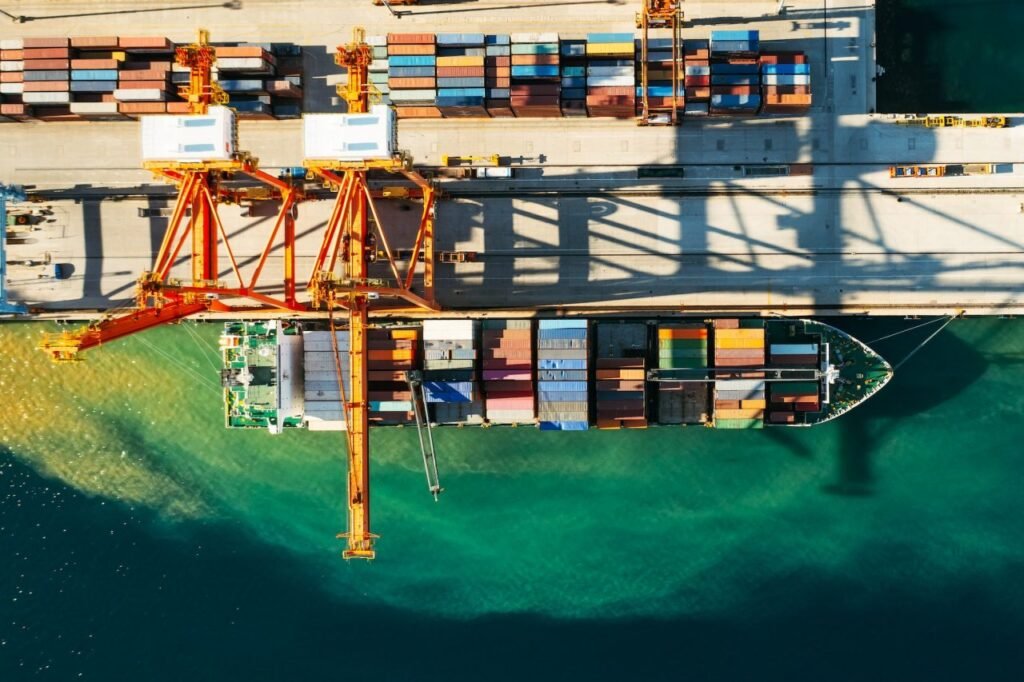
Sea Freight Shipping from China to Peru
Spara pengar med våra sjöfraktsalternativ med hög kapacitet, perfekta för stora transporter utan brådska.
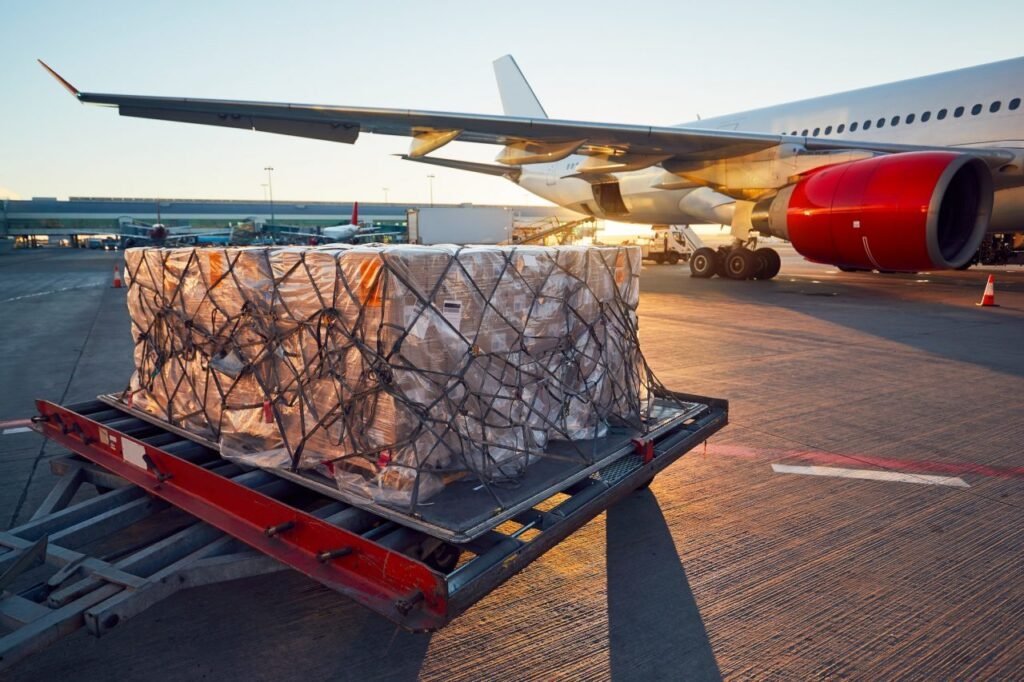
Air Freight Shipping from China to Peru
Påskynda dina brådskande transporter med våra flygfrakttjänster och se till att ditt företag håller schemat.
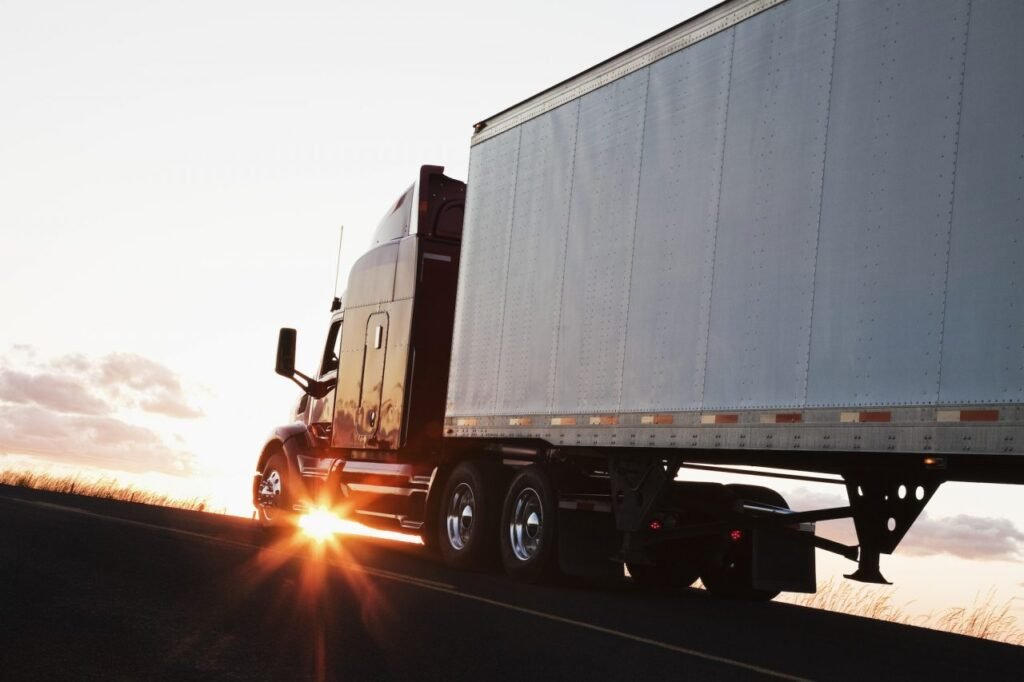
Door to Door Shipping from China to Peru
Upplev problemfri frakt med vår dörr-till-dörr-service som täcker all logistik från upphämtning till leverans.
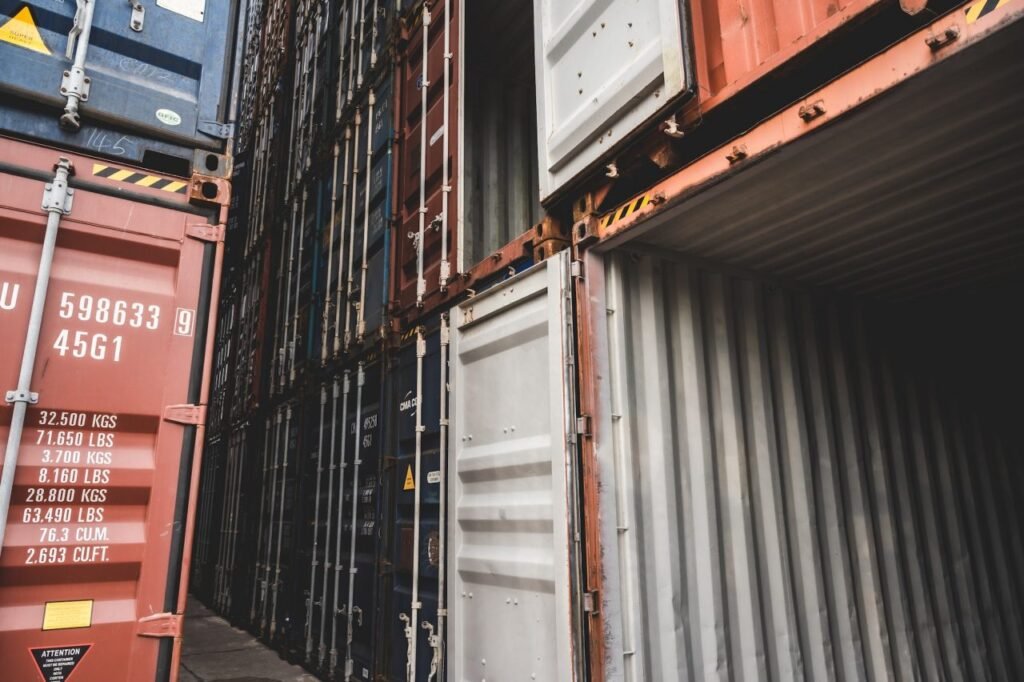
Cheapest Shipping From China to Peru
Maximera din budget med våra prisvärda fraktlösningar, utformade för att leverera kostnadseffektiv och pålitlig transport.
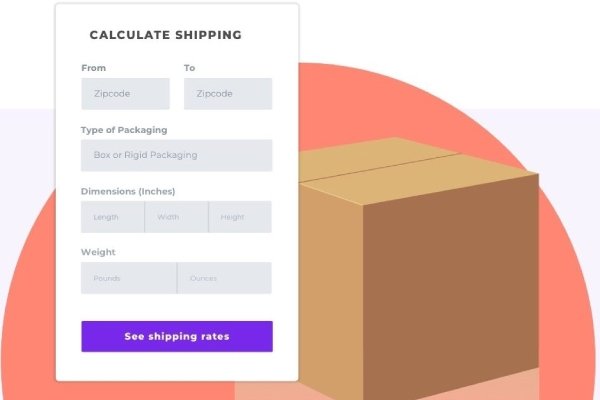
How long/much Shipping from China to Peru
Planera effektivt med vår tydliga och tydliga information om tidslinjer och kostnader, vilket stärker ditt affärsbeslutsfattande.
FCL Shipping From China to Peru
Mbmlogs FCL-frakttjänst kan säkra dina stora transporter med full containerlast (FCL), vilket säkerställer att din last transporteras tillsammans utan störningar, perfekt för bulkvaror som behöver robust skydd.
LCL Shipping From China to Peru
Dra nytta av flexibiliteten med LCL-frakt (Less than Container Load), vilket gör att du kan skicka mindre leveranser oftare och hantera lagret effektivt utan att behöva fylla en full container.
Additional services for shipping from China to the Peru
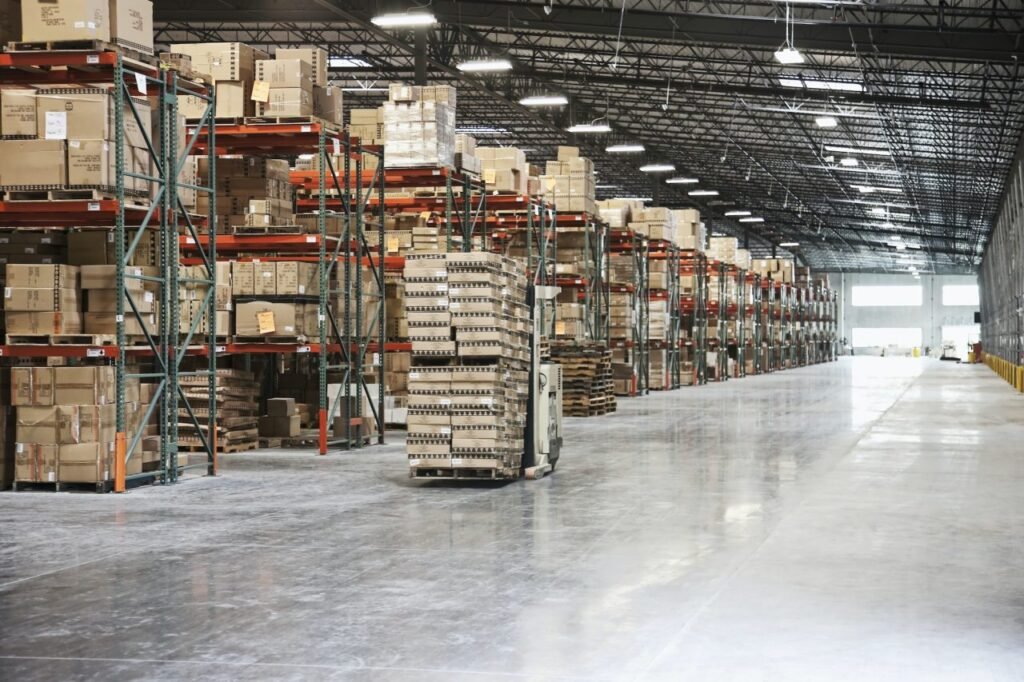
Upphämtning och leverans
Effektivisera din logistik med våra pålitliga upphämtning- och leveranstjänster, vilket säkerställer snabb och effektiv transport från din dörr direkt till destinationen, vilket förbättrar driftshastigheten och tillförlitligheten.
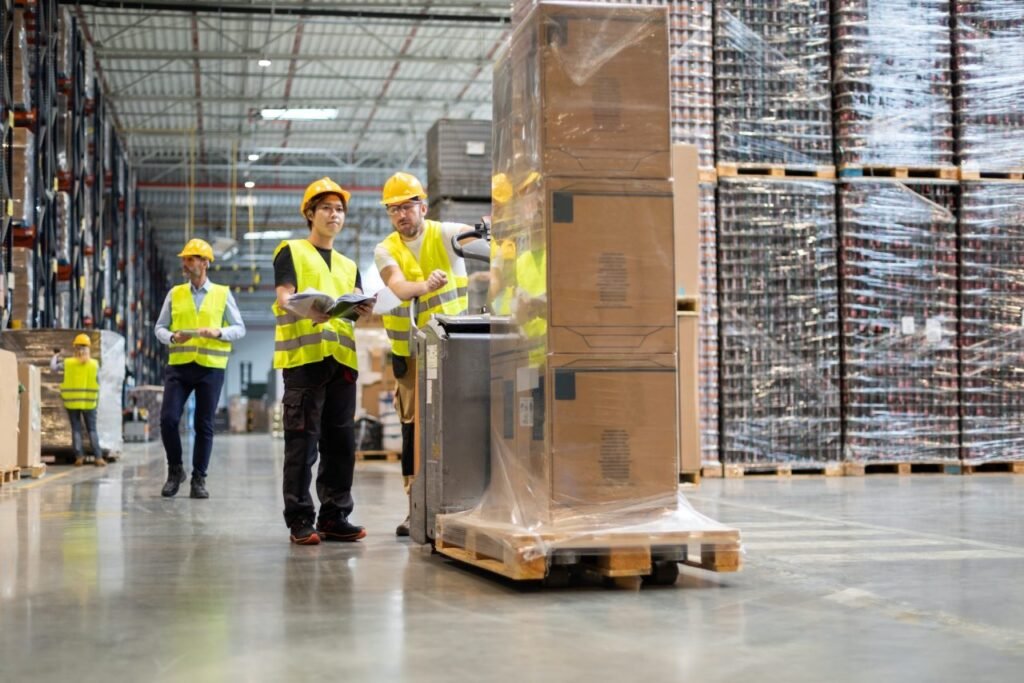
Lager
Använd våra säkra och skalbara lagerlösningar för att säkert lagra dina varor. Vi erbjuder flexibla förvaringsalternativ som anpassar sig till dina affärsbehov och hjälper till att optimera lagerhantering och tillgänglighet.
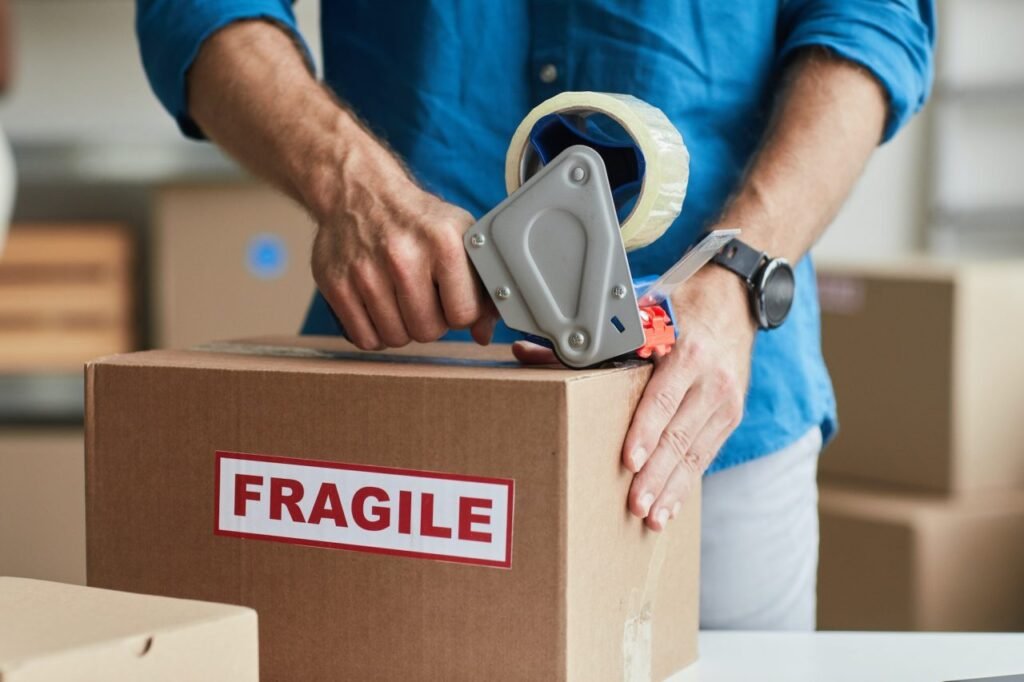
Fraktförsäkring
Skydda dina investeringar med en omfattande fraktförsäkring som ger ekonomisk trygghet och sinnesro mot potentiella transportskador eller förluster, vilket säkerställer smidiga och riskfria fraktoperationer.
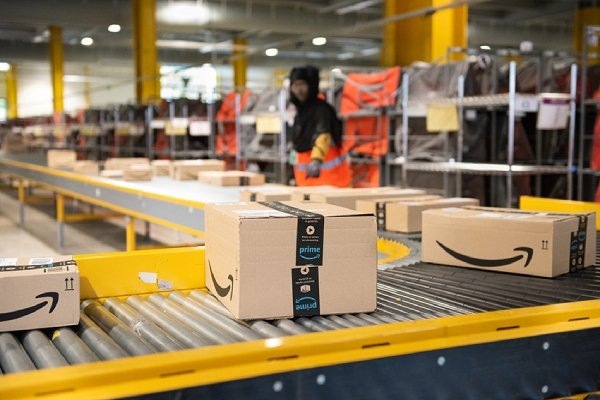
Leverans till FBA-lager
Underlätta sömlös integration med Amazons nätverk genom våra specialiserade frakttjänster till FBA-lager, optimera din distributionsstrategi, minska hanteringstider och öka din försäljningspotential.

Tullklarering
Påskynda dina internationella transporter med våra experttjänster inom tullklarering, minimera förseningar och säkerställa efterlevnad av alla globala handelsregler, vilket förenklar dina import-/exportprocesser.
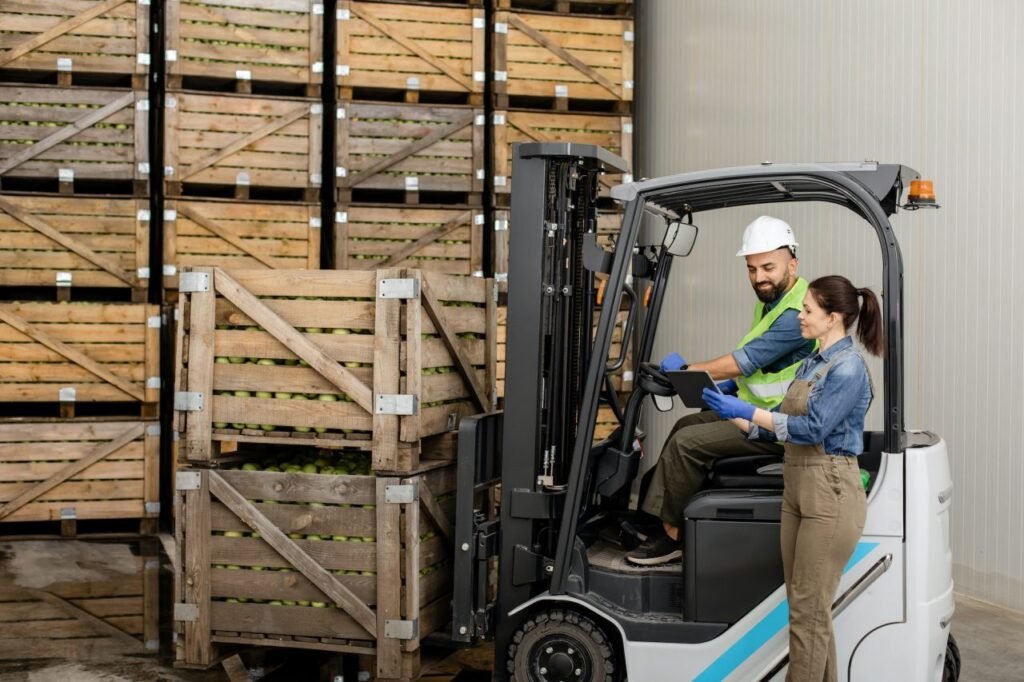
Lastningsinspektion
Säkerställ dina varors kvalitet och skick med våra noggranna lastinspektioner, vilket säkerställer leveransens integritet och förbättrar den totala kundnöjdheten genom att förhindra potentiella problem under transporten.

Expressfrakt
Snabba upp dina leveranstider med våra expressleveransalternativ, perfekta för brådskande leveranser som kräver snabb och pålitlig service, vilket hjälper dig att möta snäva deadlines och överträffa kundernas förväntningar.
Varför välja MBM?
Upplev fördelarna med smidiga förflyttningar
Genom att välja Mbmlog får du konkurrenskraftiga priser, pålitliga och punktliga leveranser samt expertsupport dygnet runt. Dra nytta av vår 20 års erfarenhet, smidiga tullklarering och kostnadsfria lagerförvaring, vilket säkerställer att din logistik är effektiv, kostnadseffektiv och bekymmersfri.
20 års expertis
Mbmlog erbjuder oöverträffade logistiklösningar. Vår omfattande erfarenhet säkerställer effektiva och pålitliga tjänster skräddarsydda för att möta dina olika transportbehov.
Gratis lager
Njut av upp till 30 dagars gratis lagerförvaring med mbmforwarding. Våra säkra och välorganiserade anläggningar säkerställer att dina varor förvaras säkert.
Expertsupport på engelska dygnet runt
Vi erbjuder expertsupport på engelska dygnet runt, vilket säkerställer smidig och effektiv kommunikation och omedelbar hjälp med alla dina logistikbehov.
Fraktförsäkring
Vårt företag erbjuder heltäckande fraktförsäkringstjänster som skyddar dina transporter med skräddarsydda försäkringsalternativ, vilket garanterar säkerhet och sinnesro under transporten.
På spårningstjänster
Mbmlogs spårningstjänster ger uppdateringar i realtid om dina leveranser, vilket säkerställer att du alltid har korrekt information om din lasts status.
Professionell tullklarering
Våra professionella tullklareringstjänster garanterar en smidig och effektiv hantering. Vårt expertteam hanterar all dokumentation och säkerställer att alla föreskrifter följs.