
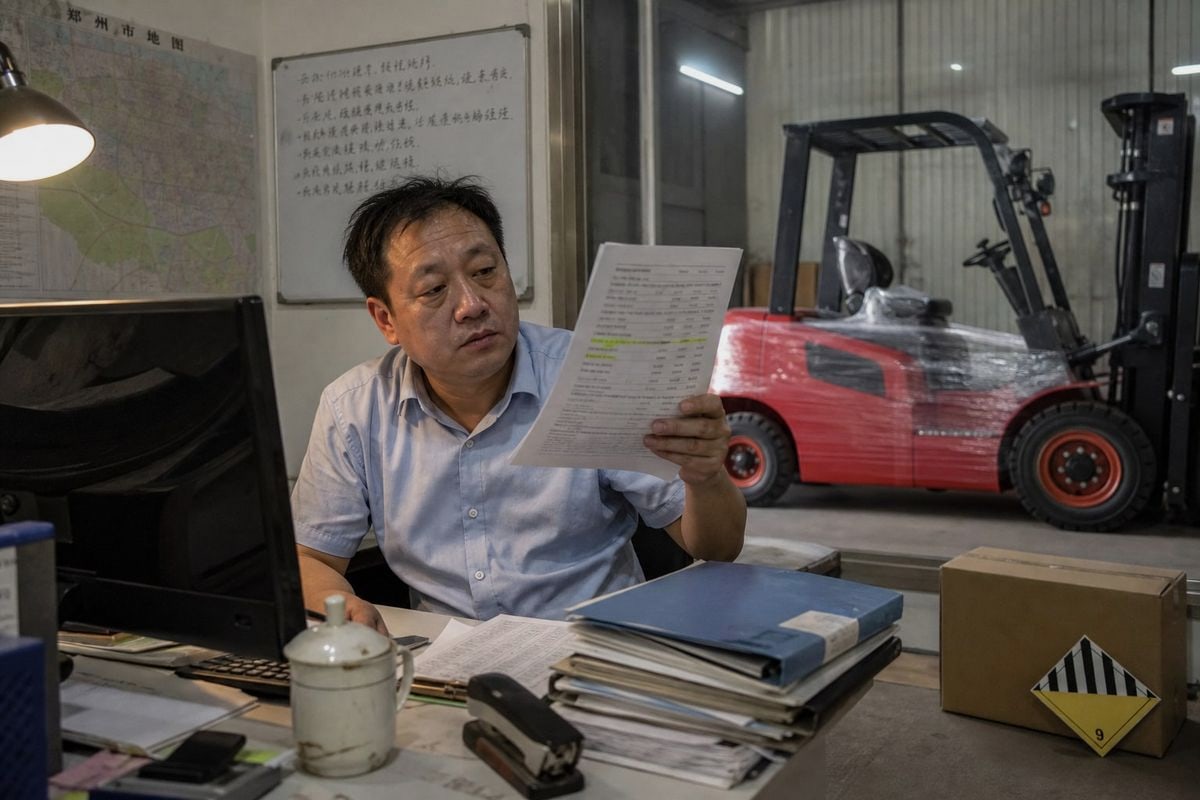
ค่าธรรมเนียมสินค้าอันตรายสำหรับการขนส่งรถยกแบตเตอรี่ลิเธียมทำให้ผู้นำเข้าส่วนใหญ่ประหลาดใจ ทีมโลจิสติกส์ของเราในเจิ้งโจวพบกับความประหลาดใจนี้ในใบแจ้งหนี้แทบทุกสัปดาห์.
ค่าธรรมเนียมสินค้าอันตรายคือค่าธรรมเนียมเพิ่มเติมที่ผู้ให้บริการเรียกเก็บเพื่อจัดการกับสินค้าแบตเตอรี่ลิเธียมประเภท 9 ซึ่งครอบคลุมการตรวจสอบการปฏิบัติตามข้อกำหนด เอกสาร และความเสี่ยง สำหรับรถยกแบตเตอรี่ลิเธียม ค่าธรรมเนียมจะอยู่ระหว่างค่าธรรมเนียมต่อการจัดส่งขนาดเล็กถึง $200–$400 ต่อการจองทางทะเล ขึ้นอยู่กับผู้ให้บริการ โหมด และการกำหนดค่าของแบตเตอรี่.
ค่าธรรมเนียมไม่ใช่จำนวนที่คงที่ มันเปลี่ยนแปลงไปตามวิธีการจัดประเภทแบตเตอรี่ของคุณ ผู้ให้บริการที่คุณใช้ และความพร้อมของเอกสารของคุณ ขอให้ฉันอธิบายให้เข้าใจ.
อะไรทำให้รถยกแบตเตอรี่ลิเธียมถูกจัดเป็นสินค้าอันตราย?
ผู้จัดจำหน่ายในเท็กซัสเคยถามฉันว่าทำไมเขา แบตเตอรี่ลิเธียมฟอร์คลิฟท์ 1 ต้องการเอกสาร hazmat ในขณะที่หน่วยดีเซลของเขาไม่เคยต้องการ สิ่งตอบอยู่ในเคมีของแบตเตอรี่เอง.
รถฟอร์คลิฟต์แบตเตอรี่ลิเธียมถูกจัดเป็นสินค้าอันตรายประเภท 9 เนื่องจากแบตเตอรี่ลิเธียมไอออนสามารถเกิดความร้อนสูงเกินไปได้ พวกมันอยู่ภายใต้ UN3480 (แบตเตอรี่ที่จัดส่งเพียงอย่างเดียว) หรือ UN3481 (แบตเตอรี่ที่มากับอุปกรณ์หรืออยู่ในอุปกรณ์) ซึ่งทำให้มีการควบคุมการจัดการตามกฎของ IATA, IMDG และ DOT.
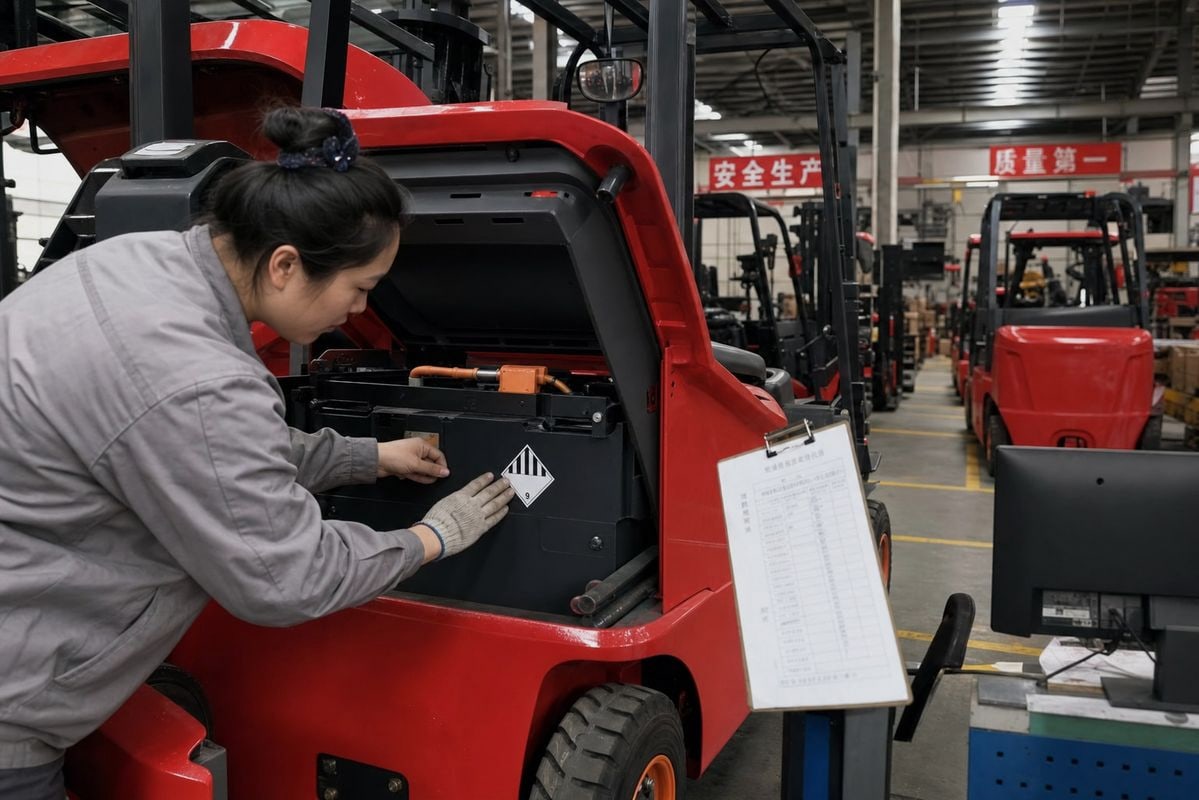
เซลล์ลิเธียมไอออนเก็บพลังงานได้มากในพื้นที่ขนาดเล็ก หากเซลล์เสียหาย เติมไฟเกิน หรือเกิดวงจรลัดสั้น อาจทำให้มีความร้อนสูงและเกิดการลุกไหม้ ความเสี่ยงนี้คือเหตุผลที่หน่วยงานกำกับดูแลจัดการแบตเตอรี่ลิเธียมเป็น สินค้าขนส่งอันตรายประเภท 9, แม้ว่าแบตเตอรี่จะถูกยึดอย่างปลอดภัยอยู่ภายในโครงรถฟอร์คลิฟต์.
กฎระเบียบที่ใช้บังคับ
หนังสือกฎหลักสามเล่มควบคุมการขนส่งเหล่านี้ การขนส่งทางอากาศปฏิบัติตามกฎระเบียบสินค้าอันตรายของ IATA การขนส่งทางทะเลตาม รหัส IMDG 2 ข้อกำหนดในการปฏิบัติตาม กรณีการขนส่งทางบกในสหรัฐอเมริกาจะอยู่ภายใต้กฎระเบียบวัสดุอันตรายของ DOT เมื่อเราส่งรถยกไฟฟ้าจากจีนไปยังสหรัฐอเมริกา รหัส IMDG จะมีผลในทะเล และกฎของ DOT จะมีผลทันทีที่ตู้คอนเทนเนอร์ถึงถนนในอเมริกา.
หมายเลข UN และการกำหนดค่าแบตเตอรี่
หมายเลข UN ที่กำหนดให้กับการจัดส่งของคุณมีผลต่อทุกสิ่งทุกอย่างตามมา รวมถึงค่าธรรมเนียมเพิ่มเติม.
| การกำหนดค่า | หมายเลข UN | สถานการณ์ทั่วไป |
|---|---|---|
| แบตเตอรี่จัดส่งเพียงลำพัง | UN3480 แบตเตอรี่ลิเธียมไอออน | แบตเตอรี่ฟอร์คลิฟต์สำรอง |
| แบตเตอรี่บรรจุกับอุปกรณ์ | UN3481 | รถยกและแบตเตอรี่ในกล่องเดียวกัน ไม่ได้ติดตั้ง |
| แบตเตอรี่ที่อยู่ภายในอุปกรณ์ | UN3481 | แบตเตอรี่ติดตั้งอยู่ภายในรถยก |
| รถที่ขับเคลื่อนด้วยแบตเตอรี่ | UN3171 (บางกรณี) | รถยนต์ที่ใช้พลังงานจากแบตเตอรี่แบบครบวงจร |
รถยกที่มีการติดตั้งแบตเตอรี่จะถูกจัดการอย่างมีความเอื้ออาทรกว่าแบตเตอรี่สำรองแบบหลวม ในประสบการณ์ของเราในการประสานงานการส่งออกของรถยก ผู้นำเข้าที่จัดส่งแบตเตอรี่ UN3480 สำรองควบคู่กับเครื่องจักรของตนมักจะเผชิญกับข้อกำหนดที่เข้มงวดที่สุดและค่าธรรมเนียมสูงสุด.
การจัดอันดับวัตต์ชั่วโมงของชุดแบตเตอรี่ก็มีความสำคัญ รถยกรถยนต์ใช้แบตเตอรี่มีความจุมากกว่าเกณฑ์แบตเตอรี่ขนาดเล็กเกินไป ดังนั้นจึงแทบไม่เคยมีสิทธิ์เข้าถึงข้อกำหนดที่เบาที่สุด นั่นคือเหตุผลที่ทำให้รถยกที่ใช้ลิเธียมมีค่าขนส่งสูงกว่ารถยกที่ใช้ดีเซลซึ่งมีขนาดเท่ากัน ค่าขนส่งก็คล้ายกัน แต่ภาระด้านกฎระเบียบไม่เหมือนกัน.
ค่าธรรมเนียมสินค้าอันตรายเพิ่มค่าใช้จ่ายในการขนส่งของฉันมากเท่าไร?
ในการเสนอราคาโฟล์คลิฟต์ลิเธียมในตู้คอนเทนเนอร์เต็มเมื่อไตรมาสที่แล้ว ฉันต้องอธิบายว่าทำไมการจองที่เหมือนกันสองรายการบนผู้ให้บริการต่างกันถึงแสดงความแตกต่าง $350 ความแตกต่างนั้นเกือบทั้งหมดคือราคาสำหรับสินค้าจำพวกอันตราย.
ค่าธรรมเนียมสำหรับสินค้าจำพวกอันตรายมักจะเพิ่ม $200–$400 ต่อการจองสำหรับการขนส่งทางทะเล, $2–$5 ต่อกิโลกรัมสำหรับการขนส่งทางอากาศ, บวกกับค่าธรรมเนียมประกาศ $50–$200 ต่อการส่งสินค้า ค่าใช้จ่ายของพัสดุและค่าธรรมเนียมของท่าเรือมีการเปลี่ยนแปลงอย่างมาก และบางค่าธรรมเนียมในการตรวจสอบท่าเรือสามารถสูงถึง $1,200–$1,500 ต่อการส่งสินค้า.
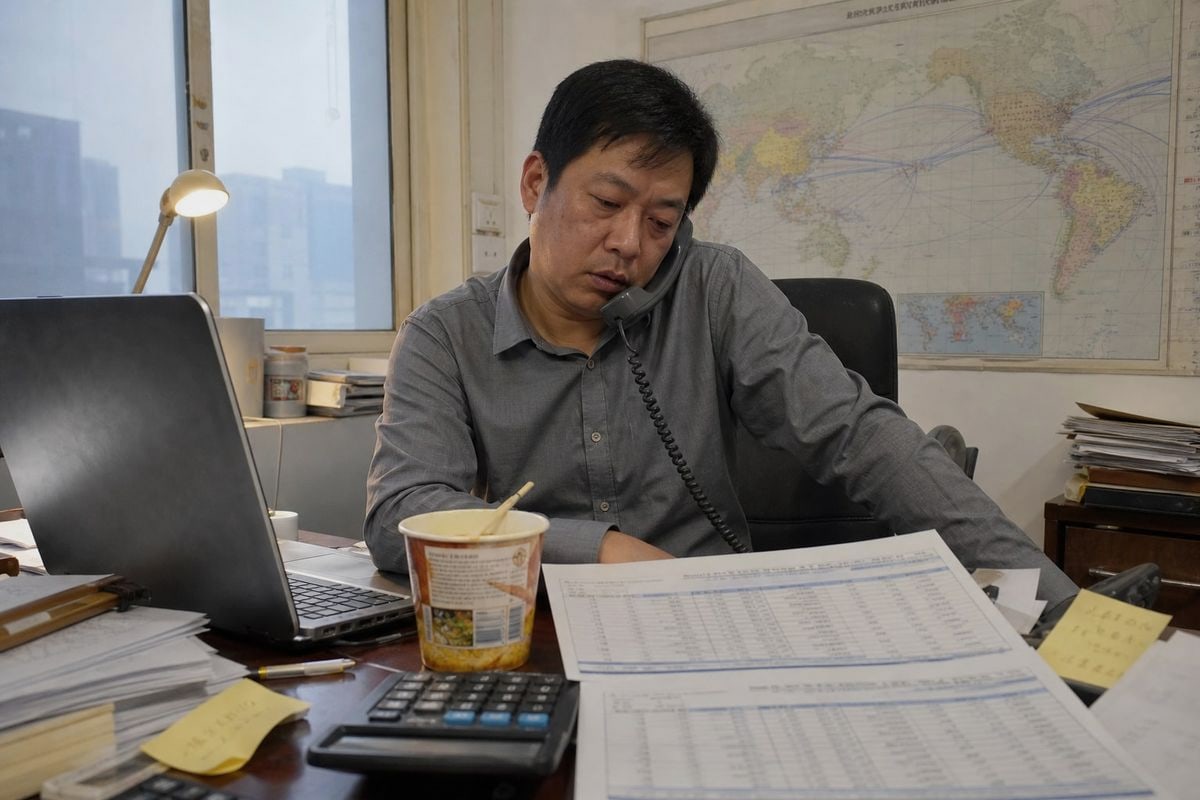
คำตอบที่ตรงไปตรงมาคือไม่มีอัตราเดียวที่ใช้ได้ทั่วโลก ผู้ให้บริการแต่ละรายจะประกาศตารางเวลาเป็นของตนเอง และรถฟอร์คลิฟท์เดียวกันอาจมีราคาไม่สูงในเครือข่ายหนึ่งและสูงในอีกเครือข่ายหนึ่ง นี่คือภาพที่สมจริงเกี่ยวกับค่าใช้จ่ายในตลาดที่เรียกเก็บ.
ตัวอย่างค่าธรรมเนียมที่เผยแพร่โดยผู้ให้บริการต่าง ๆ
| ผู้ให้บริการ / บริบท | ประเภทค่าธรรมเนียม | จำนวนที่เป็นไปได้ทั่วไป |
|---|---|---|
| DHL Express UK | สินค้าอันตรายทั้งหมด, ต่อการส่ง | £85.00 |
| DHL Express UK | แบตเตอรี่ลิเธียมพร้อมอุปกรณ์ | £4.50 ต่อการส่ง |
| DHL Express UK | แบตเตอรี่ลิเธียมบางประเภทในอุปกรณ์ | ไม่มีค่าใช้จ่าย |
| เฟดเอ็กซ์ | Special handling per UN article number | $80, capped at $300 per consignment |
| Air Canada Cargo | Restricted DG per unique UN/ID number | $90.00 |
| Air Canada Cargo | Lithium battery check fees | $45–$50 |
| Ocean freight (industry estimate) | Class 9 forklift booking | $200–$400 |
| Ocean freight (flat hazmat) | Per container hazmat surcharge | $300–$700 |
| Singapore port reporting | Battery DG monitoring per shipment | USD 1,200–1,500 |
That last row deserves attention. Terminal and port fees on certain trade lanes can dwarf the carrier surcharge itself. When we quote door-to-door DDP shipments, we check port-specific charges before the booking, not after.
Why the Range Is So Wide
Several factors move the number up or down. Fully regulated shipments cost more than lower-risk provisions. FedEx, for example, generally does not surcharge permitted Section II lithium batteries, but fully regulated Class 9 cargo triggers hazmat handling fees. Couriers like FedEx and UPS also apply different levels based on whether cargo is accessible or inaccessible to crew during air transit. And a compromised or recalled battery can trigger DDR surcharges up to ten times the standard rate because it requires specialized explosion-proof overpacks.
Remember that the surcharge is only one line on the invoice. Base freight, UN-certified packaging, and documentation work all sit alongside it in your landed cost.
ฉันสามารถลดค่าธรรมเนียมสินค้าอันตรายเมื่อจัดส่งแบตเตอรี่รถฟอร์คลิฟท์ได้หรือไม่?
One lesson our team learned early: the cheapest surcharge is the one you avoid through smart classification. A US dealer once saved a meaningful sum simply by shipping batteries installed rather than crated separately.
Yes, you can reduce dangerous goods surcharges by shipping batteries installed in equipment, choosing ocean over air freight, selecting carriers with favorable Class 9 fee schedules, consolidating UN numbers per booking, and ensuring compliant packaging and paperwork to avoid re-check and rejection fees.
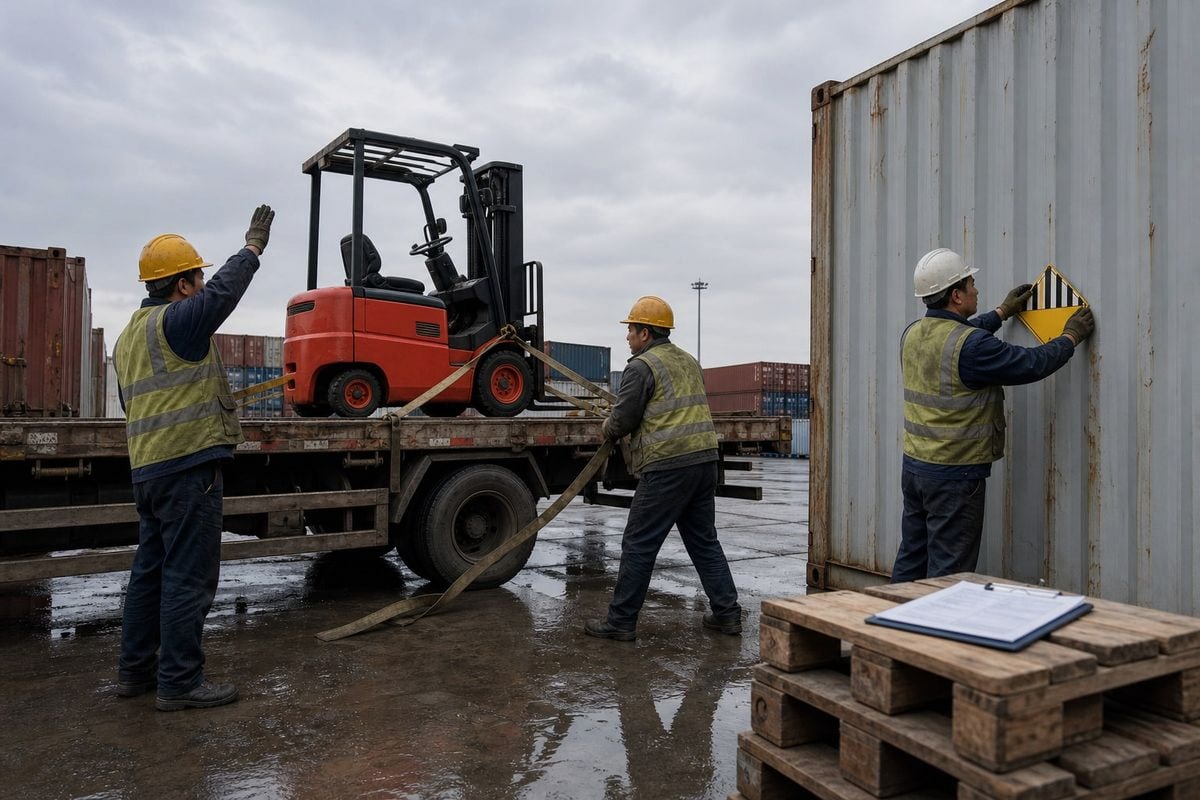
You cannot negotiate away the regulation. But you can control how the regulation applies to your shipment. Here are the levers that actually work.
Five Practical Ways to Lower the Fee
- Ship batteries installed in the forklift. UN3481 batteries contained in equipment often attract lower carrier fees than UN3480 spare packs. DHL's schedule shows some in-equipment categories with no charge at all.
- Choose ocean freight for complete machines. Air freight surcharges of $2–$5 per kg become enormous on a two-ton forklift. A flat ocean hazmat surcharge per container is far more efficient. We move nearly all complete forklifts by sea for exactly this reason.
- Consolidate UN numbers. FedEx charges per UN article number with a $300 consignment cap. Grouping cargo intelligently keeps you under fee caps instead of multiplying them.
- Fill the container. A $300–$700 hazmat surcharge on a 40HQ carrying five forklifts costs far less per unit than the same fee on a container carrying one. Adding chargers and spare parts to unused space spreads the cost further.
- Get the paperwork right the first time. Acceptance checks, re-checks, and non-acceptance fees stack up fast when documents fail. Air Canada Cargo, for instance, charges separate lithium battery check fees on top of its DG acceptance fee.
Some buyers object that lithium logistics costs will keep rising no matter what they do, since insurers and terminals are pricing in higher risk for large industrial battery systems. There is truth in that trend. But the market is also moving toward chemistry-specific risk tiering, where stable Lithium Iron Phosphate (LFP) packs may command lower surcharges than high-energy NMC variants. Emerging smart surcharge models even offer discounts for shipments with active IoT thermal monitoring. Rising baseline risk pricing makes correct classification more valuable, not less.
เอกสารอะไรบ้างที่ฉันต้องการเพื่อหลีกเลี่ยงค่าธรรมเนียมสินค้าอันตรายเพิ่มเติม?
Before any lithium forklift leaves a Chinese factory we work with, we run a document check. Missing one certificate at the port costs far more than an hour of preparation in Zhengzhou.
You need a UN38.3 test summary, Safety Data Sheet (SDS), Dangerous Goods Declaration, correct UN number and packing instruction, Class 9 labels, proof of UN-certified packaging, and battery specifications including Watt-hour rating. Complete documents prevent re-check fees, rejection charges, and costly port delays.
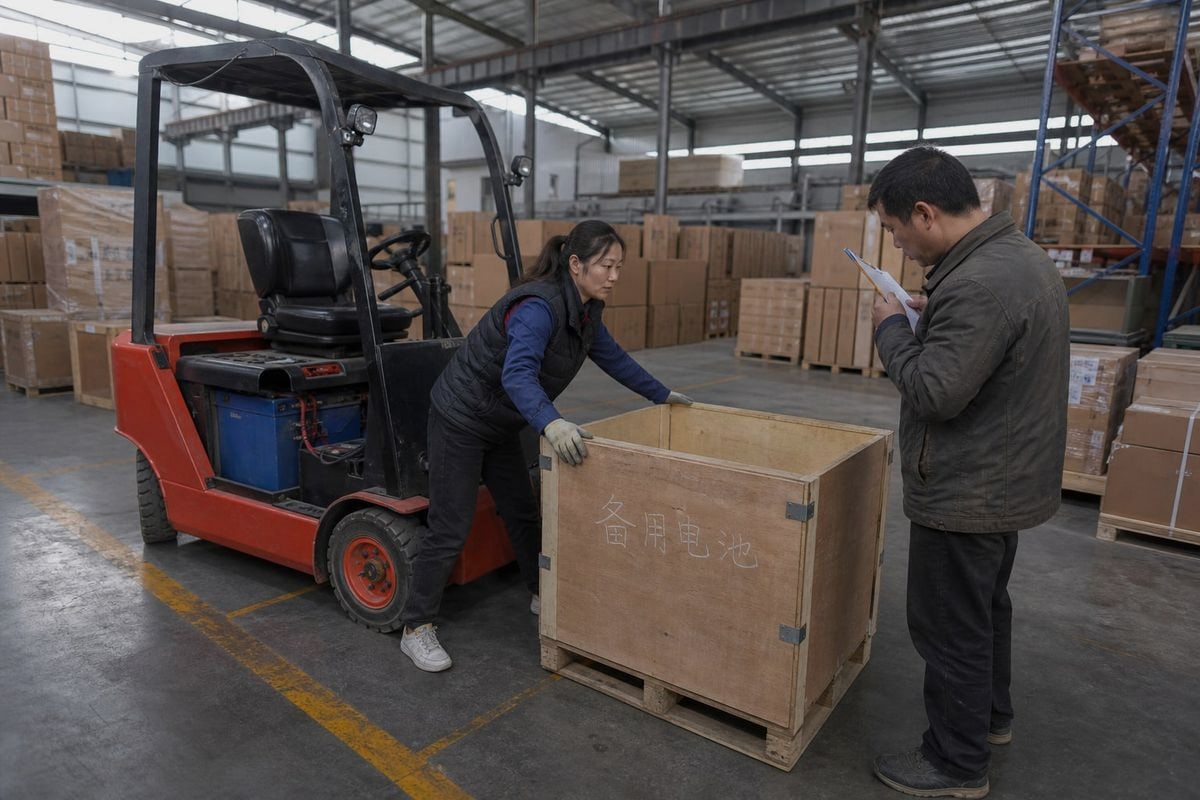
Documentation is where most surprise charges are born. Carriers do not just charge for risk. They charge for the administrative work of verifying your compliance, and they charge again when verification fails.
รายการตรวจสอบเอกสารหลัก
| เอกสาร | วัตถุประสงค์ | ใครเป็นผู้จัดหาให้ |
|---|---|---|
| สรุปการทดสอบ UN38.3 | พิสูจน์ว่าแบตเตอรี่ผ่านการทดสอบความปลอดภัยในการขนส่ง | ผู้ผลิตแบตเตอรี่ |
| Safety Data Sheet 3 (SDS) | รายละเอียดเกี่ยวกับเคมี อันตราย และการตอบสนองในกรณีฉุกเฉิน | ผู้ผลิตแบตเตอรี่ |
| การประกาศสินค้าอันตราย | Legal declaration of hazmat contents | Shipper, often with forwarder support |
| Packing certificate | Confirms UN-certified packaging was used | Shipper or packer |
| เอกสารข้อมูลจำเพาะของแบตเตอรี่ | States Watt-hour rating, voltage, and configuration | ผู้ผลิต |
| ใบแจ้งหนี้การค้าและรายการบรรจุภัณฑ์ | Customs clearance and NMFC freight classification support | Supplier and forwarder |
Declaration fees alone typically run $50 to $200 per shipment, covering the carrier's legal paperwork 4 and compliance auditing. That fee is unavoidable. The avoidable costs come from getting it wrong: failed acceptance checks, re-inspection fees, rebooking delays, and storage charges while a container sits at port.
New Requirements to Watch
Air shipments now face a 30% State of Charge (SoC) limit, which means batteries must be discharged and verified before flight. This adds labor that carriers pass on as handling surcharges. Origin discharge verification fees are also appearing, as third-party inspectors certify that large-format batteries sit below the 30% SoC threshold before loading. When we coordinate air freight for forklift parts and batteries, we confirm SoC handling with the factory before pickup, because fixing it at the airport is slow and expensive.
One final point. A waived surcharge never means waived regulation. Even fee-free lithium battery categories still require full compliance, and non-compliance discovered at acceptance turns a free category into an expensive problem.
บทสรุป
Dangerous goods surcharges reflect regulation, carrier risk, and paperwork, not battery size alone. Classify correctly, prepare documents early, and compare carriers to control your landed cost. Our team helps importers do exactly that.
เชิงอรรถ
1. Provides technical background on the lithium-ion battery chemistry used in industrial forklifts and its associated safety risks. ↩︎
2. Official IMO resource for the IMDG Code, which governs the international maritime transport of dangerous goods. ↩︎
3. Official OSHA Hazard Communication landing page providing authoritative regulatory information on Safety Data Sheet (SDS) requirements. ↩︎
4. IATA provides the global standards for the legal paperwork and documentation required for hazardous air cargo shipments. ↩︎




