บล็อกและข่าวสาร

ทำความเข้าใจเกี่ยวกับการขนส่งสินค้าทุกประเภท (FAK): คู่มือฉบับสมบูรณ์

Freight All Kinds หรือ FAK เป็นกลยุทธ์การกำหนดราคาและการจำแนกประเภทสินค้าที่ใช้ในอุตสาหกรรมการขนส่ง โดยเฉพาะอย่างยิ่งในการขนส่งสินค้าแบบไม่เต็มคันรถ (LTL) โดยหลักการแล้ว FAK เป็นระบบการจำแนกประเภทสินค้าแบบง่ายๆ ที่จัดกลุ่มสินค้าประเภทต่างๆ เข้าไว้ในหมวดหมู่ที่กว้างขึ้น ทำให้โครงสร้างการกำหนดราคาคล่องตัวมากขึ้น

อ่านเพิ่มเติม »

DAT (Delivered at Terminal) คืออะไร? คำจำกัดความและวิธีการทำงาน

การส่งมอบ ณ สถานีปลายทาง (Delivered at Terminal หรือ DAT) หมายความว่าผู้ขายมีหน้าที่รับผิดชอบในการส่งมอบสินค้าไปยังสถานีปลายทางที่ระบุไว้ ณ ปลายทางของผู้ซื้อ ซึ่งอาจเป็นท่าเรือ สนามบิน หรือคลังสินค้า ผู้ขายจะเป็นผู้รับผิดชอบค่าใช้จ่ายและความเสี่ยงในการขนส่งทั้งหมดจนถึงจุดนั้น รวมถึงการขนถ่ายสินค้า เมื่อสินค้าถูกขนถ่ายลงที่สถานีปลายทางแล้ว ผู้ซื้อจะเป็นผู้รับช่วงต่อ

อ่านเพิ่มเติม »

CIP (Carriage and Insurance Paid To) ใน Incoterms คืออะไร

Carriage and Insurance Paid To (CIP) is an international commercial term (Incoterm) where the seller is responsible for delivering goods to a specified destination in the buyer’s country, covering both carriage and insurance costs up to the point of delivery. The buyer takes responsibility for risks once the goods are handed over to the first carrier at the origin.

อ่านเพิ่มเติม »

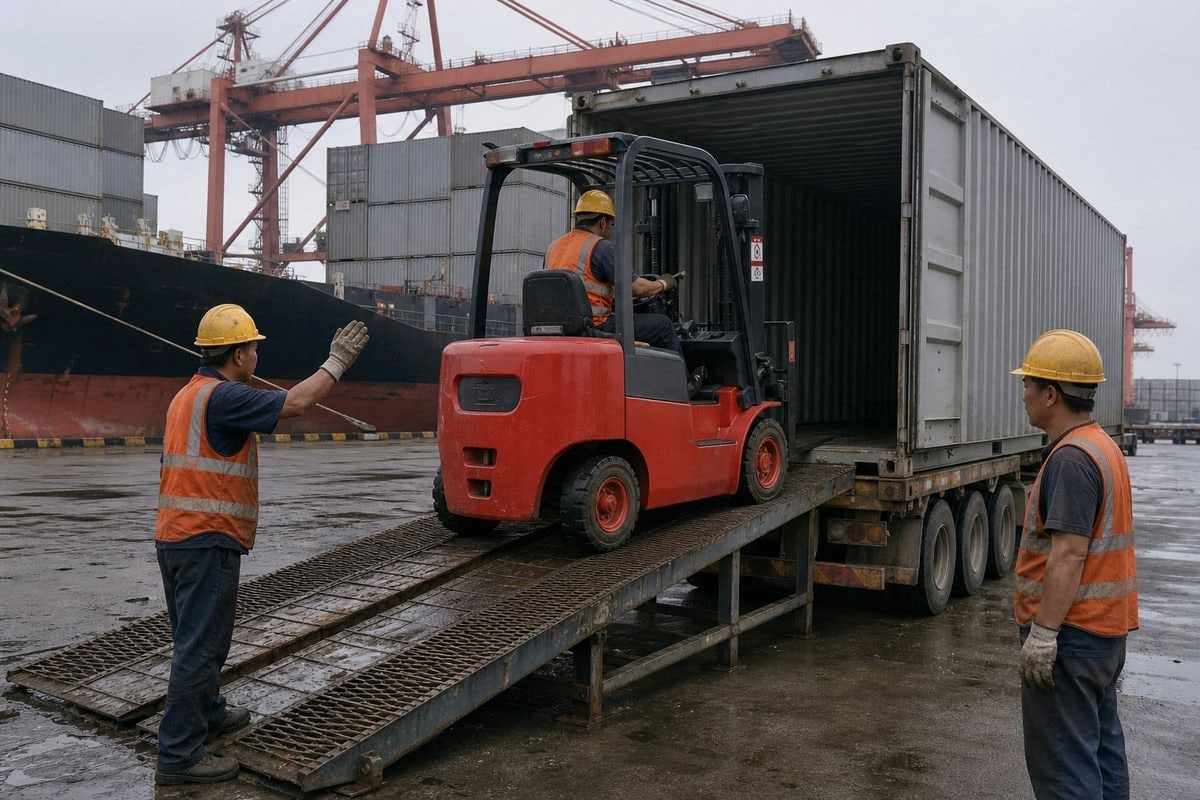
Best Practices: Shipping OOG Cargo from China to USA

shipping solutions for OOG cargo are varied and depend on the nature of the cargo. The primary options include flat racks, open-top containers, and breakbulk shipping. Bulk cargo shipping methods, such as lift-on/lift-off (LOLO) and roll-on/roll-off (RORO), are also commonly used as complementary solutions when standard containerized shipping isn’t feasible.

อ่านเพิ่มเติม »

What is Delivered At Place (DAP) ?

Delivered At Place (DAP) is a shipping term under Incoterms® 2020 that defines the seller’s responsibility to deliver goods to a named destination, ready for unloading. The seller is accountable for all risks and costs associated with transporting the goods to that location, but not for unloading. This term can be used across all modes of transport.

อ่านเพิ่มเติม »

ตู้คอนเทนเนอร์ 40GP กับ 40HC ต่างกันอย่างไร?

The primary difference between 40GP and 40HC containers is their height. A 40GP container is 8 feet 6 inches tall, while a 40HC container stands at 9 feet 6 inches, giving it an extra foot of vertical space. This additional height increases the internal volume of the 40HC, providing approximately 10-15% more cargo capacity.

อ่านเพิ่มเติม »

11 ประเภทของตู้คอนเทนเนอร์ขนส่งสินค้าและการใช้งาน (คู่มือฉบับสมบูรณ์)

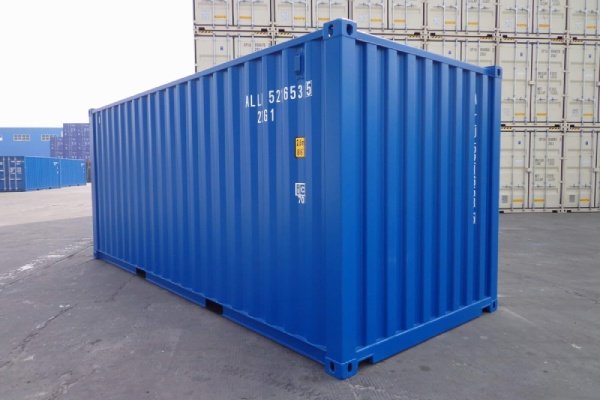
ตู้คอนเทนเนอร์มาตรฐาน หรือที่เรียกว่าตู้คอนเทนเนอร์แบบแห้ง เป็นตู้คอนเทนเนอร์ประเภทที่ใช้กันมากที่สุด โดยทั่วไปทำจากเหล็กหรืออลูมิเนียม และออกแบบมาเพื่อการขนส่งและการจัดเก็บทั่วไป ตู้คอนเทนเนอร์เหล่านี้ทนต่อสภาพอากาศ ปกป้องสินค้าจากสภาพแวดล้อมภายนอก เช่น ฝน ฝุ่น และลม

อ่านเพิ่มเติม »

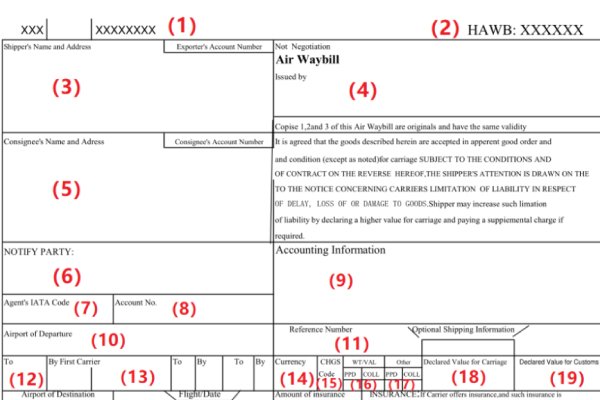
แบบฟอร์มใบขนส่งสินค้าทางอากาศ (Airway Bill หรือ AWB) คืออะไร และวิธีการกรอกทีละขั้นตอน

ใบตราส่งสินค้าทางอากาศ (Airway Bill หรือ AWB) เป็นเอกสารการขนส่งที่มีผลผูกพันทางกฎหมาย ซึ่งให้ข้อมูลโดยละเอียดเกี่ยวกับสินค้าที่ขนส่งทางอากาศ ทำหน้าที่เป็นสัญญาผูกพันระหว่างผู้ส่งและผู้ขนส่ง และใช้เป็นหลักฐานการรับสินค้า AWB ช่วยให้มั่นใจได้ว่าการขนส่งเป็นไปตามข้อกำหนดและถึงปลายทางอย่างปลอดภัย

อ่านเพิ่มเติม »

ข่าวยอดนิยม

หมวดหมู่

โลจิสติกส์สำหรับยุคใหม่

Lorem ipsum dolor นั่ง amet consectetur adipiscing elit dolor

احصل على عرباسعار مجاني

سيقوم كبيرنا الودود الذي يتحد, الإنجليزية بالرد عليك كلال 6 ساعات.

รับใบเสนอราคาฟรี

ผู้เชี่ยวชาญที่พูดภาษาอังกฤษได้อย่างคล่องแคล่วของเราจะติดต่อกลับคุณภายใน 6 ชั่วโมง